Industrial Grade PV Supplier · Port Qasim & KPT Logistics
N-Type TOPCon Solar Panels Factory & Supplier in the Karachi Market
Engineered for Extreme Coastal Heat, Marine Salt Fog & High-Yield Commercial Grid Integration across Sindh's Heavy Industrial Belts
B2B Direct Sourcing · Factory Gate to Karachi
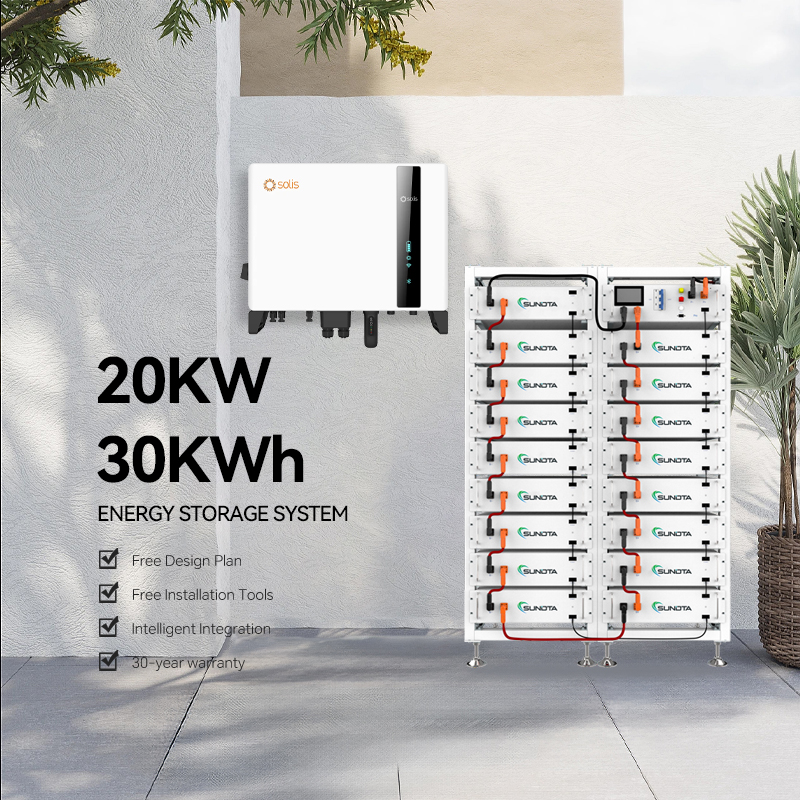
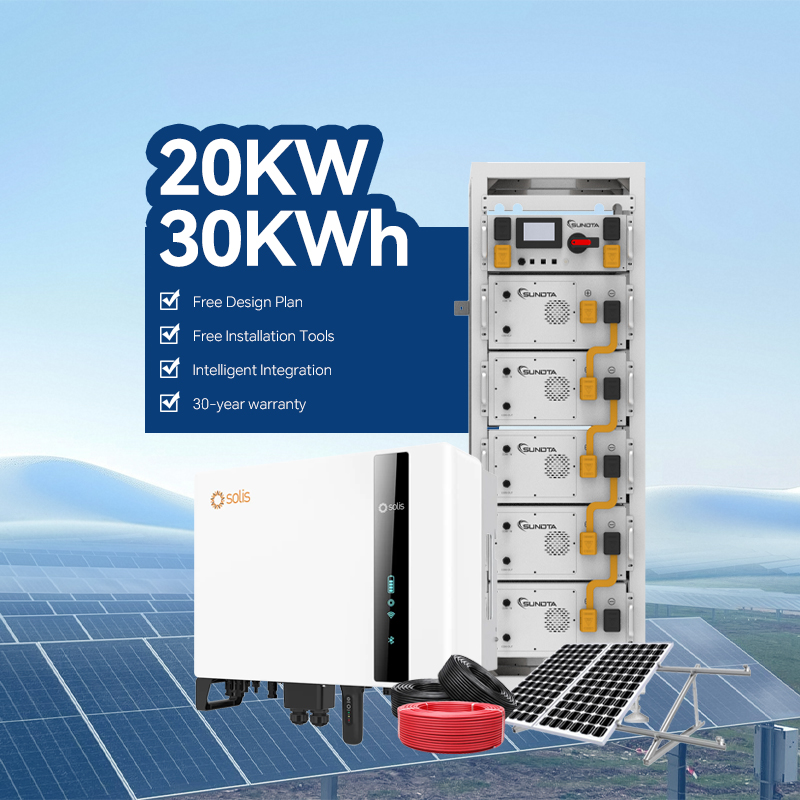
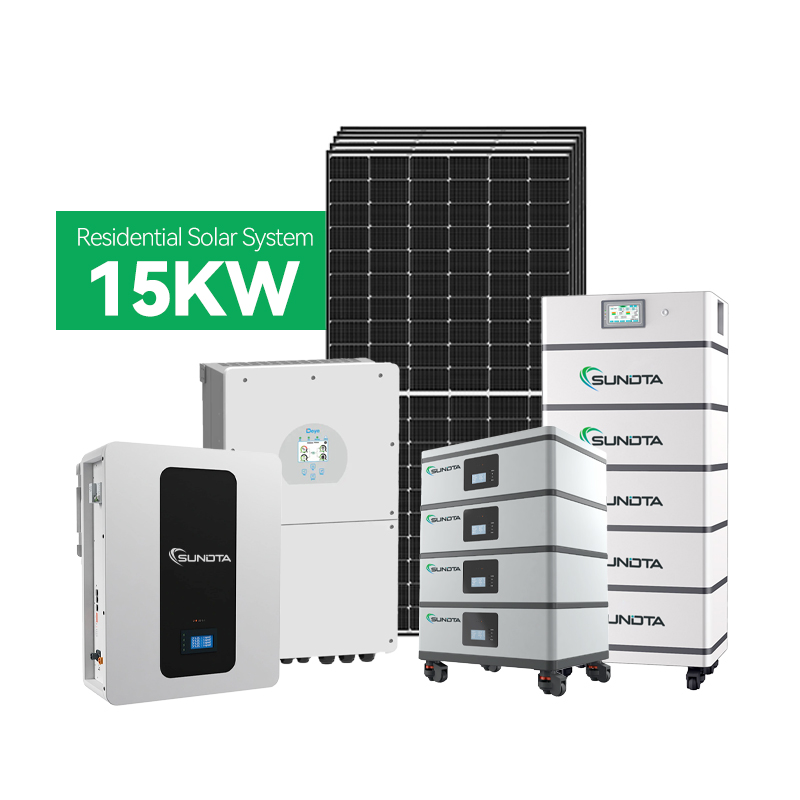
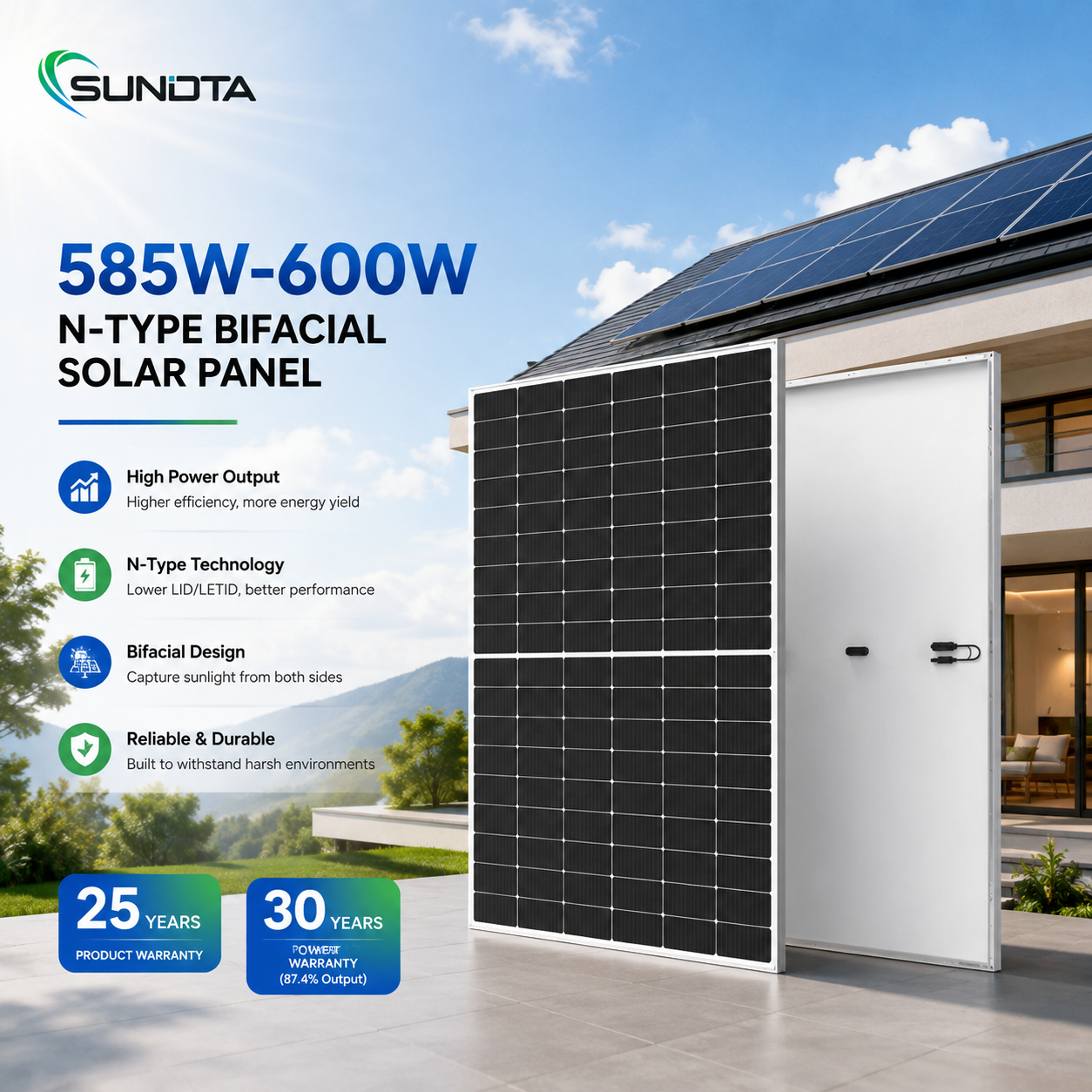
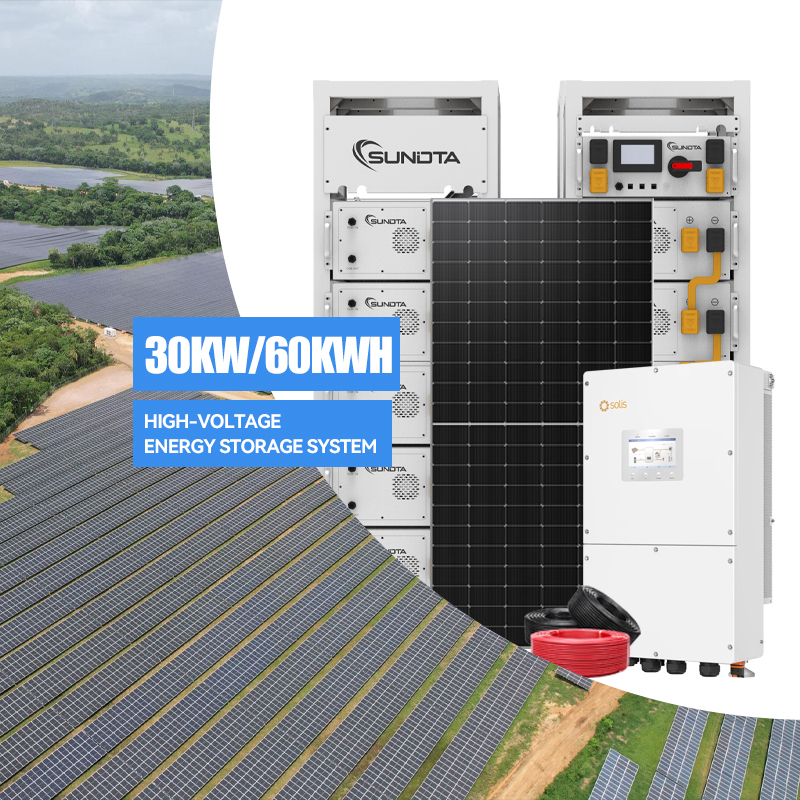
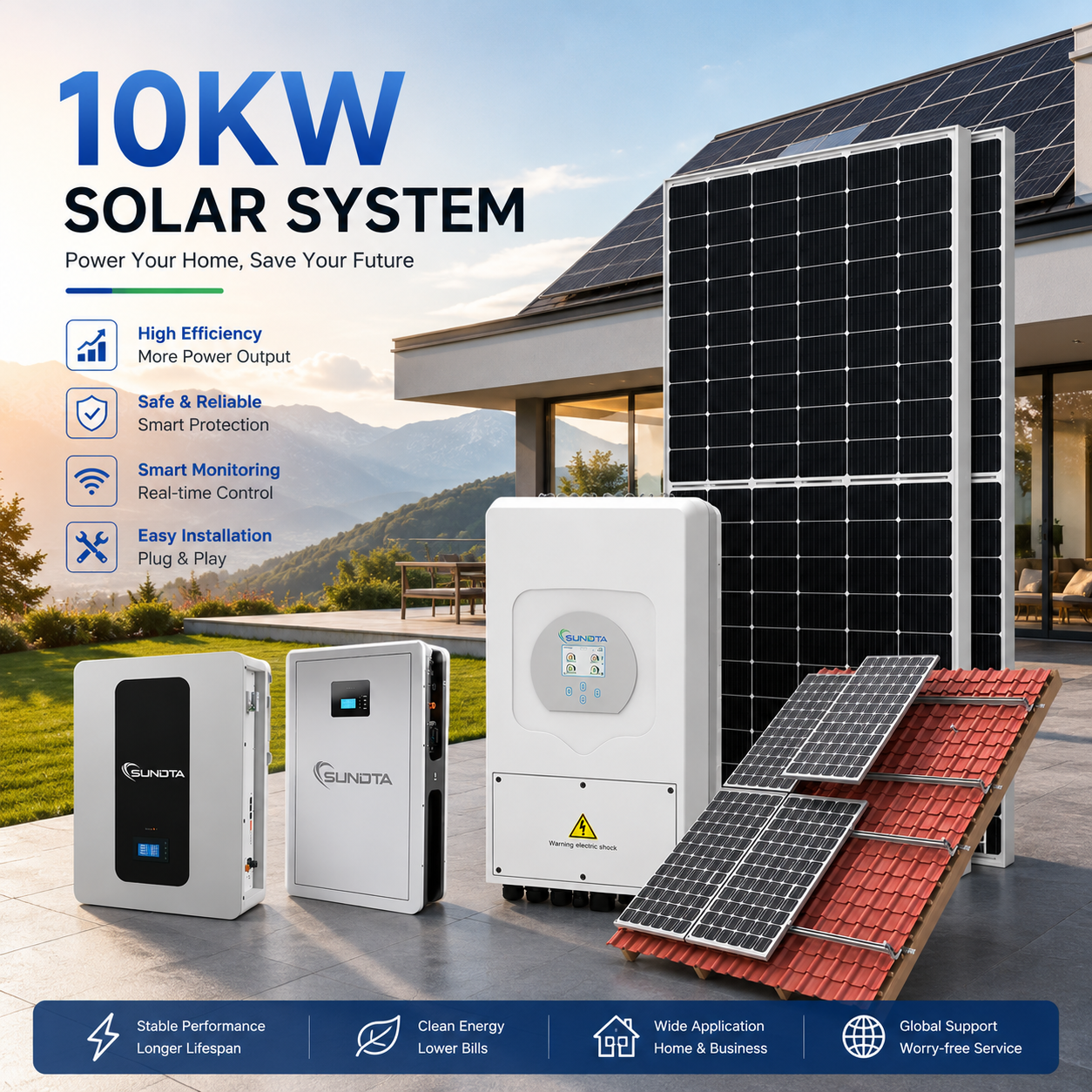
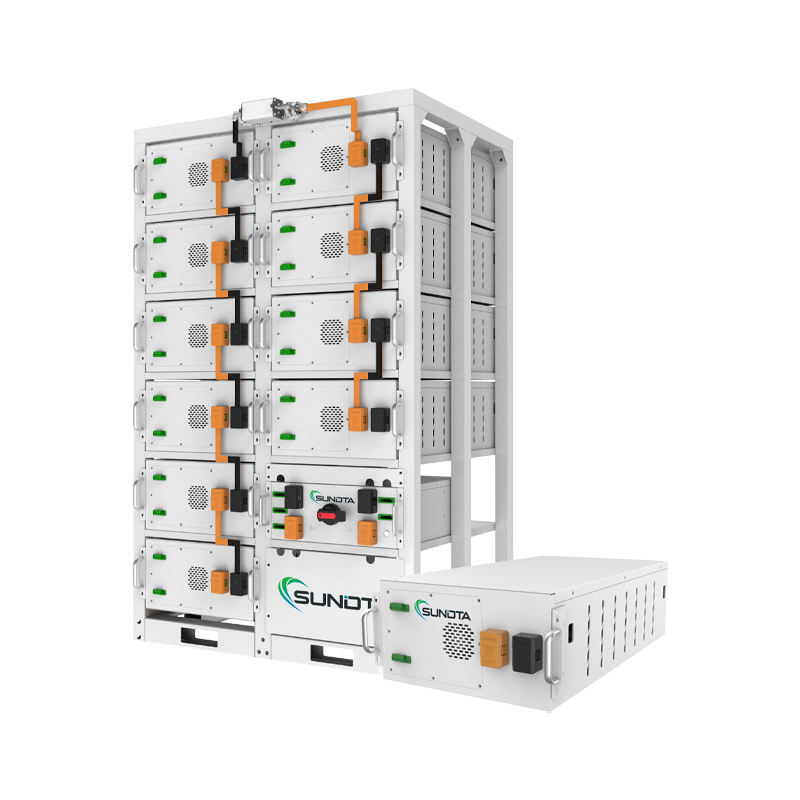
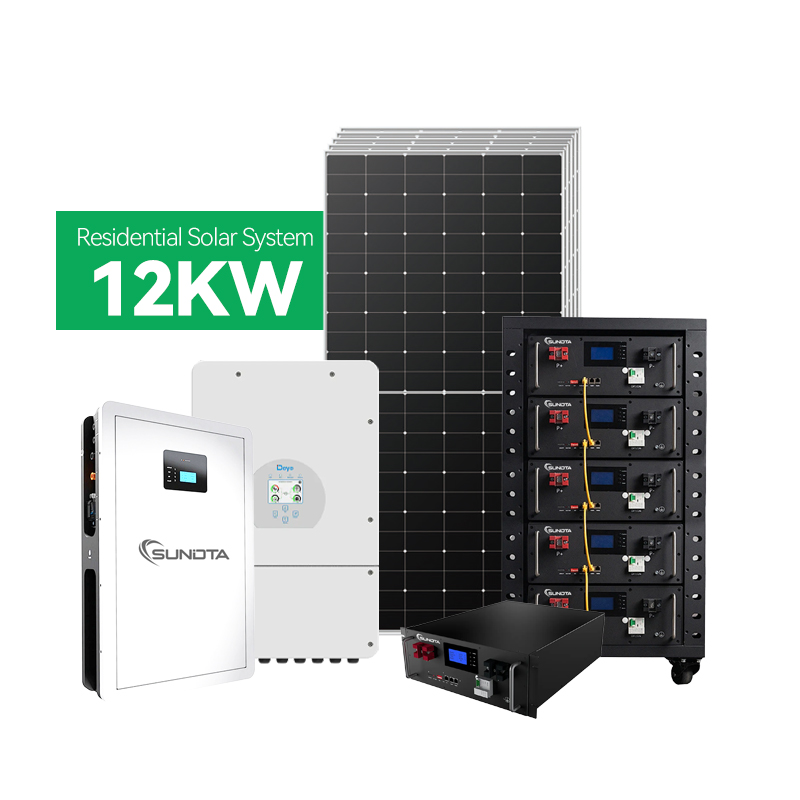
Featured Solar Modules, Hybrid Inverters & Lithium Storage Solutions
All components are rigorously tested for hot climates, low temperature-coefficient performance, and zero-degradation continuous operation under unstable utility grids.
Why N-Type TOPCon Silicon Dominates Karachi's Severe Meteorological Profile
Karachi presents one of South Asia's most challenging operating environments for solar modules: blistering summer heat indexes, heavy airborne particulates, and aggressive coastal marine salinity from the Arabian Sea.
1. Thermal Physics: The Critical Temperature Coefficient Advantage (-0.29%/°C vs -0.35%/°C)
In typical Karachi peak daylight conditions between April and September, rooftop temperatures at manufacturing facilities across SITE Industrial Area, Korangi, and Port Qasim routinely reach 65°C to 72°C. Because standard test conditions (STC) evaluate panels at 25°C, real-world panel operating temperature sits 40°C to 47°C above nominal ratings.
Legacy P-Type PERC cells feature a temperature coefficient of maximum power (Pmax) between -0.35%/°C and -0.38%/°C, resulting in up to 17.8% system capacity derating precisely when commercial facility cooling loads are maximized. In contrast, Anhui RJV New Energy's N-Type TOPCon (Tunnel Oxide Passivated Contact) cells limit thermal loss to an industry-leading -0.29%/°C to -0.30%/°C. Over a full annual operational cycle, this thermal tolerance yields 4.2% to 6.8% more net kilowatt-hours per installed kilowatt-peak (kWp) in Sindh's coastal ambient temperatures.
Zero Boron-Oxygen LID
Phosphorus-doped N-Type wafers contain zero boron-oxygen complexes, eradicating initial Light-Induced Degradation (LID) and reducing first-year degradation to under 1.0%.
80%±5% Bifaciality Factor
Dual-glass TOPCon architectures capture higher diffuse irradiance from reflective white membrane or whitewashed flat concrete roofs typical across Karachi rooftops.
LeTID Mitigation
Ultra-thin dielectric tunnel oxide layers insulate carriers from thermal recombination, stabilizing electrical output through sustained heatwave thresholds.
Karachi sits directly on the northern rim of the Arabian Sea. The prevailing summer southwestern winds carry atomized sea spray and coastal fog containing extreme concentrations of sodium chloride (NaCl) and moisture deep inland into Clifton, DHA, Korangi Creek, and Kemari. Standard aluminum frames and backsheets quickly develop galvanic corrosion, delamination, and Potential Induced Degradation (PID).
RJV New Energy builds all Karachi-bound export modules with anodized aluminum alloy frames (35mm, 15-20µm coating thickness), high-barrier POE (polyolefin elastomer) encapsulation, and dual-layer heat-strengthened glass. Each production batch undergoes IEC 61701 Severity 6 salt mist testing (the highest severity level comprising repeating cyclic exposure to 5% salt spray and 40°C humidity chambers for 56 days) and IEC 62716 ammonia resistance verification, shielding investments against coastal oxidation and chemical exhaust from nearby process industries.
Engineering Benchmark
Standard P-Type PERC
RJV N-Type TOPCon Dual-Glass
Real-World Advantage in Karachi
Cell Substrate & Doping
P-Type Silicon (Boron Doped)
N-Type Silicon (Phosphorus Doped)
Eradicates Boron-Oxygen defect centers; zero light-induced breakdown.
Temp. Coefficient (Pmax)
-0.35% / °C to -0.38% / °C
-0.29% / °C to -0.30% / °C
Up to +5.5% extra power when rooftop hits 65°C during Karachi summer heat.
Bifaciality Rate
70% ± 5%
80% ± 5% to 85%
Higher rear yield on concrete warehouse decks and reflective ground plots.
First Year Degradation
2.0% – 2.5%
< 1.0%
Guarantees more deliverable kWh right from the COD date.
30-Year Linear Retention
84.8% max
87.4% – 89.0%
Over 30 years, delivers significantly lower Levelized Cost of Energy (LCOE).
Marine Salt Mist Resilience
Standard Severity 3 to 4
IEC 61701 Severity 6 Certified
Zero delamination or snail trail corrosion within 15km of the Arabian shoreline.
Field Applications
Tailored Deployments Across Karachi's Urban & Commercial Landscape
From power-intensive spinning mills in SITE to luxury villas in DHA experiencing rolling load shedding, we engineer system architectures for the region's distinct electrical realities.
Heavy C&I
Textile & Industrial Estates
Targeting manufacturing clusters in SITE, Korangi, Landhi, and FB Area facing steep K-Electric industrial peak tariffs and intermittent brownouts.
High-yield TOPCon 585W–595W arrays
Solis / Deye three-phase parallel configurations
Zero export control & diesel genset synch
Ammonia & particulate resistant glass
High-End Residential
DHA, Clifton & Bahria Town
Engineered for upscale residential sectors demanding silence, zero vibration, zero diesel fumes, and 24/7 continuous air conditioning protection.
10kW to 25kW hybrid inverter packages
Wall-mounted 51.2V LiFePO4 battery modules
Instant 4ms automatic power transfer
Aesthetic all-black TOPCon roof integration
Logistics Hubs
Port Qasim & Super Highway (M-9)
Large footprint cold-chain warehouses, logistics facilities, and manufacturing along the M-9 corridor with wide expanse metal roofs.
Karachi Solar Market Trends: 2025–2030 Procurement Outlook
The distributed PV landscape in Pakistan is transitioning from simple grid-tied solar systems to integrated Hybrid-Plus-Storage ecosystems. This transformation is driven by two macroeconomic forces in Karachi: escalating K-Electric base tariffs coupled with fuel cost adjustments (FCA), alongside regulatory revisions by the National Electric Power Regulatory Authority (NEPRA) modifying net-metering buyback settlement structures.
1. Transition from Gross Export to Self-Consumption Shifting
Historically, EPC contractors in Karachi relied strictly on standard on-grid inverters to push units back into the grid under NEPRA net-metering rules. However, lower feed-in tariff compensation relative to retail purchase tariffs has caused the economic value of grid-exported power to diminish. Industrialists and homeowners now achieve maximum return on investment (ROI) by maximizing behind-the-meter self-consumption. This dynamic has made high-capacity hybrid inverters (Deye 10kW–50kW, Solis S6) paired with LiFePO4 energy storage the preferred setup for Tier-1 engineering projects.
2. The Obsolescence of P-Type PERC in Karachi Port Sourcing
Importers operating in Karachi are rapidly phasing out older PERC panels in favor of N-Type TOPCon modules. With production parity achieved at RJV's manufacturing hub in Hefei, the capital expense (CapEx) premium of TOPCon has vanished, while its operational output premium delivers sub-3-year payback periods under high commercial tariffs in Pakistan. Importers sourcing full 40-foot high-cube containers through Karachi Port (KPT) or Port Qasim (QICT) benefit from superior power density—packing up to 370 kWp per container (using 585W–595W modules) compared to just 320 kWp with previous-generation 540W PERC panels, dramatically lowering ocean freight cost per watt.
Verified Manufacturing Credibility
Why Importers & EPCs in Sindh Rely on RJV New Energy
Headquartered in Hefei's High-Tech Innovation Industrial Park, Anhui RJV New Energy Co., Ltd. combines multi-gigawatt module assembly with end-to-end solar storage systems integration.
2GWAnnual Capacity
500MW+Projects Delivered
12+ YrsPV Manufacturing
38Patented Tech
AAACredit Rating
TÜVRheinland Verified
Automated Robotic Lines
MES-controlled stringing, high-accuracy multi-busbar (MBB) laser slicing, and triple-stage automated EL (electroluminescence) crack detection prior to packing.
One-Stop PV Bill of Materials
Eliminate multi-vendor protocol mismatches. We pre-commission inverters, RJV LiFePO4 batteries, and TOPCon panels to synchronize CAN/RS485 handshake communication.
Full Regulatory Documentation
Complete documentation for customs clearance: Flash test reports, Certificates of Origin, CE, IEC 61215/61730, UN38.3, and MSDS files ready for Pakistan customs authorities.
Optimized Maritime Shipping
Weekly vessel departures from Shanghai or Ningbo to Karachi Port (KPT) and Port Qasim (QICT). Typical transit times range from 18 to 24 days, supported by FOB, CFR, and CIF incoterms.
B2B Procurement Guide
Frequently Asked Questions by Karachi Importers & Contractors
Direct answers to commercial, technical, and logistics inquiries regarding TOPCon module imports and system integration in Sindh.
What makes N-Type TOPCon more reliable than standard P-Type PERC in Karachi?
Karachi's summer ambient temperatures consistently push rooftop panel operating temperatures past 65°C. At these levels, N-Type TOPCon loses significantly less power due to its superior temperature coefficient of -0.29%/°C (compared to -0.35%/°C for PERC). Furthermore, N-Type silicon is completely free of boron-oxygen defect pairs, eradicating initial Light-Induced Degradation (LID). Over its 30-year operational life, an N-type module delivers up to 13.5% more total energy output per watt installed in hot climates.
What are the minimum order quantities (MOQ) and container capacities for Karachi Port delivery?
For solar panels (such as our 585W–595W series), the standard procurement unit is one 40-foot High-Cube (40'HQ) container containing 18 to 20 pallets (typically 624 to 720 pieces, amounting to ~365 kW to ~428 kW). For hybrid inverters (Deye, Solis) and LiFePO4 batteries, sample orders start from 1 unit or set, while mixed consolidated containers (modules + inverters + rack batteries) can be custom packed to match project bill-of-materials.
Can these systems withstand the marine salt fog in areas like Clifton and DHA?
Yes. Panels intended for maritime coastal markets are manufactured to pass IEC 61701 Severity 6 Salt Mist Corrosion testing. Our panels use 3.2mm anti-reflective coated dual-glass or heavy-gauge fluoropolymer backsheets combined with 15µm+ anodized aluminum frames and sealed IP68 junction boxes with bypass diodes. This prevents salt-crust short-circuits and frame pitting along coastal residential zones.
What payment terms and shipping arrangements are accepted for Pakistani buyers?
We work with established banking channels, accepting Irrevocable Letters of Credit (L/C at sight) as well as T/T deposit balances. For shipping, we quote FOB China ports (Ningbo/Shanghai) or CIF Karachi Port (KICT/PICT) and Port Qasim (QICT). All export consignments include computerized factory flash test datasheets, commercial invoices, packing lists, and Certificates of Origin.
Do your hybrid inverters integrate smoothly with local diesel generators and K-Electric net metering?
Yes. Our Deye and Solis hybrid inverters feature dedicated generator input terminals with automatic dry contact start/stop signaling. When utility power drops and solar/battery capacity is depleted, the system automatically starts the auxiliary diesel generator to handle the load while synchronizing power curves without voltage dips. System grid compliance meets all current NEPRA technical connection and reverse power protection guidelines.
How does RJV handle warranty claims and technical support for installations in Pakistan?
Every module carries a 12-year product materials warranty and a 30-year linear power warranty (guaranteeing ≥87.4% output at year 30). In the rare event of on-site issues, our engineers examine operational logs and inverter telemetry remotely via Wi-Fi/GPRS modules to rapidly diagnose faults. Replacement modules or inverter control boards are provided in accordance with the sales contract.
Ready to Secure Factory-Direct Solar Equipment for Your Next Karachi Project?
Get in touch with Anhui RJV New Energy's commercial engineering desk. Share your project layout, total wattage, and target port for an engineering review and CIF Karachi container quote within 24 hours.
Inquire Now
Direct Factory Quotes · CIF Karachi & Port Qasim Ready