Industrial-Grade Inverters, Storage & Integrated PV Solutions
Pre-engineered, low-frequency compatible modular systems designed to withstand heavy inductive dynamic loads, harmonic distortions, and wide sub-zero temperature differentials.
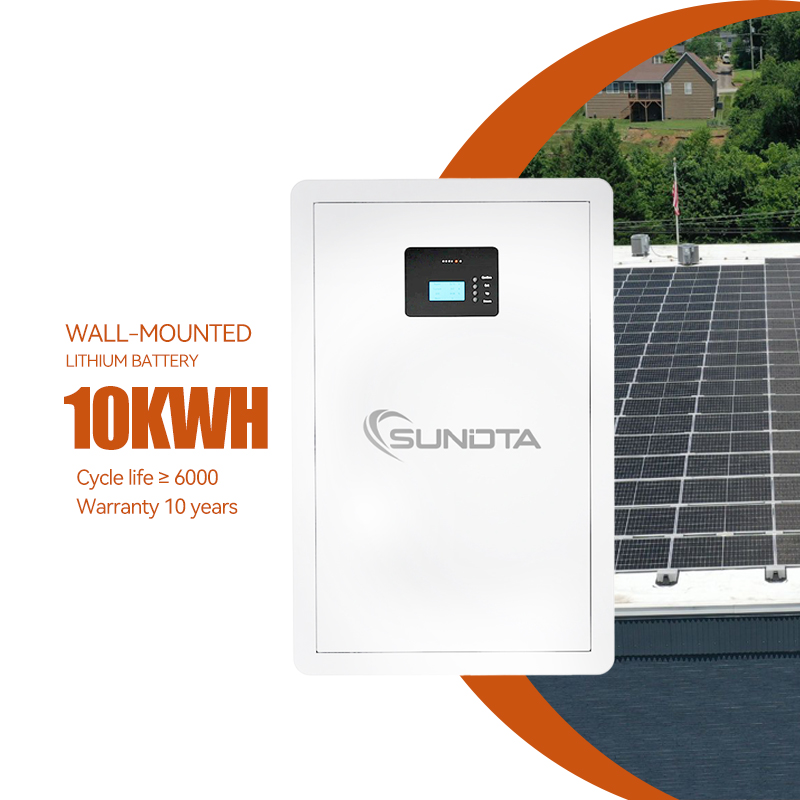
Sundta IP65 10kWh 51.2V 200Ah Wall Mounted LiFePO4 Battery for Home Solar Storage with Smart BMS
Integrated CAN/RS485 closed-loop comms compatible with high-surge low-frequency hybrid inverters, IP65 protection for unconditioned basements.
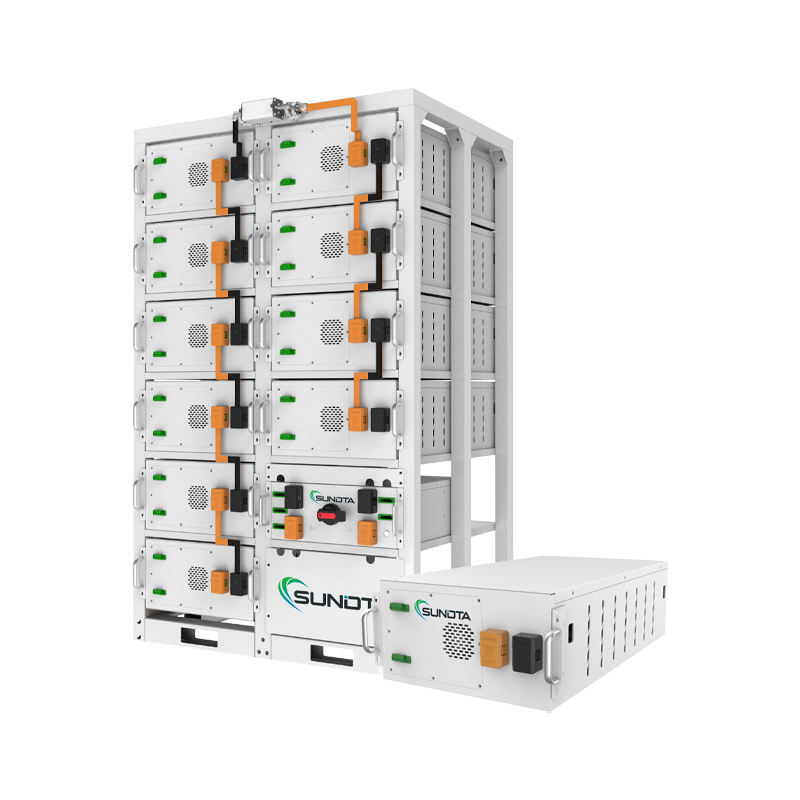
High Quality LiFePO4 Lithium Battery Stackable 51.2V 14.336kWh Wall-Mounted 10-Year Warranty Home Energy Storage Solar Battery
6000-cycle high-density prismatic cells built to absorb inductive transformer surges and high charging currents from low-frequency chargers.
All in One Energy Storage Outdoor Cabinet 100kw 200kw 500kw Lifepo4 Solar Battery Energy Storage Systems Residential Energy
Rugged all-weather outdoor container enclosure featuring integrated thermal liquid/HVAC cooling, fire suppression, and industrial PCS isolation.
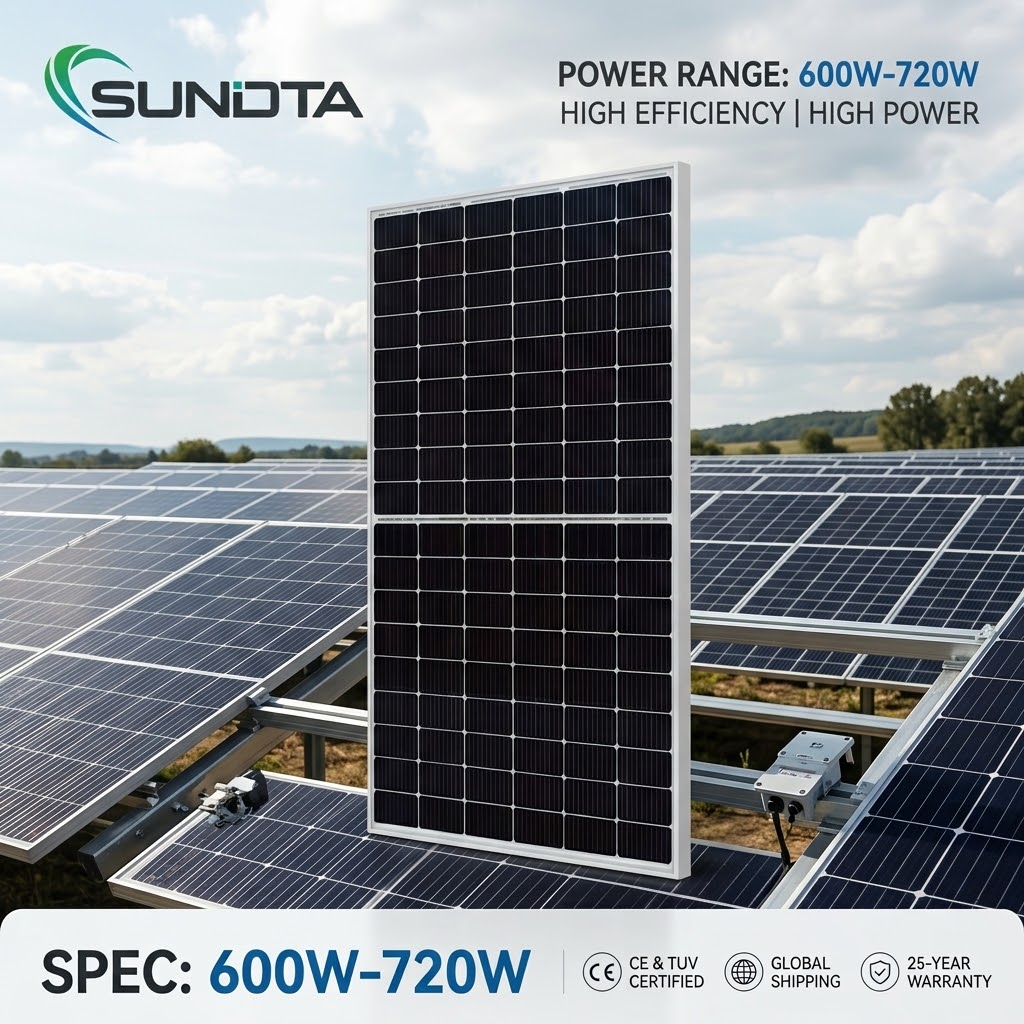
Factory Price SUNDTA 500W-595W Black Glass Bifacial PV Module 23.03% Efficiency Half-Cut PERC Solar Panel for Home Energy System
Dual-glass mechanical architecture yielding up to 25% extra generation via snow albedo reflection across Karaganda's 5-month winter season.
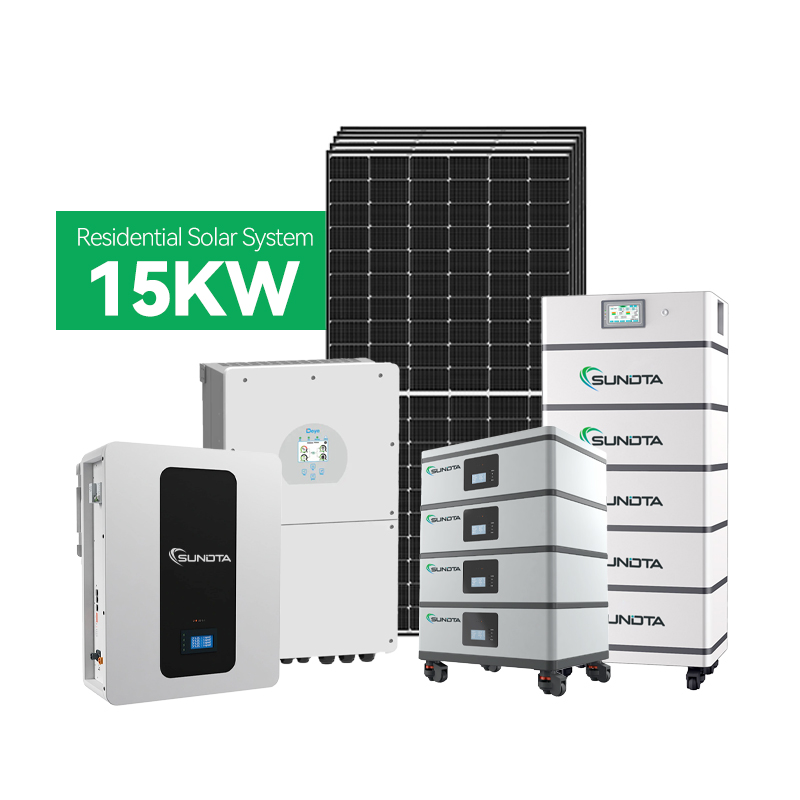
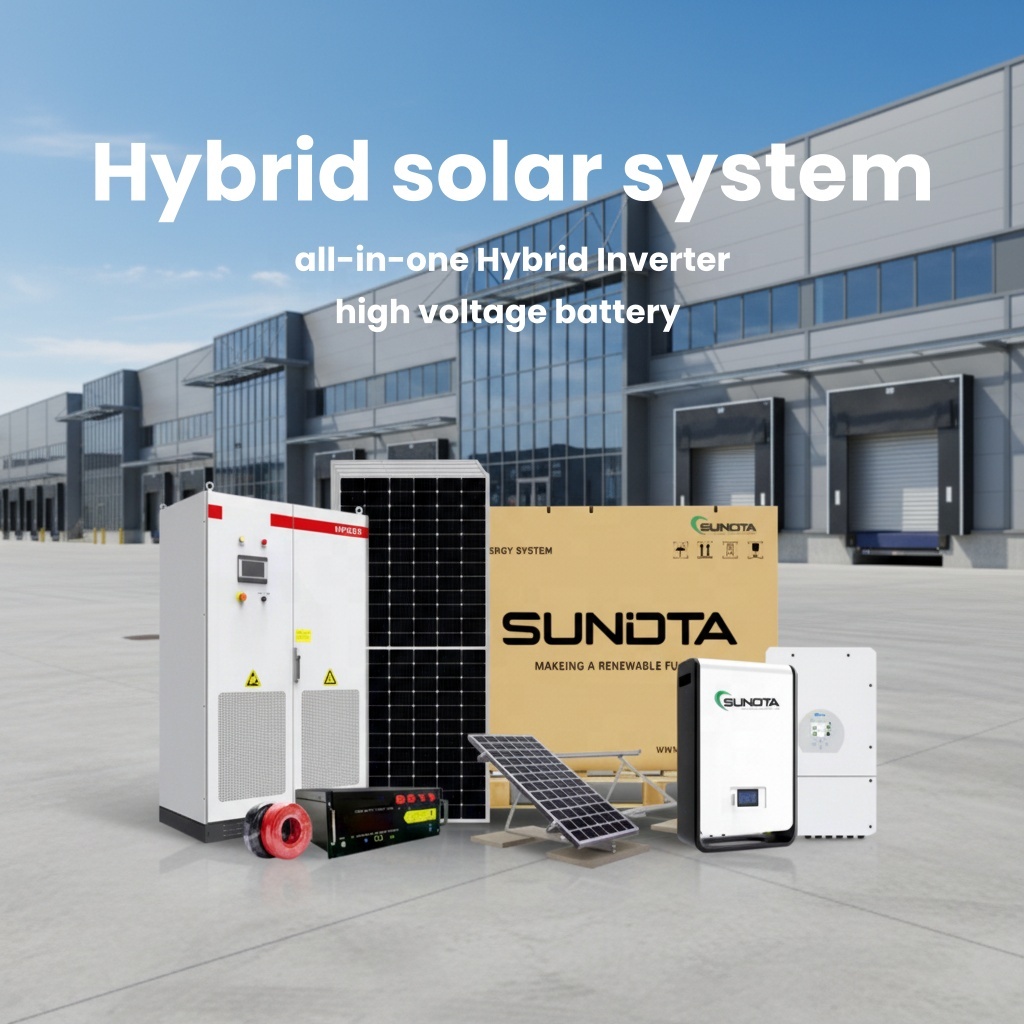
Sundta Hybrid Solar Energy System Low Price Solar Panel Kit 5KW 10KW 12KW 15KW Full Set Solar System Kit Home System
Pre-commissioned turnkey arrays pairing robust copper-wound low-frequency hybrid conversion, matched cabling, racks, and battery storage.
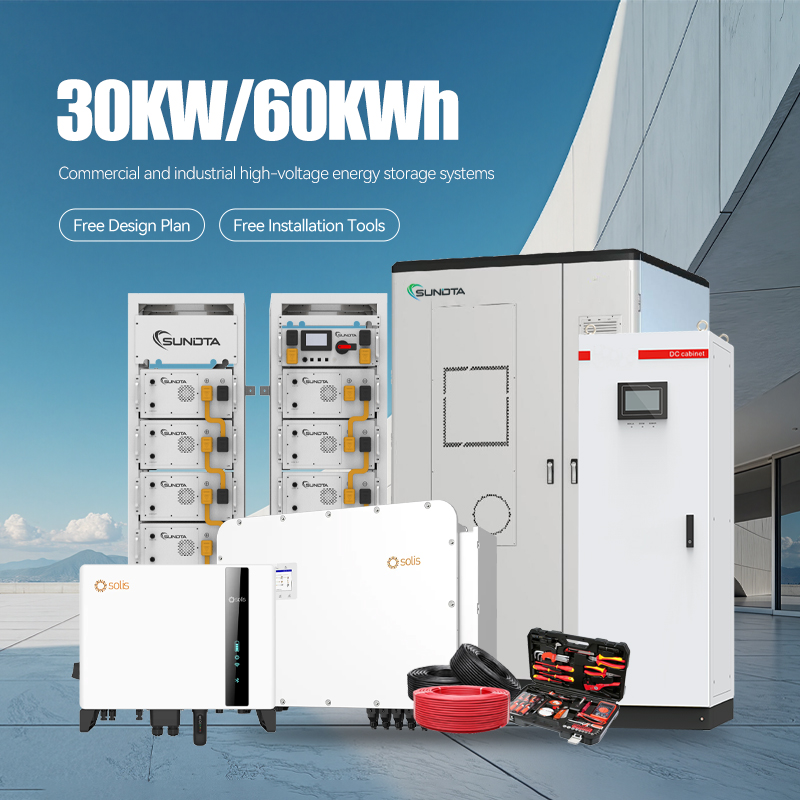
30KWH 51.2V 314AH LiFePO4 Battery Solar Energy Home Energy Storage 48v Solar Battery ALL in ONE SOLAR POWER SYSTEM
Large-format 314Ah Grade-A cell configuration delivering prolonged high-discharge rates without cell degradation during deep coal-belt grid cuts.
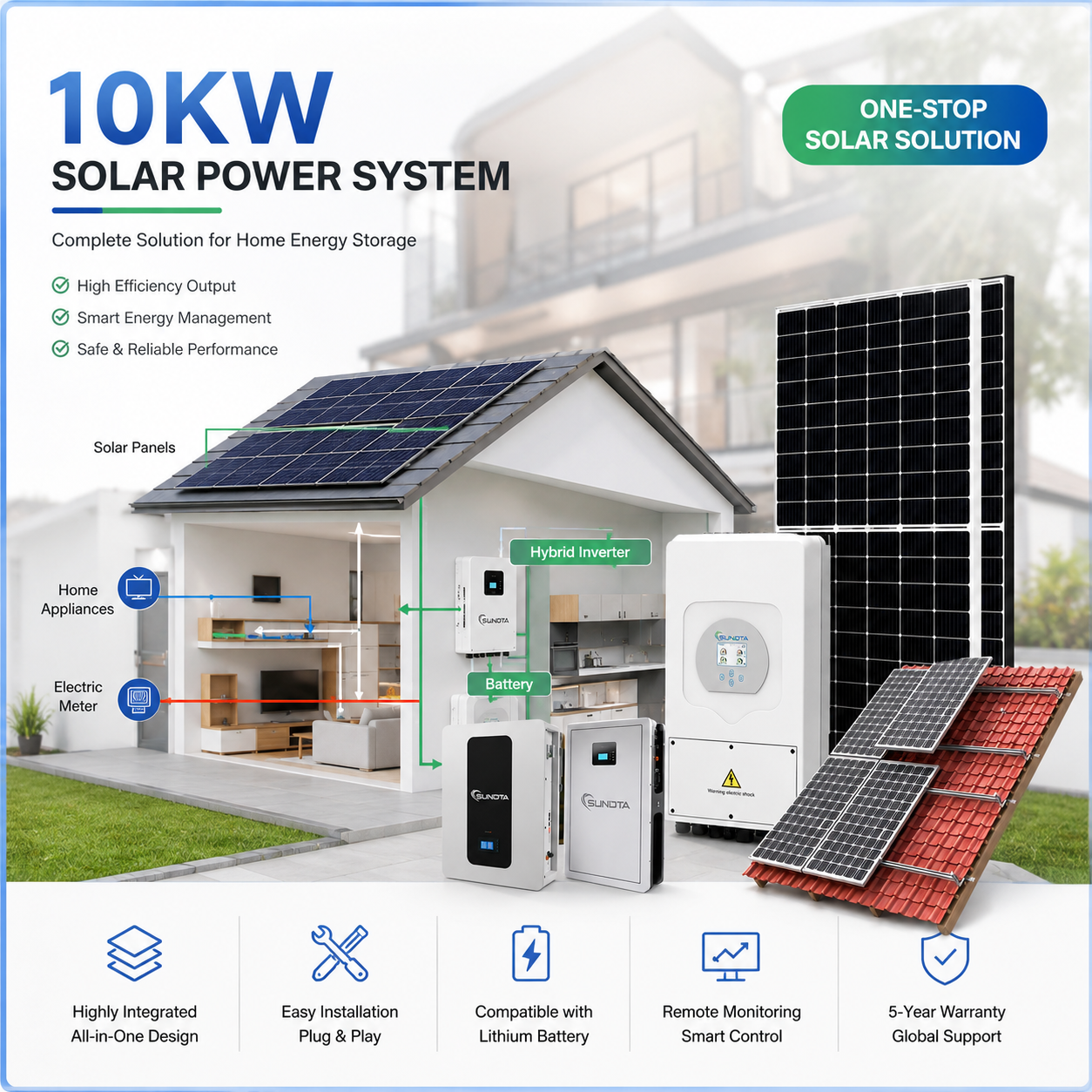
15kW-50kW High-Efficiency Hybrid Solar Power System with Smart MPPT for Whole-House Backup
Engineered for whole-facility autonomous continuity, handling massive inrush currents from cold-climate immersion heaters, pumps, and motors.
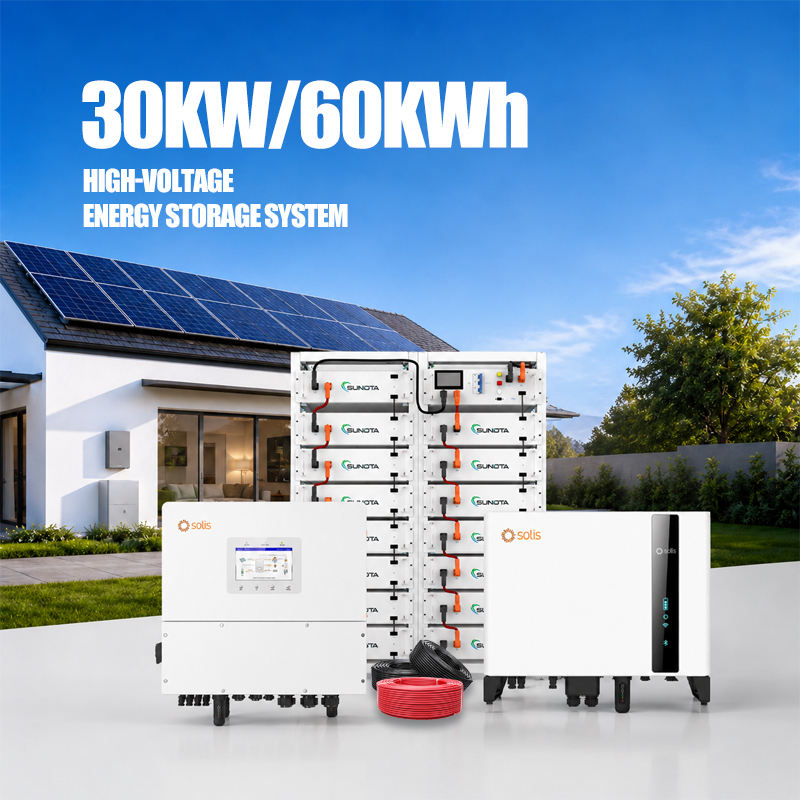
51.2V Split All-in-One Solar Battery Inverter System 30kWh 30kWh LiFePO4 Energy Storage Backup Power Hybrid CAN CE Long Warranty
Heavy toroidal transformer architecture integrating 30kWh storage, split-phase multi-load management, and high harmonic absorption.
Why Low Frequency Solar Inverters Dominate Karaganda's Industrial & Harsh-Climate Infrastructure
The Karaganda Region (Qaraghandy), representing the mineral-rich, heavy-industrial heart of Central Kazakhstan, presents a uniquely challenging operating landscape for solar photovoltaic systems and energy conversion hardware. Characterized by an extreme continental climate, Karaganda endures blistering summer peaks exceeding +40°C juxtaposed against sub-zero polar winter temperatures dropping below -40°C. Coupled with heavy dust loads from vast steppe expanses, open-pit coal mines, and heavy metallurgical processing facilities, standard high-frequency electronic inverters frequently suffer from thermal-cycling fatigue, component stress, and catastrophic MOSFET failure.
In high-frequency inverters, lightweight ferrite transformers and electronic switching circuits operate across elevated switching frequencies (20kHz to 50kHz). While cost-effective and light, high-frequency designs exhibit limited thermal inertia and low tolerance for inductive surges. When inductive loads such as heavy submersible water pumps, industrial borehole drills, refrigeration compressors, or workshop machinery in the Saran or Temirtau industrial clusters power up, they pull starting surge currents 3 to 7 times their steady-state ratings. High-frequency units often trip into fault protection or experience DC-bus overvoltage punctures.
Conversely, our OEM/ODM Low Frequency (LF) Solar Inverters are engineered with massive, heavy-duty pure copper toroidal iron-core transformers operating at fundamental utility frequencies (50Hz/60Hz). This galvanic isolation physically decouples the battery energy storage system and DC array from the AC distribution grid. The immense magnetic mass of our low-frequency transformers acts as an electrical shock absorber, effortlessly delivering a continuous 300% peak surge capability for up to 20 seconds. This capability eliminates catastrophic shutdowns and insulates sensitive digital BMS components from dirty grid harmonics, lightning strikes, and substation switching transients prevalent throughout Kazakhstan’s legacy transmission networks.
Moreover, the centralized legacy grid infrastructure across the Karaganda coal basin frequently demonstrates severe voltage fluctuations (sagging below 170V or spiking above 260V) and harmonic distortions. Anhui RJV’s low-frequency architecture integrates an ultra-wide AC Automatic Voltage Regulation (AVR) input stage coupled with pure sine-wave output filtering, guaranteeing that remote agricultural farms, mine-site surveillance nodes, and residential clusters maintain pristine 220V/380V pure sine-wave microgrid stability regardless of external utility decay.
Tailored Application Scenarios Across Central Kazakhstan
From rural agro-enterprises across the Kazakh Steppe to heavy metallurgical perimeters, our low-frequency platforms guarantee operational resilience.
Industrial Perimeters & Mining Extraction
Karaganda’s extensive coal mining and smelting complexes require failsafe, isolated power supplies for remote ventilation shafts, perimeter telemetry, monitoring cabins, and automation control stations. The galvanic iron-core barrier prevents inductive motor back-EMF spikes from corrupting critical PLC circuitry.
Agro-Industrial Winter Heating & Boreholes
Cattle feedlots and agricultural enterprises throughout rural Karaganda depend heavily on deep-well water pumps and thermal heat tracing during brutal winters. Low-frequency inverters handle repetitive motor starting surges without thermal degradation, ensuring continuous livestock and greenhouse hydration.
Remote Steppe Off-Grid Electrification
Vast geographical distances make utility extensions economically prohibitive for decentralized homesteads and telecom towers across the Central Steppe. RJV’s low-frequency hybrid systems run autonomous microgrids, easily interfacing with local backup diesel/gas generator units with variable frequency outputs.
Low Frequency vs. High Frequency Inverters in Karaganda
Understanding the component-level trade-offs critical for long-term project longevity under continental weather extremes.
| Evaluation Parameter | RJV Industrial Low Frequency (Toroidal) | Generic High Frequency (Ferrite Core) | Karaganda Site Engineering Impact |
|---|---|---|---|
| Galvanic Isolation | Full hardware physical copper transformer isolation | Electronic isolation via miniature ferrite cores | Blocks lightning, grid switching spikes, and high-voltage DC faults from breaching AC equipment. |
| Surge Capacity (Peak Power) | 300% rated capacity for 20 continuous seconds | 120% - 150% rated capacity for 1 to 5 seconds | Starts heavy mining workshop drills, submersible steppe pumps, and compressor motors reliably. |
| Cold Operating Threshold | -40°C with automated board-level conformal coating | -10°C to -20°C (frequent semiconductor cracking) | Guarantees winter starting in unheated technical enclosures during Kazakhstan's blizzard periods. |
| Generator Compatibility | High tolerance (45Hz–65Hz dirty frequency window) | Very low tolerance; frequent synchronization dropping | Seamlessly couples with aging diesel/gas generator sets with unstable voltage regulation. |
| Harmonic Distortion (THD) | < 3% linear & non-linear clean sine filtering | > 5% under heavy reactive inductive loading | Eliminates high-frequency buzzing, prevents premature motor burnout, and protects sensitive electronics. |
| Mean Time Between Failure (MTBF) | > 100,000 operational hours | 30,000 - 45,000 operational hours | Minimizes high maintenance service dispatches across vast rural geographical territories. |
Emerging Solar & Storage Trends Across the Karaganda Corridor
Kazakhstan’s 2060 carbon-neutrality pledges and escalating conventional grid tariffs are shifting regional power economics.
Coal-Basin Decarbonization Mandates
As Karaganda leads heavy manufacturing, major enterprises face stricter emissions accounting and carbon border taxes on metal exports. On-site low-frequency solar-plus-storage microgrids provide commercial self-generation, reducing baseline coal-fired kilowatt-hour consumption.
Escalating Peak Industrial Tariffs
Regional electric utility providers have revised tariff structures, heavily penalizing commercial peak usage hours. Installing our multi-inverter commercial ESS systems allows facilities to arbitrage electricity tariffs, charging LiFePO4 batteries off-peak and discharging during peak rates.
Substation Vulnerabilities & Autonomy
Regional distribution transformers across peripheral mining towns are aging, causing unannounced blackouts during extreme winter blizzards. Low-frequency hybrid systems provide instantaneous transfer switches (< 10ms UPS grade), preserving uninterrupted critical operations.
Why Karaganda EPCs & Industrial Distributors Partner with Anhui RJV
Headquartered in Hefei’s high-tech PV manufacturing cluster, Anhui RJV New Energy provides end-to-end bill-of-materials reliability, strict engineering tolerances, and flexible private-label customization.
Automated Manufacturing
Operating 2 GW annual production lines with robotic precision cell-stringing, EL double-defect testing, and high-vacuum lamination for top-tier quality assurance.
Bespoke OEM/ODM Engineering
Customized firmware for local grid regulations, Russian/Kazakh multilingual screen localization, custom chassis badging, and regional temperature sensor offsets.
TÜV & CE Certified Reliability
Factory operations independently audited on-site by TÜV Rheinland. Full CE, IEC 61215, IEC 61730, and UN38.3 test documentation furnished for seamless customs clearance.
24/7 Global Engineering Desk
Direct pre-sales sizing consultation, string configuration validation, and remote commissioning support to solve communication and installation challenges rapidly.
Frequently Asked Questions: Sourcing Low-Frequency Inverters for Karaganda
Essential engineering and logistical considerations for distributors, energy developers, and purchasing agents.
Why is a low-frequency inverter strictly recommended over a high-frequency model for Karaganda's climate?
Central Kazakhstan experiences extreme seasonal temperature swings (-40°C in winter to +40°C in summer). High-frequency inverters use compact, heat-sensitive micro-components and fragile ferrite transformers that degrade quickly under continuous extreme thermal contraction and expansion. Low-frequency inverters use massive, pure-copper toroidal transformers that offer vastly superior thermal dissipation, higher physical durability, and galvanic isolation, protecting the system from common substation voltage spikes and dirty grid frequencies.
Can RJV low-frequency inverters operate reliably with local diesel or gas generators?
Yes. Legacy generators in the Karaganda region often produce uneven voltage and fluctuating frequency outputs (45Hz–65Hz), which typically cause high-frequency inverters to disconnect. Our low-frequency units feature an ultra-wide input voltage/frequency tolerance band and high-capacity copper inductors that clean and stabilize incoming generator power, ensuring continuous battery charging without tripping the generator circuit breakers.
What is the standard Minimum Order Quantity (MOQ) and sample lead time for OEM branding?
Standard inverters and lithium storage batteries are available with an MOQ of just 1 piece/set for initial testing and qualification. For full OEM/ODM branding—including custom steel enclosure colors, silk-screened client logos, localized firmware, and Russian/Kazakh user manuals—the MOQ is typically 10 to 20 units depending on the power rating. Production lead times for custom samples run between 10 and 15 business days.
How does Anhui RJV guarantee battery communication compatibility across cold weather systems?
Our low-frequency inverters and LiFePO4 battery platforms share pre-programmed closed-loop CAN bus and RS485 protocols. Our integrated Smart BMS systems include low-temperature charging cutoff protection and optional self-heating film interfaces, preventing lithium plating when temperatures drop below freezing while maintaining clear communication with the inverter’s power conversion stage.
What shipping arrangements, customs documents, and Incoterms are available for Kazakhstan?
We routinely support EXW, FOB (China major ports), CFR, and CIF deliveries. For Kazakhstan, rail freight via the Alashankou/Dostyk or Khorgos dry ports directly into the Karaganda freight hub provides rapid transit. We provide all necessary export compliance documents, including CE Declarations of Conformity, full factory test reports, flash test reports for PV modules, UN38.3 battery shipping certifications, and MSDS dossiers.