High-Efficiency Solar Modules & ESS for Suriname EPCs
Procure fully harmonized bills of materials directly from our Hefei production facility. Designed with anti-PID degradation layers, IP68 junction boxes, and dual-glass hermetic sealing to thrive under Paramaribo's high ambient humidity, elevated ambient temperatures, and marine salt air.
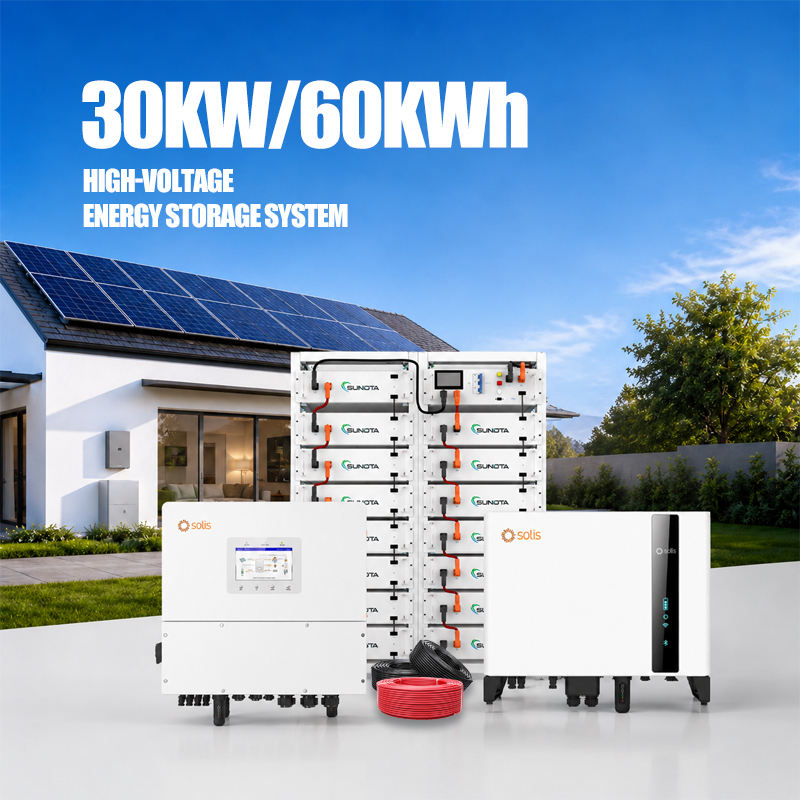
51.2V Split All-in-One Solar Battery Inverter System 30kWh LiFePO4 Energy Storage Backup Power Hybrid CAN CE Long Warranty
- Capacity: 30kWh Deep Cycle Prismatic
- Protocol: Dual CAN/RS485 Smart BMS
- Application: Paramaribo Commercial Blackout Guard
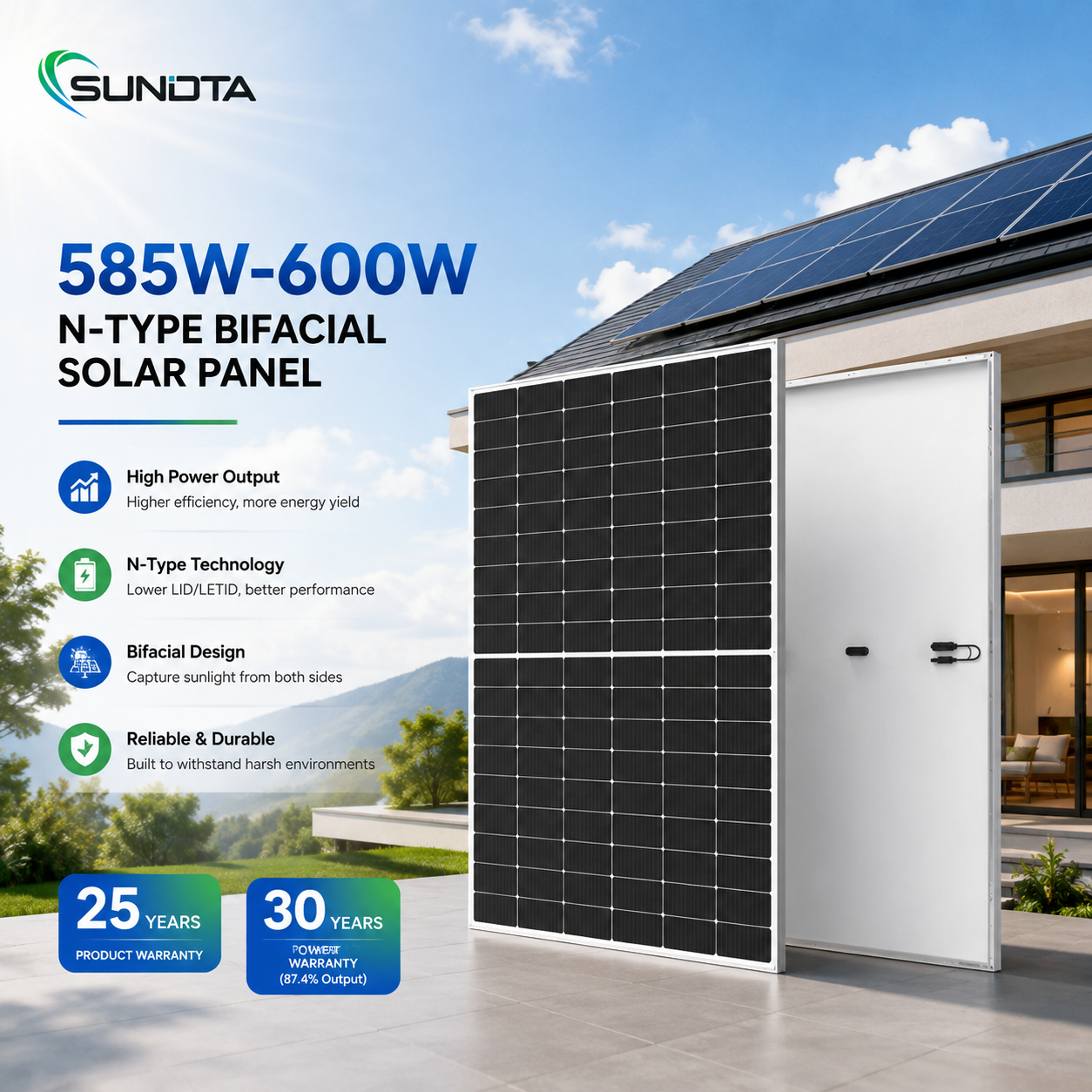
585W-595W Premium N-Type Bifacial PV Module | Monocrystalline Solar Panel for High-Yield Energy Generation
- Cell Type: 182mm N-Type Half-Cell
- Bifaciality: 80% ± 5% Rear Energy Gain
- Temp. Coeff: -0.30%/°C Tropical Optimized
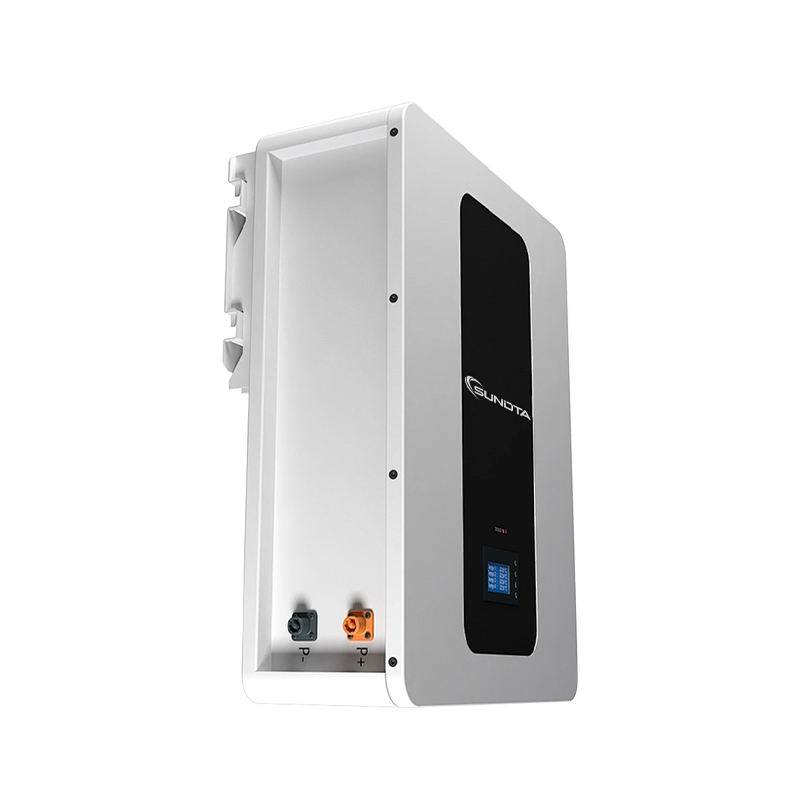
Sundta POLO-W1 LiFePO4 Lithium Battery Wall-Mounted 5kWh Home Power Storage Solar Energy System Deep-Cycle 51.2V 100Ah IP65
- Cycle Life: >6,000 Cycles @ 80% DoD
- Protection: IP65 Moisture/Corrosion Guard
- Footprint: Compact Wall-Mount Residential
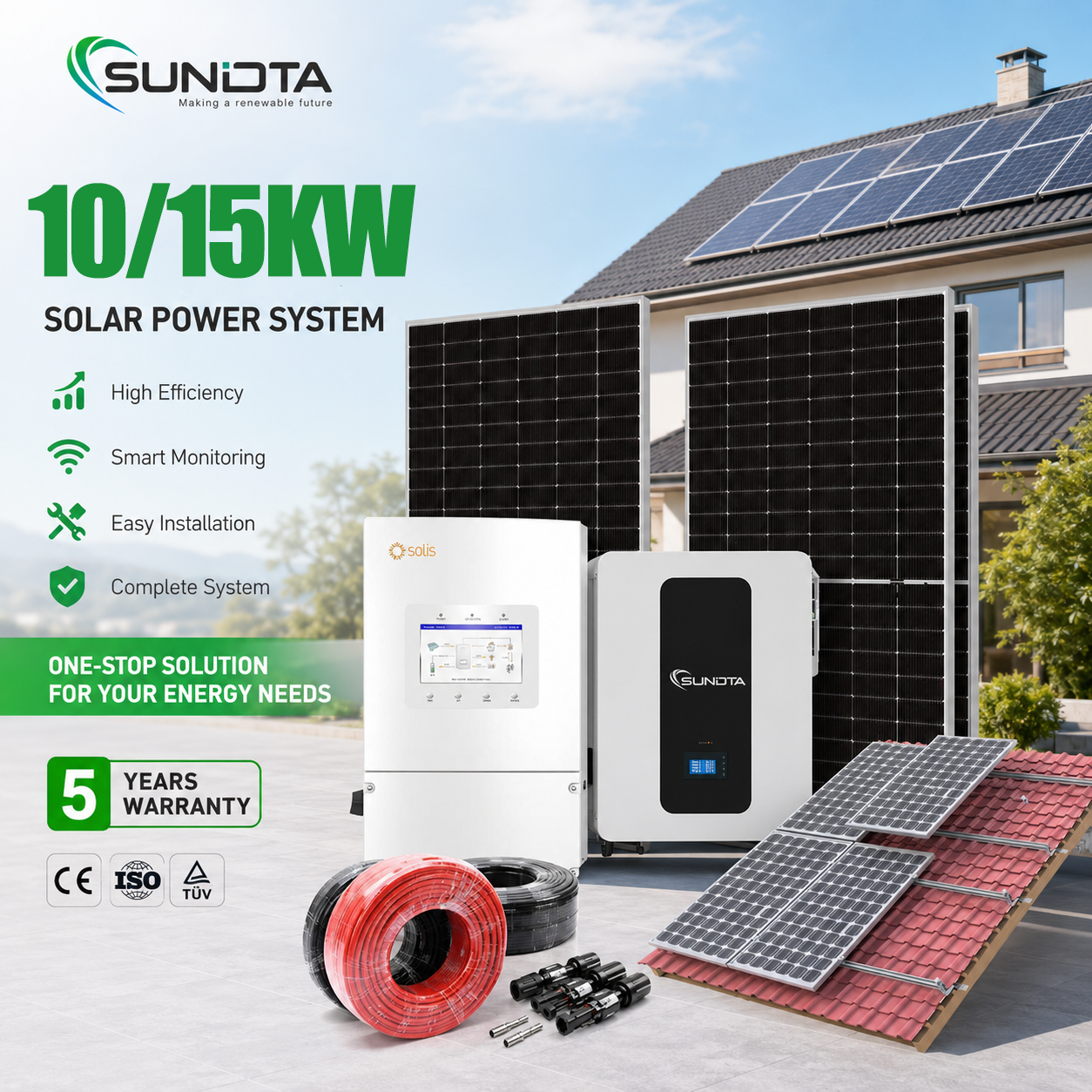
Hybrid 15kWh Inverter System 300Ah Lithium Ion Battery Split Stackable CAN Communication Home Use MPPT 15kW
- Output: 120V/240V Split-Phase MPPT
- Expansion: Stackable Modular Up to 60kWh
- Switchover: <10ms Seamless UPS Transit
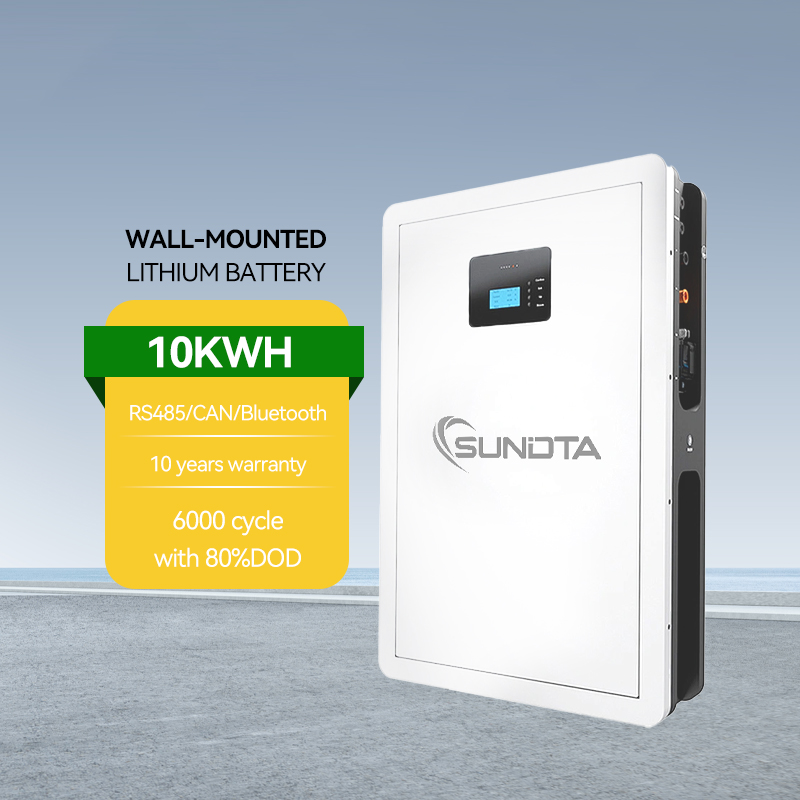
Fast Shipping Stock Solar Battery 48V 51.2V 100Ah 200Ah 5kWh Wall Mounted LiFePO4 Local Warehouse
- Voltage: 51.2V Nominal Prismatic Cells
- Compatibility: Deye, Solis, Growatt Inverters
- Port of Paramaribo Direct Consolidated FCL
Premium 585W-595W N Type Bifacial PV Module High Yield Monocrystalline Solar Panels 590W Tier 1 Solar Power System
- Efficiency: 22.8% - 23.2% Module Peak
- Mechanical Load: 5400Pa Snow / 2400Pa Wind
- Warranty: 30-Year Linear Power Warranty
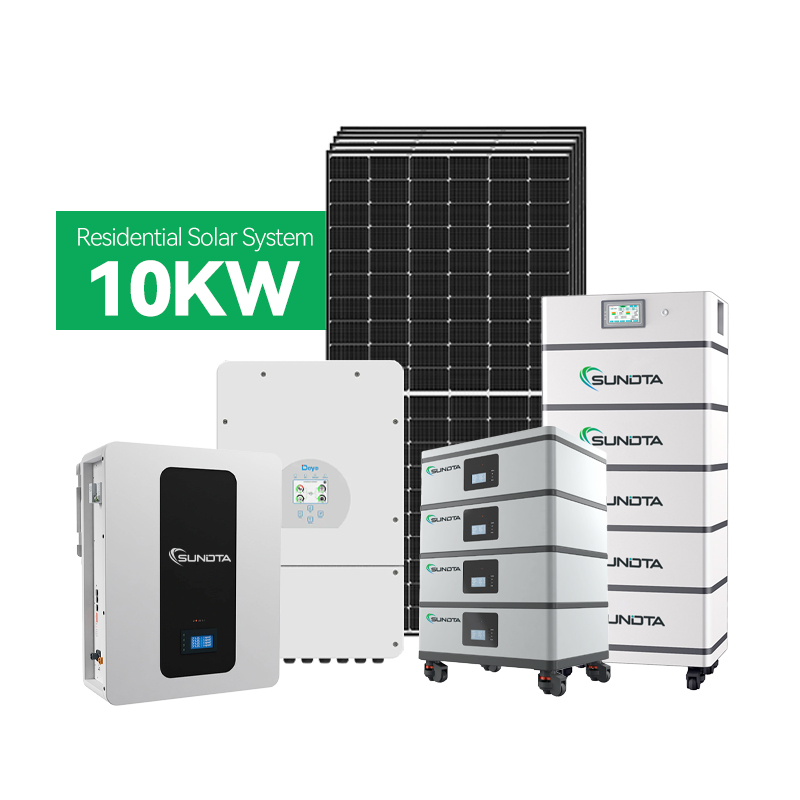
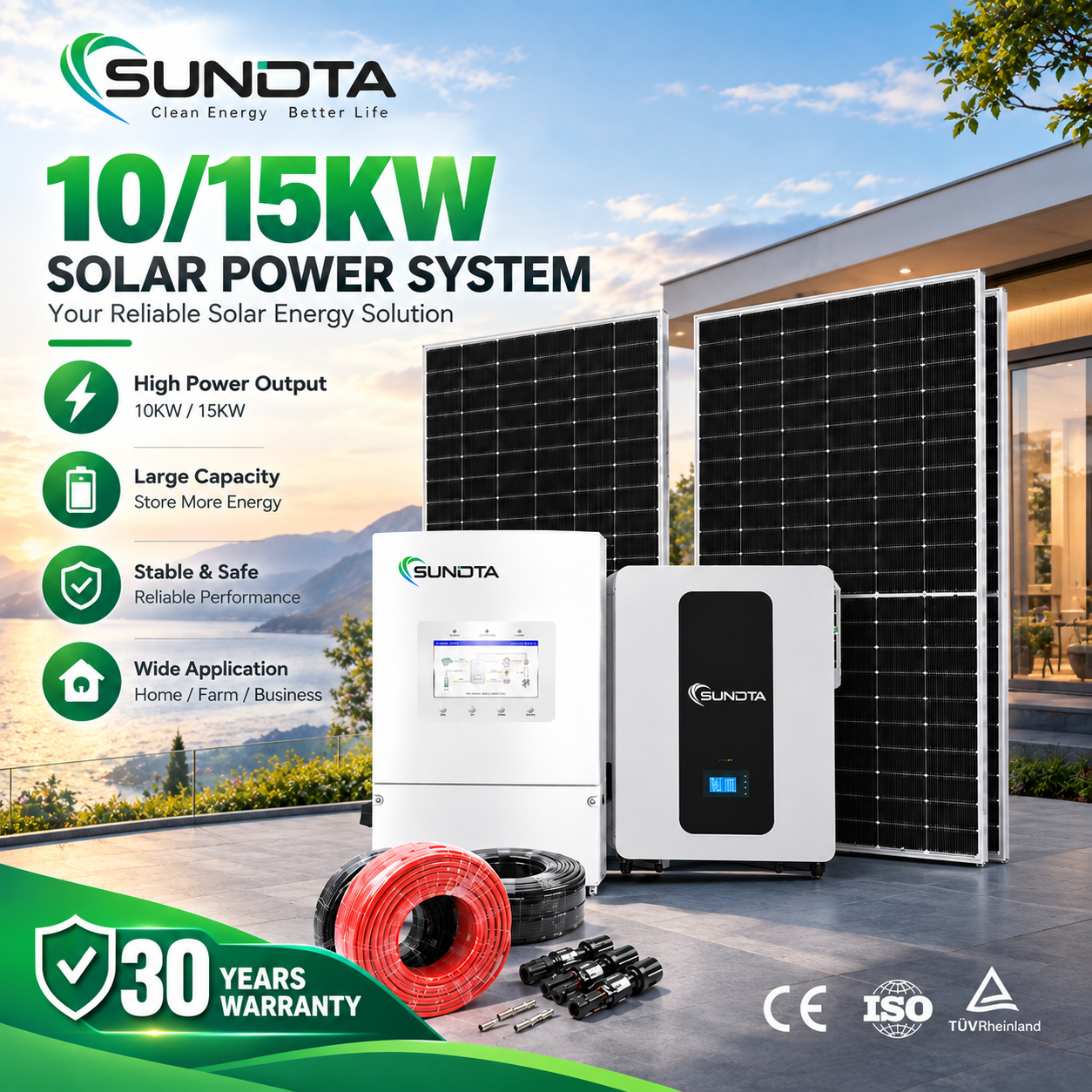
Stock Available Sundta 5KW 8KW 10KW 12KW 15KW 20KW New Innovation Complete Solar Hybrid System Kit with Lithium Battery
- BOM Included: Panels, Inverter, Storage, Racking
- Grid Type: EBS Grid-Interactive with Zero Export
- Customization: Full OEM Client Branding
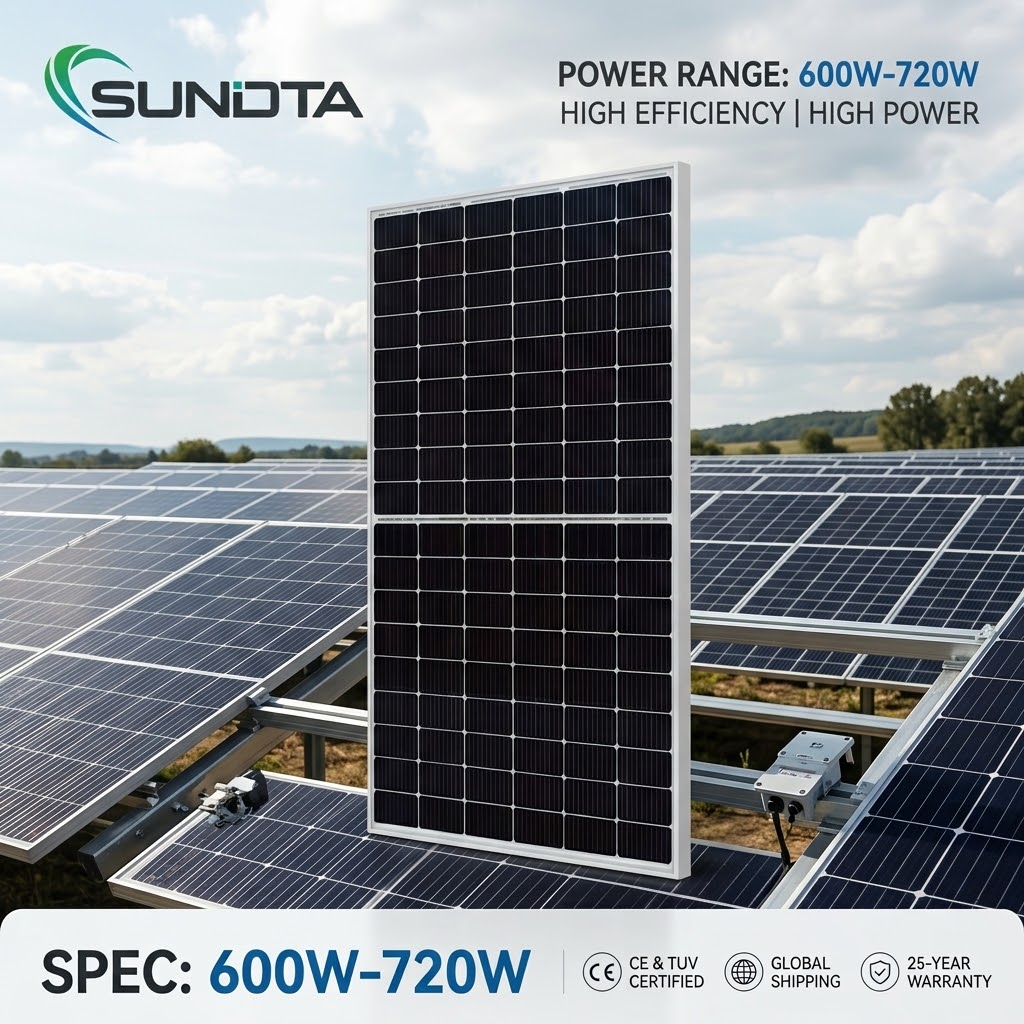
Factory Price SUNDTA 500W-595W Black Glass Bifacial PV Module 23.03% Efficiency Half-Cut PERC Solar Panel for Home Energy System
- Architecture: Dual 2.0mm Tempered Glass
- Degradation: First Year <2.0%, Linear 0.45%/yr
- Corrosion: Class 6 Salt Mist & Ammonia Certified
Engineering Monocrystalline Photovoltaics for Suriname’s Microclimate
Deploying solar power systems in Paramaribo and the wider Guiana Shield requires far more than standard off-the-shelf tier-1 components. The intersection of equatorial solar irradiance, persistent relative humidity exceeding 85%, saline trade winds from the Atlantic Ocean, and frequent grid volatility across N.V. Energiebedrijven Suriname (EBS) networks dictates strict manufacturing specifications.
Thermal Coefficient & N-Type TOPCon Physics
Paramaribo routinely experiences ambient midday temperatures of 32°C to 35°C, translating into solar cell operating temperatures (NOCT) exceeding 65°C on typical corrugated metal rooftops in districts like Meerzorg and Uitvlugt. Standard P-type PERC panels suffer power degradation coefficients of -0.37%/°C, resulting in massive yield suppression. Our N-Type TOPCon modules introduce a superior temperature coefficient of -0.30%/°C, suppressing thermal losses by 18.9% and unlocking continuous high-current generation during peak solar irradiation hours.
Marine Salt Mist & Moisture Barrier (IEC 61701 Class 6)
Located on the banks of the Suriname River within close proximity to the Atlantic Ocean, installations in Paramaribo face accelerated galvanic corrosion and Potential Induced Degradation (PID). Anhui RJV modules utilize a dual-glass architecture (2.0mm + 2.0mm semi-tempered glass) combined with high-grade POE (polyolefin elastomer) encapsulation instead of conventional EVA. This eliminates moisture vapor transmission, mitigates acetic acid formation inside the laminate, and protects conductive busbars from coastal atmospheric salt spray.
EBS Grid Interconnection & Zero-Export Control
The urban and suburban grid managed by EBS in Paramaribo encounters regular voltage fluctuations and transient feeder spikes. EPC contractors require smart hybrid power electronics capable of seamless microgrid stabilization. Our hybrid inverter series features integrated sub-10ms automatic transfer switching (ATS), dual MPPT algorithms with an ultra-wide voltage window (120V - 500V), and closed-loop CAN/RS485 integration with 51.2V LiFePO4 batteries to ensure critical cold chain and residential loads operate without interruption.
| Evaluation Parameter | Standard Import (Generic PERC) | RJV N-Type TOPCon Dual-Glass | Paramaribo Operating Gain |
|---|---|---|---|
| Temperature Coefficient (Pmax) | -0.37% / °C | -0.30% / °C | +4.2% higher actual energy output at 65°C roof temperature |
| Encapsulation Material | Standard EVA (Susceptible to acid breakdown) | Cross-Linked POE Film | Zero water-vapor ingress; zero delamination under 90% RH |
| Salt Mist & Ammonia Rating | Standard IEC 61215 baseline | IEC 61701 Severity Level 6 | Immunity to Atlantic maritime corrosion along Suriname River |
| First-Year Power Degradation | ≤ 2.0% - 2.5% | ≤ 1.0% | Protected capital ROI for Suriname commercial power consumers |
| BMS Communications Bus | Proprietary / Open Lead-Acid Only | Isolated Dual CAN / RS485 Protocol | Pre-configured plug-and-play matching with Solis, Deye, and RJV ESS |
Paramaribo & Regional Project Application Scenarios
From densely populated urban residences in Paramaribo-Noord to heavy logistics hubs at Jules Sedney Port and off-grid agro-processing facilities in Wanica, our OEM systems are modularly pre-engineered for rapid installation.
Urban Residential Micro-Storage (5kW - 12kW)
Paramaribo's suburban estates frequently suffer from localized blackouts during the short and long rainy seasons (April–August & December–January). RJV 51.2V wall-mounted LiFePO4 batteries coupled with split-phase hybrid inverters provide automated self-consumption. During periods of EBS grid collapse, the system switches instantly into islanded microgrid operation, maintaining deep-freeze refrigeration, air conditioning, and domestic communications without load drop.
Commercial Logistics & Cold Chain (50kW - 250kW)
Food processing plants, seafood exporters, and cold-storage warehouses located along the Indira Gandhiweg and near Paramaribo Port face costly commercial demand charges. Our 585W–595W high-density bifacial N-type modules paired with three-phase C&I hybrid inverters provide high daytime generation that offsets expensive commercial peak tariffs, slashing reliance on noisy, high-maintenance diesel generator sets.
Interior Rainforest Off-Grid & Eco-Lodges
In Brokopondo, Sipaliwini, and along the Marowijne River, grid access is entirely absent. Rural clinics, gold mining operations, and sustainable eco-resorts rely entirely on standalone power systems. We supply complete, pre-configured off-grid kits featuring high-capacity 40kWh - 100kWh stackable high-voltage lithium racks, high-surge MPPT inverters, and heavy-duty monocrystalline strings engineered to withstand prolonged humidity and jungle fungal spores.
Macro-Energy Dynamics & Regulatory Trends in Suriname
A strategic analysis of power pricing reforms, the national Energy Sector Plan, and containerized freight logistics impacting commercial solar investments across Suriname.
EBS Tariff Rationalization & Subsidy Removal
The Government of Suriname and EBS are systematically restructuring retail electricity tariffs. Historically low subsidized power rates are being transitioned into cost-reflective tiers, drastically accelerating solar payback schedules for commercial and residential consumers. Importers who secure containerized module allocations now can offer EPC clients levelized costs of energy (LCOE) substantially below escalating utility billing, making hybrid solar-plus-storage the most sound capital asset for local businesses.
National Electrification Beyond the Coastal Zone
Under national sustainable development goals, Suriname is prioritizing the replacement of expensive barge-delivered diesel in remote hinterlands with clean solar microgrids. This shift has unlocked major bilateral and multilateral procurement tenders demanding verified tier-1 manufacturing quality, traceable BOM reporting, and comprehensive ISO/CE/TÜV documentation—standards built directly into every RJV OEM product line.
Logistical Streamlining via Port of Paramaribo
Importing renewable energy hardware into Suriname requires precise customs coordination via the ASYCUDA automated system. Our factory provides turn-key shipping document packages—including certified packing lists, clean bills of lading, flash test data by module serial number, and pre-customs harmonized tariff coding (HS Code 8541.43 for PV modules, 8504.40 for inverters, 8507.60 for LiFePO4 batteries)—minimizing port demurrage and inspection holdups at Jules Sedney Port.
Why Suriname Importers Choose Anhui RJV New Energy
Headquartered in Hefei’s Innovation Industrial Park, Anhui RJV New Energy Co., Ltd. combines deep solar photovoltaic cell research with full-scale automated module manufacturing and energy storage assembly.
TÜV Rheinland Assessed & AAA Credit
Our complete production facility and operating assets have undergone on-site inspection and verification by TÜV Rheinland. RJV maintains an AAA Enterprise Credit Rating, offering international procurement officers uncompromising financial security, transparent contract execution, and strict adherence to international trade law.
Full Turnkey OEM / ODM Customization
We empower Paramaribo distributors to establish their own proprietary solar brands. From custom laser-etched frame logos, bespoke serial nameplates, and branded junction box covers to custom inverter firmware and multilingual installation manuals (English/Dutch), our engineering team executes tailor-made specifications.
100% Electroluminescence (EL) Defect Testing
Every single module undergoes automated triple EL testing: before lamination, after lamination, and right before final container crating. This zero-tolerance process detects micro-cracks, inactive wafer areas, and solder ribbon defects, guaranteeing flawless mechanical resilience against rough ocean container transit.
Frequently Asked Questions for the Paramaribo Market
Direct technical and commercial answers addressing shipping logistics, grid interconnection, climate durability, and minimum order terms for Suriname buyers.
How do RJV monocrystalline solar panels withstand Paramaribo’s coastal humidity and salt mist?
All solar panels dispatched to Suriname utilize high-density POE (polyolefin elastomer) encapsulation rather than standard EVA, preventing moisture ingress and subsequent chemical degradation. Our frames are fabricated from architectural-grade anodized aluminum alloy with an oxide coating thickness exceeding 18 microns, and our junction boxes carry an IP68 ingress protection rating with potted silicone sealant. Each batch is verified to meet IEC 61701 Class 6 salt mist corrosion standards, preventing edge creep and frame corrosion within maritime zones along the Suriname River estuary.
What is the typical shipping lead time and logistics route from your factory to the Port of Paramaribo?
Production lead time for customized OEM full-container orders (20GP or 40HQ) is typically 12 to 18 working days. Shipments are consolidated and loaded from Shanghai or Ningbo port, routed via established ocean carrier lines directly to the Jules Sedney Terminal (Port of Paramaribo). Maritime transit times average 35 to 45 calendar days. RJV supplies complete export documentation tailored for automated ASYCUDA customs clearance, including certified commercial invoices, packing lists with individual module flash test logs, certificates of origin, and clean ocean bills of lading.
Are your hybrid inverters and batteries compatible with the local Suriname electrical grid?
Yes. Suriname employs multiple residential and commercial distribution configurations, commonly 110V/220V or 127V/220V at 60Hz depending on district feeder infrastructure. We supply factory-calibrated split-phase (120V/240V, 60Hz) and three-phase (127V/220V or 230V/400V, 60Hz) hybrid inverters designed to integrate smoothly with EBS grid parameters. Our inverters feature programmable anti-islanding protection, ultra-fast <10ms automatic transfer switching during blackout events, and pre-integrated CAN bus communications for seamless closed-loop control with our 51.2V LiFePO4 battery modules.
Can we order mixed containers combining solar panels, hybrid inverters, and lithium batteries?
Absolutely. We specialize in coordinated turnkey bill-of-materials fulfillment. Importers can combine high-efficiency TOPCon solar modules, Solis/Deye or proprietary RJV hybrid inverters, wall-mounted LiFePO4 batteries, anodized aluminum roof racking, and DC/AC circuit protection hardware in a single 40HQ container. This approach ensures 100% component compatibility, simplifies customs clearance at Paramaribo Port, and minimizes your sea freight expenditure per kilowatt delivered.
What warranty coverage and after-sales engineering support do you provide to contractors in Suriname?
Our monocrystalline PV modules come with a standard 12-year product materials warranty and a 30-year linear power output warranty guaranteeing ≥87.4% nominal power output at year 30. LiFePO4 energy storage batteries carry a 5 to 10-year warranty (rated for over 6,000 cycles at 80% DoD). We provide 24/7 remote technical assistance for commissioning, remote firmware updates, and string-sizing design verification to ensure your engineering team executes trouble-free turnkey installations across Suriname.
Expand Your Solar Business in Paramaribo with Factory-Direct Pricing
Partner directly with Anhui RJV New Energy. Whether you need standard container shipments, custom private-label module fabrication, or pre-engineered solar-plus-storage turnkey kits for Suriname, our bilingual engineering team is ready to deliver your detailed bill of materials and factory-direct quotation within 24 hours.