Engineering Off-Grid Power Independence for Guayaquil & The Guayas Littoral
Guayaquil, Ecuador's commercial capital and primary logistics artery via the Puerto Marítimo (Contecon Guayaquil SA), is experiencing a structural paradigm shift in electrical reliability. Ecuador's national power infrastructure, historically dependent on the Paute-Mazar and Coca Codo Sinclair hydroelectric complexes, faces severe vulnerability during extended drought cycles (estiaje). For Guayaquil's commercial hubs, industrial zones in Durán and Vía a Daule, and surrounding agro-industrial estuaries, nationwide rolling blackouts (cortes de luz programados) lasting up to 8 to 14 hours daily have transformed self-contained off-grid solar systems with energy storage (BESS) from a sustainability preference into an absolute operational survival imperative.
1. Navigating Guayaquil’s Severe Climate: High Humidity, Salinity, and Heat Derating
Deploying standard PV systems in the Gulf of Guayaquil often results in premature failure if equipment is not rated for maritime tropical environments. Guayaquil records continuous relative humidity between 75% and 92%, annual ambient temperatures frequently exceeding 33°C, and heavy atmospheric salt concentration carried by Pacific winds through the Guayas Estuary.
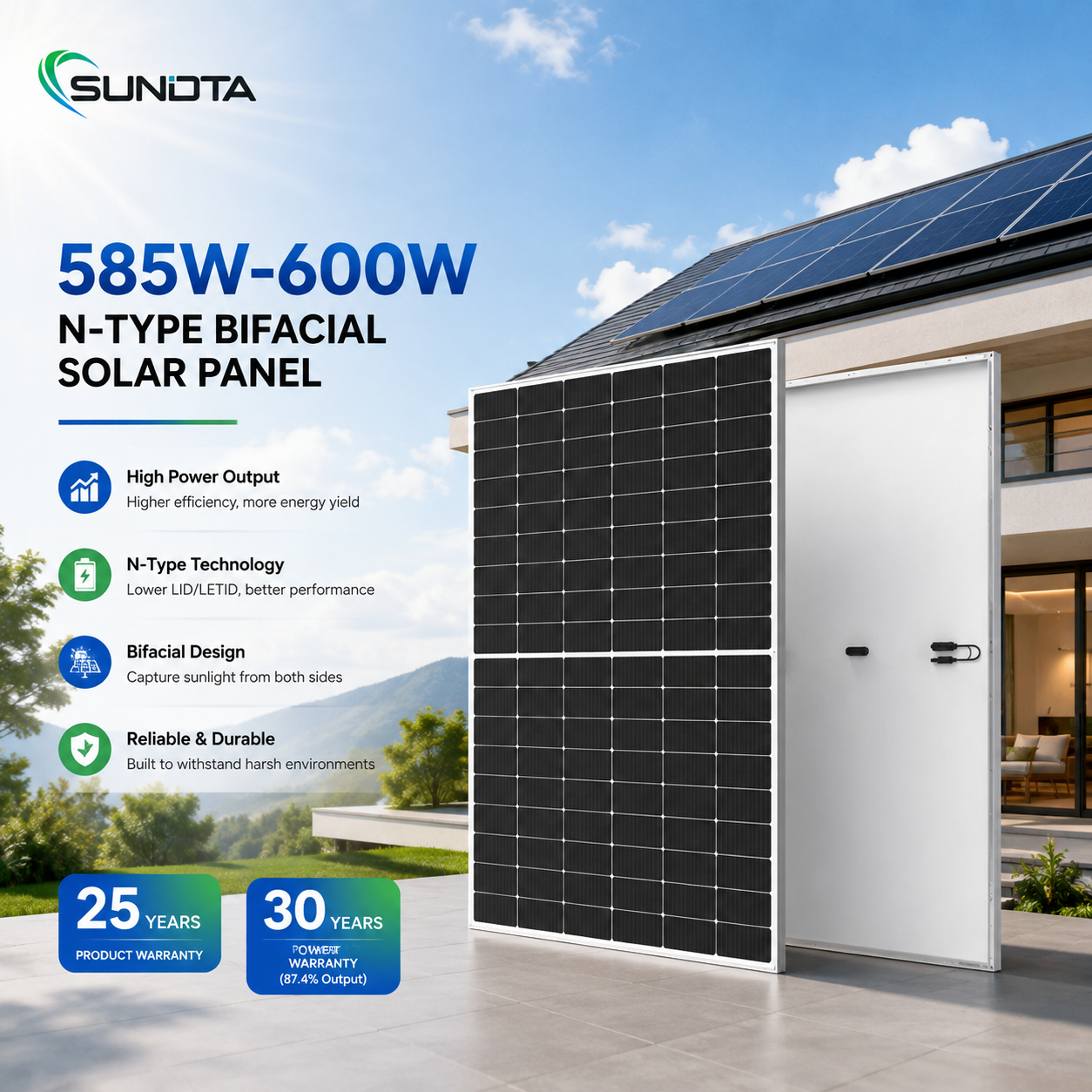
Thermal Performance & Temperature Derating: Conventional p-type PERC panels suffer substantial efficiency loss in Guayaquil's intense afternoon heat due to a temperature coefficient of -0.38%/°C to -0.40%/°C. RJV's 585W–595W N-Type TOPCon bifacial modules incorporate tunnel oxide passivated contacts, driving the temperature coefficient down to -0.30%/°C. This preserves up to 6.8% higher actual kWh generation during peak irradiance hours compared to standard modules.
Electrochemical Corrosion Resistance (ISO 9227 & IEC 61701 Level 6): Standard aluminum frames and inferior junction boxes undergo galvanic degradation within 24 months in coastal Guayas. Our solar modules and exterior racking utilize marine-grade 6005-T6 anodized aluminum (≥15μm oxide film) and dual-layer POE (Polyolefin Elastomer) encapsulation rather than traditional EVA. POE prevents acetic acid formation under persistent humidity, eradicating Potential Induced Degradation (PID) and water vapor ingress.
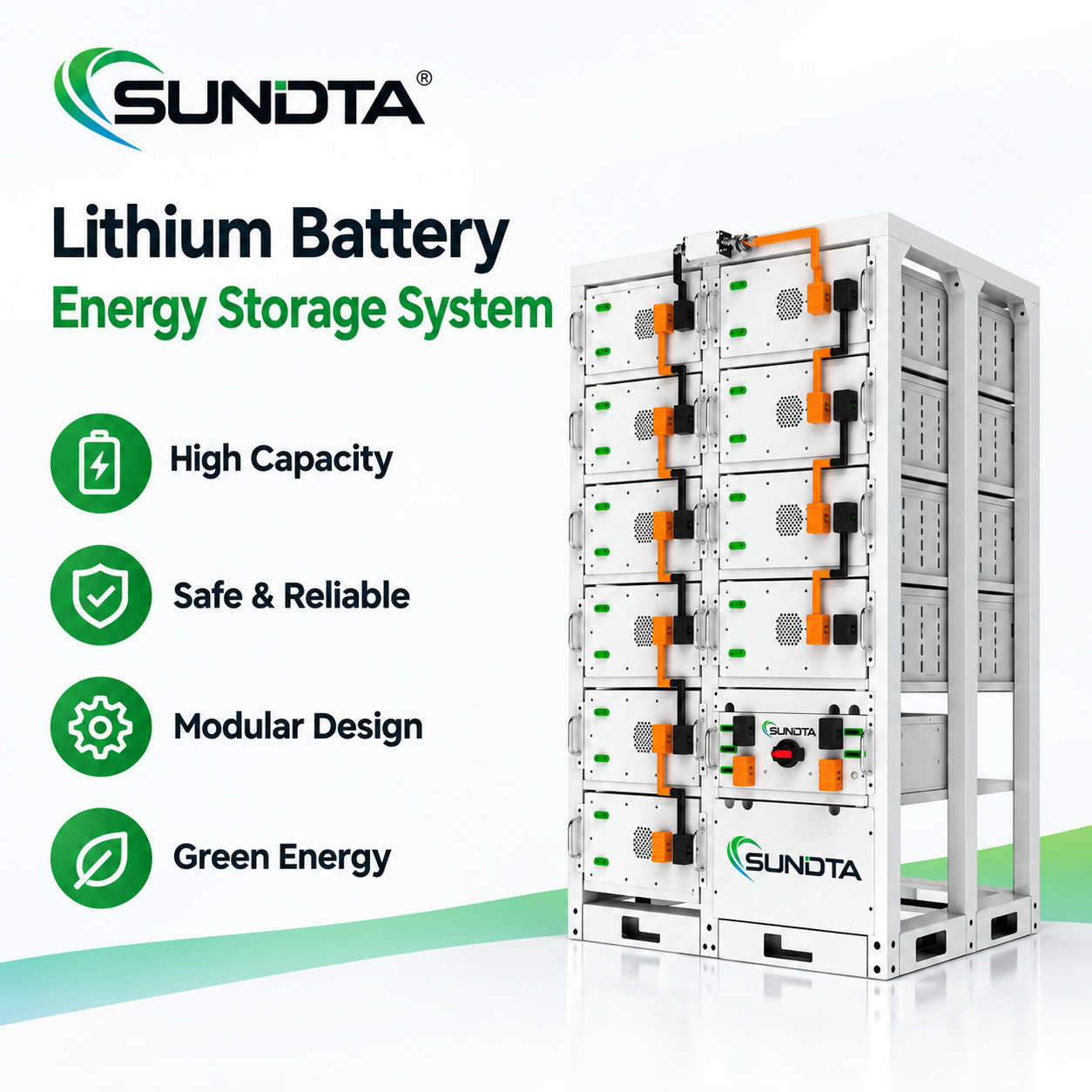
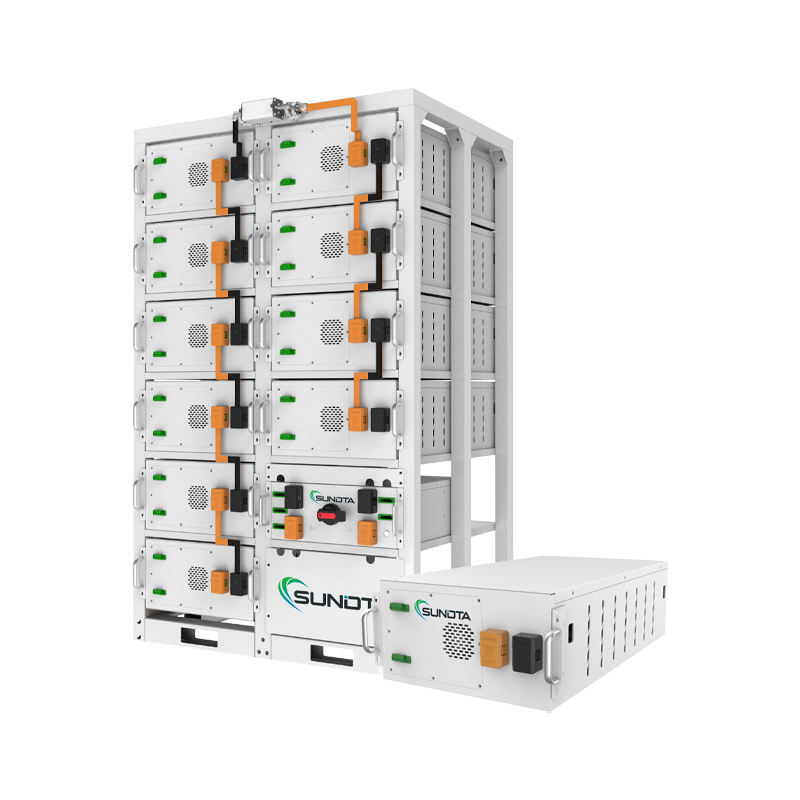
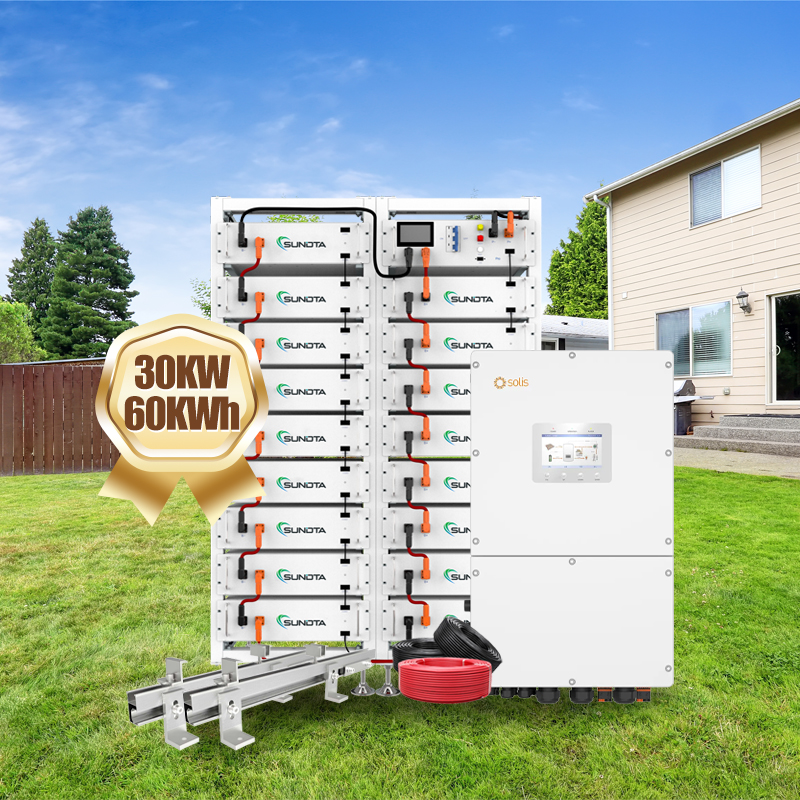
Inverter & Battery Enclosure Thermal Dissipation: Guayaquil's ambient temperatures can cause off-grid inverters and lithium battery packs to hit thermal thresholds, triggering power throttling. RJV's Deye and Solis compatible hybrid platforms utilize IP65/IP66 cast-aluminum heatsinks with isolated aerodynamic cooling channels. Battery storage enclosures feature active cell-to-cell thermal management and ceramic thermal insulation layers, preventing thermal runaway and extending cycle longevity past 6,000 cycles at 0.5C charge/discharge rates.
2. Comparative Analysis: RJV Off-Grid LiFePO4 Storage vs. Diesel Generators in Guayaquil
Ecuadorian industrial enterprises frequently rely on diesel gensets during grid outages. However, diesel fuel logistics, rising unsubsidized commercial diesel costs, noise pollution, maintenance intervals (filter and oil changes every 250 hours), and high generator failure rates under fluctuating loads have made solar-plus-storage the most cost-effective Levelized Cost of Energy (LCOE) solution.
| Evaluation Parameter |
Standard Industrial Diesel Genset (50 kVA) |
RJV Hybrid/Off-Grid Solar + LiFePO4 System (50 kW / 100 kWh) |
Advantage for Guayaquil Operators |
| Levelized Cost of Energy (LCOE) |
$0.38 – $0.52 USD / kWh (including fuel, logistics & overhaul) |
$0.06 – $0.09 USD / kWh (amortized over 10-year lifespan) |
Over 75% operating expense reduction over 10 years. |
| Blackout Transfer Speed |
15 – 45 seconds (manual or mechanical ATS crank) |
< 4 milliseconds (Uninterruptible) |
Zero computer, server, cold-chain, or aquaculture pump resets. |
| Fuel Dependency & Logistics |
Requires steady delivery via Guayaquil road networks; vulnerable to roadblocks. |
100% Autonomous Solar Generation with zero recurring fuel cost. |
Absolute operational security regardless of local fuel shortages or price surges. |
| Maintenance Frequency |
Every 200–250 hours: oil, fuel filters, spark plugs, cylinder maintenance. |
Maintenance-free solid-state architecture; periodic module washing. |
Eliminates costly specialized technician downtime in remote plantations and islands. |
| Acoustic & Environmental Impact |
85–105 dB(A) at 1m; hazardous carbon monoxide and particulate exhaust. |
0 dB silent operation; clean, odor-free, non-toxic emissions. |
Complies with urban municipal zoning in Samborondón, Ceibos, and Kennedy. |
3. Local Application Scenarios in Guayaquil and Guayas Province
System architecture must be strictly customized according to the end-use profile, whether mitigating blackouts in residential luxury zones or providing 100% off-grid reliability for agricultural infrastructure across the Gulf.
Shrimp Aquaculture & Estuary Hatcheries
The Gulf of Guayaquil and Puná Island form the backbone of Ecuador's global shrimp export industry. Aerator paddlewheels, oxygen monitoring sensors, and automated feeding systems require unyielding 24/7 power. An unexpected 2-hour power cut causes catastrophic biological mortality in intensive ponds.
- Heavy-duty 48V/HV battery banks sized for 14-hour overnight aeration
- Conformal-coated circuit boards resistant to brackish, saline humidity
- Direct pump motor inductive surge handling (up to 200% surge capacity)
Agro-Industrial Warehousing & Cold Chain
Distribution centers along the Vía a Daule, Durán industrial corridor, and Montebello food logistics clusters handle perishable mango, banana, seafood, and cacao commodities. Compressors and blast chillers demand seamless power without millisecond phase drops that trip protection switches.
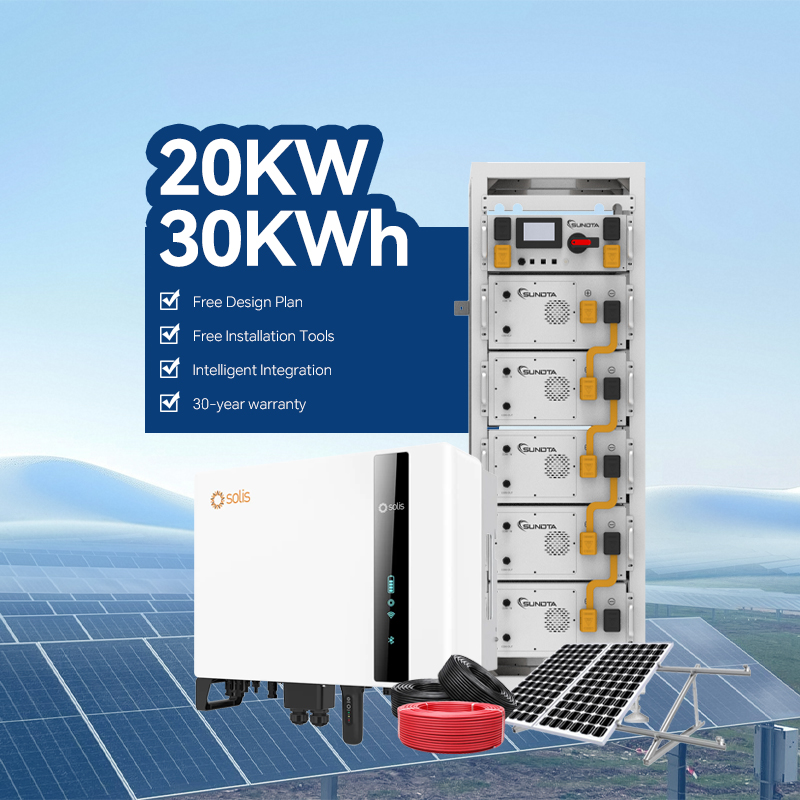
- Three-phase 220V/380V Deye & Solis parallel systems up to 500kW
- Peak shaving during high-tariff grid availability windows
- Integration with existing on-site backup generators via dry contacts
Urban & Suburban Residential Microgrids
High-end gated communities in Samborondón (La Puntilla), Isla Mocolí, and Puerto Azul suffer recurring voltage spikes when utility lines reboot after scheduled rationings. Sensitive residential HVAC inverters, pool pumps, and automation equipment demand clean sine waves.
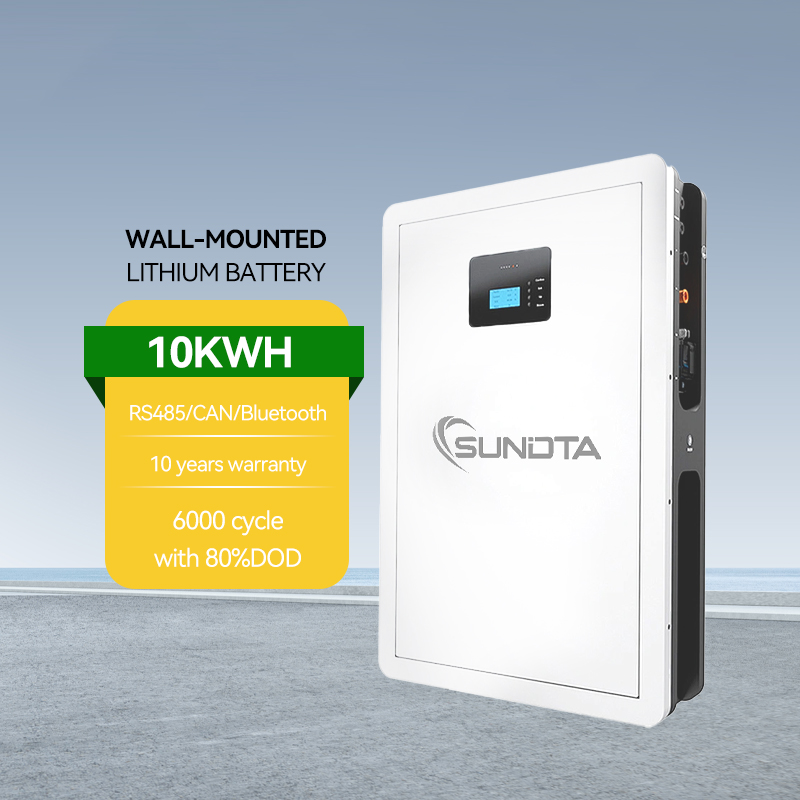
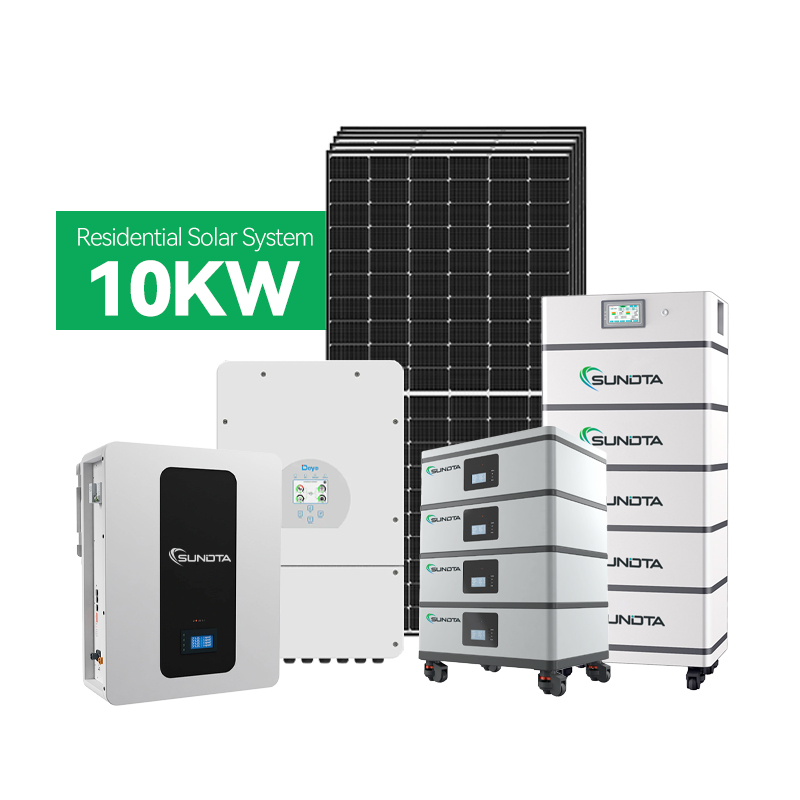
- Stackable 51.2V LiFePO4 batteries (10kWh to 30kWh) with compact footprint
- Pure sine wave output with <2% Total Harmonic Distortion (THD)
- Mobile app surveillance over WiFi/4G for immediate battery monitoring
4. Ecuadorian Regulatory Landscape & Emerging Sourcing Trends
The regulatory framework governing distributed generation and off-grid infrastructure in Ecuador has transformed dramatically. The Ministry of Energy and Mines, along with ARCONEL (Agencia de Regulación y Control de la Energía y los Recursos Naturales No Renovables), has published updated executive decrees encouraging commercial and industrial entities to establish independent distributed generation systems up to 100kW without requiring lengthy concessions.
Furthermore, major Guayaquil importers and engineering, procurement, and construction (EPC) firms are pivoting toward direct factory containerization. Ordering mixed full container loads (FCL) consisting of Tier-1 equivalent N-Type TOPCon panels, matched hybrid inverters, and battery racks from a singular audited supplier in China eliminates the standard 30% local distribution markup and safeguards equipment communication compatibility.