Engineered Solar Solutions for Nepal's Mountainous & Plains Topography
From heavy industrial rooftops in the Birgunj-Pathlaiya commercial corridor to distributed rooftop arrays in Kathmandu Valley, RJV supplies fully integrated on-grid and grid-interactive solar packages pre-tested for voltage fluctuations, lightning immunity, and NEA grid compatibility.
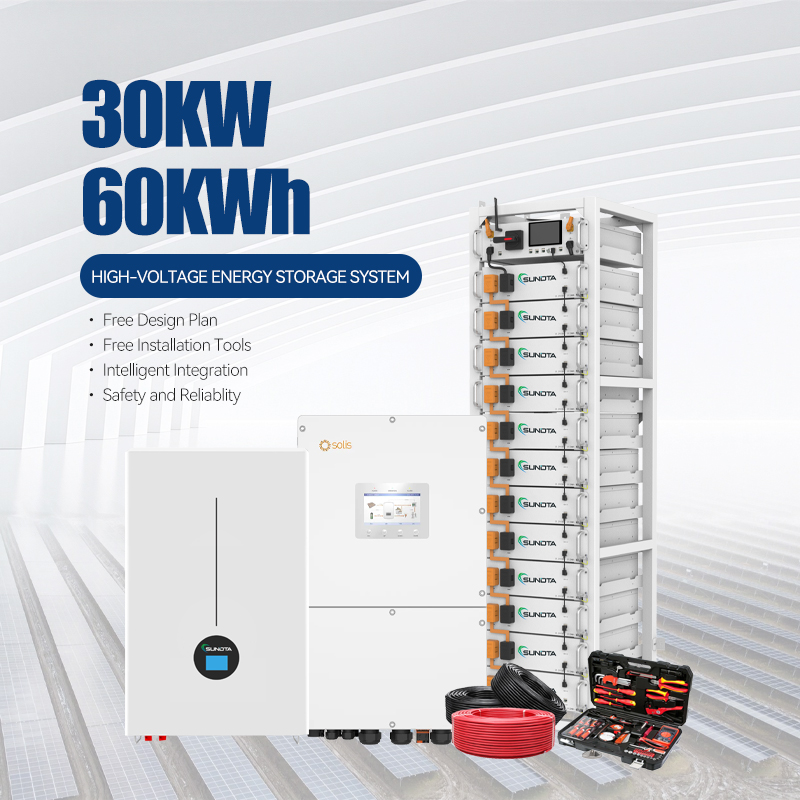
Energy Bank Powerwall 51.2V 314AH 200AH 8KW 10KW Lithium Battery 15kwh Pack
- Grade-A prismatic LiFePO4 cells (6000+ cycles)
- Integrated Smart CAN/RS485 BMS communication
- Dual-voltage matching for urban Kathmandu villas
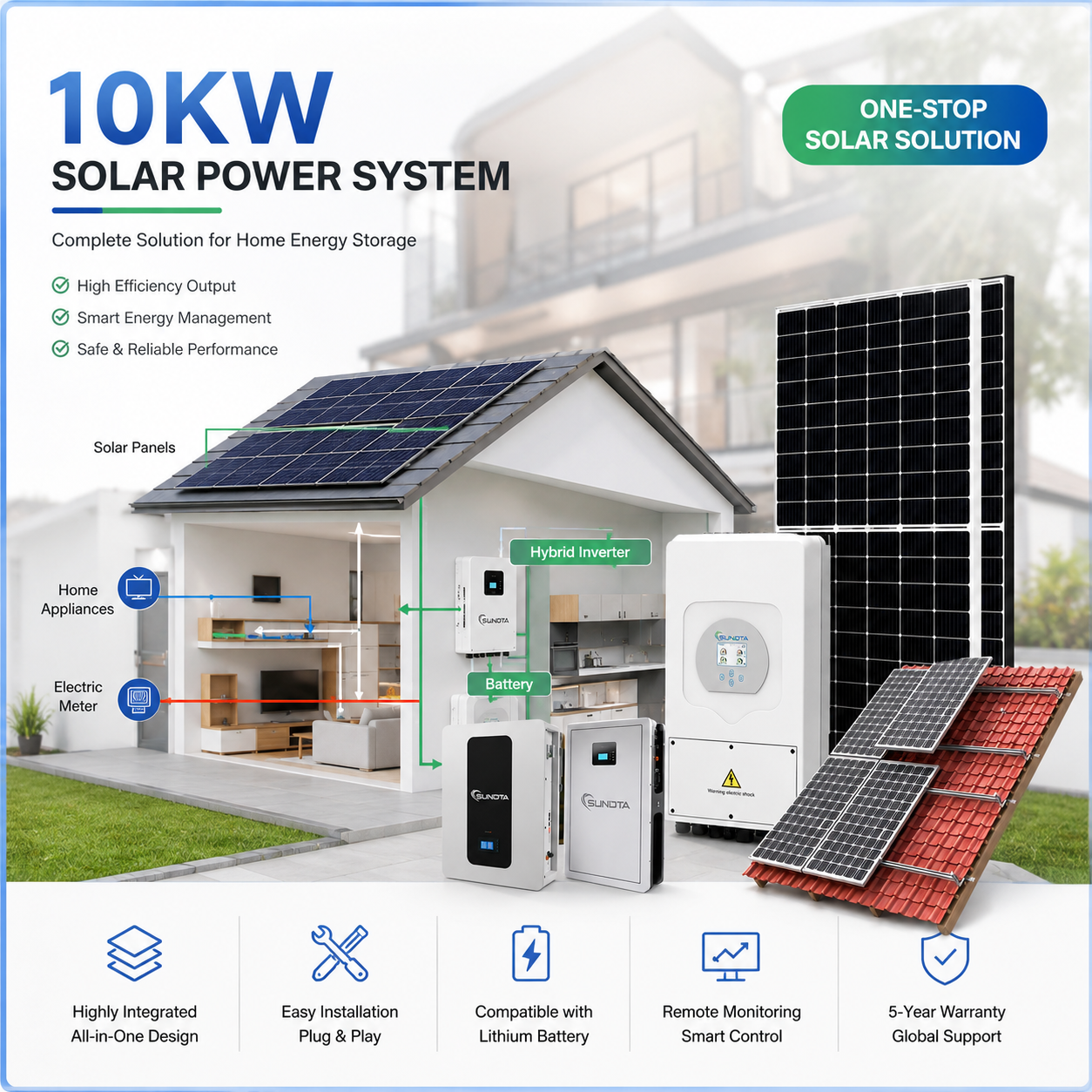
15kW-50kW High-Efficiency Hybrid Solar Power System with Smart MPPT
- Dual to Quad MPPT with 99.9% tracking efficiency
- Built-in export limitation for NEA net-metering rules
- Seamless <10ms automatic UPS transfer switch
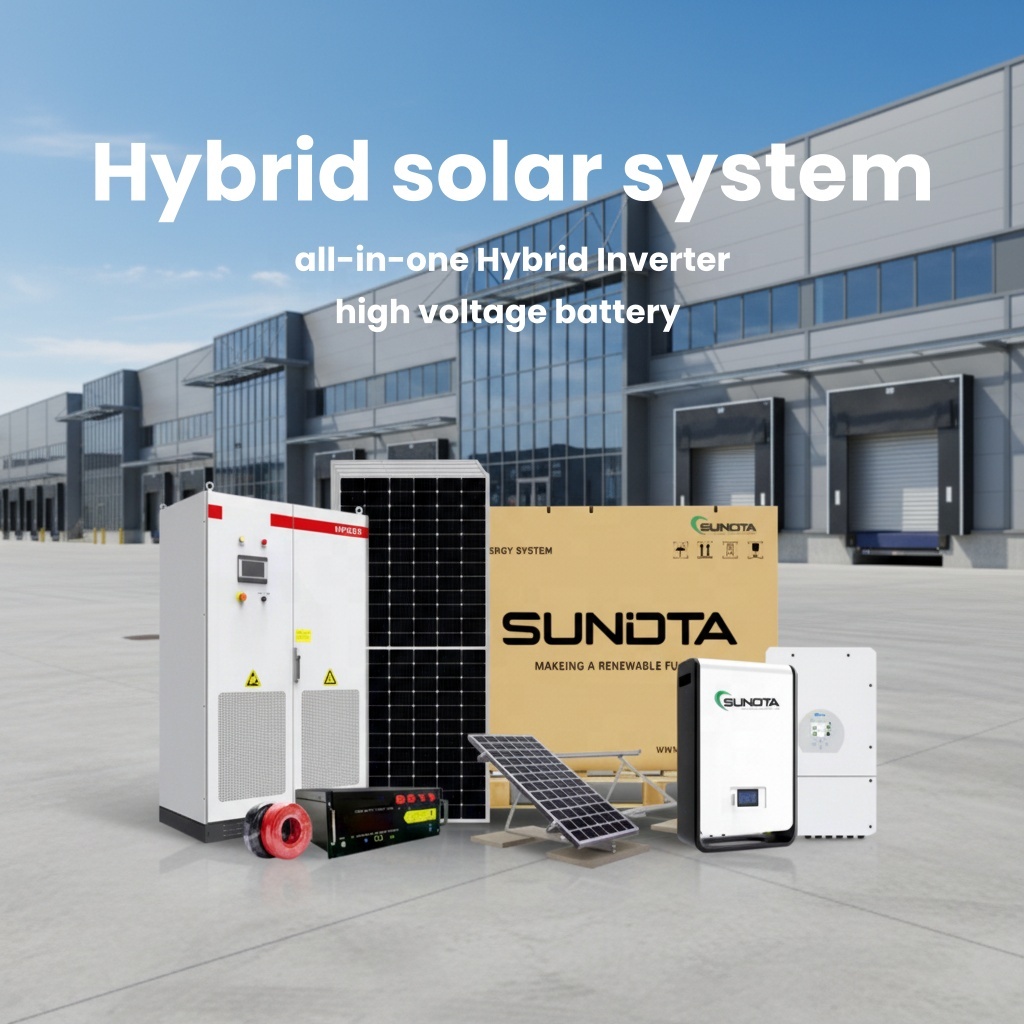
All-in-One Energy Storage Outdoor Cabinet 100kW to 500kW LiFePO4 ESS
- Liquid/air HVAC cooling with aerosol fire protection
- Peak shaving & demand management for factories
- Robust IP55 outdoor cabinet for Terai humidity
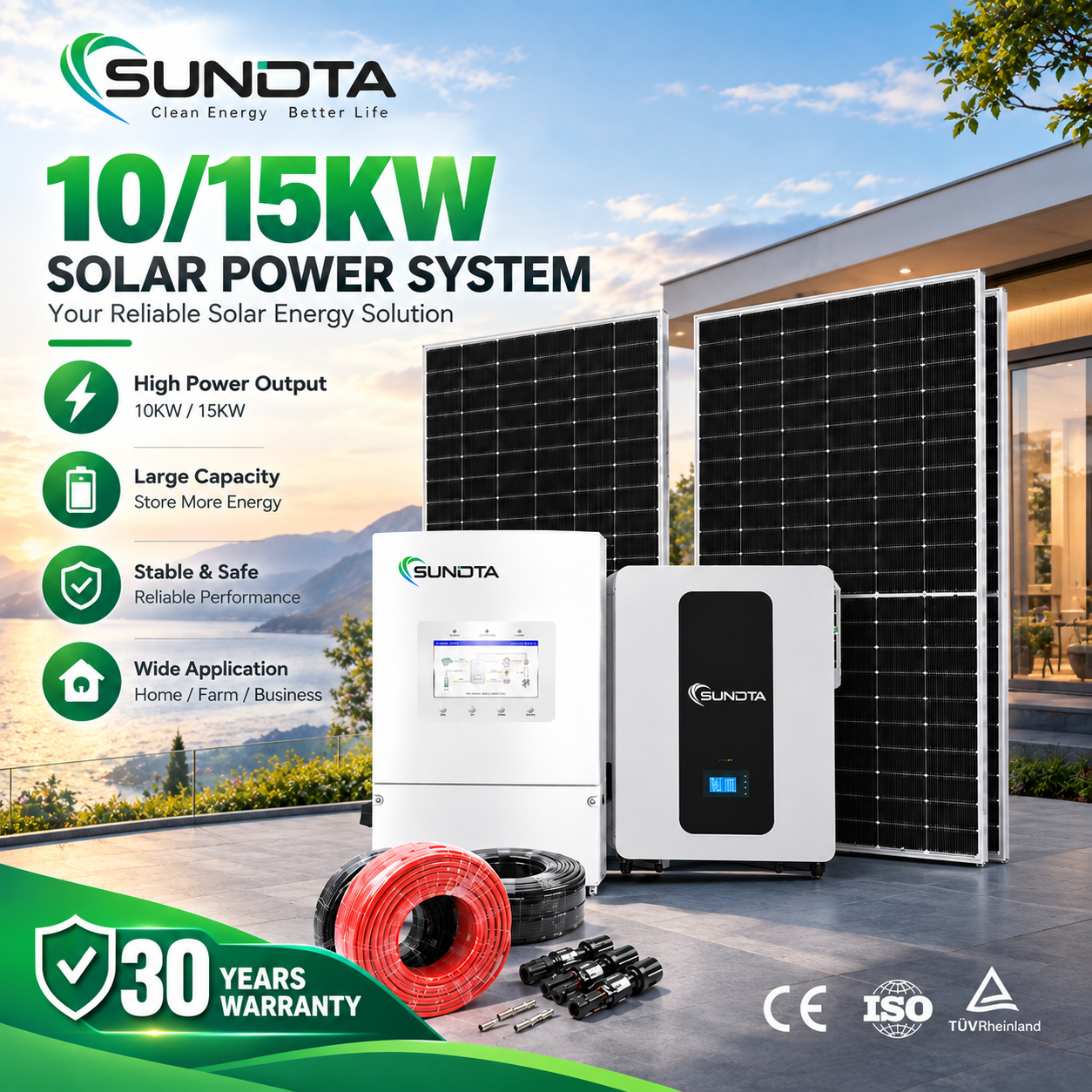
Premium 585W-595W N-Type TOPCon Bifacial Dual-Glass PV Module
- Up to 23.1% conversion efficiency with 30-year warranty
- Lower temperature coefficient (-0.30%/°C)
- 30% rear-side albedo boost in snowy/rocky regions
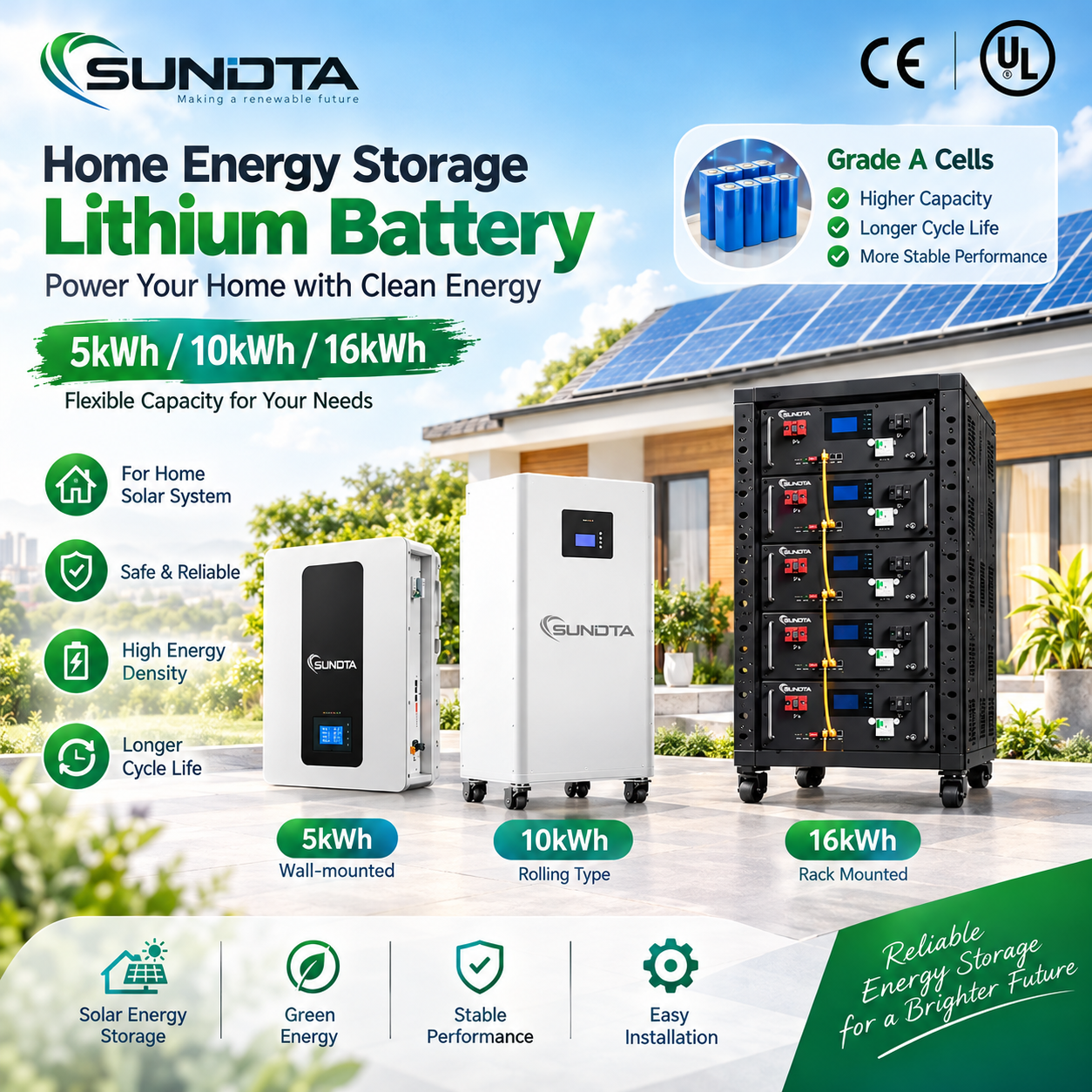
Sundta 51.2V 200Ah 10kWh LiFePO4 Wall-Mounted Battery with Smart BMS
- Ultra-compact footprint for urban residences
- Direct CAN bus sync with Deye, Solis, and Growatt
- Comprehensive over-voltage/thermal protection
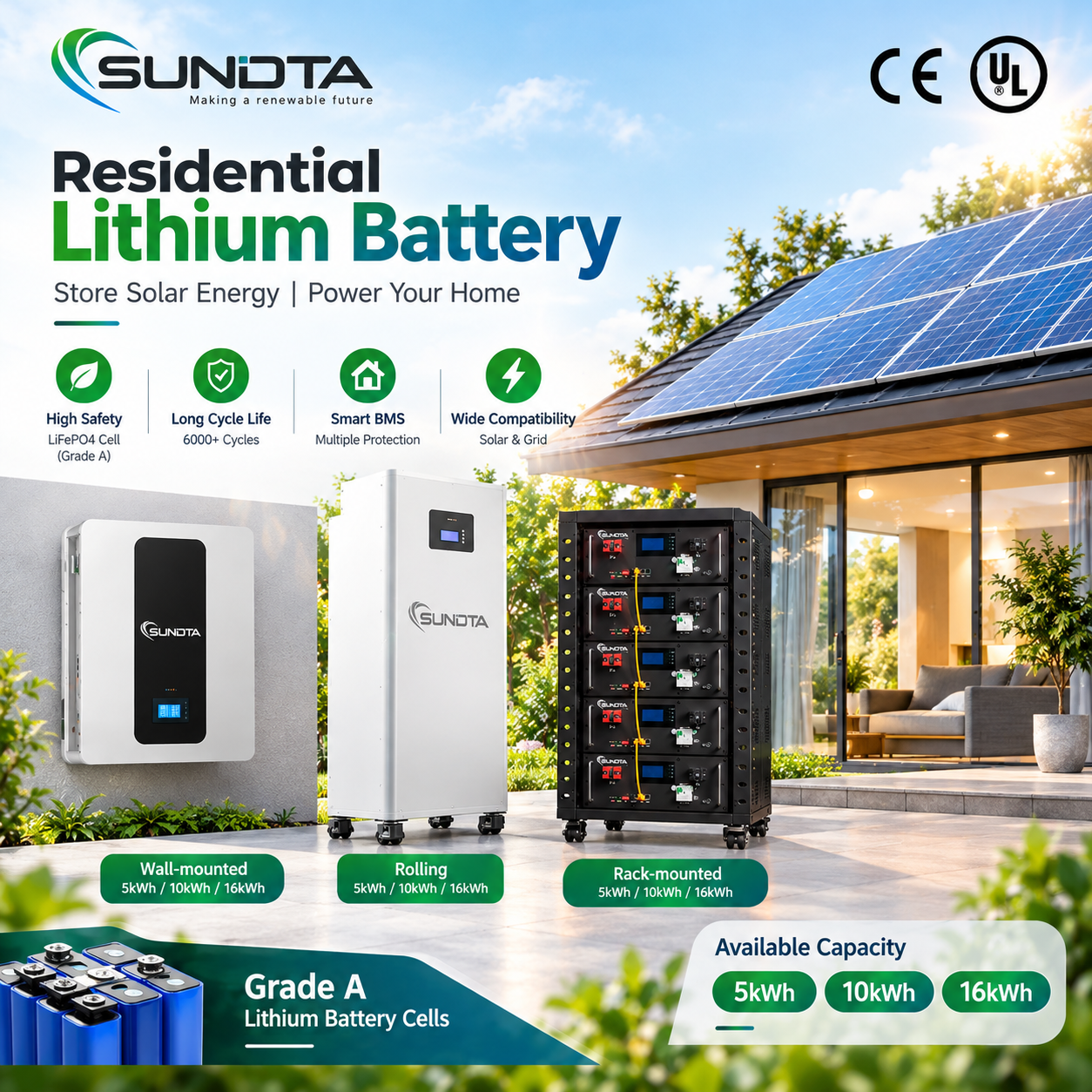
Sundta Stacked 10kWh-30kWh Modular LiFePO4 Battery Energy Storage
- Plug-and-play wireless inter-module stacking
- Scalable from 10kWh up to 60kWh parallel capacity
- High surge tolerance for inductive hotel/hospital loads
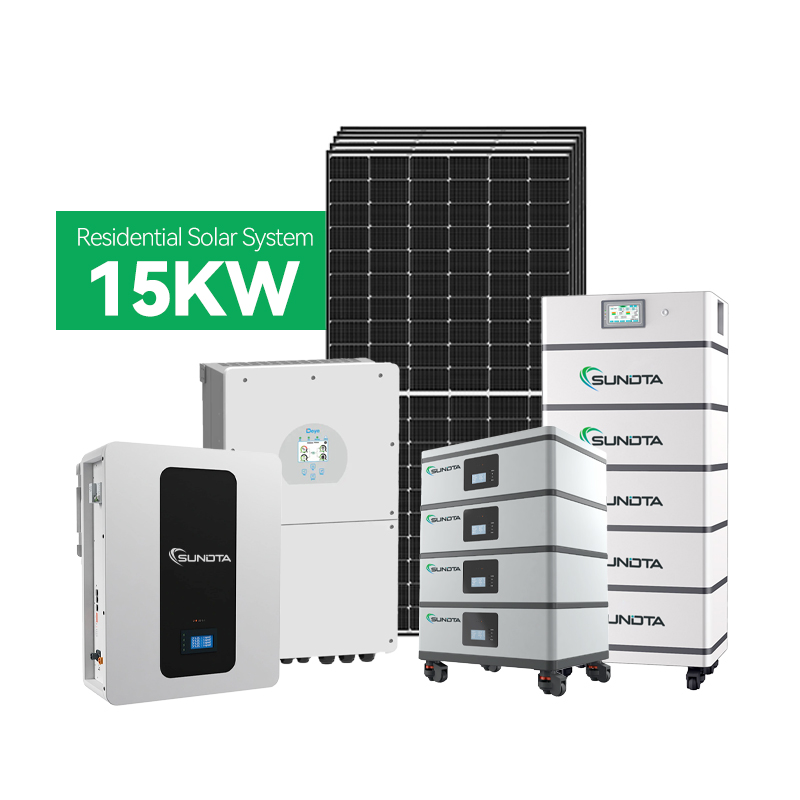
Sundta Hybrid On/Off Grid System Kit 5kW 10kW 12kW 15kW Full BOM
- Includes TOPCon modules, hybrid inverter, cables & DC DB
- Corrosion-resistant aluminium mounting structures
- Factory pre-wired and zero-export ready for NEA
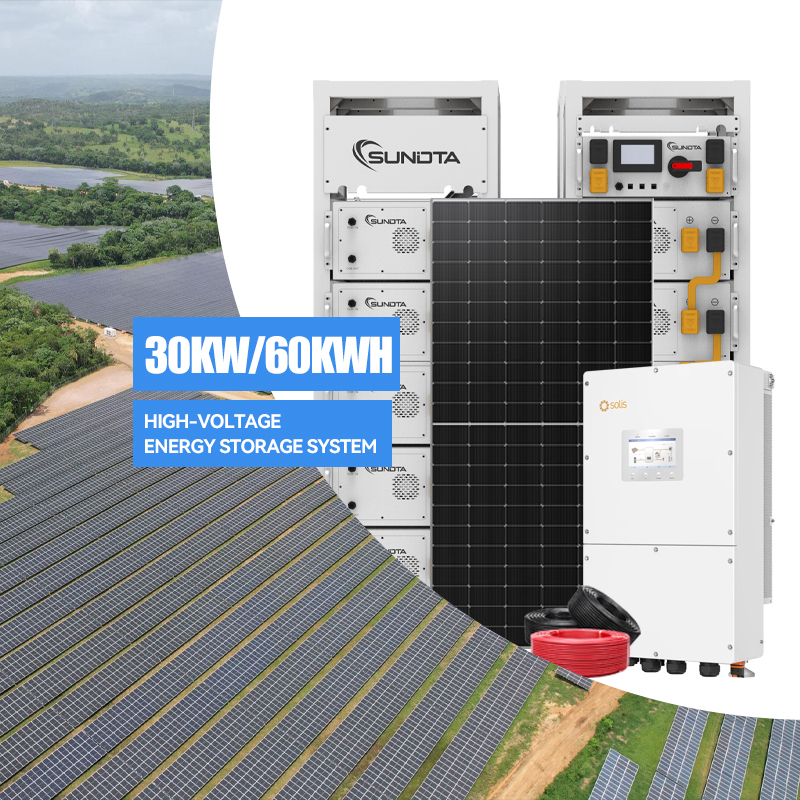
Commercial On-Grid Solar & Storage System 20kW 30kW 40kW EU Cert
- Three-phase 400V balanced output for manufacturing lines
- Unbalanced phase output capability up to 50%
- CE, IEC 62109, and TÜV Rheinland grid-code compliance
Navigating Nepal’s Grid Realities: The Shift from Pure Hydro to Solar-Hydro Synergy
While Nepal generates significant run-of-the-river hydroelectricity during the summer monsoon, river flow rates diminish up to 70% during the dry winter months (December to April). This creates severe seasonal power deficits, forcing industries to import costly thermal energy from India or suffer erratic grid voltage.
Peak Tariff & ToD Rates Mitigation
The Nepal Electricity Authority (NEA) enforces Time-of-Day (ToD) metering for industrial consumers. Peak hours (17:00 to 23:00) carry heavily penalized tariffs. Commercial on-grid and grid-interactive hybrid systems yield rapid financial amortizations within 3.2 to 4.5 years by generating maximum energy during midday peak production shifts.
Grid Voltage & Frequency Volatility
Substation lines in provincial hubs like Biratnagar, Butwal, and Nepalgunj frequently experience brownouts, surges, and frequency deviations (48.5 Hz – 51.5 Hz). RJV supplies on-grid inverters engineered with customizable grid protection trip parameters (IEC 61727/62116), preventing nuisance inverter trips while ensuring islanding protection.
NEA Net Metering Regulations
Under the NEA Grid Code and Net-Metering Policy, institutional, commercial, and residential subscribers can export surplus generation back to the national distribution grid up to 90% of their annual consumption quota. RJV on-grid systems integrate bidirectional CT meters and smart data loggers certified for seamless utility approval.
On-Grid Solar Architectures Across Nepal's Distinct Macro-Environments
Deploying solar equipment across Nepal requires deep domain expertise. Altitudes range from 60 meters in the southern Terai plains to over 2,000 meters across the Mid-Hills and high Himalayan plateaus, demanding specific mechanical and electrical adaptations.
Kathmandu Valley Commercial & Residential
Dense urban rooftops across Lalitpur, Bhaktapur, and Kathmandu face shading constraints and structural weight limits. RJV provides high-power density N-type TOPCon panels (460W-480W compact footprint) coupled with low-noise IP66 residential inverters that optimize urban solar harvesting under persistent particulate smog and haze.
Terai Industrial Belts (Birgunj, Biratnagar)
Nepal’s manufacturing heartland in Province 1 and Madhesh Province contends with ambient summer temperatures surpassing 44°C and high atmospheric humidity. Our bifacial modules offer an ultra-low -0.30%/°C temperature coefficient and anti-PID solar encapsulation, delivering 8-11% higher energy yields than standard PERC panels.
High-Altitude Mountain Eco-Resorts & Clinics
In trekking regions such as Pokhara, Mustang, Solukhumbu, and Manang, air density decreases, lowering dielectric insulation capacity and inverter convection cooling efficiency. RJV supplies de-rated high-altitude inverters tested up to 4,000m ASL with enhanced surge arrestors to resist severe mountain lightning strikes.
Agro-Cold Storages & Tea Processing Estates
Agricultural facilities in Jhapa and Ilam depend on steady power to run cold chains and industrial dehydrators. RJV's three-phase grid-tied systems incorporate intelligent peak-shaving software that smoothly synchronizes on-grid solar generation with backup diesel gensets, slashing fuel expenditures by up to 65%.
On-Grid Solar System Engineering Architecture for EPCs in Nepal
Compare standard system configurations tailored for Nepalese B2B procurement, designed to balance balance-of-system (BOS) capital expenditure with maximum 25-year Levelized Cost of Electricity (LCOE).
| System Category | Recommended Array Size | Inverter Architecture | NEA Interconnection Type | Key Performance Highlights |
|---|---|---|---|---|
| Residential Net-Metered | 5kW – 15kW PV Array | Single-Phase / Split-Phase Smart Hybrid (LV Battery Compatible) | 230V Single-Phase Low Tension (LT) Line | Zero export limiting option; <10ms UPS switchover during Kathmandu rolling cuts; built-in AFCI safety. |
| Commercial Rooftop (SME) | 20kW – 50kW PV Array | Three-Phase Quad-MPPT Grid-Tied Inverter (Solis / Deye) | 400V Three-Phase Low Tension (LT) Line | 110% continuous AC overloading; dual string monitoring per MPPT; anti-islanding compliance (IEEE 1547). |
| Industrial Peak-Shaving | 100kW – 500kW PV Array | Modular High-Voltage String Inverters + Integrated Smart EMS | 11kV / 33kV High Tension (HT) Dedicated Feeder | Direct SCADA integration; reactive power regulation; diesel-generator synchronized zero-reverse power control. |
| Utility & Microgrid Hybrid | 500kW – 2MW+ Utility Array | Centralized or Multi-String Inverters + Containerized BESS | 33kV Substation Transmission Intertie | Grid-forming capability; black-start capability; seasonal hydro-balancing frequency dispatch response. |
Why Leading Nepalese Solar EPCs & Contractors Choose Anhui RJV New Energy
Headquartered in the global clean-tech manufacturing hub of Hefei, China, Anhui RJV New Energy Co., Ltd. eliminates middleman markups, logistical uncertainties, and component mismatch risks for Nepalese clean-energy projects.
2 GW Automated Production
Fully robotic cell-sorting, automated layup, and triple EL (Electroluminescence) micro-crack testing guarantee high module reliability under rugged transit conditions from Kolkata port to Birgunj Dry Port.
TÜV Rheinland Assessed
Verified manufacturing facilities, strict ISO9001/14001 factory management, CE certifications, and flash test reports issued with every pallet to guarantee true positive power tolerance (+0~3%).
Complete Matched PV BOM
Eliminate commissioning errors. We deliver fully coordinated packages: matched N-Type modules, Deye/Solis inverters, pre-addressed CAN-bus battery racks, and PV DC combiner boxes on a single bill of lading.
Dedicated Engineering Sizing
Our bilingual system engineering team prepares full single-line diagrams (SLD), string layout calculations, and export limitation schematics to expedite NEA technical review and approval.
Seamless Sourcing from Hefei Factory to Birgunj ICD Customs Clearance
Importing solar equipment into landlocked Nepal requires precise logistical coordination and adherence to Department of Customs requirements. RJV provides end-to-end documentation support to facilitate streamlined transit via Indian ports.
Customs Duty & AEPC Subsidies
Solar modules and inverters certified by international testing bodies (IEC/CE) qualify for preferential customs duty treatment in Nepal (typically 1% customs duty under government clean-energy promotion mandates) when cleared with proper Alternative Energy Promotion Centre (AEPC) verification documents.
Multimodal Transit Logistics (CIF Kolkata / CIP Birgunj)
RJV manages standard marine shipping from Shanghai/Ningbo to Kolkata or Haldia Port in India, followed by secure bonded rail freight transit directly to the Birgunj Inland Container Depot (ICD) dry port, reducing port demurrage risks and handling damage.
Vibration-Proof Mountain Packing
Given the winding highway conditions from Birgunj to Kathmandu or Pokhara (such as the Tribhuvan Highway and Prithvi Highway), our solar modules are packed using vertical reinforced plywood pallets, corner-guards, and heavy strapping to prevent micro-fracturing in transit.
Local Procurement & Technical FAQ for Nepal Solar Importers
Clear, direct answers regarding NEA interconnection compliance, system derating, local taxation, and order logistics.