Deep-Cycle IP65
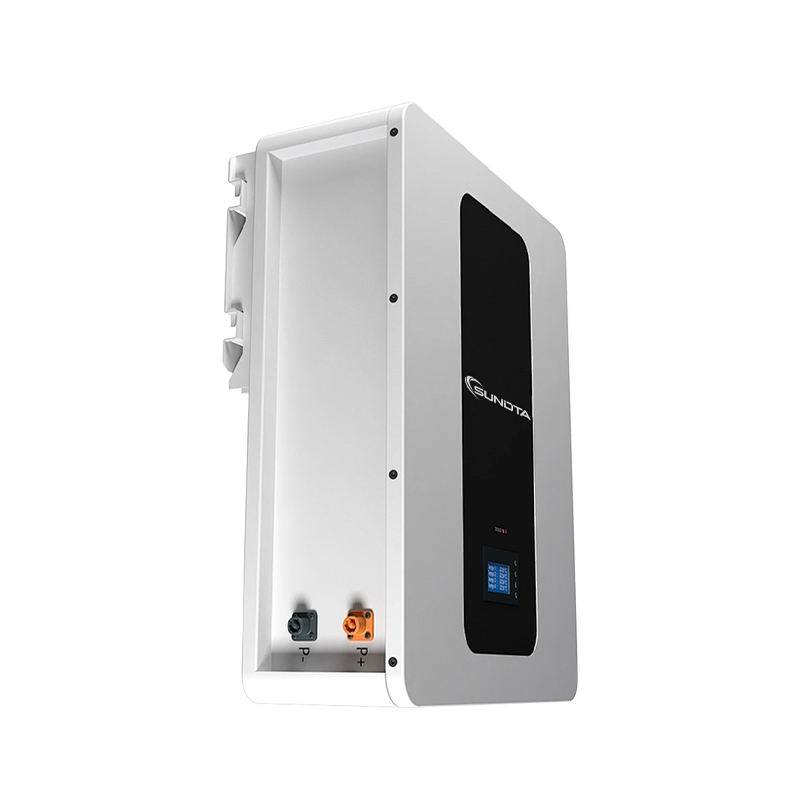
Sundta POLO-W1 LiFePO4 Battery Wall-Mounted 5kWh
- Chemistry: High-grade LiFePO4 51.2V 100Ah
- Protection: IP65 Sealed Anti-Salt Enclosure
- Cycle Life: >6,000 Cycles @ 80% DoD
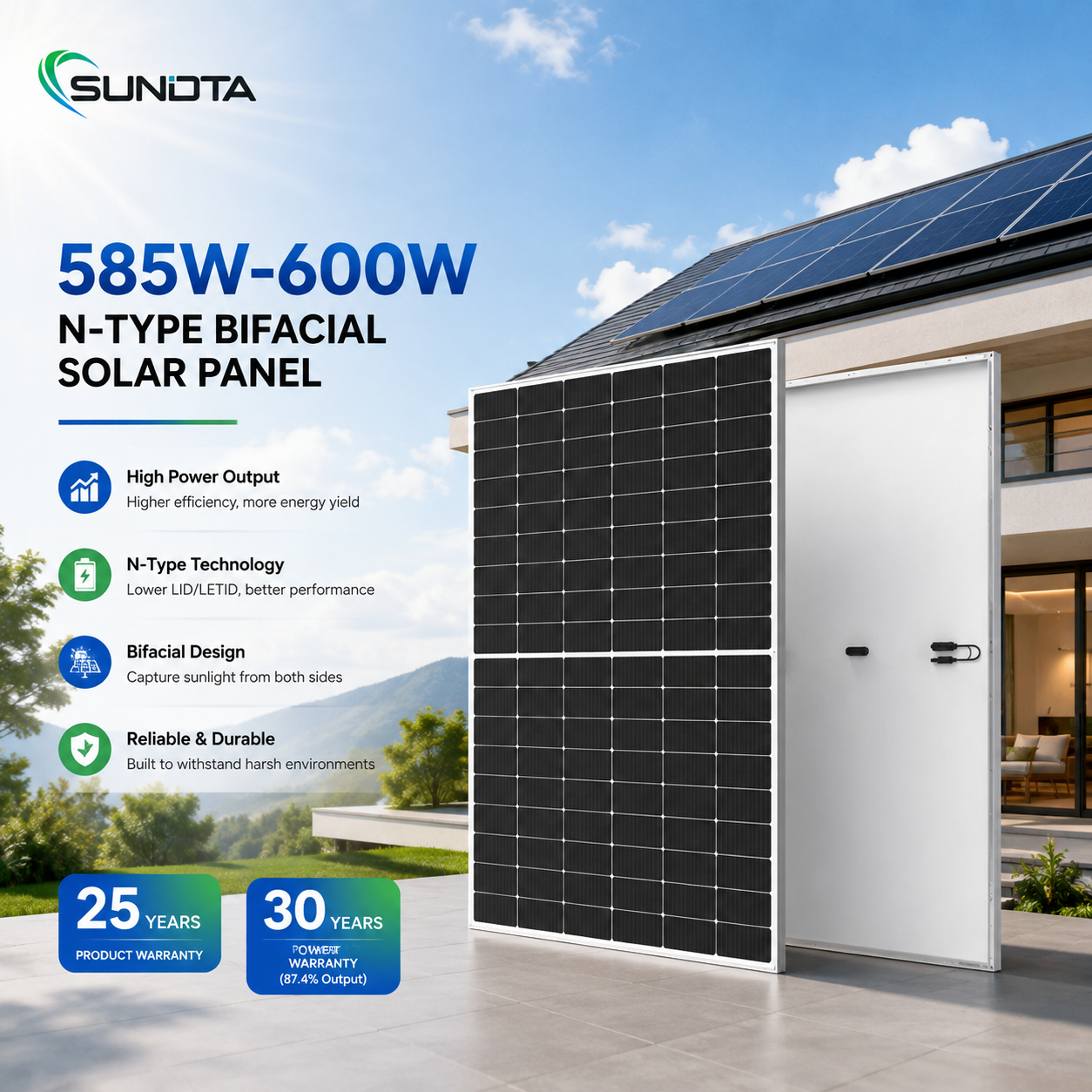
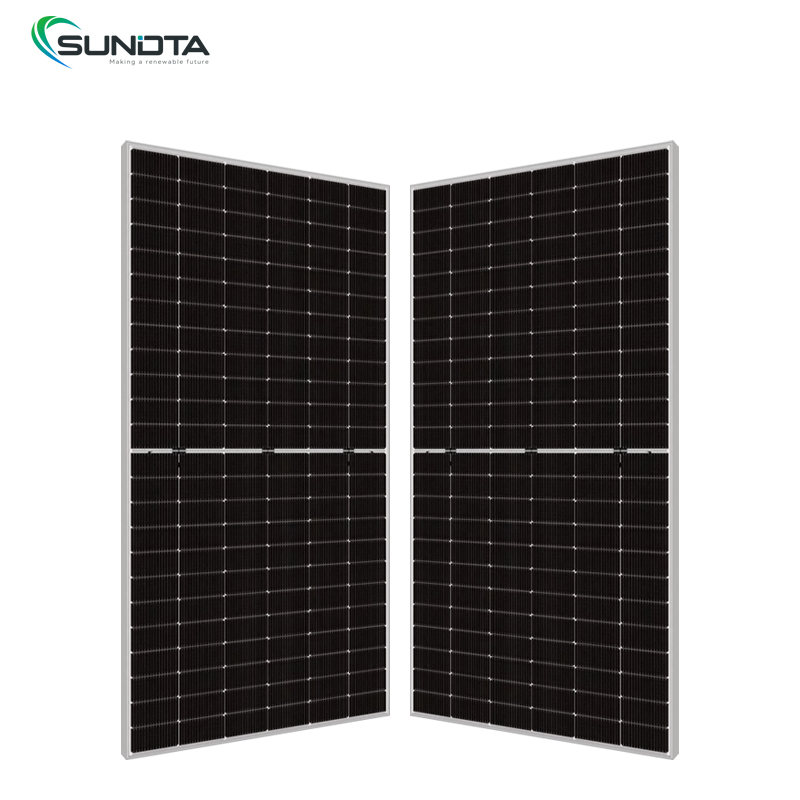
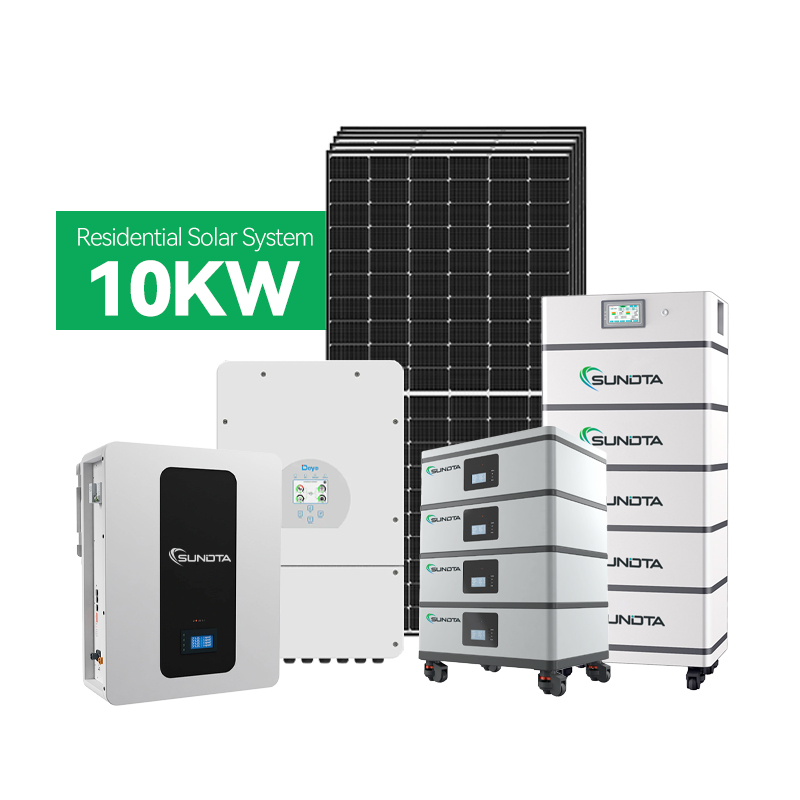
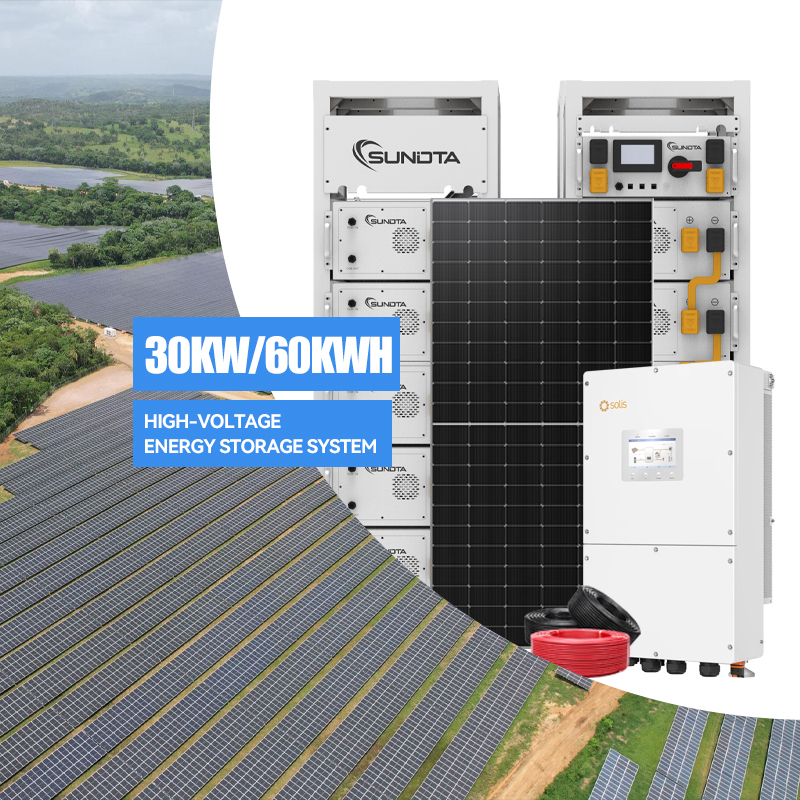
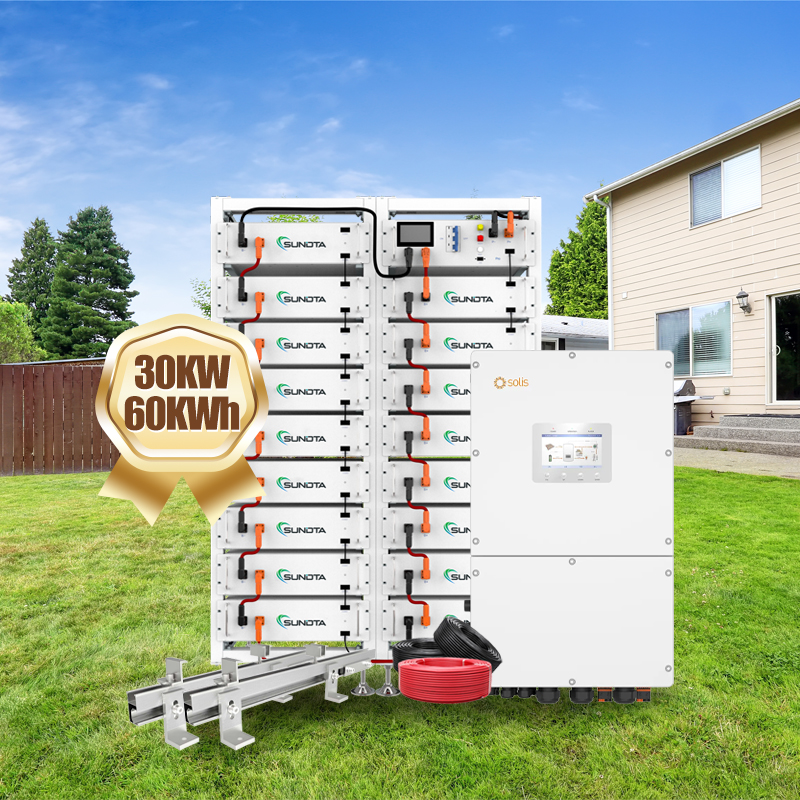
Engineered to withstand the demanding 32°C equatorial temperatures and 85% saline ambient moisture of Addu City, our product range covers high-frequency residential units, modular hybrid arrays, and utility bifacial solar collectors.
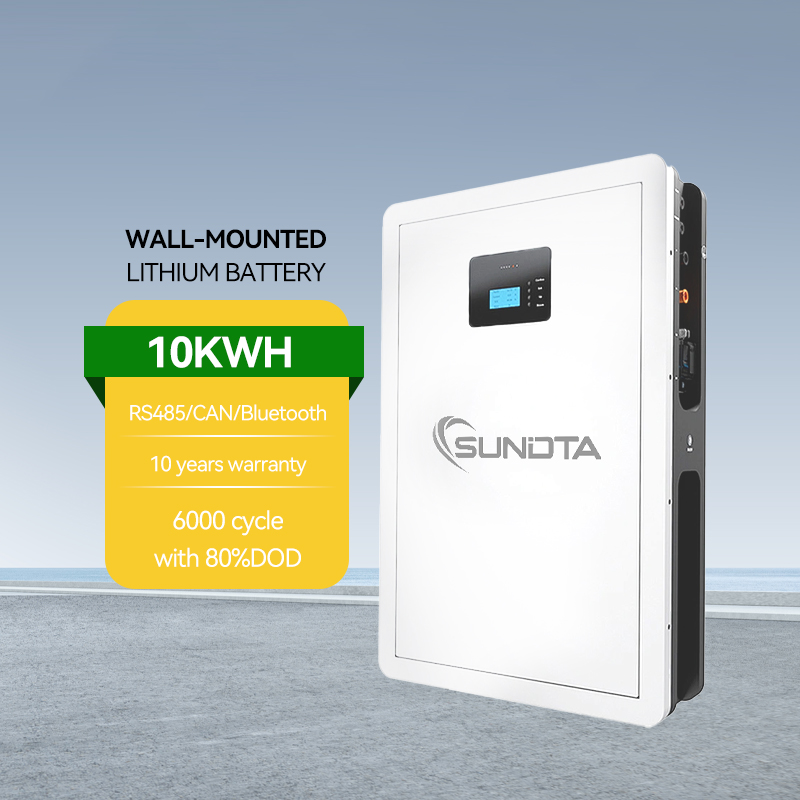
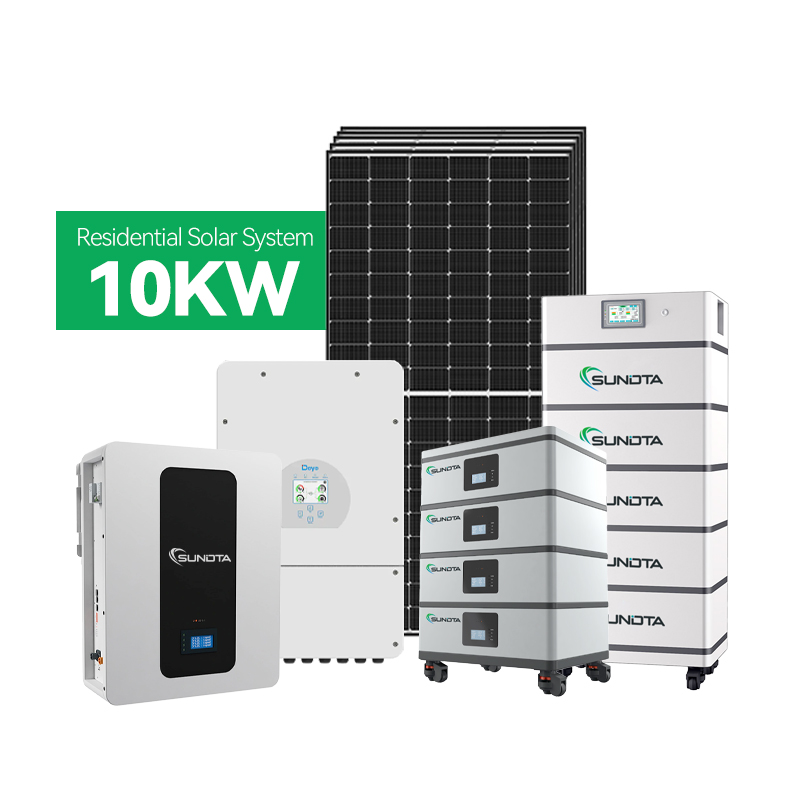
Addu City, encompassing the inhabited islands of Hithadhoo, Maradhoo, Feydhoo, Hulhudhoo, and Meedhoo, presents one of the most uniquely demanding geographic and electro-chemical operational environments for distributed energy storage systems (ESS) in South Asia. Situated south of the equator in the Maldives, Addu operates via isolated local grids that have historically relied heavily on high-tariff imported diesel generation managed by state utilities such as FENAKA Corporation. As the atoll accelerates toward regional carbon neutrality and grid modernization under international climate initiatives, the demand for industrial and heavy-duty portable power stations has surged across both civilian and commercial sectors.
However, importing off-the-shelf energy equipment into Addu often results in premature field failure if systems are not specifically designed for equatorial maritime conditions. Engineering portable power stations and modular battery storage systems for this market requires addressing three core technical hurdles:
First, Electrochemical Thermal Stress and High C-Rate Runaway Protection: Conventional NMC (Nickel Manganese Cobalt) chemistries exhibit severe fire propagation risks under sustained high temperatures. For this reason, Anhui RJV New Energy exclusively deploys automotive-grade Lithium Iron Phosphate (LiFePO4) cells. LiFePO4 possesses an inherent thermal runaway threshold exceeding 270°C—substantially higher than NMC’s volatile 150°C to 210°C limits. Coupled with an intelligent Battery Management System (BMS) with cell-level temperature monitoring across five sensory probes, our stations ensure optimal multi-stage passive cooling and heat-sink dissipation without throttling discharge currents.
Second, Galvanic Corrosion and Atmospheric Salt Fog: The proximity of any residential or commercial facility in Addu to the Indian Ocean means aerosolized sodium chloride constantly coats electronic enclosures. Standard fan-driven portable power supplies draw this conductive moisture across exposed printed circuit board (PCB) traces, leading to dendrite growth, parasitic leakage, and catastrophic short circuits. Our export-grade portable stations feature an internally segregated chamber architecture with IP65-rated battery enclosures, fluorocarbon-coated heat pipes, and conformal coatings complying with MIL-STD-810H salt spray resistance standards.
Third, High-Inductive Surge Loads for Local Marine & Cold Storage Chains: The Addu fishing fleet, based out of Hithadhoo and the Maradhoo harbors, along with eco-resort operators and dive liveaboards, operates heavy inductive motor equipment including high-tonnage ice machines, desalinators (RO systems), submersible bilge pumps, and diagnostic marine electronics. RJV portable power stations and hybrid kits integrate pure sine wave inverters engineered with 2.5x to 3x momentary peak surge capacities, ensuring seamless start-up currents without voltage sagging or inverter fault locks.
Engineered for the realities of equatorial microgrids, inter-island transport, and eco-tourism sustainability mandates.
Tuna fishing fleets and safari liveaboards crossing the Addu-Fuvahmulah channel require rock-solid auxiliary power. Our portable units act as silent, non-combustive energy hubs, running VHF radio repeaters, navigation radars, electric winches, and auxiliary bait-well aerators without requiring diesel auxiliary engines running 24/7 at dock or sea.
Addu's biosphere reserve status necessitates whisper-quiet operation and zero local emissions. Portable power units and stackable batteries power overwater villas, dive compressors, open-air banquet lighting, and localized water pumping without diesel vibration or particulate exhaust ruining guest tranquility.
Sudden feeder line interruptions across the Addu Link Road cause critical disruptions. Our hybrid units serve as instantaneous UPS buffers for medical vaccine refrigeration in Hulhudhoo-Meedhoo, reverse-osmosis desalination pumps, and municipal emergency command post servers with sub-10ms automatic transfer switching.
A comparative engineering evaluation showing why traditional power procurement is shifting definitively toward high-voltage LiFePO4 architecture and bifacial glass-on-glass modules.
| Evaluation Parameter | Conventional Diesel / Lead-Acid | Standard Retail ESS (NMC) | Anhui RJV Tropicalized LiFePO4 Architecture |
|---|---|---|---|
| Levelized Cost of Storage (LCOS) | Extremely high ($0.45-$0.68/kWh) due to imported fuel & freight | Moderate ($0.28/kWh); high degradation past 1,200 cycles | < $0.09/kWh over 6,000+ deep cycles |
| Operating Temperature Stability | Rapid electrolyte evaporation & thermal runaway risks | Mandatory heavy air conditioning; fire risks >45°C | Safe up to 60°C without degradation; passive convection |
| Resistance to Salt Atmosphere | High terminal corrosion; alternator degradation | Standard IP20/IP30 ratings; PCB trace oxidation in 6-12 mos | IP65 enclosures, conformal coated boards, marine-grade alloys |
| Albedo Solar Yield Utilization | Zero solar integration | Single-sided PERC panels (~19% conversion) | Bifacial N-Type TOPCon yielding 15-25% extra coral-sand albedo |
| Inter-Island Logistics Footprint | Bulky, hazardous fuel handling; constant logistics cost | Lightweight but flight & vessel transport restricted | UN38.3 & CE Certified modular chasis for safe sea freight transfers |
Headquartered in the national green-technology innovation park in Hefei, Anhui RJV New Energy Co., Ltd. eliminates procurement intermediaries, delivering fully vetted, unified solar and storage bills of materials directly to Maldivian shores.
Factory operations, production facilities, and quality control systems are independently inspected on-site by TÜV Rheinland, backed by verified AAA credit ratings.
We eliminate commissioning failures. Battery BMS protocols, MPPT voltage windows, and dual-output Deye/Solis inverters are verified before export dispatch.
Complete regulatory paperwork supplied with every shipment: CE Declarations of Conformity, IEC 61215/61730, UN38.3 test summaries, and certified MSDS for smooth clearance at Malé and Hithadhoo Port.
Direct remote technical support from bilingual electrical engineers covering string sizing, BMS CAN parameterization, firmware updates, and rapid spare-part handling.
Real-world insights on customs, shipping, battery chemistry, and grid compliance tailored for resorts, contractors, and local enterprises.
Whether you require a resilient 5kWh backup for an off-grid dive liveaboard, modular hybrid solar storage for a resort property, or palletized high-efficiency PV panels for an EPC contract, our Hefei engineering team is ready to assist with sizing calculations, single-line schematics, and factory-direct wholesale pricing.
Get a Quote