Powerwall Solar Battery Manufacturers & Manufacturer in the Fort Worth market
High-Density LiFePO4 Energy Storage Systems, Split-Phase Hybrid Solutions & Factory-Direct Tier-1 Sourcing for North Texas EPCs, Developers, and Resilient Microgrids
Hardware Architecture
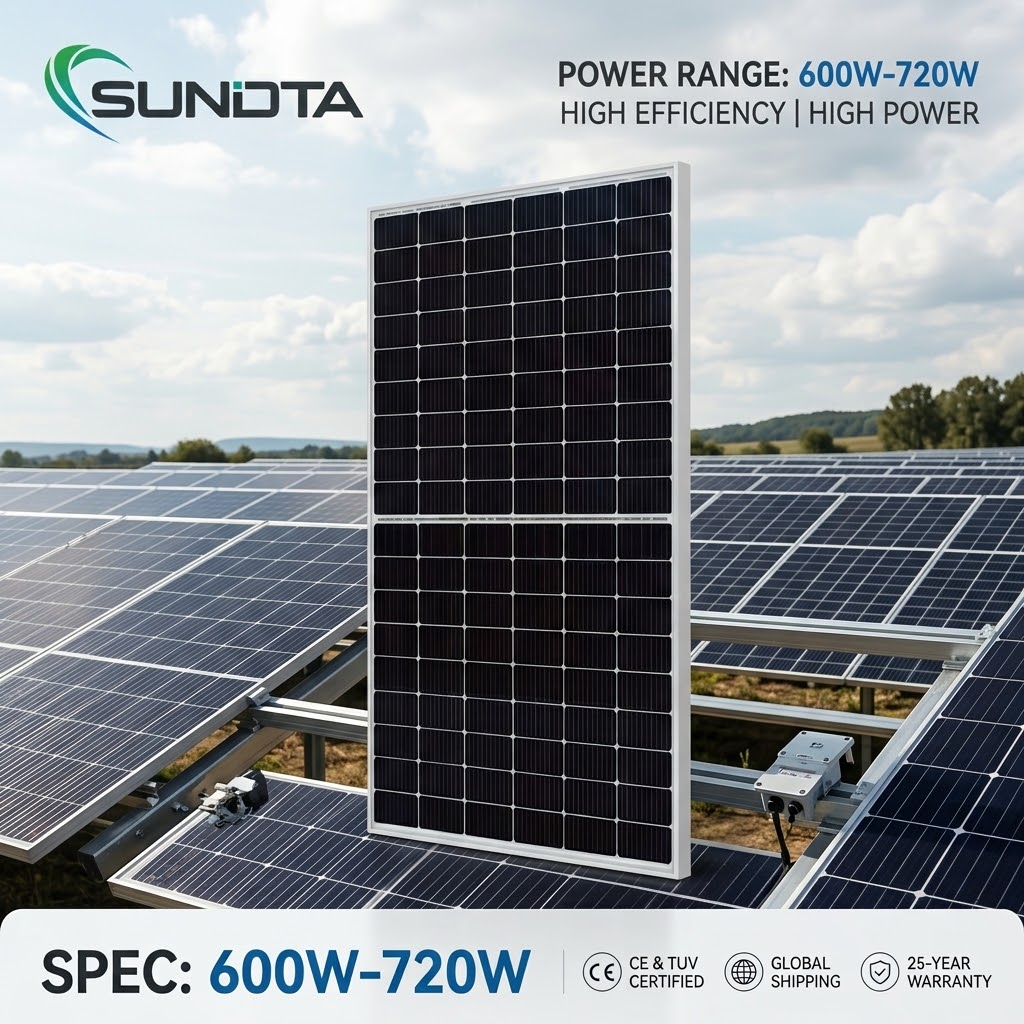
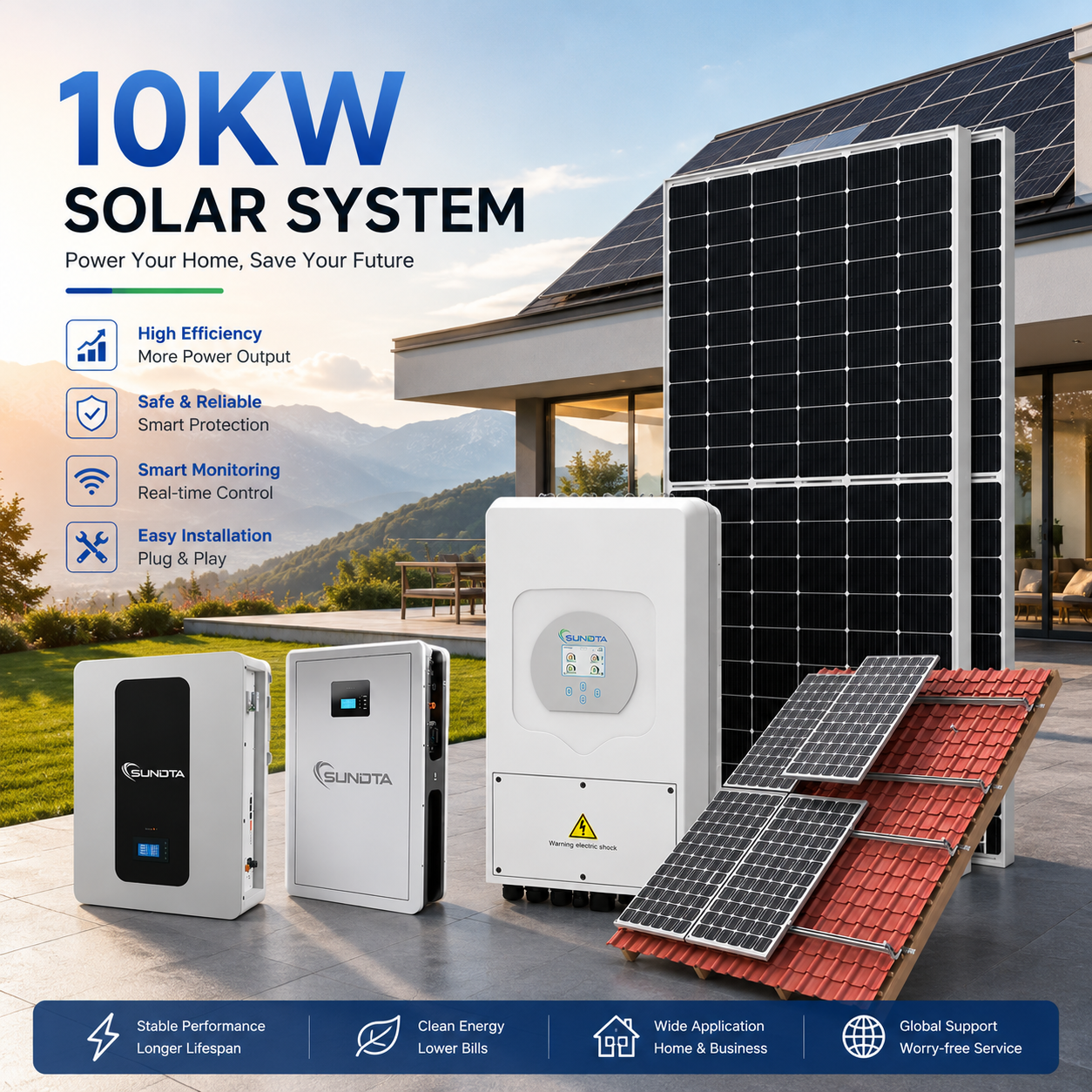
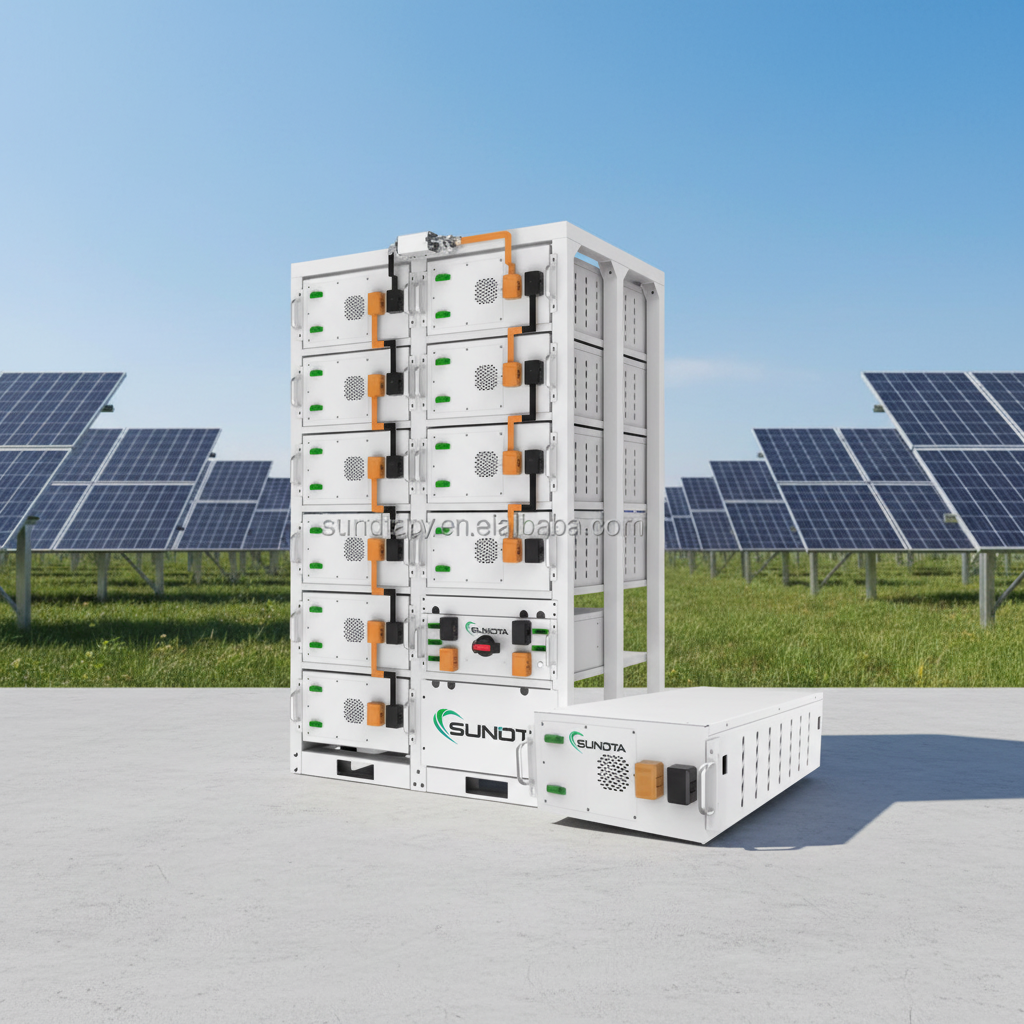
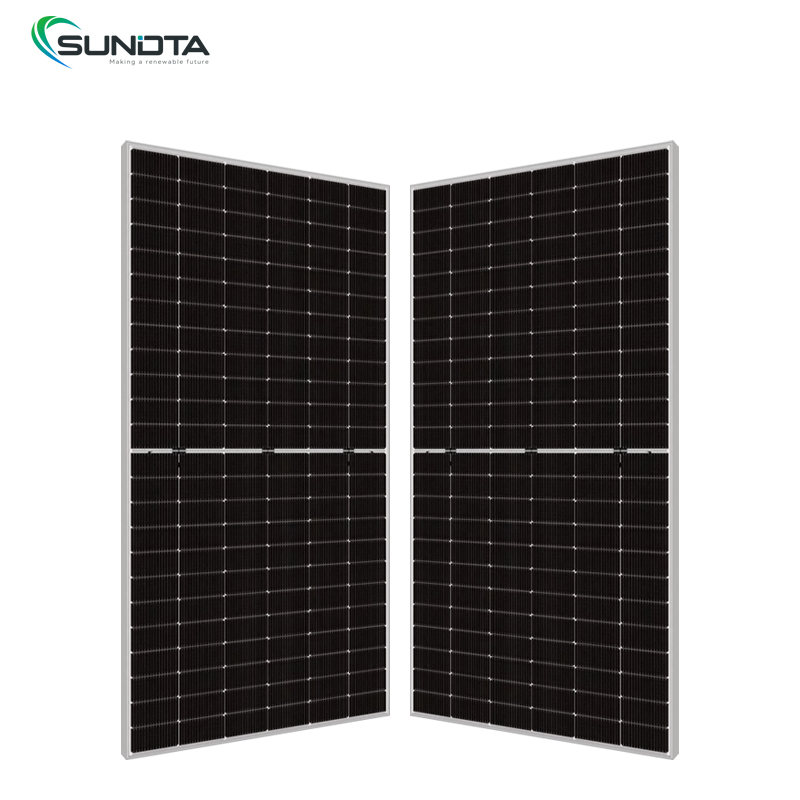
Engineered LiFePO4 Battery Systems & Photovoltaic Modules
Commercial-grade reliability optimized for the ERCOT Oncor transmission grid, seasonal heat stress, and heavy split-phase inductive loads across North Texas.
Navigating the Fort Worth Energy Transition: Why BESS Architecture Matters
In the greater Dallas-Fort Worth metroplex—specifically Tarrant, Parker, Wise, and Denton counties—the requirements for residential and light commercial battery storage diverge sharply from standard national averages. The North Texas energy paradigm is governed by three unyielding vectors: the unique volatility of the deregulated Electric Reliability Council of Texas (ERCOT) grid, the transmission delivery parameters set by Oncor Electric Delivery, and the climate realities of extreme summer heat domes alternating with severe winter freezing events.
For solar installers, EPC contractors, electrical distributors, and commercial facility operators across Fort Worth, specifying battery energy storage systems (BESS) or "Powerwall-type" residential units is no longer merely an aesthetic backup consideration. It is a rigorous power engineering exercise. Systems must withstand thermal throttling under sustained 105°F ambient heat, deliver massive locked-rotor current (LRA) surges to start 4-ton and 5-ton central HVAC compressors without grid support, and communicate intelligently across local microgrid controllers during high-priced ERCOT 4CP (Four Coincident Peak) transmission allocation events.
2 GW
Annual Module Capacity
500+ MW
Global Projects Deployed
12+ Yrs
PV & Battery R&D Depth
6,000 Cycles
80% DoD Prismatic Life
Chemical & Thermal Engineering: LiFePO4 Superiority in the Texas Climate
Early residential wall-mounted batteries relied heavily on nickel-manganese-cobalt (NMC) chemistries due to initial volumetric energy density advantages. However, the operational reality of Fort Worth installations—where batteries are frequently placed in unconditioned garages or along exterior masonry walls subjected to intense direct solar radiation—revealed severe vulnerabilities in NMC chemistry. Lithium Iron Phosphate (LiFePO4) has emerged as the unchallenged standard for utility-grade safety and operational longevity.
LiFePO4 operates with an exceptionally stable covalent bond between iron, phosphorus, and oxygen atoms. The chemical bond prevents oxygen release at elevated cell temperatures, elevating the thermal runaway threshold beyond 270°C (518°F), compared to approximately 150°C (302°F) for cobalt-based chemistries. In the North Texas summer, where unconditioned attic or exterior garage ambient temperatures regularly surpass 45°C (113°F), LiFePO4 cells maintain structural stability without triggering the aggressive safety derating that paralyzes NMC power delivery.
Thermal Dissipation & Ingress Protection
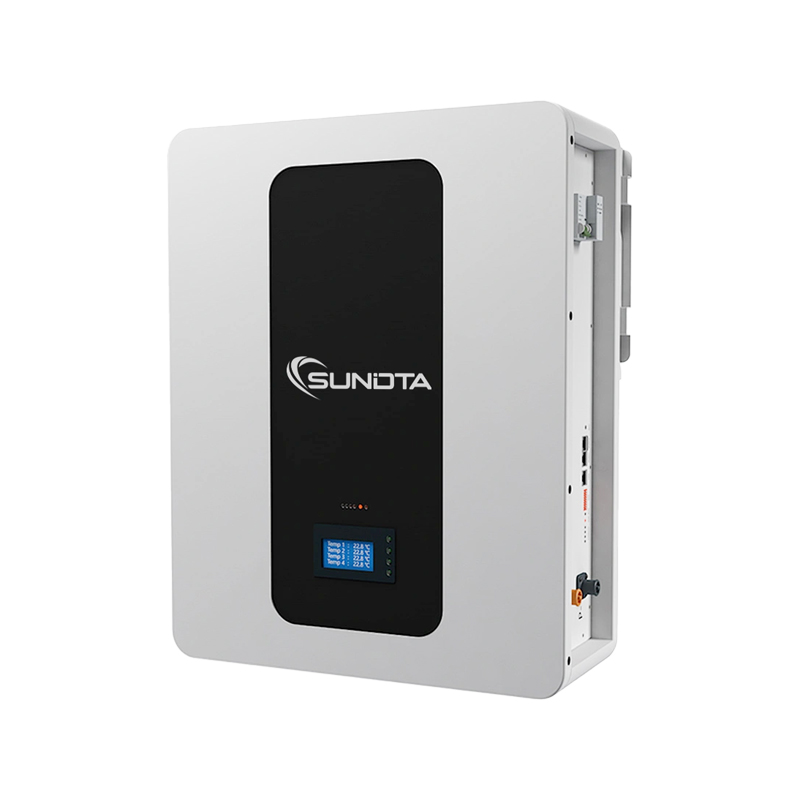
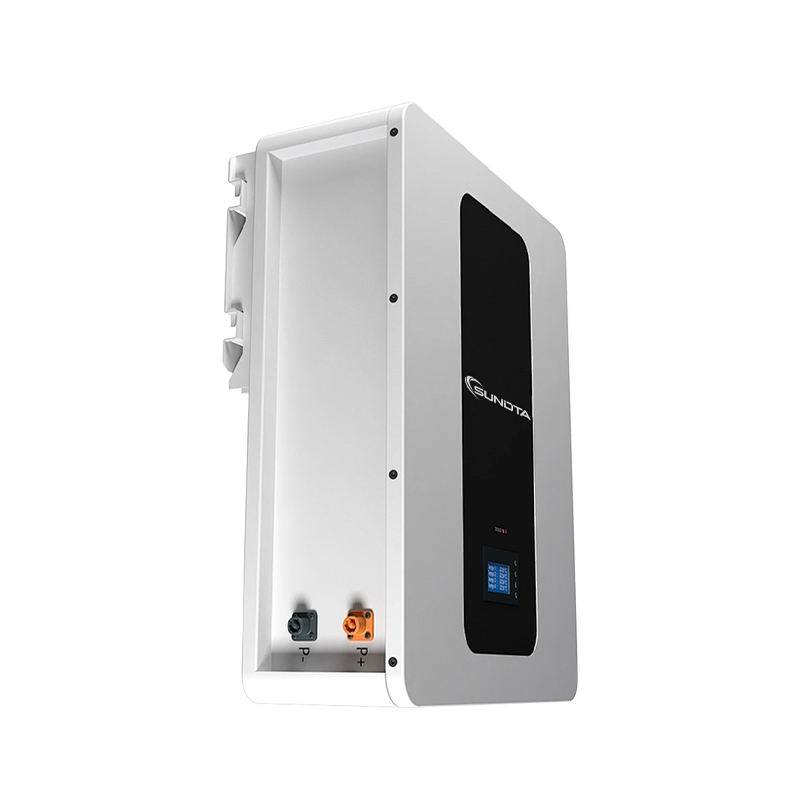
Our SUNDTA and RJV Wall-Mounted units utilize aerospace-grade aluminum extrusion chassis paired with an advanced thermal conductive silicone encapsulation process. With IP65 ingress protection, they maintain sealed internal atmospheres resistant to North Texas wind-driven dust, severe hail impacts, and high humidity, ensuring the smart BMS never suffers premature PCB trace corrosion.
Technical Benchmark: Wall-Mounted Storage vs. Commercial Cabinets
Procuring the optimal storage tier requires understanding system topologies. For Fort Worth applications, systems fall across low-voltage split-phase configurations for standard residential retrofits and high-voltage three-phase configurations for light commercial, agribusiness, and industrial logistics facilities.
Engineering Metric
SUNDTA POLO-W1 (5kWh)
SUNDTA Wall-Mount (10kWh)
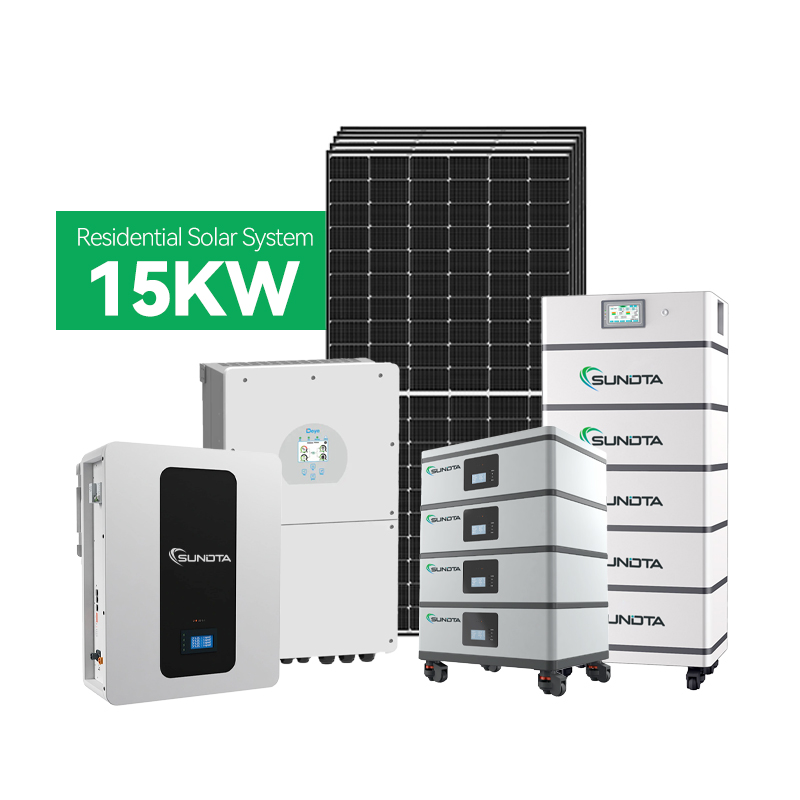
Stackable Hybrid (15kWh)
High-Voltage Cabinet (50-100kWh)
Nominal DC Voltage
51.2 VDC
51.2 VDC
153.6 V – 307.2 VDC
350 V – 750 VDC
Rated Cell Capacity
100 Ah (Grade-A Prismatic)
200 Ah (Grade-A Prismatic)
300 Ah System Cluster
280 Ah Commercial Prismatic
Continuous C-Rate
0.5C - 1.0C Peak
0.5C - 1.0C Peak
1.0C Continuous
0.5C - 1.0C Configurable
Communication Protocols
CAN 2.0B / RS485 / Modbus
CAN 2.0B / RS485
High-Speed CAN / Wi-Fi
Ethernet / Modbus TCP / SCADA
Inverter Interoperability
Deye, Solis, Growatt, SMA
Solis, Deye, Schneider
Integrated Hybrid MPPT
Utility-Scale PCS / Solis Commercial
Target Texas Application
Urban Tarrant Co. Residential
Suburban Whole-House Backup
Off-Grid Ranches & Heavy HVAC
Distribution Hubs / Cold Storage
Fort Worth Application Scenarios: Meeting Critical Local Requirements
The geography of Fort Worth spans dense historic residential neighborhoods, rapidly expanding master-planned suburban developments in North Fort Worth and Walsh Ranch, remote agricultural acreage in western Parker County, and massive distribution corridors around the AllianceTexas industrial hub. Each presents specific electrical challenges:
Residential Whole-Home Resiliency
DFW homes require sustained multi-day autonomy during winter ice storms that collapse overhead transmission branches. Integrating dual 10kWh or 15kWh stackable LiFePO4 batteries with automatic microgrid transfer switches enables uninterrupted operation of critical 240V well pumps, kitchen refrigeration, medical equipment, and high-efficiency variable-speed heat pumps.
AllianceTexas & DFW Logistics Hubs
Fort Worth's massive logistics infrastructure faces substantial peak demand charges under Oncor commercial utility tariffs. High-voltage commercial LiFePO4 battery banks (40kWh–100kWh modules paired with 50kW–125kW Solis hybrid inverters) actively shave coincident peak spikes during afternoon summer staging and forklift charging windows.
ERCOT ADER & VPP Monetization
Texas has pioneered the Aggregate Distributed Energy Resource (ADER) pilot project. Fort Worth homeowners and businesses equipped with smart CAN-communicating BMS systems can aggregate residential storage capacity to feed power back into the ERCOT market during wholesale price spikes, creating an active revenue stream while maintaining emergency reserves.
Fort Worth Market Dynamics: Trends, Regulations, & Interconnection
Deploying solar energy storage in Fort Worth requires deep familiarity with local regulatory bodies. Unlike municipal utility territories such as Austin Energy or CPS Energy in San Antonio, Fort Worth is part of the competitive retail choice market operating over the Oncor Electric Delivery transmission and distribution utility (TDU). This structural framework drives several decisive trends:
1. Avoidance of Zero-Value Export Tariffs
Under many modern North Texas Retail Electric Provider (REP) solar buyback contracts, the 1-to-1 net metering credits of past decades have been curtailed. Many REPs now purchase solar energy at low wholesale real-time prices (frequently dipping into sub-cents or negative pricing during spring midday wind surges) while charging 14 to 18 cents per kWh for evening grid imports. Adding dedicated LiFePO4 storage captures excess daytime generation from high-wattage bifacial PERC or N-type TOPCon arrays, ensuring near-100% on-site self-consumption and sheltering property owners from evening peak rates.
2. Stringent Permitting: NFPA 855 & International Fire Code (IFC)
The City of Fort Worth Development Services Department strictly enforces current fire codes, including spacing and unit capacity thresholds derived from NFPA 855. Energy storage systems must carry full UL 9540 listing with underlying UL 1973 cell and module certification, alongside complete UL 9540A large-scale thermal run-away fire test documentation. Our manufacturing protocols include rigorous cell-level testing to provide EPC partners with pre-packaged compliance dossiers that streamline local permit approvals without administrative rejection.
To safely isolate from the grid during transmission disruptions, interconnection agreements with Oncor require compliant anti-islanding switchgear that operates under IEEE 1547-2018 and UL 1741-SB/SC standards. Systems coupled with our Deye and Solis hybrid inverters provide hardware-level fast disconnect (<10 milliseconds), isolating the home or facility into an islanded microgrid before dangerous backfeed can energize downed utility lines.
Anhui RJV New Energy: Direct-from-Manufacturer Value Proposition
In a global market flooded with unverified battery assemblers, Anhui RJV New Energy Co., Ltd. (SUNDTA brand) provides direct-from-factory manufacturing discipline. We bridge the gap between engineering perfection and competitive wholesale supply for distributors, solar contractors, and EPC procurement teams throughout North America.
TÜV Rheinland Assessed
Our automated Hefei production facility is independently inspected and certified on-site by TÜV Rheinland, guaranteeing documented quality control across every production batch.
Unified PV & Storage BOM
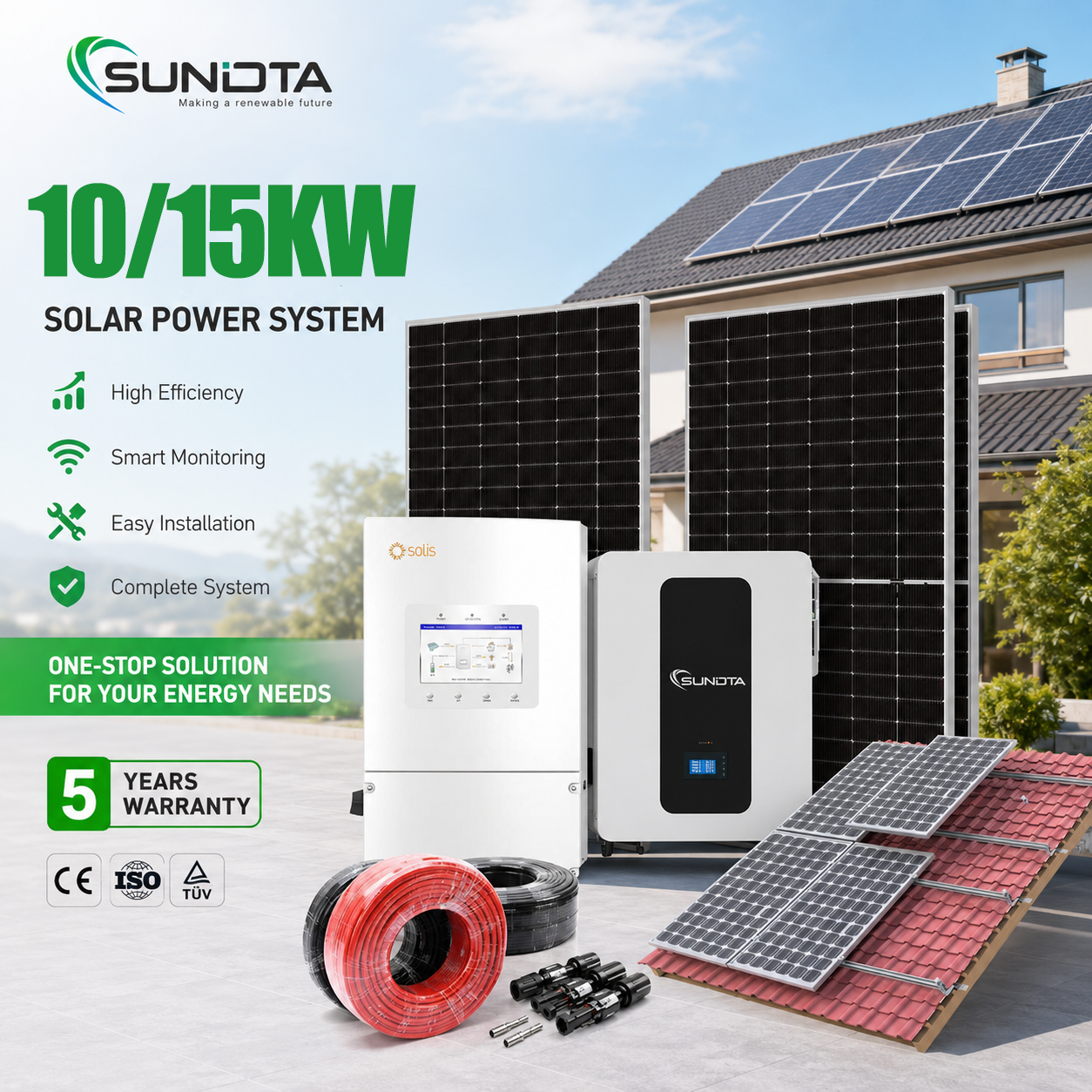
Eliminate multi-vendor finger-pointing. We design and deliver matched photovoltaic modules, hybrid split-phase inverters, and battery banks with matched communication protocols.
Proprietary Smart BMS
Our BMS architecture features native CAN and RS485 communication stacks pre-mapped for seamless plug-and-play integration with Solis, Deye, Growatt, and Schneider inverters.
24/7 Engineering Support
Receive comprehensive string sizing, line diagram assistance, firmware updates, and direct warranty servicing from certified solar and battery storage power engineers.
Fort Worth Procurement FAQs: Answering Critical Buyer Questions
Can your wall-mounted batteries start a 4-ton or 5-ton central AC unit during an off-grid event?
Yes, but system sizing and surge current management are vital. A standard 4-ton single-stage air conditioning compressor can draw locked-rotor amps (LRA) exceeding 80 to 100 Amps for a few hundred milliseconds at startup. When designing an emergency backup system for Fort Worth homes, we recommend either installing an electronic "soft starter" on the compressor to reduce inrush current by up to 65%, or deploying a minimum of two 10kWh units (or our 15kWh stackable system) paired with a hybrid inverter capable of handling 2x surge loads for 10 seconds.
How do these systems withstand Fort Worth’s severe summer heat inside unconditioned garages?
Our battery enclosures are engineered with internal thermal barriers, wide heat-sink fins, and integrated temperature sensors distributed across the cell matrix. Unlike volatile lithium chemistries, our automotive-grade LiFePO4 prismatic cells operate safely up to 55°C (131°F). The integrated BMS continuously monitors individual cell temperatures and automatically optimizes charge/discharge rates to prevent thermal stress, ensuring full 6,000+ cycle performance even during prolonged North Texas heat waves.
Are your batteries fully compatible with standard split-phase 120V/240V US residential panels?
Absolutely. Our 51.2V DC low-voltage battery banks communicate directly via closed-loop CAN bus with North American split-phase hybrid inverters (such as Solis S6 residential hybrid models and Deye split-phase platforms). These inverters output true 120V/240V split-phase power natively without requiring cumbersome external autotransformers, balancing unbalanced household leg loads with zero performance degradation.
What certifications and documentation do you provide for City of Fort Worth permitting?
Every equipment shipment includes a complete engineering compliance packet: UL 1973 cell/module test reports, CE declarations, UN38.3 transport certification, factory flash-test sheets, and standardized single-line wiring schematics. When ordered alongside our UL 1741-listed hybrid inverters, your permitting package complies with all National Electrical Code (NEC 2020/2023) rapid shutdown and energy storage safety mandates enforced in Tarrant County.
What are the Minimum Order Quantities (MOQ) and shipping timelines to Texas?
For B2B installers and commercial EPCs, sample battery units and residential hybrid kits start at an MOQ of just 1 set. For wholesale volume and customized OEM brand labeling, orders are quoted by pallet or container load (FCL/LCL). We support flexible Incoterms including FOB, CFR, CIF, and DDP directly into Dallas-Fort Worth intermodal freight hubs with full customs and hazmat documentation handled by our logistics team.
Engineer Your Next Fort Worth Storage Project
Connect directly with our senior power systems engineering team. Whether you need a matched BOM for residential retrofits or high-voltage commercial microgrids, we deliver factory-direct pricing and full technical documentation.