Engineered Solar Inverters, Systems & Energy Storage Kits
Tested for severe seasonal weather variations, inductive motor surge tolerances, and seamless grid-tie/off-grid transfer across Greater Louisville, Kentucky.
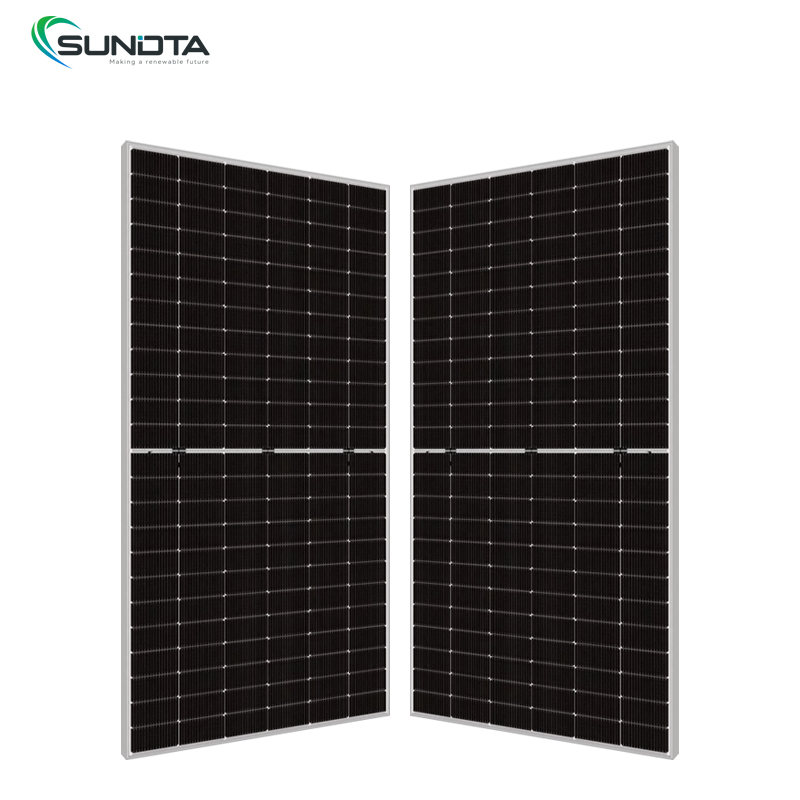
Tier 1 Solar Panel Sodenergy 700W–730W N-Type PV Module
- N-Type TOPCon low-degradation cells
- Bifacial power generation up to 23.2%
- Robust load rating for Ohio Valley wind & snow
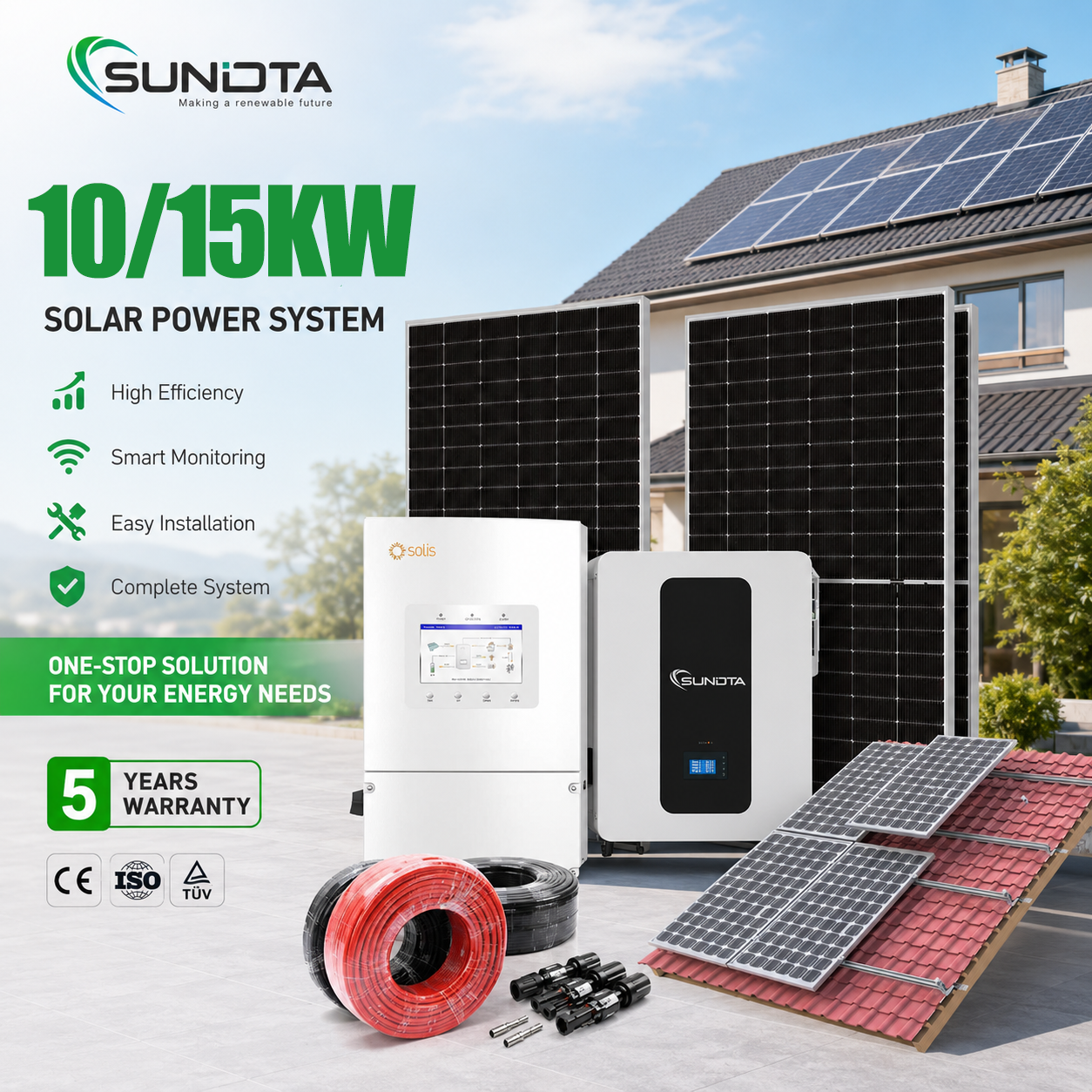
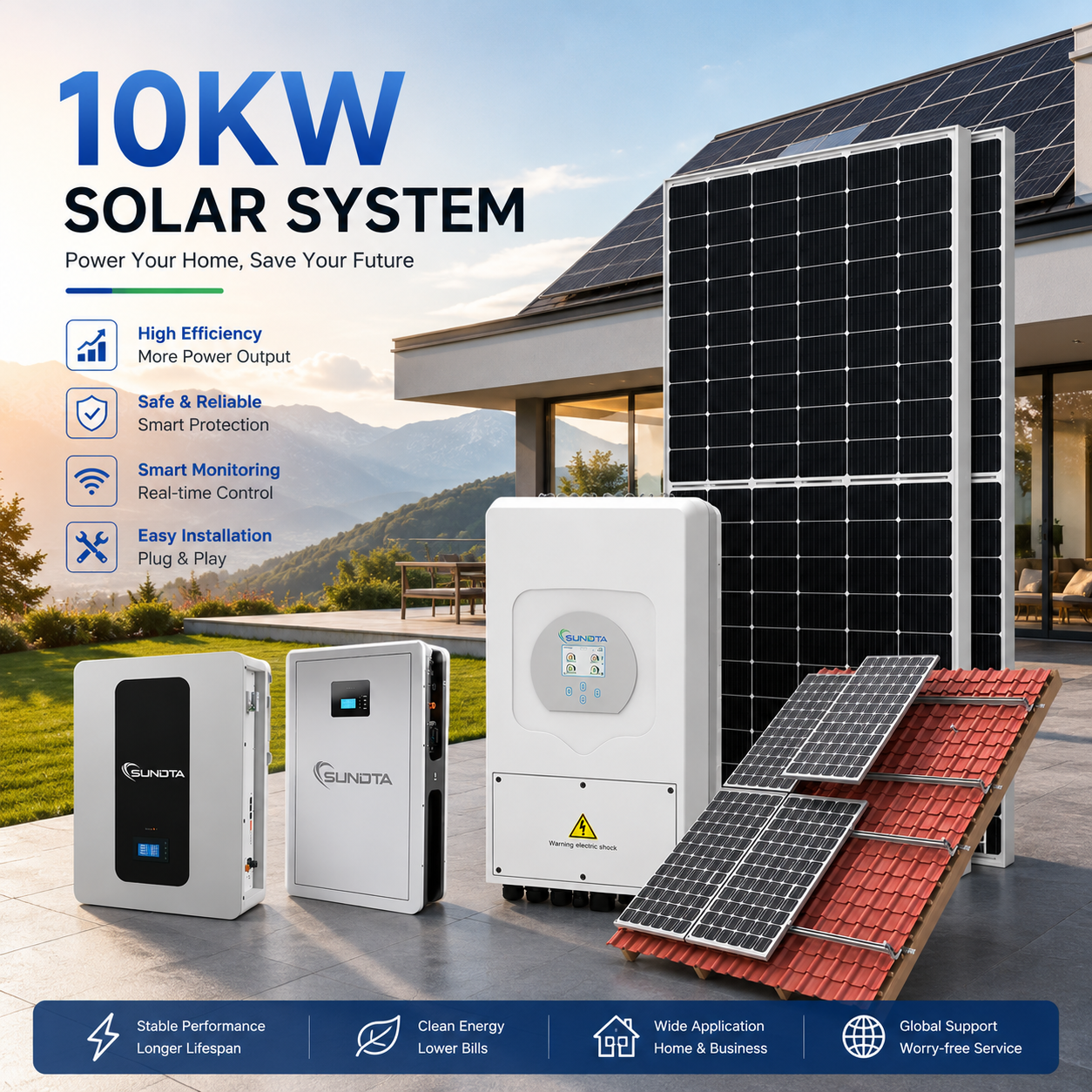
8kW–15kW On/Off-Grid Solar System with LiFePO4 Storage
- Pure sine wave inverter with MPPT trackers
- Deep-cycle 51.2V prismatic lithium battery
- Pre-wired breaker protection & rapid shutdown
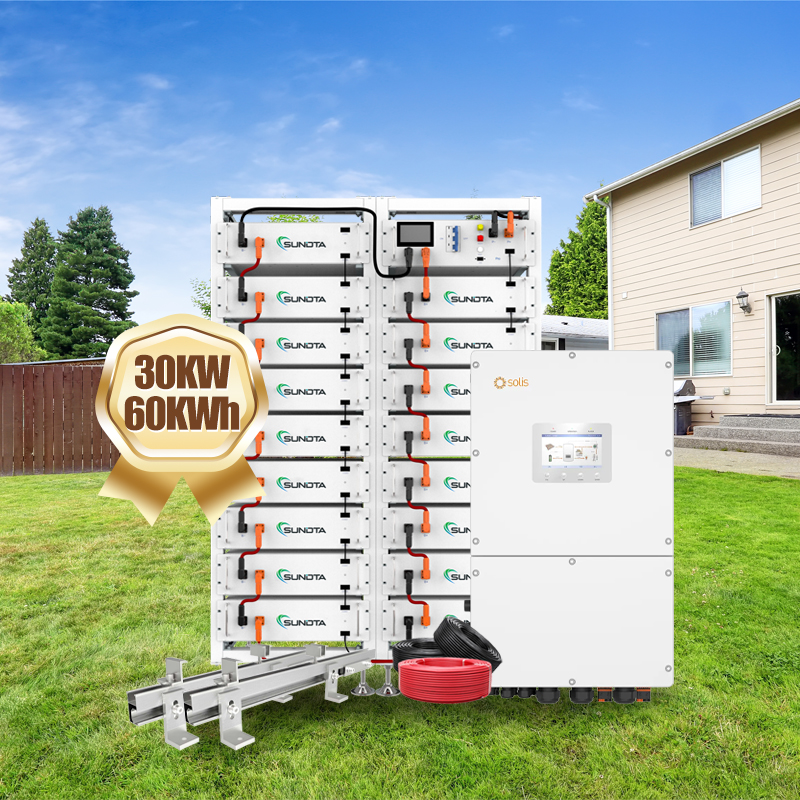
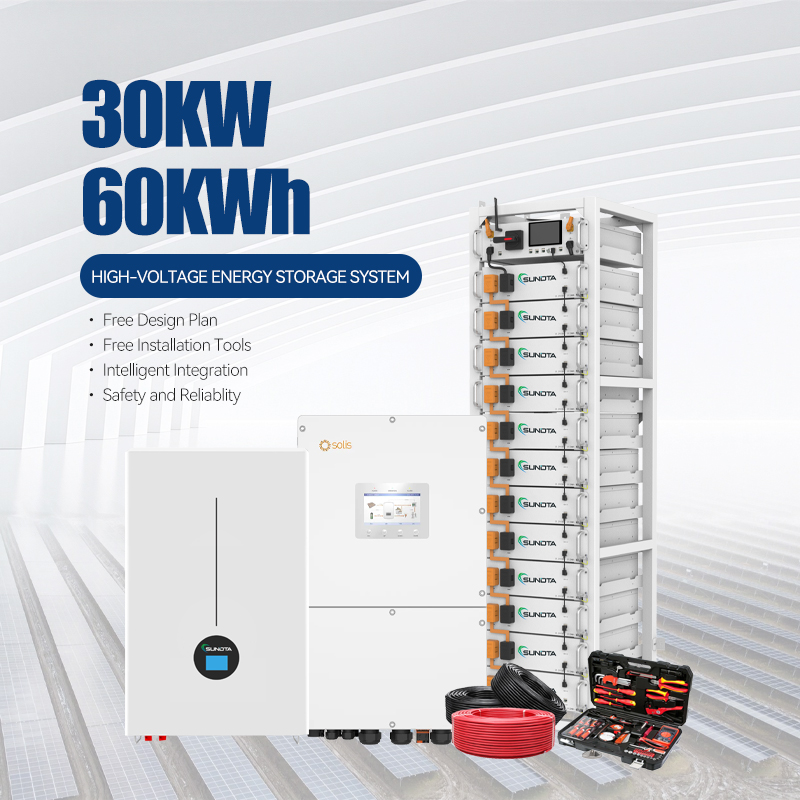
Complete 10kW–30kW Commercial & Residential Hybrid System
- High-frequency pure sine three-phase output
- Integrated battery management communication
- Zero-export & peak-shaving firmware ready
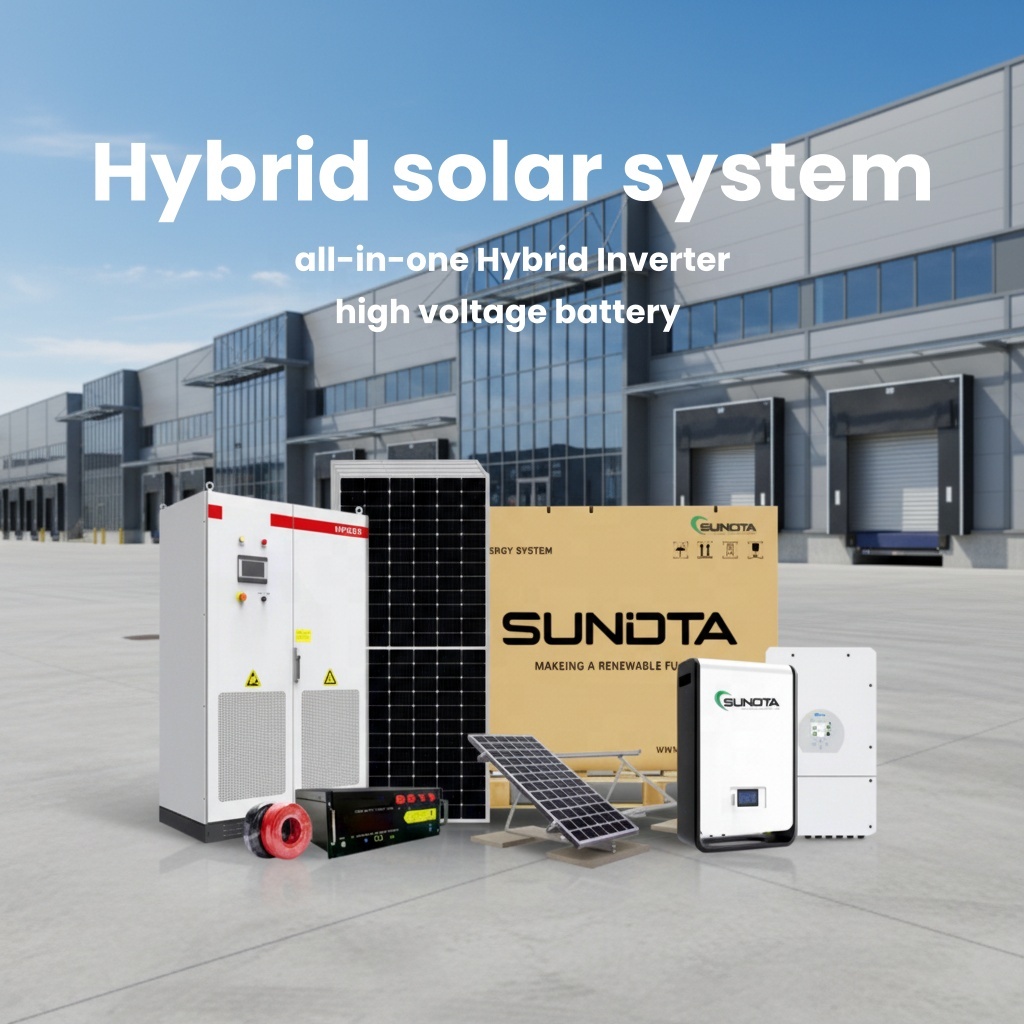
100kW–500kW All-In-One Outdoor LiFePO4 ESS Cabinet
- IP55 climate-controlled outdoor enclosure
- Integrated PCS pure sine bidirectional inverter
- Designed for logistics & manufacturing facilities
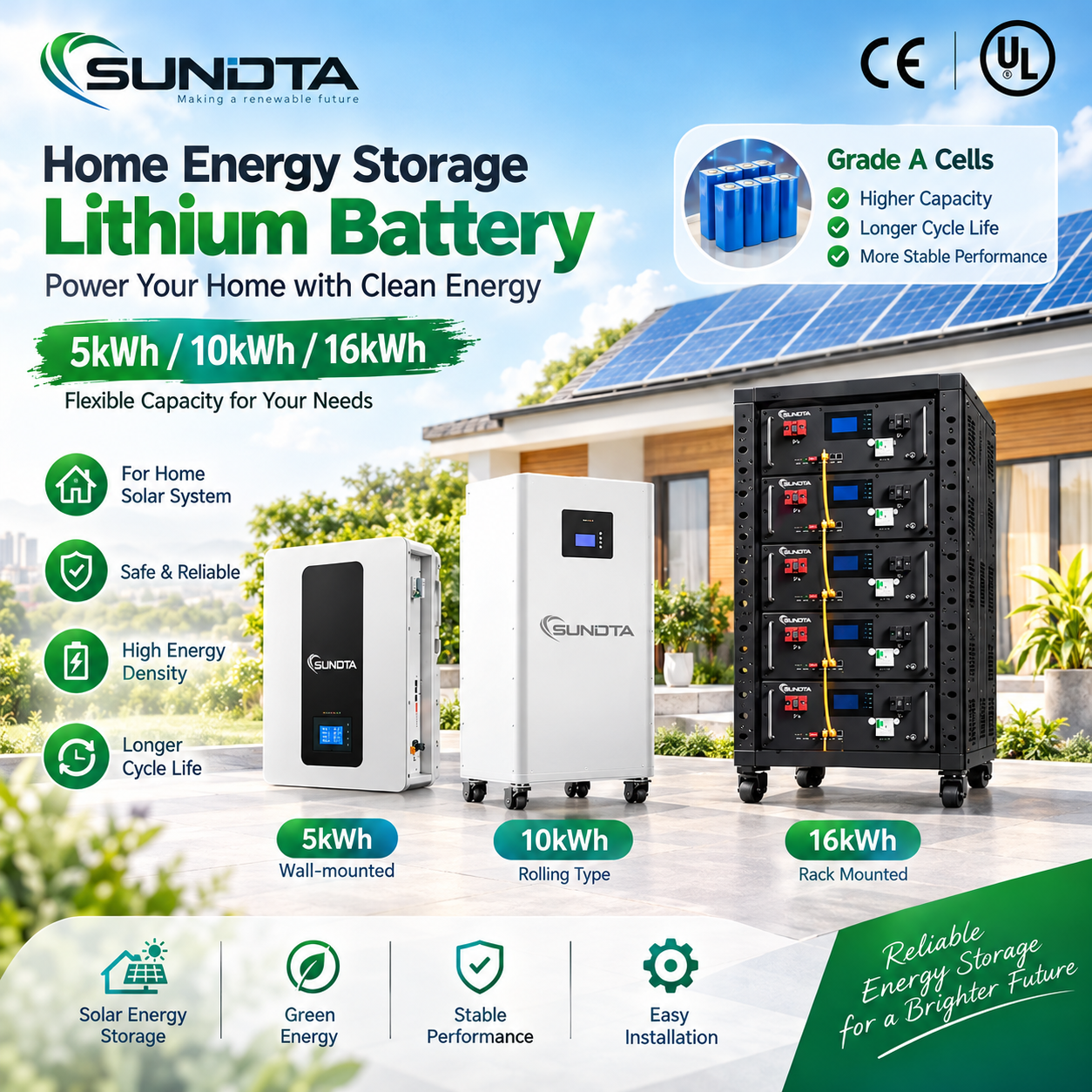
Energy Bank Powerwall 51.2V 200Ah–314Ah Lithium Battery
- Grade-A LiFePO4 cell construction (6000+ cycles)
- Native CAN/RS485 closed-loop inverter protocols
- Sleek residential architectural profile
Emergency Whole-House Hybrid Generator 15kW–50kW
- Ultra-low THD (<2.5%) pure sine wave conversion
- Seamless <10ms automatic transfer switch (ATS)
- Supports dual heat-pump & compressor start loads
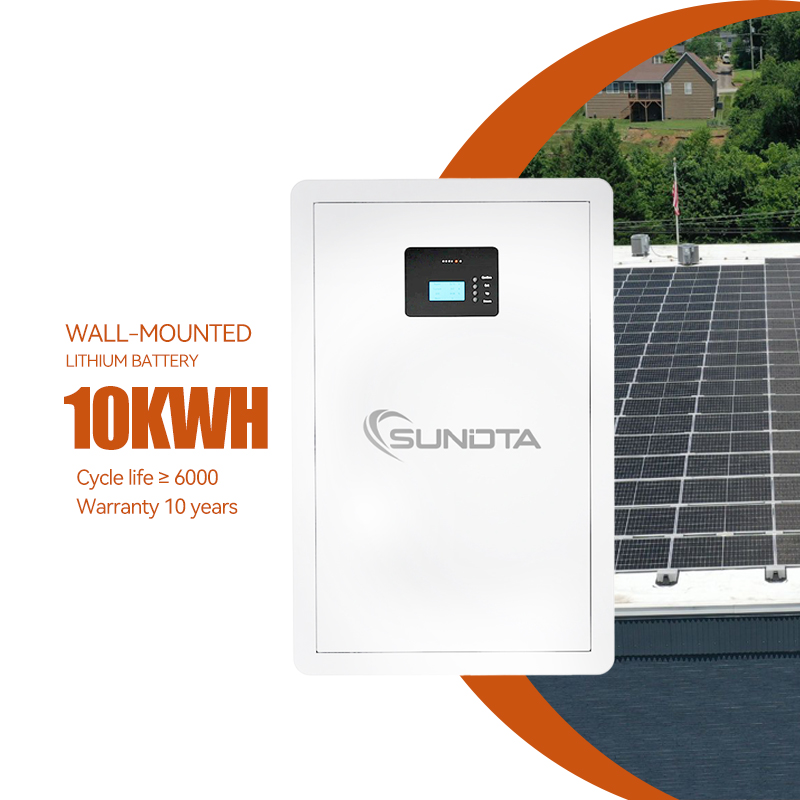
Sundta IP65 10kWh 51.2V 200Ah Wall-Mounted LiFePO4
- Hermetically sealed against humidity & airborne dust
- Multi-tier active balancing hardware BMS
- Parallel stacking scalable up to 160kWh
Sundta 51.2V 10kWh High-Discharge Solar Storage Battery
- High sustained discharge rate (1.0C continuous)
- Compatible with Deye, Solis, and Growatt inverters
- Integrated short-circuit and thermal runaway matrix
Engineering Deep-Dive: Why Pure Sine Wave Architecture Is Vital for Louisville Inverters
The electrical grid infrastructure across the Louisville metropolitan area and Jefferson County experiences substantial operational demands driven by a blend of heavy riverport logistics, extensive manufacturing facilities, and severe seasonal climate fluctuations along the Ohio River basin. For electrical contractors, commercial engineers, and solar EPCs, selecting power inversion equipment demands an uncompromising technical standard: pure sine wave topology with ultra-low Total Harmonic Distortion (THD).
Unlike modified sine wave (modified square wave) inverters—which switch voltages abruptly, introducing severe third, fifth, and seventh harmonic frequencies—our pure sine wave inverters synthesize a smooth sinusoidal curve matching or exceeding utility grade power. Through high-frequency pulse-width modulation (SPWM) operating at switching frequencies up to 20 kHz, alongside toroidal filtering, RJV pure sine inverters achieve a clean wave profile with THD maintained below 2.5% at nominal load.
Low-Frequency vs. High-Frequency Inversion for Kentucky Applications
In the Louisville market, inverter requirements divide into two primary operational scenarios:
- Low-Frequency Transformer Topology: Featuring massive copper toroidal transformers capable of delivering 300% surge capacity for 20 seconds. Essential for bourbon bottling facilities, grain transfer augers, and industrial fabrication workshops around Louisville's Outer Loop and I-65 industrial corridor that endure heavy inrush startup currents.
- High-Frequency Transformerless Topology: Utilizing high-speed MOSFET/IGBT stages that optimize conversion efficiency up to 98.4%. Preferred for residential rooftops and urban commercial office backup in neighborhoods like St. Matthews, Highlands, and Downtown Louisville, where compact footprints, minimal acoustic noise (<35 dB), and weight reduction are paramount.
Localized Application Scenarios Across Jefferson County & Greater Louisville
Our pure sine wave inverters, complete solar kits, and modular LiFePO4 battery banks are custom-engineered to meet the distinctive operational demands of Louisville’s commercial landscape and climatic profile.
Logistics & Cold Storage Centers
Louisville houses Worldport, the worldwide air hub for UPS, turning the city into a global supply chain capital. Our hybrid inverters integrate with 100kW–500kW ESS containers to ensure automated sorters, cold-chain refrigeration units, and scanning infrastructure maintain clean power during grid voltage sags or brownouts.
Severe Storm Residential Resilience
The Ohio River Valley regularly experiences violent summer convective thunderstorms and severe winter ice storms that disrupt aerial distribution feeders. RJV's 8kW–15kW split-phase pure sine inverters offer instantaneous (<10ms) transfer switching, sustaining domestic sump pumps, central HVAC, and medical devices without clock resets or flickering.
Bourbon Distilling & Agribusiness
From heritage distilling along the Urban Bourbon Trail to outlying agricultural facilities, micro-distilleries depend on continuous temperature regulation and high-torque agitation motors during mash fermentation. Our pure sine wave converters eliminate motor hum and harmonic resonance, ensuring smooth operation throughout the distillation cycle.
Engineering Benchmark: Pure Sine vs. Modified Wave vs. RJV Smart Inversion
Understanding waveform mechanics is fundamental for regional procurement managers. Below is an engineering comparison illustrating the measurable performance differentiators between conventional inversion technologies and RJV advanced pure sine energy storage units.
| Performance Parameter | Modified Sine (Square Wave) | Standard Pure Sine Inverter | RJV Industrial Pure Sine Hybrid |
|---|---|---|---|
| Total Harmonic Distortion (THD) | 25% – 45% THD | 3.0% – 5.0% THD | < 2.5% Ultra-Clean THD |
| Motor Efficiency & Temperature | Causes excessive eddy current heating (+20°C) | Baseline standard motor thermal profile | Optimized magnetic flux, zero audible motor whine |
| Peak Inductive Surge Capacity | 1.2x to 1.5x Rated (Sub-second) | 2.0x Rated (Up to 5 seconds) | Up to 3.0x Rated (20 seconds continuous surge) |
| Transfer Speed (Grid to Battery) | Typically >25ms (Causes system resets) | 10ms – 16ms | < 8ms UPS-grade instantaneous transfer |
| BMS Communication Compatibility | None (Open-loop voltage guessing) | Proprietary closed-loop protocol | Multi-protocol native CAN & RS485 (Deye, Solis, RJV) |
| Sub-Freezing Lithium Charging Control | No internal thermal regulation | Software cutoff only | Active cell heating logic for Kentucky winters (-25°C) |
Local Grid Dynamics: Navigating LG&E / KU Regulations & Market Trends
Deploying solar and energy storage systems across Louisville demands alignment with the regulatory and utility framework established by the Kentucky Public Service Commission (PSC) and implemented by Louisville Gas and Electric (LG&E) and Kentucky Utilities (KU).
1. The Shift to Time-of-Use & Decreased Net Metering Credits
As Kentucky transitions through revised net metering tariffs (such as Rider NMS-2 structures), the export compensation for surplus solar injected into the LG&E grid has declined compared to retail rates. This economic reality has shifted purchasing behavior across Louisville from pure grid-tie string arrays toward hybrid pure sine wave configurations paired with LiFePO4 batteries. By storing excess solar generation produced during midday peak irradiance and discharging it during costly evening peak tariff hours, commercial and residential users preserve return-on-investment timelines.
2. Interconnection Standards & Grid-Support Functions
Modern commercial installations along Louisville's revitalized downtown riverfront, NuLu innovation corridor, and suburban shopping hubs mandate inverters conforming to IEEE 1547-2018 and UL 1741 SB standards. RJV pure sine inverters provide advanced grid-support capability, including active volt-VAR regulation, frequency-watt droop control, and rapid response anti-islanding. Our firmware can be programmed for zero-export configurations, allowing contractors to fast-track municipal permitting and interconnection approvals without extensive utility distribution feeder upgrades.
3. Climate Adaptation: Humidity, Freeze-Thaw Cycles & Microclimates
Louisville experiences a humid subtropical microclimate characterized by dew point extremes in July/August and penetrating freeze-thaw cycles from December through March. Conventional off-the-shelf inverters suffer premature failure caused by printed circuit board (PCB) electrochemical migration and thermal cycling stress. RJV’s outdoor-rated hybrid inverters and Sundta storage batteries employ conformal coating on high-voltage logic boards, IP65/IP55 die-cast aluminum enclosures, and integrated thermodynamic management to eliminate internal condensation.
Why Louisville Importers, EPCs & Wholesalers Partner with RJV New Energy
Headquartered in Hefei’s advanced clean-tech manufacturing hub, Anhui RJV New Energy Co., Ltd. serves as an end-to-end solar technology manufacturer and global export partner. We bridge the gap between Tier-1 factory floor precision and US local jobsite execution, providing solar panels, pure sine hybrid inverters, and lithium storage solutions engineered to perform seamlessly together.
TÜV Rheinland Verified Factory
Our Hefei production lines have undergone comprehensive on-site facility audits by TÜV Rheinland. We operate according to ISO9001 and ISO14001 certified protocols, ensuring full material traceability for every inverter, cell, and frame.
One-Stop Coordinated PV BOM
Buying panels from one vendor, inverters from another, and batteries from a third causes communication mismatch errors and field delays. RJV delivers fully synchronized systems with factory-verified CAN/RS485 closed-loop protocols.
Complete Compliance Documentation
Every shipment bound for the United States includes certified factory flash-test data, CE/IEC/UL conformity reports, UN38.3 lithium battery transport credentials, and accurate customs documentation for smooth clearance.
Direct Container & Intermodal Freight
We support DDP, CIF, and FOB terms, coordinating shipments through East Coast and Gulf ports (Norfolk, Savannah, New Orleans) connected directly via Class I freight rail to Louisville’s intermodal inland depots.
OEM / ODM Custom Engineering
From split-phase 120V/240V custom transformer winding to client-branded industrial powder-coated enclosures, RJV offers bespoke hardware engineering and custom firmware branding for regional distributor channels.
Direct Engineering Support
Communicate directly with senior hardware and power electronics engineers. We assist Louisville contractors with string calculation, MPPT voltage window optimization, battery bus sizing, and real-time remote commissioning assistance.
Louisville B2B Buyer FAQ: Pure Sine Inverters & Storage Sourcing
Direct answers for electrical wholesalers, EPC project developers, and procurement executives evaluating Asian manufacturing partners for the North American market.
How do RJV pure sine wave inverters accommodate US split-phase 120V/240V electrical panels?
Our residential and light commercial inverters designed for North America feature genuine split-phase capability (L1, L2, Neutral, and Ground). They output two 120V lines 180 degrees out of phase, producing 240V line-to-line for heavy appliances (dryers, air conditioners, EV chargers) while simultaneously providing 120V line-to-neutral for standard lighting and plug circuits. This eliminates the need for expensive, inefficient external autotransformers.
Can your hybrid inverters operate in zero-export mode under LG&E interconnection guidelines?
Yes. By pairing our hybrid inverters with dual external current transformers (CTs) or a bidirectional smart meter installed at the main utility point of common coupling (PCC), the inverter monitors power draw in real time. It dynamically throttles PV output or diverts excess energy into the LiFePO4 battery storage, maintaining net grid export at zero Watts to satisfy non-export utility requirements without delay.
How do your LiFePO4 battery systems perform in sub-zero winter temperatures in Kentucky?
Standard lithium iron phosphate batteries cannot safely accept charging currents below 0°C (32°F) due to the risk of lithium metal plating on the graphite anode. RJV batteries configured for northern and midwestern climates incorporate an internal thermodynamic heating film managed by the smart BMS. When solar power becomes available in freezing weather, incoming energy is first routed to gently bring the cells up to 5°C before charging begins, preserving cell longevity and safety.
What are the minimum order quantities (MOQ) and lead times for containerized delivery to Louisville?
We maintain an agile procurement model: hybrid inverters and residential wall batteries start from an MOQ of 1 to 5 units for sample testing and pilot verification. Full turnkey solar panel orders are packaged by pallet or full 20ft/40ft container loads (such as 13,650W to 17,280W increments). Production lead time is typically 15–25 business days, with transit to Louisville rail terminals averaging 28–35 days depending on the chosen coastal discharge port.
How is warranty fulfillment, technical service, and RMA managed for US buyers?
RJV provides standard 5-to-10-year warranties on pure sine hybrid inverters and up to 10 years / 6,000 cycles on LiFePO4 storage batteries. In the event of a verified component fault, we supply replacement control boards, power modules, or complete replacement units dispatched rapidly from regional inventory allocations, alongside live remote diagnostic assistance via our 24/7 technical team.
Connect with RJV Engineering for the Louisville Market
Request comprehensive technical datasheets, full electrical schematics, wholesale distributor price tiers, and factory audit reports tailored for your upcoming solar and energy storage projects in Kentucky.