Engineered for High Humidity, Frequent Blackouts, and Grid Isolation
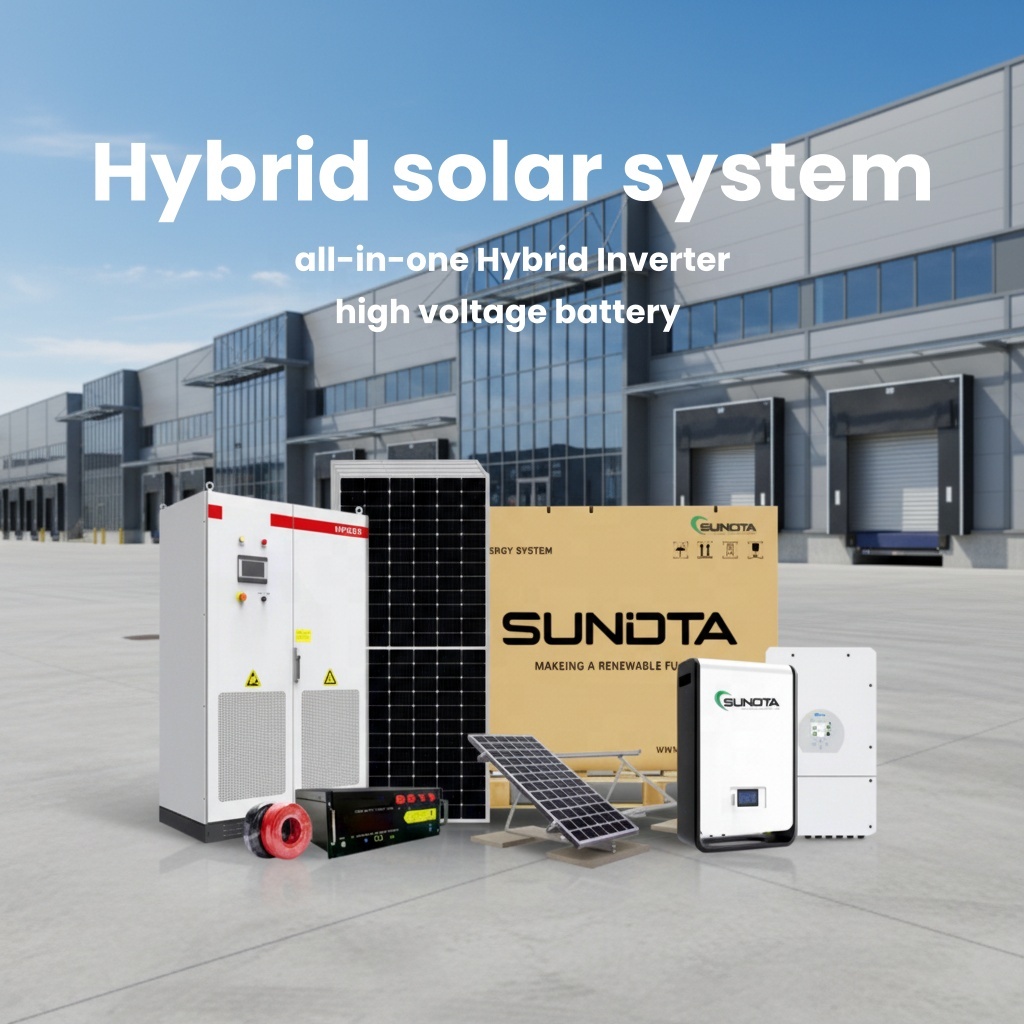
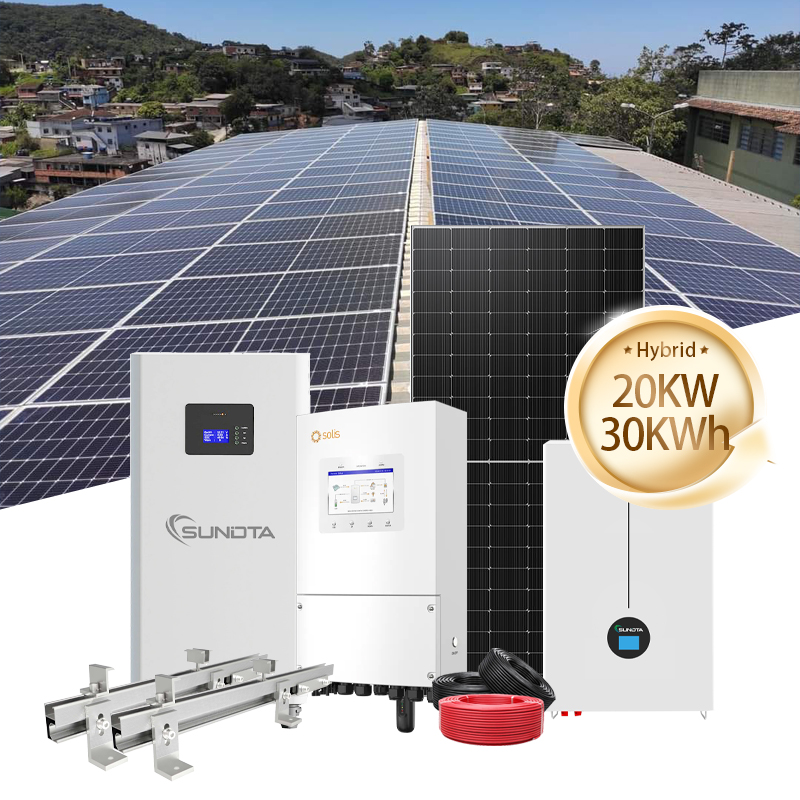
Every system, battery rack, and photovoltaic module below is pre-engineered for harsh tropical climates, offering closed-loop CANbus communication, superior thermal stability, and seamless scalability for Kandy’s industrial, commercial, and residential sectors.
1. The Kandy Grid Dilemma: High Humidity, Steep Elevations & Feeder Vulnerabilities
The historical hill capital of Kandy, situated at an altitude of approximately 500 meters above sea level within the Central Province of Sri Lanka, presents a distinct set of geographical, meteorological, and infrastructural challenges for electrical power stability. Unlike the coastal plains of Colombo or Hambantota, Kandy is characterized by steep valley topologies, dense tropical rainforest microclimates, high ambient relative humidity ranging from 75% to 95%, and severe lightning exposure during both the Southwest and Northeast monsoonal transitions.
From an electrical engineering standpoint, the local grid distribution network operated by the Ceylon Electricity Board (CEB) and the Lanka Electricity Company (LECO) suffers from extended rural and suburban feeder paths traversing difficult terrain. Tree falls, heavy cloud cover, landslides, and thermal stress on aging distribution transformers frequently lead to brownouts, transient voltage spikes, and sudden complete feeder dropouts. Historically, commercial facilities—ranging from tea processing factories to medical clinics and boutique heritage hotels—relied heavily on diesel generation. However, soaring foreign currency fluctuations, strict national carbon mandates, and frequent petroleum supply bottlenecks have rendered fossil-fuel-based backup uneconomical and operationally unsustainable.
Why Standard Lead-Acid and Wall-Mount Units Fall Short in Kandy
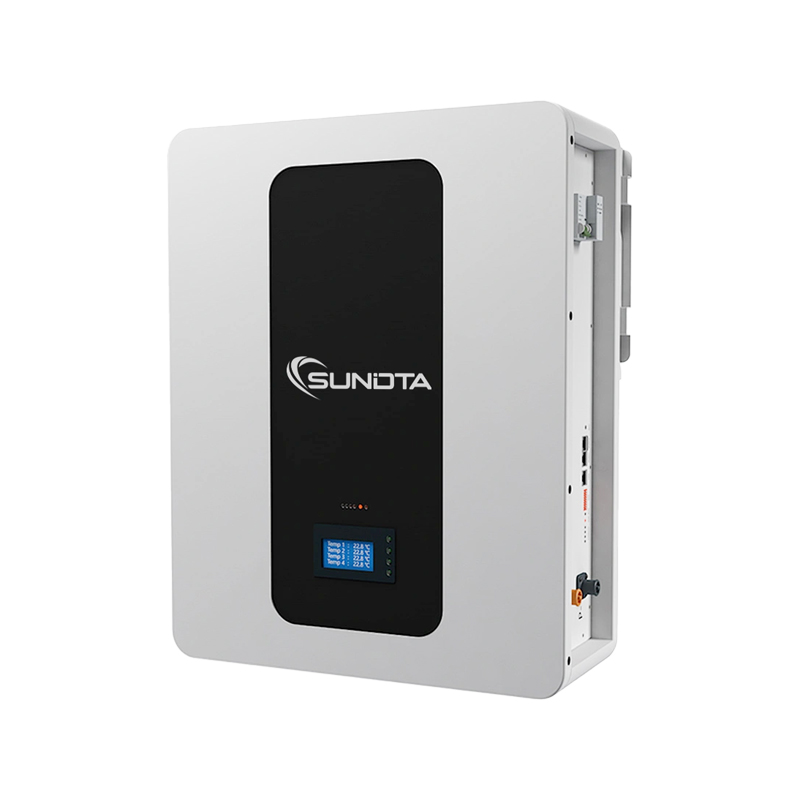
Traditional deep-cycle lead-acid (flooded, GEL, or AGM) systems deployed across Kandy historically experience premature sulfation and electrolyte loss within 18 to 24 months. The constant cycling induced by scheduled load-shedding and spontaneous trip-outs pushes lead-acid chemistries past their effective operating limits. Moreover, typical wall-mounted residential batteries often face structural limitations on the soft brick or lime-plaster masonry characteristic of Kandy's colonial and traditional vernacular architecture. Wall installations also restrict natural convective airflow, trapping heat between the battery chassis and damp masonry walls.
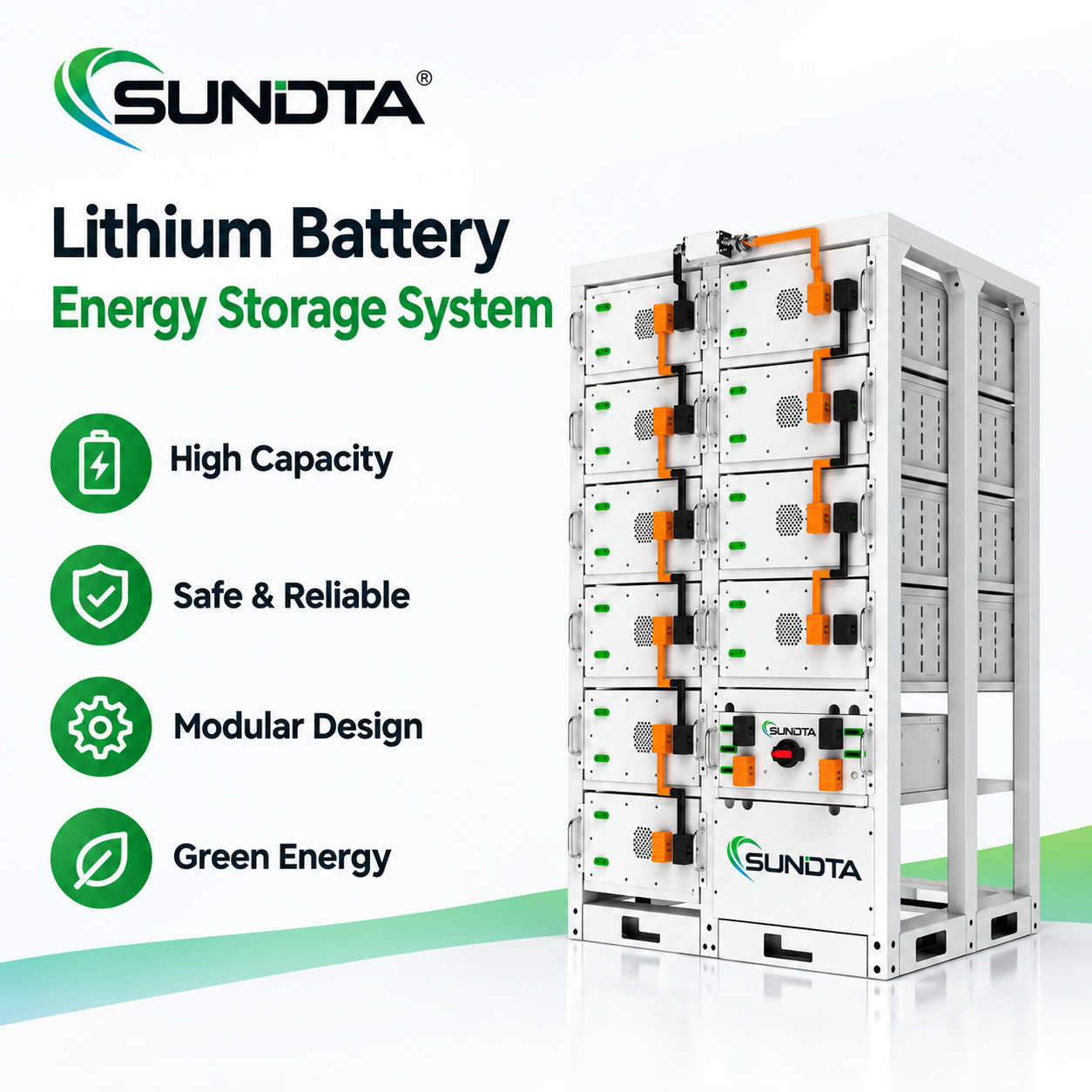
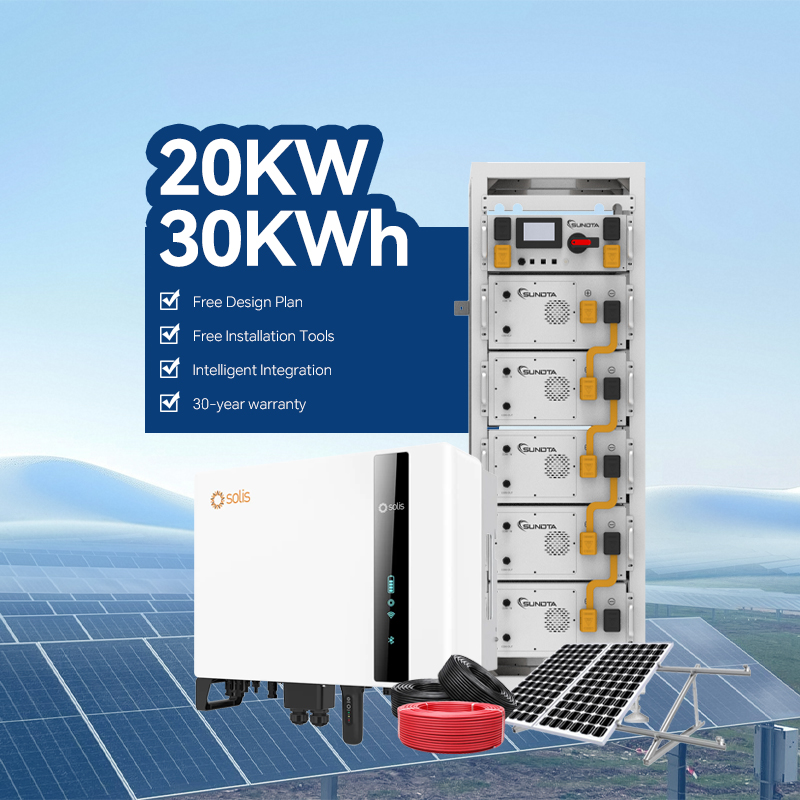
This is precisely where standard 19-inch rack mount LiFePO4 (Lithium Iron Phosphate) battery modules have emerged as the premier engineering benchmark. By housing high-capacity 48V/51.2V 100Ah or 200Ah prismatic cells inside standardized cold-rolled steel server enclosures, commercial and residential clients in Kandy achieve modular scalability, forced front-to-back cross-ventilation, superior seismic and structural anchoring, and precise thermal control. These enclosures also guard against moisture accumulation and vermin intrusion, ensuring long-term reliability.
2. Engineering Deep Dive: 48V/51.2V Rack Mount LiFePO4 Architecture
When selecting a rack mount lithium battery supplier for export to Sri Lanka, EPC contractors and enterprise procurement teams must scrutinize the internal topology of the Battery Management System (BMS), cell tier certification, and parallel communication capabilities. An integrated rack system is fundamentally an industrial computer running electrochemical safety algorithms under real-time thermal constraints.
| Engineering Parameter | Standard Market Specification | RJV Industrial Export Benchmark | Significance for Kandy Applications |
|---|---|---|---|
| Cell Chemistry & Class | Mixed/Recycled Prismatic or Pouch | 100% Brand-New Grade-A Prismatic LiFePO4 | Prevents cell imbalance during intense daily cycling; eliminates fire/explosion risk under lightning transients. |
| Cell Configuration | 15S (48.0V Nominal) | 16S (51.2V Nominal, 58.4V Charge Cut-Off) | Delivers higher nominal energy, preventing inverter low-voltage cut-offs when driving inductive motor loads. |
| Cycle Life Rating | 2,500 – 3,500 Cycles @ 0.5C / 70% DoD | 6,000+ Deep Cycles @ 0.5C / 80% DoD | Guarantees over 10-15 years of continuous daily cycling under CEB grid failure conditions. |
| Communication Handshake | Basic RS485 Only | Dual Isolated CANbus 2.0B + Multi-Drop RS485 | Plug-and-play closed-loop integration with Deye, Solis, Victron, and Growatt hybrid inverters. |
| Enclosure Protection | Untreated SPCC Sheet Metal | Anti-Corrosion Powder-Coated 3U/4U/5U Steel | Resists atmospheric oxidation and fungal growth caused by 80%+ humidity in mountain tea belts. |
| BMS Protection Suite | Single-stage Overcurrent / Low Volt | Multi-tiered Active Balancing, Dual NTC Probes | Maintains cell voltage differential <20mV across parallel stacks without manual equalization charges. |
Thermal Stability & Parasitic Loss Management in Mountain Microclimates
Ambient temperatures in Kandy can vary from chilly 16°C nights in the surrounding Hanthana and Hunnasgiriya ranges to sweltering 34°C afternoons in the Katugastota valley basin. Such intraday temperature swings create condensation risks within unsealed electrical enclosures. RJV rack mount battery modules incorporate conformal-coated PCB assemblies and strategic internal component spacing. By leveraging prismatic aluminum-cased cells with internal safety valves, the batteries maintain uniform heat dissipation across all 16 cells in series.
Furthermore, because hybrid systems frequently run in partial state of charge (PSoC) due to intermittent hill cloud cover shading the solar array, the smart BMS runs proprietary state-of-charge tracking algorithms that continuously recalibrate Coulomb counters, preventing drift-induced shutdown errors that plague lower-tier storage hardware.
Localized Application Scenarios Across the Kandy District
From highland agricultural estates to sensitive healthcare facilities, our modular rack mount battery solutions provide dependable continuous power where the centralized grid struggles most.
1. Tea Factory Fermentation & CTC Machinery
In the tea estates surrounding Kadugannawa, Gampola, and Nawalapitiya, tea leaves undergo precise temperature- and humidity-controlled withering and fermentation. A 30-minute grid blackout during the rolling or drying phase can ruin tons of Ceylon orthodox tea. Our multi-cabinet rack mount LiFePO4 systems interface with high-capacity three-phase hybrid inverters (30kW to 100kW), supplying instant reactive power to overcome heavy inductive motor starting currents without generator delay or line sag.
2. Boutique Eco-Resorts & Heritage Hospitality
Tourism in Kandy thrives along the Mahaweli River, Hanthana foothills, and the Victoria Reservoir. Eco-conscious travelers reject noisy, fume-emitting diesel generators. Modular 19-inch battery racks installed in standard sound-dampened indoor server cabinets supply clean, silent 230V/400V power. They seamlessly power luxury HVAC, commercial kitchen refrigeration, lighting, and guest water pumps through uninterrupted zero-transfer-time switching.
3. Mountain Telecom Base Stations & Relay Towers
Cellular base transceiver stations (BTS) perched on mountain ridges around Knuckles and Hunnasgiriya provide essential connectivity. Grid lines reaching these peaks face frequent line breaks. Deploying high-energy-density 48V rack mount batteries directly inside outdoor IP55 telecommunication cabinets eliminates diesel refueling logistics up steep dirt roads, allowing telecom operators like Dialog and SLTMobitel to operate autonomous solar-powered towers.
4. Healthcare Clinics, Diagnostics & Vaccine Cold Chain
The medical corridor near Peradeniya and Kandy General Hospital houses numerous private diagnostic laboratories, specialized clinics, and pharmaceutical storage depots. Sensitive pathology analyzers, blood centrifuges, and vaccine cold-storage freezers require tightly regulated voltage without harmonic distortion. Our rack mount systems offer pure sine wave energy storage with zero frequency jitter, protecting million-dollar biomedical instruments.
5. Educational Institutions & Data Centers
The University of Peradeniya and technological training institutes in Kandy host mission-critical servers, scientific research laboratories, and campus networking backbones. Rack mount LiFePO4 batteries fit directly into standard 600mm and 800mm server racks alongside IT hardware. This unified architecture optimizes data center square footage while delivering over 8 hours of server backup during catastrophic utility outages.
3. Economic Feasibility & Future Market Dynamics in Central Province
Sri Lanka's ambitious transition toward renewable energy—targeting 70% electricity generation from non-fossil sources by 2030 under the national energy policy—has spurred a fundamental transformation in private capital allocation. In Kandy, where roof space on commercial properties and factory premises is abundant, solar PV adoption has surged under the CEB Net Plus and Net Accounting schemes.
However, grid saturation on aging feeder lines has led regional CEB engineers to restrict simple export-only grid-tied installations due to reverse power flow instability. Consequently, energy storage systems (ESS) are rapidly transitioning from an optional luxury to an absolute regulatory and operational requirement. The latest market trends in Kandy encompass three key vectors:
A. Time-of-Use (TOU) Tariff Arbitrage
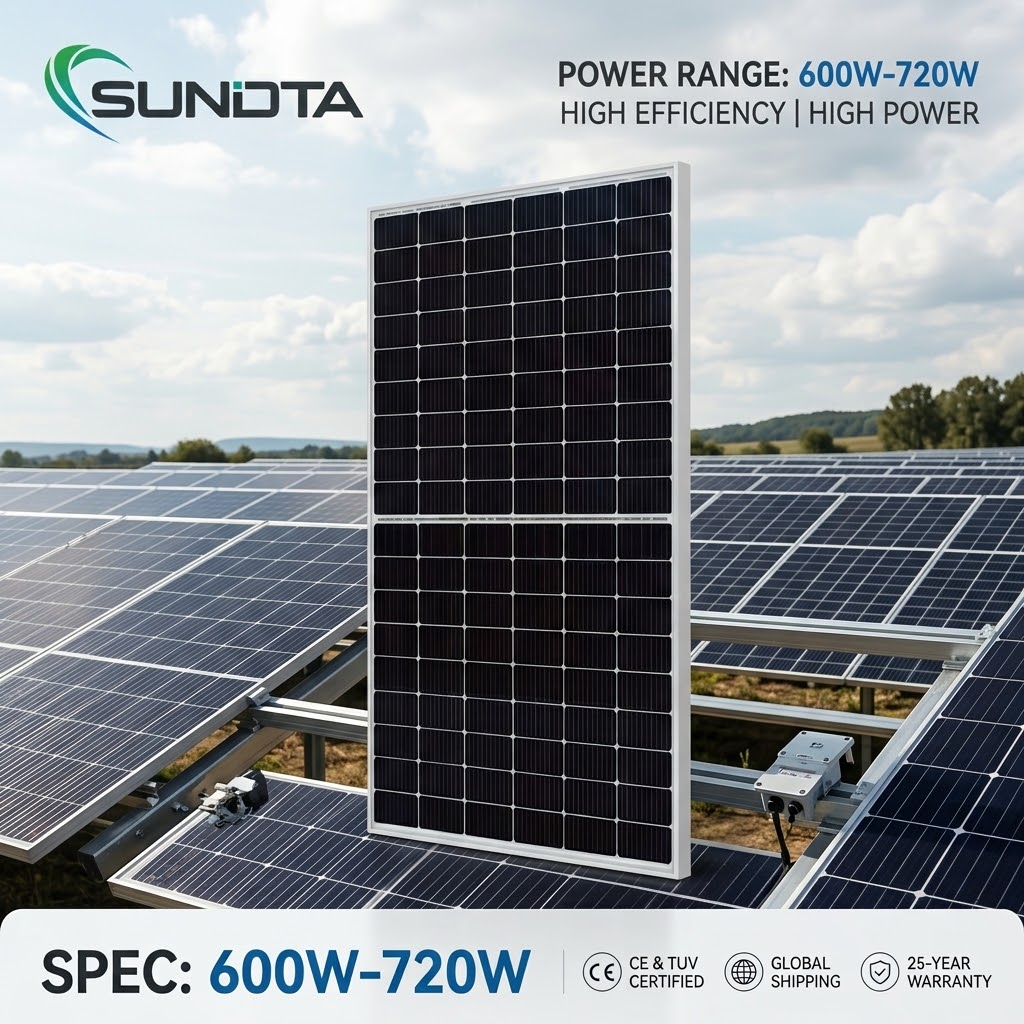
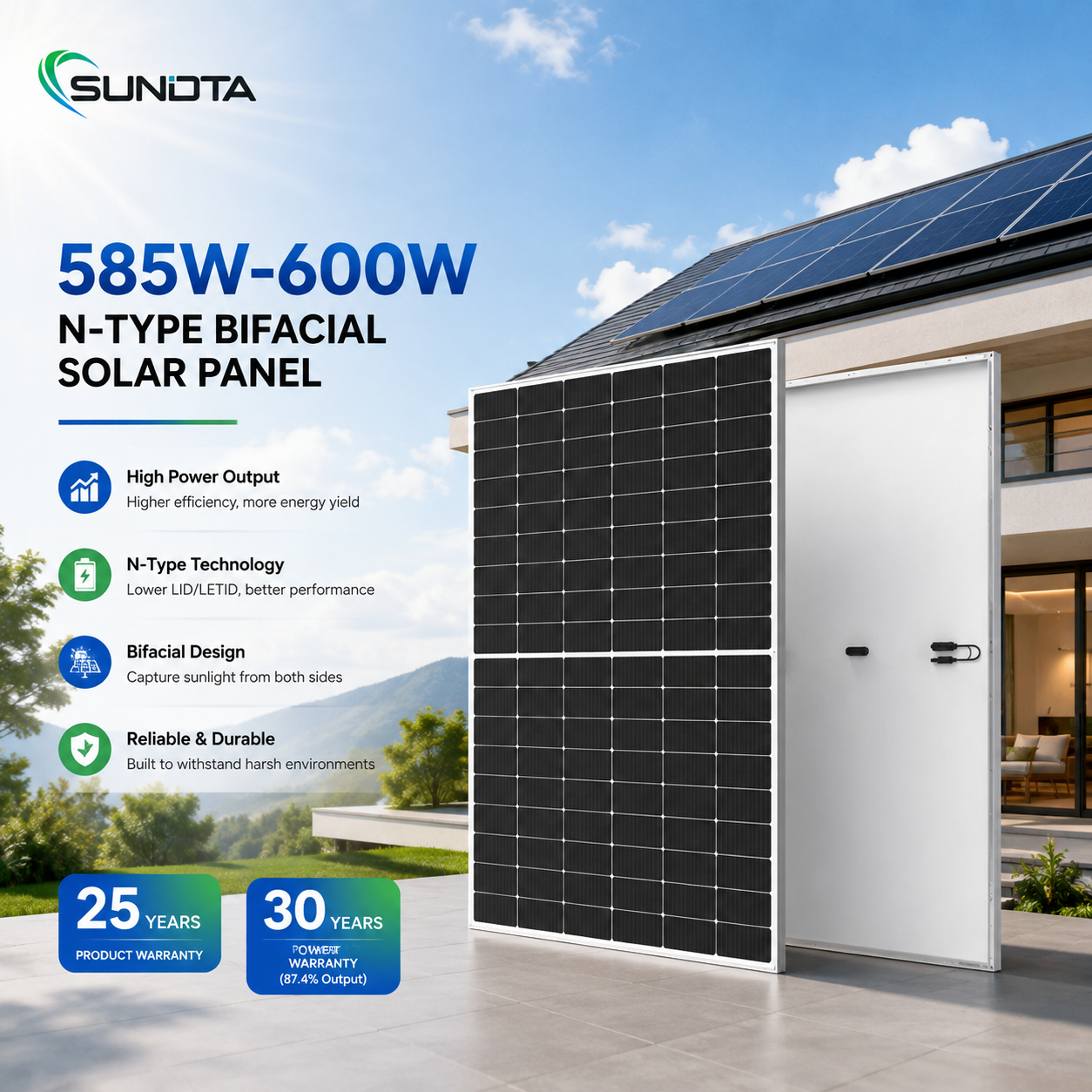
Industrial and commercial utility customers in Kandy face severe peak-rate surcharges during the evening demand window (18:30 to 22:30). By charging rack mount LiFePO4 battery banks during midday from high-efficiency bifacial PERC or N-Type TOPCon panels, and discharging that stored energy during peak evening hours, factory operators avoid astronomical tariff tiers. Payback periods have shrunk from 7.5 years down to 3.2 to 4.1 years depending on diesel offset ratios.
B. The Rise of High-Voltage (HV) Rack Systems for Medium Industry
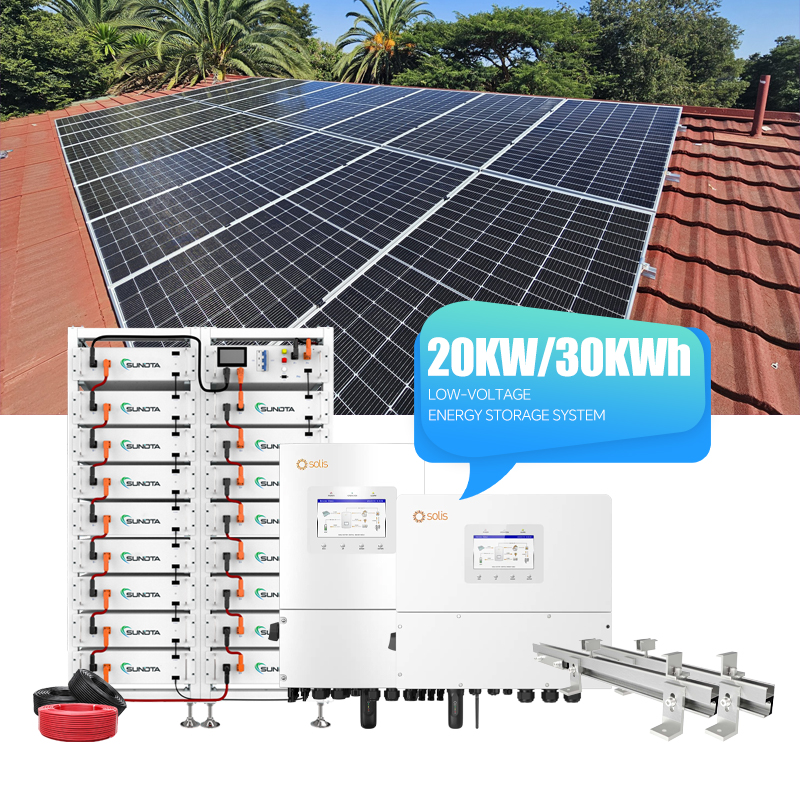
While 48V/51.2V systems dominate residential and small commercial setups up to 30kWh, medium enterprises in Kandy (such as garment factories in Pallekele Industrial Zone and spice processing plants) are increasingly procuring high-voltage (HV) battery racks ranging from 200V to 600V DC. High-voltage architecture dramatically reduces copper cable cross-sections, cuts resistive transmission heat losses inside the control room, and boosts round-trip conversion efficiency above 95.5%.
C. Cloud IoT Telemetry via Cellular 4G/LTE
Due to the rugged topography, maintenance visits across Central Province involve significant drive times. Modern EPC contractors in Kandy demand battery systems with integrated remote IoT telemetry. RJV rack systems feature RS485-to-Ethernet or 4G LTE gateway options that stream per-cell voltages, real-time operating temperatures, cycle counts, and alarm logs directly to the EPC's mobile application or central operations console.
Frequently Asked Questions from Importers & EPCs in Kandy
Direct technical answers addressing the real-world regulatory, customs, installation, and engineering concerns of Sri Lankan solar installers and trade distributors.
How do your 51.2V rack mount batteries establish closed-loop communication with Deye and Solis inverters?
What is the import duty and HS Code classification for lithium battery storage in Sri Lanka?
How does the high humidity and altitude of Kandy affect the operational lifespan and safety of rack batteries?
Can multiple 51.2V 100Ah or 200Ah rack modules be paralleled, and how is current balance maintained?
What payment terms and shipping lead times apply to containers bound for Sri Lanka?
What is the minimum order quantity (MOQ) for customized OEM/ODM branding?
Manufacturing Authority & Tier-1 Supply Chain Assurance
Anhui RJV New Energy Co., Ltd. combines advanced automated module and battery manufacturing lines with an integrated solar-plus-storage engineering portfolio built for global EPC partners.
2 GW Annual Capacity
State-of-the-art automated manufacturing facilities in Hefei, Anhui, ensuring precision assembly, rigorous robotic soldering, and zero-defect quality control across all cell modules and PV assemblies.
TÜV Rheinland Audited
Factory operations, environmental management protocols, and export compliance have passed rigorous on-site supplier verification audits conducted by TÜV Rheinland, backed by full CE, IEC 61215, and UN38.3 test records.
12+ Years R&D Depth
Our dedicated R&D and engineering teams have been pioneering photovoltaic cell efficiency and lithium storage innovations since 2016, holding 38 technological patents and an enterprise AAA credit rating.
One-Stop Turnkey BOM
Eliminate project delays caused by multivendor disputes. We match solar panels, Deye/Solis inverters, LiFePO4 rack batteries, mounting brackets, and balance-of-system DC breakers in coordinated, factory-tested container loads.