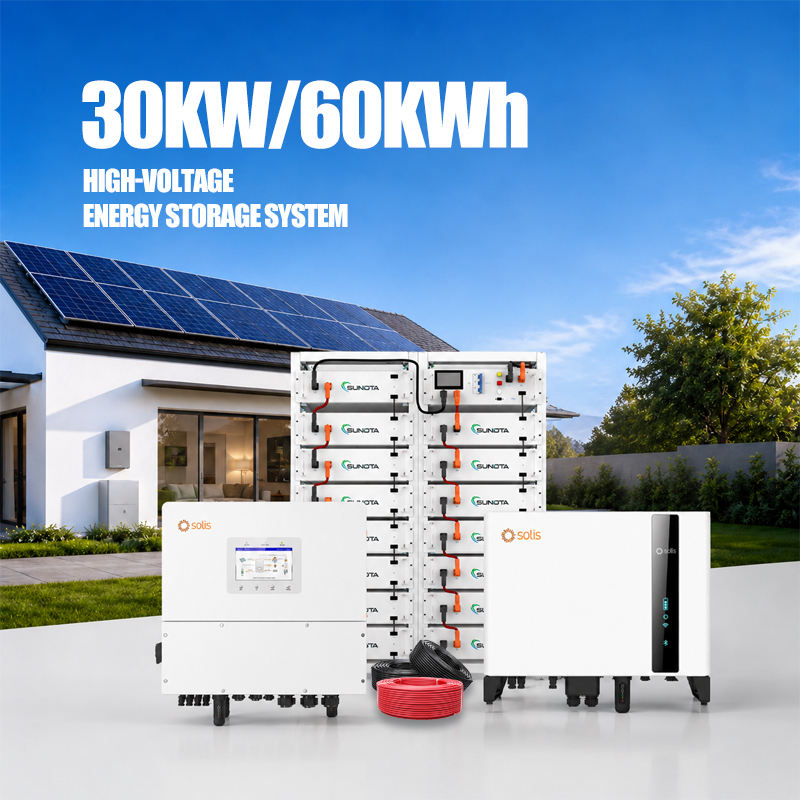
Solar Lithium Battery Factories & Supplier for Philadelphia

OEM & Direct Wholesaler of High-Safety LiFePO4 Energy Storage Systems, Split-Phase Hybrid Inverters, and High-Yield PV Modules for Eastern Pennsylvania EPCs and Contractors.

Tier-1 Direct Supply

Factory-Engineered Solar & LiFePO4 Battery Systems

Direct OEM manufacturing specifications optimized for North American 120V/240V split-phase distribution, severe cold-weather resiliency, and continuous microgrid failover during grid curtailments in Southeastern Pennsylvania.

2 GW Annual Module & Pack Automation
500+ MW Turnkey PV Projects Delivered
38 R&D Patents & Certifications
TÜV Rheinland Verified Direct Manufacturer
Industry White Paper

Procuring Solar Lithium Batteries in Philadelphia: Engineering, Regulatory & Supply Chain Framework

The renewable energy infrastructure across Greater Philadelphia and the Delaware Valley is undergoing a profound structural transition. Driven by the Commonwealth of Pennsylvania’s Alternative Energy Portfolio Standards (AEPS), local sustainability mandates under the Philadelphia Energy Authority (PEA) Solarize Philly campaign, and escalating grid transmission charges across the PECO (Exelon) utility territory, distributed clean power can no longer rely on grid-tied photovoltaic arrays alone. The rapid reduction in export compensation, combined with unpredictable seasonal storms, Nor’easters, and aging transmission infrastructure throughout Southeastern Pennsylvania, demands robust, battery-backed microgrids.

For clean energy developers, EPC contractors, and regional equipment distributors in Philadelphia, securing a dependable, tier-1 qualified solar lithium battery manufacturer and supplier is the linchpin of profitability and code compliance. Lithium Iron Phosphate (LiFePO4 or LFP) has definitively emerged as the mandatory chemistry over legacy Nickel Manganese Cobalt (NMC). This preference is heavily dictated by rigorous urban fire regulations under the Philadelphia Fire Code, NFPA 855 (Standard for the Installation of Stationary Energy Storage Systems), and UL 9540/UL 9540A testing benchmarks which enforce strict non-propagation boundaries for residential basements, commercial mechanical rooms, and historic masonry structures.

Anhui RJV New Energy Co., Ltd. operates state-of-the-art automated manufacturing facilities with over 2 GW of module manufacturing and dedicated lithium pack integration lines. Combining in-depth manufacturing rigor with specialized North American grid integration capabilities, we engineer, assemble, and deliver UL 1973, UL 9540-ready, and CE-certified battery energy storage systems (BESS) directly to Philadelphia procurement channels, eliminating multi-tiered middlemen markups while delivering direct engineering-to-contractor support.
Evaluation Parameter RJV Industrial LiFePO4 Chemistry Legacy Residential NMC Systems Traditional Lead-Acid / AGM Banks
Thermal Runaway Onset ≥ 270°C (Extremely stable, zero O2 release) ~ 150°C to 210°C (Exothermic, releases oxygen) N/A (Hydrogen off-gassing hazard)
Cycle Life (80% DoD @ 25°C) 6,000 to 8,000 cycles 1,500 to 2,500 cycles 500 to 1,000 cycles (50% max DoD)
Philadelphia NFPA 855 Compliance Streamlined UL 9540A unit-level approval Requires extensive fire barrier separation Acid spill containment & venting mandatory
Round-Trip Efficiency (RTE) ≥ 95.5% (Minimizes inversion losses) 88% – 92% 70% – 78%
Freezing Temp Charging Protection Integrated active thermal BMS pre-heating Rare / Dependent on external space heating Massive capacity drop below 32°F (0°C)
10-Year Levelized Cost of Storage $0.065 – $0.082 per kWh throughput $0.145 – $0.180 per kWh throughput $0.240 – $0.320 per kWh throughput
Delaware Valley Applications

Engineered Specifically for Philadelphia Building Typologies

From dense Center City row homes to sprawling industrial parks in Northeast Philly and Montgomery County, our battery systems address specific regional engineering and structural demands.

Historic Rowhomes & Narrow Basements

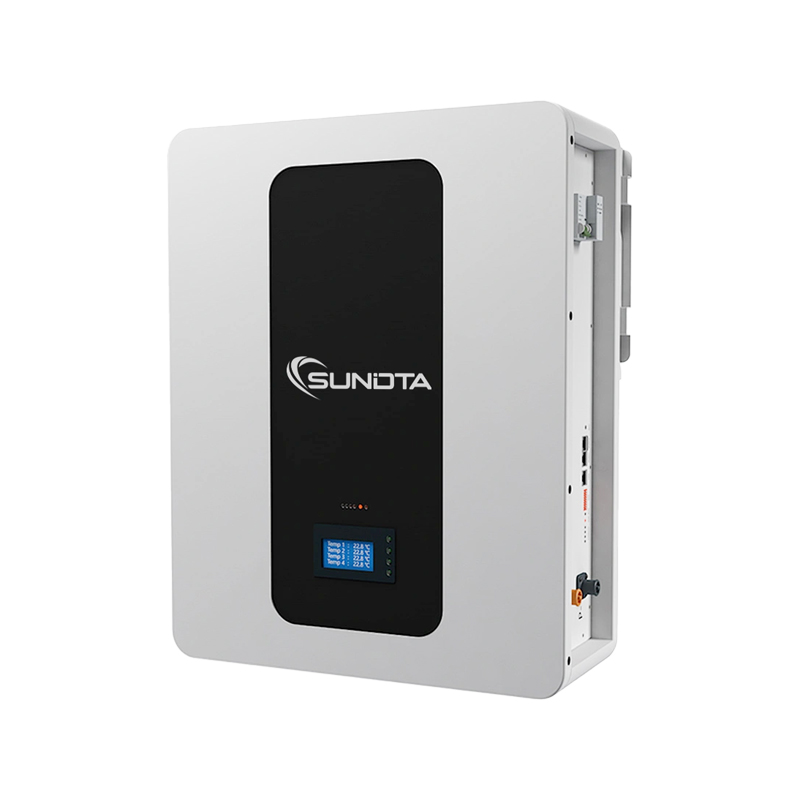
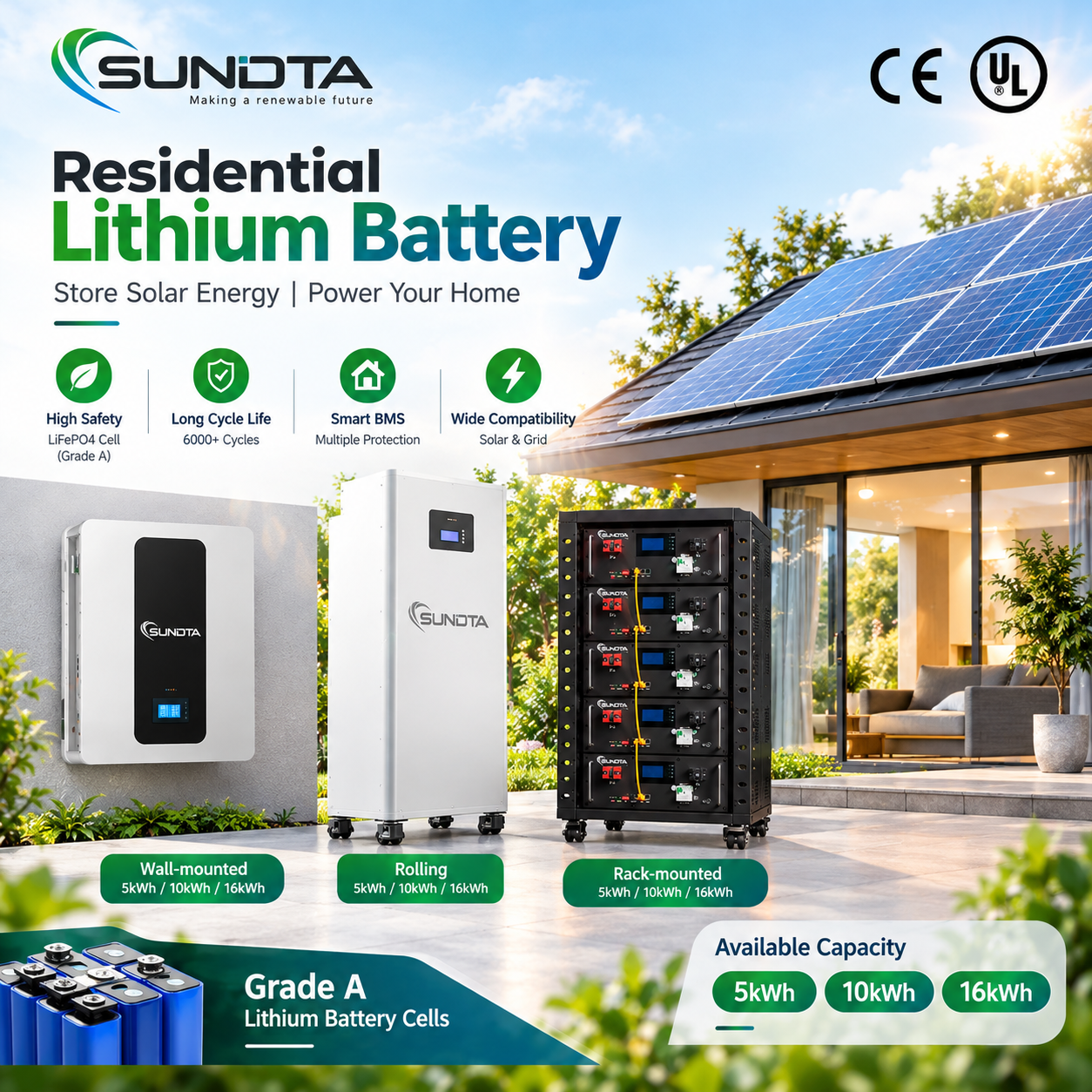
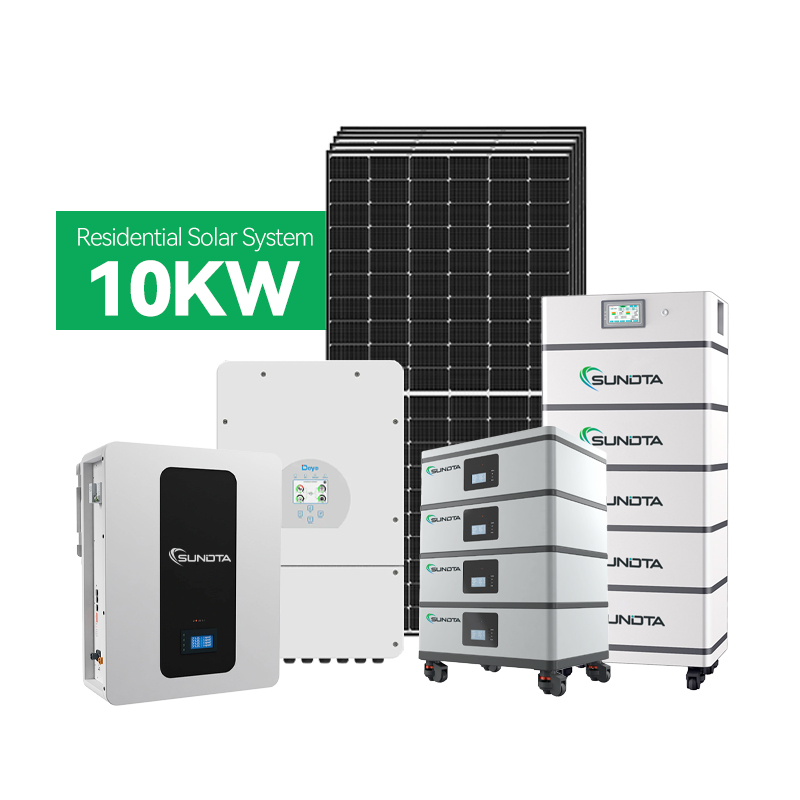
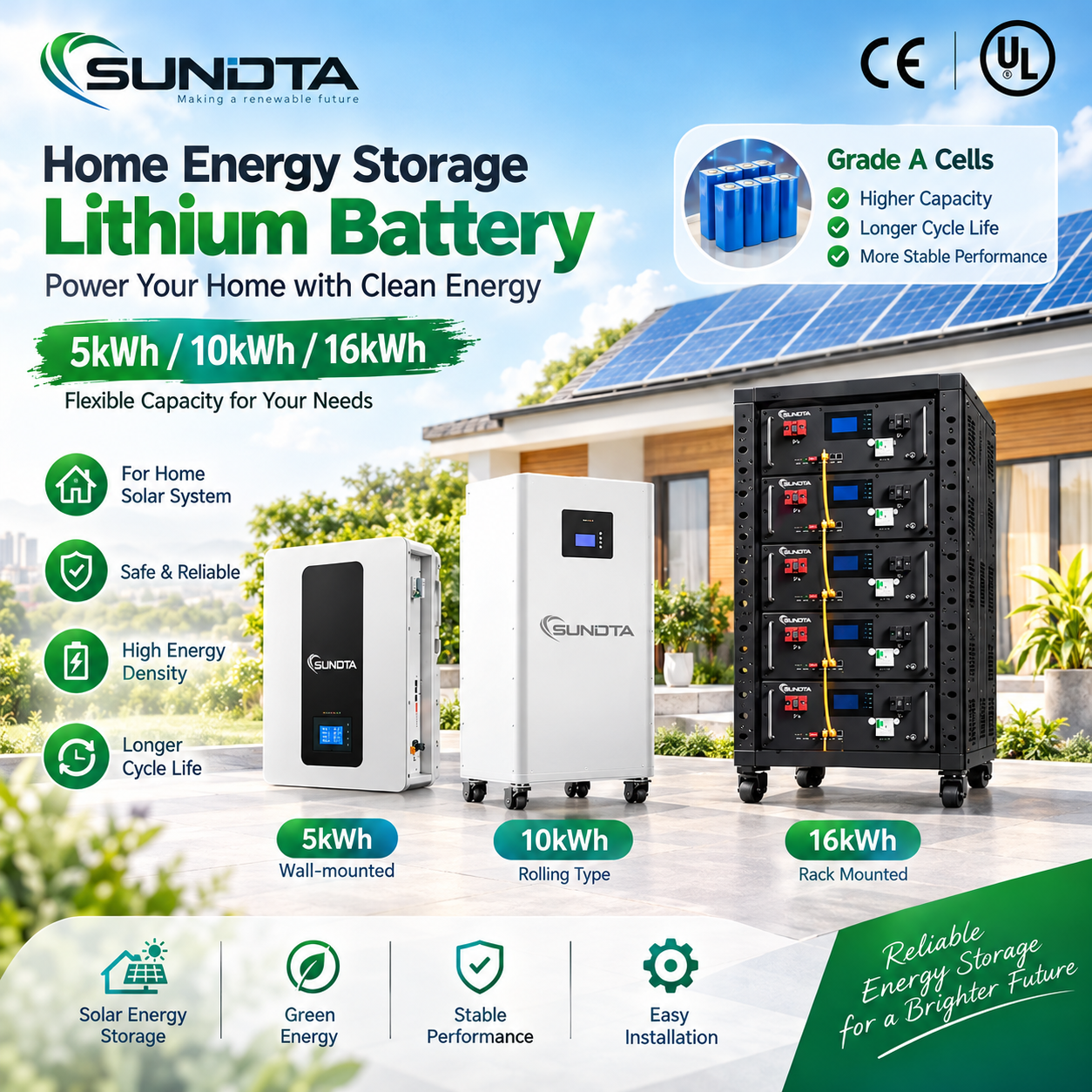
Historic brick and brownstone homes in neighborhoods like South Philly, Fishtown, and Northern Liberties present distinct space limitations and egress restrictions. Our wall-hung 51.2V 10kWh and compact vertical stackable modules measure under 7.5 inches in depth, allowing certified installation on masonry walls without obstructing access pathways or violating Philadelphia residential egress codes.

Compact Footprint Zero Gassing Wall-Mount Hardware

PECO TOU Arbitrage & Outage Resilience

Under PECO's dynamic Time-of-Use pricing and intermittent regional feeder reliability throughout suburban Bucks, Chester, and Delaware counties, our intelligent BMS seamlessly handshakes with hybrid inverters via closed-loop CAN communication. Systems automate peak-shaving during peak afternoon demand windows, dispatching stored solar electricity and instantly isolating the property when grid voltage drops.

<10ms Switchover PECO Net Metering Closed-Loop BMS

C&I Facilities & Urban Fleet Microgrids

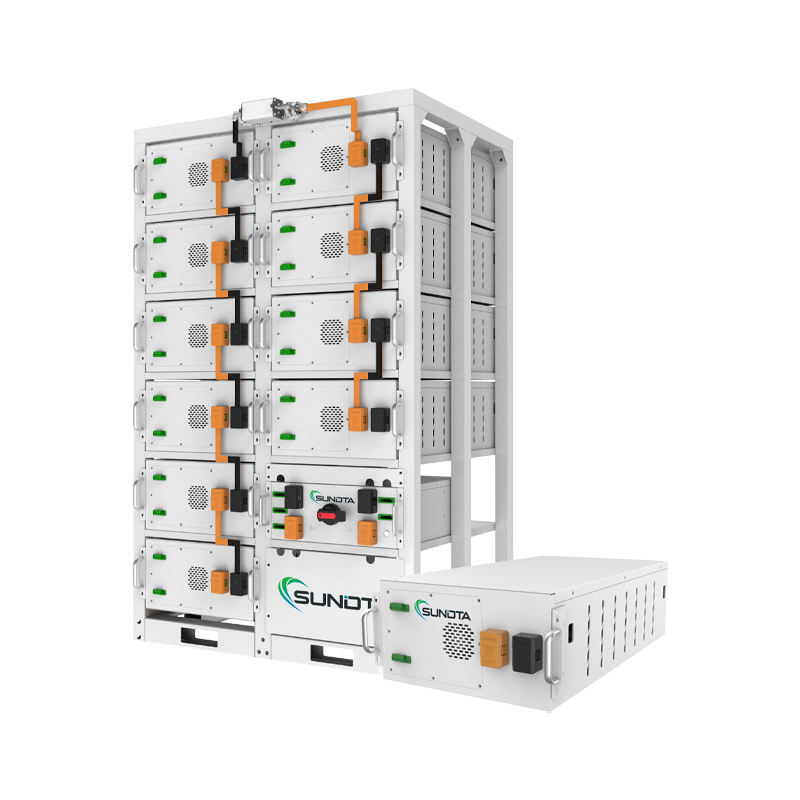
Commercial operations, warehouses in Northeast Philadelphia, and municipal fleet garages face steep demand charges in PJM capacity zone territories. Our high-voltage stackable battery racks (up to 100kWh) and containerized BESS platforms (1MWh to 2MWh) smooth peak kW spikes during high industrial power draws, delivering tangible bottom-line reductions in monthly commercial electric bills.

PJM Grid Services High-Voltage DC Demand Reduction

B2B Wholesale Pricing & Specification Sizing for Local Contractors

Procuring complete pallets or 20ft/40ft shipping containers direct to the Port of Philadelphia or regional consolidation warehouses? Our dedicated sales engineers furnish complete technical submittal packages, single-line diagrams (SLDs), and PE-stamped documentation to accelerate local Department of Licenses and Inspections (L&I) permitting.

Strategic Market Insights

Regulatory and Market Drivers Accelerating Energy Storage in Southeastern PA

The acceleration of solar battery deployment in the Philadelphia metropolitan area is driven by three intersecting catalysts: regulatory code adaptations, escalating power tariffs, and regional wholesale market reforms within PJM Interconnection.

1. Strict Code Enforcement (NFPA 855 & Philadelphia L&I Alignment): The City of Philadelphia Department of Licenses and Inspections strictly enforces residential and commercial building safety codes based on updated International Residential Code (IRC) and NFPA 855 guidelines. Installers can no longer utilize uncertified battery packs. Our LiFePO4 batteries feature robust cell-level testing reports under UL 1973 and full system safety validation under UL 9540. The inherent chemical stability of lithium iron phosphate—which does not produce thermal runaway oxygen generation—ensures painless inspection sign-offs across Philadelphia city inspectors.

2. Utility Rate Inflation and Solarize Philly Initiatives: As PECO utility rates rise and net metering guidelines place increasing emphasis on on-site solar consumption rather than low-value grid exports, battery storage provides critical economic leverage. Coupled with Philadelphia's municipal push to expand rooftop solar installations through municipal programs, solar systems packaged with high-durability LiFePO4 batteries allow homeowners and commercial entities to achieve over 85% energy autonomy, shielding building operations from seasonal peak-rate spikes.

3. Resilience Against Mid-Atlantic Severe Weather: Philadelphia experiences intense climatic variability—from humid 95°F+ summer heat waves that stress the regional transmission grid to severe freezing temperatures and ice storms during winter Nor'easters. Unlike generic consumer batteries that lock out under sub-zero conditions, RJV's industrial-grade LiFePO4 battery modules integrate internal BMS-controlled resistive heating elements. The cells intelligently draw from incoming PV power to pre-warm the core before taking a charge, guaranteeing uncompromised round-the-clock availability throughout the harshest Pennsylvania winters.

Enterprise Strengths

Why Philadelphia EPCs & Solar Distributors Partner with RJV New Energy

Direct OEM manufacturing depth, verified production credentials, and comprehensive technical compatibility engineered to de-risk solar procurement projects.

TÜV Rheinland Verified

Our automated production facilities in Hefei operate under rigorous on-site factory verification by TÜV Rheinland, backed by ISO 9001 and ISO 14001 quality audits on every lithium assembly line.

Full Protocol Compatibility

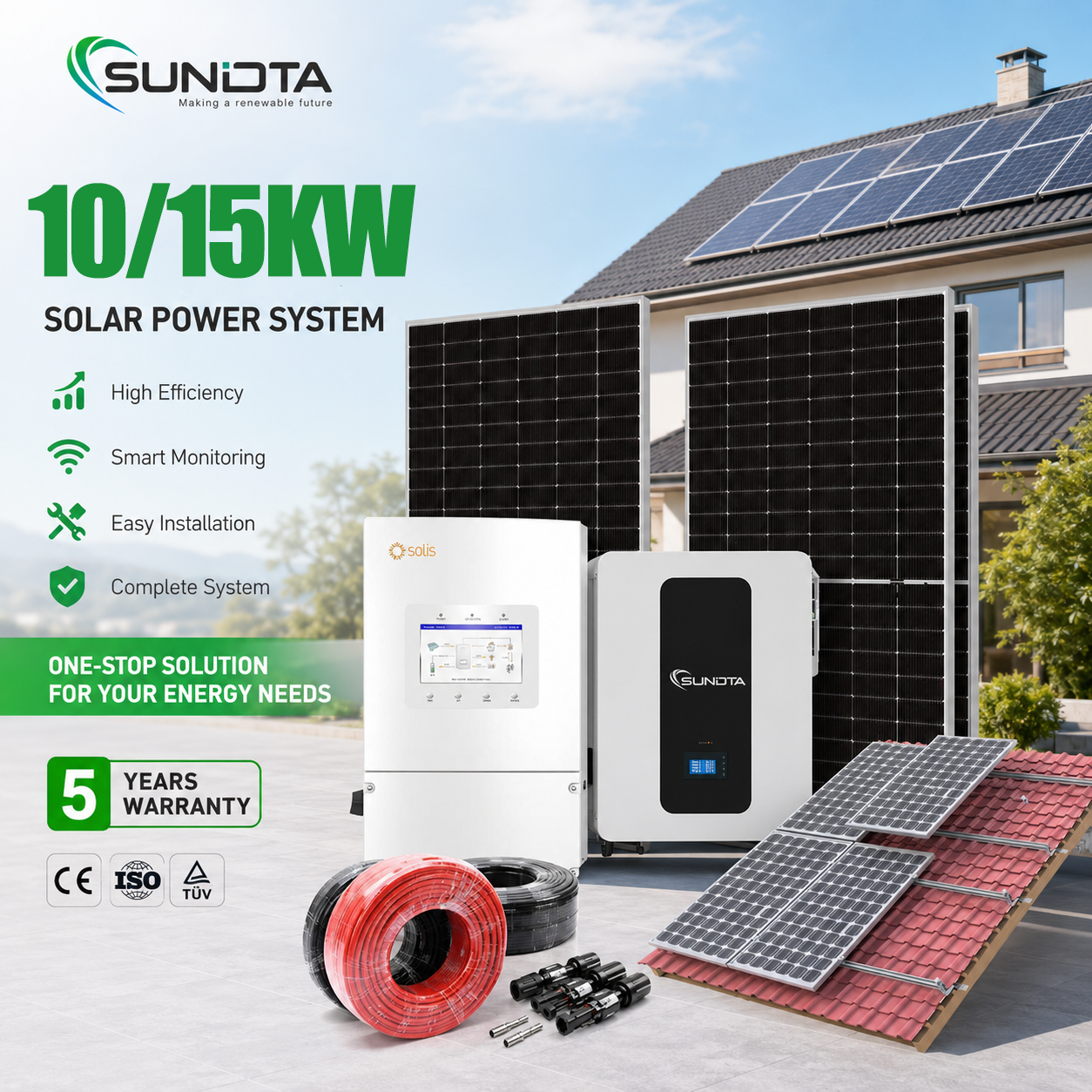
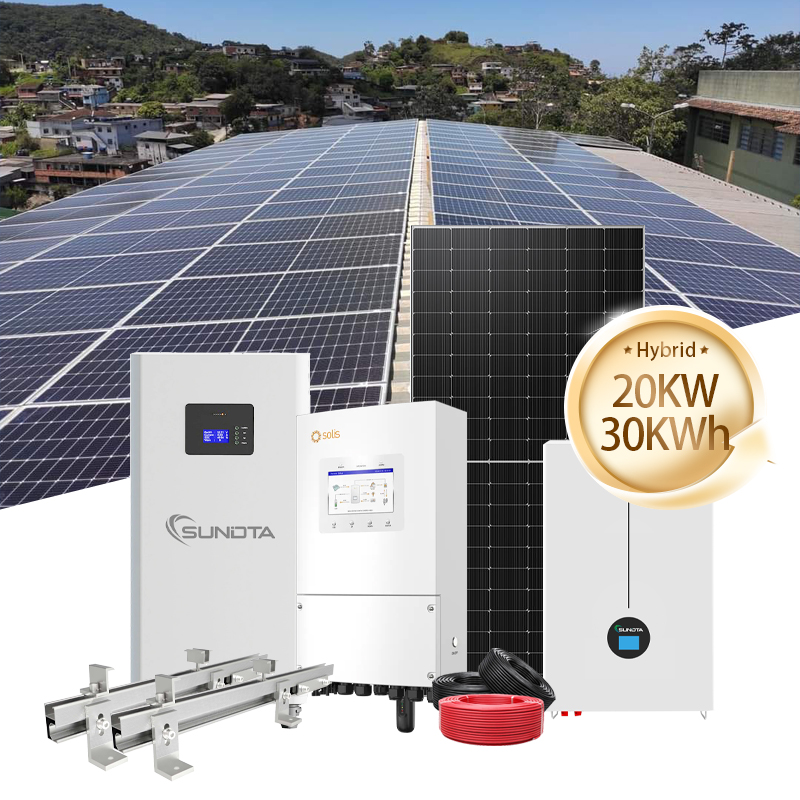
Our BMS firmware is natively pre-programmed for plug-and-play RS485 and CAN communication with Tier-1 inverters including Solis, Deye, Growatt, Victron, and Schneider Electric systems.

12+ Years Manufacturing

With more than a decade of specialized solar and storage manufacturing experience and 38 technical patents, our engineering team ensures that every pack meets uncompromising tolerance standards.

Direct Container Shipments

Flexible Incoterms (FOB, CIF, DDP) direct to Port of Philadelphia (Packer Avenue Marine Terminal) or regional staging yards with complete customs declaration paperwork and flash test data.

Philadelphia Buyer FAQ

Frequently Asked Questions by Solar Contractors & Importers

Clear, actionable answers addressing local fire codes, utility interconnection guidelines, logistics, and system integration.

How do RJV LiFePO4 batteries satisfy Philadelphia Fire Code and NFPA 855 regulations?

The Philadelphia Fire Code aligns with NFPA 855, imposing strict limits on energy storage unit capacities and separation distances to prevent cascaded thermal runaway. RJV utilizes high-stability Lithium Iron Phosphate (LiFePO4) prismatic cells that pass unit-level thermal runaway non-propagation testing in compliance with UL 9540A. Our batteries feature built-in hardware disconnects, double-isolated aerosol or vent channels, and certified BMS failsafes that cut off overcharging and short circuits well before dangerous thermal thresholds are approached. This makes permitting straightforward when submitting plans to Philadelphia L&I.

Are RJV lithium battery packs compatible with PECO’s interconnection and net metering rules?

Yes. PECO requires that any energy storage system interconnected with their grid operate via an inverter certified under UL 1741-SB and IEEE 1547-2018 (Smart Inverter standard). Our battery packs are designed to operate seamlessly in a closed loop via CAN/RS485 communication protocols with leading hybrid inverter platforms (such as Deye and Solis) that hold active UL 1741-SB listings. This architecture ensures complete compliance with PECO’s zero-export or planned-export programming mandates.

How do your battery systems manage Pennsylvania winter freeze temperatures?

Charging any standard lithium cell below 32°F (0°C) causes irreversible lithium plating, resulting in severe degradation and internal short circuits. RJV addresses this challenge by integrating intelligent internal thermal heating pads directly into our outdoor and garage-rated lithium battery enclosures. When temperatures drop below freezing, the internal Smart BMS redirects incoming solar energy to warm the cells to 41°F (5°C) before allowing charge currents to flow. Discharge functions remain operational down to -4°F (-20°C), guaranteeing power availability during sub-zero winter storms.

What is the typical shipping lead time and customs process for delivery to Philadelphia?

For custom OEM orders or direct factory container loads (FCL), standard manufacturing lead times range from 18 to 25 days. Ocean freight from our central manufacturing hubs to the East Coast (Port of Philadelphia / Packer Avenue Marine Terminal or Port of NY/NJ) typically takes 28 to 35 transit days. For urgent project replenishments, we also support regional warehouse stocking arrangements. Full shipping dossiers, including UN 38.3 test summaries, MSDS documentation, commercial invoices, and bill of lading are coordinated with your freight forwarder or managed directly via our DDP shipping partners.

What are the Minimum Order Quantities (MOQ) and customization capabilities for local installers?

We accommodate diverse procurement volumes: standard residential wall-mounted or modular stackable batteries start at an MOQ of just 1 to 5 pieces for sample and system testing, while complete solar kits start at 1 set. For solar contractors and wholesale distributors looking to brand their own energy storage hardware, we provide OEM customization services—including custom enclosure colors, laser-etched metal front panels, customized LCD interfaces, and custom BMS protocol mapping—for orders starting at pallet volumes.

Ready to Source High-Performance Solar Lithium Batteries in Philadelphia?

Partner directly with Anhui RJV New Energy. Gain immediate access to factory-direct wholesale pricing, certified engineering submittals, and field-tested energy storage equipment built for real-world reliability.

Get Catalog