Engineered Clean Energy Systems for San Francisco Projects
Pre-engineered turnkey packages, low-degradation solar modules, hybrid balance-of-system electronics, and robust LiFePO4 battery storage ready for Bay Area building department sign-offs.
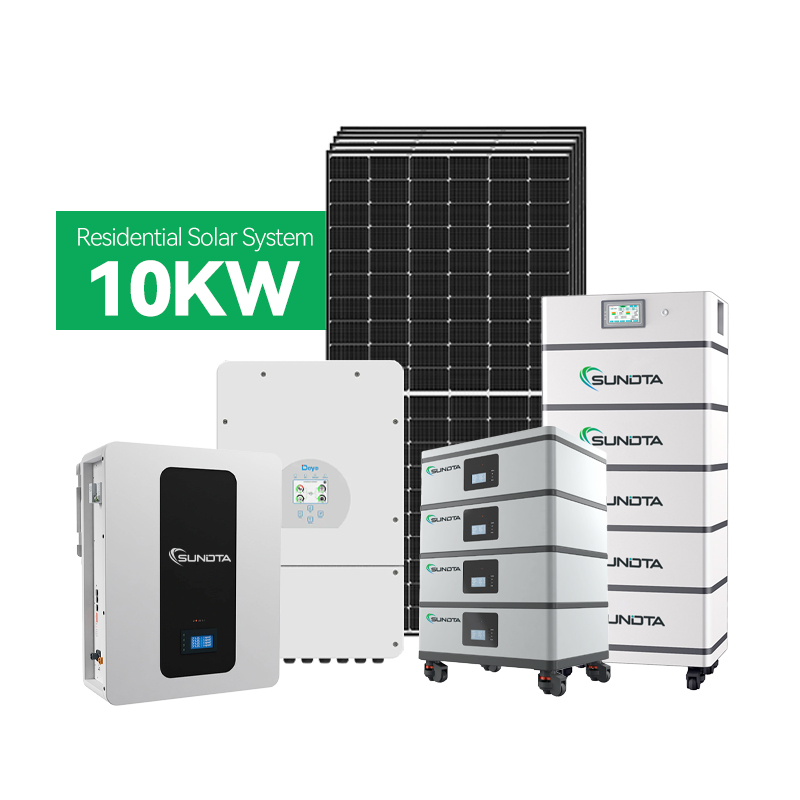
- High-yield TOPCon solar array
- Integrated low-voltage LiFePO4 storage
- Seamless on/off-grid transfer switch
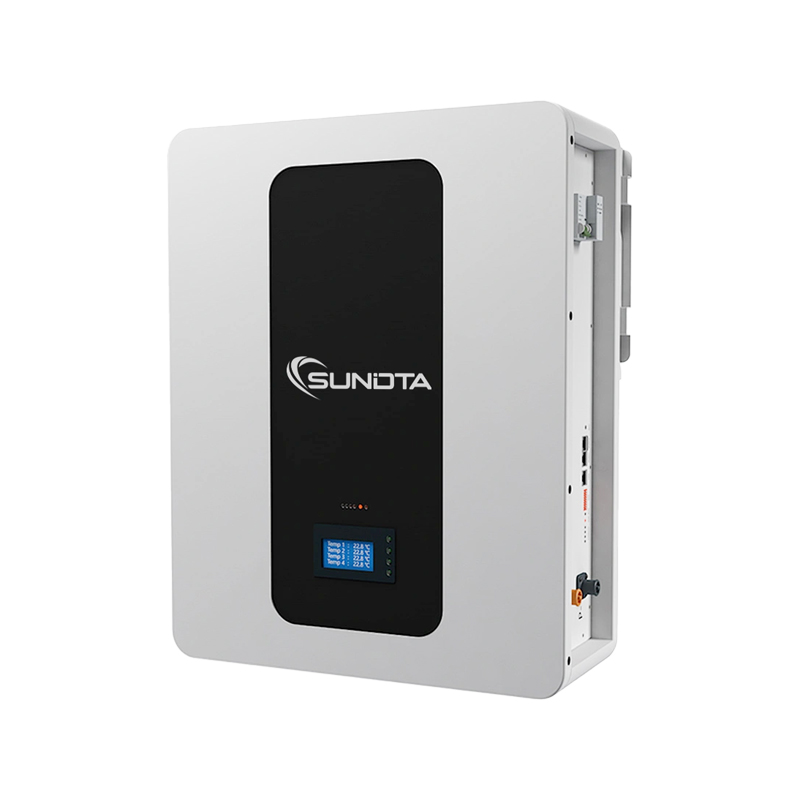
- Automotive-grade prismatic cells
- CAN/RS485 multi-inverter protocol
- Space-saving vertical wall profile
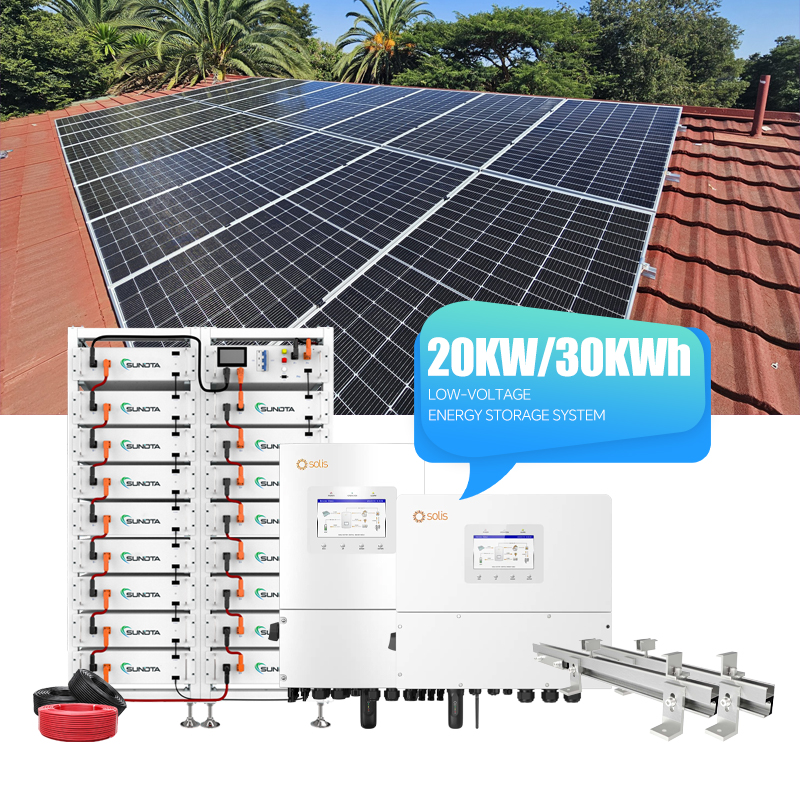
- Commercial three-phase balance
- Peak-shaving algorithmic MPPT
- High-yield dual-surface capture
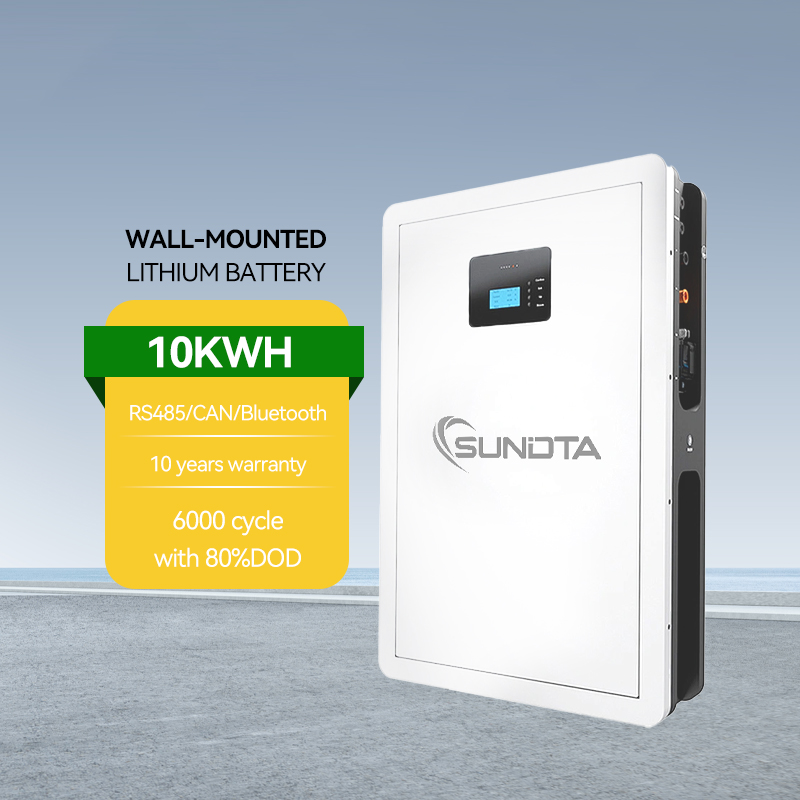
- 6,000+ deep cycles design life
- Internal aerosol fire mitigation
- Plug-and-play Bay Area retrofit ready
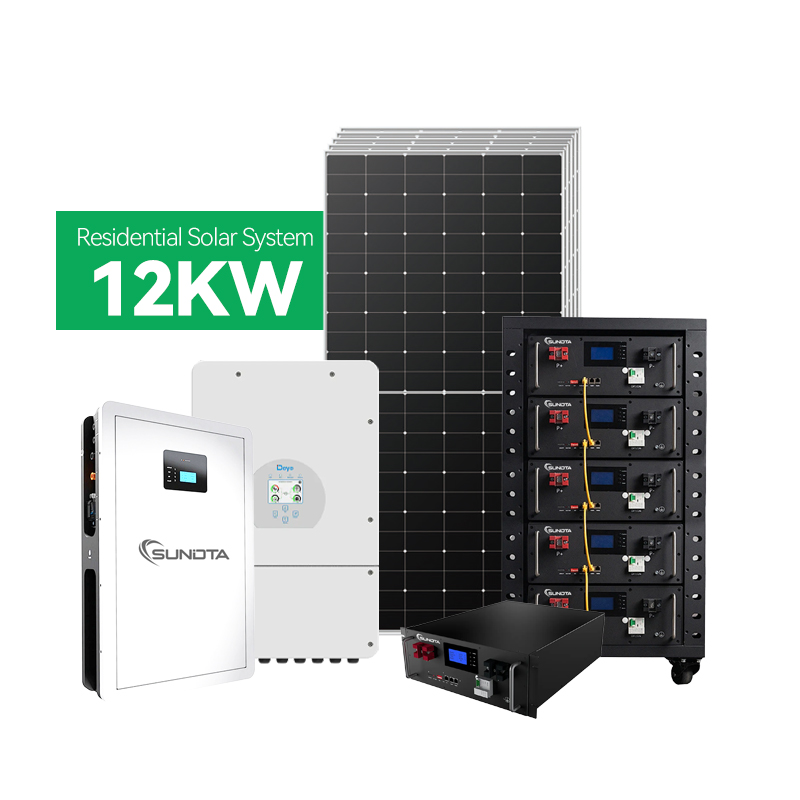
- Split-phase 120V/240V US standard
- High DC/AC loading ratio
- Whole-home backup capacity
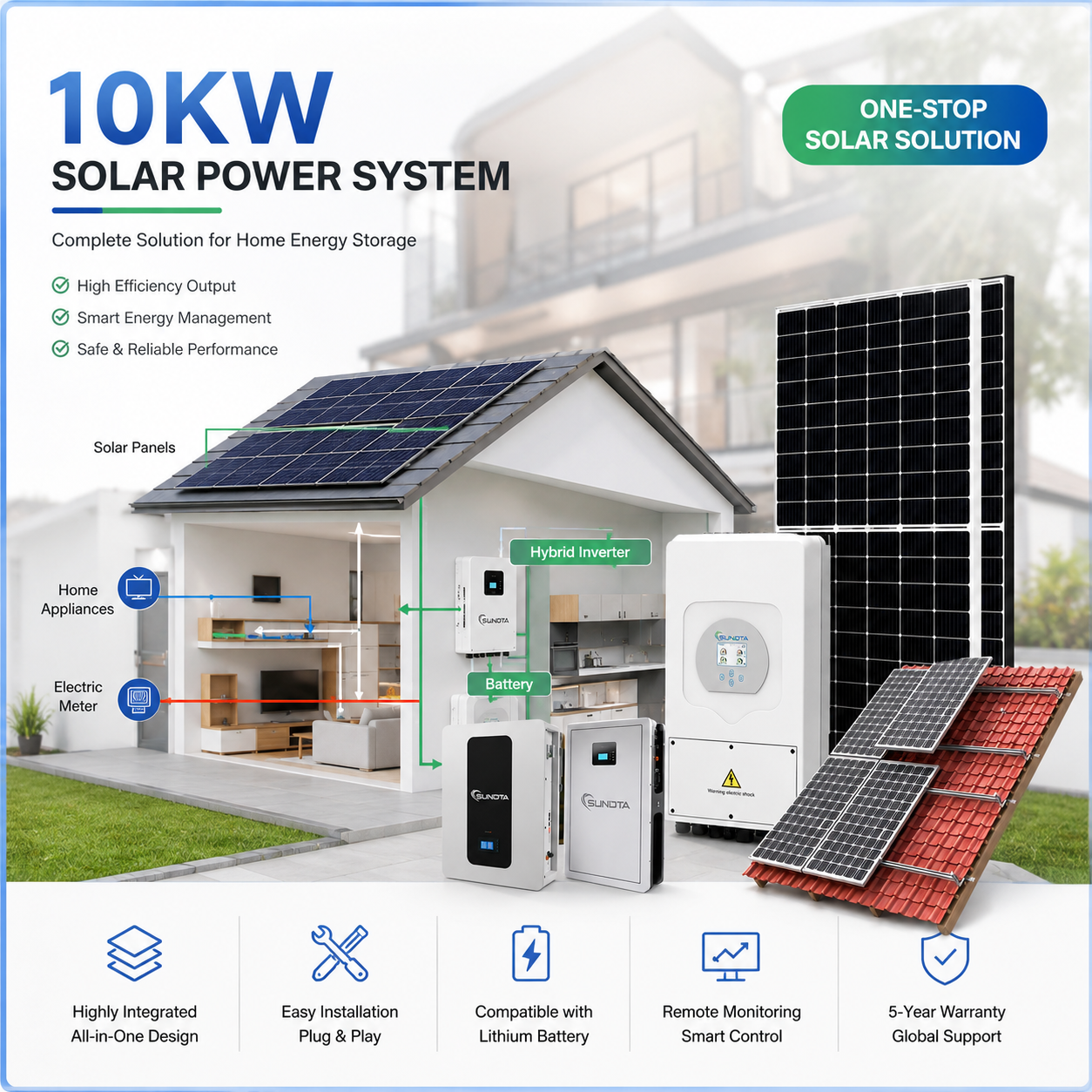
- Multi-string independent tracking
- Optimized for complex urban shadow
- Industrial rack battery enclosures
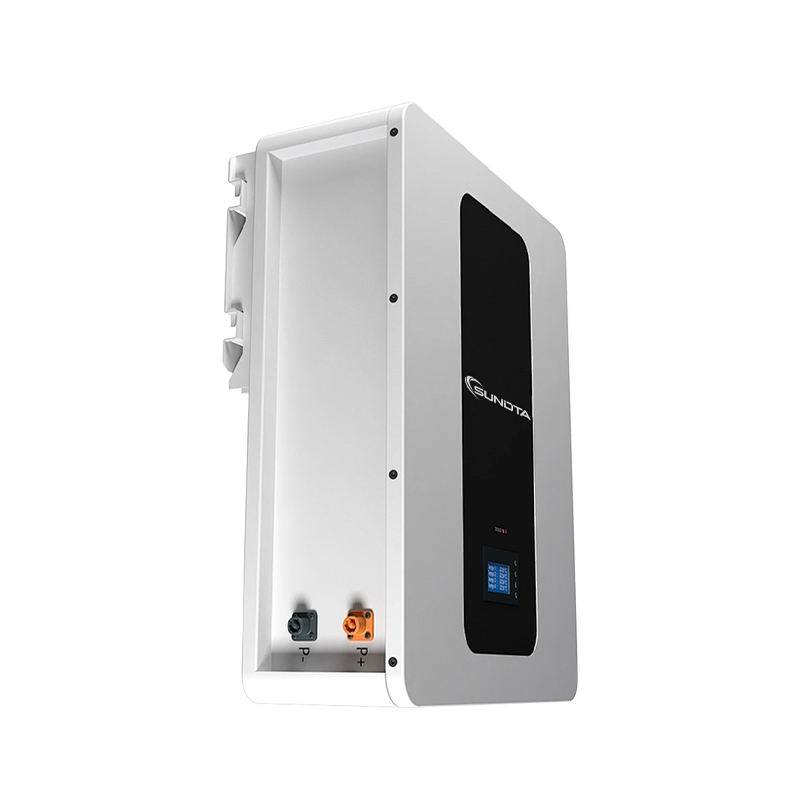
- Marine-fog salt mist certified chassis
- Integrated Smart Thermal Equalizer
- Engineered for damp garage installs
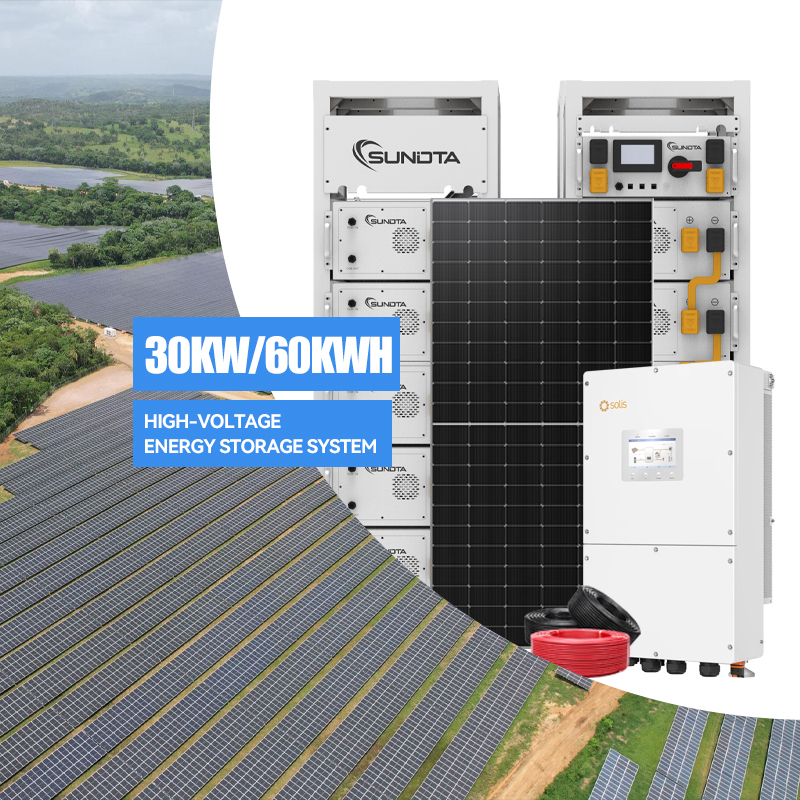
- Rapid cutover UPS backup engine
- High surge current capacity
- Modular scalable containerized rack
San Francisco Solar Mounting Dynamics: Seismic, Marine, and Structural Engineering
The San Francisco Bay Area represents one of the most mechanically and environmentally stringent photovoltaic operating environments in North America. When specifying solar mounting structures and balance-of-system (BOS) equipment for commercial properties in the Financial District, historical residential structures in the Sunset or Mission, or multi-family flat roofs across the East Bay, EPCs cannot treat racking as an afterthought. Structural design must harmonize with ASCE 7-16/7-22 wind standards, CBC (California Building Code) seismic directives, and the aggressive corrosive atmosphere driven by coastal fog.
1. Mitigating Marine Fog & High Salt-Mist Atmosphere (Microclimate Engineering)
Marine layer intrusion from the Pacific Ocean routinely exposes structures to continuous high relative humidity, chloride-laden airborne particles, and thermal shock cycles. Conventional electro-galvanized brackets demonstrate accelerated zinc depletion within 36 to 48 months in districts west of Twin Peaks.
- Structural Aluminum (AL6005-T5/T6): RJV specifies 15–20 µm clear anodized AL6005-T5 extruded rails and clamps, preventing galvanic reaction when mated with high-efficiency anodized solar module frames.
- Stainless Steel Hardware (SUS304 / Marine Grade SUS316): Complete bill-of-materials fasteners are provided in passivated stainless steel with anti-seize coating, completely eliminating inter-granular stress corrosion cracking.
- Galvalume and C-Channel Ground Posts: For open terrain installations in Alameda or Santa Clara county, hot-dipped galvanization exceeding ASTM A123 standards (>85 µm coating thickness) provides 30-year subterranean survivability against acidic Bay sediments.
2. Seismic Force Distribution (California Title 24 & CBC Zone 4 Compliance)
San Francisco sits within the active perimeter of the San Andreas and Hayward fault systems. Ballasted flat roof systems common to low-slope commercial properties cannot rely on gravitational friction alone. Building departments (DBI SF) require documented dynamic slide-and-tilt structural calculations.
- Non-Penetrating Integrated Wind Deflectors: Precision-formed aerodynamic rear wind shields convert turbulent San Francisco Bay gusts into net downward force, drastically reducing overall counterweight ballast requirements and preserving historical roof dead-load limits.
- Seismic Strut & Cross-Tether Reinforcement: When ballasted racking exceeds specific module block counts, structural shear anchors transfer lateral vibrational accelerations into localized structural building columns without puncturing delicate waterproof membranes (TPO/PVC/EPDM).
- Integrated Bonding Paths (UL 2703 Standard): Integrated grounding pins across mid-clamps pierce anodized anodization layers, establishing certified continuous earth paths resistant to seismic-induced micro-shifting.
3. Wind Uplift Pressures Along Ridge and Coastal Zones
From the Presidio down the oceanfront through Pacifica, localized winds channel through coastal terrain at sustained design velocities up to 110–120 mph (Risk Category II). Mounting geometries require exact calculation of edge and corner zone localized vortex forces:
- Clamping systems calibrated to dynamic pull-out pressures exceeding 2,400 Pa mechanical down-load and 5,400 Pa wind uplift.
- Adjustable tilt-bracket configurations engineered between 5° and 15° to balance optimal solar irradiation capture against aggressive aerodynamics drag coefficients.
San Francisco Bay Area Application Scenarios
Field-proven structural applications configured for diverse architectural topographies across San Francisco and Northern California.
Victorian & Edwardian Heritage Roofs
Non-invasive standing-seam and tile-hook mounting solutions tailored for the fragile timber frames of historic Victorians in Pacific Heights and Haight-Ashbury without compromising historic architectural integrity.
SOMA & Mission District Commercial Flat Roofs
Zero-penetration aerodynamic ballasted racking for industrial distribution hubs and tech corporate headquarters, preventing punctures on multi-layer built-up asphalt and reflective TPO cool membranes.
Peninsula & Silicon Valley Solar Carports
Heavy-gauge cantilevered structural steel canopies tailored for commercial parking garages and tech campuses, combining bifacial panel mounting with EV charging power infrastructure.
Wine Country & East Bay Ground Mounts
Ram-post and helical screw terrain-adaptive ground mounts engineered for rolling topography across Sonoma, Napa, and Contra Costa properties where concrete footing excavation is constrained.
Local Regulatory & Market Development Trends
Navigating policy shifts, grid constraints, and equipment evolutions across California's renewable energy sphere.
California NEM 3.0 / Net Billing Adaptation
With utility export credits reduced by approximately 75–80%, standalone solar without local battery storage yields unfavorable economics. RJV's racking and electrical packages are pre-engineered to seamlessly interface DC-coupled LiFePO4 batteries, maximizing self-consumption and sheltering commercial buyers from severe PG&E peak-demand charges.
San Francisco Better Roofs Ordinance Compliance
San Francisco Planning Code mandates solar PV or living roof installations on most new commercial and residential construction projects. Our high-density structural racking systems deliver optimized wattage-per-square-foot ratios, satisfying strict municipal mandated clean power targets within tight roof boundaries.
Wildfire Defense & Microgrid Islanding
Public Safety Power Shutoffs (PSPS) by California utilities frequently destabilize regional business continuity. Bay Area installations increasingly specify rugged hybrid inverters with microsecond-grade automatic transfer switching (ATS) and marine-rated outdoor battery enclosures designed to operate continuously under isolated off-grid circumstances.
Enterprise Strengths & Global Supply Authority
Why Tier-1 developers, regional distributors, and engineering contractors partner with Anhui RJV New Energy Co., Ltd.
TÜV Rheinland Assessed & AAA Rated
Our Hefei integrated manufacturing facility has undergone rigorous on-site verification by TÜV Rheinland. Holding an industry-leading AAA credit index rating, we safeguard high-volume B2B contract commitments, cross-border letters of credit, and programmatic procurement rollouts.
Full Automated 2 GW Module & BOS Line
Operating precision automated robotic production lines, RJV backs every solar component with 12+ years of manufacturing experience, 38 registered patents, and thorough EL (electroluminescence) inspection to guarantee zero micro-fractures prior to trans-oceanic packaging.
Complete Turnkey Bill-of-Materials (BOM)
We eliminate supply chain fragmentation. By synchronizing structural mounting hardware, high-yield TOPCon or bifacial panels, factory-authorized Solis or Deye hybrid inverters, and safe LiFePO4 batteries into a single containerized shipment, we protect EPCs from on-site integration discrepancies.
Global Logistics & Incoterms Execution
Deep familiarity with US West Coast entry logistics via the Port of Oakland. Supporting flexible delivery frameworks including FOB, CFR, CIF, and EXW, accompanied by meticulous customs packs (UL/CE declarations, IEC flash test certificates, serial manifests, and packaging data).
San Francisco B2B Buyer Procurement FAQ
Direct technical answers addressing structural certification, logistics clearance, and local compliance questions.
Do your mounting systems provide PE wet stamp calculation packages for California building departments?
What is the minimum order quantity (MOQ) for custom mounting components and PV containers?
How does the anodized aluminum and stainless steel hardware resist coastal marine fog near the Pacific Ocean?
Are your lithium storage systems compatible with commercial inverter protocols like Solis and Deye?
What Incoterms and shipping routes are utilized for San Francisco Bay Area buyers?
Engineering Your Next Bay Area Solar Deployment?
Connect with our technical sales division to receive certified structural datasheets, factory-direct container quotations, and fully customized mounting system schedules within 24 hours.