Whole-House / C&I
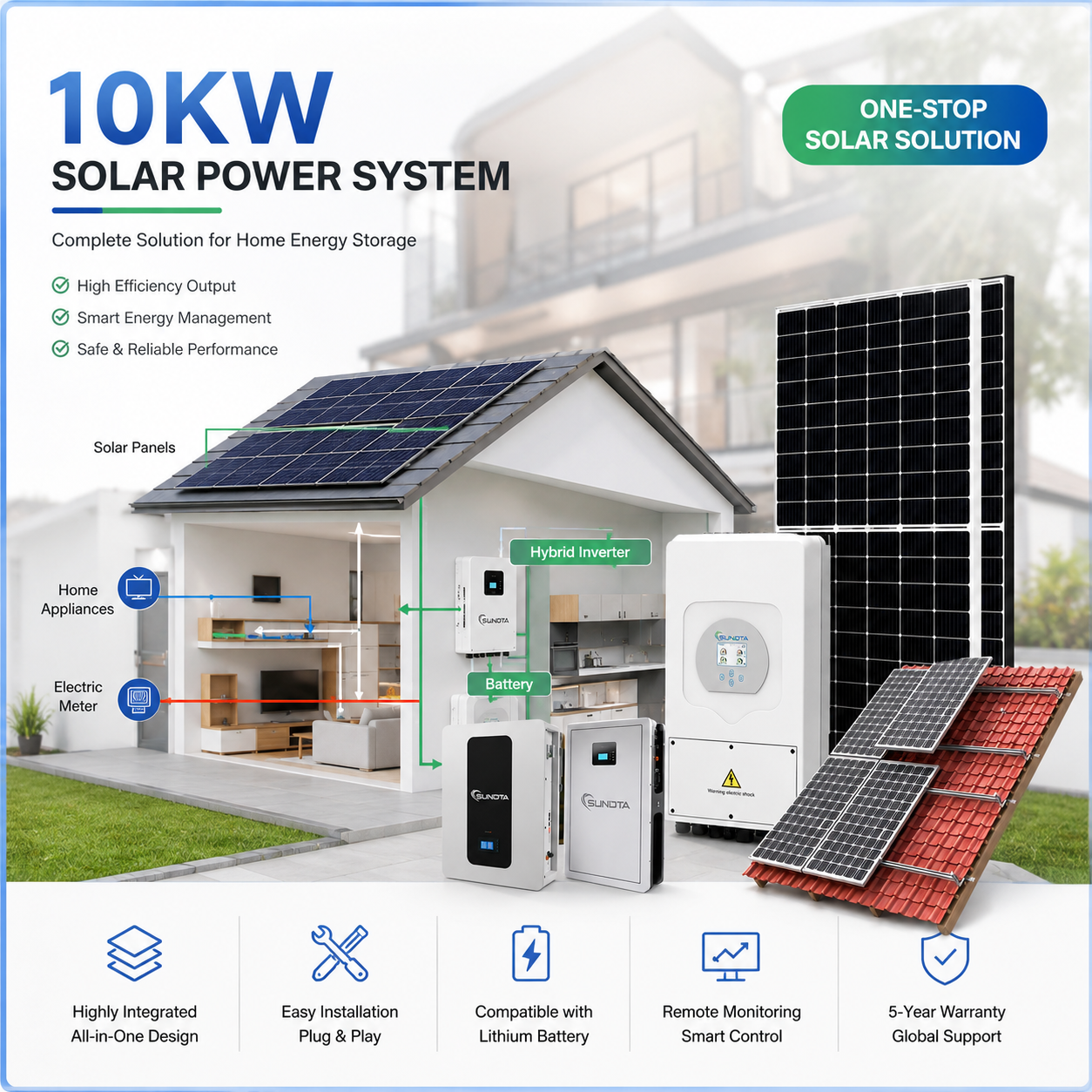
15kW-50kW High-Efficiency Hybrid Solar Power System with Smart MPPT
- Dual/Quad MPPT Trackers
- 48V & High-Voltage Storage Ready
Industrial Whitepaper & B2B Engineering Guide: Deploying Ultra-Resilient LiFePO4 Chemistry, High-Voltage Stacking Architectures, and Turnkey Solar-Storage Microgrids Across Ashgabat, Balkanabat, and Turkmenbashi.
Engineered for high-temperature desert climates and remote infrastructure resilience. Precision matched with CAN/RS485 closed-loop communication for seamless Turkmen grid compliance.
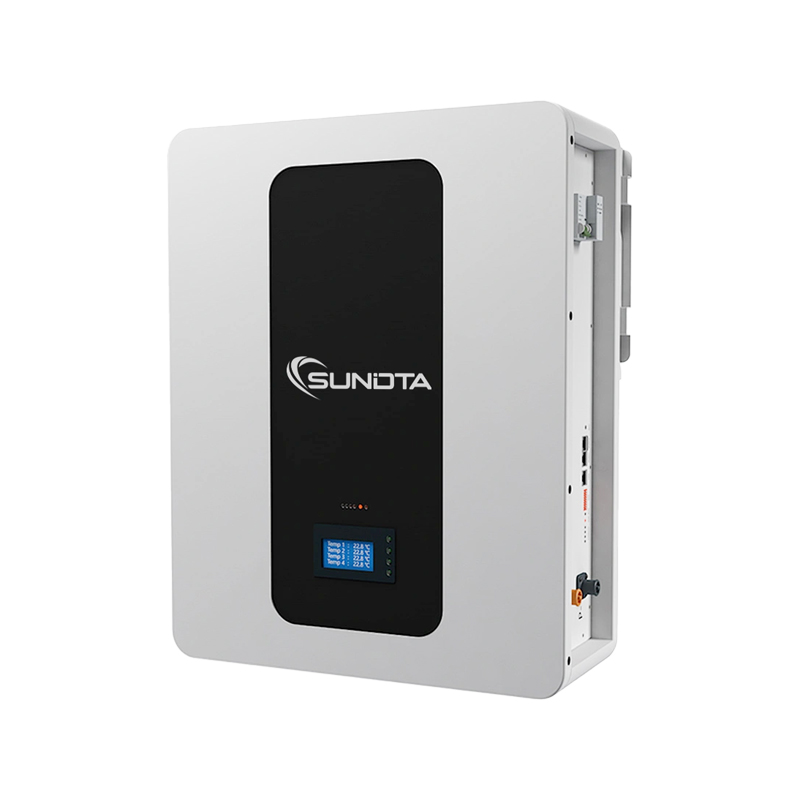
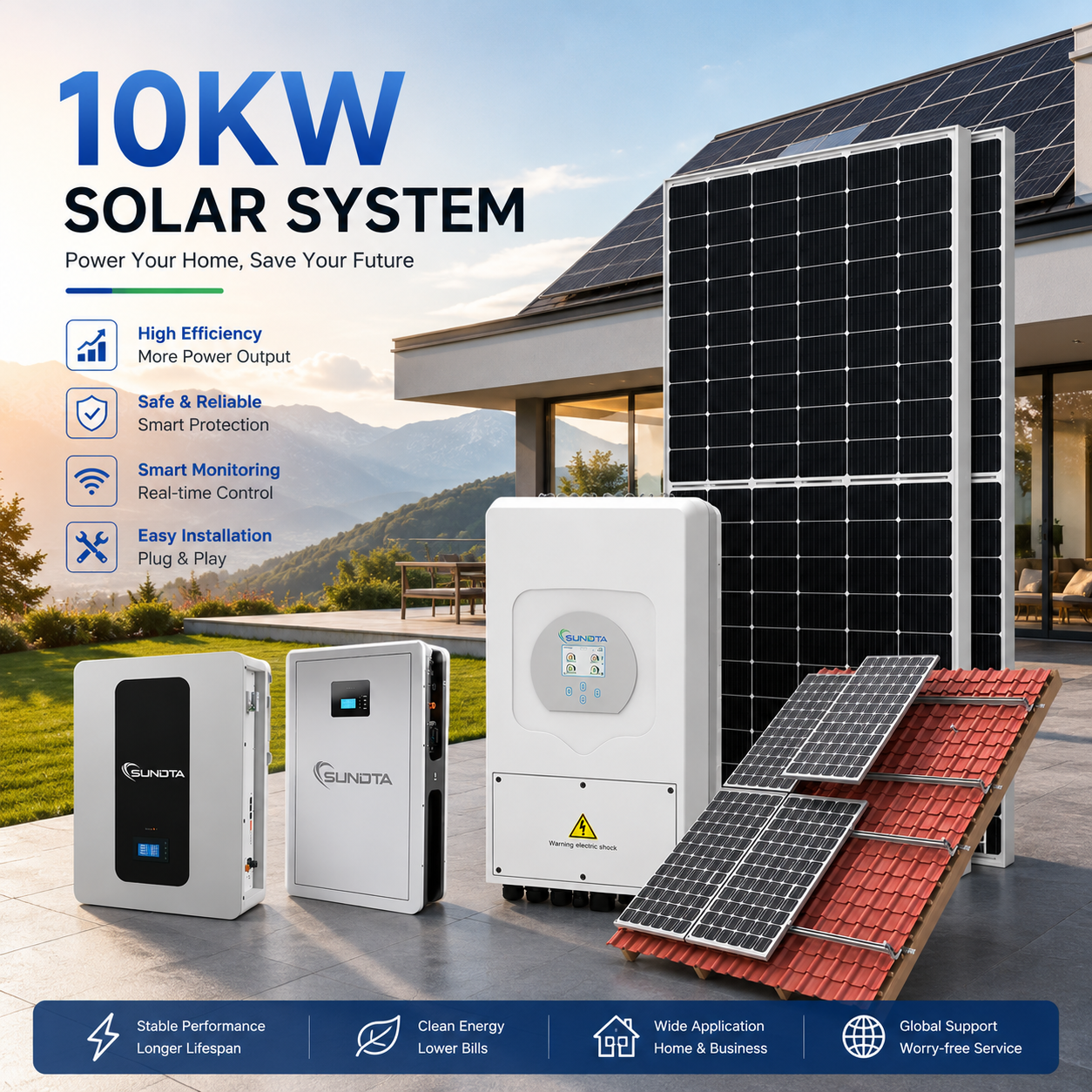
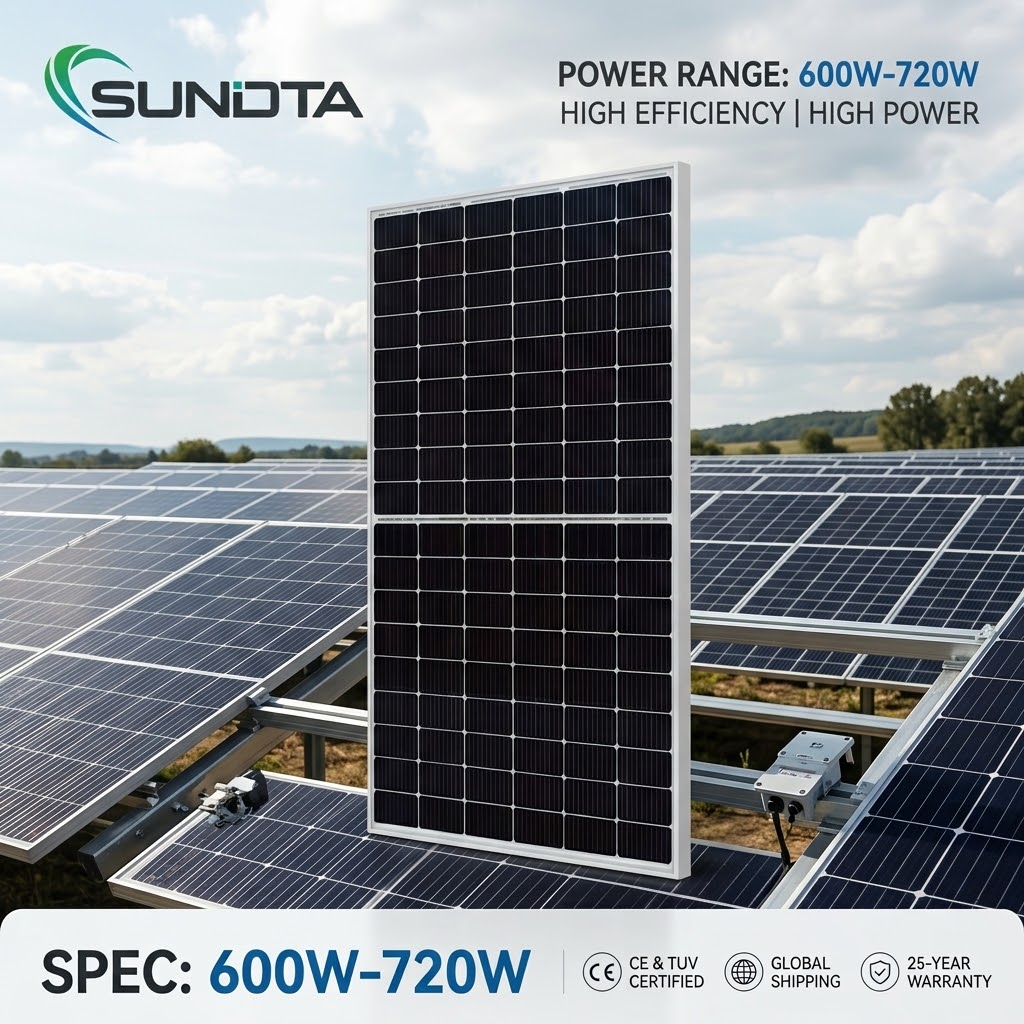
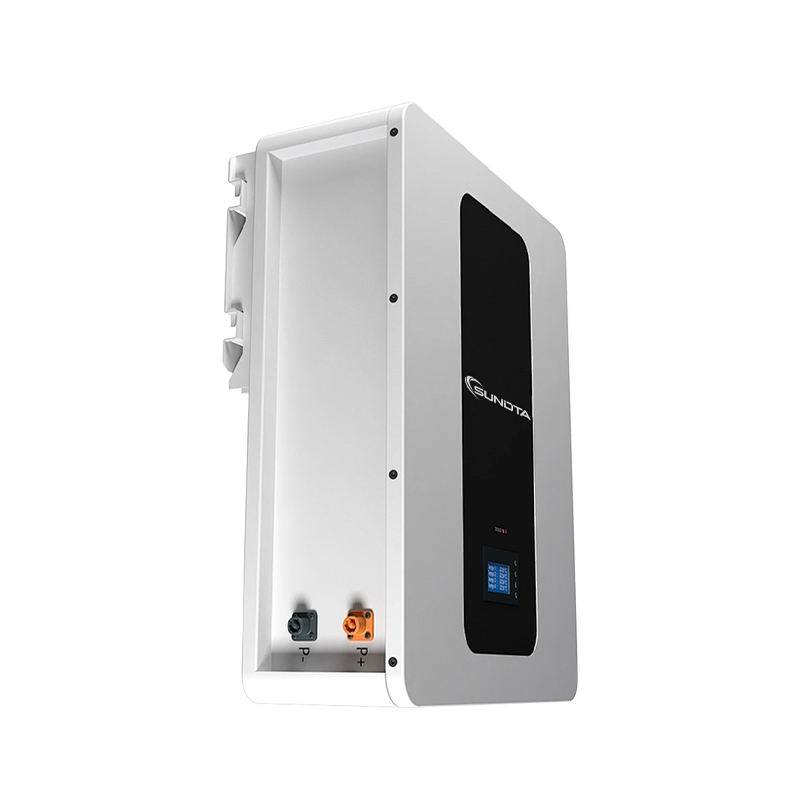
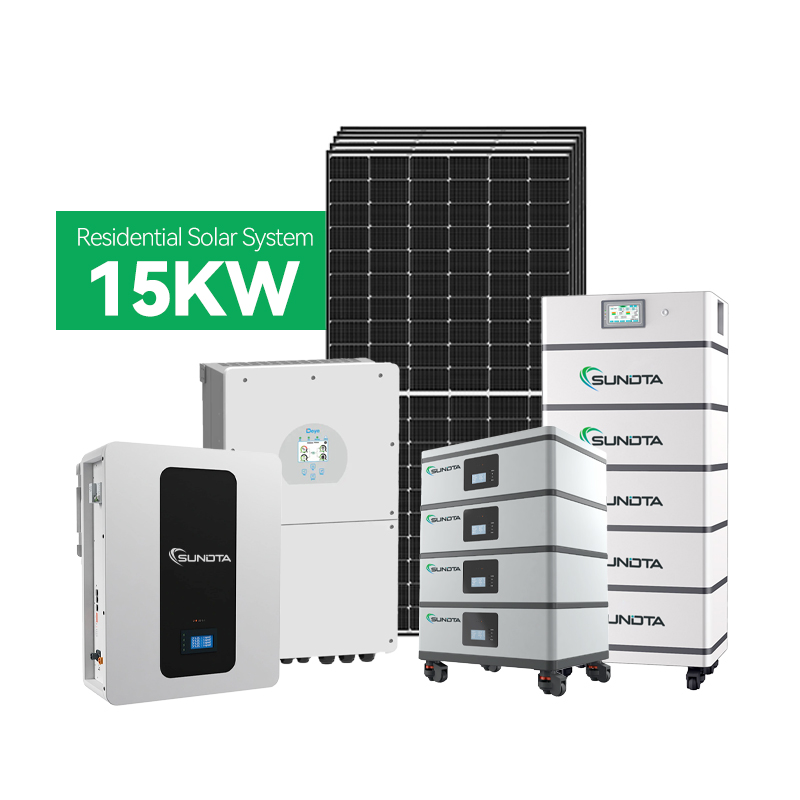
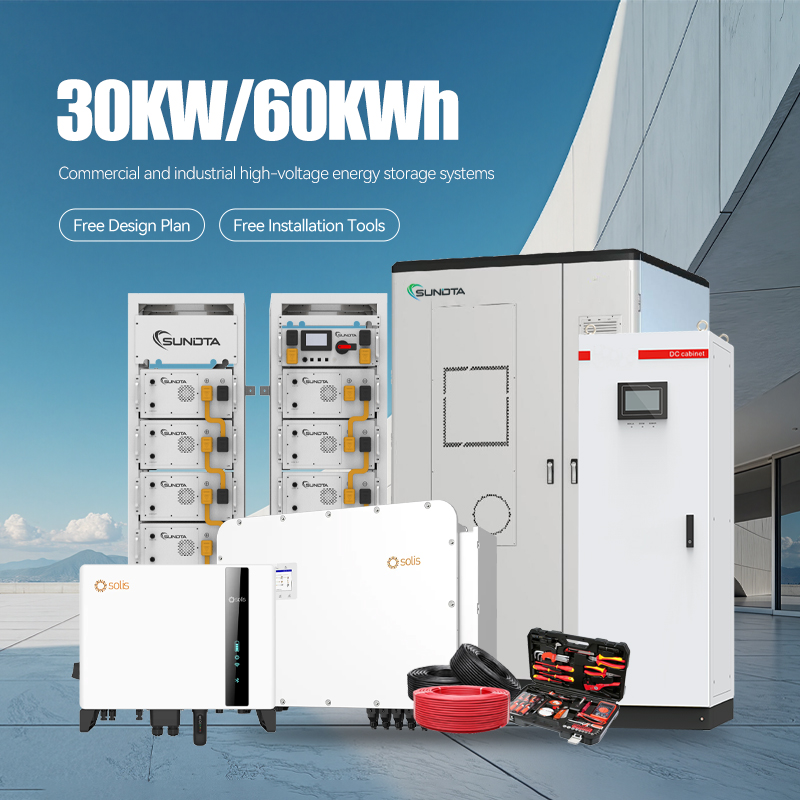
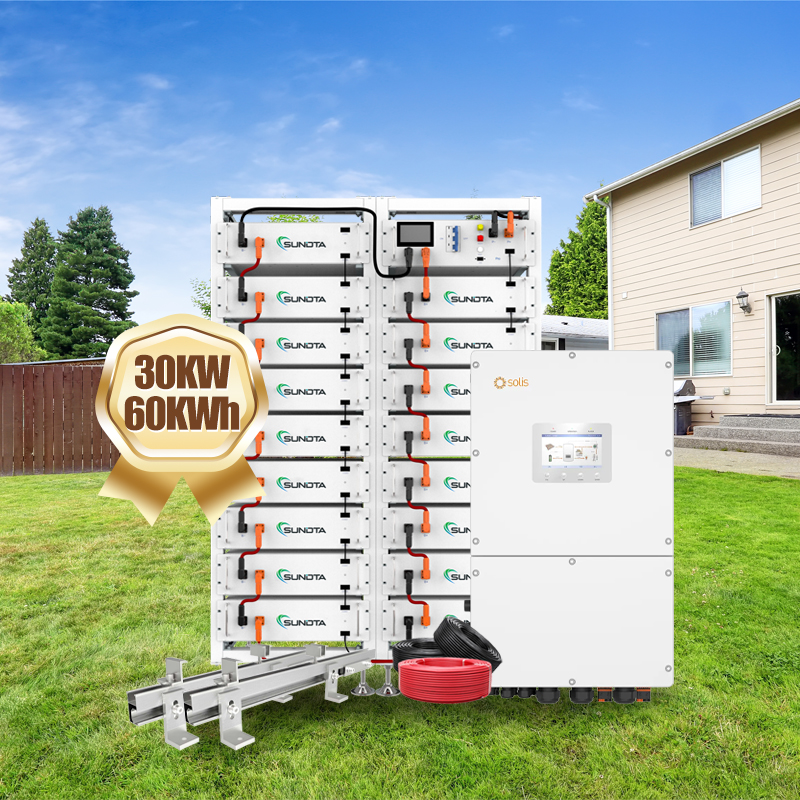
Deploying energy storage in the Republic of Turkmenistan involves unique engineering parameters. Characterized by an intensely arid continental climate with summer ambient temperatures surpassing 45°C to 50°C in the Karakum Desert, alongside severe winter freezing, conventional lead-acid and unconditioned ternary lithium systems face accelerated thermal degradation. Anhui RJV New Energy engineers stackable LiFePO4 configurations built around stable Lithium Iron Phosphate chemistry, integrating active cell-level thermal equilibrium architectures and intelligent battery management units that ensure prolonged lifecycle operation across challenging local scenarios.
Modern architectural projects and high-end residential developments in Ashgabat demand clean, whisper-quiet energy storage with zero indoor emissions. RJV's stackable modular systems offer space-saving vertical footprints with IP65-rated enclosures that fit seamlessly into equipment closets, basements, or luxury garage areas.
Remote telemetry stations, SCADA networks, and cathodic pipeline protection sites across the Karakum gas fields cannot tolerate blackouts. Stackable HV lithium storage paired with Solis or Deye hybrid inverters ensures continuous 24/7 power autonomy, decoupling field communication from unstable transmission branches.
The Caspian coastal port environment of Turkmenbashi experiences heavy salt air and corrosive humidity. RJV utilizes electrophoretic aluminum frames, anti-corrosive powder coatings, and sealed battery terminals to resist marine environmental degradation while supplying uninterruptible power for cold-chain facilities.
Analyzing the intersection of state-level energy modernization, natural gas diversion economics, and modern distributed photovoltaic infrastructure.
Historically dominated by state-subsidized natural gas power production, Turkmenistan's macroeconomic energy policy has embarked on an aggressive transition driven by the "National Strategy on Renewable Energy Development." With solar irradiation levels averaging an impressive 1,700 to 2,000 kWh/m² per annum, distributed generation presents immense commercial value.
| Technology Parameter | Traditional Lead-Carbon / AGM | RJV Prismatic Stackable LiFePO4 | Turkmen Local Advantage |
|---|---|---|---|
| Thermal Stability Limit | Up to 35°C (Lifespan Halved per 10°C rise) | Stable up to 55°C without active chilling | High Desert Resilient |
| Usable Depth of Discharge (DoD) | 50% recommended (Max 60%) | 90%–95% DoD Continuous | 2x Usable Capacity |
| Cycle Durability (@ 25°C, 0.5C) | 800 – 1,200 Cycles | 6,000 – 8,000 Cycles | 10–15 Year Longevity |
| Footprint & Expandability | Heavy, fixed layout, low energy density | Stackable plug-and-play modular racks | Flexible Scale 5-100kWh |
| Communication Protocols | Analog or rudimentary telemetry | Native CAN & RS485 for Solis/Deye/Growatt | Closed-Loop BMS Logic |
A key macroeconomic shift is the monetary valuation of natural gas: every cubic meter of methane conserved via solar-plus-storage generation can be monetized via export pipelines toward regional international trade hubs. Consequently, EPC contractors and agricultural conglomerates in Mary and Lebap velayats are deploying distributed mini-grids with stackable batteries to eliminate diesel logistics in desert farming wells and remote animal husbandry complexes.
Direct sourcing from our Hefei manufacturing headquarters provides technical consistency, verified certifications, and complete component harmony across the entire balance of system (BOS).
Full manufacturing audit compliance. We maintain strict cell grading with A-grade prismatic LiFePO4 cells, certified according to CE, UN38.3, and IEC 62619 standards for international shipping and high-voltage grid deployment.
Avoid finger-pointing between battery and inverter suppliers. We pre-flash and bench-test protocol firmware for Deye, Solis, and Growatt inverters before shipping containerized orders to Central Asia.
Well-established overland logistics via China-Europe / Central Asia freight corridors directly reaching Ashgabat, Farap, and Balkanabat. We supply turnkey UN certified battery packaging and dangerous goods (DG) compliance declarations.
Dedicated project sizing engineers calculate exact PV array capacities, storage autonomy thresholds, and DC busbar ratings. Complete English technical data packs and wiring schematic support provided for local installation crews.
Clear, direct answers regarding customs clearance, thermal management, protocol integration, and flexible B2B order terms.
Our stackable battery systems utilize Tier-1 automotive-grade prismatic LiFePO4 cells designed with a wide operational window of -20°C to +60°C. The built-in intelligent Battery Management System (BMS) continuously monitors temperature sensors embedded at individual cell clusters. If internal cell heat exceeds 50°C, the BMS dynamically adjusts the C-rate charge current to mitigate ohmic heating, while our extruded aluminum enclosures deliver rapid natural convection cooling. For extreme C&I installations, we supply climate-controlled external enclosures.
Our BMS firmware is equipped with native CAN and RS485 communication protocols compatible with major inverter brands prevalent across Central Asia and the CIS region, including Deye, Solis, Growatt, Victron, and GoodWe. When pairing our batteries with our supplied hybrid inverters, closed-loop handshaking is achieved automatically without external gateway adapters, allowing the inverter to adjust real-time charging curves based on precise state-of-charge (SOC) and cell voltage feedback.
We routinely export to Central Asian hubs using China-Europe overland railway container freight (CR Express) via Alashankou/Khorgos, terminating at Farap or Ashgabat, as well as multimodal road freight. Average transit time ranges from 18 to 28 days depending on the routing. We supply full Dangerous Goods (DG) documentation, UN38.3 test summaries, MSDS, Certificate of Origin (CO), commercial invoices, and packing lists ready for smooth customs clearance by the State Customs Service of Turkmenistan.
To support EPC trial projects and distributor market entry, sample stackable lithium battery units and complete residential kits (5kW–15kW) have an MOQ of just 1 set. Full container loads (20GP/40HQ) qualify for custom branding (OEM colorways, silkscreen logo printing, and customized software boot screens). We support standard international payment terms including T/T and confirmed documentary Irrevocable Letters of Credit (L/C at sight).
Yes. Our modular architectures are engineered for scalable expansion. For 51.2V low-voltage systems, additional 5kWh or 10kWh battery modules can be paralleled up to 15 units (exceeding 150kWh total) with self-addressing DIP switches. In high-voltage series towers, our modular master-slave high-voltage controller auto-calibrates individual module voltages, facilitating straightforward capacity upgrades as household or commercial energy demands expand over time.
Whether you require a single container of high-density stackable LiFePO4 batteries or an engineered turnkey solar microgrid for regional deployment, Anhui RJV New Energy provides direct factory pricing, documented warranties, and swift Central Asian delivery.