Precision Solar Conversion & Storage Portfolio for Tajikistan
Engineered for seamless integration under severe continental thermal swings, unbalanced rural grids, and intense montane solar irradiation across Sughd, Khatlon, and the Pamirs.
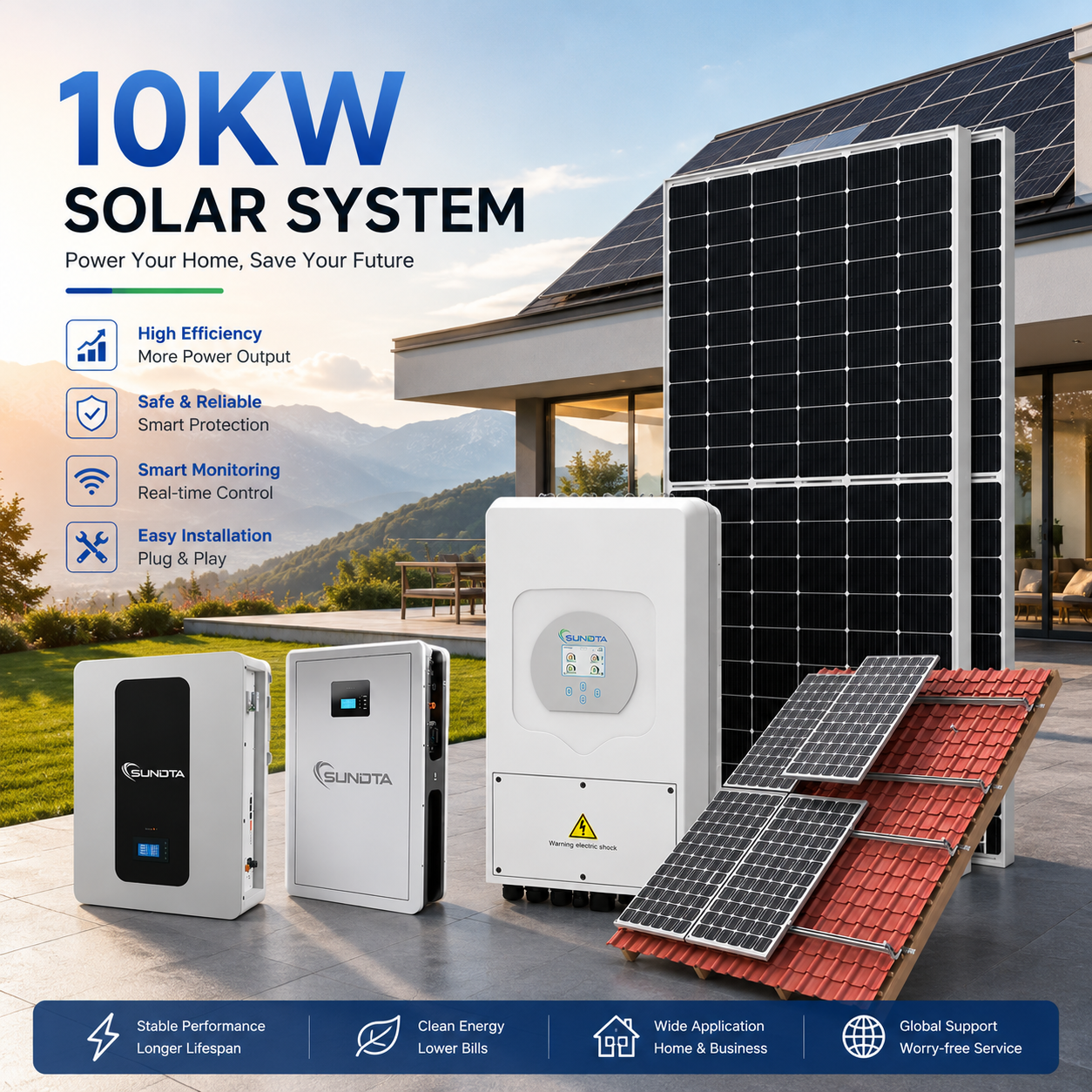
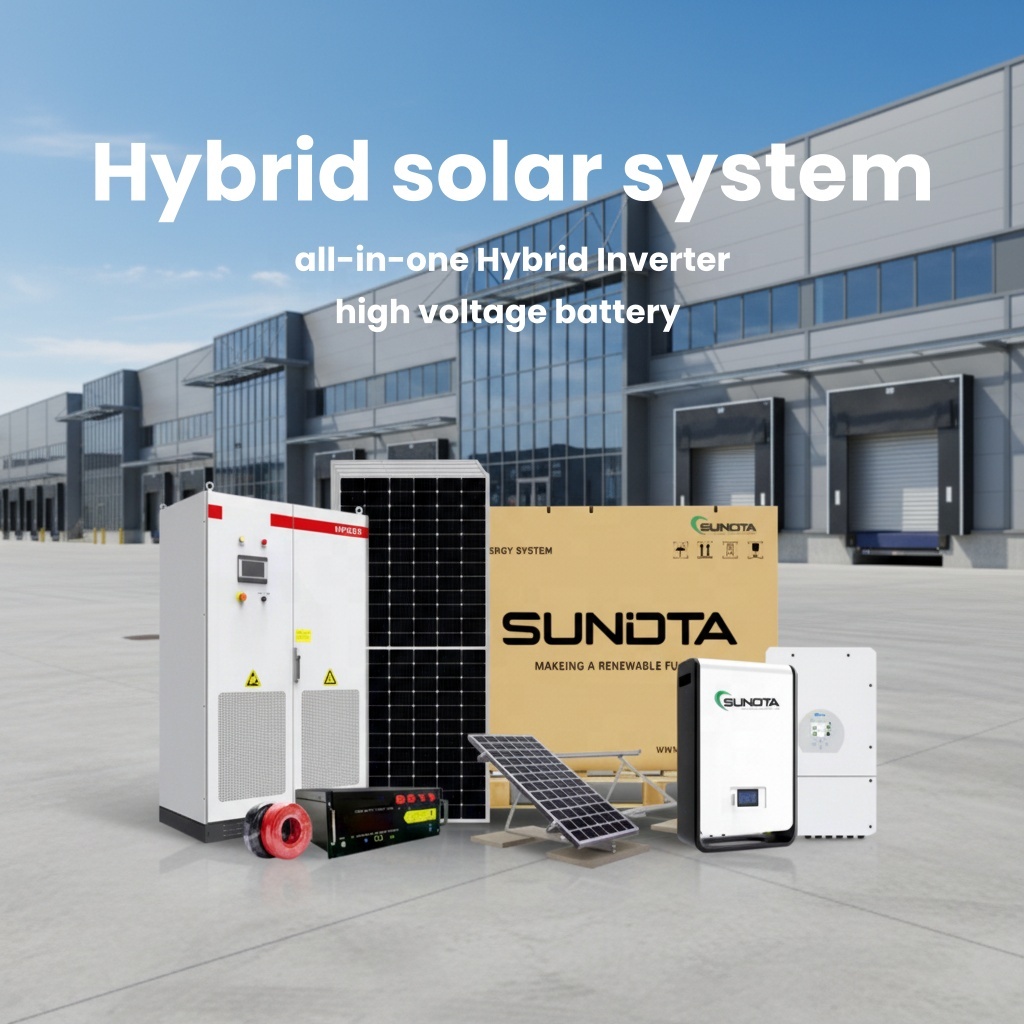
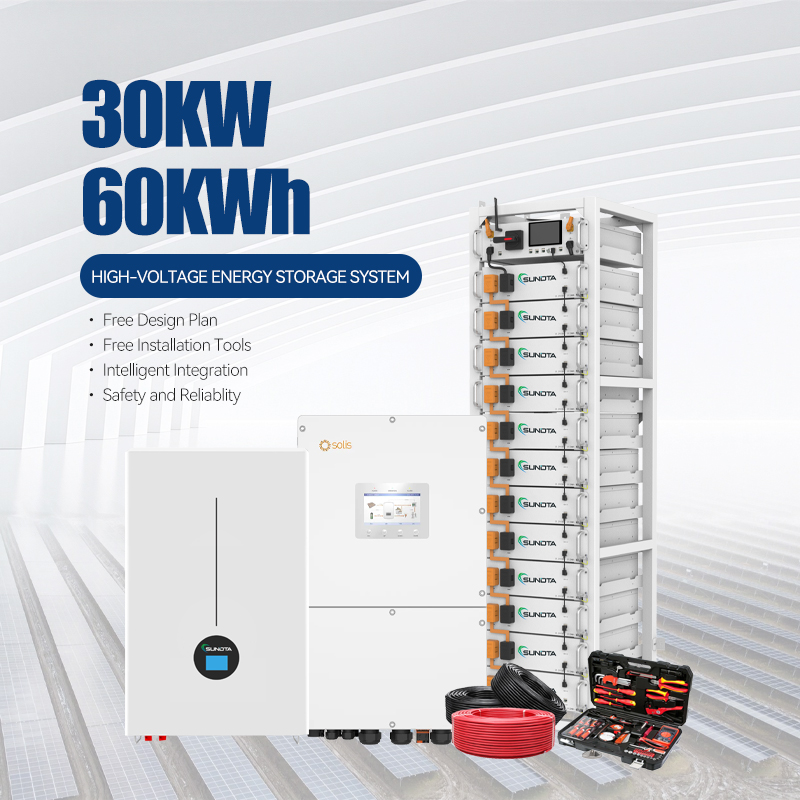
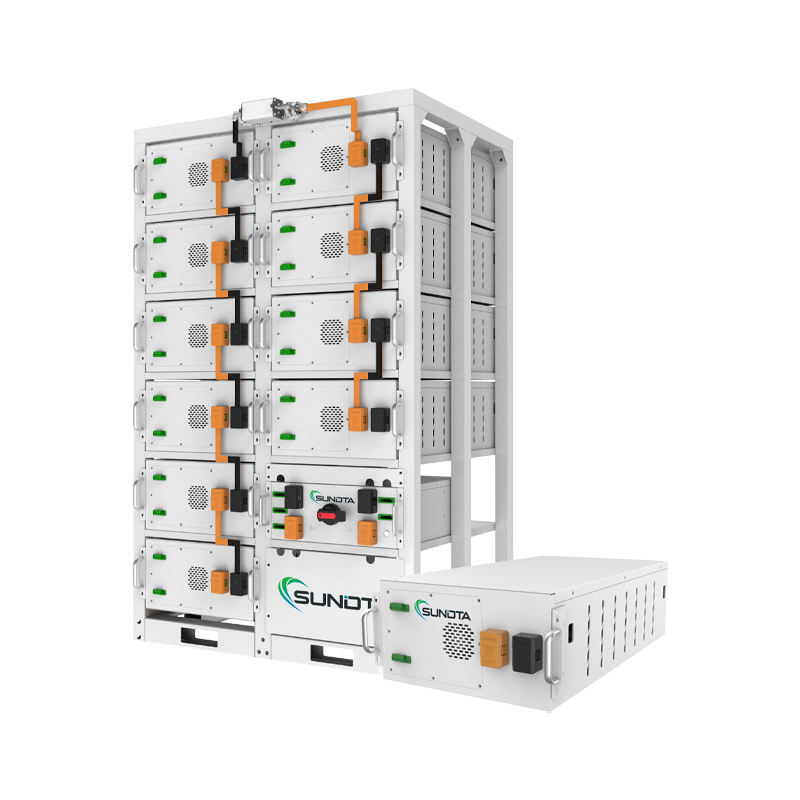
Engineering String Inverters for Tajikistan's Unique Terrain
Tajikistan presents an extraordinary combination of high-altitude irradiance, intense alpine thermal expansion, and hydro-dominated transmission networks. Standard commercial equipment frequently derates or trips prematurely without dedicated localized topologies.
Mitigating Barki Tojik Grid Volatility
Outside Dushanbe and Khujand, rural transmission lines encounter extreme voltage fluctuations (±22% deviation) and transient harmonics caused by seasonal hydropower shifting. Our string inverters integrate adaptive ultra-wide MPPT tracking (150V–1000V) coupled with customizable Low-Voltage Ride-Through (LVRT) firmware to guarantee uninterrupted conversion without grid disconnections.
High Altitude (3,000m+) Dielectric & Thermal Balance
Over 90% of Tajikistan is mountainous. The lower atmospheric pressure reduces the dielectric strength of cooling air and diminishes convective heat transfer. Our factory utilizes oversized internal heatsinks, forced smart-air fan cooling channels, and upgraded electrical clearances rated for derating resistance up to 3,500 meters above sea level.
Albedo Multiplication in Pamir Glacial Snowfields
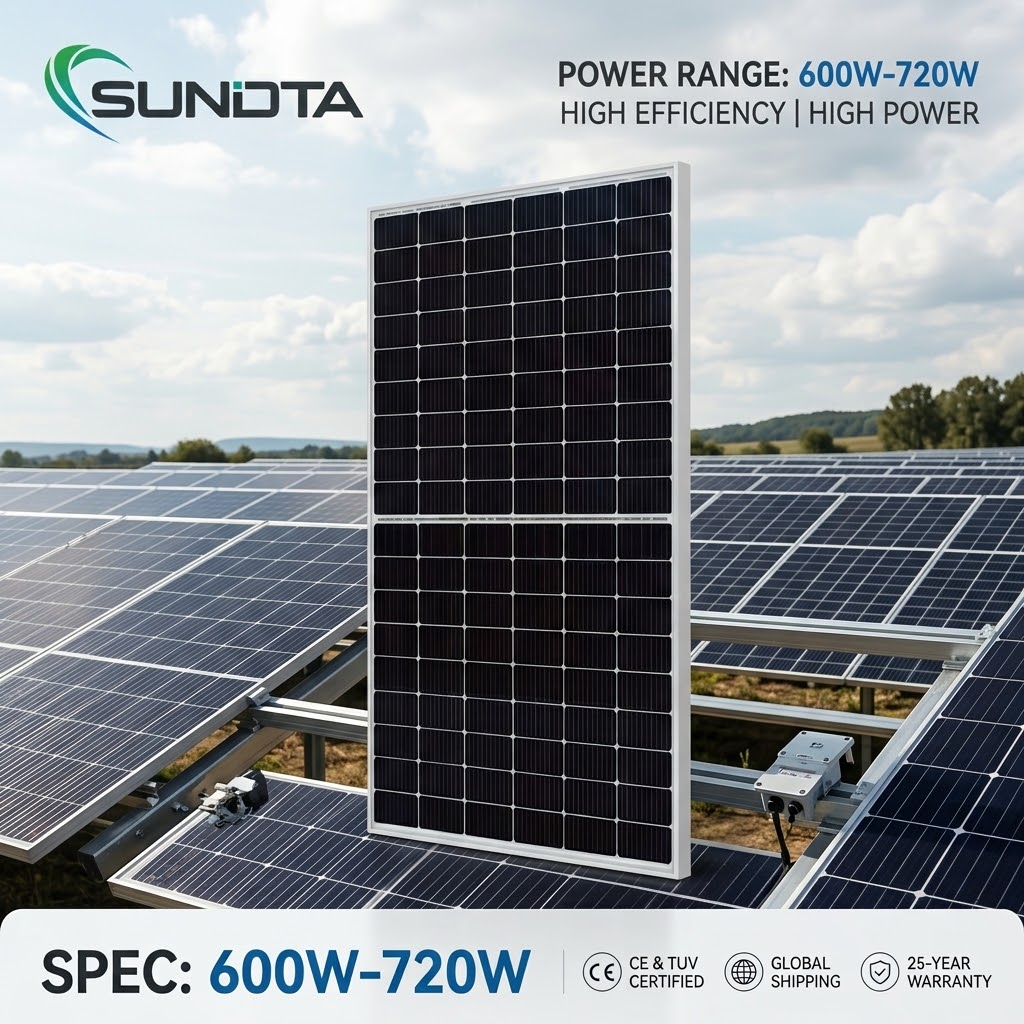
In high-elevation montane regions, snow reflection yields up to 30% additional bifacial solar generation. Our factory string inverters are tailored with higher DC input current headroom (up to 20A per string) to capture midday rear-side power surges without clipping, pairing directly with 550W–595W bifacial modules.
Macro Trends Transforming Solar Procurement in Tajikistan
Tajikistan is actively executing its National Development Strategy, aiming to diversify beyond the Rogun and Nurek hydropower baseloads by scaling utility and decentralized solar photovoltaics.
Winter Energy Deficit Compensation
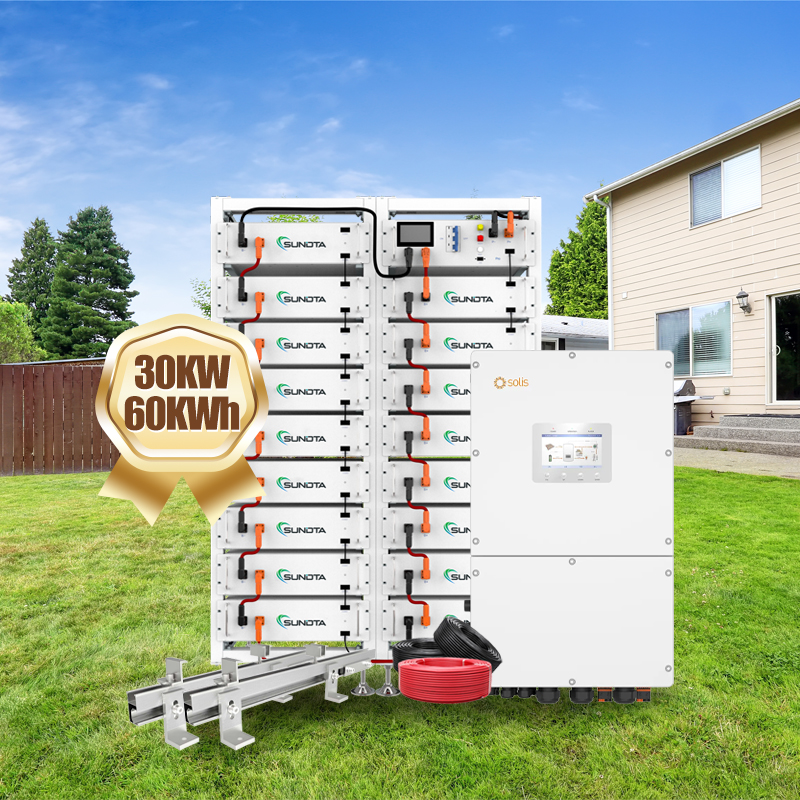
During cold winters, glacial water flow sharply decreases, prompting strict residential and agro-industrial power quotas in suburban valleys. Distributed string inverters linked with LiFePO4 battery banks are transitioning from luxury installations to vital operational assets for agribusiness, flour mills, and textile operations across Khatlon.
Multilateral Financing (EBRD / ADB / WB)
International climate lenders are funding multi-megawatt hybrid microgrids along the Amu Darya river basins and GBAO border areas. Winning tenders require string inverters manufactured under stringent ISO/CE controls, with verified flash testing, low harmonic distortion (THDi <3%), and TÜV Rheinland factory documentation.
C&I Self-Consumption Payback Thresholds
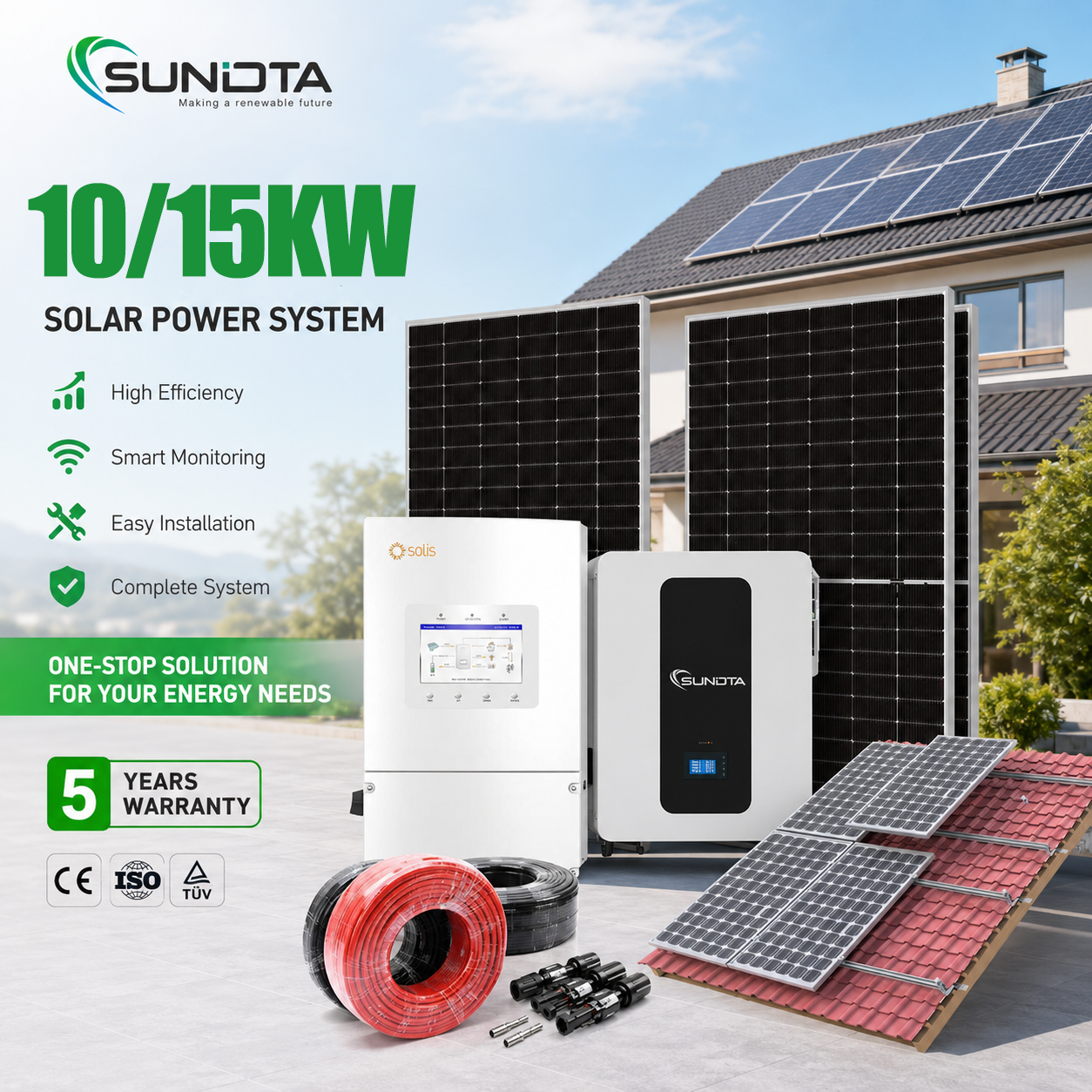
With anticipated electricity tariff reforms for industrial enterprises, commercial payback cycles for three-phase string solar inverters (10kW to 125kW) have condensed to under 4.2 years. Rooftop installations across cotton processing plants and cold storage facilities deliver reliable ROI against fluctuating utility fee schedules.
Direct OEM/ODM String Solar Inverter Supply for Tajikistan EPCs
Need comprehensive string inverter datasheets, altitude derating curves, or full container-load FOB/CIF quotes to Dushanbe or Khujand? Our engineering sales team delivers turn-key technical proposals within 24 hours.
Why Central Asian Importers Trust RJV New Energy
Eliminating mismatch failure modes and transit friction through vertically coordinated research, quality verification, and multimodal logistic coordination.
2.0 GW Automated Capacity
From our state-of-the-art production base in Hefei, Anhui, our fully automated lines maintain rigid consistency. With over 12 years of specialized PV and power conversion manufacturing, our products hold 38 proprietary technology patents.
TÜV Rheinland Assessed
Our operations have undergone rigorous on-site inspection by TÜV Rheinland. Full CE conformity declarations, IEC 61215/61730 test documents, and UN38.3 battery transport compliances accompany every consignment.
Integrated Protocol Matching
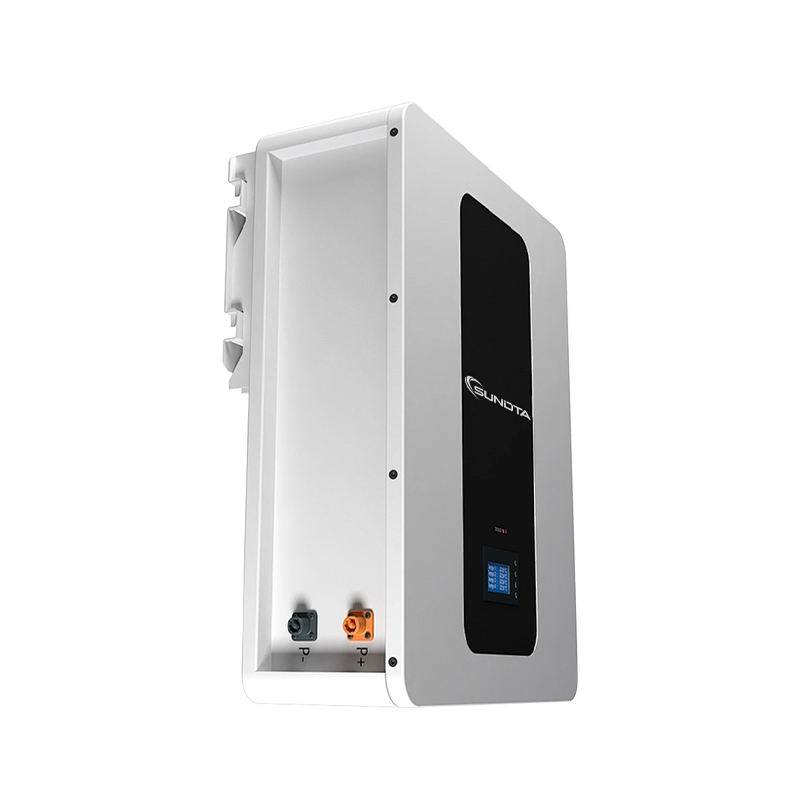
We eliminate inverter-to-battery commissioning deadlocks. All low-voltage (51.2V) and high-voltage string battery units support pre-coded CAN / RS485 communication protocols matching Deye, Solis, and RJV architectures.
Central Asia Route Optimization
Experienced with China-Central Asia railway links and Khorgos cross-border transit routines, guaranteeing secure container packing, comprehensive custom documentation, and full tracking directly to Tajik logistics depots.
Frequently Asked Questions by Tajik EPCs & Traders
Key technical, financial, and logistical insights addressing common challenges faced by Central Asian project planners.
How do RJV string inverters handle high-altitude derating in mountain regions like Khorog or Murghab?
Above 2,000 meters, thinner air diminishes standard heat dissipation efficiency and lowers the dielectric breakdown threshold of semiconductors. Our factory outfits high-altitude string solar inverters with enlarged internal IGBT heat spreaders, advanced convective fan curves, and components insulated up to 4,000 meters. Power derating typically begins only past 3,000m, preventing midday energy curtailment in elevated valleys.
Are these inverters compatible with three-phase 380V/400V grids that exhibit frequent neutral imbalance?
Yes. Our three-phase string and hybrid models (10kW to 125kW) feature 100% unbalanced phase load support. In rural Tajik regions where one phase frequently sags due to uncoordinated single-phase residential draw, the inverter independently balances current per phase without triggering over-current or unbalanced load fault warnings.
What is the minimum order quantity (MOQ) and sample policy for testing in Tajikistan?
For string inverters and lithium battery storage packs, our MOQ starts at just 1 piece or 1 set to facilitate engineering evaluation and local certification verification. PV panels are provided by full pallet or consolidated container quantities. We accept mixed container shipments (combining panels, mounting brackets, hybrid inverters, and battery racks) to streamline logistics for local distributors.
What logistics routes and Incoterms are recommended for delivery to Dushanbe or Khujand?
We routinely supply products under FOB (major Chinese ports), CIF (Alashankou / Khorgos rail exchange points), or multimodal DAP delivery directly to customs clearance terminals in Dushanbe. All battery banks comply with UN38.3 vibration and thermal testing standards, packaged in heavy-duty export crates engineered to resist rough overland road corridors.
Can firmware settings be pre-configured for the Tajik grid standard prior to factory dispatch?
Yes. Before dispatch, our firmware engineering team can pre-calibrate grid-voltage protection limits, over/under frequency trip curves (47.5Hz–52Hz), reconnect delay intervals, and bilingual Russian/English digital monitoring portals, simplifying field commissioning for regional installers.
Empower Your Tajik Solar Projects with Direct Factory Assurance
Whether provisioning commercial rooftop upgrades in Sughd Province or remote off-grid farming communities throughout GBAO, secure verified pricing, engineering drawings, and dispatch timelines direct from Hefei.