Top 10 Commercial Solar Panels Manufacturers & Manufacturer Serving Khulna

An Industrial Procurement Whitepaper on High-Yield PV Modules, Marine-Grade Galvanization, and Microgrid Energy Storage Engineered for Coastal Bangladesh

Commercial PV Hardware & Energy Storage Configurations

Engineered for high humidity, salinity resistance, and sustained yield under the demanding climatic and grid conditions of the Khulna industrial zone.

Commercial Solar Panel Engineering Landscape: Manufacturers Serving Khulna

The photovoltaic market serving Khulna and the greater South-Western economic corridor of Bangladesh requires technical specifications that diverge sharply from standard temperate-climate installations. Factors such as elevated relative humidity (often exceeding 85%), seasonal monsoons, and saline airborne particles originating from the Bay of Bengal and coastal estuaries demand rigorous module bill-of-materials (BOM) auditing.

When selecting tier-tier commercial solar panel manufacturers capable of supplying Khulna's aquaculture facilities, jute mills, cement hubs, and Mongla Port logistics parks, engineering procurement teams evaluate cell architecture, degradation rates under Potential Induced Degradation (PID), and mechanical loading endurance against cyclonic winds. Below is an authoritative technical benchmark of the key manufacturers active in this supply corridor.

Manufacturer / Supply Ecosystem Core Cell Architecture Avg. Module Efficiency Temperature Coefficient (Pmax) Anti-Corrosion / Ingress Standards Best-Fit Khulna Application
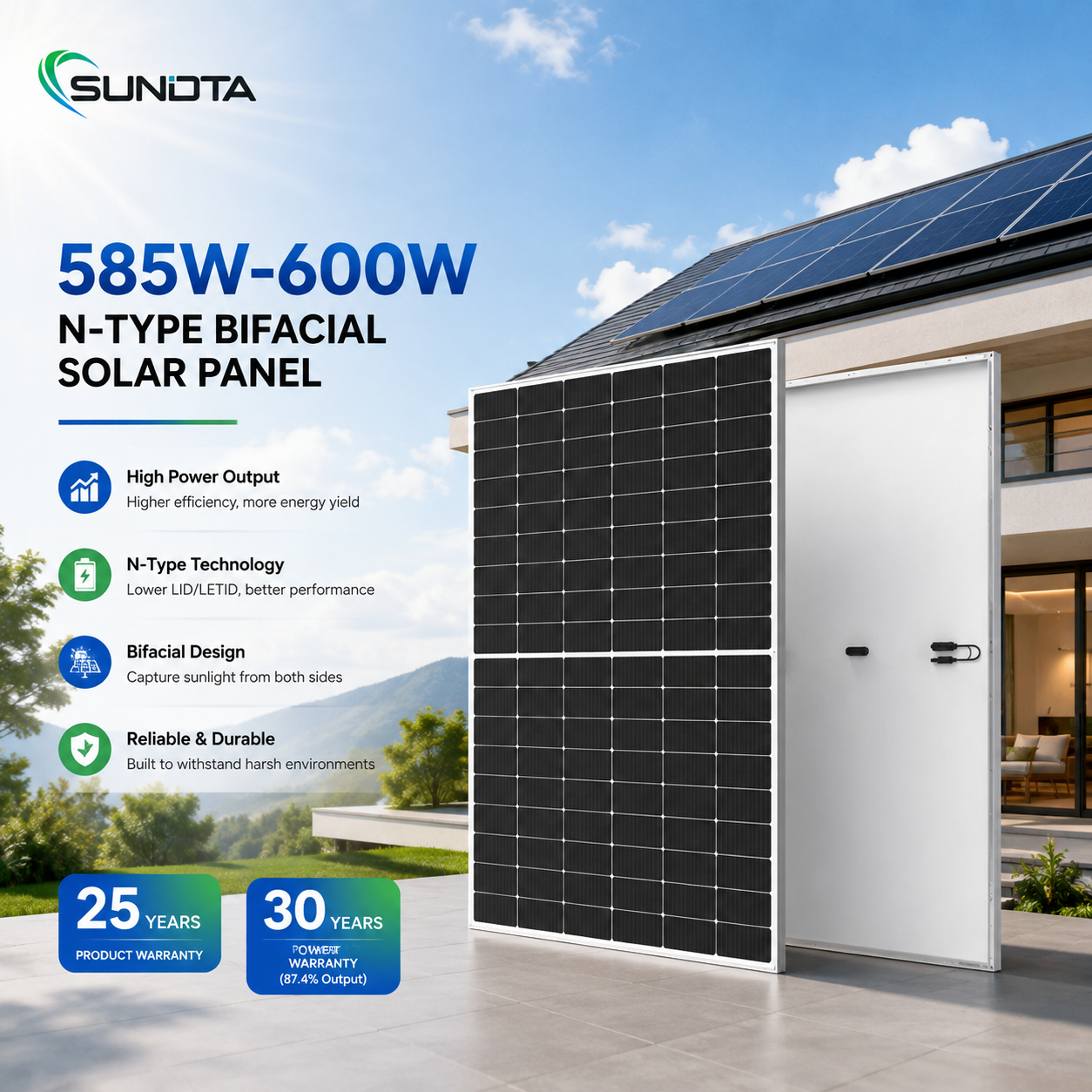
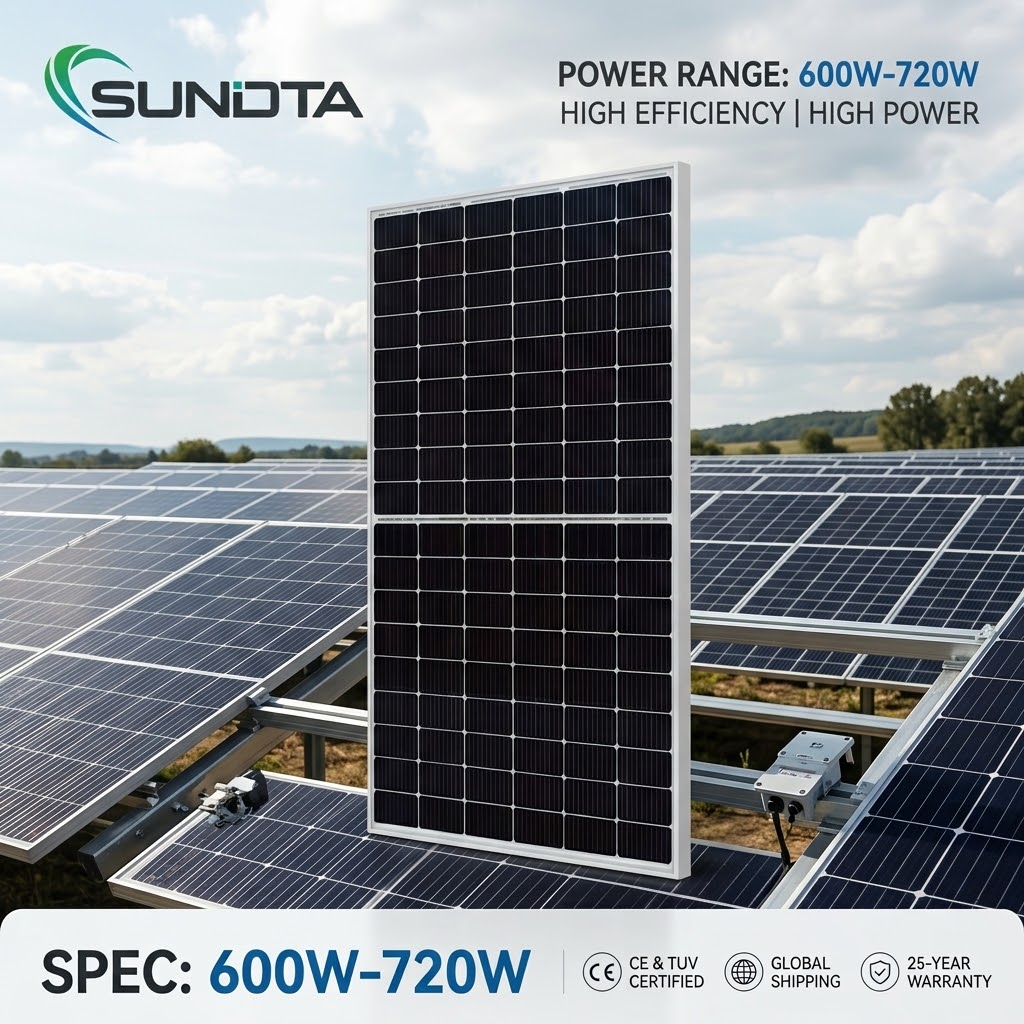
Anhui RJV New Energy (Sundta Series) N-Type TOPCon / Bifacial Half-Cut 22.8% – 23.03% -0.30% / °C IEC 61701 (Salt Mist Class 6), IP68 Junction Coastal C&I rooftops, Agro-PV, Mongla Port Warehouses
JinkoSolar (Tiger Neo Series) N-Type TOPCon 16BB 22.2% – 22.8% -0.30% / °C IEC 61701, IEC 62716 (Ammonia) Utility ground-mount arrays & EPZ industrial rooftops
LONGi Solar (Hi-MO X6 / 7) HPBC / Hybrid Passivated Contact 22.3% – 23.2% -0.29% / °C Dual-glass encapsulation, Anti-PID certified High-density urban commercial buildings within Khulna City
Trina Solar (Vertex N) 210mm N-Type i-TOPCon 22.4% – 22.7% -0.30% / °C Dual-glass POE encap, Mechanical load 5400Pa Large-scale industrial captive plants & textile mills
JA Solar (DeepBlue 4.0 Pro) Bycium+ N-Type TOPCon 22.0% – 22.5% -0.30% / °C Salt mist severity 6, PID resistant wafer Cold storage and shrimp processing plant rooftop setups
Canadian Solar (TOPHiKu6) N-Type TOPCon Bifacial 22.1% – 22.6% -0.30% / °C High-strength anodized aluminum alloy Riverbank logistics centers along Rupsha and Bhairab rivers
Risen Energy (Titan / HJT Hyper-ion) Heterojunction (HJT) / TOPCon 22.5% – 23.6% -0.26% / °C Zero-busbar, Alloy composite frame High-irradiance thermal zones requiring minimal heat derating
Astronergy (CHSM54N-HC Series) N-Type TOPCon Bifacial 22.0% – 22.4% -0.31% / °C Anti-dust design, IP68 junction boxes Agricultural microgrids and peri-urban distributed generation
DAS Solar (N-Type Series) TOPCon Bifacial Half-Cell 22.1% – 22.5% -0.30% / °C Salt mist and chemical corrosion resistant Mongla Economic Zone secondary industrial applications
Suntech Power (Ultra V Series) P-Type PERC / N-Type TOPCon 21.5% – 22.3% -0.32% / °C Reinforced frame profiles for wind resistance Stand-alone agricultural pump power stations

Localized Engineering: Deploying Solar Tech Across Khulna's Industrial Matrix

Commercial photovoltaic design in Khulna cannot rely on boilerplate global assumptions. The environmental stress vectors present in South-Western Bangladesh demand tailored hardware topologies:

⚓

Mongla Port & Logistics Hubs

Warehouses in the Mongla Port corridor face intense salt spray. Specifying double-glass bifacial modules with POE (polyolefin) encapsulants instead of EVA prevents delamination, moisture intrusion, and corrosion of cell interconnecting ribbons.

🦐

Shrimp & Prawn Cold Chains

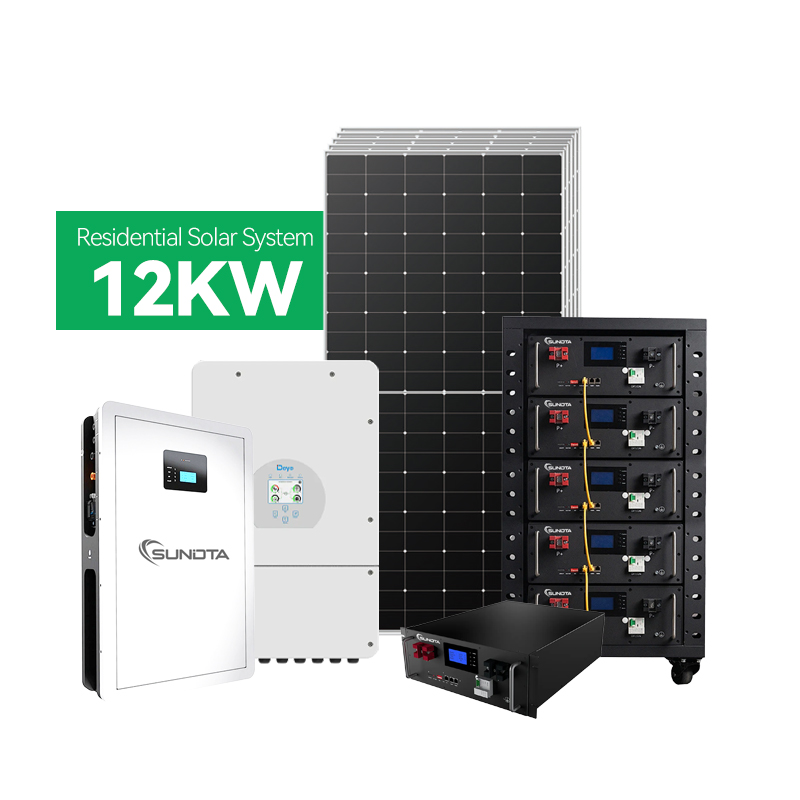
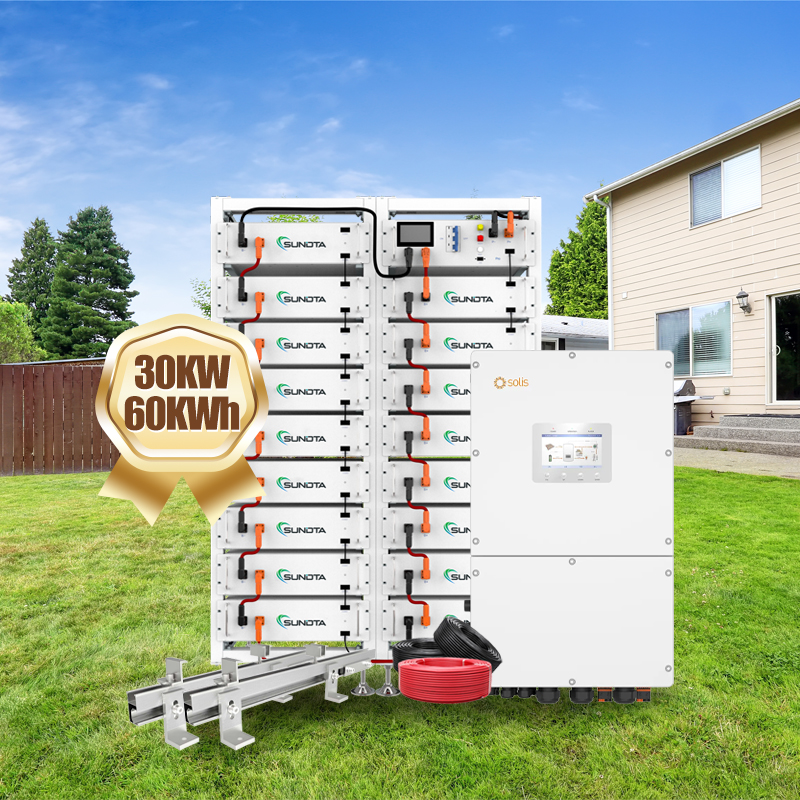
Khulna's seafood export backbone hinges on uninterrupted refrigeration. Coupling 585W–595W high-density TOPCon strings with 51.2V/HV stackable LiFePO4 storage delivers immediate backup during sudden 33kV line drops, guarding high-value yields.

🏭

Jute, Textile & Heavy Mills

Large-span corrugated sheet roofs on historical mills along the Bhairab River cannot sustain excessive structural ballast. Lightweight flexible thin-film or optimized 54-cell/72-cell lightweight modules minimize structural stress while maintaining fire safety.

🌾

Bagerhat-Satkhira Agro-PV Grids

In rural aquaculture ponds and seasonal agricultural zones surrounding Khulna, micro-grids with hybrid inverters manage both on-grid daytime aeration loads and off-grid nighttime stability, driving down operational diesel expenditure.

Strategic Market Shifts: Khulna's Commercial Solar Evolution

The transformation of Khulna into an electrified trade corridor—spurred by the operationalization of the Padma Multi-Purpose Bridge, rail connectivity, and capacity enhancements at Mongla Port—has catalyzed substantial shifts in commercial energy adoption:

1. Transition from P-Type PERC to N-Type TOPCon

Commercial operators have recognized that standard P-Type PERC modules suffer significant thermal degradation during Khulna's sweltering pre-monsoon heat waves (temperatures frequently exceeding 38°C with roof ambient reaching 60°C). With N-Type TOPCon's superior temperature coefficient (-0.30%/°C vs -0.35%/°C) and negligible Light-Induced Degradation (LID), regional operators gain 3.5% to 5.2% higher lifecycle energy yield.

2. Net Metering Guidelines & Grid Stability Integration

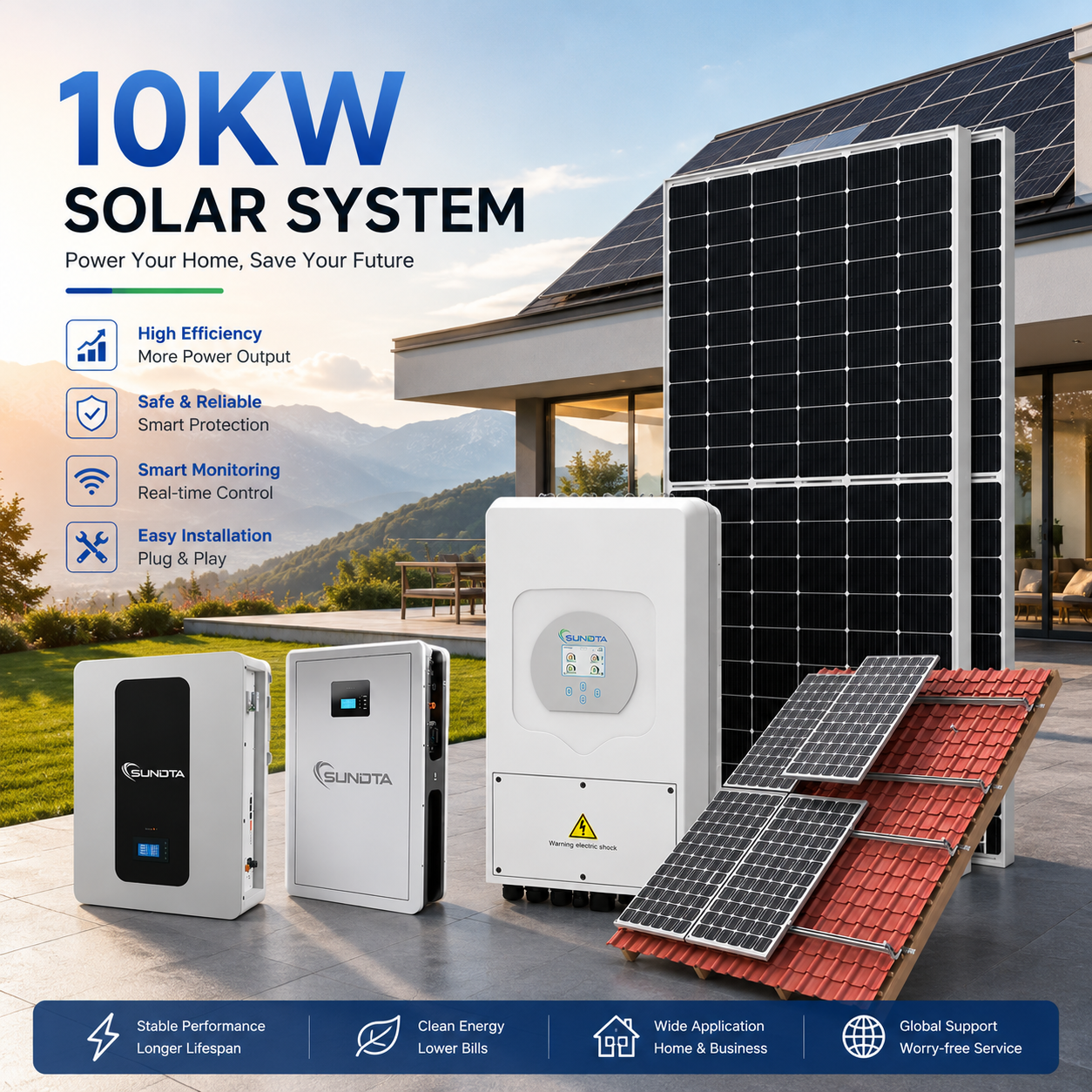
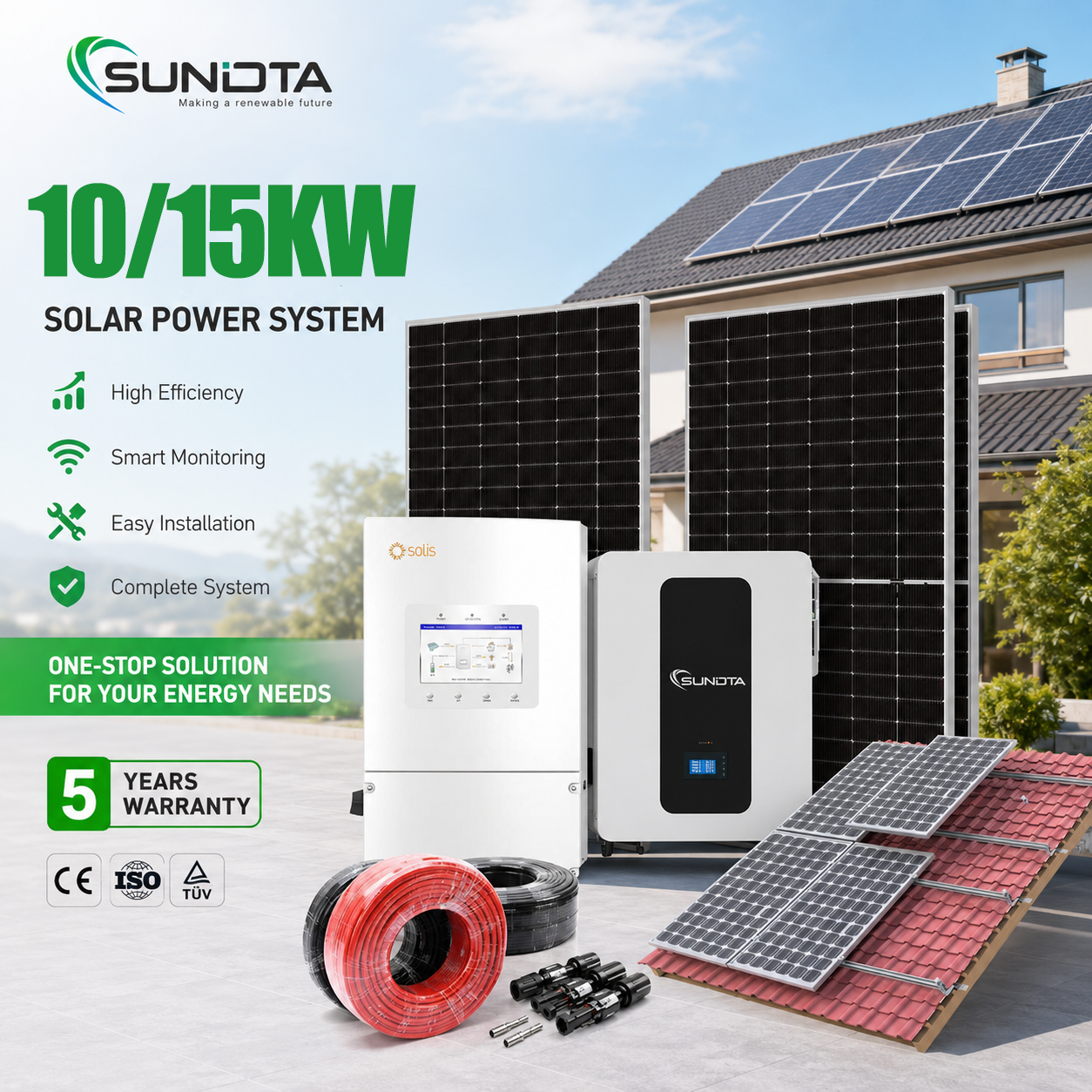
Under the net energy metering policy supported by the Sustainable and Renewable Energy Development Authority (SREDA), industrial consumers connected to the West Zone Power Distribution Company (WZPDCL) grid are expanding captive rooftop installations. However, because local grid feeders frequently suffer voltage variations, the market is turning toward three-phase hybrid inverters with wide MPPT voltage bands (such as Deye and Solis architectures) paired with responsive lithium energy storage.

3. Resilient Structural Standards Against Cyclonic Storms

Khulna's proximity to the Sundarbans does not entirely shield industrial parks from severe weather events originating in the northern Indian Ocean. Commercial designs now mandate wind load ratings of at least 2400 Pa to 5400 Pa, with 80µm hot-dip galvanized mounting structures and anti-loosening hardware to ensure decades of operational life.
Why EPCs & Industrial Importers Select RJV New Energy

Direct-from-manufacturer pricing, vertically integrated BOM compatibility, and engineering design grounded in Hefei's world-class photovoltaic cluster.

2 GW
Annual Module Capacity
500+ MW
Delivered Global Projects
38
Patented Technologies
AAA
Supplier Credit Rating

TÜV Rheinland Verified

Our high-efficiency production lines pass rigorous on-site factory audits by TÜV Rheinland, guaranteeing full compliance with IEC 61215, IEC 61730, and international safety directives.

Pre-Integrated PV + Storage BOM

Eliminate communication failures on site. RJV pre-tests BMS-to-inverter CAN/RS485 closed-loop protocols with tier-1 power electronics (including Deye and Solis) prior to dispatch.

Dedicated B2B Sourcing Support

Flexible container loads, mixed-equipment loading (modules, batteries, mounting, and balance-of-system), full flash-test datasets, and factory-direct engineering warranty documentation.

Frequently Asked Questions: Solar Procurement in Khulna

Answers to critical engineering, logistics, and operational questions for contractors and asset owners in South-Western Bangladesh.

How do N-type TOPCon bifacial panels manage the heavy salinity and monsoon damp heat of Khulna? +
Our modules employ high-density POE encapsulation paired with 2.0mm+2.0mm heat-strengthened dual-glass or robust fluorine-based backsheets. These materials pass IEC 61701 Salt Mist Severity 6 testing, protecting internal conductive silver/aluminum contacts against moisture infiltration, corrosion, and potential-induced degradation (PID).
Can RJV supply mixed-container shipments combining modules, inverters, and lithium storage? +
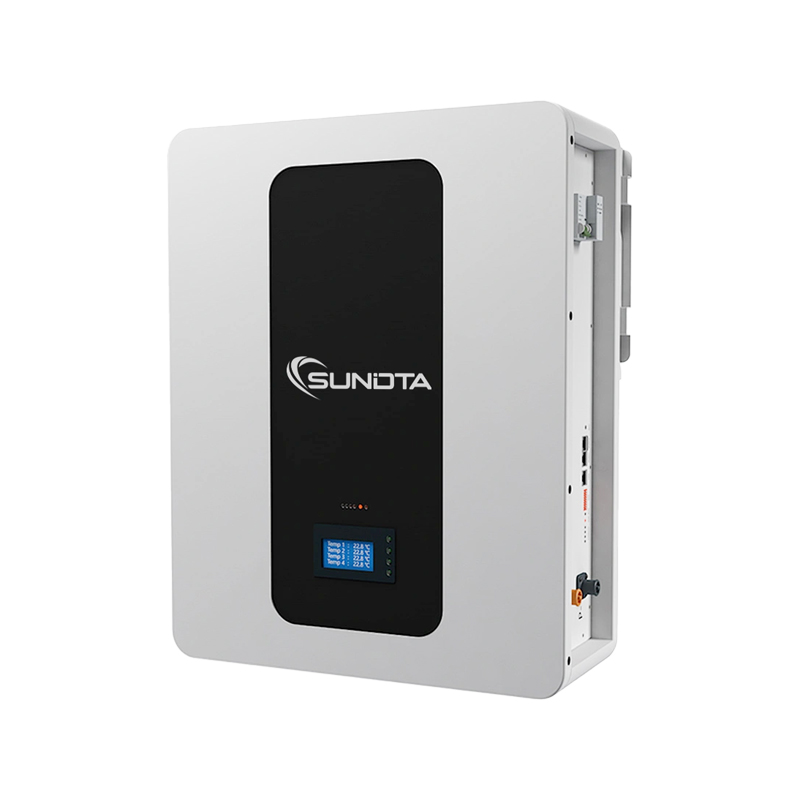
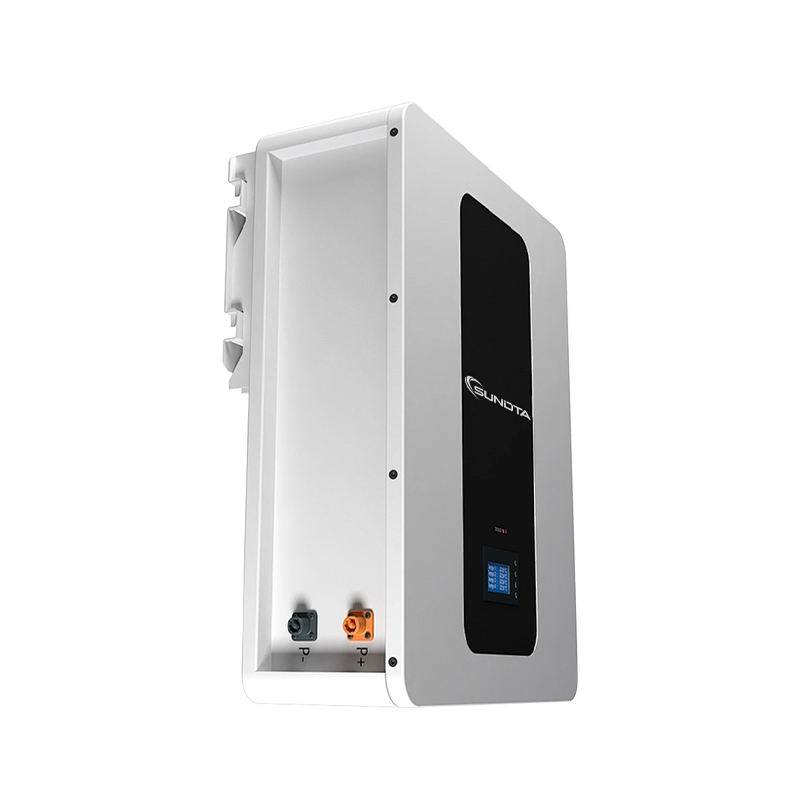
Yes. One of RJV's core advantages for international contractors is consolidated shipping. You can order high-yield N-type TOPCon panels, matched Deye or Solis hybrid inverters, and rack-mounted or wall-mounted LiFePO4 batteries in a unified bill of materials (BOM), saving freight overhead and eliminating interface mismatches.
What documentation is provided to clear customs at Chittagong or Mongla Port? +
Every shipment arrives with full commercial documentation: Detailed Packing Lists, Clean Bill of Lading, Certificate of Origin, TÜV Rheinland inspection declarations, model-specific CE/IEC test certificates, and individual module flash test reports detailing nominal wattage, VOC, and ISC data.
Why is LiFePO4 battery chemistry preferred over Lead-Acid or standard NMC for Khulna factories? +
Lithium Iron Phosphate (LiFePO4) offers superior thermal stability in non-air-conditioned industrial utility rooms where ambient temperatures soar. Furthermore, with up to 6,000 cycles at 80% Depth-of-Discharge (DoD), LiFePO4 delivers a significantly lower levelized cost of storage (LCOS) compared to traditional lead-acid batteries, which rapidly degrade in warm, cycling-heavy settings.
How do you guarantee wind-load resilience for arrays subject to seasonal coastal storms? +
Our modules feature 35mm-40mm heavy-duty anodized aluminum frames rated for positive mechanical front loads up to 5400 Pa and rear wind loads of 2400 Pa. When paired with our recommended clamping parameters and structural calculations, the system remains structurally secure throughout extreme weather conditions.

Plan Your Commercial Solar Array with Factory Direct Support

Connect with RJV's solar system sizing team. Provide your plant's location, target wattage, or single-line diagram (SLD) to receive full engineering data sheets, matched BOS layouts, and factory-direct pricing.

Contact Us