Standardized Turnkey Off-Grid Systems & Energy Storage Kits
Pre-engineered, tested for closed-loop CAN communication, and rated for extreme maritime temperature swings and high ambient salinity in Absheron.
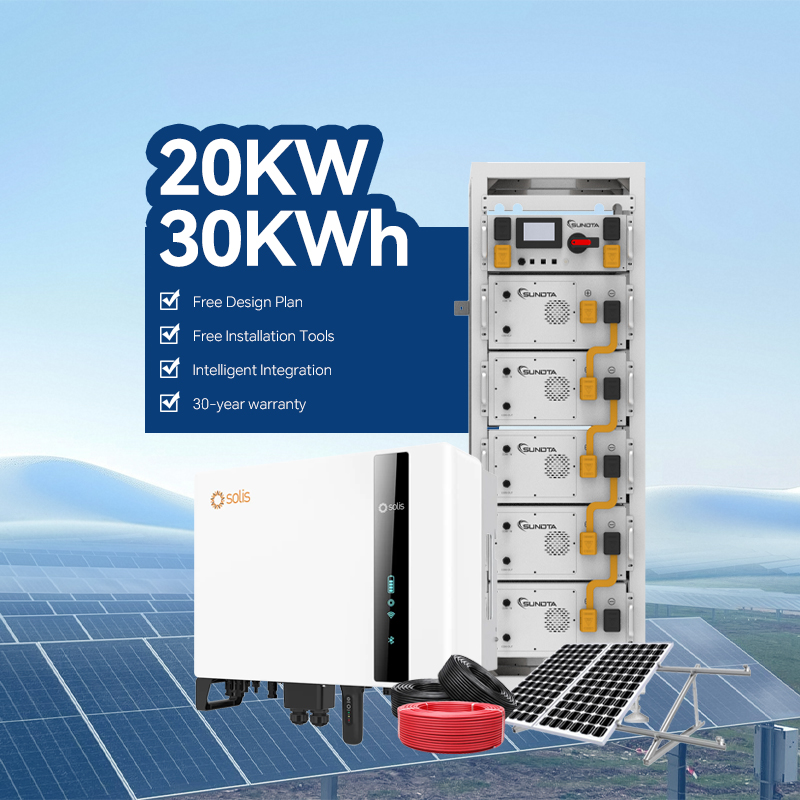
20kw Complete Set Solar Energy Power Storage System
- Configurable: 20kW, 25kW, 30kW, 35kW
- Multi-MPPT High-Voltage Input Architecture
- Dual AC Input for Diesel Genset Auto-Start
- Zero-Transfer Switching (<4ms UPS Grade)
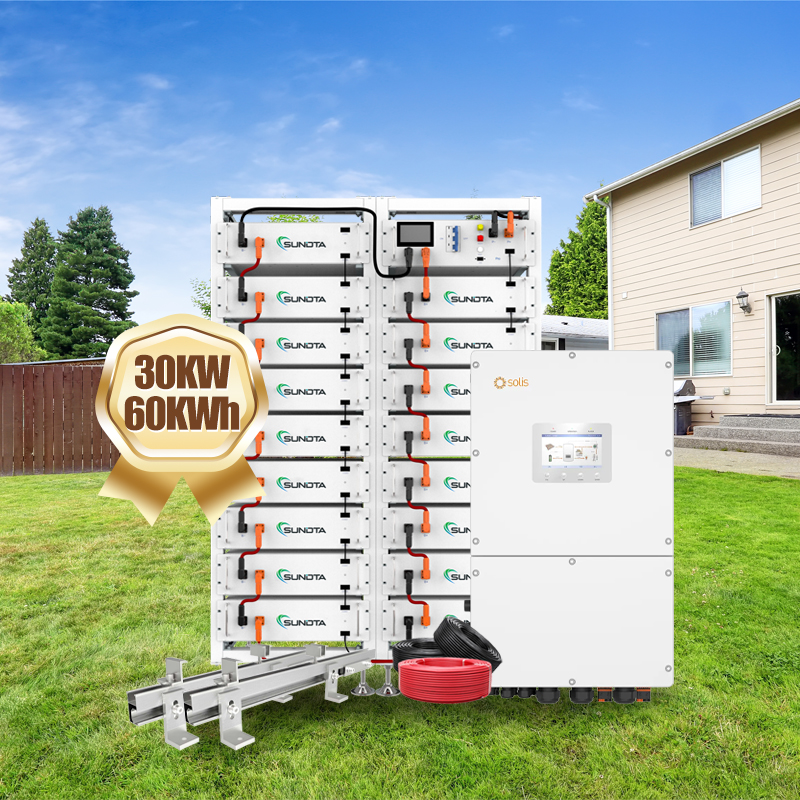
Complete 30kw Solar Energy System (10–30kW EU)
- Integrated 380V/400V Three-Phase Inverter
- Pre-wired AC/DC Distribution Combiner
- Full European Compliance (CE / VDE / IEC)
- Remote EMS Cloud Monitoring & Logging
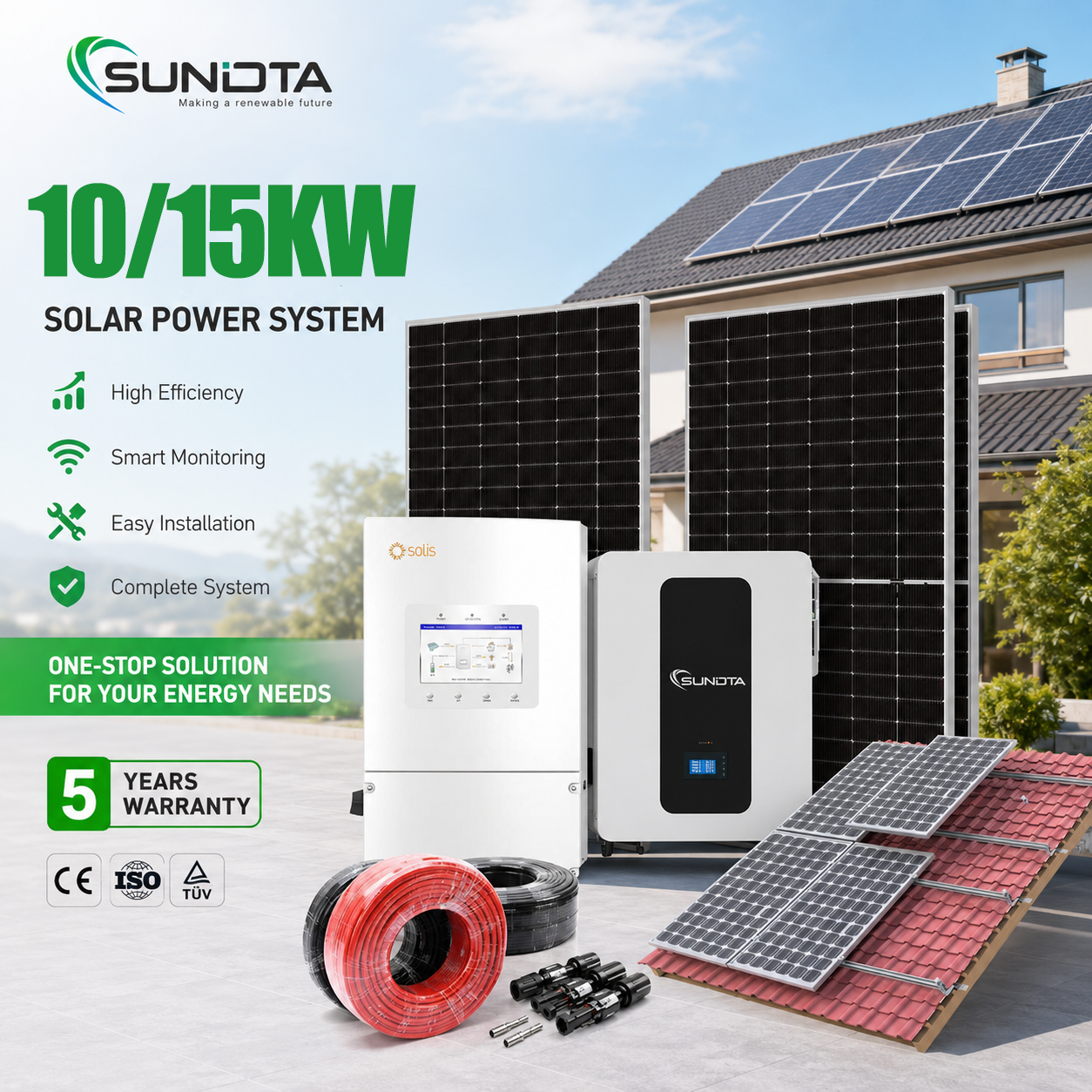
Hybrid 15kWh Inverter System 300Ah Li-Ion
- Integrated 15kW MPPT Split Inverter Core
- CAN Bus Closed-Loop Smart BMS Coupling
- Modular Vertical Quick-Plug Stacking
- 90% Depth of Discharge with 6000+ Cycles
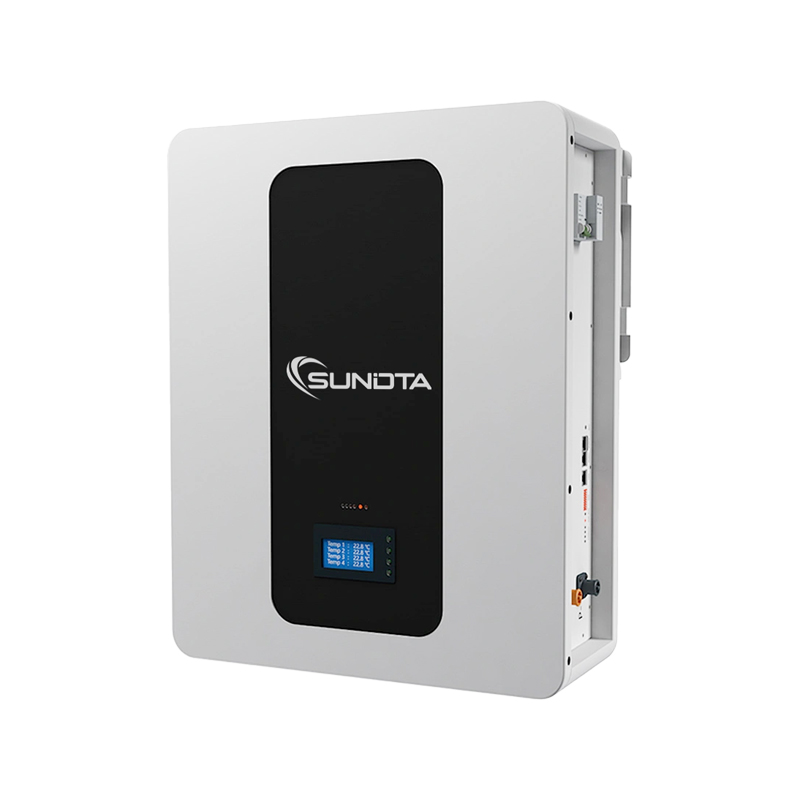
Sundta 48V/51.2V LiFePO4 10kWh Solar Storage
- 200Ah Nominal Prismatic Grade-A Cells
- Rapid Dispatch from European Logistic Hubs
- Compatible with Solis, Deye & Growatt Inverters
- Built-in Aerosol Extinguisher & Circuit Breaker
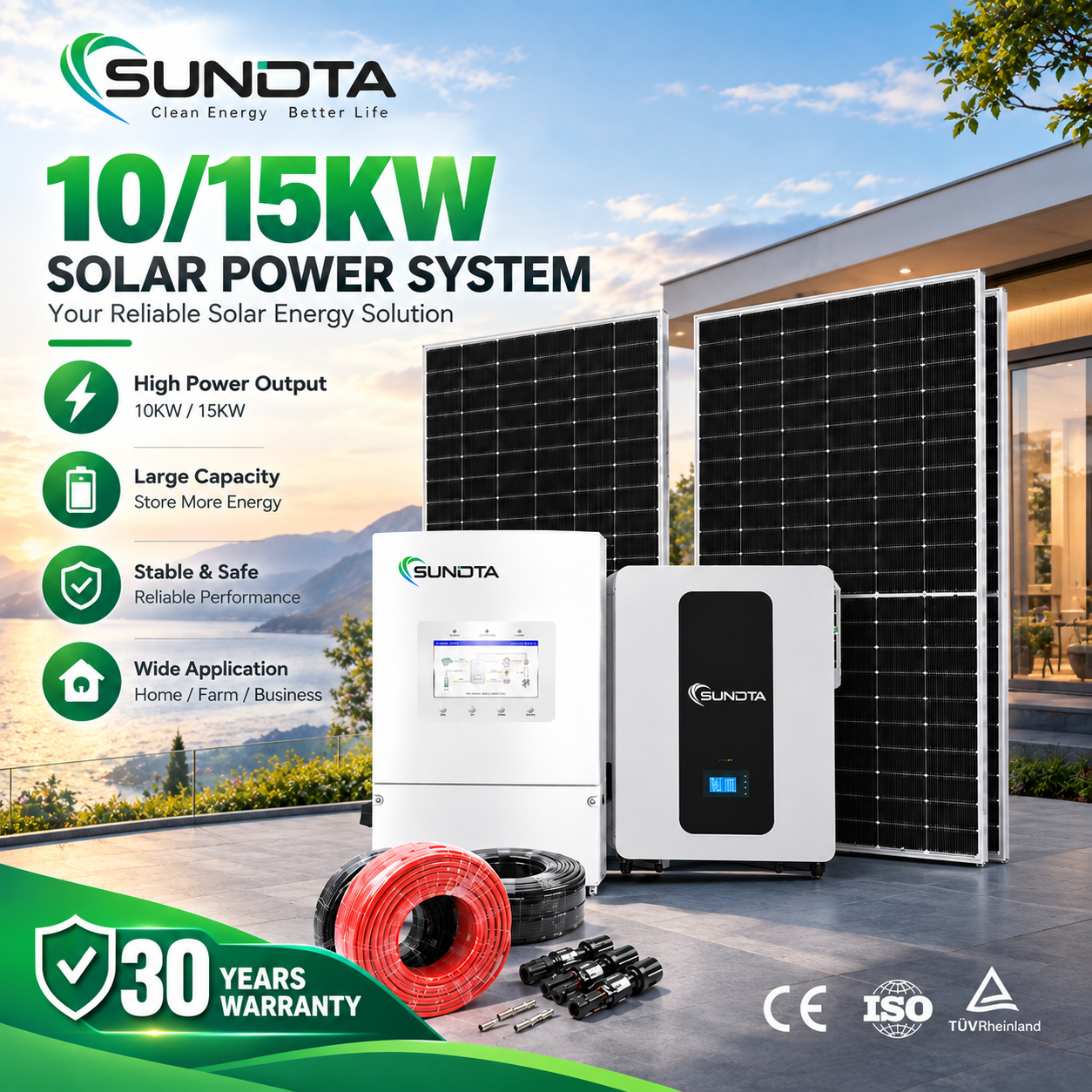
Premium 585W–595W N-Type Bifacial PV Module
- Up to 23.1% Module Conversion Efficiency
- Bifacial Gain: 10%–30% Caspian Ground Reflection
- Zero Light-Induced Degradation (Anti-LID / PID)
- Heavy 5400Pa Snow / 2400Pa Wind Load Certified
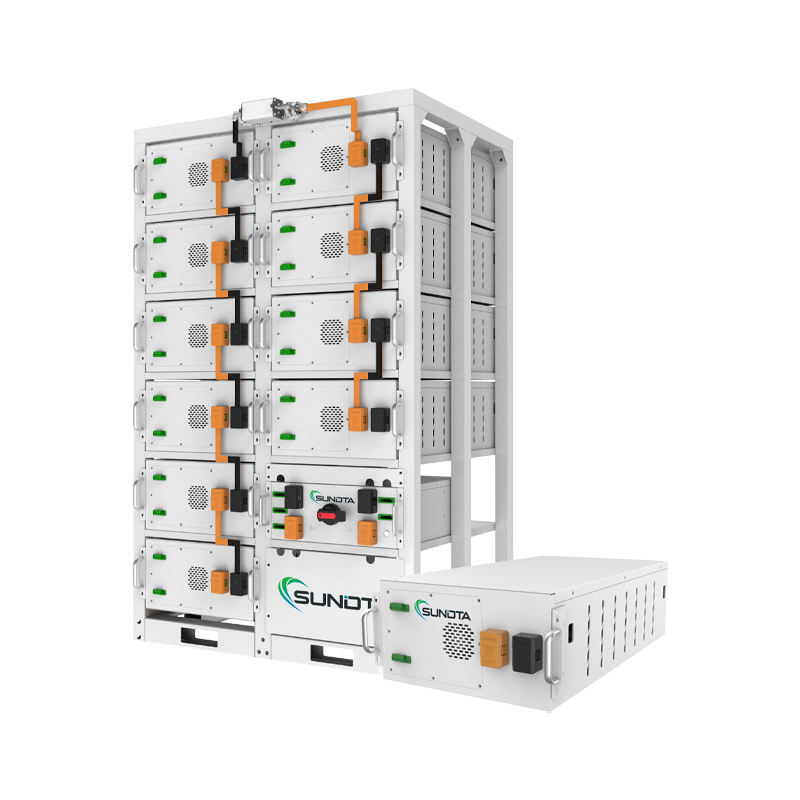
LiFePO4 Battery Stackable 51.2V 14.336kWh
- 280Ah Prismatic Cell Deep-Cycle Storage
- Floor-Mounted or Reinforced Wall Mounting
- Automated Cell-Level Overcurrent & Thermal Cutoff
- Parallel Scalability Up to 15 Units (215kWh)
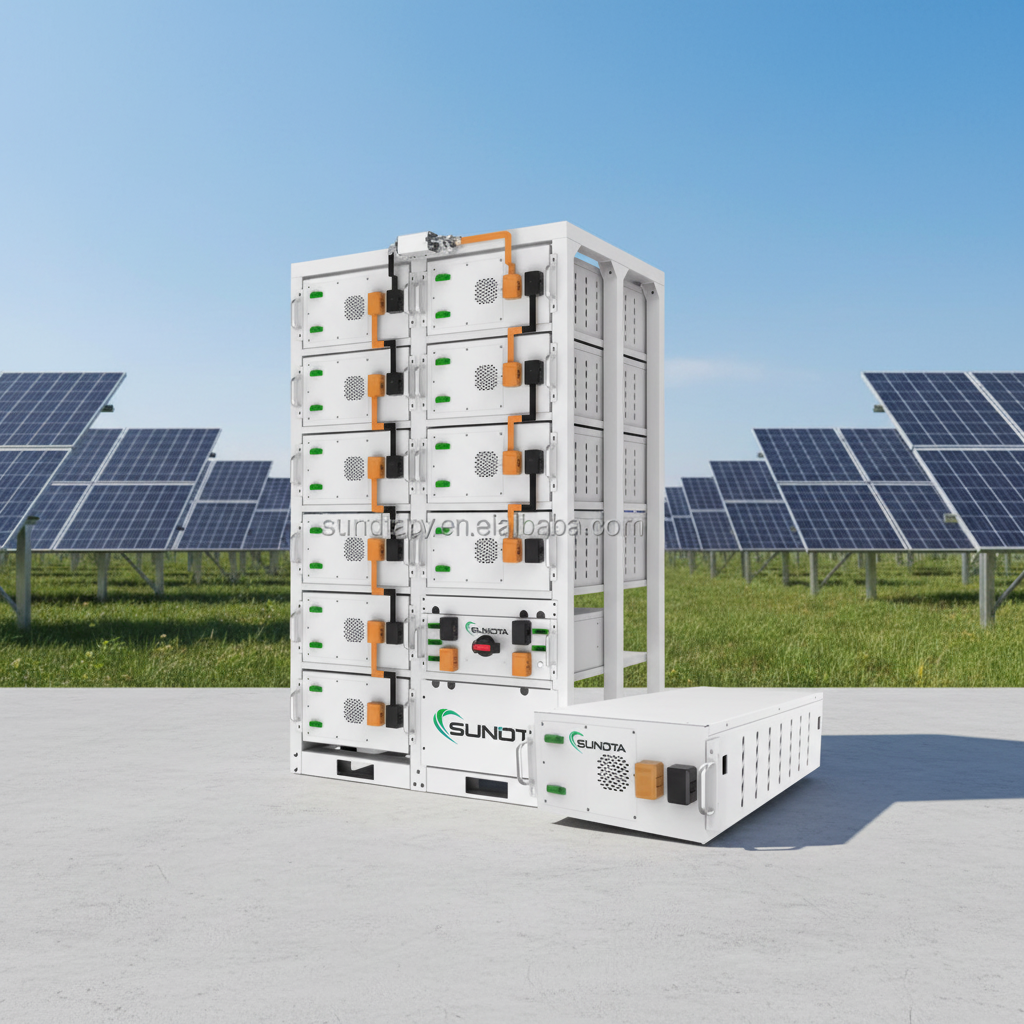
Commercial HV LiFePO4 ESS Cabinet (40–100kWh)
- High-Voltage Architecture: 200V–800V Bus
- Integrated Precision Air Cooling & Fire Shield
- Peak Shaving & Demand Charge Reduction
- Seamless Integration with 50kW–100kW PCS
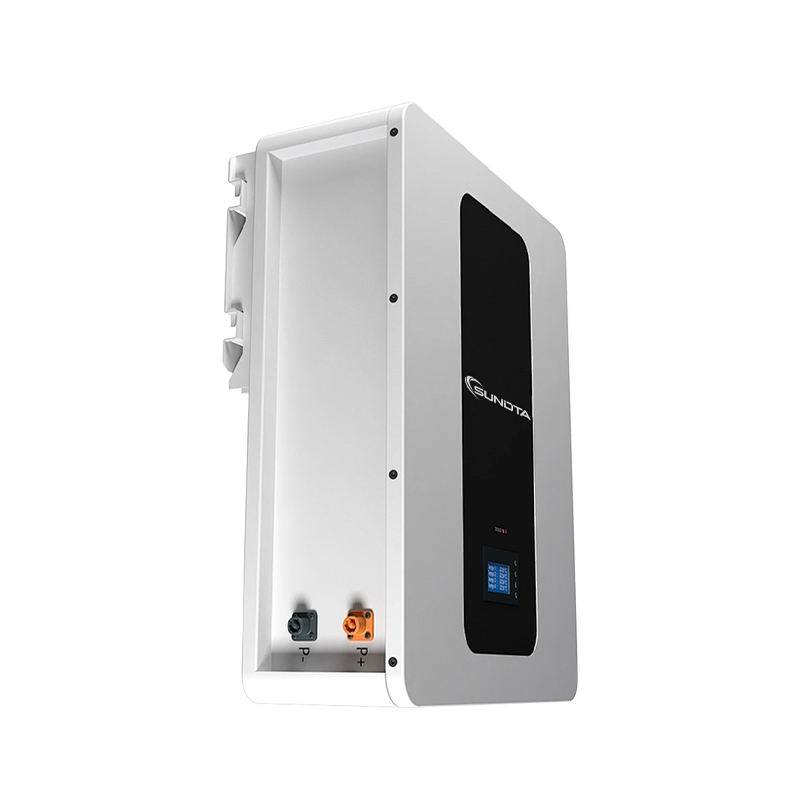
Sundta POLO-W1 LiFePO4 Wall Battery 5kWh 51.2V
- 100Ah Deep-Cycle Prismatic Cell Array
- IP65 Ingress Protection for High-Dust Coastal Use
- Plug-and-Play Quick Connection Terminals
- RS485/CAN Auto-Addressing Dual Interface
Off-Grid Solar System Procurement White Paper for Sumqayit & Absheron
The industrial city of Sumqayit, positioned along the western coast of the Caspian Sea and anchoring the northern tip of Azerbaijan’s Absheron Economic Region, represents one of the most demanding operational environments for solar photovoltaic (PV) generation and standalone energy storage systems (BESS). Historically recognized as an industrial titan in petrochemical, chemical, metallurgical, and mechanical fabrication, Sumqayit is currently undergoing an unprecedented decarbonization drive. Coupled with expansion across suburban agricultural holdings and remote Caspian marine infrastructure, industrial operators and municipal developers face stringent requirements for uninterrupted power supply.
Designing and deploying off-grid power systems in Sumqayit requires confronting a specific set of microclimatic stressors. The region experiences persistent, high-velocity northern winds known locally as the Khazri, reaching storm surges above 120–140 km/h, alternating with hot, southern Gilavar winds in the dry summer months. Concurrently, high atmospheric aerosol salinity from Caspian sea spray combined with airborne chemical particulates (SOx, NOx, and fine chemical dusts from petrochemical operations) subjects PV glass, aluminum frames, cabling, and battery cabinetry to severe electrochemical corrosion.
Crucial Procurement Requirement for Absheron: Off-grid systems destined for Sumqayit must hold verified certifications for IEC 61701 (Salt Mist Corrosion Severity 6) and IEC 62716 (Ammonia Corrosion Resistance). Standard consumer-grade solar modules and non-sealed power conversion electronics suffer premature degradation, frame delamination, and fatal BMS contact oxidation within 24 to 36 months of deployment on coastal sites.
1. Top 10 Off-Grid System Manufacturing & Integration Frameworks for Sumqayit
When selecting tier-one manufacturing partners and original equipment manufacturing (OEM) integration factories for turnkey delivery to Azerbaijan, international procurement officers, EPC contractors, and domestic energy buyers evaluate suppliers across rigorous technological criteria. Below is the multi-dimensional benchmark ranking the top 10 manufacturing frameworks utilized across Sumqayit's heavy industrial and off-grid infrastructure.
| Tier / Framework | Manufacturer Core Specialization | Cell / Inverter Technology | Caspian Durability Metric | Optimal Sumqayit Application |
|---|---|---|---|---|
| 1. Anhui RJV New Energy | Turnkey Automated PV & Storage Integrator | N-Type TOPCon 595W + Deye/Solis Hybrid | IEC 61701 Severity 6, IP65 Battery, Anti-PID | SCIP Factories, Commercial BESS, Coastal Microgrids |
| 2. Tier-1 Solar Cell Conglomerate | Mass Silicon Ingot & Wafer Production | P-Type PERC Half-Cut Monocrystalline | Standard Anodized 35mm Frame | Utility-Scale Ground Mounts (Inland Absheron) |
| 3. European Premium Inverter OEM | High-Frequency Transformerless Inverters | Multi-MPPT Hybrid Silicon Carbide (SiC) | Conformal Coated PCB, C5 Marine Grade | Sensitive Medical & Laboratory Microgrids |
| 4. Chinese Prismatic Cell Giant | Electrochemical Cell & Module Assembly | LiFePO4 3.2V 280Ah Prismatic Cells | Cycle Life > 8000 Cycles @ 0.5C | Grid Peak-Shaving & Frequency Regulation Containers |
| 5. Specialized Off-Grid PCS Builder | Low-Frequency Pure Sine Wave Inverters | Copper Toroidal Isolation Transformer | 300% Surge Capacity for Heavy Motor Inductance | Petrochemical Induction Pumps & Heavy Compressors |
| 6. Modular Storage Rack Fabricator | Telecom-Grade High-Density Energy Systems | 48V 100Ah Rack-Mountable Lithium Modules | CAN 2.0B / RS485 Multi-Protocol BMS | Baku-Sumqayit Highway Telecom & Radar Outposts |
| 7. Containerized BESS Engineering Hub | Megawatt-Hour Liquid-Cooled Enclosures | High-Voltage 1000V–1500V LFP Stacks | Integrated HVAC, Novec 1230 Aerosol Suppression | Chemical Industrial Park Substation Auxiliary Power |
| 8. Lightweight Flexible Module Factory | Glassless ETFE Fluoropolymer Laminates | Thin-Film Monocrystalline Back-Contact | Extreme Aerodynamic Stability (>160 km/h Wind) | Lightweight Industrial Metal Roofs & Marine Vessels |
| 9. Ruggedized Smart Microgrid Fabricator | Genset-PV-Battery Hybrid Controllers | Dual AC Input with Auto-Synchronizer | Operates across -25°C to +60°C ambient | Remote Caspian Aquaculture & Offshore Platforms |
| 10. High-Yield Bifacial Assembly Specialist | Dual-Glass 2.0mm+2.0mm PV Architecture | N-Type TOPCon Bifacial 16BB Cells | Zero Moisture Ingress, Class A Fire Rating | Sandy & High-Albedo Ground Installations |
Localized Application Scenarios Across the Absheron Peninsula
Unlike conventional rooftop solar applications seen in moderate European or tropical zones, off-grid and hybrid energy infrastructure deployed across Sumqayit operates under unique mechanical and electrical realities. Below are the three dominant application topologies deployed by local engineers:
Sumqayit Chemical Industrial Park (SCIP) Peak-Shaving
Heavy manufacturing, polymer processing, and steel pipe manufacturing within SCIP and adjacent industrial zones face high tariff penalties during peak hours and sudden grid dips. High-voltage 50kW–100kW hybrid inverter arrays coupled with 100kWh–500kWh LiFePO4 battery cabinets operate in scheduled arbitrage mode: charging during low-tariff nighttime or solar peak hours and injecting stored energy during high industrial demand cycles.
Caspian Marine Pumping & Aquaculture Stations
Suburban installations north of Sumqayit toward Corat and Novxani rely on high-reliability off-grid power for saltwater circulation pumps, fish incubation aeration, and refrigerated holding units. These coastal nodes frequently experience overhead line dropouts caused by high humidity and saline build-up on transformers. Completely off-grid 15kW–30kW solar systems with 300Ah lithium storage guarantee 24/7 continuous motor duty without diesel generator fuel costs.
Agricultural Greenhouse Facilities & Remote Estates
The semi-arid soil surrounding outer Sumqayit accommodates intensive greenhouse farming producing vegetables and fruits for regional distribution. Electric water irrigation systems, drip manifolds, climate curtains, and packing refrigeration require stable pure sine wave electricity. 20kW complete solar generation kits featuring high-surge low-frequency inverters ensure zero inductive kickback disruptions during compressor startups.
Sumqayit Energy Transition: Strategic Development Trends
Azerbaijan’s broader national energy transformation—accentuated by national commitments to expand renewable generation to over 30% of total electrical capacity by 2030 and accelerated following regional leadership at COP29 in Baku—is deeply impacting Sumqayit’s industrial procurement landscape. Three fundamental macroeconomic and structural trends are defining system procurement today:
1. Industrial Park Decarbonization Mandates: As export-oriented manufacturers within Sumqayit seek to comply with international carbon accounting frameworks—such as the European Union’s Carbon Border Adjustment Mechanism (CBAM) affecting polymers, aluminum, and fertilizers—factories are aggressively adopting behind-the-meter hybrid solar-plus-storage. This allows plant managers to claim documented megawatt-hours of clean generation directly embedded in their production cycle.
2. Transition from Lead-Acid to Intelligent LiFePO4: Historically, off-grid projects in rural and industrial Azerbaijan utilized flooded or VRLA lead-acid battery banks due to perceived lower initial purchase prices. However, high ambient summer temperatures on the Absheron Peninsula (often exceeding 40°C in outdoor enclosures) caused rapid sulfation and cell dry-out, killing lead batteries within 18–24 months. Procurement has now decisively shifted to high-cycle Lithium Iron Phosphate (LiFePO4) featuring built-in smart BMS, capable of withstanding 6,000+ deep cycles and operating reliably up to 55°C without thermal runaway risks.
3. Dual-Source Resilience (Genset-PV Hybrid Synchronization): Grid stability in Sumqayit’s central corridors is relatively modern, but peripheral transmission substations frequently experience seasonal brownouts during peak winter heating and mid-summer air conditioning surges. Local engineers increasingly demand inverters equipped with dry contact generator management. When battery depth-of-discharge drops below 15% during prolonged cloud cover, the inverter initiates remote generator start, synchronizes phase angles, rapidly charges the lithium bank at 100A–150A, and shuts the diesel engine down automatically, slashing fuel burn by up to 75%.
Why Tier-1 Importers & EPCs Partner with Anhui RJV New Energy
Procuring solar and battery components from disparate trading vendors creates unresolvable commissioning failures, protocol mismatches, and customs delays. We eliminate engineering friction at the source.
2 GW Automated Production
State-of-the-art robotic stringer and laminating lines in Hefei, China, delivering high-density N-Type TOPCon and bifacial PERC modules with rigorous electroluminescence (EL) double testing.
TÜV Rheinland Assessed
Verified on-site by TÜV Rheinland for manufacturing integrity, quality control workflows, AAA international enterprise credit standing, and comprehensive CE, IEC 61215, IEC 61730, and UN38.3 compliance.
Matched Closed-Loop BOM
Pre-configured communication handshakes: RJV LiFePO4 battery BMS hardware is native pre-programmed for CAN & RS485 protocol interoperability with Deye, Solis, and Growatt inverters before packaging.
24/7 Global Engineering
Dedicated application engineers assist with system string sizing, single-line diagrams (SLD), customs packing clearance documentation, and remote firmware commissioning across Azerbaijani time zones.
Frequently Asked Questions by Azerbaijani Solar Importers & Contractors
Key technical, logistical, and commercial inquiries when ordering complete off-grid solar equipment from China to Sumqayit and Baku.
How do RJV systems resist Sumqayit's intense Caspian wind loads?
Our Premium 585W–595W N-Type Bifacial modules utilize 3.2mm tempered front glass or 2.0mm+2.0mm dual-glass architecture framed in 35mm heavy-gauge anodized aluminum alloy (6063-T6). Rated for rear mechanical wind loads of 2400 Pa and frontal loads of 5400 Pa, our mounting configurations are engineered to withstand the Khazri wind bursts exceeding 140 km/h when anchored with verified aerodynamic tilt angles.
Are inverters configured for Azerbaijan’s grid voltage and frequency?
Yes. All hybrid and off-grid inverters supplied to Sumqayit are factory configured for standard 230V single-phase / 400V three-phase nominal output at 50Hz frequency. Inverter units also feature broad AC voltage input windows (170V–280V per phase), allowing them to ride through the severe voltage drops commonly observed on aging municipal sub-feeders without disconnecting.
What shipping corridors are utilized from Hefei to Sumqayit/Baku?
Cargo is dispatched under FOB, CFR, or CIF Incoterms. Shipments to Azerbaijan frequently travel via the Trans-Caspian International Transport Route (Middle Corridor) via rail container freight to Aktau/Kuryk port, then roll-on/roll-off (RoRo) ferry directly into the Port of Baku (Alyat), located just south of Sumqayit. Alternatively, multimodal sea-land transit via Poti/Batumi (Georgia) is routinely coordinated with full customs export declarations and MSDS / UN38.3 dangerous goods documentation.
Can I combine solar panels, hybrid inverters, and batteries in one container?
Yes. As a comprehensive photovoltaic and energy storage manufacturer and system integrator, Anhui RJV New Energy specializes in consolidated one-stop PV Bill of Materials (BOM). Importers can combine pallets of 595W modules, Deye/Solis hybrid inverters, and stackable 51.2V LiFePO4 batteries within a single 40ft HQ container, significantly reducing port clearance fees and freight overheads in Baku.
What is the minimum order quantity (MOQ) and payment terms?
For hybrid inverters and wall-mounted / stackable LiFePO4 batteries, MOQ starts from just 1 piece or 1 set for evaluation and sample testing. PV modules are quoted by pallet (typically 31–36 pieces) or full container loads. We accept secure international payment terms including T/T (Telegraphic Transfer), confirmed Irrevocable Letters of Credit (L/C at sight), D/P, and credit cards for sample orders.
How does RJV handle factory warranty claims for sites in Azerbaijan?
All solar modules feature a 12-year product materials warranty and a 25 to 30-year linear power warranty (with degradation limited to <1% in Year 1 and <0.4% annually thereafter). LiFePO4 batteries carry a 5 to 10-year factory performance warranty. In the rare event of a component defect, our engineers perform remote CAN bus log diagnostics, and replacement modules, BMS boards, or inverters are dispatched directly under warranty replacement terms.
Accelerate Your Sumqayit Solar Microgrid Project
Whether you require a bespoke 10kW residential backup system, a 50kW commercial peak-shaving installation in SCIP, or a multi-megawatt industrial BESS container, Anhui RJV New Energy provides turnkey precision engineering and factory-direct pricing.