Local Stock Ready
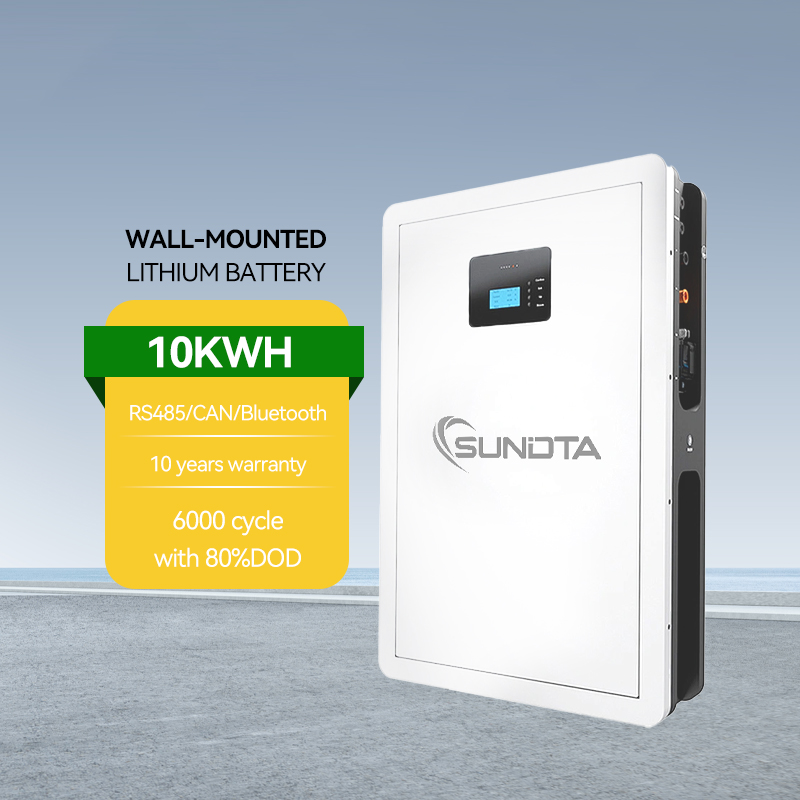
Pre-engineered hardware matched for tropical thermal conditions, unstable voltage fluctuation, and deep autonomous cycling across the Ouest Department.
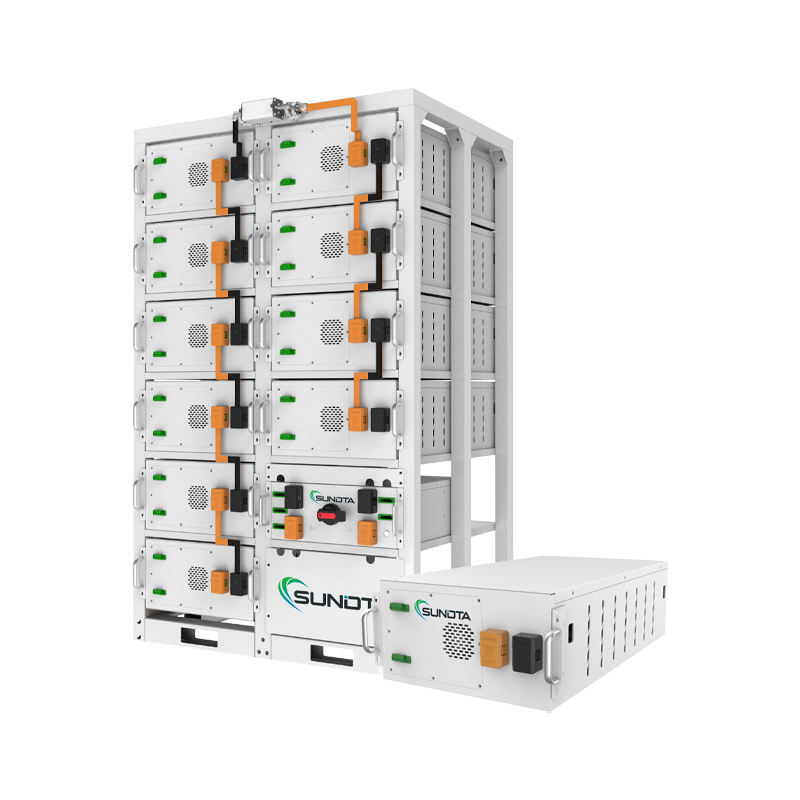
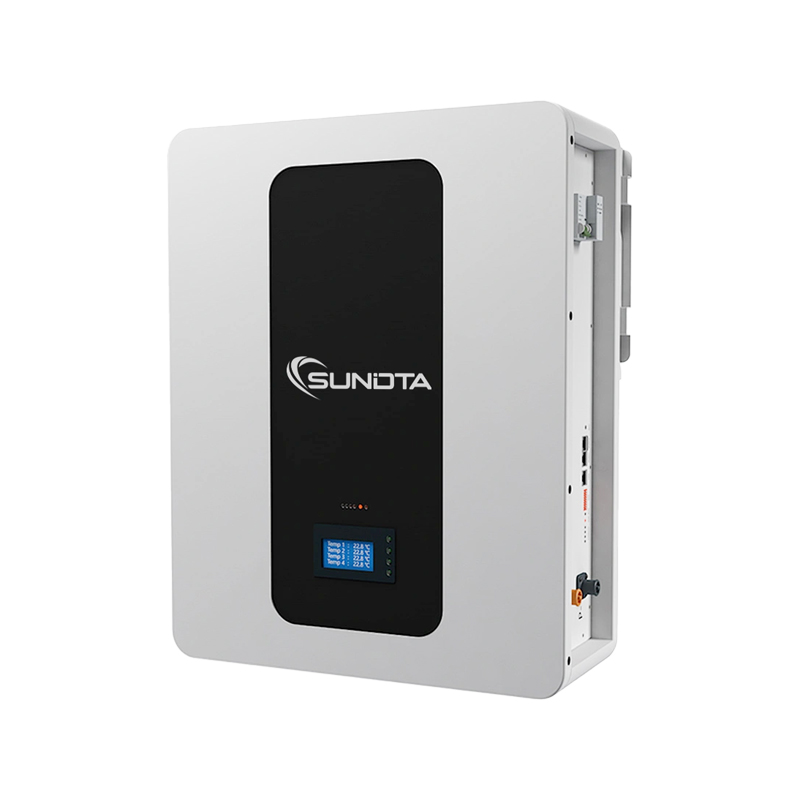
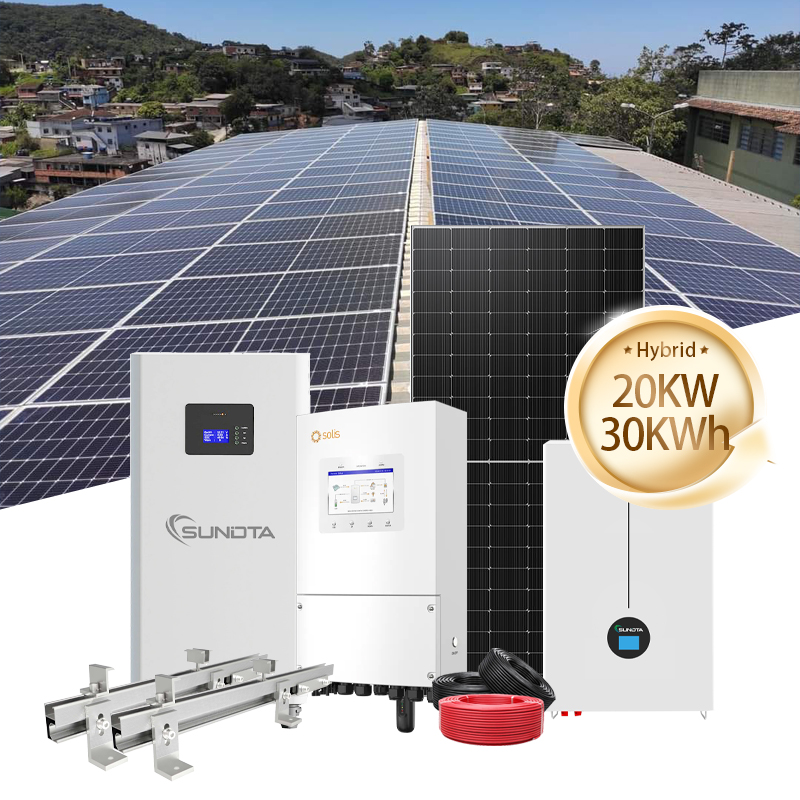
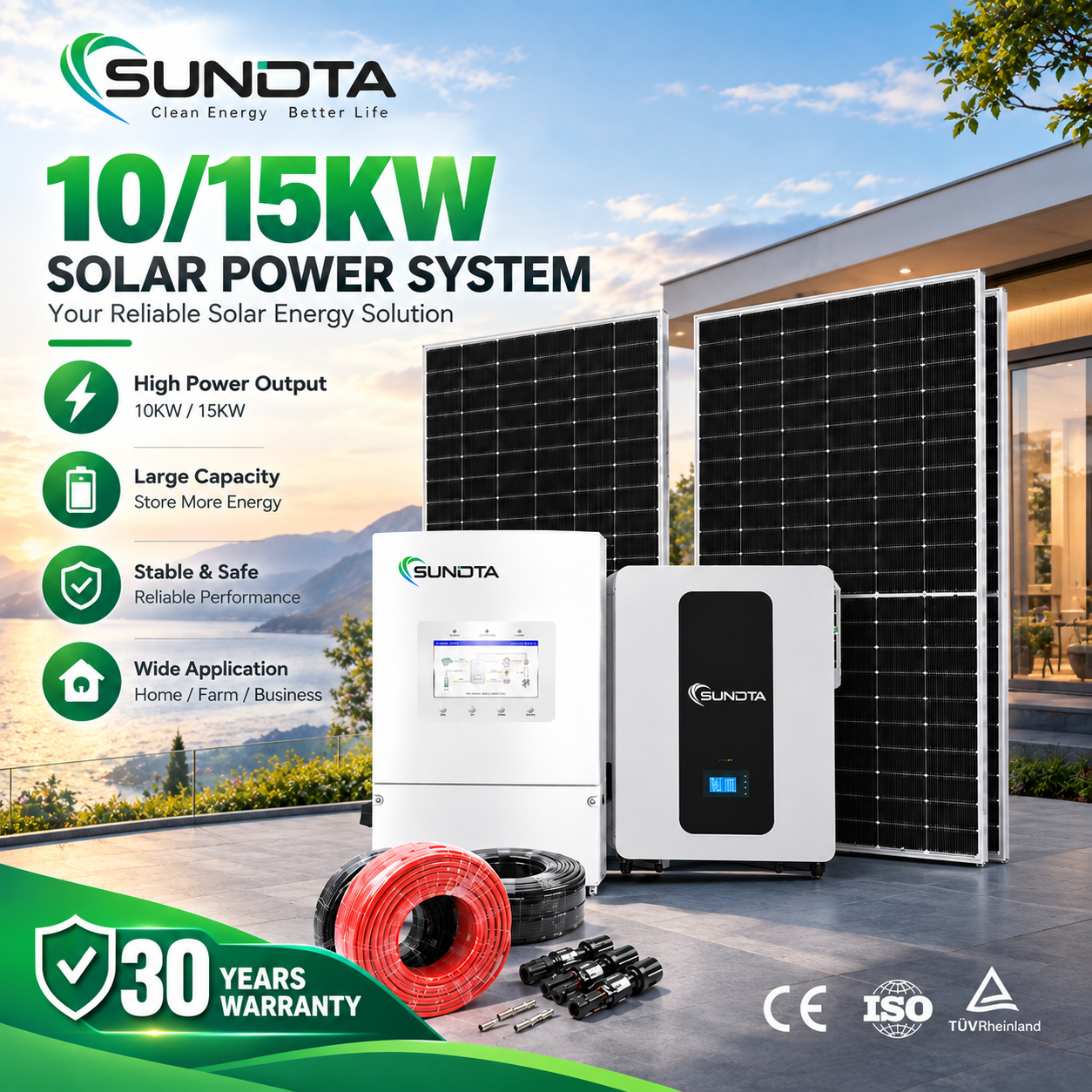
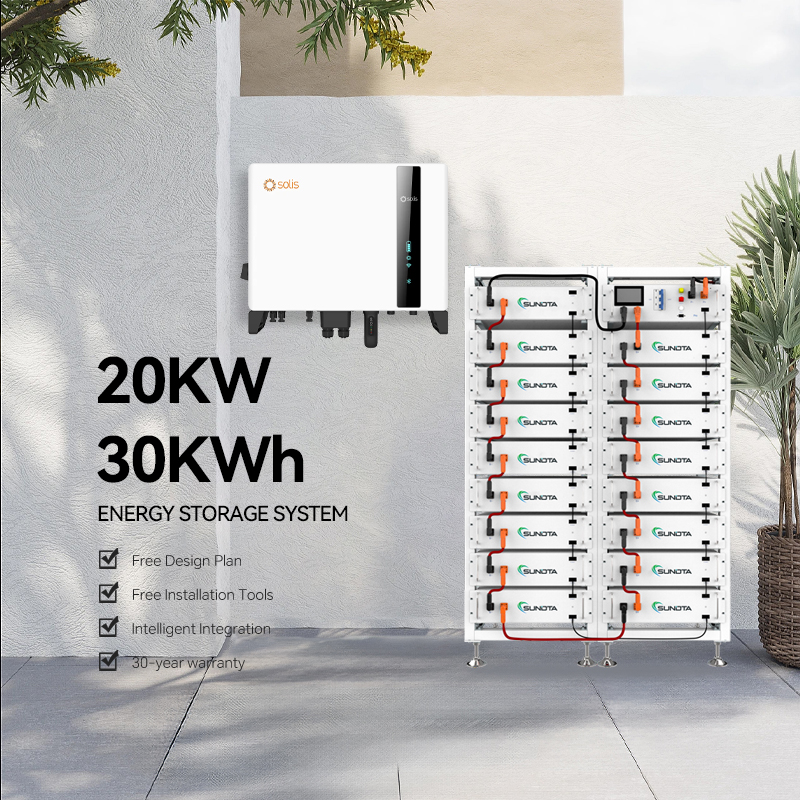
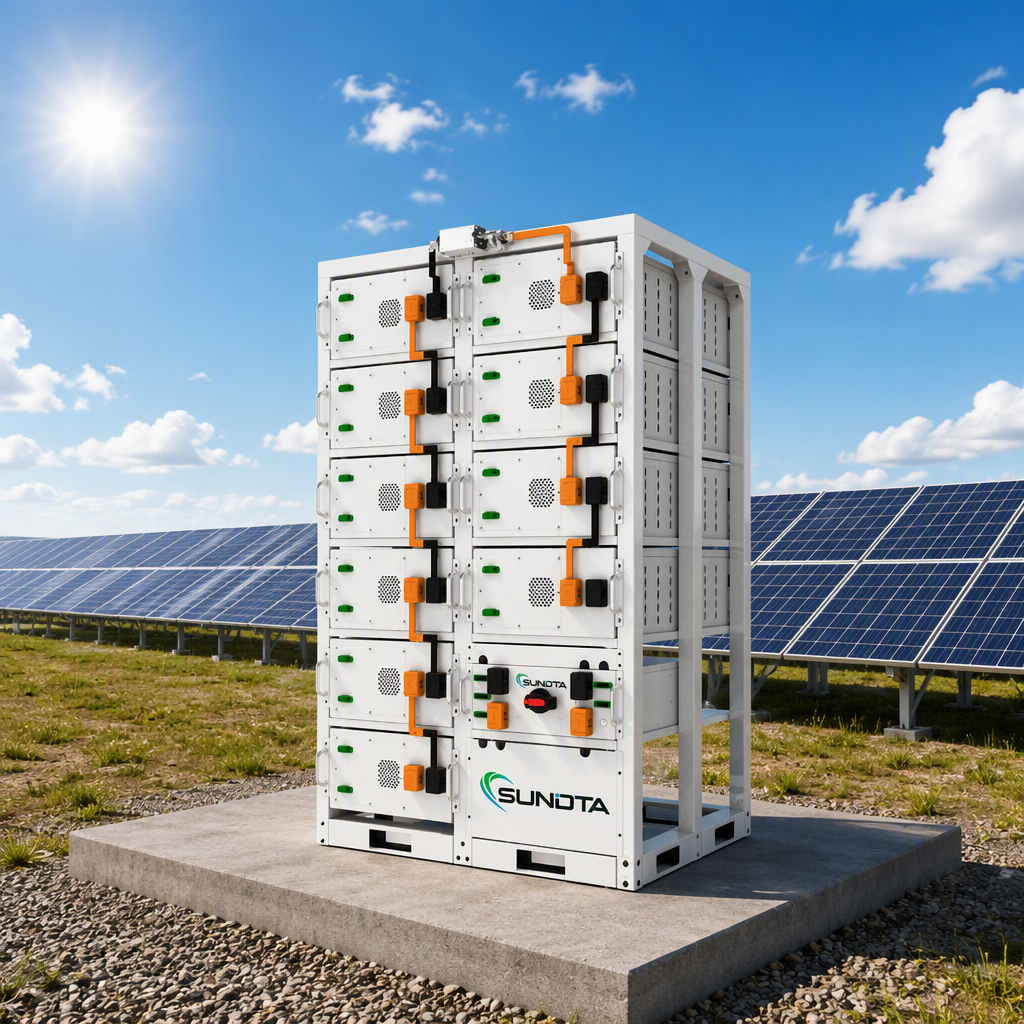
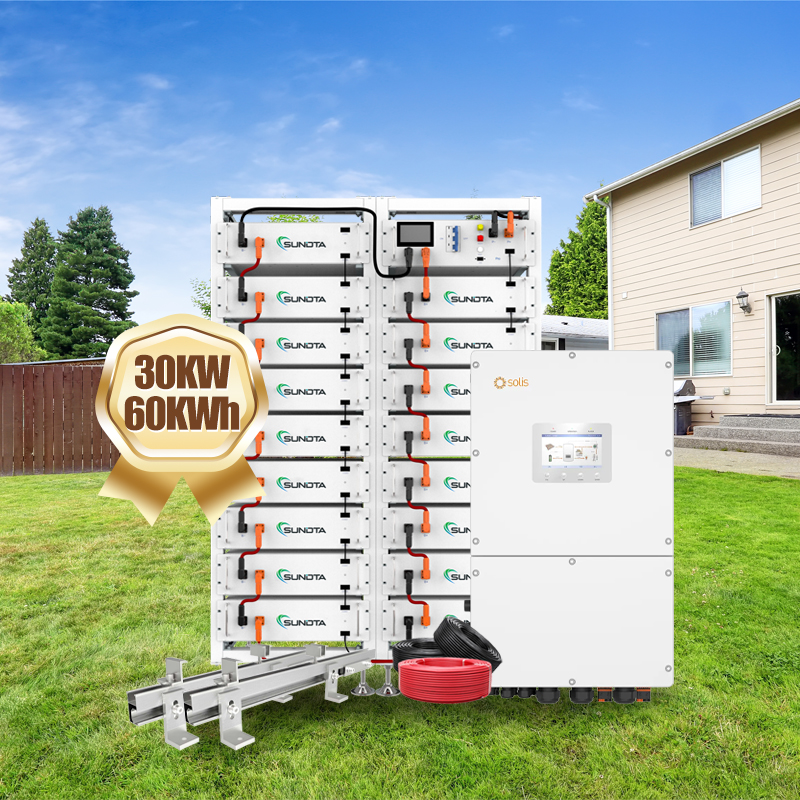
Why procurement officers, hospital directors, and telecom EPCs across Haiti must prioritize thermodynamic resilience, harmonic stability, and closed-loop BMS communication.
Deploying photovoltaic equipment in Port-au-Prince requires understanding the localized challenges of Haiti's electrical infrastructure. Electricité d'Haïti (EDH) typically supplies intermittent power, frequently dropping to zero hours of dispatch for consecutive weeks during fuel supply shocks or localized civil instability. As a result, installations in Delmas, Pétion-Ville, Tabarre, and Carrefour do not treat solar as an auxiliary cost-saving mechanism, but rather as the primary baseline power generation plant.
In standard grid-tied designs, inverters shut down when grid reference voltage drops (anti-islanding). In Port-au-Prince, equipment must support full off-grid black-start operation. Systems must handle low-frequency diesel generator coupling without burning out inverter rectifiers due to generator voltage hunting and frequency drift (47 Hz–63 Hz). Anhui RJV New Energy engineers pre-program Solis and Deye hybrid inverters with wide AC input voltage parameters and programmable smart load ports that seamlessly command diesel start-up contacts only when LiFePO4 state-of-charge (SoC) falls below critical safety thresholds.
Port-au-Prince experiences sustained midday ambient temperatures reaching 33°C to 36°C, which elevates cell operational junction temperatures beyond 65°C. Traditional P-type PERC solar cells carry a temperature coefficient of power around -0.35%/°C to -0.38%/°C, creating a severe 15% to 18% thermal power output degradation under peak Caribbean insolation.
To solve this, RJV New Energy exports N-Type TOPCon bifacial modules featuring an optimized temperature coefficient of -0.30%/°C. TOPCon technology eliminates Light-Induced Degradation (LID) and drastically curtails Potential-Induced Degradation (PID) under high relative humidity. Furthermore, white commercial flat roofs across Pétion-Ville and structural gravel mounts provide high albedo reflectance, allowing bifacial dual-glass 590W modules to generate an extra 10% to 25% rear-side harvest, lowering the Levelized Cost of Energy (LCOE) significantly over a 30-year operational lifecycle.
| System Sizing Metric | Standard Residential (Delmas) | Commercial Clinic / NGO (Pétion-Ville) | Light Manufacturing / Cold Storage (Tabarre) |
|---|---|---|---|
| Daily Energy Load | 25 – 45 kWh / day | 120 – 250 kWh / day | 400 – 900 kWh / day |
| Recommended Inverter | Deye 8kW – 12kW Split/Single Phase | Deye 30kW – 50kW 3-Phase Low/High Volt | Dual Solis 50kW / SDT-280 Industrial |
| LiFePO4 Storage Bank | 15kWh – 30kWh (51.2V Wall-Mount) | 60kWh – 120kWh (Rack Cabinet) | 200kWh – 500kWh Containerized BESS |
| Target Autonomy | 36–48 Hours (Zero Grid Baseline) | 48–72 Hours (Critical ICU/Storage) | 24 Hours Continuous + Auto-Genset Run |
| Generator Integration | Dry Contact Smart Load Dry Contact | Automated ATS Signal via Microgrid Inverter | BESS Synchronous Generator Interlock |
Residential homes in suburbs like Vivy Mitchell and Thomassin require zero-noise, non-polluting alternatives to diesel gensets. RJV's 51.2V 10kWh to 20kWh wall-mounted LiFePO4 batteries deliver uninterrupted air-conditioning, refrigeration, and borehole water pump operation without fuel procurement anxieties.
Medical refrigeration in Port-au-Prince demands continuous 2°C to 8°C cold chain maintenance for vaccines and essential insulin. Our 30kW to 50kW balanced three-phase systems maintain strict voltage stability (<1% THD), protecting sensitive clinical diagnostic devices from surge degradation.
Manufacturing facilities and warehousing compounds along Boulevard du 15 Octobre switch to high-voltage SDT-280 energy storage cabinets. These systems manage high motor inductive inrush currents, shaving costly peak diesel generation tariffs and delivering 100% operational uptime.
Market data reveals a decisive transition from informal, low-grade consumer components toward bankable, pre-engineered commercial microgrid packages.
Historically, flooding the market with flooded tubular and AGM lead-acid batteries led to rapid capital destruction; local ambient heat destroyed cycle lives within 14 to 18 months. B2B buyers now mandate Grade-A LiFePO4 cells with closed-loop CAN bus BMS, extending replacement cadences past 10 years and reducing total cost of ownership by over 60%.
System integrators in Haiti have grown weary of split-order liabilities, where inverter providers blame battery protocols for communication drops, and panel makers dispute bypass diode failures. Turnkey procurement—ordering complete matched BOMs (panels, inverters, storage racks, rapid shutdown arrays) from Anhui RJV New Energy—eliminates on-site field mismatches.
Diesel fuel in Port-au-Prince has experienced volatile spot spikes and distribution blockades. The most urgent local commercial inquiries demand retrofit PV coupling into existing 100kVA–500kVA Cummins, Perkins, or Caterpillar generator sets, targeting 70%+ fuel offset using fast-reacting solar hybrid controllers.
Combining heavy module manufacturing scale in Hefei with multi-brand power electronics engineering, accredited by international audit bodies.
Our Hefei manufacturing facility, quality assurance systems, and cleanroom manufacturing workshops have successfully undergone rigorous on-site verification by TÜV Rheinland. Full inspection audits are provided with export declarations.
Backed by over a decade of dedicated PV & ESS research, our integration architecture integrates 38 proprietary utility patents spanning thermal dissipation fins, high-voltage battery cell isolation, and high-frequency inverter circuits.
We execute standard sea freight forwarding to Port Lafito and Port-au-Prince APN via Kingston or Caucedo transshipment hubs. Systems are crated with maritime heavy shock moisture-barrier desiccants and reinforced wooden export palettes.
Our bilingual commissioning engineers assist Caribbean EPC teams through remote RS485/WiFi network setup, BMS firmware cross-matching, inverter string sizing verification, and on-site field training via dedicated real-time channels.
Addressing core procurement inquiries regarding container shipments, hurricane mechanical survivability, and communication protocols.
Get in touch directly with Anhui RJV New Energy's senior technical sales desk. Request complete datasheets, container consolidation pricing, and engineering drawings for your upcoming installation.