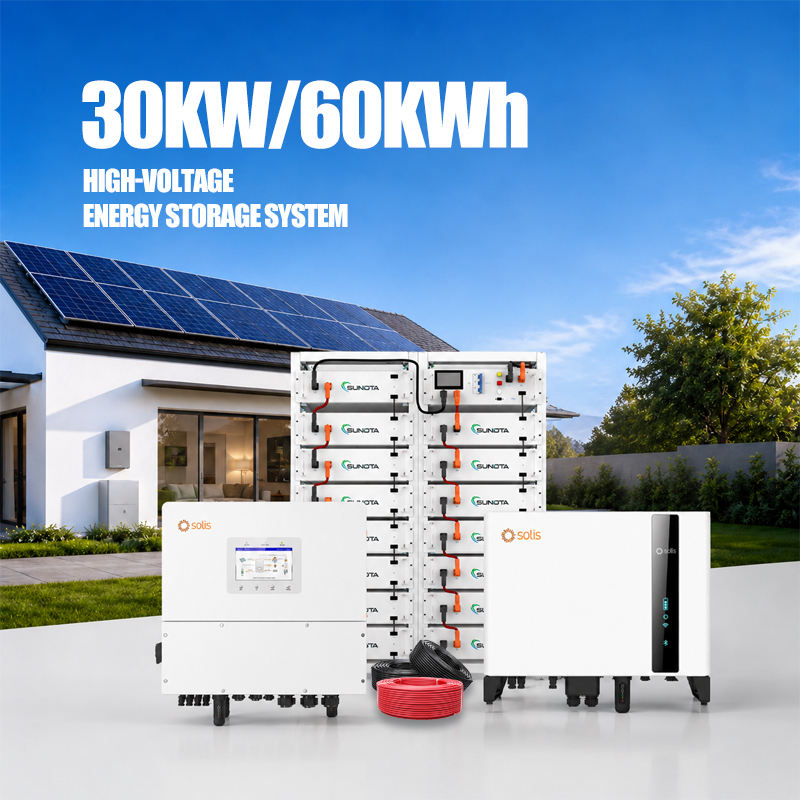
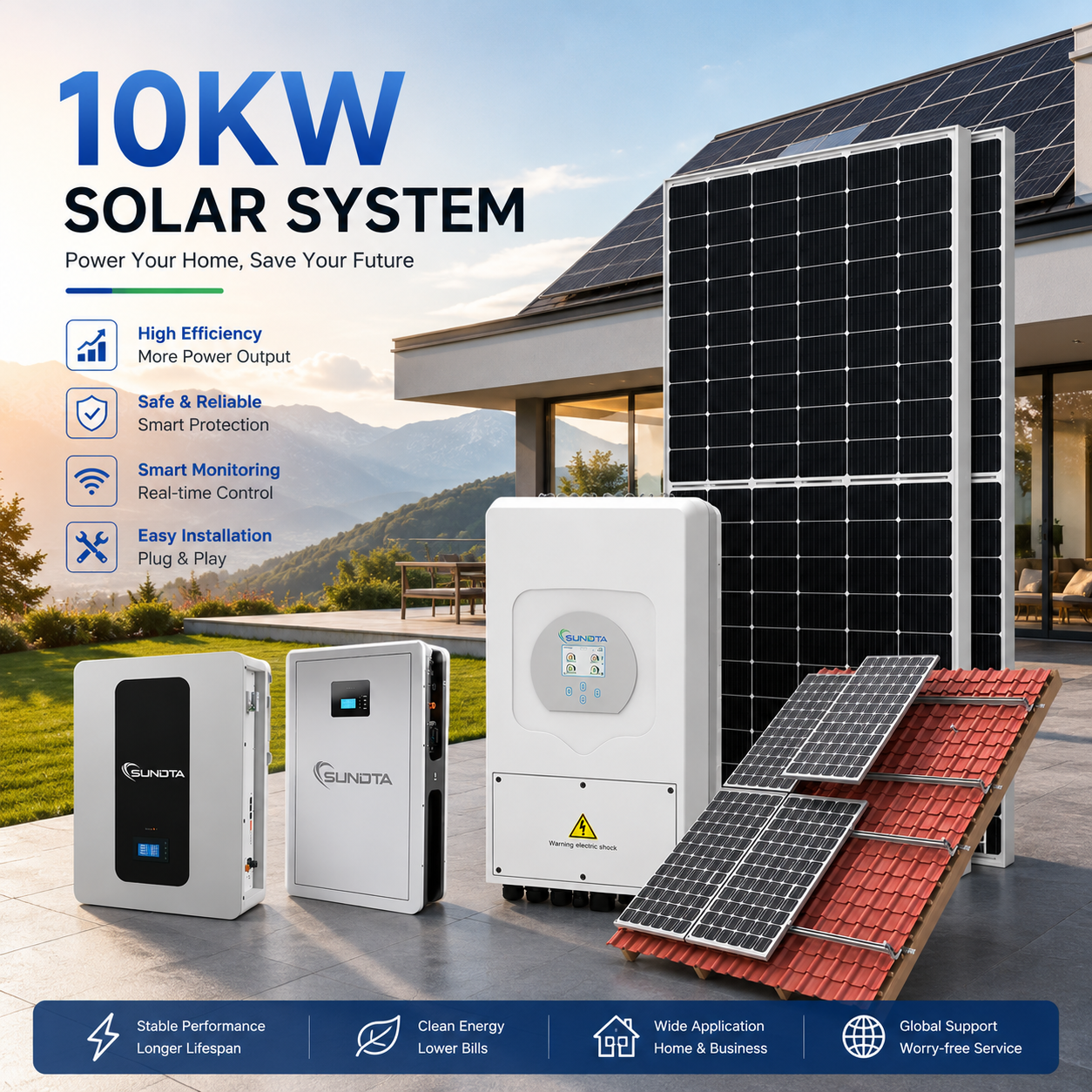
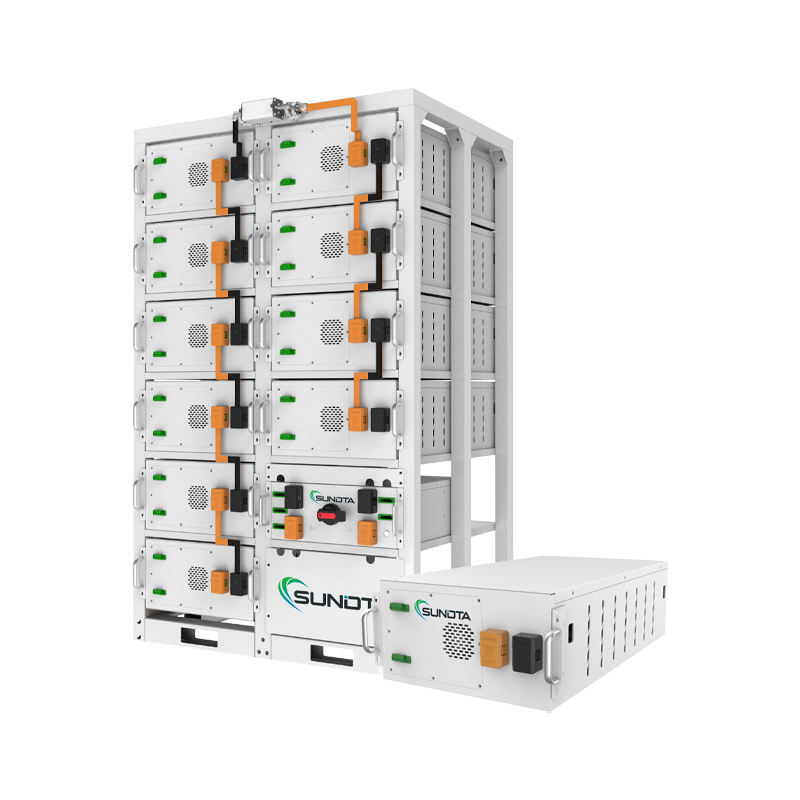
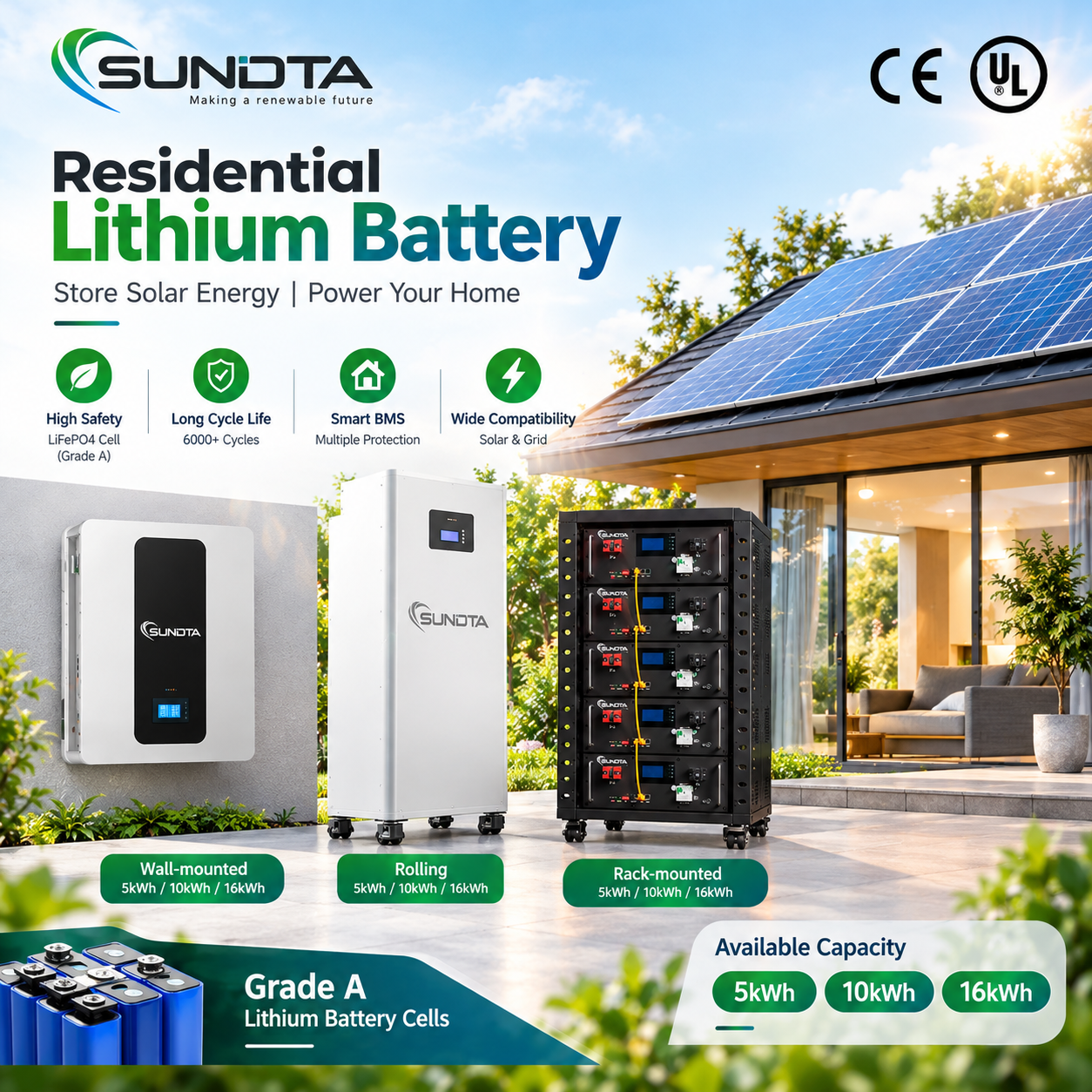
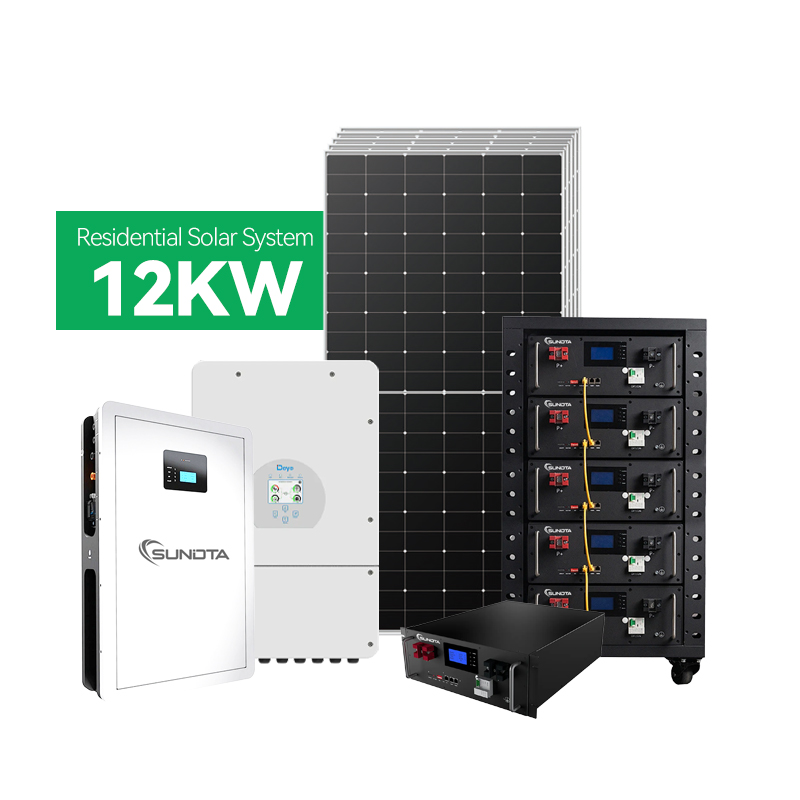
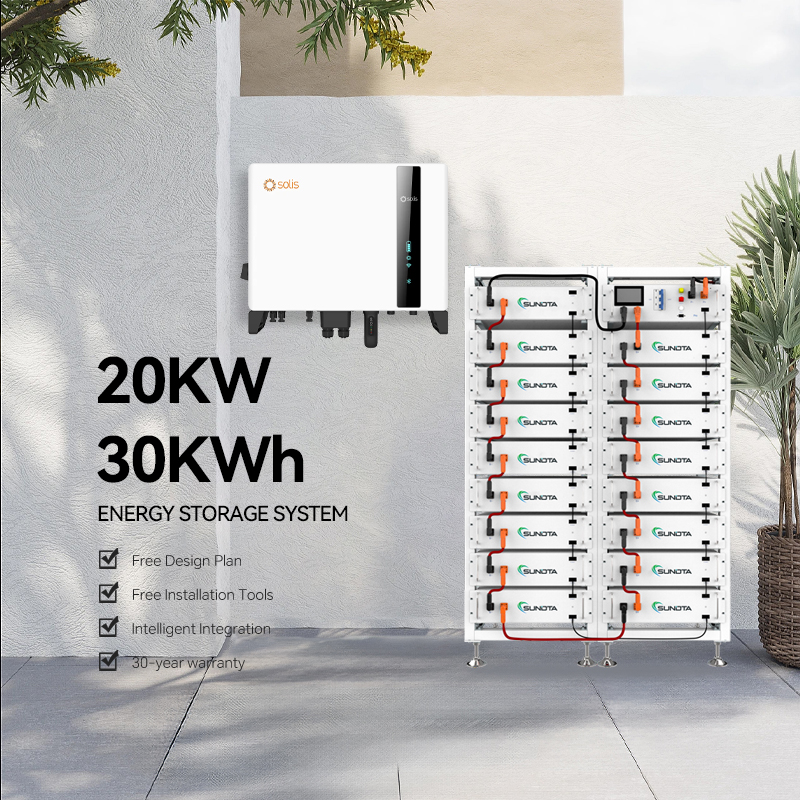
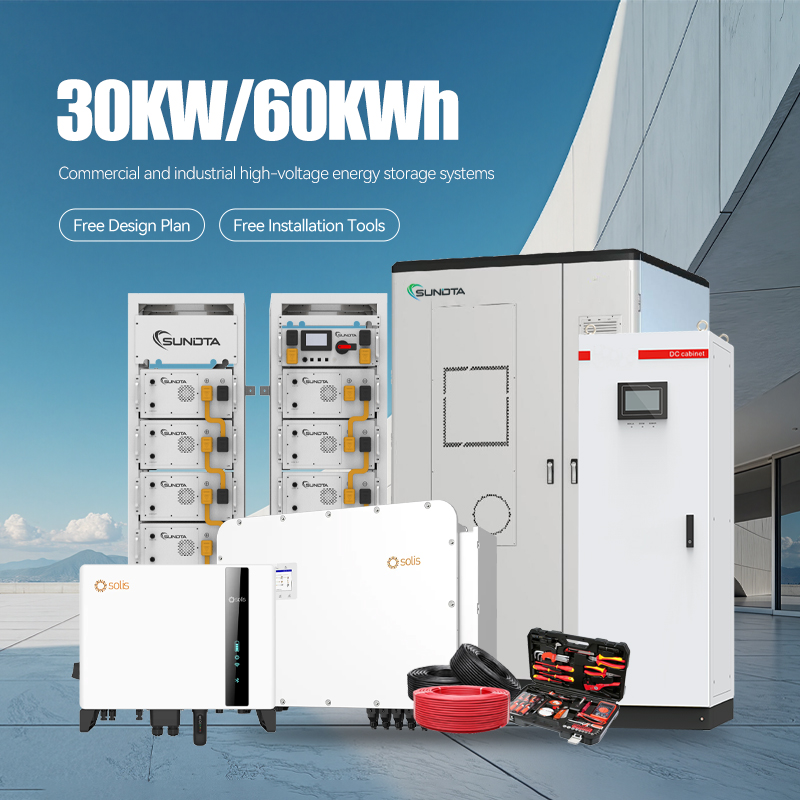
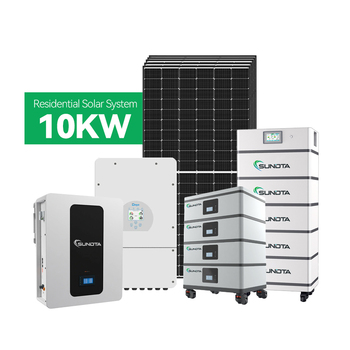
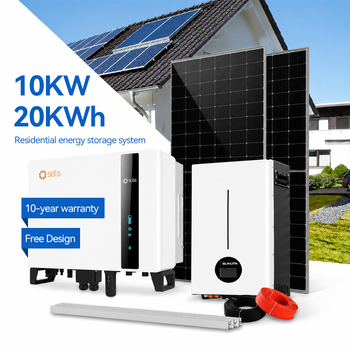
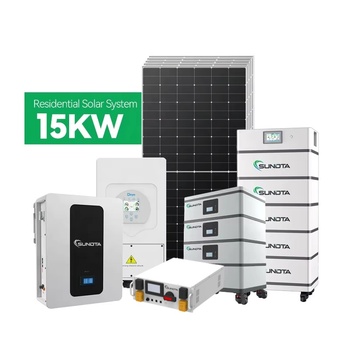
51.2V Split All-in-One Solar Battery Inverter System 30kWh LiFePO4 Energy Storage
- Dual CAN/RS485 closed-loop BMS
- Split architecture for flexible room setup
- Backup power hybrid switching <10ms
A B2B Engineering Assessment on High-Cycle LiFePO4 Energy Storage, Harsh Climate Resilience, CAN Protocol Standardization, and Direct Logistics for Southern Tajikistan.
Pre-configured with universal CAN/RS485 closed-loop communication for seamless integration with Deye, Solis, and tier-one power conversion equipment across commercial and domestic installations.
Kulob, as an economic and population cornerstone of the Khatlon Region in southern Tajikistan, experiences a unique intersection of extreme continental climatic variations and rapid modern industrialization. While the regional transmission grid remains historically intertwined with Soviet-era central hydropower transmission corridors from Nurek and Baipaza, rapid commercial development, agricultural modernization, and high summer cooling demands regularly stress distribution substations. In the cold winter months, frozen run-of-river bottlenecks produce rolling outages and severe voltage dips (frequently drooping below 175V AC), destabilizing industrial operations, cold-chain refrigeration facilities, and domestic life alike.
Consequently, the transition toward decentralized 19-inch rack-mounted lithium iron phosphate (LiFePO4) battery energy storage systems (BESS) has shifted from an optional luxury to critical commercial resilience infrastructure. Unlike antiquated valve-regulated lead-acid (VRLA) or gel cells—which degrade severely under high cycle frequencies and suffer irreversible sulfation in unconditioned spaces—modern lithium iron phosphate chemistries maintain operational integrity up to 6,000 cycles at 80% Depth of Discharge (DoD). Furthermore, rack-mounted modular form factors allow regional engineering firms in Kulob to incrementally scale battery capacity from an initial 10kWh to 300kWh+ within standard server-cabinet enclosures without requiring complex building structural overhauls.
Technical Field Observation: In the Yakhsu and Kyzylsu river basins surrounding Kulob, summer ambient temperatures frequently exceed 42°C, while uninsulated warehouse temperatures can hit 50°C. Standard off-the-shelf lithium accumulators lack active cell-to-cell thermal management, triggering High-Temperature Overcharge Cutoffs. RJV rack-mounted batteries incorporate dual-thermal sensor monitoring per module, paired with 2-ounce heavy-pour copper busbars to disperse internal resistive heat during rapid 0.5C and 1C high-amperage charging windows.
Kulob substations frequently exhibit phase imbalance and frequency deviations (48.5Hz to 51.5Hz). RJV rack batteries pair with split/three-phase hybrid inverters with microsecond dynamic switching, preventing data loss in municipal telecommunications and automated industrial lines.
Factoring cross-border transit tariffs and customs clearance along the Khorgos or Kashgar-to-Kulob overland corridors, RJV LiFePO4 cells deliver an LCOS below $0.065 per cycled kWh over a 15-year lifecycle, outperforming locally sourced flooded lead-acid batteries by more than 340%.
Automated internal heating algorithms activate automatically below 0°C to facilitate solar charging during Kulob winter snowfalls, preventing hazardous lithium plating while safeguarding internal separator integrity down to -20°C operational thresholds.
A rigorous review of tier-one cell sourcing, CAN protocol interoperability, CE/UN38.3 certifications, and streamlined Silk Road overland logistics delivery to Kulob, Tajikistan.
Headquartered in Hefei’s high-tech industrial manufacturing hub, Anhui RJV New Energy stands as the primary integrated provider of rack-mount LiFePO4 batteries, complete solar systems, and hybrid inverters specifically engineered for Central Asian grid resilience. Operating 2 GW of automated module production capacity and holding 38 technological patents, RJV provides full closed-loop CAN/RS485 protocol matching with Deye, Solis, and Growatt inverters. RJV operates dedicated cross-border freight routes direct to Khatlon/Kulob customs terminals, eliminating middleman distributor margins.
Renowned for their US2000 and US3000 series, Pylontech offers proven 48V server rack formats globally. Widely distributed across European markets, their products reach Central Asia through secondary regional aggregators, though pricing structures often reflect significant distributor markup in regional CIS territories.
Dyness produces versatile 48V rack and modular batteries such as the Powerbox and BX51100 series. While primarily popular for European residential installations, their modular designs have gained traction among southern Tajikistan villa owners seeking straightforward plug-and-play expansion.
Specializing in telecom base station modernization and commercial microgrids, Huawei’s LUNA and SmartLi rack solutions are installed across national telecommunications carriers in Tajikistan. High hardware costs and proprietary software lock-in restrict broader residential utility.
Deye’s proprietary low-voltage RW-M6.1 and high-voltage rack series guarantee 100% native compatibility with Deye hybrid inverters. While hardware delivery often requires long lead times, their combined hardware stacks represent a solid option for three-phase commercial arrays in Kulob.
Using proprietary lithium iron phosphate Blade cell geometry, BYD Battery-Box Premium rack systems provide fire-safe energy density. Export allocations to Central Asia are typically handled through large multinational development projects rather than direct B2B buyer channels.
Felicity focuses on cost-optimized residential off-grid lithium batteries for emerging markets in Africa and Central Asia. They provide accessible entry-level 51.2V rack units, though their cycle life is frequently rated closer to 3,000–4,000 cycles under heavy load conditions.
Historically recognized for industrial backup lead-acid solutions, Sacred Sun has developed an institutional lineup of rack-mounted lithium modules for railway signaling, substations, and utility backup across the Commonwealth of Independent States (CIS).
Narada produces high-capacity rack-mounted battery systems and containerized ESS platforms for major utility suppliers. Their solutions are well-suited for grid frequency regulation but require high minimum order commitments impractical for smaller commercial operators.
A persistent player in telecom infrastructure across Eurasia, Shoto exports standardized 48V/100Ah rack units for telecommunication tower backup. Their equipment is rugged, though firmware updates and custom inverter protocol modifications remain restricted for private solar installers.
A direct side-by-side metric breakdown between standard market configurations and Anhui RJV New Energy’s hardened high-density LiFePO4 rack systems.
| Evaluation Parameter | Anhui RJV New Energy | Standard Market Rack LiFePO4 | Conventional VRLA / Gel Bank |
|---|---|---|---|
| Nominal Chemistry & Purity | Grade-A LiFePO4 (Automotive Tier) | Mixed Grade LiFePO4 / Re-sorted cells | Lead-Calcium / Absorbed Glass Mat |
| Cycle Life (@ 80% DoD, 25°C) | 6,000 to 8,000 Cycles | 3,500 to 4,500 Cycles | 600 to 1,000 Cycles |
| Operational Temp Span | -20°C to +55°C (Internal Preheating) | 0°C to +45°C (Unheated) | -10°C to +40°C (Steep drop below 0°C) |
| Inverter Protocol Matching | Multi-Protocol Firmware (Deye, Solis, etc.) | Fixed Protocol / Requires Custom Flashing | None (Analog Voltage Sensing Only) |
| Round-Trip Efficiency (RTE) | > 95.5% | 90.0% – 92.0% | 75.0% – 82.0% (Severe thermal dissipation) |
| Footprint & Mass (for 30kWh) | Standard 19" Rack (~240 kg) | Multiple Wall Boxes (~320 kg) | Concrete Battery Room (~1,100 kg) |
Purpose-matched equipment topologies solving genuine regional infrastructure challenges across domestic, agro-industrial, and municipal operations.
Southern Tajikistan’s residential estates frequently face sudden winter load-shedding. Installing a 51.2V 10kWh–15kWh stackable rack connected to a Deye or Solis hybrid inverter provides immediate, uninterruptible power for gas-boiler circulation pumps, security networks, lighting, and refrigeration without the noise, pollution, and recurring fuel logistics of diesel generators.
Kulob’s surrounding agricultural enterprises—specializing in horticultural fruit preservation and cotton processing—suffer massive financial inventory losses during summertime phase brownouts. A three-phase 50kW hybrid inverter combined with a 60kWh–100kWh high-voltage rack battery stabilizes peak motor starting surges and runs chillers continuously across hot afternoons.
Isolated mountain communication relays and deep-well irrigation pumps operating across Khatlon have no access to the 220V/380V distribution grid. RJV’s high-power off-grid packages paired with 51.2V 314Ah LiFePO4 rack units maintain reliable, unmanned off-grid autonomy through 3 straight days of torrential overcast weather.
The renewable energy sector across southern Tajikistan is experiencing an unprecedented inflection point driven by three major regional dynamics:
1. National Tariff Rationalization & Peak Arbitrage: In accordance with national utility restructuring and modernization strategies (including initiatives aligned with Barqi Tojik and bilateral Central Asian power trade pacts), electricity tariffs for commercial enterprises in Khatlon are steadily adjusting upward. This makes peak-shaving through lithium rack batteries financially compelling. Facilities can charge storage units during early morning hydro-surplus periods or midday solar windows, discharging during evening demand peaks to avoid penalty tier tariffs.
2. Decentralization of Public Sector Infrastructure: Hospitals, regional medical clinics, and vocational universities in Kulob are actively replacing depreciated emergency diesel equipment with clean solar microgrids. Grant-assisted public safety standards enforce non-toxic, non-explosive chemistries, definitively eliminating lead-acid banks and establishing LiFePO4 rack batteries as the mandated procurement baseline under national energy independence guidelines.
3. Belt and Road Overland Logistic Optimization: Historic logistics bottlenecks through sea-ports followed by multi-week rail transfers are being supplanted by direct, customs-bonded trans-Pamir highway truck transport and specialized China-Europe freight trains passing through Central Asian land ports. For EPC contractors in Kulob, direct shipments from Anhui RJV New Energy’s factory floor reduce landed transit times to under 18 days, slashing freight insurance premiums and transit-related battery cell vibration risks.
Eliminating the friction, technical misalignments, and warranty disputes that arise when purchasing solar panels, inverters, and battery racks from disparate trading intermediaries.
State-of-the-art automated cell testing, module lamination, and precision assembly lines back every SKU. With over 12 years of specialized PV and ESS experience, we ensure exact cell matching with sub-1% internal resistance deviations.
We supply complete systems: N-type TOPCon panels, Deye/Solis inverters, and LiFePO4 rack batteries. Our engineers test closed-loop BMS communication and voltage-matching on factory test-benches before dispatch.
Our Hefei production headquarters has undergone complete on-site operational verification by TÜV Rheinland. We carry full CE, IEC 61215, IEC 61730, UN38.3, and AAA credit ratings for completely risk-free cross-border trade.
Direct communication with factory bilingual electrical engineers for installation sizing, wiring diagrams, inverter firmware matching, and remote commissioning guidance across your time zone.
Essential guidance covering customs handling, inverter protocol compatibility, harsh weather deployment, and flexible Incoterms.
We regularly handle cross-border shipments to Central Asia under CIP, CIF Dushanbe/Kulob, and FOB Chinese border dry ports (such as Kashgar, Khorgos, or Alashankou). All battery shipments are classified as Dangerous Goods (DG Class 9, UN3480) and arrive packed in certified UN-standard drop-tested wooden crates complete with MSDS, dangerous goods packaging certificates, and UN38.3 test reports for frictionless customs clearance at Khatlon terminals.
Yes. Our rack battery BMS features pre-flashed, multi-protocol selectable firmware supporting CAN and RS485 communication protocols for Deye, Solis, Growatt, Victron, and GoodWe. Installers simply set the physical DIP switches on the front module panel or select the protocol on the LCD menu to establish instant closed-loop communication for state-of-charge (SoC), real-time temperature, and dynamic charge-current throttling.
Charging lithium batteries at temperatures below 0°C without thermal compensation can cause permanent lithium plating, internal short-circuits, and catastrophic cell degradation. RJV offers integrated internal self-heating PTC film options. When incoming PV or grid power is sensed below 0°C, current is first directed to gently warm the battery core to +5°C before the BMS opens the main charging gates, ensuring safe, full-capacity charging even during freezing Khatlon winters.
For standard 51.2V 100Ah/200Ah/314Ah rack modules and hybrid inverters, our MOQ is just 1 piece/set, allowing engineering contractors to evaluate pilot test units. For complete commercial turnkey systems or customized OEM server rack battery enclosures, we offer flexible consolidated LCL or FCL container volume pricing, combining modules, racking, and inverters within a single shipment.
Absolutely. Up to 15 or 32 RJV rack units (depending on the BMS model selected) can be connected directly in parallel using standard communication patch cords and heavy-duty terminal busbars without requiring external master-control units. This allows a facility in Kulob to start with a 15kWh setup and cleanly expand to 160kWh+ in the same standard 19-inch server cabinet enclosure as capital expenditure permits.
Connect directly with Anhui RJV New Energy's senior technical sales division. Receive full engineering datasheets, compatibility matrices, and verified B2B overland freight quotations tailored to Tajikistan.