B2B Canadian Solar Engineering Whitepaper

Top 10 Solar PV Inverter Suppliers & Exporters for the Canada Market

A comprehensive technical procurement breakdown: CSA C22.2 No. 107.1 compliance, UL 1741-SB interoperability, Rule 21/IEEE 1547.1 grid interconnection, and cold-climate sub-zero performance benchmarks for commercial and residential EPCs.

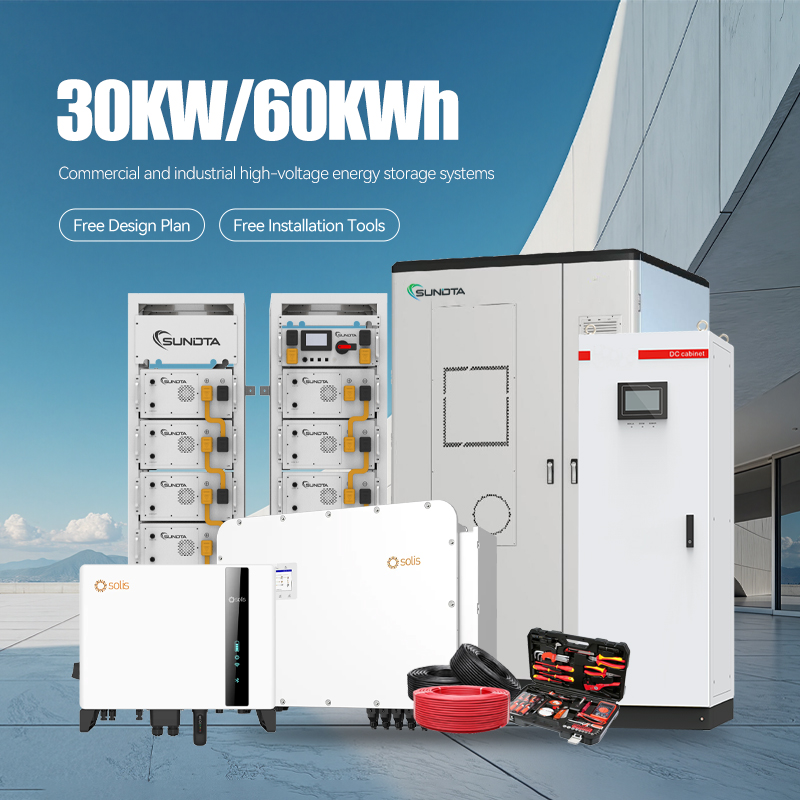
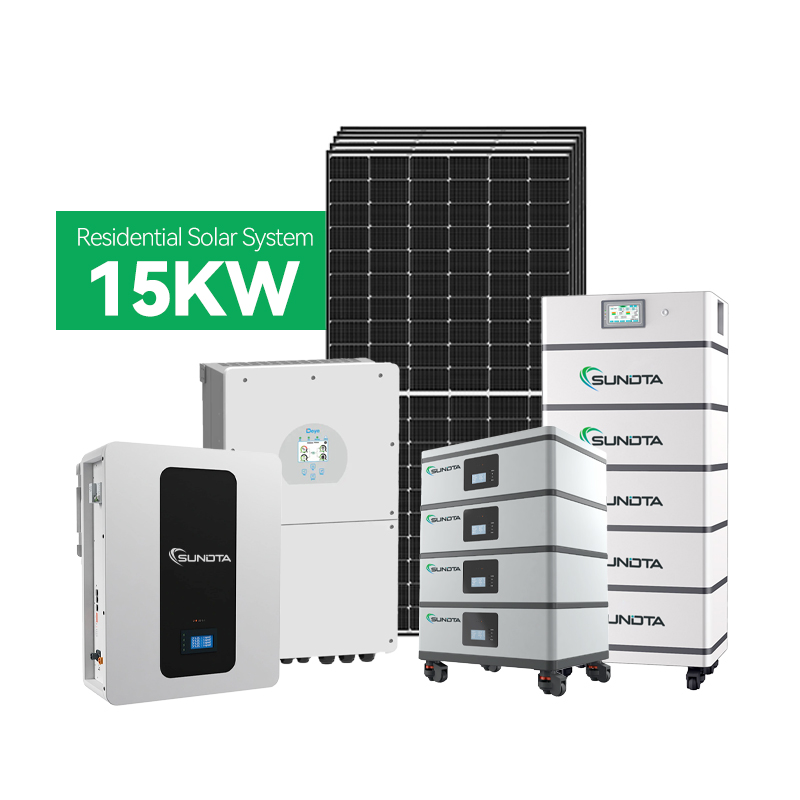
Matched Inverter & Storage Architecture

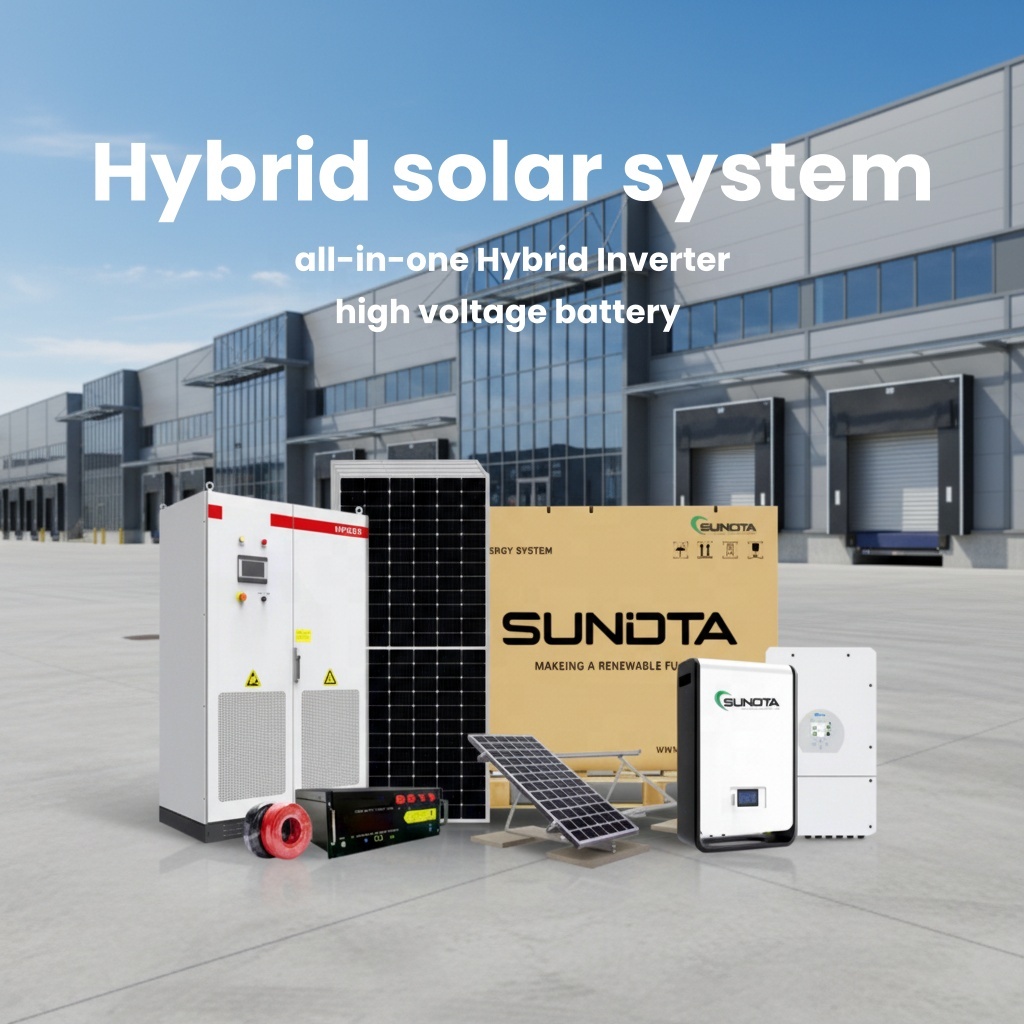
Canadian Cold-Climate Ready Solar & Storage Systems

Engineered to operate seamlessly across Canadian distribution networks. Designed with high open-circuit voltage margins (-40°C rated) and integrated CAN/RS485 closed-loop communication for split-phase and three-phase interconnection.

Technical Procurement Dossier

Canadian Grid Codes & Hardware Engineering Standards

Sourcing solar inverters for Canadian provinces requires adhering to standards beyond conventional CE or generic IEC marks. Understanding CSA, CEC, and regional utility mandates is vital for project approval.

1. CSA C22.2 No. 107.1 & UL 1741-SB

Under the Canadian Electrical Code (CEC Part 1), every grid-interactive inverter installed from British Columbia to Nova Scotia must carry third-party certification to CSA C22.2 No. 107.1. In addition, the shift toward smart inverter functionality mandates UL 1741-SB compliance.

  • Active Low/High Voltage Ride-Through (L/HVRT)
  • Frequency Ride-Through (L/HFRT) under IEEE 1547.1-2020
  • Soft-start reconnect ramps following grid destabilization
  • Interoperable SunSpec Modbus over TCP/IP parameters

2. Cold-Climate Voc Sizing Dynamics

Winter conditions in Alberta, Saskatchewan, and Manitoba routinely drop below -35°C. Inverters not engineered with sufficient DC input voltage margins risk catastrophic overvoltage failure due to the negative temperature coefficient of PV cells.

  • Voc calculation corrected for Canadian sub-zero record lows
  • 600V DC ceiling for residential CEC Part 1 compliance
  • 1000V/1500V DC limits for commercial and utility arrays
  • Cold-start threshold circuits operating reliably at -40°C

3. Split-Phase 120/240V Native Balancing

Unlike European three-phase 230/400V environments, Canadian residential homes depend on single-phase split-phase 120/240V panels. Inverter hardware must support asymmetric loading across L1 and L2 without tripping fault-breakers.

  • Zero unbalanced phase export export control
  • Direct integration with 200A main service distribution panels
  • Automatic transfer switch (ATS) sub-10ms microgrid transition
  • Compatibility with external 240V auto-transformers
Data Matrix Evaluation

Comparative Analysis: Top 10 Solar Inverter Suppliers Serving Canada

An objective technical audit evaluating inverter manufacturers and system integrators delivering solutions to the Canadian clean-tech industry.

Supplier / Exporter Core Topology Canadian Compliance Low-Temp Envelope Ideal Project Scale Integration Agility
Anhui RJV New Energy Hybrid Low/High-Voltage + Modular ESS CSA / UL 1741-SB / CE -40°C to +60°C rated Residential Kits, C&I ESS, Off-Grid Turnkey BOM matching, CANbus pairing
Solis (Ginlong Technologies) String & Hybrid Inverters (S6 series) CSA / UL 1741-SB -25°C to +60°C Residential Split-Phase, C&I Strong standard string configurations
Deye Energy Multi-Port Low-Voltage Hybrid UL 1741-SB / CSA tested -40°C to +60°C Retrofit Storage, Microgrids Generator and wind-coupling interface
SolarEdge Technologies DC-Optimized Inverter Architectures CSA / CEC Listed -40°C to +60°C Complex Residential, Commercial Rooftops Module-level power electronics (MLPE)
Fronius Canada SnapINverter & GEN24 Plus Series CSA Certified -40°C to +55°C Agricultural, High-Reliability C&I Active cooling and field serviceability
Enphase Energy Decentralized Microinverters (IQ8) CSA / UL Listed -40°C to +65°C Residential, Shaded Roof Scenarios Rapid shutdown (PVRSS) native compliance
SMA Solar Technology Sunny Tripower & Sunny Boy Platforms CSA / IEEE 1547.1 -25°C to +60°C Large C&I, Utility Ground Mounts Utility SCADA communication protocols
Growatt New Energy Cost-Optimized Hybrid & Off-Grid cTUVus / CSA Spec -25°C to +60°C Budget Residential, Off-Grid Cabins Diverse plug-and-play accessories
Sungrow Power Supply High-Capacity String & Central Inverters CSA / UL Certified -30°C to +60°C MW-Scale C&I, Utility Fields Pre-configured skid container integration
Schneider Electric (Solar) Context Conext XW Pro Hybrid Systems CSA Approved -20°C to +70°C Rugged Backup, Commercial Off-Grid Extensive industrial power platform
Localized Field Implementations

Optimized Configurations for Canadian Operating Environments

Environmental and regulatory factors differ substantially from Ontario to the Yukon. Below are specific design frameworks mapped to local challenges.

Ontario & Quebec Net Metering

Dense residential rooftop markets driven by Hydro One, Toronto Hydro, and Hydro-Québec net metering interconnection tariffs.

Requires precise anti-islanding parameters, export limitation controls, and UL 1741-SB compliance to safeguard distribution transformers from reverse current spikes.

Split-Phase 120/240V • SunSpec Modbus

Alberta Commercial Peak Shaving

With deregulated capacity markets and high transmission tariffs (DTS), Alberta industrial operators invest heavily in demand-charge management.

High-voltage three-phase inverters coupled with battery storage cabinets dynamically discharge during AESO Coincident Peak (12CP) windows, significantly cutting utility charges.

3-Phase 480V/600V • Fast Sub-Second Response

Northern & Indigenous Microgrids

Remote mining operations, telecom repeats, and isolated Northern communities in the NWT, Nunavut, and Northern BC off the main grid.

Requires robust hybrid inverters with auxiliary inputs for automated diesel generator control, low-frequency isolation transformers, and low-temperature chemistry protections.

Off-Grid Auto-Start • -40°C Cold-Start

Prairie Agri-Solar & Snow Albedo

Expansive bifacial utility arrays and agricultural installations throughout Saskatchewan and rural Manitoba facing extreme winter drift.

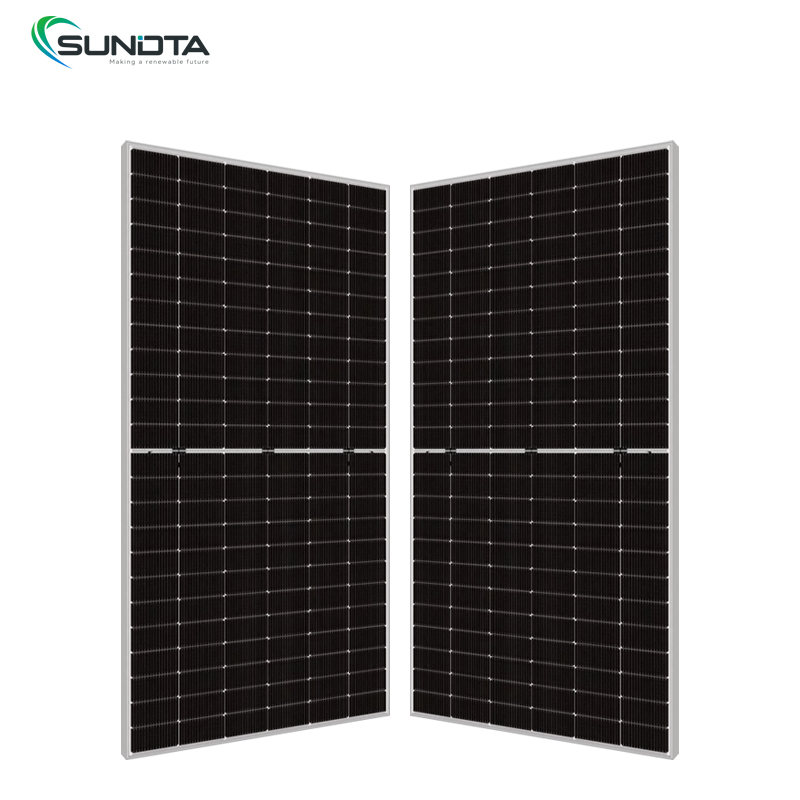
Bifacial N-type modules paired with high-amperage string inverters designed to take advantage of white snow albedo, producing up to 25% additional winter power generation.

1500V DC • 5400Pa Snow Pressure Design
Verified Supply Chain Capabilities

Why Engineering Firms & Importers Partner with RJV

Procurement managers understand that avoiding commissioning delays relies on purchasing synchronized components with verified manufacturing rigor.

2 GW

Annual Module Capacity

Fully automated manufacturing lines equipped with multi-stage EL detection, precision automated stringing, and strict quality control systems.

500 MW+

Global Deliveries

Proven track record supplying EPC contractors, utilities, and wholesale distributors throughout North America, Europe, and Southeast Asia.

12+ Yrs

PV Engineering Pedigree

Specialized R&D engineering teams operating out of Hefei, China—the central hub of global photovoltaic and power electronics innovation.

TÜV / CSA

Assessed Facilities

On-site supplier verifications performed by TÜV Rheinland, backed by complete CE documentation, 38 technical patents, and an AAA corporate credit score.

Procurement Clarity

Frequently Asked Questions: Canadian Solar & Inverter Importation

Direct answers addressing compliance, testing standards, shipping, and cold-weather sizing for project managers.

How does the Canadian Electrical Code (CEC) affect inverter DC voltage ceilings?
Under CEC Part 1 (Section 50 and Section 64), residential installations must not exceed 600V DC maximum open-circuit voltage under any environmental circumstance. In Canadian provinces, engineers must calculate the open-circuit voltage based on the ASHRAE extreme winter record low temperature (often -35°C to -40°C), rather than standard STC (25°C). Commercial systems are permitted to reach 1000V DC or 1500V DC provided they adhere to restricted access barriers and use rated DC disconnects.
What testing marks are accepted by provincial electrical safety authorities (ESA, BC Safety, etc.)?
Provincial authorities such as the Electrical Safety Authority (ESA) in Ontario and Technical Safety BC require inverters to be approved by a recognized certification body accredited by the Standards Council of Canada (SCC). This includes CSA, cUL, cETL, or cTUVus marks demonstrating full compliance with CSA C22.2 No. 107.1. Products marked solely with European CE marks cannot be interconnected to Canadian utility networks without special on-site field evaluations (SPE-1000).
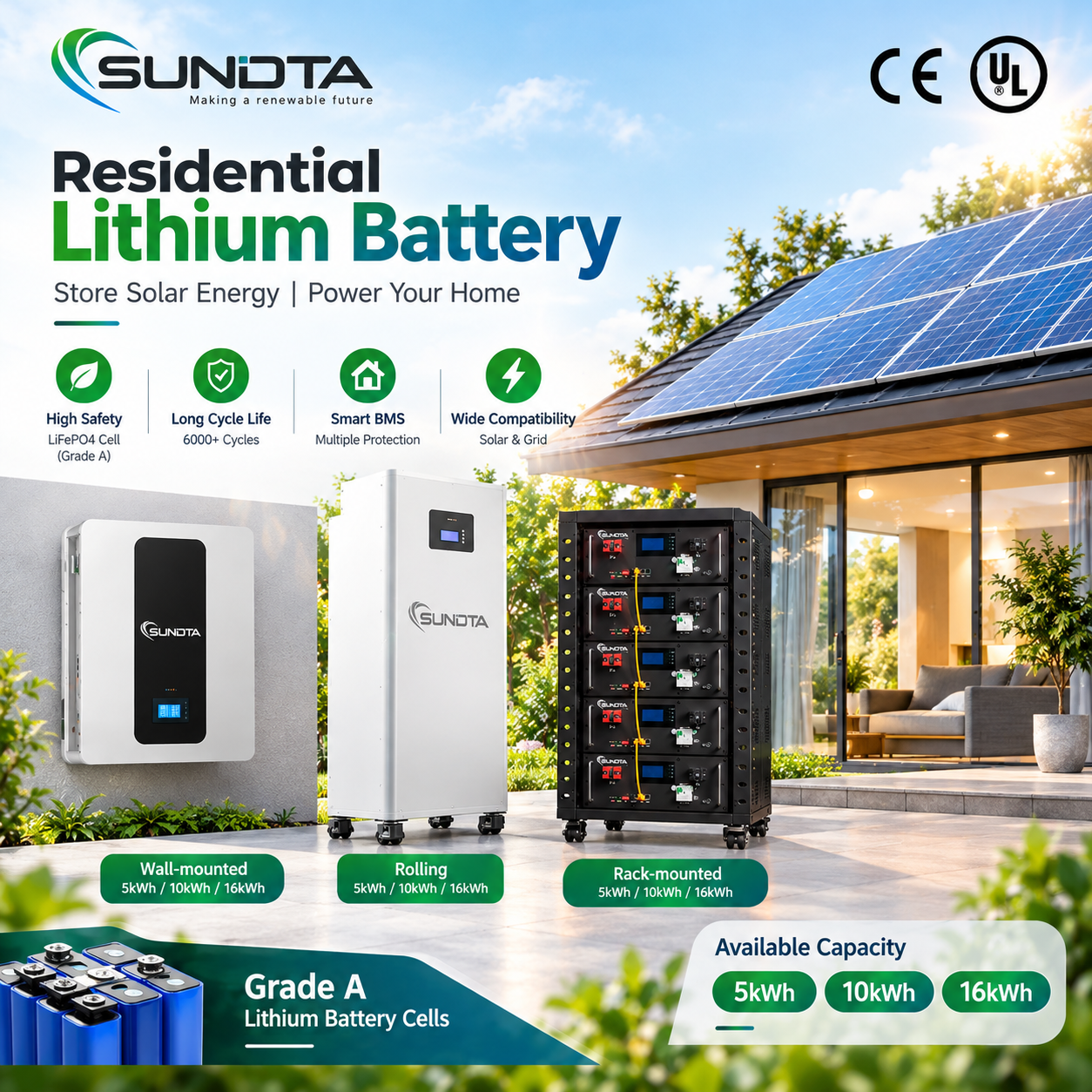
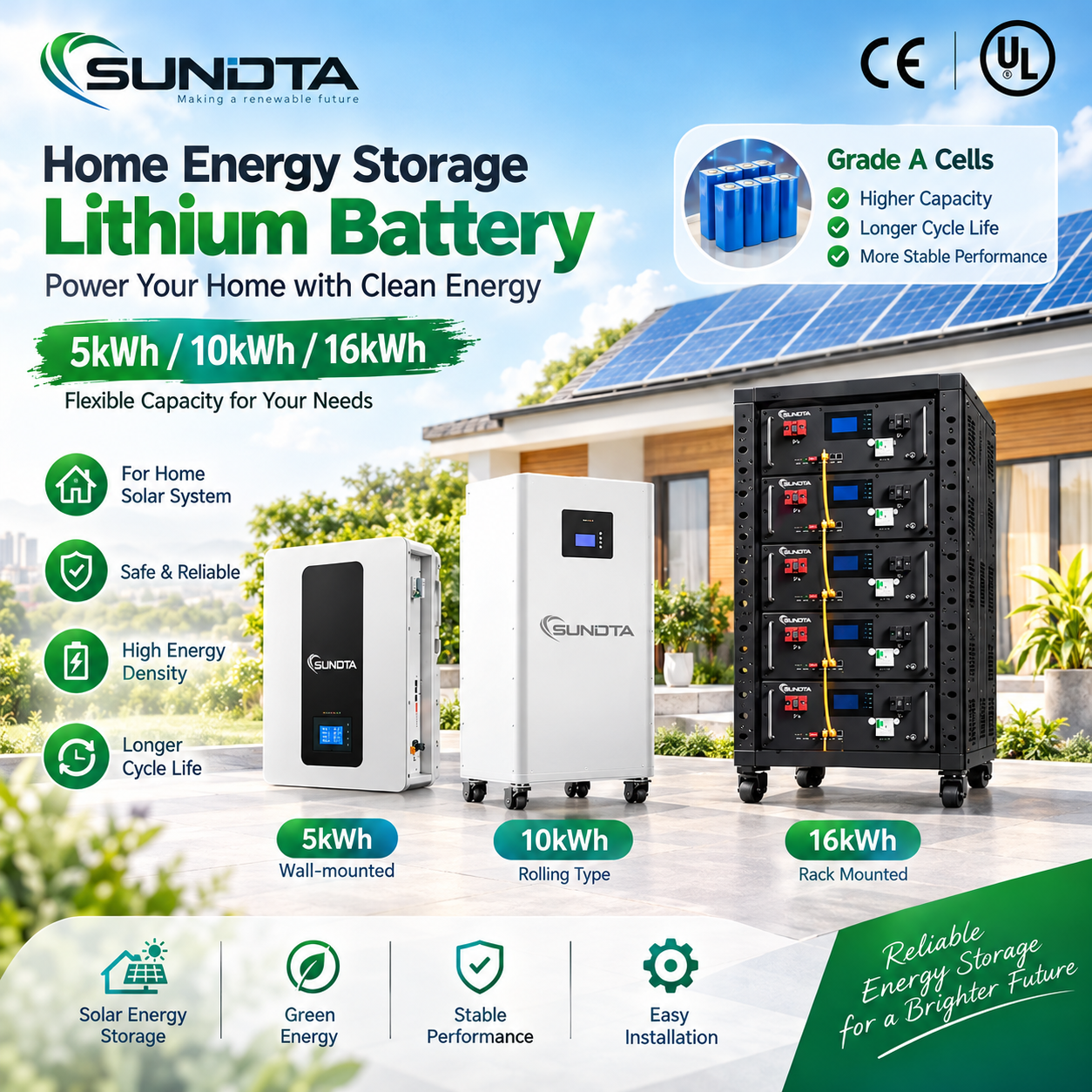
How do RJV lithium storage systems maintain charging efficiency during Canadian sub-zero winters?
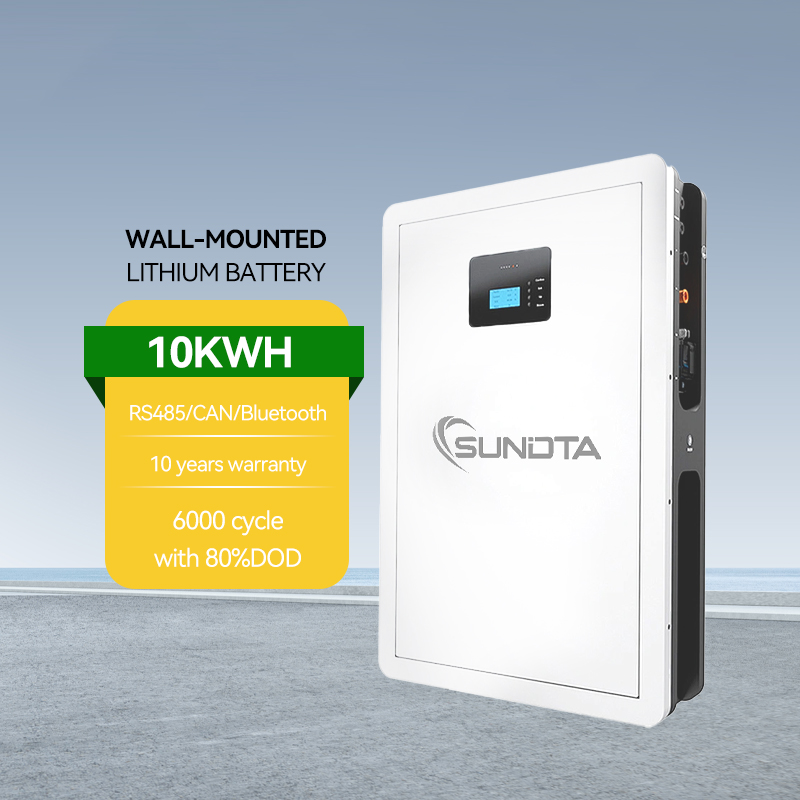
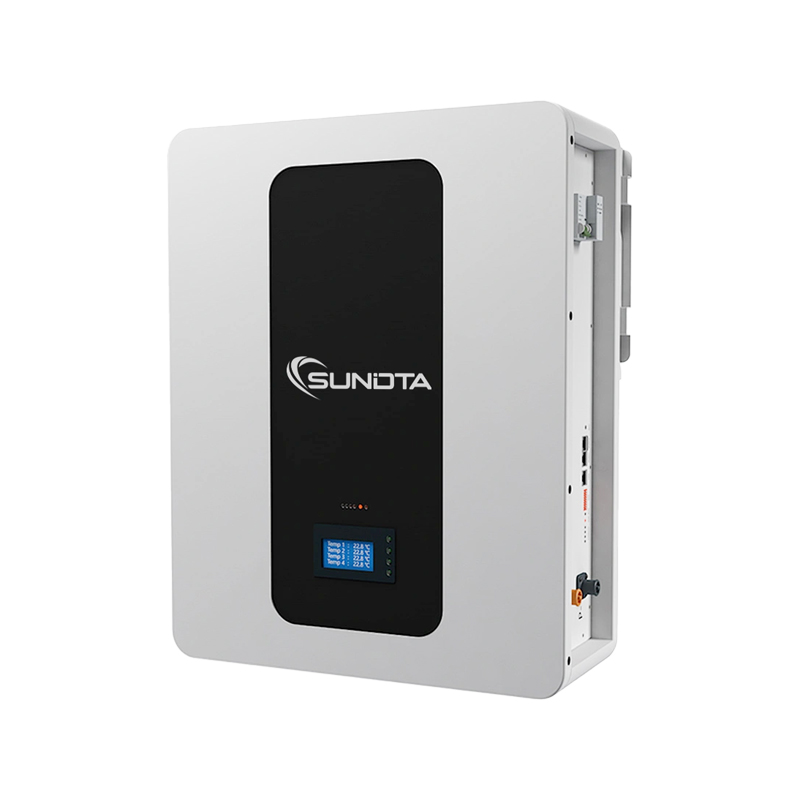
Charging standard LiFePO4 cells at ambient temperatures below 0°C can result in permanent lithium plating on the graphite anode, degrading cell health. RJV batteries designed for cold markets utilize intelligent BMS firmware integrated with internal PTC heating elements. When solar charging begins, current is routed to the heating pads until the core cell temperature reaches +5°C, after which high-amperage charging is unlocked.
Can you provide matched turnkey shipments (modules, inverters, and battery banks) to Canadian ports?
Yes. RJV coordinates complete container loads (FOB, CFR, or CIF delivery terms to major ports including Vancouver, Montreal, and Halifax). By consolidating N-type bifacial panels, matched Deye or Solis inverters, and pre-addressed CANbus LiFePO4 battery banks into synchronized shipments, Canadian EPCs avoid communication mismatches, multiple customs clearance fees, and mismatched component delivery schedules.
What is the standard order MOQ for Canadian EPC projects and distributors?
To provide maximum procurement flexibility, hybrid inverters and residential battery banks start from an MOQ of 1 piece/set for engineering evaluation and testing. Solar modules are generally supplied by full pallet (e.g., 31 to 36 pieces depending on power class) or 20GP/40HQ shipping containers. Mixed orders containing PV modules, inverters, and mounting hardware in one consolidated container are standard practice.

Request a Cold-Climate System Sizing Review

Planning an upcoming Canadian residential microgrid, commercial peak-shaving installation, or provincial net metering project? Connect directly with our engineering team for a validated Bill of Materials, CAD single-line drawings, and localized compliance datasheets.