Top Trusted HJT Solar Cells Manufacturer & Exporters in São Paulo
Empowering Brazilian EPCs, integrators, and solar developers with ultra-high bifaciality, lower LCOE, and INMETRO-compliant heterojunction wafer integration.
Enterprise Sourcing Portfolio
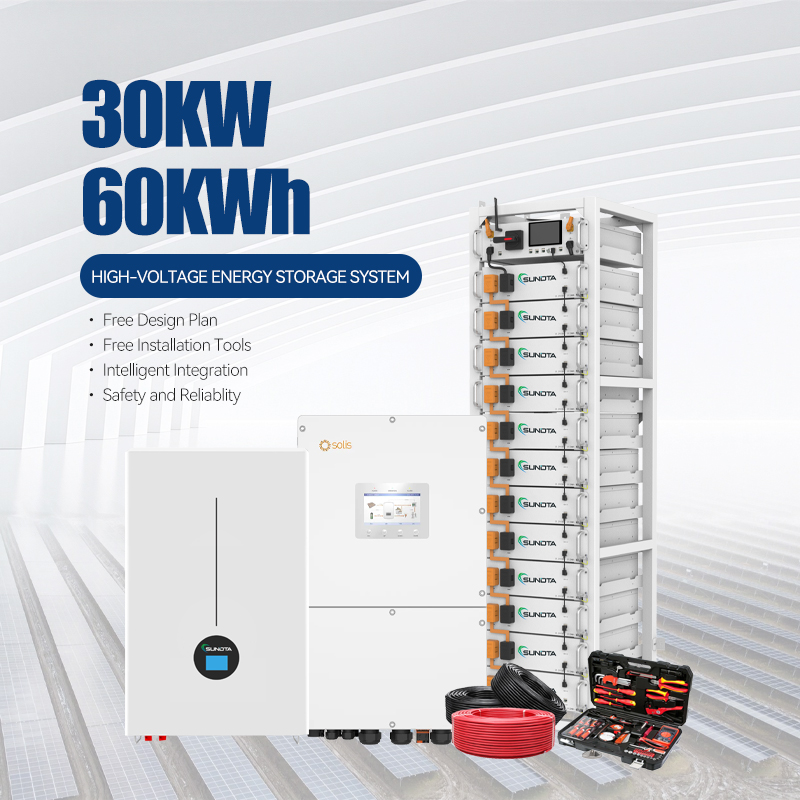
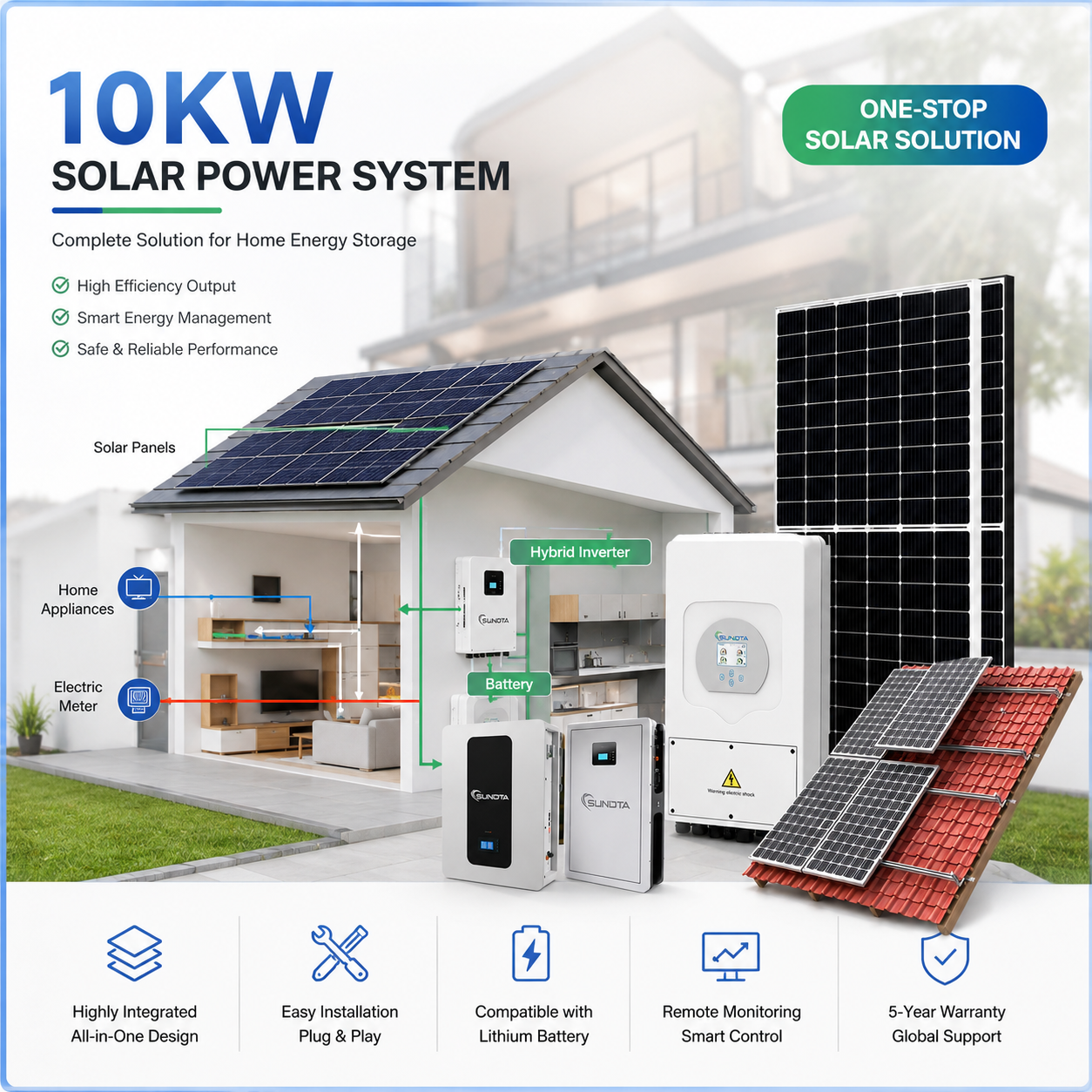
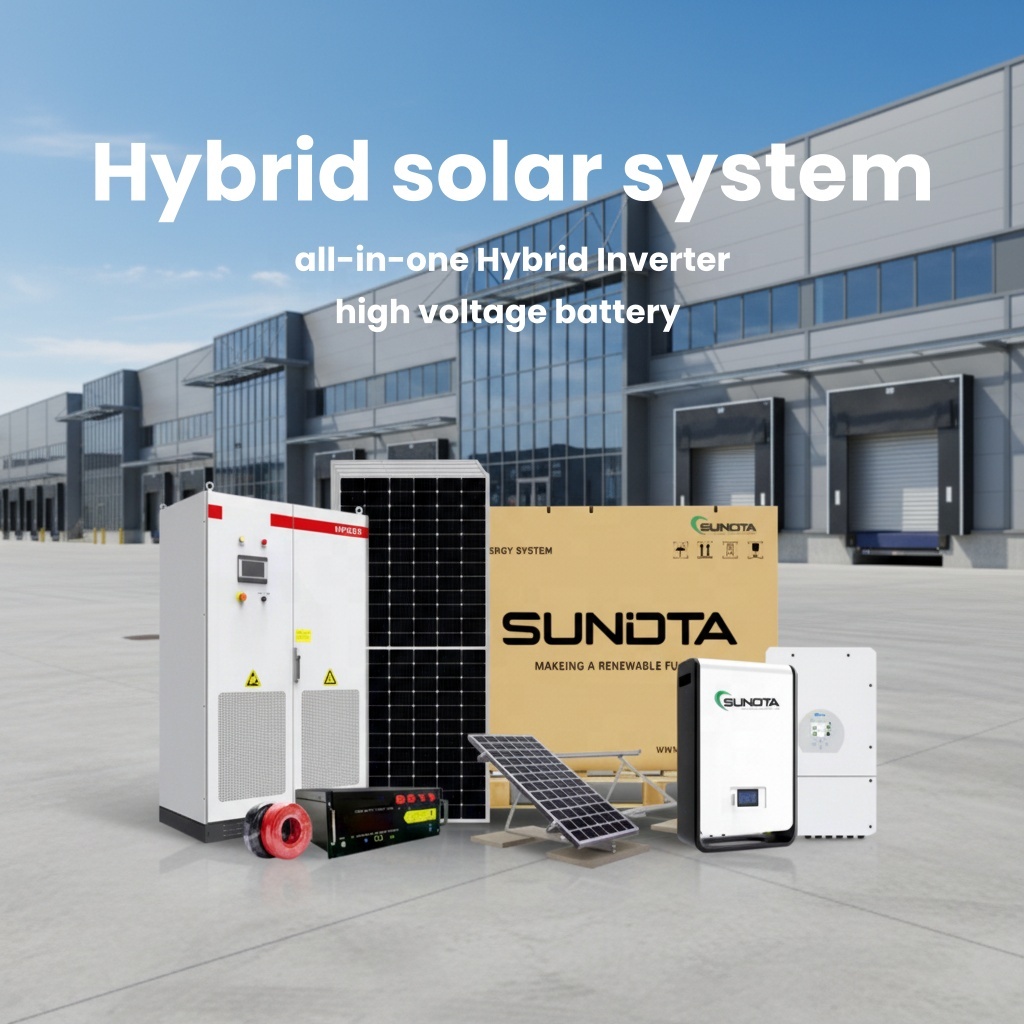
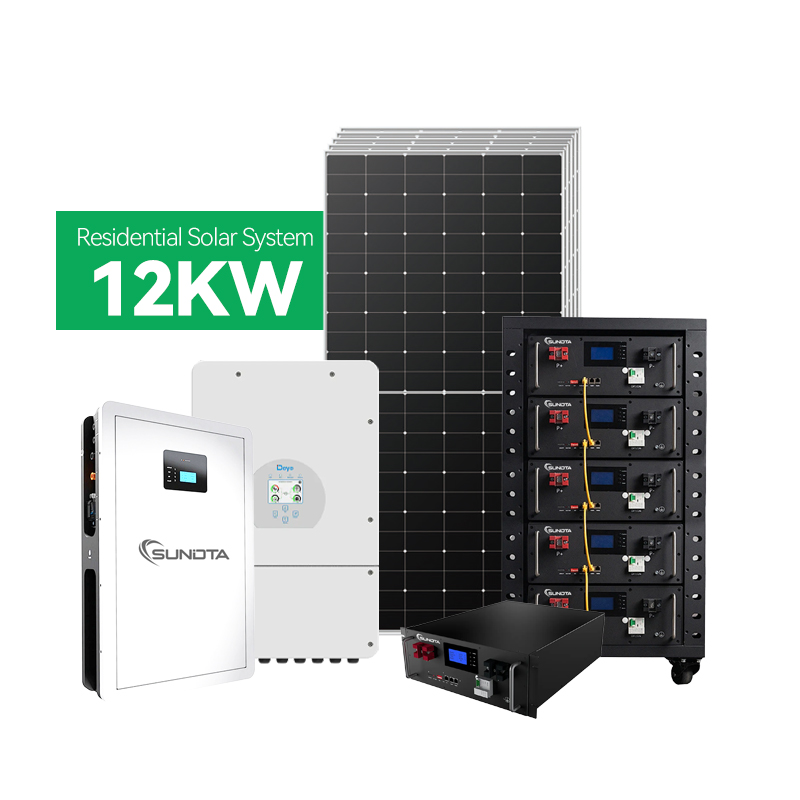
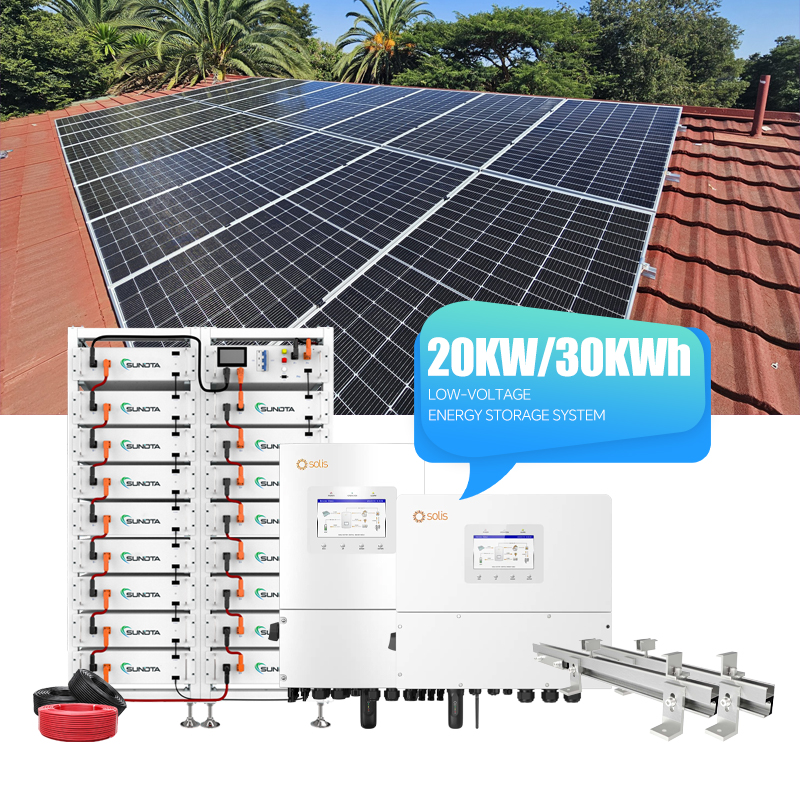
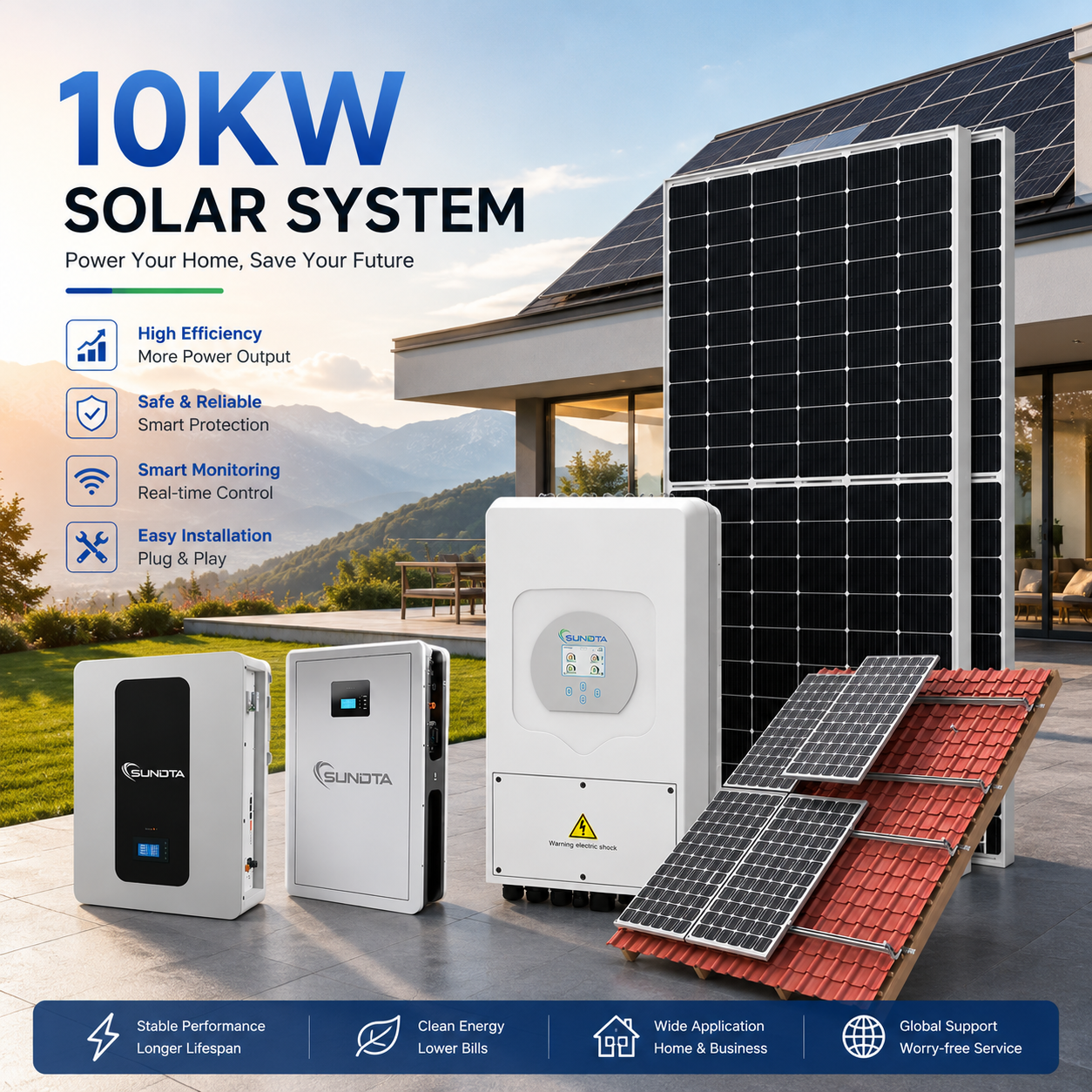
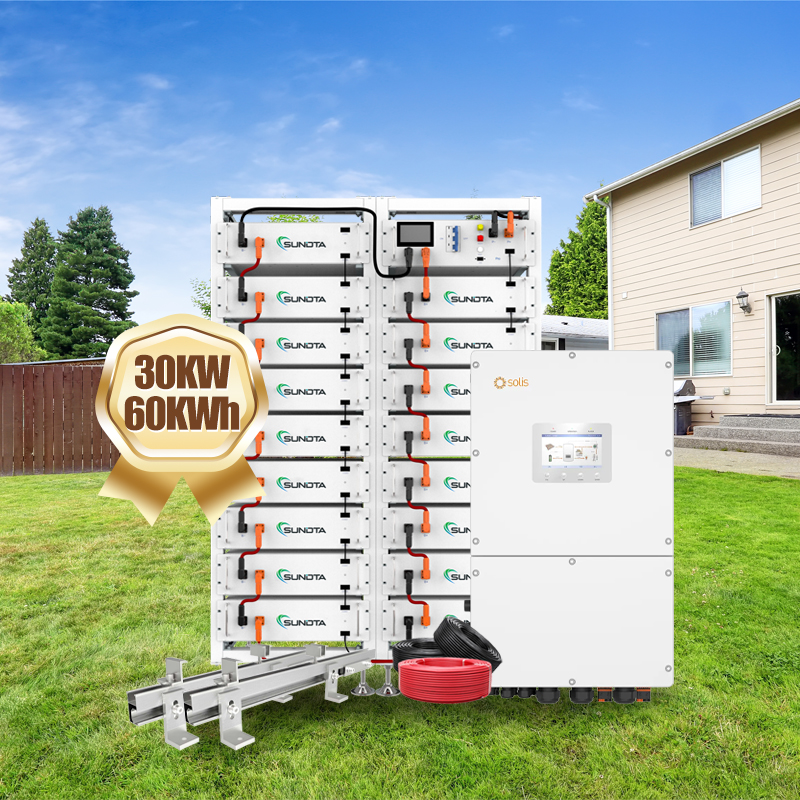
Heterojunction (HJT) Compatible Generation Systems & Storage Assemblies
Precision-engineered solar generation units, smart hybrid phase-inverters, and high-density LiFePO4 battery modules designed to operate flawlessly under the extreme irradiation, fluctuating tropical climates, and diverse utility grids of Brazil.
White Paper: Heterojunction (HJT) Technology Dynamics in the São Paulo Solar Belt
As the solar capital of South America, the State of São Paulo presents an intricate engineering paradox for PV project architects. While the region boasts elevated solar irradiance often exceeding 5.2 kWh/m²/day, it simultaneously subjects crystalline silicon wafers to intense ambient heat, seasonal tropical deluges, and acute albedo variances across urban concrete roofs and interior agricultural topsoils. Conventional p-type PERC panels have long struggled in this environment due to thermal derating and chronic Light-Induced Degradation (LID). Even transitional n-type TOPCon modules encounter severe parasitic resistance when back-surface temperature thresholds cross 45°C during midday peaks in Campinas, Ribeirão Preto, or the Paraíba Valley.
Silicon Heterojunction Technology (HJT) serves as the definitive structural cure for these persistent tropical yield losses. By depositing ultra-thin layers of hydrogenated amorphous silicon (a-Si:H) onto both sides of an n-type mono-crystalline silicon substrate, HJT solar cells form symmetrical p-n heterojunction interfaces that eliminate surface passivation defects. The technological outcome is a cell open-circuit voltage (Voc) surpassing 750 mV and an industry-leading temperature coefficient of -0.26%/°C (compared to -0.34%/°C for TOPCon and -0.38%/°C for PERC). Under real operating conditions where module core temperatures frequently breach 65°C under the intense São Paulo sun, HJT solar cells yield 3.8% to 6.2% more kilowatt-hours per installed watt solely through minimized thermal derating.
Performance Characteristic
Legacy Mono PERC
Standard N-Type TOPCon
Anhui RJV Heterojunction (HJT)
Direct Impact on São Paulo Projects
Cell Architecture
p-Type Base + Al-BSF/Passivation
n-Type Base + Tunnel Oxide Poly-Si
n-Type Monocrystalline + Dual a-Si:H Layers
Eliminates pinholes, hot-spot migration, and micro-crack vulnerability
Bifaciality Factor
70% ± 5%
80% ± 5%
90% ± 2% (Ultra-Symmetrical)
Captures maximum albedo off white membrane roofs & Paulista gravel
Pmax Temp. Coefficient
-0.38 % / °C
-0.34 % / °C
-0.26 % / °C
Mitigates 40% of standard output collapse during intense tropical heat waves
1st Year Degradation
≤ 2.0%
≤ 1.0%
≤ 0.5% (Zero LID / Zero PID)
Preserves baseline internal rate of return (IRR) for local bank financing
30-Year Retention
84.8%
87.4%
91.5% Guaranteed Output
Delivers up to 14.5% higher cumulative lifetime energy generation
Furthermore, HJT’s near-unity symmetry unlocks an unprecedented bifacial coefficient of 90% ± 2%. In the sprawling logistics facilities lining the Anhanguera and Bandeirantes highways, large-scale industrial roofs coated in reflective elastomeric waterproofing membranes act as immense light scatterers. Under these dual-sided irradiation environments, back-face solar capture with an RJV HJT system contributes up to an additional 25% system energy gain, decisively driving down the Levelized Cost of Energy (LCOE) to historic regional lows.
Targeted Regional Implementation
Tailored Engineering Scenarios Across Greater São Paulo & Interior Hubs
Customizing the balance between HJT generation, power conversion, and electrochemical storage according to distinct local zoning, grid topologies, and high-load industrial consumption patterns.
C&I Peak Shaving in Industrial Corridors
In high-density production zones like Campinas, Sorocaba, and São Bernardo do Campo, factories confront extreme spot-tariffs during peak evening windows (Ponta). Integrating our high-voltage 100kW-500kW ESS cabinets with rooftop HJT arrays allows enterprises to store low-cost solar electricity produced at noon and dispatch it during utility peak periods, protecting operational margins against Enel and CPFL surcharge spikes.
Agribusiness Processing & Cold Chains
The interior Paulista agribusiness belt—stretching through Ribeirão Preto, Franca, and Barretos—demands continuous, uninterrupted chilling for citrus, sugarcane, dairy, and beef operations. Outlying utility grids frequently experience voltage sag and transient dropouts during thunderous afternoon storms. Our whole-house and commercial hybrid systems shift in less than 10 milliseconds, serving as a zero-emission, silent microgrid without interrupting critical chillers or automation PLCs.
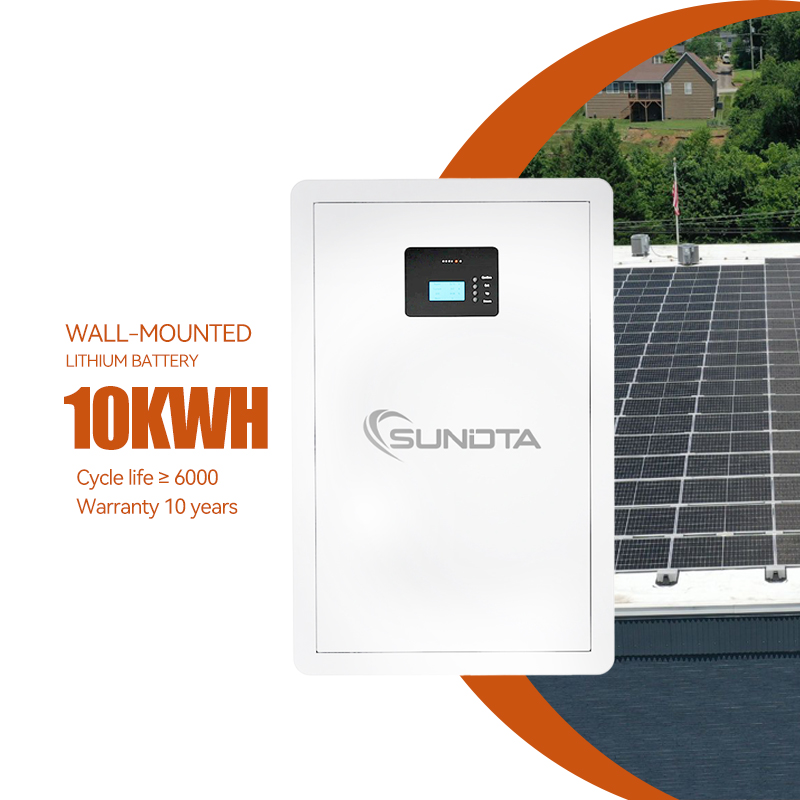
Urban and suburban luxury estates encounter two primary bottlenecks: restricted, complex roof dimensions and strict aesthetic guidelines. Standard multi-busbar panels require oversized arrays that compromise architecture. High-efficiency (23.5%+) HJT cell modules yield maximum watt-peak density per square meter, pairing with our sleek, wall-mounted IP65 51.2V Powerwall to sustain HVAC, EV chargers, and pool filtration arrays seamlessly.
Regulatory Landscape & Market Evolution: The Post-Lei 14.300 Realities
The implementation of Brazil’s Federal Law 14.300/2022 marked the definitive conclusion of simple net metering and inaugurated the modern era of Gestão de Energia (energy self-consumption optimization). With the progressive phase-in of the “Fio B” distribution wire fee on solar energy injected into the grid, project profitability for Grupo B residential and commercial installations can no longer rely on unbridled grid dumping. Overbuilding arrays with low-cost, inefficient panels without storage now results in diminishing economic returns.
In response, solar market leaders across São Paulo are transitioning from simple on-grid generation to integrated Solar-Plus-Storage ecosystems. Under the current tariff rules, every kilowatt-hour of HJT energy generated and consumed behind the meter yields 100% of its full retail value, bypassing transmission and distribution tariffs entirely. Heterojunction technology acts as a strategic multiplier under this regime: because HJT cells maintain an exceptionally stable internal quantum efficiency in diffuse light (early mornings, late afternoons, and overcast rain conditions), they supply active power over a wider daily generation curve. When combined with our smart-communicating CAN/RS485 LiFePO4 batteries, local users achieve up to 88% self-sufficiency, drastically insulating their facilities from local utility tariff revisions and escalating fuel adjustments.
Why Tier-1 Brazilian Developers & Integrators Source from RJV
2 GW Automated Cell Depth
End-to-end proprietary manufacturing lines in Hefei utilizing vacuum-deposited microcrystalline silicon, low-temperature Ag-paste printing, and high-precision laser dicing for crack-free cell longevity.
Unified System Compatibility
We eliminate commissioning delays on Brazilian sites. MPPT operating voltage envelopes, BMS protocol handshakes, and battery discharge curves are pre-configured, tested, and validated prior to dispatch.
Certified Import Compliance
Every shipment is backed by audited factory flash test curves, CE certifications, IEC 61215/61730 reliability standards, UN38.3 battery transport safety files, and full support for INMETRO certification clearance.
Direct Port of Santos Logistics
Experienced maritime export workflows handling containerized CIF Santos shipments, professional export crating resistant to marine moisture, and complete customs clearance documentation packages.
Technical FAQ: Localized Procurement & Engineering Guide for São Paulo Buyers
Direct, technically verified answers addressing common questions submitted by Brazilian EPCs, electrical engineers, and commercial procurement heads.
How does HJT survive high humidity in coastal/tropical areas like Santos or Campinas?
HJT modules from RJV leverage dual-glass POE (Polyolefin Elastomer) encapsulation instead of conventional EVA sheets. Standard EVA decomposes into acetic acid under intense heat and moisture, corroding cell busbars. Dual-glass POE exhibits a zero water-vapor transmission rate (WVTR), preventing Potential-Induced Degradation (PID) and moisture ingress permanently.
What documentation is provided for local concessionária grid connection (homologação)?
We provide full technical datasheets, factory compliance declarations, electrical schematics, and international test reports (IEC 62109, IEC 62619, IEC 61215). These verified documents support ART registration and concessionaire approval across major regional utilities including Enel-SP, CPFL Paulista, CPFL Piratininga, and Elektro.
How are communication protocols established between our LiFePO4 batteries and inverters?
Our 51.2V and high-voltage BMS systems are pre-flashed with native dual CAN and RS485 firmwares. They support direct, plug-and-play closed-loop synchronization with market-standard hybrid power converters (such as Deye, Solis, and Growatt). Battery parameters, cell voltages, and thermal states report automatically without manual code bridging.
What is the standard logistics timeline from China to the Port of Santos?
Typical ocean freight transit from Ningbo/Shanghai to Santos ranges from 35 to 45 days. Production schedules for custom OEM containers or standard B2B palletized batches average 15 to 25 business days. Our operations team works with leading ocean carriers to secure favorable free demurrage periods (up to 21 days) to streamline clearance through Brazilian customs.
Can we procure mixed containers combining panels, hybrid inverters, and battery racks?
Yes. Many Brazilian regional distributors prefer mixed-container orders to optimize capital allocation. We consolidate solar panels, matching hybrid inverters, and LiFePO4 storage packs into integrated 40ft HQ container shipments, supplying unified bill-of-lading (B/L) documentation and coordinated packing lists to simplify RADAR import procedures.
What are the minimum order quantities (MOQ) for Brazilian direct imports?
For standalone hybrid inverters and residential LiFePO4 batteries, sampling starts from 1 unit. Turnkey commercial and residential hybrid solar kits have an MOQ of 1 full set. Solar modules are typically quoted on a pallet (approx. 31–36 modules) or full container-load basis (approx. 620–740 modules depending on wafer size and frame dimensions) to minimize individual unit shipping costs.
Scale Your Solar Projects Across São Paulo with RJV Engineering
Whether you require multi-megawatt shipments of high-efficiency HJT solar cells, containerized factory ESS units, or complete hybrid residential kits, our bilingual engineering team is prepared to size and configure your optimal bill of materials.