Advanced TOPCon Modules & Integrated LiFePO4 Energy Ecosystems
High-efficiency conversion units, smart hybrid inverters, and IP65-rated lithium energy storage solutions configured to provide continuous autonomy during Khatlon regional grid dropouts.
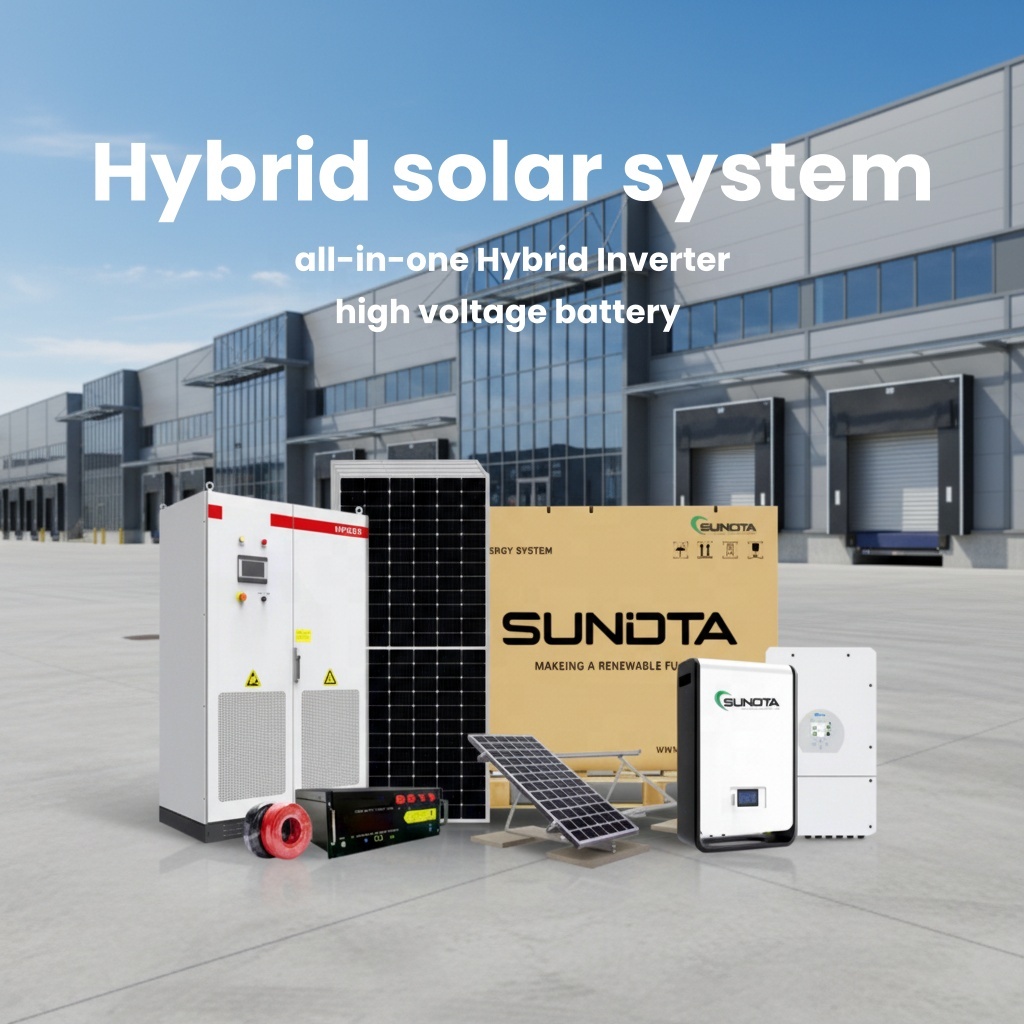
- Outdoor IP55 cabinet with dual-air cooling
- Industrial peak-shaving & black-start capability
- High-cycle 280Ah LiFePO4 prismatic cell clusters
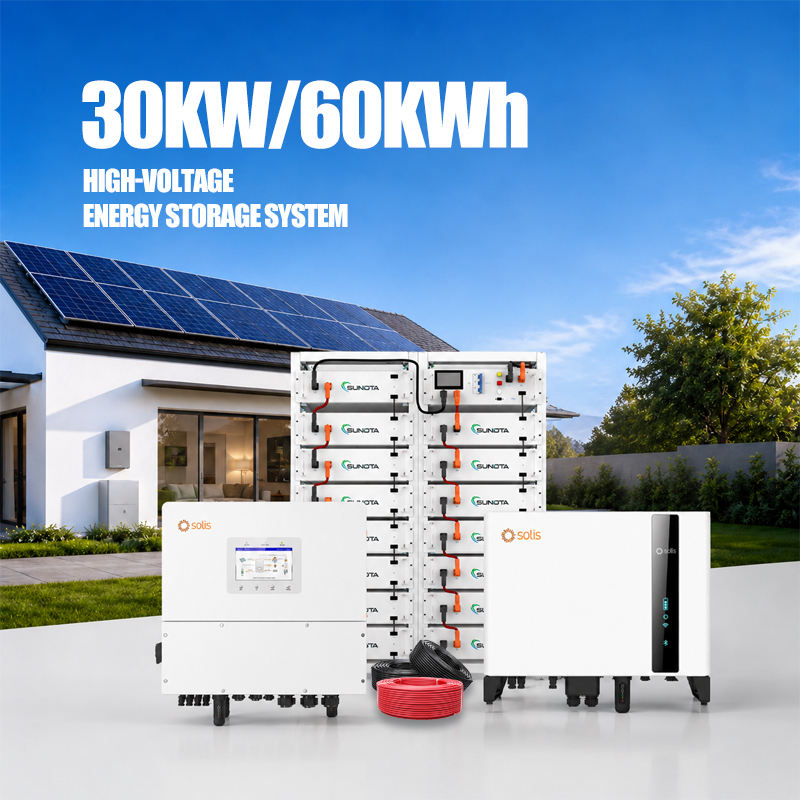
- Native CAN & RS485 protocol compatibility
- Zero millisecond UPS automatic transfer switch
- CE certified high-density LiFePO4 module
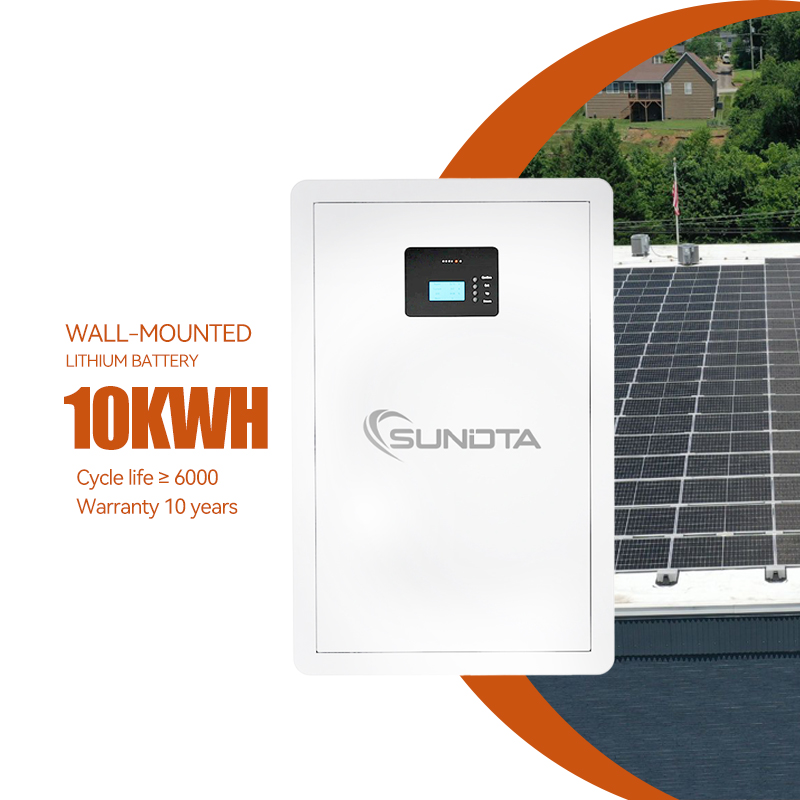
- Full IP65 protection against ambient desert dust
- Smart BMS with active cell auto-balancing
- 6,000+ deep cycles at 80% DOD performance
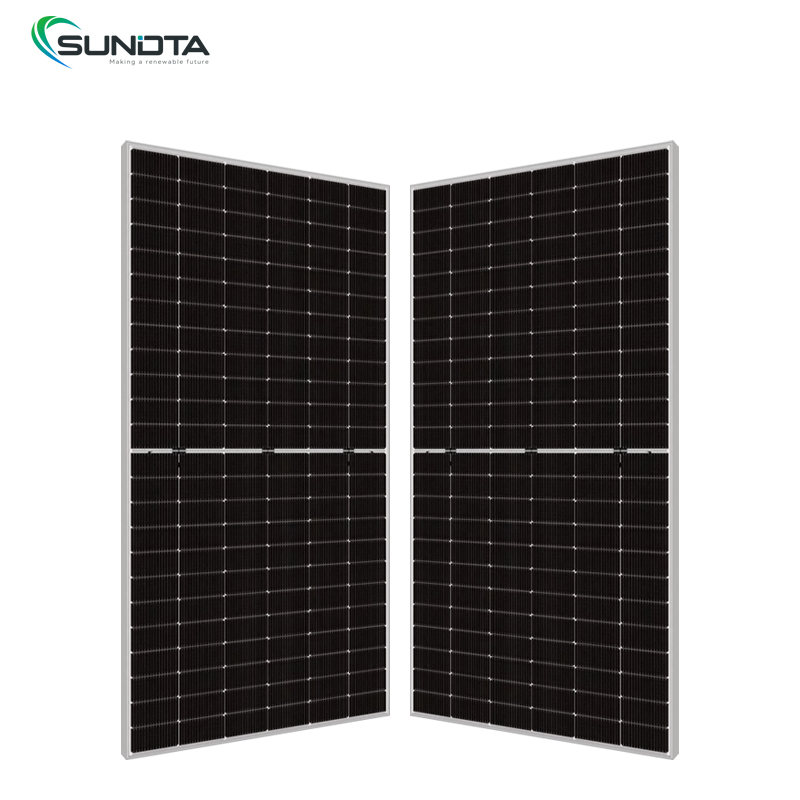
- Module efficiency up to 23.5% with SMBB design
- Ultra-low LID/LeTID light-induced degradation
- Optimized low-irradiance output on hazy days
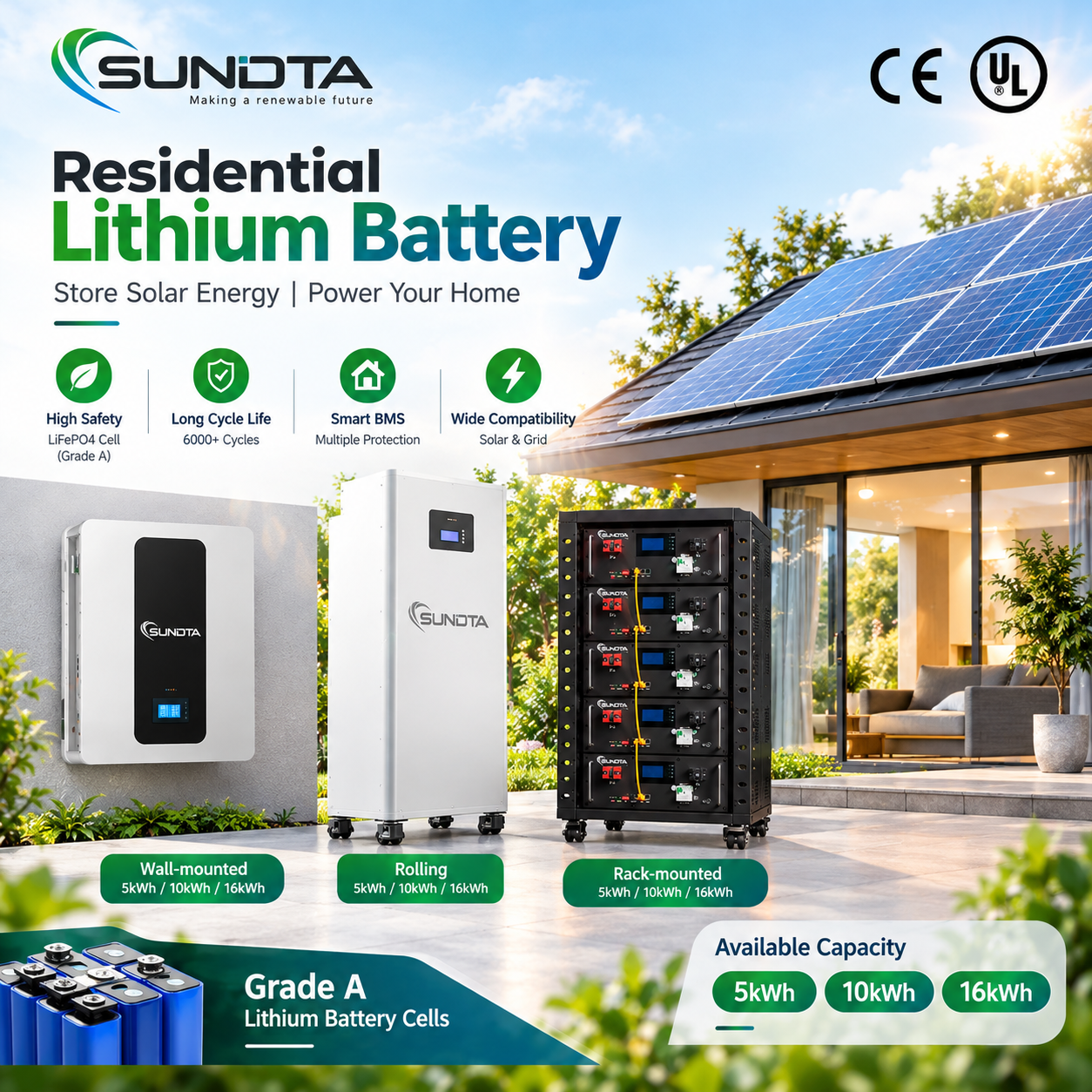
- Cable-free quick-plug stacking architecture
- Flexible capacity scaling for growing estates
- Integrated master control unit with LCD display
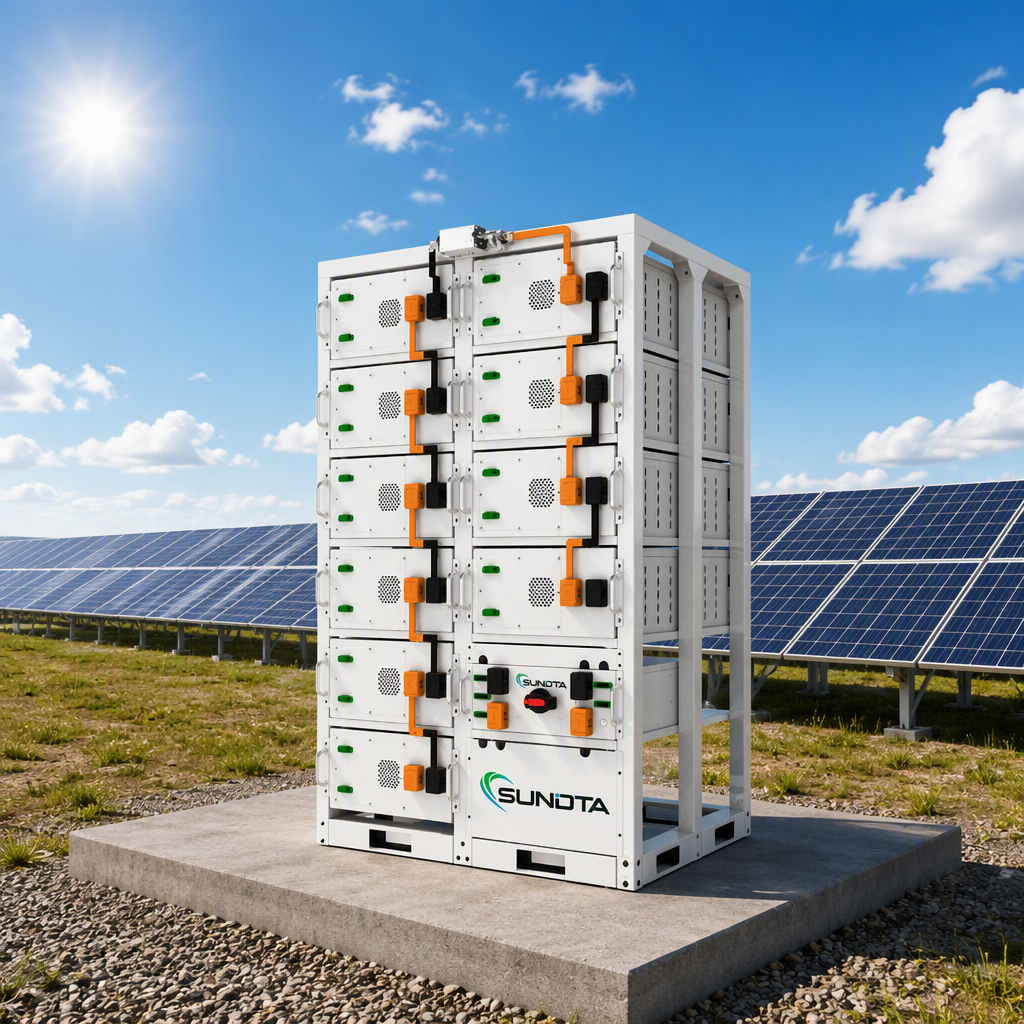
- High-voltage design minimizing DC conduction losses
- Optimized for on-grid peak shaving & hybrid loads
- Intelligent fire suppression and temperature zoning
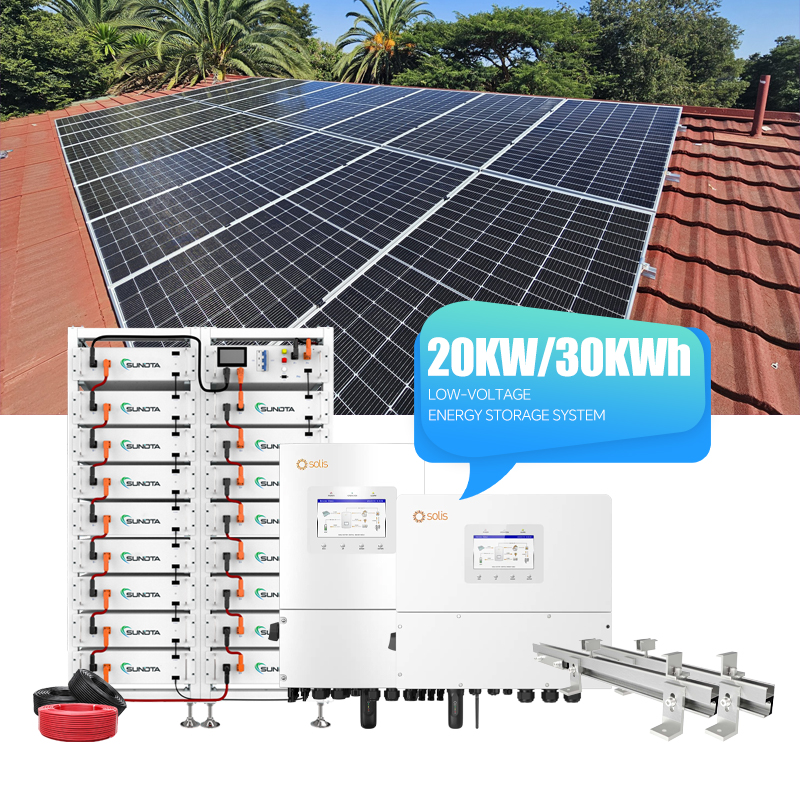
- Pre-matched BOM: Inverters, TOPCon arrays & racking
- Designed for rapid EPC deployment on commercial roofs
- Complete export shipping documentation & warranties
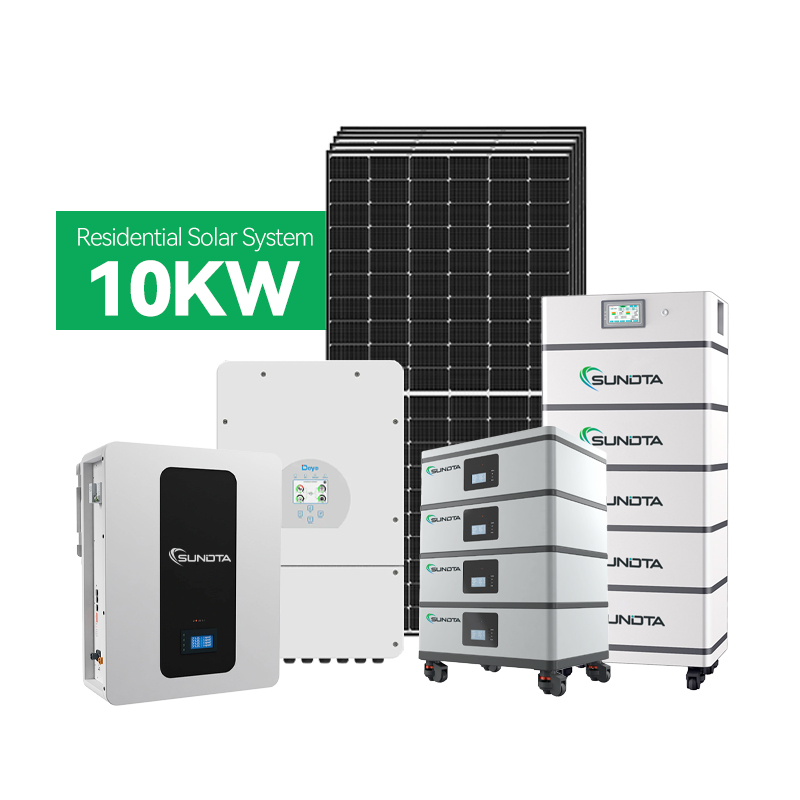
- Pre-configured Deye/Solis platform matching
- Direct integration with residential solar arrays
- Immediate dispatch availability for regional distributors
Technical Justification for N-Type TOPCon Photovoltaics in the Bokhtar Basin
Why conventional P-type PERC modules suffer systemic premature degradation under Khatlon's environmental envelope, and how tunnel-oxide passivated contact technology preserves Levelized Cost of Energy (LCOE).
Overcoming High Thermal Derating & LeTID in Southwestern Tajikistan
Bokhtar (formerly Qurghonteppa) represents one of the most radiation-dense yet climatically challenging hubs within Central Asia. Located in the Vakhsh River valley, it experiences ambient summer temperatures frequently exceeding 42°C to 45°C, yielding sustained operational module temperatures between 68°C and 74°C. Under these rigorous operating parameters, legacy P-type PERC modules exhibit steep efficiency declines due to their unfavorable temperature coefficient of Pmax (typically -0.35% to -0.39%/°C), compounded by intense Light and elevated Temperature Induced Degradation (LeTID).
As a verified Tier-1 solar exporter, Anhui RJV New Energy Co., Ltd. deploys high-grade N-type TOPCon (Tunnel Oxide Passivated Contact) architectures that fundamentally eliminate boron-oxygen complexes, effectively driving Light-Induced Degradation (LID) to near-zero levels. Engineered with an ultra-low temperature coefficient of -0.30%/°C, our 700W+ modules preserve critical kWh yields during peak midday solar irradiance intervals. For commercial enterprises, cotton processing mills, and agricultural cold-storage operators in Bokhtar, this engineering distinction equates to an estimated 4.8% to 7.2% higher annual energy yield compared to legacy mono-PERC installations.
Mission-Critical Solar Architectures across the Khatlon Region
Targeted PV and energy storage configurations engineered around local electrical infrastructure and economic activities.
Agricultural Pump Stations & Cotton Ginneries
Cotton farming and fruit cultivation surrounding Bokhtar require uninterrupted water delivery along the Vakhsh canal network. Our 50kW to 100kW hybrid inverter and high-voltage SDT-280 storage systems run inductive irrigation pumps during grid load-shedding cycles, protecting yields from seasonal drought stress.
Commercial Cold Storage & Food Processing
High ambient heat creates severe perishability challenges for regional fruit produce. Sourcing turnkey 20kW–35kW commercial rooftop PV arrays combined with outdoor LiFePO4 cabinets ensures uninterrupted refrigeration, cutting peak-demand tariffs and stabilizing cold-chain integrity during grid instability.
Independent Residential Estates & Farmsteads
Rural residences along the outskirts of Bokhtar face frequent planned winter and spring power rationing. Our wall-mounted Sundta 10kWh IP65 batteries and 51.2V split hybrid kits provide instant zero-second automatic power switching, preserving critical household lighting, heating, and communications.
Tajikistan's Renewable Energy Transition & Bokhtar's Strategic Role
Key market drivers shifting the national energy paradigm from seasonal hydro reliance to decentralized solar-plus-storage.
While Tajikistan has historically relied on extensive hydroelectric generation via facilities such as Nurek and the evolving Rogun Dam project, the nation encounters a structural vulnerability known as the winter hydro-deficit. During low-water flow periods in late autumn and winter, municipal water flows decline drastically, resulting in controlled regional load shedding across secondary urban hubs like Bokhtar. Concurrently, regional summer temperatures stimulate peak electrical loads via widespread air conditioning and irrigation demands, straining localized substation transformers.
In accordance with the National Development Strategy of the Republic of Tajikistan for the Period up to 2030, the Ministry of Energy and Water Resources has actively accelerated regulatory frameworks for independent distributed solar power generation. Bokhtar's unique geographic location provides over 2,800 to 3,000 hours of direct annual sunshine with global horizontal irradiation (GHI) values reaching 1,650–1,800 kWh/m² per annum. This makes distributed C&I rooftop arrays and localized microgrids the most financially viable tool for commercial facilities to insulate themselves from grid-tier tariff adjustments while safeguarding continuous operational output.
Why Global EPCs & Bokhtar Procurement Specialists Partner with Anhui RJV
Eliminating supply chain fragmentation through pre-engineered compatibility, direct Tier-1 manufacturing, and end-to-end export accountability.
Automated 2 GW Module Manufacturing
Operating high-speed cell-cutting, multi-busbar soldering, and automated double-glass lamination facilities in Hefei, Anhui, ensuring zero micro-crack vulnerability across international rail and sea transit.
TÜV Rheinland Assessed & CE Certified
Verified on-site by TÜV Rheinland. All solar panels and LiFePO4 battery storage banks conform strictly to IEC 61215, IEC 61730, UN38.3 transport standards, and CE safety declarations.
Full System Architecture Compatibility
We eliminate commissioning failures. Our engineers pair Deye, Solis, and Growatt hybrid inverters with our BMS protocols (CAN & RS485 closed loop) prior to container loading and dispatch.
Complete Project Documentation & Logistics
Delivering complete bilingual flash test data, single-line wiring diagrams, factory acceptance test reports (FAT), and comprehensive customs clearance packs under FOB, CFR, CIF, and EXW terms.
Frequently Asked Questions: Sourcing Solar PV Equipment in Bokhtar
Direct technical answers addressing local grid matching, logistics corridors, dust mitigation, and inverter communications.
The south-western plains of Tajikistan regularly encounter strong dust winds, locally known as the "Afganets". Our N-type TOPCon modules feature anti-reflective coated high-transmission tempered glass paired with an electrostatic-resistant surface treatment. This reduces dry dust accumulation and facilitates easier natural cleaning during infrequent rains. When configured as dual-glass bifacial units, the backside continues capturing reflected diffuse light even during dusty atmospheric conditions, preserving baseline electrical generation.
Yes. Barki Tojik distribution infrastructure in and around Bokhtar frequently experiences wide AC voltage swings (ranging from 170V to 260V) alongside grid frequency fluctuations. Our Deye and Solis hybrid platforms are pre-programmed with ultra-wide input voltage tolerance windows and robust surge arrestors. Furthermore, our 51.2V and high-voltage LiFePO4 batteries communicate seamlessly over native CAN/RS485 protocols, delivering full closed-loop battery management that protects cells during severe brownouts.
We regularly execute cross-border rail and intermodal container shipments into Central Asia. Cargo typically originates from our manufacturing center in Hefei, Anhui, transiting through Khorgos/Alashankou along the China-Europe/Central Asia railway network via Kazakhstan and Uzbekistan directly into Dushanbe or Qurghonteppa/Bokhtar freight terminals. We provide heavy-duty export wood pallets, corner guards, and vacuum-sealed desiccant moisture barriers designed to endure rough intermodal transshipment.
Yes. One of Anhui RJV New Energy's core competitive strengths is providing a consolidated PV Bill of Materials (BOM). Importers and EPC contractors in Bokhtar avoid the overhead of handling multiple disparate suppliers. We consolidate N-type modules, pre-matched hybrid inverters, racking systems, and LiFePO4 batteries into unified 40ft High Cube containers, complete with synchronized export documentation for streamlined customs entry.
Our N-type TOPCon modules come backed by a 12-year product workmanship warranty and a 30-year linear performance guarantee (guaranteeing ≥87.4% power output at Year 30). Our LiFePO4 storage batteries carry a standard 5 to 10-year service life warranty with over 6,000 cycles. We supply 24/7 remote engineering support via digital channels, assisting your local installation crews with single-line diagrams, firmware updates, and initial system commissioning.
Accelerate Your Next Solar EPC Project in the Bokhtar Market
Direct factory pricing, comprehensive technical validation, and tailored system dimensioning. Request our full product catalogue, TÜV datasheets, and CIF delivery quotes today.
Contact Us