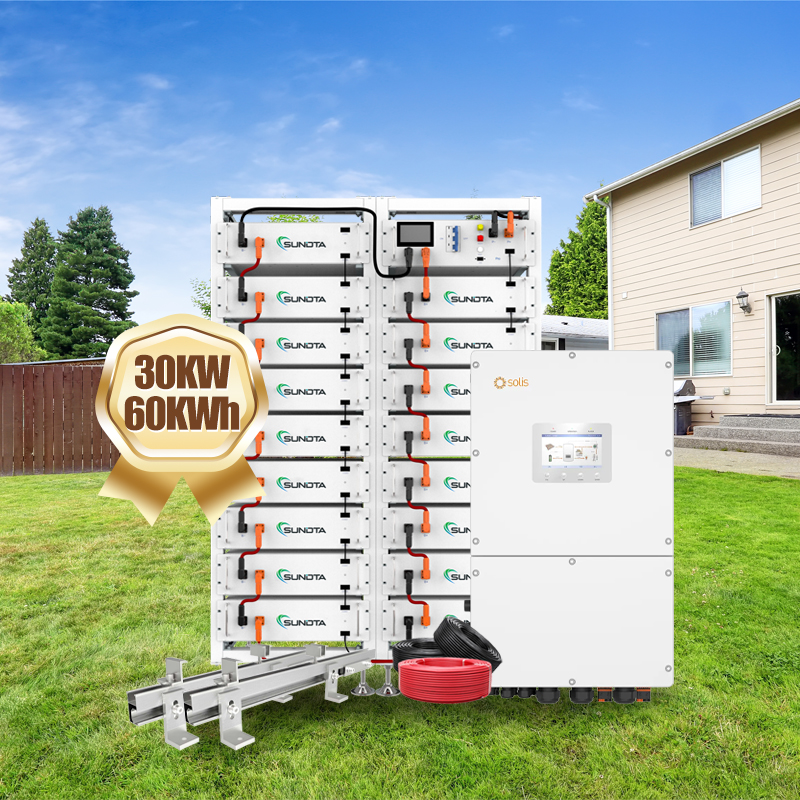
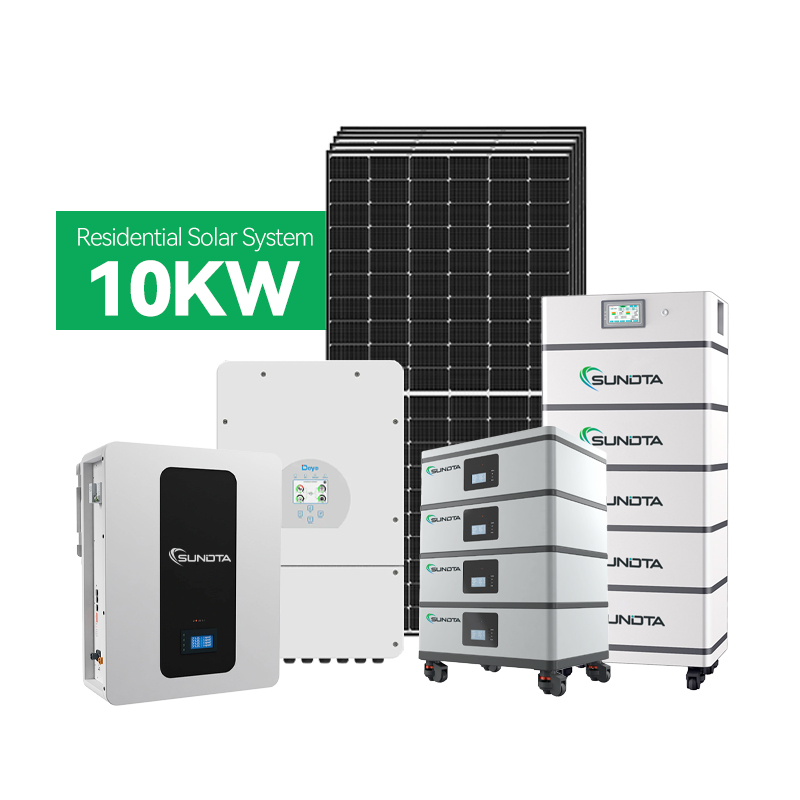
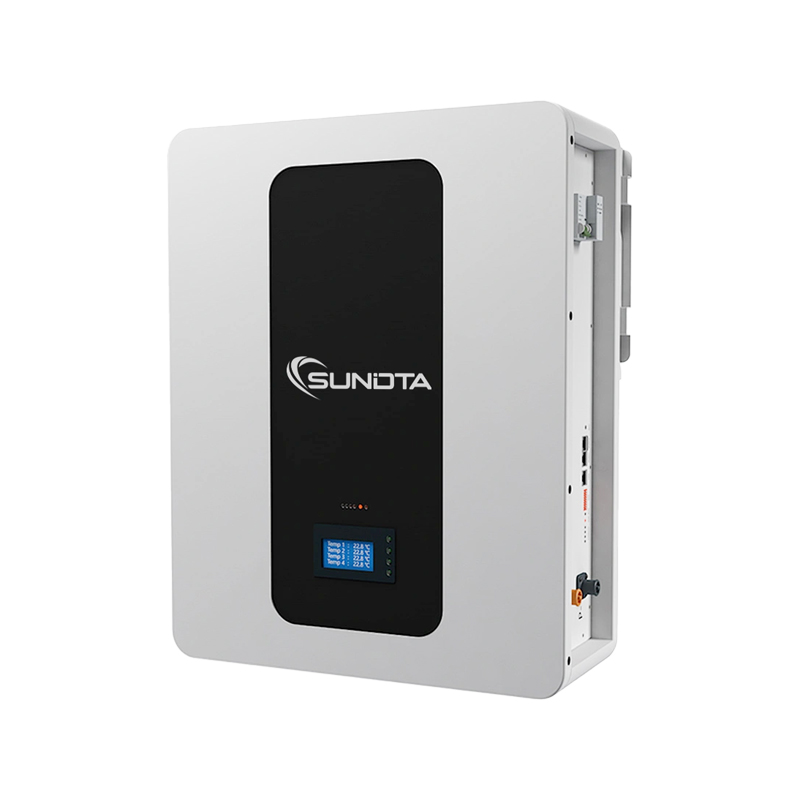
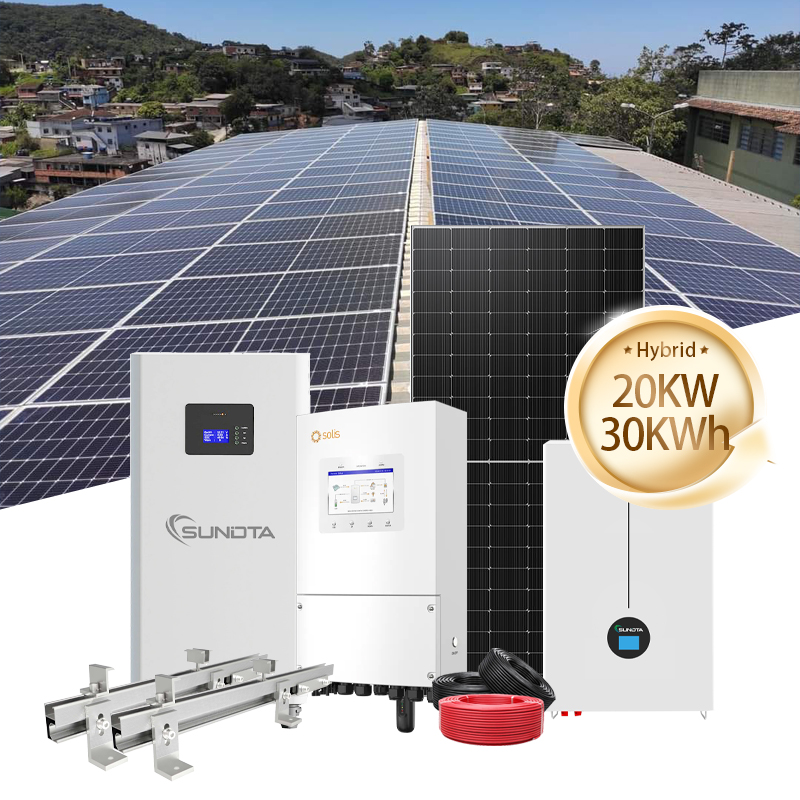
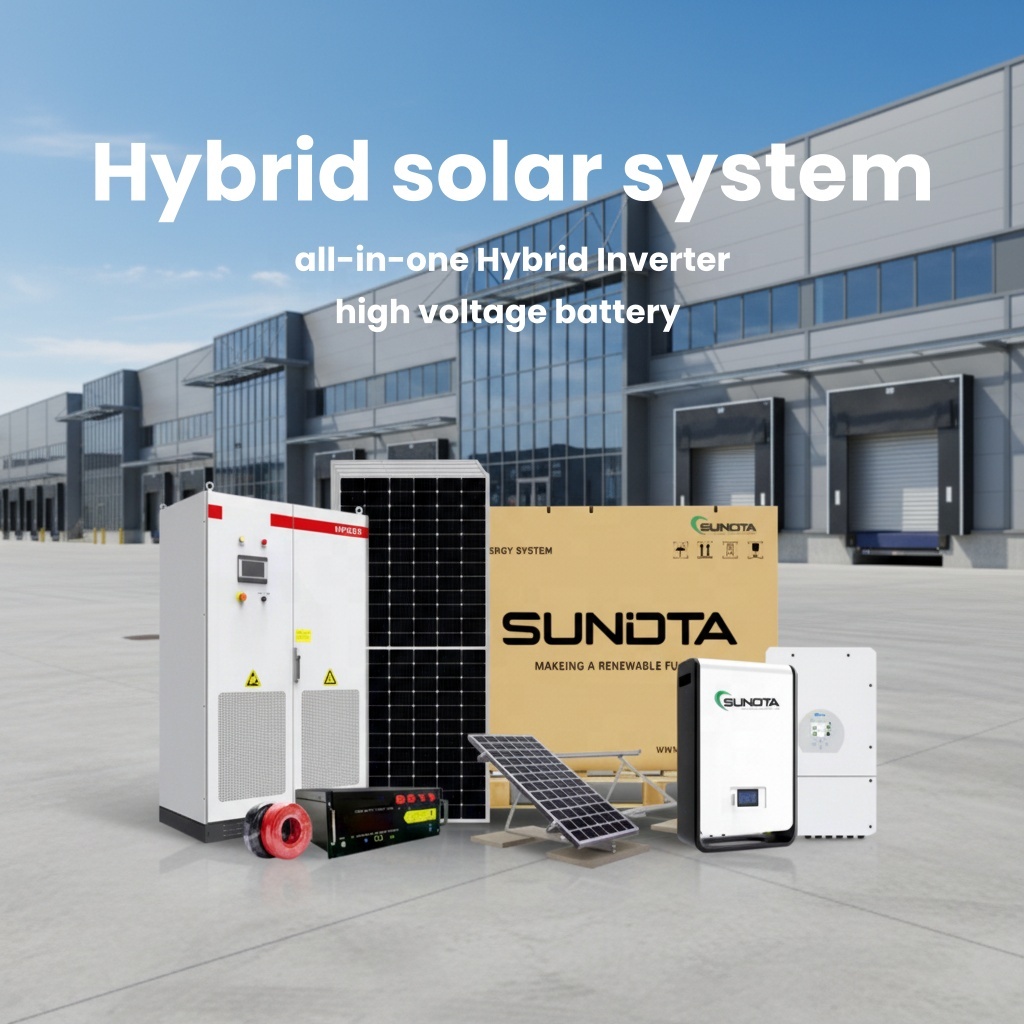
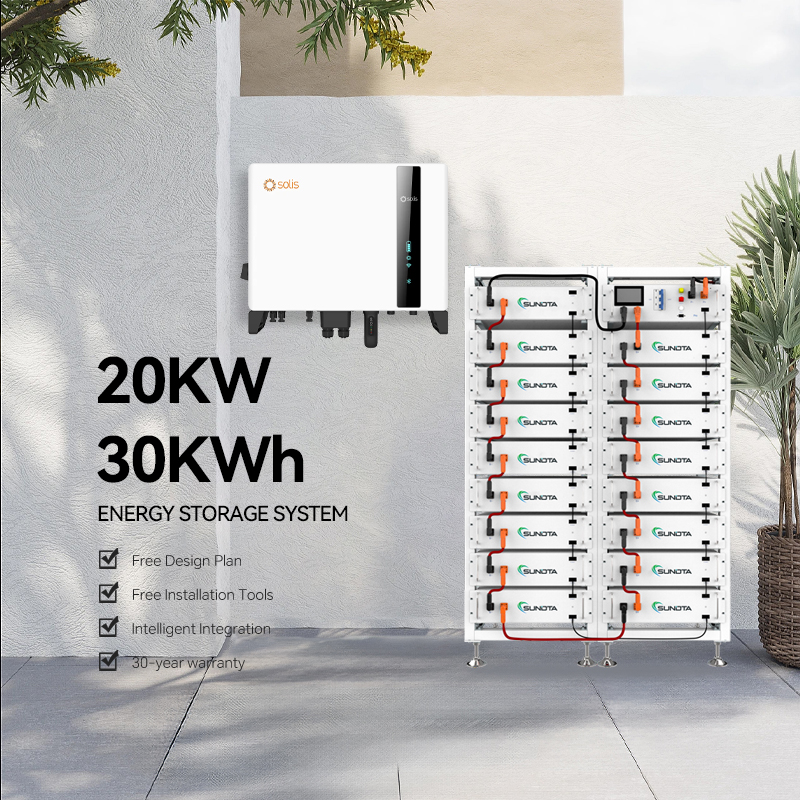
- Modular stackable design (51.2V per tier)
- 6,000+ deep cycles @ 0.5C discharge
- Built-in smart active balancing BMS
- Native CAN / RS485 Deye & Solis sync
Direct from our Hefei manufacturing headquarters to the Port of Barranquilla (SPRB). Every kit is pre-configured for protocol compatibility, avoiding inverter-BMS communication errors and high humidity derating.
Overcoming the twin challenges of Caribbean grid instability and extreme coastal environmental stress through matched PV manufacturing.
The Caribbean coastline of Colombia, centered around the industrial and logistics hub of Barranquilla and the surrounding municipalities of the Atlántico Department (Soledad, Malambo, Galapa, and Puerto Colombia), possesses one of South America's most abundant solar irradiance profiles. With global horizontal irradiance (GHI) averages ranging between 5.3 and 6.1 kWh/m²/day and exceeding 2,100 equivalent peak sun hours annually, the macro-climatic potential for solar energy conversion is extraordinary. However, deploying reliable off-grid and battery-backed energy storage systems (BESS) within this tropical maritime zone presents distinct engineering hurdles that generic, off-the-shelf photovoltaic components fail to resolve.
Engineers and EPC contractors operating along the Magdalena River delta and the Atlantic coastline must design specifically against two compounding factors: severe thermal derating and marine saline corrosion. Barranquilla experiences mean daytime temperatures between 31°C and 37°C with relative humidity constantly exceeding 78% to 85%. Conventional solar panels operating under such radiant flux reach operating cell temperatures (NOCT) in excess of 62°C. For traditional p-type PERC panels with temperature coefficients of -0.38%/°C, this translates into severe power output penalties exceeding 14% of nominal capacity during peak hours. As a direct manufacturer, Anhui RJV New Energy engineers our complete systems with high-efficiency N-Type TOPCon bifacial modules featuring an optimized thermal coefficient of -0.30%/°C, significantly mitigating thermal degradation and unlocking elevated rear-side bifacial yield from reflective Caribbean surfaces.
Furthermore, the coastal atmospheric classification in Barranquilla demands strict adherence to IEC 61701 (Salt Mist Corrosion Testing, Severity Level 6) and IEC 62716 (Ammonia Resistance). Standard aluminum frames and entry-level junction boxes quickly succumb to galvanic pitting, salt-crust accumulation, and potential-induced degradation (PID). By employing anodized aluminum alloy extrusions (15–20 µm coating) and IP68-rated dual-diode junction boxes coupled with marine-grade outdoor battery enclosures, our off-grid architectures maintain chemical and mechanical integrity across a multi-decade operational lifespan.
| System Architecture Component | Standard Import Baseline | Anhui RJV Tropical Coastal Engineering | Direct Operational Benefit for Barranquilla |
|---|---|---|---|
| PV Cell & Module Metallurgy | Standard PERC P-Type (21.2% eff) | N-Type TOPCon Bifacial (22.8%–23.5% eff) | +4.2% net yield under 35°C+ Caribbean ambient heat; lower LID/LETID degradation. |
| Temperature Coefficient (Pmax) | -0.38% to -0.40% / °C | -0.30% / °C | Recovers up to 48 kWh daily on a typical 30 kW commercial rooftop array in Atlántico. |
| Inverter Thermal & Coastal Spec | IP21/IP54 indoor rated; generic cooling | IP65/IP66 Deye & Solis Platforms; smart fan | Full output up to 45°C ambient; zero airborne saline moisture ingress into circuit boards. |
| Energy Storage Chemistry | Lead-Carbon or Standard Lithium | LiFePO4 Grade-A Prismatic (EVE/CATL) | 6,000+ cycles at 80% DoD; thermal runaway tolerance up to 270°C without risk of combustion. |
| BMS & Communications | Generic RS485; manual settings | CANBUS / RS485 Dual Synchronous Closed-Loop | Plug-and-play handshaking with Deye/Solis; avoids SOC drift and cell balancing faults. |
From the industrial corridors of Vía 40 to offshore aquaculture and agro-industrial zones, tailored off-grid and hybrid installations provide decisive energy sovereignty.
Heavy manufacturing, plastic extrusion, and logistics hubs along Vía 40 and the Barranquilla Free Trade Zone face severe peak demand charges and voltage micro-interruptions. Our 50 kW to 500 kW Three-Phase Hybrid Systems and outdoor containerized BESS allow factories to perform automated peak shaving, smooth erratic power factors, and maintain non-stop production during grid cutoffs.
The agricultural and processing perimeter surrounding Galapa, Baranoa, and Malambo relies heavily on refrigeration compressors for meat, dairy, and exotic fruit logistics. Grid blackouts destroy high-value perishable inventories within hours. Our Modular Stackable LiFePO4 Systems (20kWh–100kWh) deliver instant transfer (<8ms), surging inductive motor loads effortlessly without utility intervention.
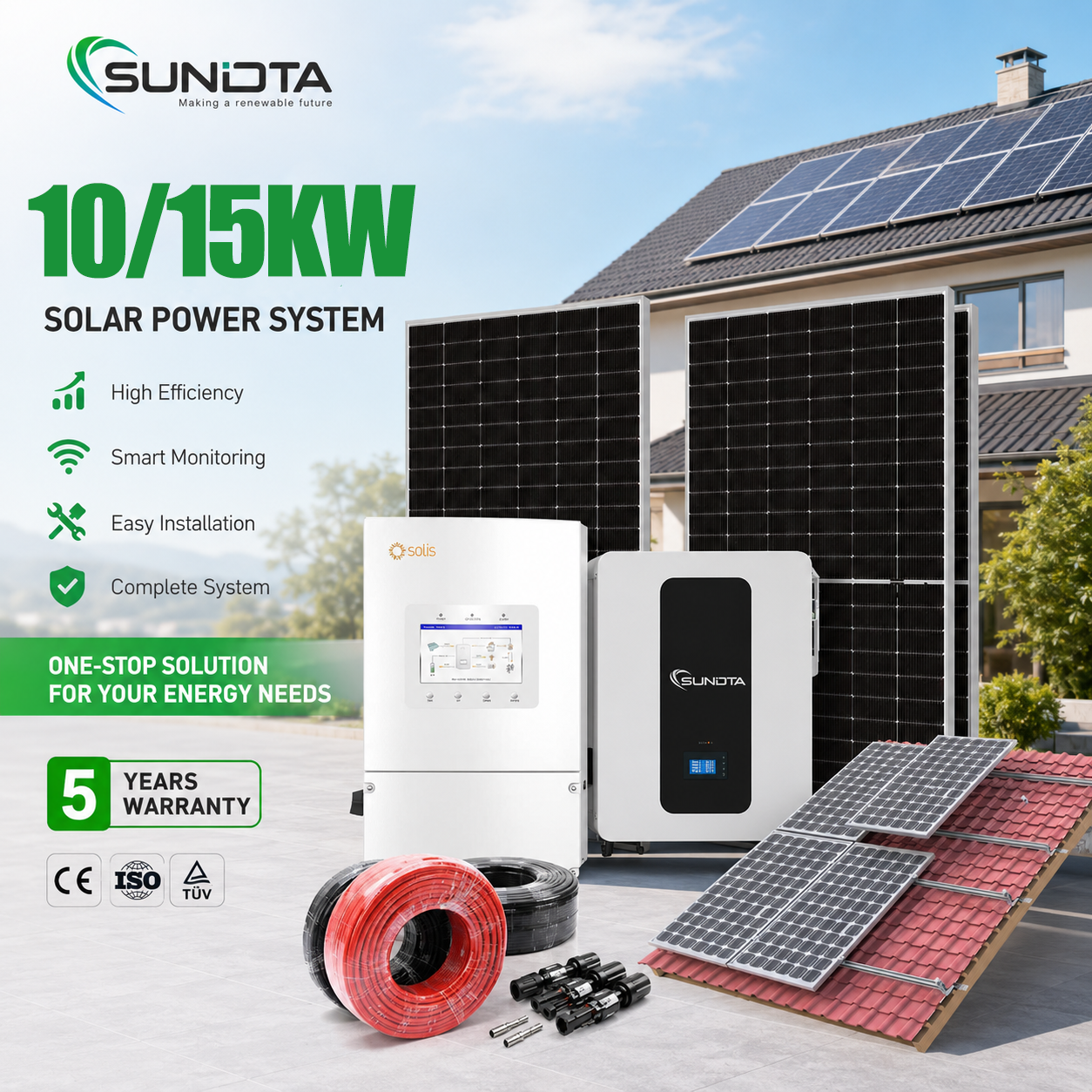
High-end eco-resorts, beach clubs, and private villas in Salgar, Puerto Colombia, and Tubará frequently suffer from fragile end-of-line electrical feeders. Our Turnkey 10kW to 30kW Hybrid Kits pair ultra-silent operation with zero-emission lithium storage, eliminating noisy, high-maintenance diesel gensets while providing clean, stable continuous 220V power.
In addition to urban and industrial centers, off-grid water pumping systems along the southern agricultural zones of Atlántico (such as Repelón and Campo de la Cruz) benefit directly from our low-frequency isolation topology. By matching high-efficiency MPPT charge algorithms with wide DC input voltage ranges (120V–500V DC), our systems drive solar irrigation pumps without needing continuous battery float maintenance, dramatically lowering CAPEX for agricultural operators.
Understanding the interplay between regional utility rate hikes, Law 1715 fiscal incentives, and long-term project bankability in northern Colombia.
The energy economy of Colombia’s Caribbean coast has reached an inflection point. Electricity tariffs administered under regional network operators (such as the intervened utility Air-e) have experienced rapid escalation, with commercial and residential kilowatt-hour prices frequently surging between 950 and 1,250+ COP/kWh. These rates represent some of the highest power costs in Latin America, compounded by frequent service curtailments, voltage sags, and high distribution system loss surcharges. For corporate CFOs and facility managers in Barranquilla, remaining entirely tied to the grid creates severe financial exposure and operational unpredictability.
In response, the national regulatory regime has created aggressive legal mechanisms that position solar and storage as essential balance-sheet assets:
1. Ley 1715 de 2014 & Ley 2099 de 2021 (Energy Transition Law): Under Colombian law, entities investing in Non-Conventional Energy Sources (FNCE) can claim substantial fiscal incentives administered through the Mining and Energy Planning Unit (UPME). These include an income tax deduction equal to 50% of total capital expenditure over a 15-year period, accelerated depreciation allowances on solar hardware up to 33.3% annually, and complete exemption from Import Duties (Arancel) and Value Added Tax (IVA/VAT) on certified modules, inverters, and battery storage equipment. Sourcing directly from a certified factory like Anhui RJV guarantees the delivery of standard-compliant technical documentation, flash test reports, and CE/IEC conformity declarations required to clear UPME and DIAN filing hurdles swiftly.
2. CREG Resolution 030 and CREG 174 Framework: While self-generation (AGPE) permits grid-export under net-metering schemes, complex interconnect paperwork and localized grid saturation in coastal circuits frequently delay commercial energization for months. As a consequence, EPCs across Atlántico are pivoting heavily toward Zero-Export Off-Grid and Hybrid Architectures. Our pre-commissioned energy storage systems utilize integrated smart-meter CT clamps and ultra-fast reverse-power throttling, ensuring full regulatory compliance with local grid codes while delivering 100% self-consumption without utility sign-off delays.
Grid energy escalation exceeds 12% annually in northern Colombia. Deploying an RJV hybrid storage system fixes the levelized cost of energy (LCOE) between $0.045 and $0.065 USD/kWh across a 25-year lifecycle, insulating industrial operations from utility tariff shocks.
Caribbean grid frequency sags and voltage surges destroy high-precision automation equipment, PLC boards, and compressor motor windings. Our pure sine wave inverters produce Total Harmonic Distortion (THD) of < 2.5%, ensuring clean laboratory-grade power.
Replacing traditional diesel generator backup eliminates ongoing diesel fuel transport logistics, fuel spillage risks, and recurring lubrication costs. Our lithium storage systems cut scope-1 carbon emissions while achieving simple payback within 3.2 to 4.5 years.
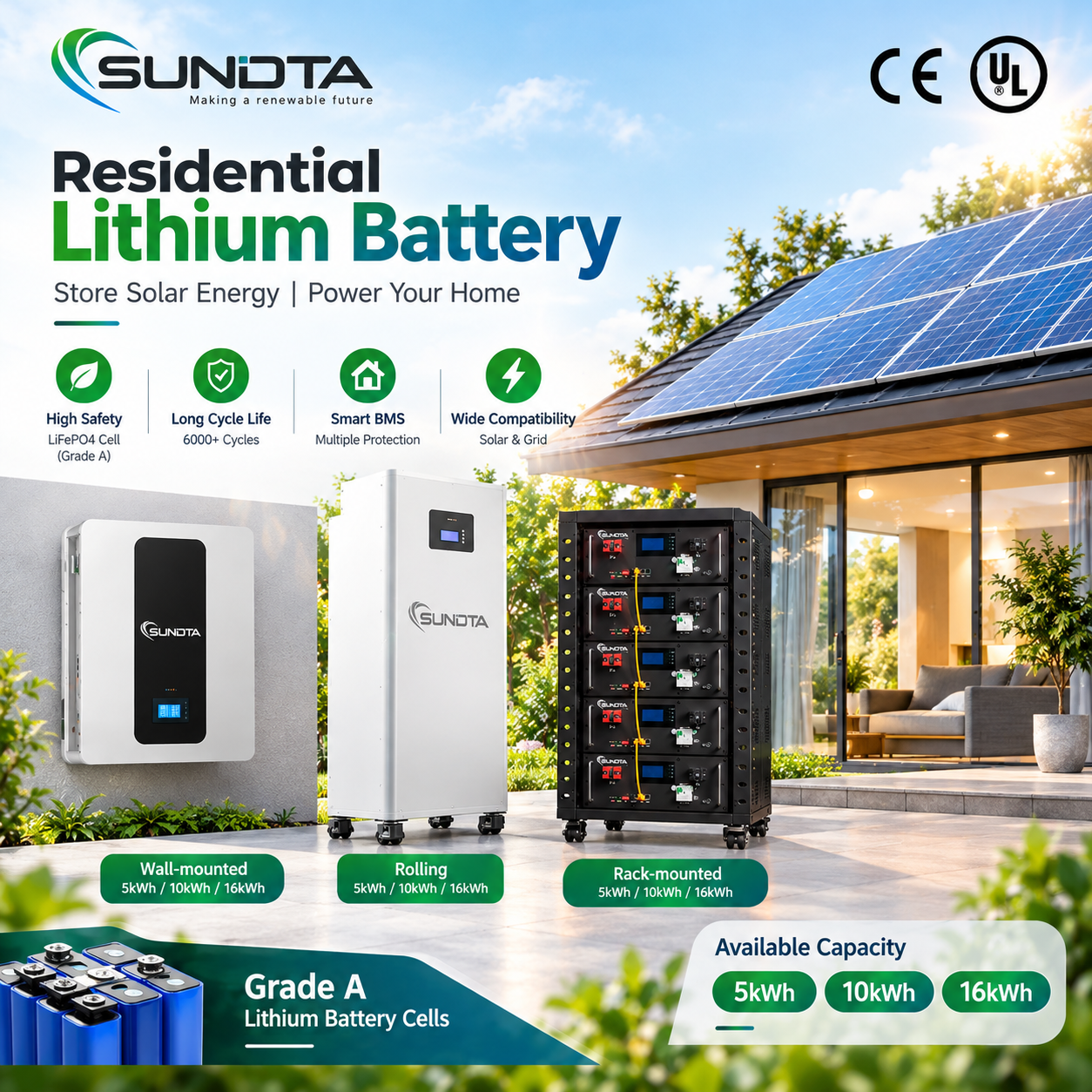
Combining vertically integrated PV module fabrication with dedicated power electronics partnerships and global logistics execution.
Based in the advanced renewable energy manufacturing cluster of Hefei, Anhui Province, China, Anhui RJV New Energy Co., Ltd. (Sundta) operates as a dedicated original equipment manufacturer (OEM) and solar system engineering integrator. Rather than functioning as a non-technical trading broker, we control core manufacturing operations backed by over 12 years of continuous PV research and production.
Equipped with advanced multi-busbar (MBB) laser cell-cutting, automated EL micro-crack screening, and continuous thermal lamination across our module assembly facilities.
Our operational management, factory QC protocols, and supply-chain track record have undergone rigorous on-site supplier verification by TÜV Rheinland, earning an AAA enterprise credit rating.
Continuous R&D investments yield proprietary innovations in cell interconnection durability, high-voltage battery management systems (BMS), and outdoor cabinet heat dissipation.
Strategic engineering alliances with Deye, Solis, and Growatt ensure our LiFePO4 batteries communicate natively via CAN/RS485 firmware protocols with zero field programming hurdles.
For distributors and EPC developers across Barranquilla and northern Colombia, international freight handling represents a major risk factor. We deliver complete, coordinated container shipments directly to the Sociedad Portuaria Regional de Barranquilla (SPRB) or Puerto de Cartagena under flexible Incoterms (CIF, CFR, FOB). Every container includes fully labeled, color-coded cabling, waterproof MC4 connectors, mounting hardware, factory flash data sheets, and comprehensive bills of materials (BOM), eliminating localized supply shortages during site commissioning.
Key answers regarding grid compatibility, RETIE certification standards, thermal durability, and logistics execution.
Consult directly with our solar engineering department in Hefei. Send your site load profile, Single-Line Diagram (SLD) requirements, or project tender specifications. We provide a matched BOM configuration, CAD mounting details, and factory-direct pricing within 24 business hours.
Send an Inquiry