
Industrial-Grade Hardware
Featured Lithium Storage & Turnkey Solar Architectures
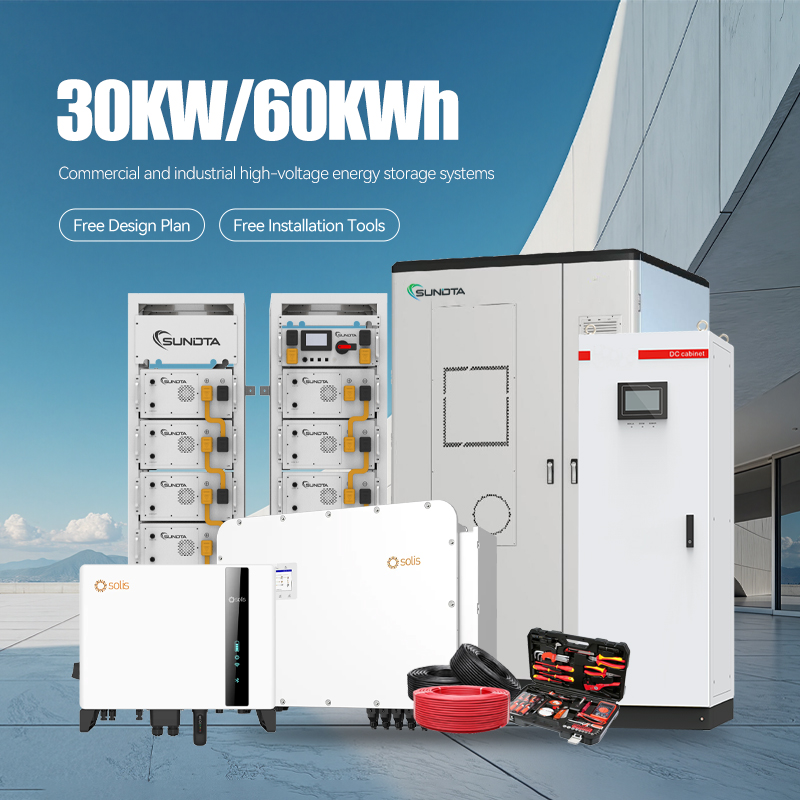
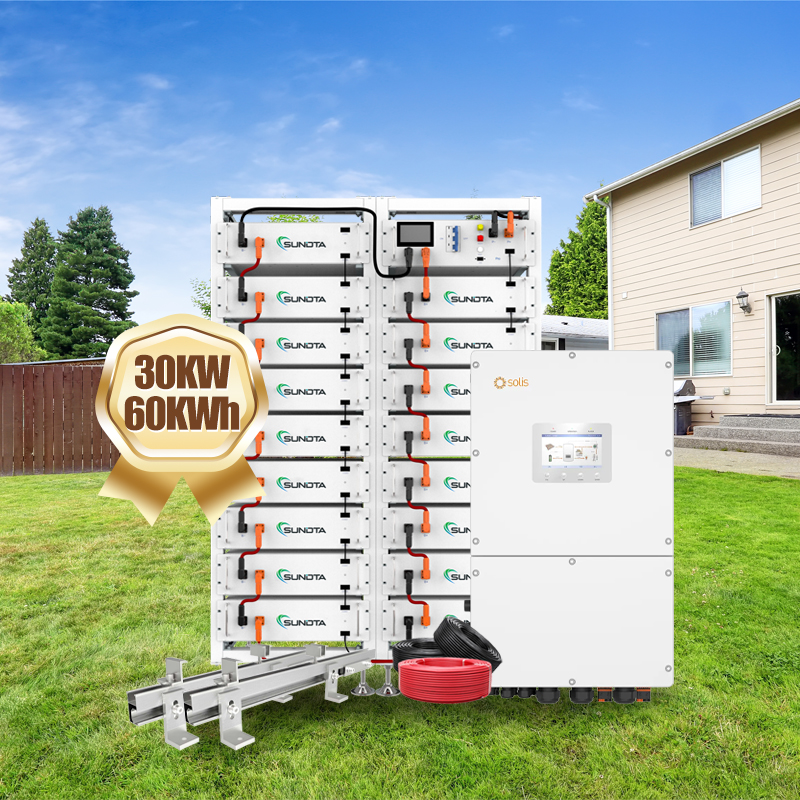
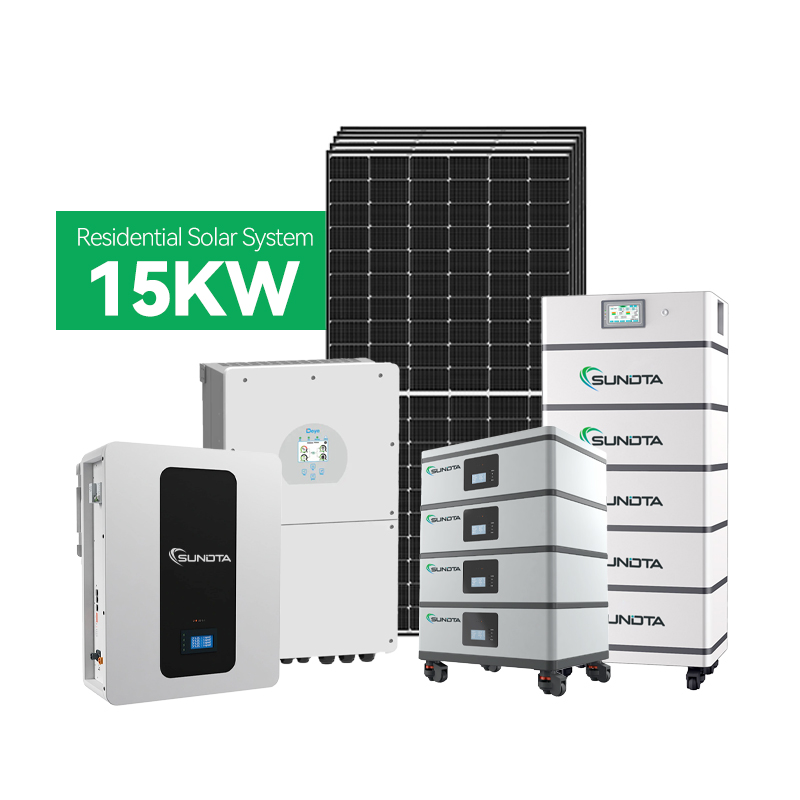
Precision-manufactured rack-mount modules, high-voltage battery banks, and hybrid commercial arrays verified under rigorous factory load testing.




Technical Engineering Insights
Engineering Rack Mount Storage for High-Density Applications
In modern energy deployment, rack-mounted battery architecture represents the critical transition from passive reserve power to dynamic grid support. Unlike monolithic, non-serviceable residential batteries, modular standard 19-inch rack-mount lithium iron phosphate (LiFePO4) architecture yields exceptional advantages in volumetric energy density, thermal control, and system longevity.
Thermal Dissipation & Spacing
Each chassis module integrates optimized front-to-back convective airflow channels combined with heavy-gauge aluminum heat sinking. This eliminates localized hot spots across deep discharge runs, preserving cathode stability and retarding SEI (Solid Electrolyte Interphase) breakdown.
Dual-CAN / RS485 Closed-Loop
Configured with pre-flashed firmware protocols accommodating Solis, Deye, Growatt, and Schneider hybrid platforms. The master BMS synchronizes voltage curves, max charging current requests, and SoC calculations dynamically, eliminating nuisance inverter trip-outs.
Active Cell Balancing Matrix
Equipped with hardware-level bi-directional active balancing (1.5A–2.0A transfer current), our battery management systems balance delta voltages across series strings in real time during charging stages, extending practical pack life by more than 22% compared to passive bleed circuits.
Regional Deployment Guide
Localized Application Scenarios Across Greater Boston
Navigating severe Nor'easters, winter sub-zero temperatures, and historic architecture constraints across Massachusetts through purpose-built lithium integration.
Historic Brownstone & Multi-Family Retrofits
In urban densities like Back Bay, South End, and Cambridge, exterior installation space is heavily restricted by historic commission mandates. Our standard 19-inch indoor rack-mounted LiFePO4 battery stacks slide compactly into conditioned basement utility rooms, utility closets, and interior boiler conversions without compromising fire exit corridors.
Sub-Zero Cold Weather Resilience
New England winters routinely encounter extended stretches below -10°C (14°F). RJV rack systems feature integrated PTC self-heating internal foils that pre-warm cell stacks using incoming PV array power before accepting full charge current. This actively prevents lithium plating and delivers zero-capacity degradation during coastal blizzards.
Route 128 Biotech & Medical UPS Reserves
High-tech laboratories along the I-95/Route 128 corridor demand continuous sub-cycle transfer protection. Paired with low-frequency or hybrid inverters, our 48V and high-voltage rack setups guarantee switchover times under 10 milliseconds, securing sensitive cleanroom sensors, cold-chain freezers, and compute clusters.
Policy & Incentive Ecosystem
Navigating Massachusetts Clean Energy Standards & Tariffs
Optimizing capital investments by aligning rack mount lithium storage with regional decarbonization mandates and ISO-NE wholesale price volatility.
SMART Program Battery Adder
The Massachusetts Solar Massachusetts Renewable Target (SMART) provides a direct per-kWh financial adder for PV arrays coupled with qualifying energy storage. Our rack batteries exceed the mandatory cycling ratio and operational duration thresholds set by DOER.
ConnectedSolutions DR Payouts
National Grid and Eversource reward asset owners for dispatching battery capacity during high-demand summer afternoons. Our dual-communication BMS architecture interfaces directly with third-party microgrid telemetry to monetize regional capacity peaks effortlessly.
Boston BERDO 2.0 Compliance
The Building Emissions Reduction and Disclosure Ordinance mandates strict carbon reduction targets for commercial buildings over 20,000 sq ft. On-site rack storage cuts grid-reliance during peak carbon-intensity hours, ensuring facilities avoid severe compliance fines.
Strict NFPA 855 & NEC Safety
The Commonwealth of Massachusetts enforces rigorous Fire Prevention Codes. Prismatic LiFePO4 chemistry completely excludes cobalt, boasting an intrinsic thermal runaway threshold far surpassing NMC/LCO cells, accelerating Boston Fire Department (BFD) permitting.
| Evaluation Parameter | RJV Industrial LiFePO4 Rack | Standard Wall-Mount Lithium | Conventional Lead-Acid / AGM |
|---|---|---|---|
| Cycle Life (80% DoD) | 6,000 – 8,000 Cycles | 3,500 – 5,000 Cycles | 500 – 800 Cycles |
| Scalability & Serviceability | Modular 19" Hot-Swap Slots | Fixed Unit Replacement Only | Heavy Floor Footprint / Risky Series |
| BMS Communications | CAN, RS485, RS232, Dry Contacts | Proprietary Closed Wireless/App | None (Passive Voltage Dependent) |
| Thermal Runaway Margin | > 270°C (Non-Flammable Phosphates) | 150°C – 210°C (Varies by Chemistry) | Generates Off-Gas Hydrogen (Explosive) |
| New England Winter Readiness | Internal Intelligent PTC Heating Foil | Limited Derating Curves / Exterior Drops | Capacity Plummets > 50% at 0°C |
Verified Supply Chain Partner
Why Boston Importers & Contractors Source with RJV
Anhui RJV New Energy Co., Ltd. eliminates offshore procurement vulnerabilities through deep manufacturing capacity, end-to-end component matching, and proven logistics channels.
Multi-GW Manufacturing Depth
With 2 GW annual production infrastructure in Hefei, China, 12+ years of continuous research, and 38 registered technical patents, our robotic automation guarantees tight cell-to-cell resistance grouping and impeccable mechanical tolerances.
TÜV Assessed & AAA Credit
Operations are verified on-site by TÜV Rheinland. Our export facilities operate with an AAA commercial credit rating, accompanied by exhaustive flash test sheets, UN38.3 transport declarations, and CE conformity packages for zero customs friction.
Port of Boston (Conley Terminal) Logistics
We provide seamless DDP, CIF, and FOB solutions. Dangerous Goods (DG Class 9) maritime containers arrive via direct routes to Conley Terminal, clearing US Customs smoothly with pre-filed Importer Security Filings (ISF) and rigorous dangerous goods packaging.
Frequently Answered Questions
Procurement & Engineering FAQ for Boston Buyers
Clear answers on lead times, code approvals, inverter communications, and commercial container configurations.
What is the standard delivery timeline from factory dispatch to the Port of Boston?
Production schedules for containerized and palletized rack-mount orders typically run 15–20 business days. Ocean transit from Ningbo/Shanghai to the Port of Boston (Conley Container Terminal) averages 30–35 days depending on the maritime routing. Complete documentation, including MSDS, UN38.3, and commercial invoices, is expedited electronically to your customs broker prior to vessel departure.
Are these rack mount batteries compatible with existing inverters used in Massachusetts?
Yes. Our internal Smart BMS features configurable dip switches and multi-protocol CAN/RS485 drivers specifically mapped for Solis, Deye, Schneider Electric, Outback Power, and Growatt inverters. Our engineering team assists with remote inverter setup and wiring schematics during pre-commissioning.
How do RJV rack-mount LiFePO4 packs comply with NFPA 855 and Massachusetts electrical codes?
Our batteries utilize high-stability lithium iron phosphate chemistry, effectively bypassing the severe thermal run-away concerns associated with nickel-cobalt formulations. Built-in cell-level thermal runaway barriers, multi-point temperature probes, and rapid disconnect breakers comply with Massachusetts Comprehensive Fire Safety Code (527 CMR 1.00) requirements.
Can we expand system capacity over time without replacing original rack modules?
Absolutely. Our 51.2V systems support parallel connections of up to 15 to 32 modules without requiring additional control hardware. The master-slave automated addressing architecture allows installers to plug new 5.12kWh or 10kWh chassis units into the rack enclosure as building loads increase.
What are the minimum order quantities (MOQ) and payment options for New England distributors?
Sample evaluation orders and complete residential backup systems start at 1 set. Commercial volume pallet orders and full container shipments (20GP/40HQ) benefit from tiered FOB/CIF pricing. We accept T/T, Letter of Credit (L/C at sight), Western Union, and PayPal, supported by transparent proforma documentation and verifiable TÜV factory tracking.
Powering Your Next Energy Storage Project
Connect with our technical export engineers to request detailed datasheets, step-by-step BOM specifications, inverter integration protocols, and competitive wholesale CIF Boston freight quotes.
Get Catalog