High-Efficiency Solar & Storage Equipment for Kathmandu Projects
Engineered for low ambient pressure, intense ultraviolet indices, and complex urban grid dynamics across Kathmandu, Lalitpur, and Bhaktapur. Factory direct delivery with full warranty protection.
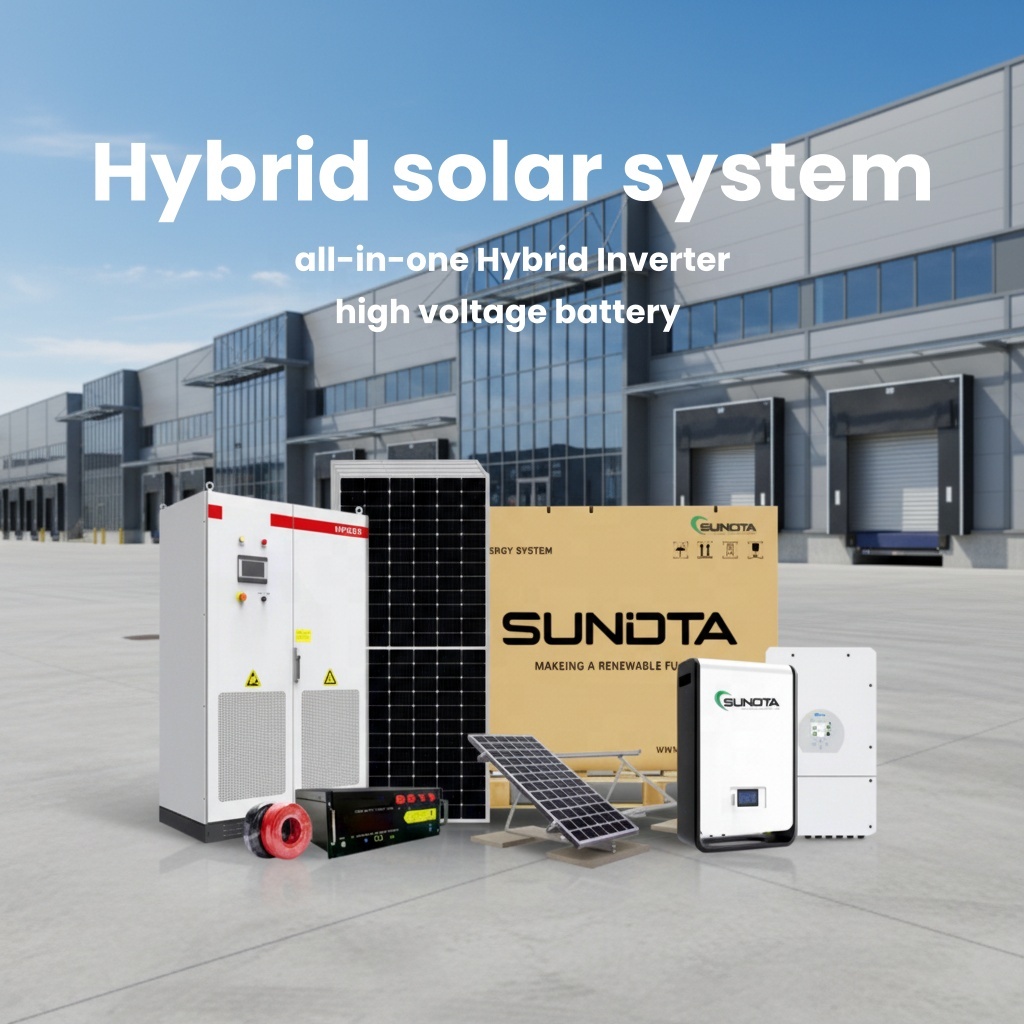
- Integrated HVAC & Aerosol Fire Suppression
- Dual-CAN BMS with Remote EMS Cloud Link
- Rated for Commercial Industrial Peak-Shaving
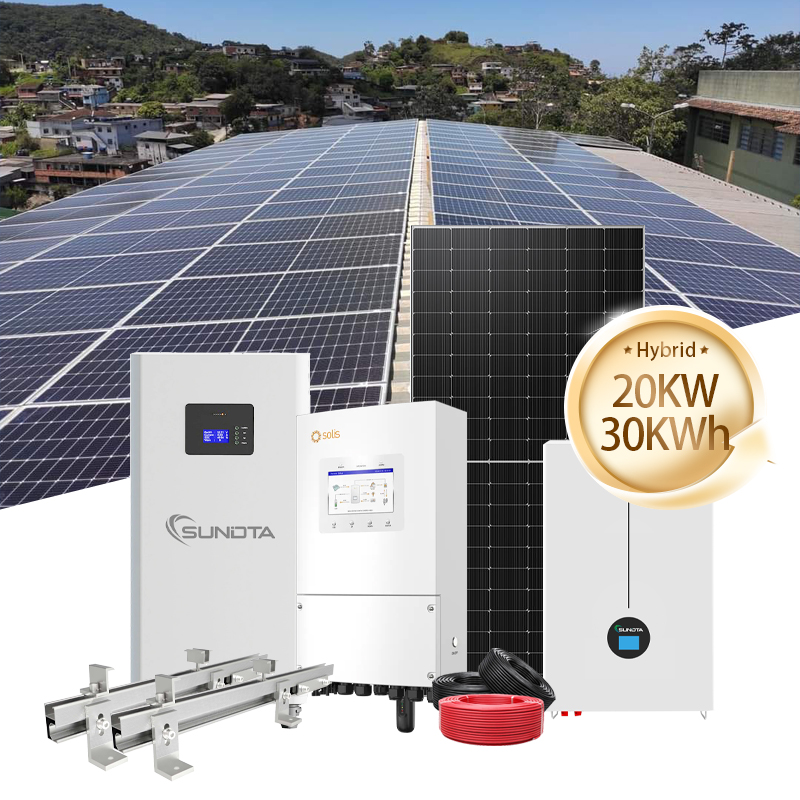
- Matched N-Type Modules & Hybrid Inverter
- Seamless 10ms UPS Micro-Grid Transfer
- Complete Balance of System (BOS) Included
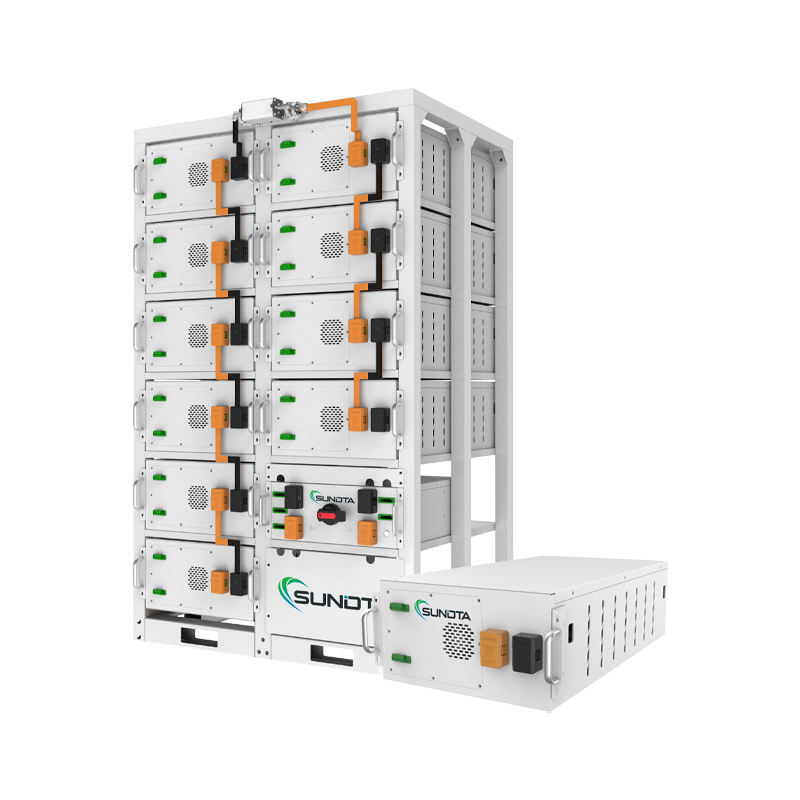
- Automotive Grade 3.2V Prismatic Cells
- 6,000+ Deep Cycles at 90% Depth of Discharge
- CAN/RS485 Dual Protocol Auto-Addressing
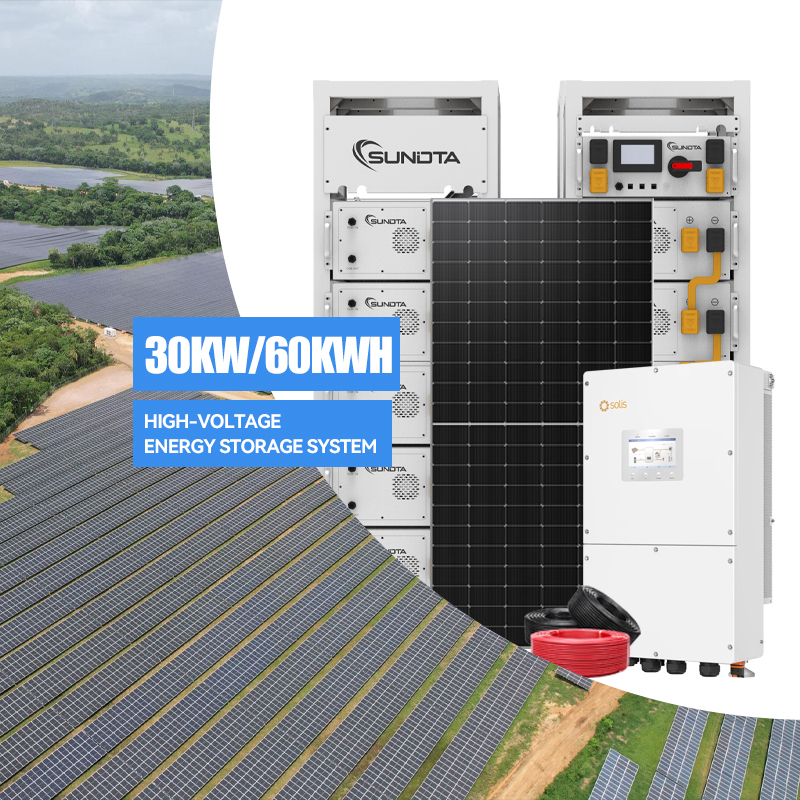
- High Surge Power Capacity for Inductive Loads
- Wide MPPT Operating Range: 150V - 500V
- Pure Sine Wave Stable AC Output
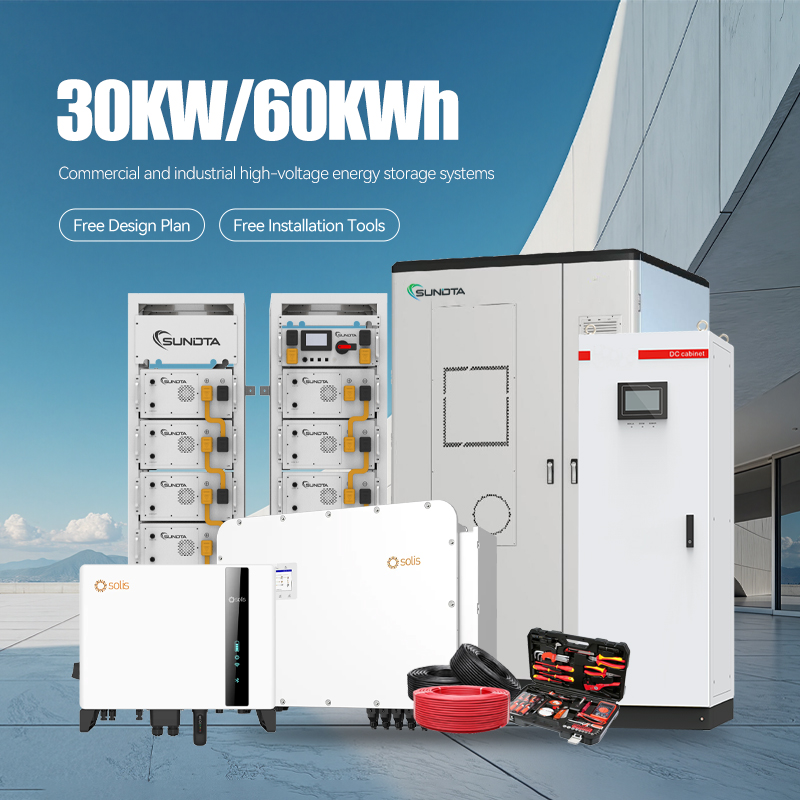
- Next-Gen 314Ah High Energy Density Cells
- Compact Footprint for Urban Space Optimization
- Multi-Tier Overcurrent & Thermal Protection
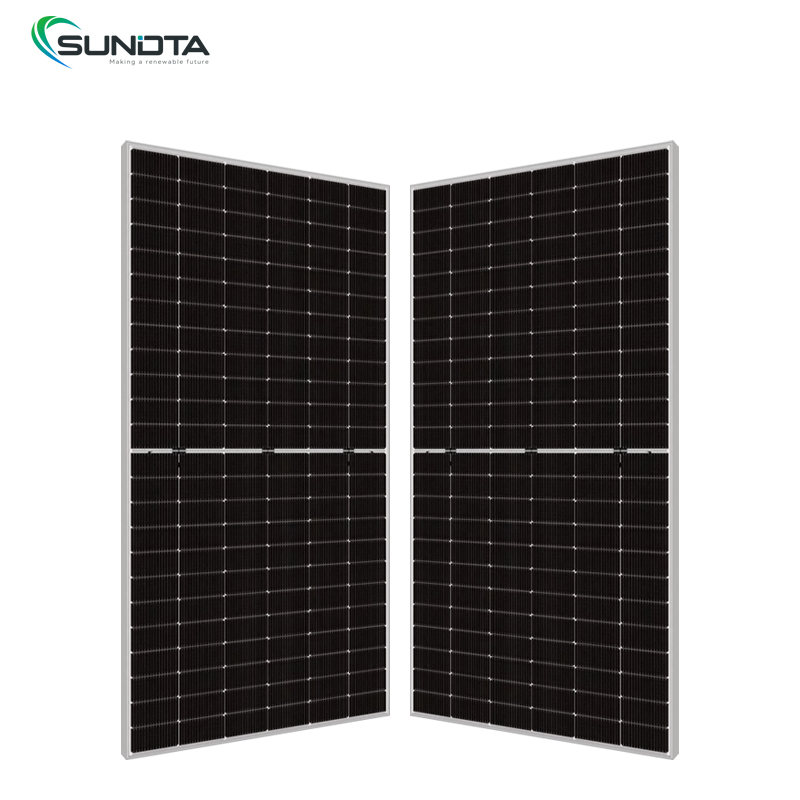
- Module Efficiency exceeding 22.8%
- Superior Low-Irradiance Morning Performance
- -0.30%/°C Temperature Coefficient
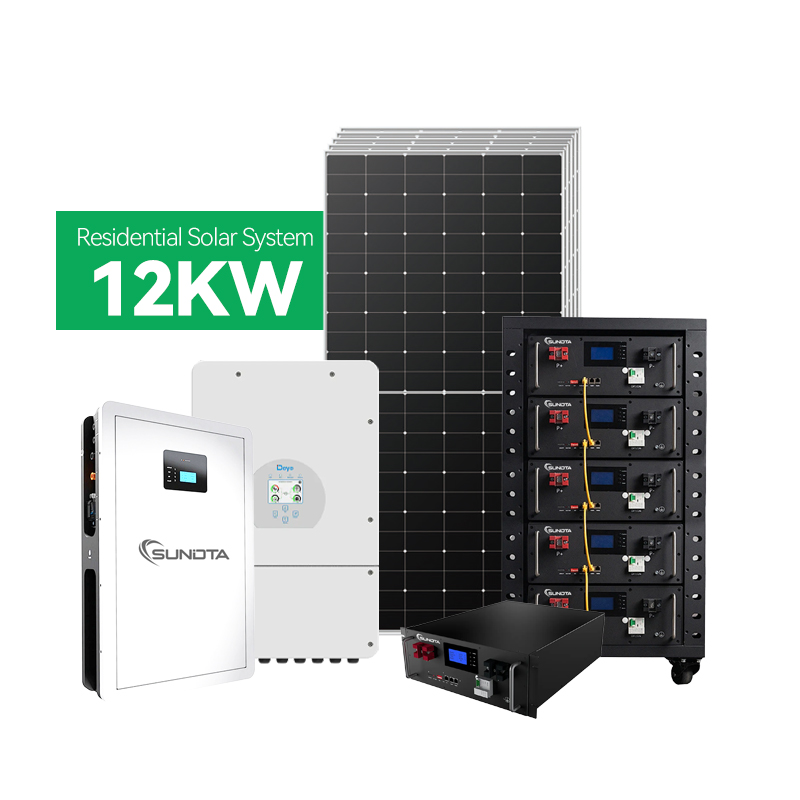
- Direct Factory Bulk Container Pricing
- Split-Phase & Three-Phase Grid Compatibility
- Zero-Export NEA Grid Limiter Enabled
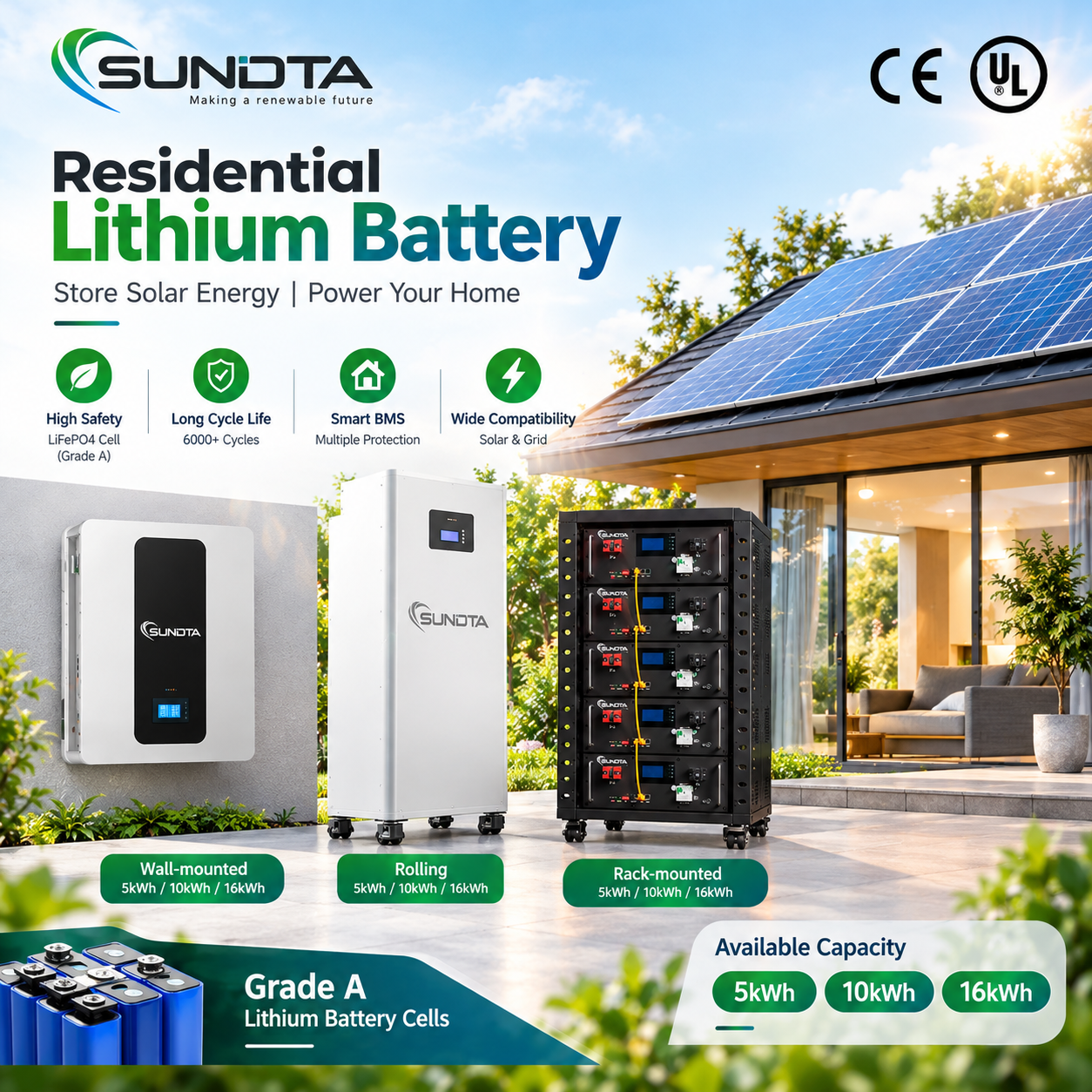
- Cable-Free Plug-in Inter-Module Stacking
- Scalable from 10kWh to 30kWh in Minutes
- Internal Active Balancing Safety Topology
Engineering Whitepaper: Rooftop Photovoltaic Architecture for the Kathmandu Valley
Kathmandu sits within an intermontane basin in central Nepal at an average altitude of 1,400 meters (4,600 feet) above sea level. This geographical reality offers both substantial solar photovoltaic yield advantages and rigorous engineering challenges. With global horizontal irradiance (GHI) values ranging from 4.8 to 5.6 kWh/m²/day and exceeding 2,700 hours of direct annual sunshine, urban rooftop arrays represent the single most economical and resilient distributed generation mechanism for the capital's growing commercial and residential infrastructure.
However, off-the-shelf equipment designed for sea-level conditions frequently suffers catastrophic premature failure in Bagmati Province. High-altitude operations present lower atmospheric pressure and decreased air density, reducing convective cooling effectiveness for power electronics. Standard solar inverters will experience thermal derating if their cooling architecture and heat sink heat dissipation paths are not over-engineered. At RJV New Energy, our Deye and Solis co-developed hybrid platforms and Sundta power systems are engineered with dynamic altitude compensation curves, sustaining 100% rated output up to 2,000 meters elevation without component stress.
Technical Altitude Insight: Atmospheric breakdown voltages drop at higher elevations. Our systems specify creepage and clearance distances compliant with high-altitude IEC standards (IEC 62109-1), incorporating Class II surge arresters (SPD Type II) on both DC and AC ports to defend against intense Himalayan electrostatic discharge and grid switching transients.
Urban Topography and Roof Architecture Compliance
The urban core of the Kathmandu Valley—encompassing Kathmandu Metropolitan City, Lalitpur Metropolitan City, and Madhyapur Thimi—is characterized by reinforced concrete (RCC) flat-roof structures with parapet walls, surrounded by high-density mid-rise buildings. This creates distinct microclimates characterized by localized building self-shading, particulate air-pollution deposition during the dry winter inversion layer, and severe seismic design constraints under Nepal National Building Code (NBC 105:2020).
To overcome dense shadow vectors cast by staircases and neighboring structures, our system designs mandate N-Type TOPCon split-cell modules (700W+ Series) integrated with dual and quadruple Maximum Power Point Tracking (MPPT) channels. TOPCon technology exhibits a lower temperature coefficient (-0.30%/°C) compared to legacy p-type PERC panels (-0.35%/°C), generating up to 4.2% higher actual energy yields during clear spring afternoons when ambient temperatures climb while solar irradiance exceeds 1,000 W/m².
Specialized Deployment Scenarios in Greater Kathmandu
Engineered to resolve real commercial pain points: from mitigating diesel generator operating expenditures to preserving medical and data integrity during localized grid dropouts.
Residential Villas & High-End Estates
Deployed widely across Budhanilkantha, Jhamsikhel, and Baneshwor. Features elegant all-black and high-density stackable 51.2V LiFePO4 batteries (10kWh to 30kWh) providing silent, automatic backup for domestic HVAC, water pumping, and high-load kitchen circuits without the noise or fuel costs of diesel generators.
Hotels & Tourism Hospitality Hubs
Operating continuously throughout Thamel, Durbar Marg, and hillside resort enclaves like Nagarkot. Three-phase hybrid systems (20kW to 50kW) seamlessly balance variable tourist occupancy demands, ensuring uninterrupted guest amenity operations and instantaneous grid-failover without computer reboot flickers.
Manufacturing & Industrial Estates
Tailored for high inductive machinery loads in Patan Industrial Estate and Balaju Industrial District. Containerized all-in-one ESS cabinets (100kW/200kWh+) absorb motor startup inrush currents, clip peak demand utility surcharges, and prevent expensive manufacturing line downtime caused by feeder line trips.
Hospitals & Financial Data Centers
Installed at private clinics, pathological laboratories, and microfinance banking centers across Kathmandu Valley. Redundant lithium storage arrays deliver zero-downtime galvanic stability, medical diagnostic device surge insulation, and clean power isolated from fluctuating Nepal Electricity Authority feeder voltages.
System Sizing & Performance Matrix for Kathmandu Installers
Use our field-tested sizing metrics to match inverter capacities, battery banks, and solar module configurations to client load profiles.
| System Parameter | Residential Villa (5–12 kW) | Commercial Hybrid (20–50 kW) | Industrial ESS Cabinet (100–500 kW) |
|---|---|---|---|
| Recommended Solar Panel | N-Type TOPCon 460W - 480W All-Black | N-Type Monocrystalline 700W - 730W | Bifacial PERC / TOPCon 595W - 710W |
| Inverter Configuration | Single/Split Phase LV Deye / Solis S6 | Three-Phase HV Hybrid Power Inverter | Integrated Bidirectional PCS with EMS |
| Battery Storage Chemistry | LiFePO4 51.2V Wall / Stack (14–30 kWh) | High-Voltage Modular LiFePO4 Stack | C&I Outdoor Thermal ESS Cabinet |
| NEA Grid Interconnection | Net-Metering Ready (Zero Export Capable) | Bi-Directional Smart Meter Linked | Dedicated HT/LT Substation Integrated |
| Transfer Switch Latency | < 10 ms (Continuous UPS Grade) | < 10 ms (Continuous UPS Grade) | < 20 ms Seamless Micro-Grid Link |
| Optimum Tilt Angle in Valley | 27° - 28° South-Facing (Azimuth 180°) | 27° Fixed or Elevated Ballasted Frame | Aerodynamic Low-Profile Engineered Rigging |
Kathmandu Solar Energy Market Trends & Regulatory Evolution
Understanding shifting macroeconomic policies, Nepal Electricity Authority grid codes, and commercial battery modernization strategies.
NEA Net-Metering Grid Modernization
The Nepal Electricity Authority has steadily modernized regulatory frameworks to encourage commercial and institutional rooftop solar grid tie-ins. Facilities can export midday generation surpluses to offset expensive grid tariffs. However, compliance demands IEEE 1547 and VDE-compliant anti-islanding protection and precise phase balancing—specifications pre-certified across RJV's entire inverter portfolio.
Hydro-Solar Seasonal Complementarity
Nepal’s electricity grid relies overwhelmingly on run-of-the-river hydroelectric stations. During dry winter months (December through March), Himalayan river discharge drops drastically, reducing domestic hydroelectric generation by up to 60%. Rooftop solar reaches its seasonal peak efficiency during this exact dry period, making local solar installations indispensable for national energy stability.
Obsolescence of Lead-Acid Batteries
Kathmandu’s historical reliance on tubular lead-acid inverters for load-shedding backup is ending. Commercial operators are replacing acid-leaking, low-efficiency systems with safe LiFePO4 chemistry. Lithium iron phosphate provides ten times the cycle life (6,000 cycles vs 600 cycles), 95% round-trip efficiency, and zero toxic off-gassing inside compact commercial basements.
Direct Factory Engineering Partnership from Hefei to Kathmandu
Eliminate distributor markups and communication layers. Anhui RJV New Energy provides direct-from-factory procurement, comprehensive engineering support, and streamlined logistics to Nepal via Kerung or Birgunj.
Automated 2GW Capacity
Fully automated robotized module assembly lines in Hefei with multi-busbar stringing and EL double testing to prevent micro-cracks before transit.
CAN/BMS Protocol Matching
Pre-configured closed-loop handshake communication between RJV lithium battery packs and Deye/Solis inverters, eliminating on-site programming errors.
TÜV Assessed Compliance
On-site factory audited by TÜV Rheinland with full CE, IEC 61215, IEC 61730, and UN38.3 test documentation ready for Department of Customs clearance.
Nepal Corridor Logistics
Flexible Incoterms (CIF Birgunj Dry Port, FOB Shanghai/Ningbo, or overland via Lhasa-Kerung). Complete packing with shock sensors for mountain routes.
Frequently Asked Questions by Kathmandu Solar Importers & EPCs
Clear, direct answers regarding custom duties, logistics routes, NEA technical compatibility, and altitude design adjustments.
Connect Directly with Our Hefei Engineering & Export Team
Planning a rooftop solar project for a residential estate, hotel resort, commercial clinic, or industrial facility in Kathmandu? Submit your daily load profile and target autonomy. Our senior power electronics engineers will prepare an optimized bill of materials, single-line diagram (SLD), and factory quotation within 24 hours.