Precision-Engineered Storage Hardware & Solar Kits
Manufactured under strict ISO 9001 quality controls and fully compatible with North American split-phase and three-phase hybrid infrastructure. Explore our core lineup configured for high-efficiency New York energy deployments.
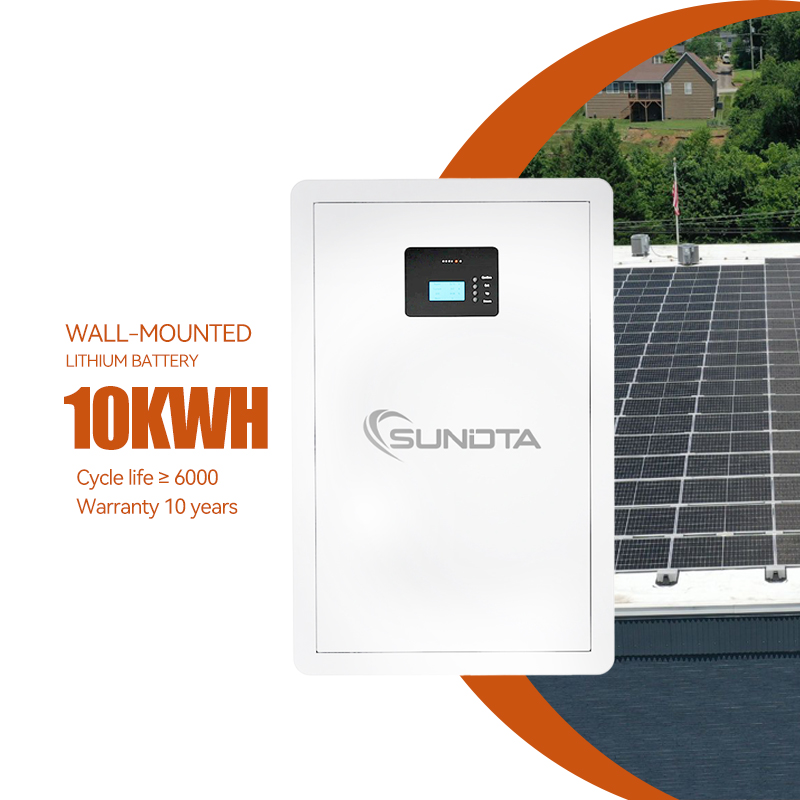
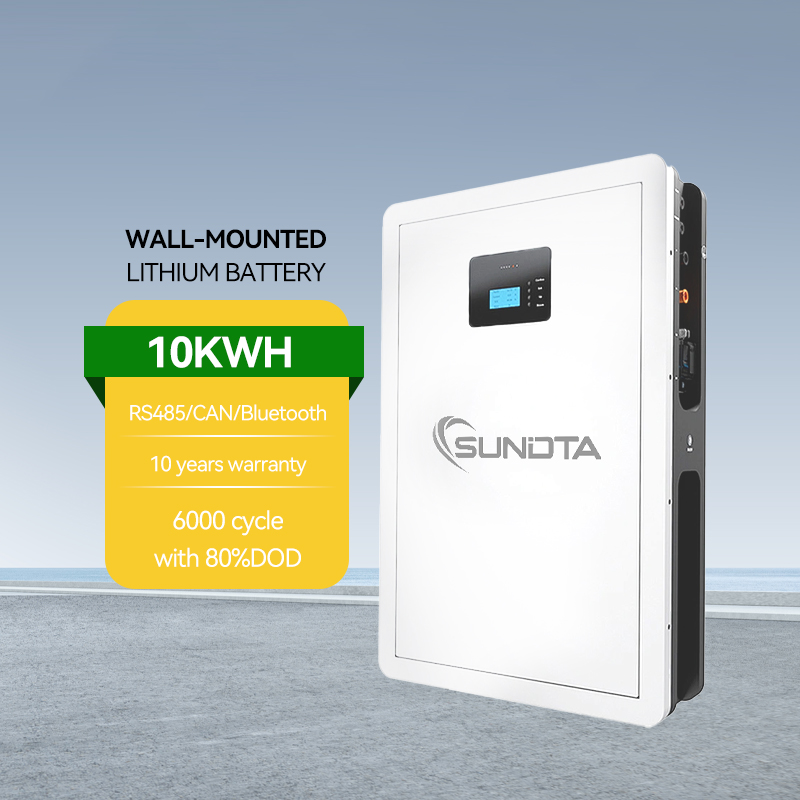
Sundta IP65 10kWh 51.2V 200Ah Wall Mounted LiFePO4 Battery for Home Solar Storage with Smart BMS
- 51.2V 200Ah / IP65 NEMA Enclosure
- Dual CAN & RS485 Communication
- 6,000+ Cycles Design Life
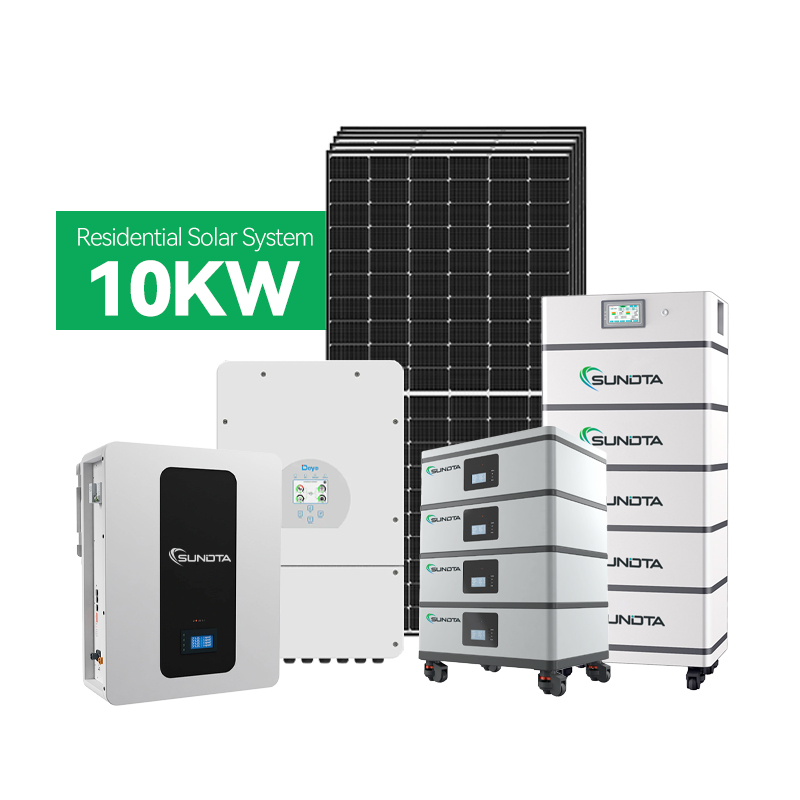
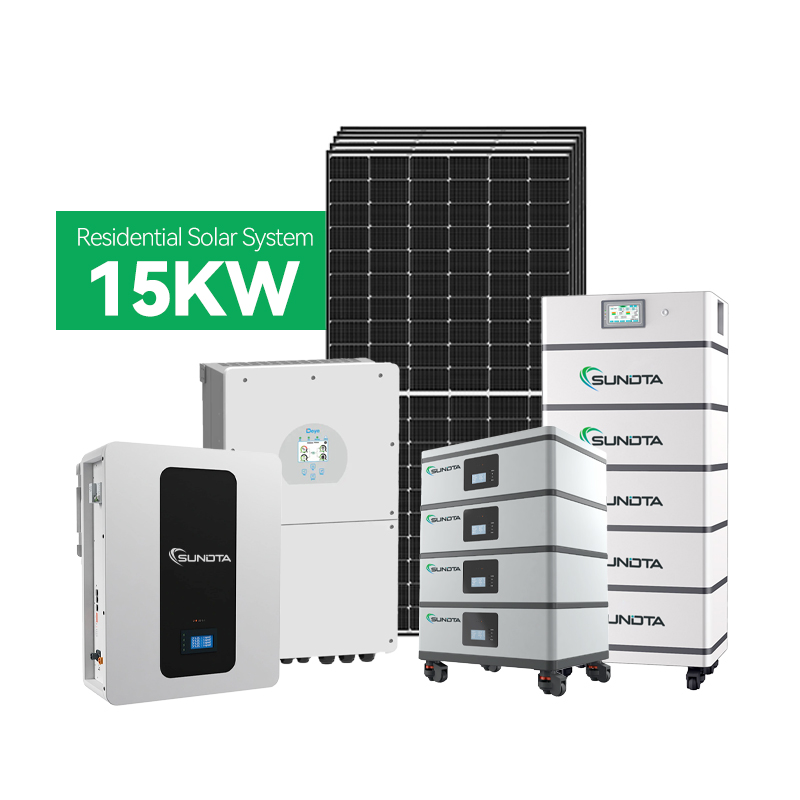
Stock Available Sundta 5KW 8KW 10KW 12KW 15KW 20KW New Innovation Complete Solar Hybrid System Kit with Lithium Battery
- Complete BOM: Inverter, LFP & Modules
- Seamless Grid-Tied / Off-Grid Transfer
- Fast Installation Architecture
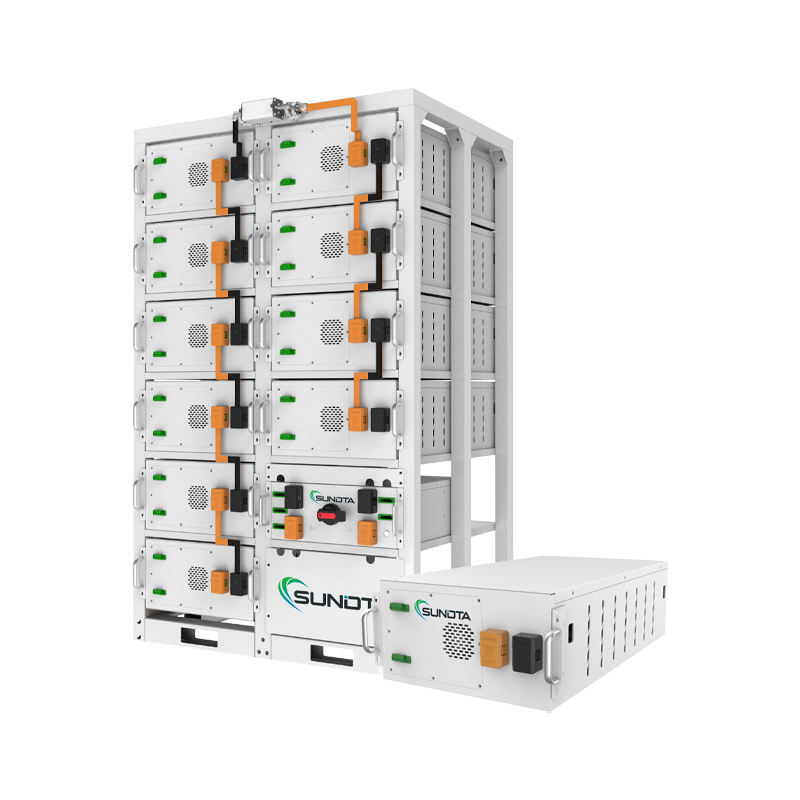
High Quality LiFePO4 Lithium Battery Stackable 51.2V 14.336kWh Wall-Mounted 10-Year Warranty Home Energy Storage Solar Battery
- 14.336 kWh Deep Reserve Capacity
- Modular Stackable / Wall Hang Option
- 90% Depth of Discharge Standard
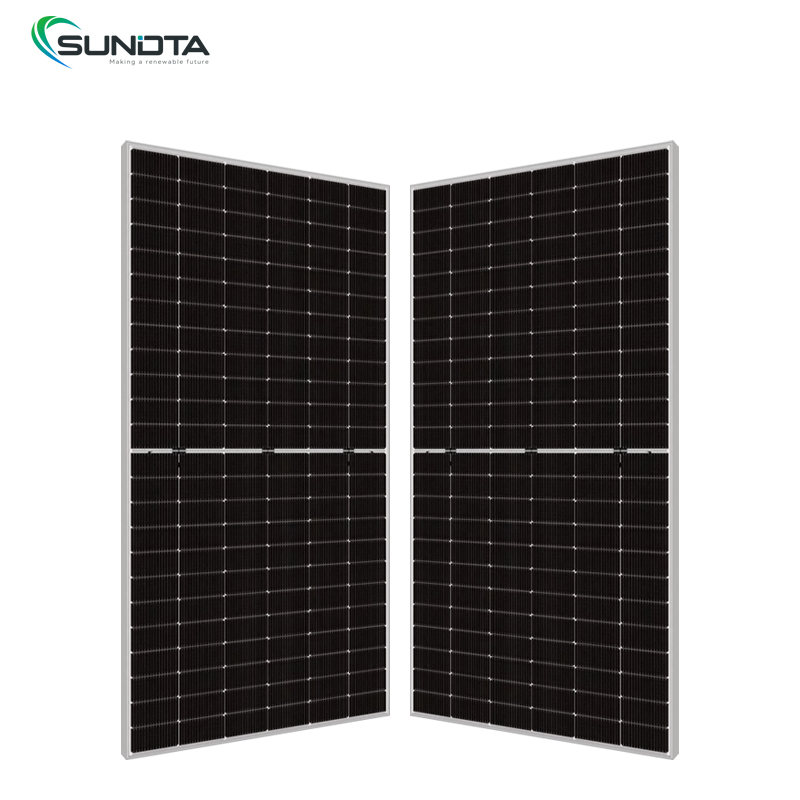
Tier 1 Solar Panel Sodenergy 700W 705W 710W 715W 720W 725W 730W N Type Solar Panel
- High Power Density 700W–730W Output
- Low Temperature Coefficient (-0.30%/°C)
- Dual-Glass Heavy Snow Load Rating
Sundta Hybrid Solar Energy System Low Price Solar Panel Kit 5KW 10KW 12KW 15KW Full Set Solar System Kit Home System
- 5kW–15kW Matched Inverter & PV Array
- Low-Voltage Bus Architecture Safety
- Built for Fast Residential Commissioning
30KWH 51.2V 314AH LiFePO4 Battery Solar Energy Home Energy Storage 48v Solar Battery ALL in ONE SOLAR POWER SYSTEM
- Next-Gen 314Ah Prismatic Cell Base
- High Current Continuous Discharge
- Microgrid & Multi-Family Compliant
Energy Bank Powerwall 51.2V 314AH 200AH 8KW 10KW Lithium Battery Sell Home Solar Battery 15kwh Battery Pack for Home Energy
- Sleek Wall-Mount Architectural Aesthetic
- Built-in Circuit Breaker & Pre-Charge
- Integrated Thermal Management
Fast Shipping Stock Solar Battery 48V 51.2V 100Ah 200Ah 5kWh Wall Mounted LiFePO4 Local Warehouse
- 5.12 kWh Standard Modular Increment
- Up to 15 Units in Parallel (76.8 kWh)
- Compact Footprint for Garage/Basement
Navigating CLCPA Mandates, VDER Monetization & Con Edison Grid Dynamics
A technical guide for EPC contractors, commercial project developers, and solar installers operating within the New York Independent System Operator (NYISO) service territory.
New York State represents one of the most sophisticated and legally demanding distributed clean energy landscapes in North America. Governed by the aggressive targets of the Climate Leadership and Community Protection Act (CLCPA)—which dictates 70% renewable generation by 2030 and 100% zero-emission electricity by 2040, alongside a statewide mandate for 6,000 MW of energy storage by 2030—the Empire State has moved decisively beyond simple net-metered photovoltaic systems. Today, energy resilience, capacity peak-shaving, and distributed system stability dictate that solar without high-performance lithium energy storage is functionally incomplete.
For New York commercial and industrial (C&I) project developers and residential solar installers alike, the revenue and operational case for energy storage centers upon the Value of Distributed Energy Resources (VDER) Value Stack. Under VDER, exported electricity is compensated based on exact locational and temporal value: the Energy Component (LBMP), Capacity Value (ICAP), Environmental Value (E-value), and Locational System Relief Value (LSRV). Stationary battery systems powered by RJV/Sundta LiFePO4 cells allow New York asset owners to intelligently absorb peak generation during negative or low-margin mid-day pricing intervals, subsequently discharging during critical peak windows when Con Edison, National Grid, Central Hudson, or PSEG Long Island impose heavy network demand surcharges.
Operating within dense urban and coastal microclimates—ranging from maritime coastal fog along Suffolk County and Brooklyn waterfronts to sub-zero freeze-thaw cycles in Upstate Adirondack and Central New York corridors—requires an uncompromising battery architecture. Lithium iron phosphate (LiFePO4) chemistry has emerged as the definitive standard over conventional Nickel-Manganese-Cobalt (NMC) formulations, providing the thermal stability, cycle longevity, and inherent deflagration resistance necessary to pass rigorous local jurisdiction reviews.
FDNY Rule 3 RCNY § 608-01 Alignment
Navigating the stringent fire safety requirements of the New York City Fire Department (FDNY) requires strict adhering to thermal runaway barriers, mechanical impact resistance, and listed fire safety venting. Our enclosures and cells are built around non-propagating LiFePO4 chemistry suited for urban outdoor and approved utility enclosure installations.
Dynamic VDER Peak Shaving
Engineered to deliver rapid charge and discharge response profiles, our battery systems interface with smart hybrid inverters to automate export schedules around highest-value ICAP and LSRV intervals, maximizing return on investment across NYSERDA-incentivized energy storage blocks.
Cold-Climate Winter Pre-Heating
Upstate New York experiences severe sub-zero winter spells that can compromise standard lithium cells. RJV/Sundta systems incorporate integrated multi-level BMS thermal protection and optional low-draw heating algorithms that ensure continuous charging down to -20°C without lithium plating risks.
LiFePO4 Chemistry vs. Alternative Energy Storage Technologies
Why Tier-1 Lithium Iron Phosphate represents the dominant economic and safety baseline for New York commercial and residential installations.
| Evaluation Parameter | RJV / Sundta LiFePO4 (Grade-A LFP) | NMC (Nickel Manganese Cobalt) | VRLA / AGM Sealed Lead Acid |
|---|---|---|---|
| Thermal Runaway Threshold | ~270°C (Extremely Stable) — Zero risk of oxygen liberation under normal abuse. | ~150°C–210°C — Exothermic breakdown prone to oxygen release and intense fires. | Low runaway risk, but produces flammable hydrogen gas during overcharge. |
| Usable Depth of Discharge (DoD) | 90% to 95% Continuous without accelerated degradation. | 80% to 90% typically constrained to preserve warranty life. | 50% maximum; discharging below 50% permanently damages cell capacity. |
| Cycle Life (@ 80% Retention) | 6,000+ Cycles (15+ Year Operational Lifespan in Daily Cycling). | 1,500 to 2,500 Cycles before steep capacity fade occurs. | 400 to 800 Cycles, requiring frequent replacement labor costs. |
| Round-Trip Efficiency (RTE) | 95% to 98% DC-to-DC — Minimizes wasted solar energy. | 92% to 95% DC-to-DC. | 75% to 82% — Significant losses during chemical conversion. |
| BMS Communications | Native Closed-Loop CAN 2.0B / RS485 (Deye, Solis, Growatt protocols). | Proprietary protocol bridges often required; limited openness. | Passive voltage sensing only; lacks cell-level SoH and SoC telemetry. |
| NY Code Permitting Suitability | Highest Compliance with UL 9540, UL 1973, NFPA 855 & NYC rules. | Complex mitigation required; severe outdoor setback distance mandates. | Requires specialized mechanical ventilation for acid fumes/hydrogen. |
Localized Scenarios Across New York's Diverse Utility Grids
Customized configuration engineering designed specifically to conquer regional electrical tariffs, climatic conditions, and microgrid requirements.
Con Edison NYC & Westchester Resiliency
Con Edison's territory experiences some of the highest volumetric electric rates and demand charges in the nation. Utilizing our wall-mounted 51.2V 10kWh and 15kWh energy storage units alongside hybrid inverters allows residential townhomes, brownstones, and suburban residences in Westchester to store cheap daytime solar power and seamlessly power critical sub-panels during coastal storms or grid congestion alerts without fossil fuel generator noise or emissions.
Long Island C&I Peak-Demand Elimination
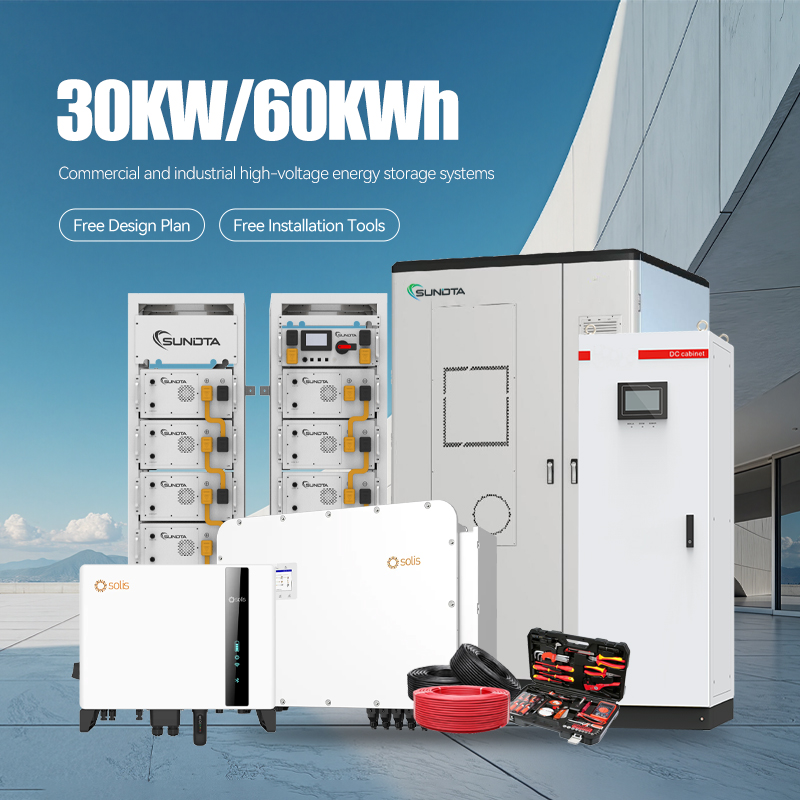
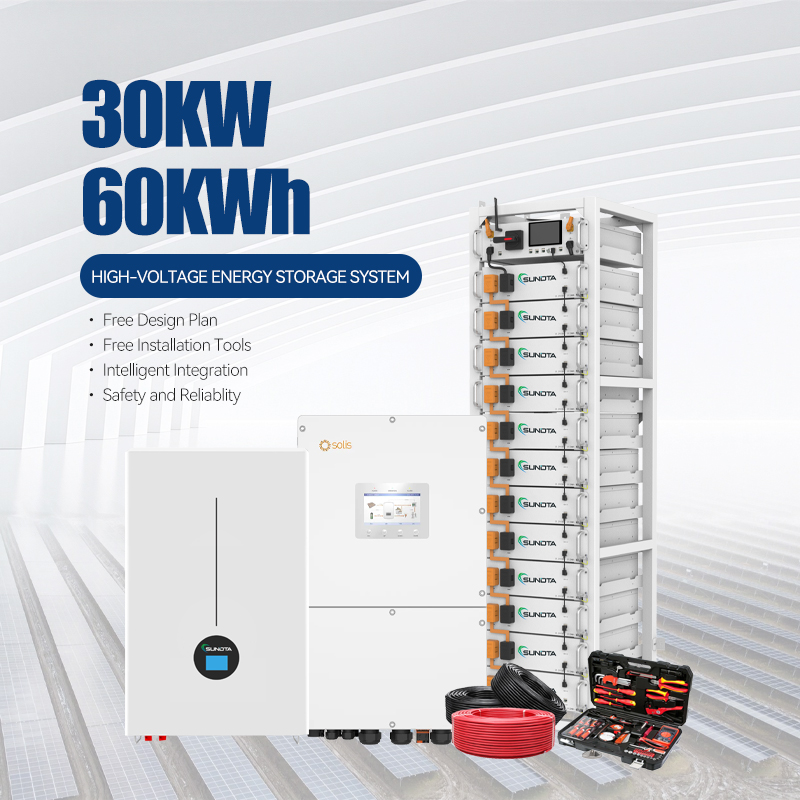
Across Nassau and Suffolk Counties, commercial warehouses, light industrial manufacturing facilities, and medical offices subject to PSEG Long Island commercial tariffs face high peak demand ratchets. By integrating RJV/Sundta 30kWh to 100kWh stackable high-voltage LiFePO4 batteries, systems discharge automatically during peak facility consumption, flattening the load curve and dramatically reducing monthly utility bills.
Upstate Agrivoltaics & Cold-Weather Off-Grid
From Hudson Valley vineyards to dairy farms in the Finger Lakes and North Country, rural New York businesses require reliable power across transmission lines susceptible to winter ice storms. Our heavy-duty bifacial N-type TOPCon panels and insulated LiFePO4 battery banks maintain continuous energy balance for cold-storage rooms, automated milking equipment, and remote operations even during prolonged utility blackouts.
Rigorous Code Compliance: UL Standards, NFPA 855 & Local Permitting
In New York, obtaining an electrical permit and utility Interconnection Permission to Operate (PTO) requires pristine documentation. Municipal authorities having jurisdiction (AHJs) throughout New York enforce strict safety protocols based on national guidelines modified by state and local regulations:
- UL 1973 Certification: Validates safety standards for batteries used in stationary energy storage systems, confirming protection against mechanical, electrical, and thermal stresses.
- UL 9540 & UL 9540A Test Methods: Assesses thermal runaway fire propagation. RJV/Sundta configurations provide clear test data confirming that any internal cell anomaly will not cascade to adjacent cells or breach the outer steel enclosure.
- NFPA 855 Standard: Defines structural clearances, maximum allowable energy capacity per indoor fire control area, and integrated deflagration prevention mechanisms.
- Smart Inverter Interconnection (IEEE 1547-2018): Direct integration with Solis and Deye inverters ensures full support for anti-islanding, dynamic frequency and voltage regulation, and grid ride-through capabilities required across New York investor-owned utilities (IOUs).
Why Tier-1 Engineering & Sourcing Depth Matters for Your Supply Chain
Anhui RJV New Energy Co., Ltd. combines advanced automated module manufacturing with integrated energy storage hardware engineering, offering New York importers and contractors direct factory pricing, accountable warranty support, and zero communication barriers.
Grade-A Prismatic Cells Exclusively
We source only high-density, automotive-grade lithium iron phosphate prismatic cells with laser-welded busbars and precision internal impedance matching. Every cell pack is flashed, calibrated, and serial-tracked to eliminate capacity imbalances and guarantee a true 6,000-cycle working lifespan.
Integrated BMS & Multi-Inverter Matching
Our in-house programmed Battery Management Systems (BMS) feature native closed-loop CAN 2.0B and RS485 communication protocols compatible out-of-the-box with Solis, Deye, Growatt, Schneider, and Victron hybrid inverters, ending field-commissioning headaches for your installation crews.
TÜV Rheinland Audited Facility
Our production facilities maintain comprehensive on-site supplier verification by TÜV Rheinland, ISO 9001 quality management, ISO 14001 environmental safety certifications, and hold 38 proprietary patents. Every export shipment is verified with complete flash tests and QA inspection reports.
Frequently Asked Questions: New York Solar Lithium Procurement
Expert answers addressing the practical, technical, and regulatory concerns of regional energy project procurement managers.
How do RJV / Sundta lithium batteries interface with Con Edison and National Grid net metering or VDER tariffs?
Our LiFePO4 batteries integrate seamlessly through smart hybrid inverters (such as Deye and Solis) that are pre-certified under IEEE 1547-2018 and UL 1741-SB. These inverters allow New York installers to configure exact charge and discharge operational modes. For residential accounts on Time-of-Use (TOU) tariffs or commercial projects participating in the VDER Value Stack, the system can be programmed to discharge strictly during high-value peak windows or locational relief periods, completely preventing non-remunerative back-feeding while maximizing monetary bill credits.
What safety documentation is provided to satisfy local New York AHJs and Fire Marshals?
Every shipment is accompanied by comprehensive engineering compliance documentation. This includes factory UL 1973 component certificates, UL 9540A thermal runaway summary test reports, UN38.3 transport safety documentation, and material safety data sheets (MSDS). For New York City installations subject to FDNY scrutiny, we provide detailed BMS logic maps, mechanical casing schematics, and gas dissipation engineering specifications required for plan examination filings.
How do these batteries perform during severe Upstate New York winter freezes?
Charging lithium cells below freezing (0°C / 32°F) without thermal management can cause irreversible lithium metal plating and permanent capacity degradation. Sundta and RJV batteries are engineered with advanced BMS software safeguards that throttle and prevent freezing charge states. Furthermore, our outdoor and hybrid-ready units feature integrated thermal management layers and low-draw heating elements that bring cell temperatures up to safe operational levels using available PV generation before enabling the charging bus, ensuring flawless operation down to -20°C.
What is the typical shipping lead time and customs process into the Port of New York and New Jersey?
We routinely dispatch consolidated containers (FCL) and palletized shipments (LCL) directly to the Port of New York and New Jersey (PNYNJ). For stock items, factory dispatch occurs within 7 business days, with ocean transit times typically averaging 24 to 30 days. We provide complete export clearance documentation—including commercial invoices, packing lists with individual battery serial barcodes, bills of lading, and dangerous goods declarations (DG Category 9)—enabling straightforward clearance through your designated US customs broker.
Can we expand system capacity in the future if building electrical demand grows?
Yes. Our low-voltage 51.2V architecture supports parallel scalability of up to 15 modular units on a single communication bus (expanding up to 76.8kWh–225kWh depending on model choice). For commercial applications, our high-voltage battery cabinets and BESS containerized systems can be clustered dynamically. The master-slave BMS design auto-detects newly addressed units and balances state-of-charge parameters across parallel strings without requiring manual firmware recalibration.
What is the standard warranty coverage and replacement protocol for B2B buyers?
We provide an industry-leading 10-year prorated performance warranty guaranteeing at least 70% retained capacity at the end of the term under rated cycling conditions. Because we maintain comprehensive test logs and traceability for every batch of Grade-A prismatic cells, warranty verification is rapid. In the rare event of a component failure, we air-freight replacement BMS boards, modules, or balancing components directly to your New York location to minimize project downtime.
Accelerate Your New York Solar + Storage Projects
Whether you require single-pallet project samples or full 40-foot high-cube container procurement, connect directly with our engineering sales team for customized system sizing, factory-direct tier pricing, and complete datasheet packages.