Verified Inverters, LiFePO4 Storage & N-Type PV Systems
Seamless CAN/RS485 handshake between power electronics and battery racks. Avoid field commissioning faults through pre-configured, tested hybrid topologies.
Technical Whitepaper: Decoupling Topologies in Modern Hybrid Solar Inverters
In contemporary distributed generation (DG), the hybrid solar inverter serves as the neuromuscular junction of the smart microgrid. Unlike traditional grid-tied string inverters that solely execute maximum power point tracking (MPPT) and DC-to-AC sinusoidal pulse-width modulation (SPWM), modern hybrid systems must seamlessly manage bidirectional four-quadrant active and reactive power flow between photovoltaic arrays, electrochemical energy storage systems (BESS), the local transmission grid, and critical off-grid loads.
For international procurement directors, engineering procurement construction (EPC) contractors, and technical distributors sourcing from China, understanding the nuances of power semiconductor topologies is paramount to system reliability, levelized cost of storage (LCOS), and field longevity.
Galvanic Isolation vs. Transformerless High-Efficiency Topologies
Historically, low-frequency transformer-based hybrid inverters were favored in developing markets due to extreme inductive surge capabilities when initiating heavy inductive motor loads (such as borehole pumps, HVAC compressors, and industrial refrigeration). However, transformer iron core losses, idle quiescent power consumption (often exceeding 80–120W continuously), and massive shipping tonnage have accelerated the industry pivot toward high-frequency transformerless topologies employing silicon carbide (SiC) MOSFETs.
Third-Generation SiC Switching
Silicon Carbide switching frequencies reach 40kHz–100kHz, drastically reducing the physical footprint of magnetic filter chokes while maintaining THD < 2% under distorted grid regimes.
Bidirectional LLC Resonant DC-DC
Soft-switching zero-voltage switching (ZVS) topologies decouple battery state-of-charge from the DC link voltage, isolating transient battery disturbances without bulky iron cores.
Hardware-Level AFCI Protection
Integrated neural-network arc-fault detection algorithms analyze DC waveforms, isolating hazardous micro-arcs (IEC 63027) within 200 milliseconds to eliminate fire hazards.
Technical Matrix: Low-Voltage (48V) vs. High-Voltage (HV) Hybrid Architecture
| Evaluation Parameter | Low-Voltage (LV) 48V/51.2V Systems | High-Voltage (HV) 200V–800V Systems | Procurement Suitability Recommendation |
|---|---|---|---|
| Battery Current at 15kW Output | ~300 Amperes (Requires 70mm²–120mm² copper cable) | ~25–35 Amperes (Requires standard 6mm² solar cable) | HV Optimal for >10kW |
| System Round-Trip Efficiency (RTE) | 92.0% – 94.5% (High conversion step-up penalty) | 96.5% – 98.2% (Direct DC link matching) | HV Delivers Superior LCOE |
| Expansion Modularity | Parallel busbar balancing required; cable resistance sensitive | Series modular stacking with internal integrated BMS rack | LV Simpler for Small DIY |
| Safety & Compliance Thresholds | Safe extra-low voltage (SELV) <60V DC; minimal shock risk | High DC voltage; necessitates DC arc interrupters & certified crew | LV Preferred for Resellers |
| Inverter Weight & Installation Footprint | Heavier magnetic filtering components | Compact, wall-mounted or integrated cabinet design | HV Saves Container Freight |
Future Procurement Trends: What Global Importers & EPCs Must Anticipate (2025–2030)
The global trade landscape for renewable power electronics is experiencing profound structural transformations. Over the coming five years, commercial success in solar-plus-storage distribution will not solely rely on procuring the lowest cost per watt. Instead, profitability and risk mitigation will be governed by grid code compliance interoperability, cybersecurity protocols, localized warehousing agility, and full-stack component harmonization.
1. Grid-Forming & Synthetic Inertia
National grids across Europe (EN 50549-1/2) and Australia (AS/NZS 4777.2) now penalize purely grid-following inverters. Inverters featuring droop control and synthetic rotational inertia will dominate tenders to prevent microgrid frequency collapses.
2. VPP Protocols & Dynamic Tariffs
Inverters must natively run OpenADR 2.0b and IEEE 2030.5 standards to join Virtual Power Plants (VPP). Smart export limiting and direct integration with dynamic day-ahead pricing APIs (e.g., Nord Pool, Octopus Energy) are becoming non-negotiable RFP requirements.
3. Pre-Wired Turnkey BOS Kits
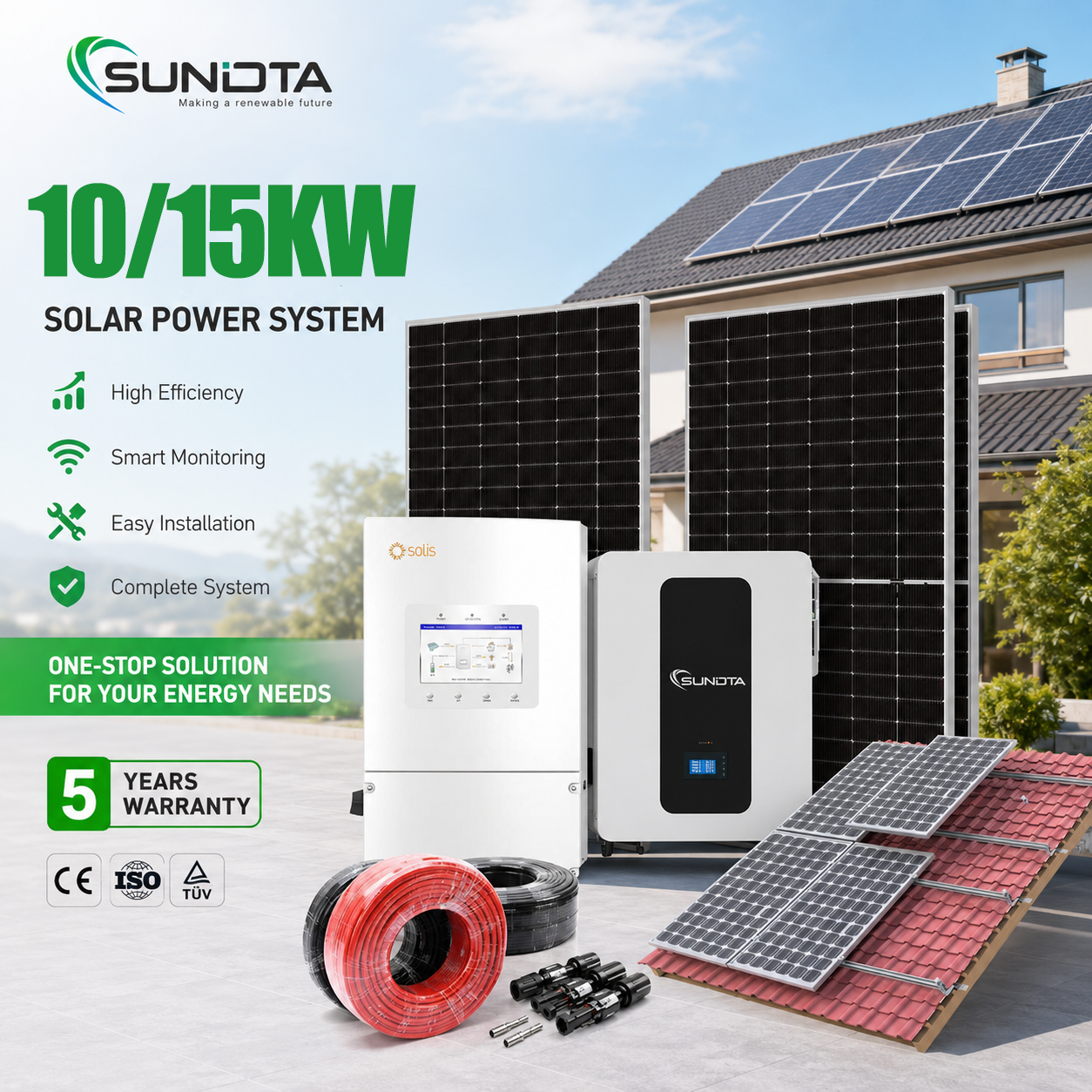
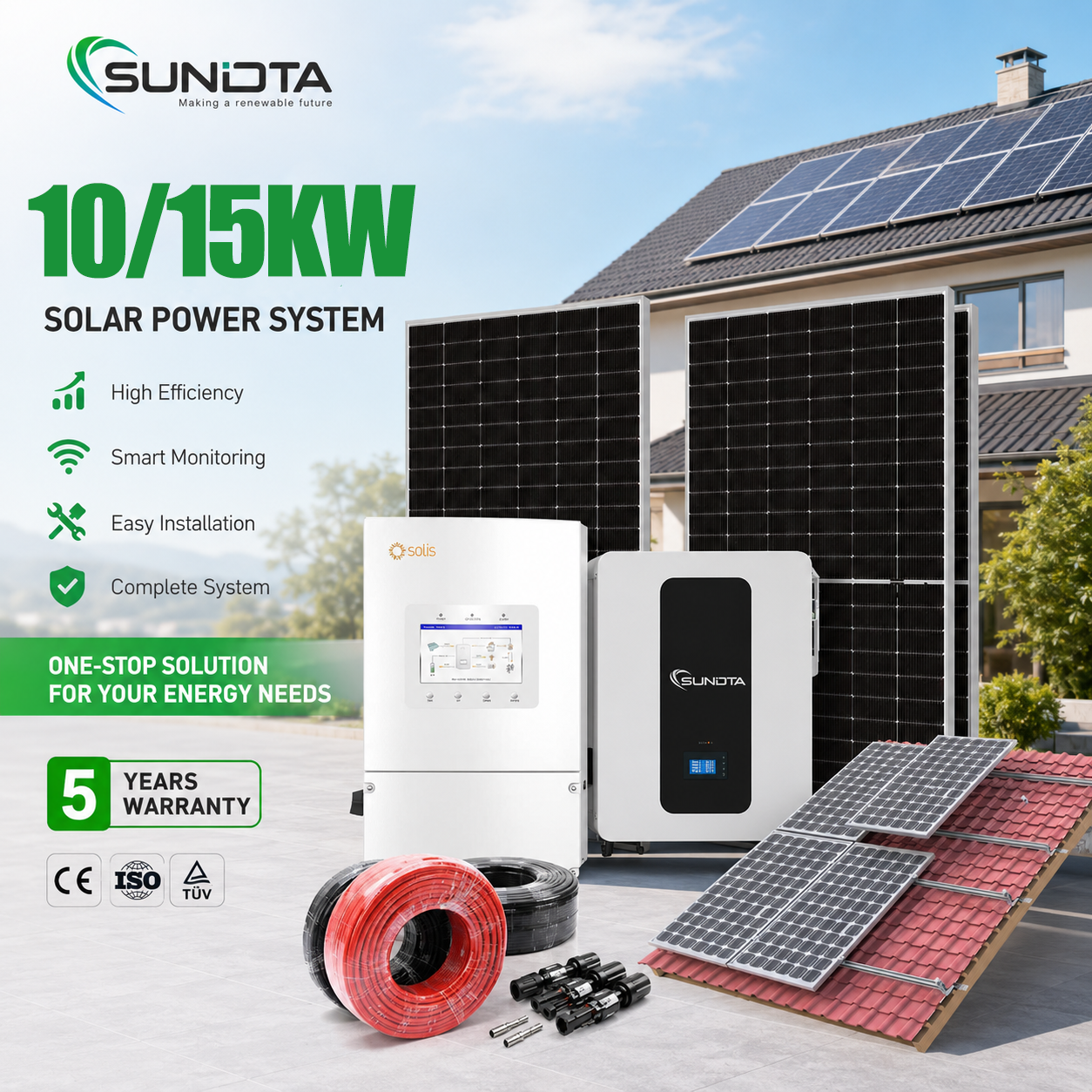
Labor shortages across North America, Europe, and Australia make field assembly costly. Procurement teams are heavily shifting toward pre-engineered, factory-assembled kits that bundle inverter, LFP rack, AC/DC combiner, and smart meter in a single shipment.
4. Forward-Positioned Bonded Warehousing
Geopolitical tariffs and sea freight volatility favor Chinese exporters maintaining localized overseas inventory hubs. Importers reduce working capital lockup by sourcing via mixed-pallet containers backed by regional warehouses (e.g., Germany, Rotterdam).
Technological Evolution: Next-Gen Battery Communication Protocols
A frequent failure point in multinational deployments is communication timeouts between the Inverter Control Unit (ICU) and Battery Management System (BMS). Historical RS-485 Modbus protocols lack standardization, resulting in baud-rate mismatches and proprietary register address conflicts. Leading tier-one Chinese inverter manufacturers (including Deye, Solis, and Growatt integrations engineered by RJV) have adopted dynamic multi-protocol CAN 2.0B buses. These buses feature auto-baud rate discovery and algorithmic profile negotiation, eliminating manual dip-switch errors during commissioning.
Manufacturer Profile: Anhui RJV New Energy Co., Ltd.
Headquartered in the Innovation Industrial Park of Hefei, Anhui—the premier photovoltaic manufacturing cluster in China—Anhui RJV New Energy Co., Ltd. operates at the intersection of automated solar module fabrication and advanced power conversion engineering. Backed by 12+ years of PV research, 38 proprietary invention patents, and on-site supplier verification by TÜV Rheinland, we mitigate international supply chain risks for tier-one distributors, EPC contractors, and microgrid developers.
2 GW Annual Output
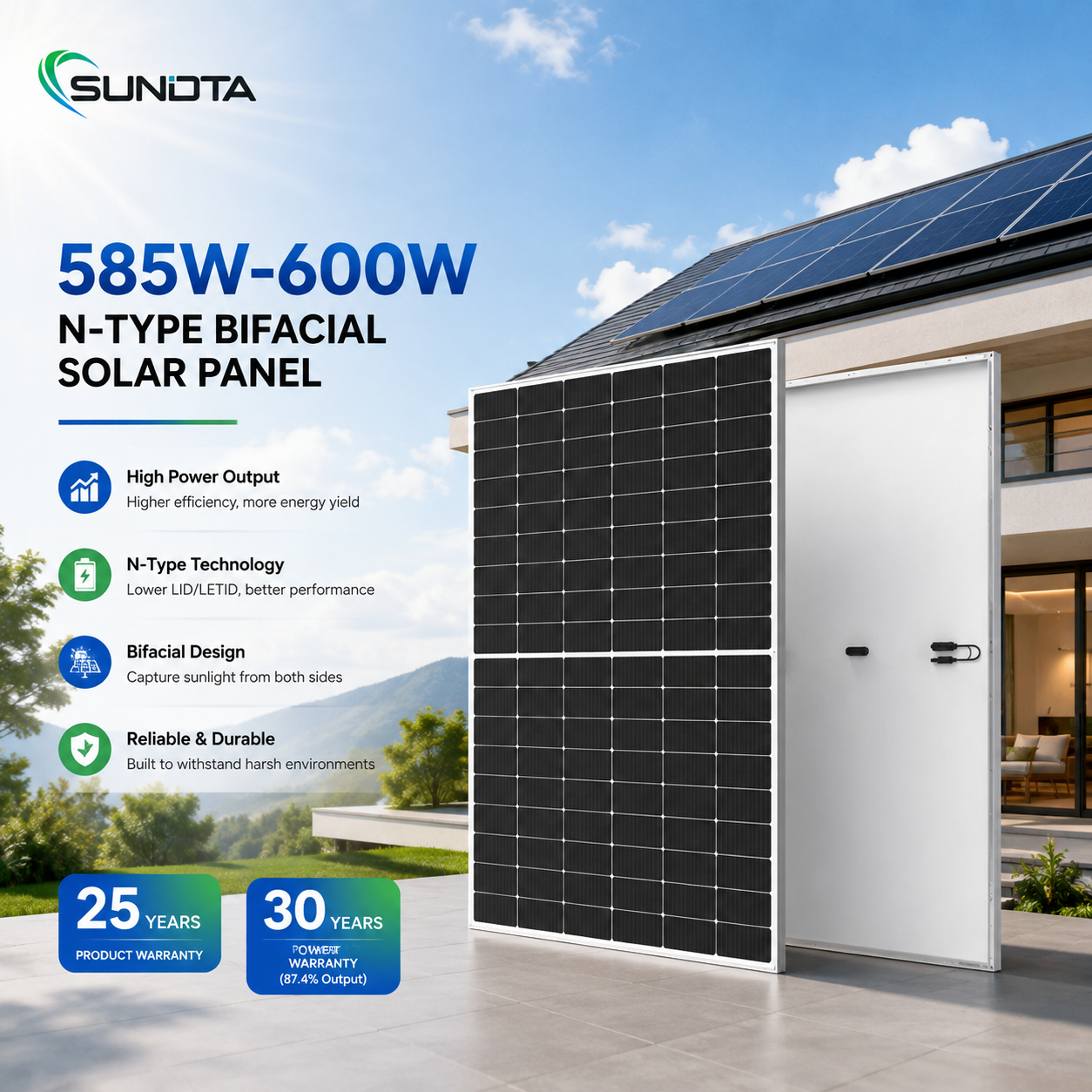
State-of-the-art robotic production lines producing high-efficiency N-Type TOPCon and dual-glass bifacial modules with zero cell micro-cracking.
Full BOM Compatibility
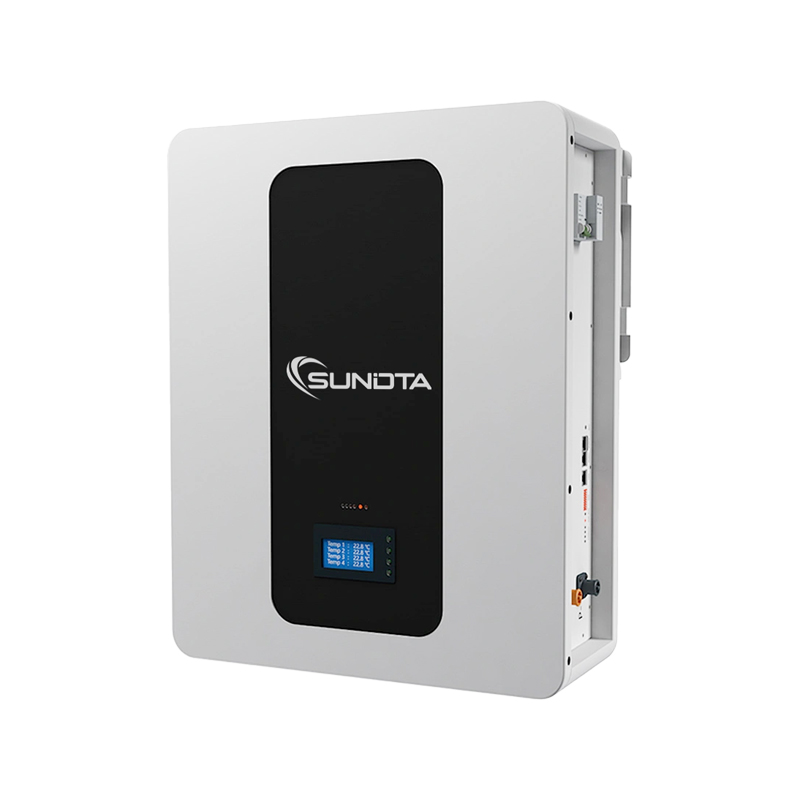
Modules, Deye/Solis hybrid inverters, and Grade-A LiFePO4 battery cabinets matched and bench-tested prior to export packaging.
Global Fast-Dispatch Hubs
Stock availability in European domestic warehouses (Germany hub) for immediate DDP delivery of residential ESS and all-black modules.
24/7 Field Engineering
Dedicated bilingual solar engineers providing complete SLD diagrams, string voltage optimization, and firmware remote assistance.
Frequently Asked Questions on Hybrid Solar Inverter Procurement
Practical technical answers compiled by RJV senior application engineers for procurement specialists, electrical contractors, and solar importers.
How does unbalanced phase output work in three-phase commercial hybrid inverters?
In standard grid-tied string inverters, power is fed symmetrically across all three phases (L1, L2, L3). If a commercial facility has single-phase loads drawing 8kW on L1 and only 2kW on L2 and L3, a standard inverter exports surplus power back to the grid on L2/L3 while importing expensive power on L1. High-tier Chinese hybrid inverters, such as our Deye 50kW 3-Phase series, incorporate independent single-phase control circuits capable of delivering 100% unbalanced load output per phase, driving the facility's net utility meter to absolute zero during grid outages or high-tariff peak hours.
What is the difference between open-loop and closed-loop BMS communication in hybrid systems?
In an open-loop configuration, the inverter charges and discharges the battery bank based solely on raw voltage thresholds. This is imprecise for LiFePO4 chemistry due to its ultra-flat discharge voltage curve between 20% and 80% State of Charge (SoC). In a closed-loop system, the battery BMS continuously transmits real-time cell temperatures, internal state of health (SoH), maximum allowable charge current limits (CCL), and discharge limits (DCL) to the inverter via CAN bus. This dynamically prevents cell over-voltage, eliminates thermal runaway risks, and extends the operational lifecycle to over 6,000 cycles.
What Minimum Order Quantity (MOQ) and Incoterms are available for mixed-container shipments?
We accommodate both project-specific developers and container wholesale importers. Hybrid inverters and modular LiFePO4 batteries have an MOQ starting at 1 unit for sample evaluation and prototyping. Full solar kit packages have an MOQ of 1 complete set. High-power solar panels are quoted on standard sea pallets (e.g., 31 to 36 pieces per pallet). Mixed containers combining PV modules, inverters, mounting rails, and batteries can be consolidated at our Hefei export logistics center. Supported Incoterms include EXW, FOB (Shanghai/Ningbo), CFR, CIF, and full door-to-door DDP (including EU customs clearance).
Can these hybrid inverters integrate with external diesel or gas generators?
Yes. Commercial hybrid inverters (from 10kW to 50kW+) feature dedicated "Gen Input" AC terminals or auxiliary smart load ports. The inverter’s internal microcontroller monitors the battery SoC. When solar generation is insufficient and the battery reaches a low-voltage cut-off during an extended utility outage, dry-contact relays automatically trigger the remote start circuit of the diesel generator. The inverter synchronizes frequency and voltage before accepting generator power, running the generator at its optimum peak fuel-efficiency band while simultaneously powering loads and recharging the LiFePO4 storage bank.
How are certifications verified for local electrical grid interconnection compliance?
All exported inverters and battery systems hold verified international test reports conducted by accredited bodies (such as TÜV Rheinland, Intertek, and SGS). Compliance documentation includes CE-LVD, CE-EMC, IEC 62109-1/-2 (inverter safety), IEC 62477, VDE-AR-N 4105 (Germany), EN 50549 (Europe), UL 1741 / IEEE 1547 (Americas), and UN 38.3 plus MSDS reports for maritime lithium battery transit. Official digital PDF test certificates and declaration letters are provided alongside formal commercial invoices for regulatory authority submission.
Design Your Hybrid PV & Storage Bill of Materials
Whether you require a custom OEM 50kW C&I microgrid inverter or want to consolidate container-load orders directly from Hefei, China, our bilingual power electronics engineers will calculate your array sizing, MPPT strings, and battery matching within 24 hours.