High-Yield Bidirectional Solar Inverters & Storage Kits
Pre-configured and certified systems eliminating field commissioning mismatches between photovoltaic generation, energy storage chemistry, and utility interconnection standards.
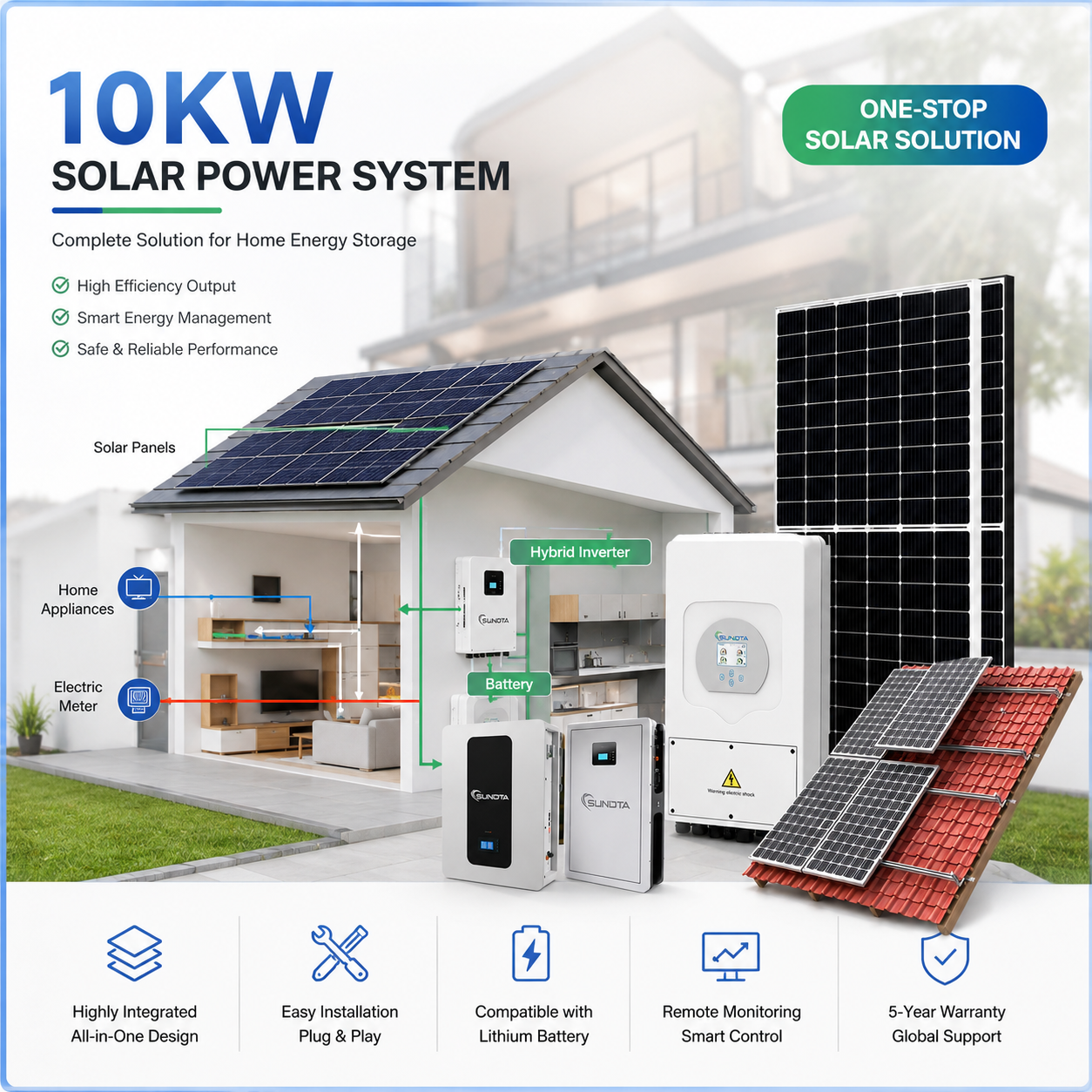
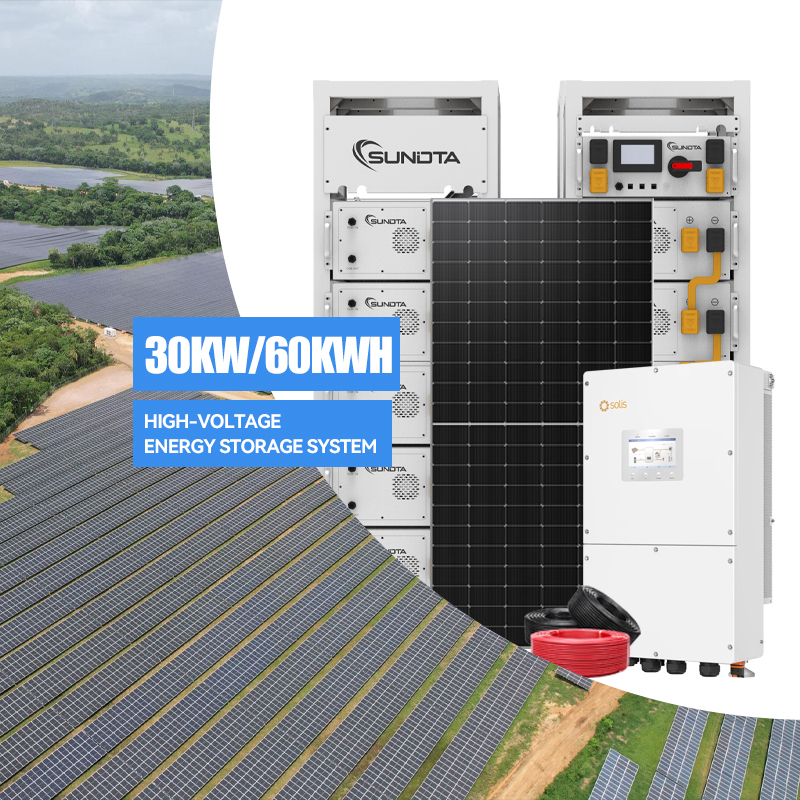
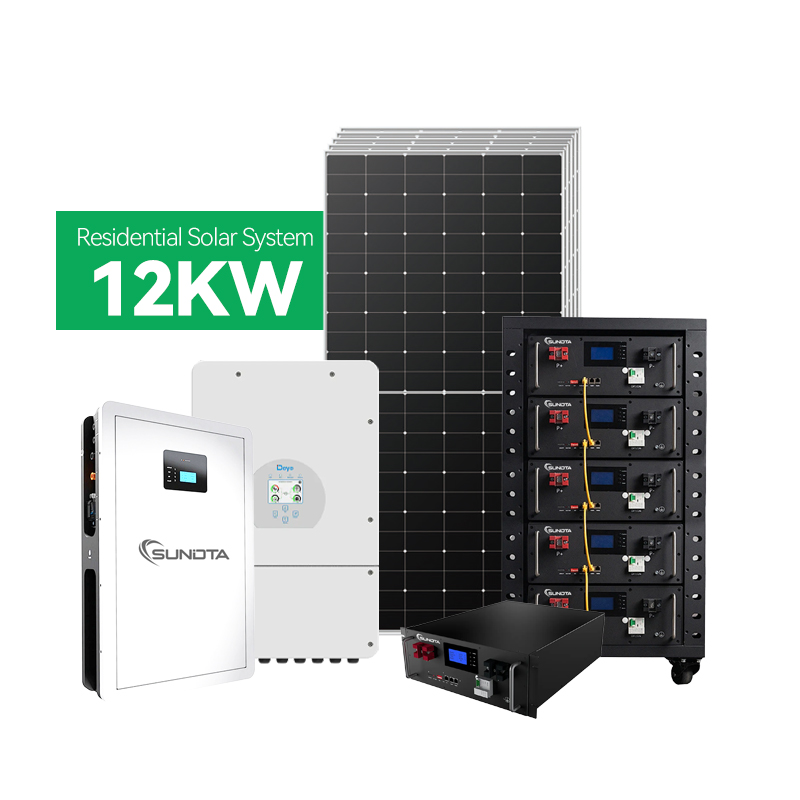
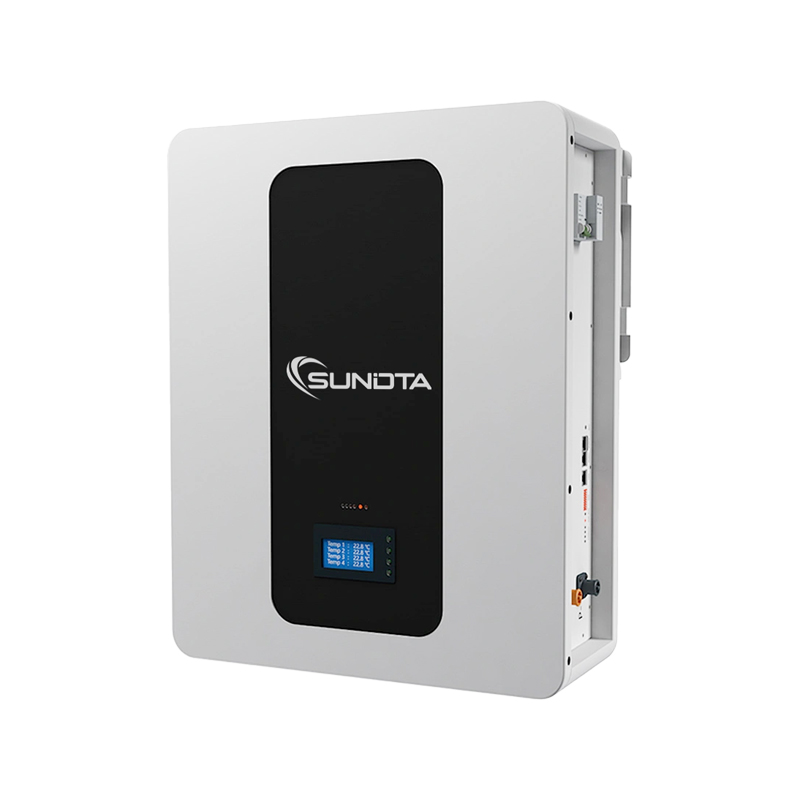
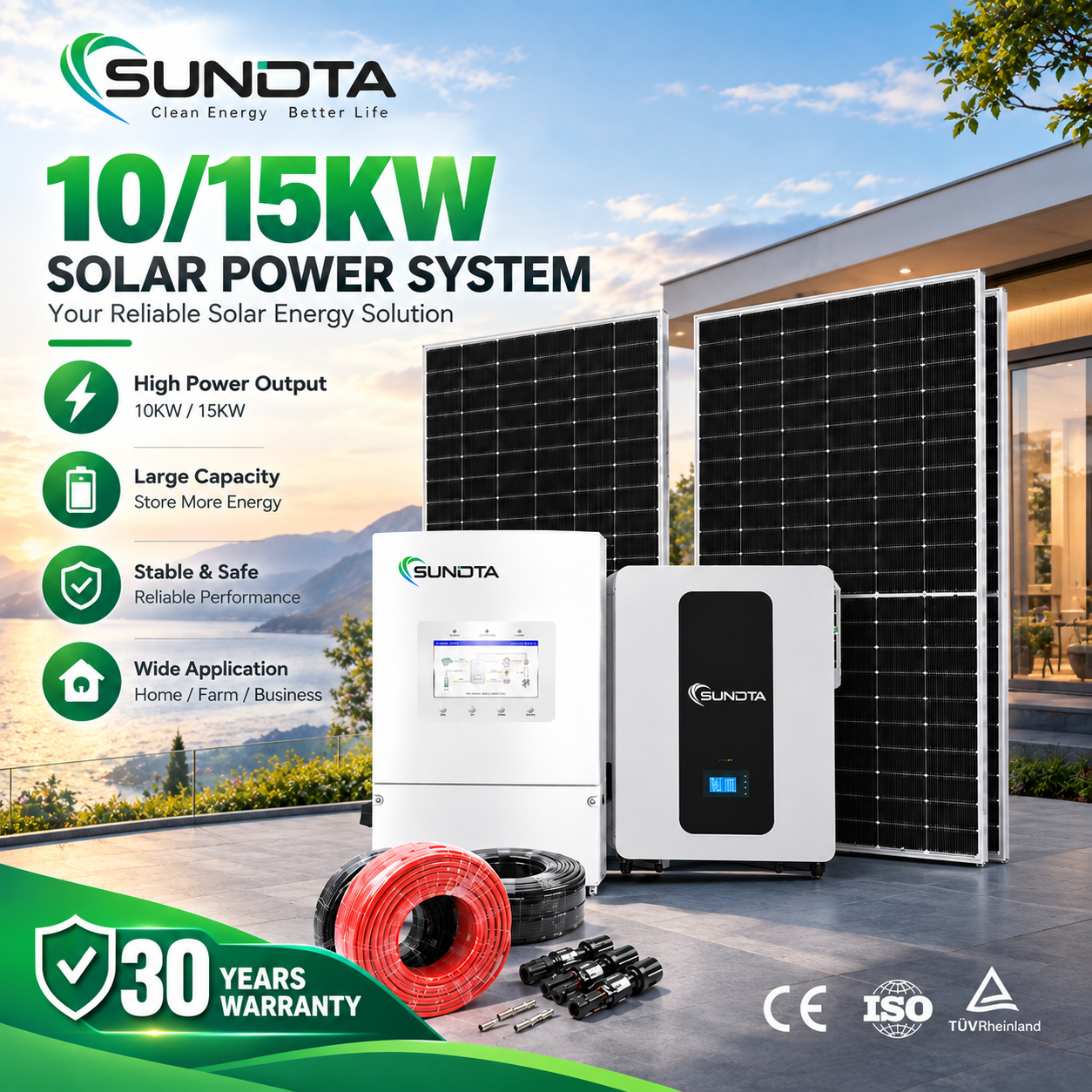
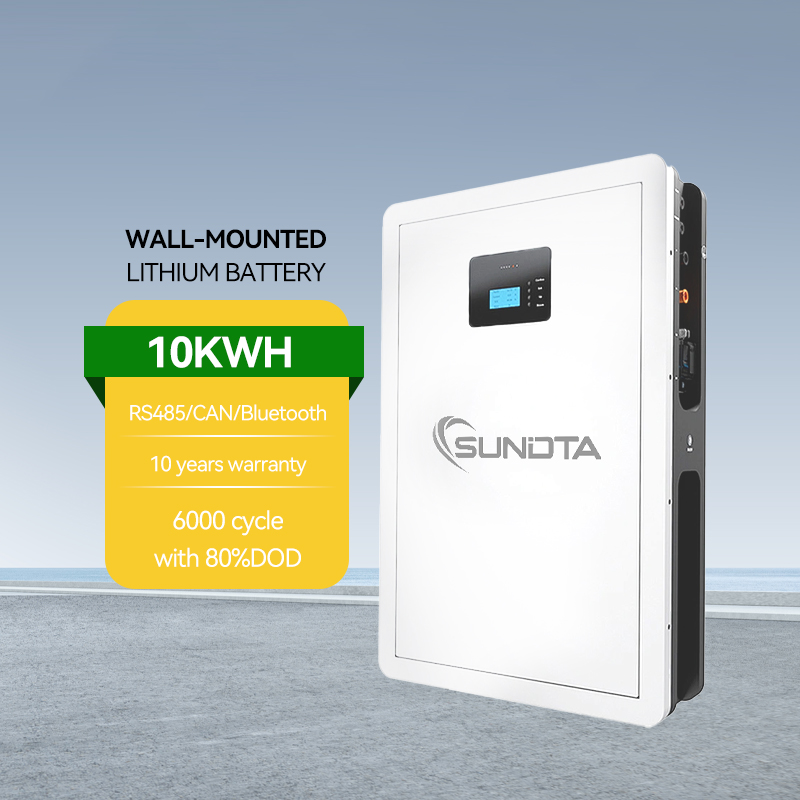
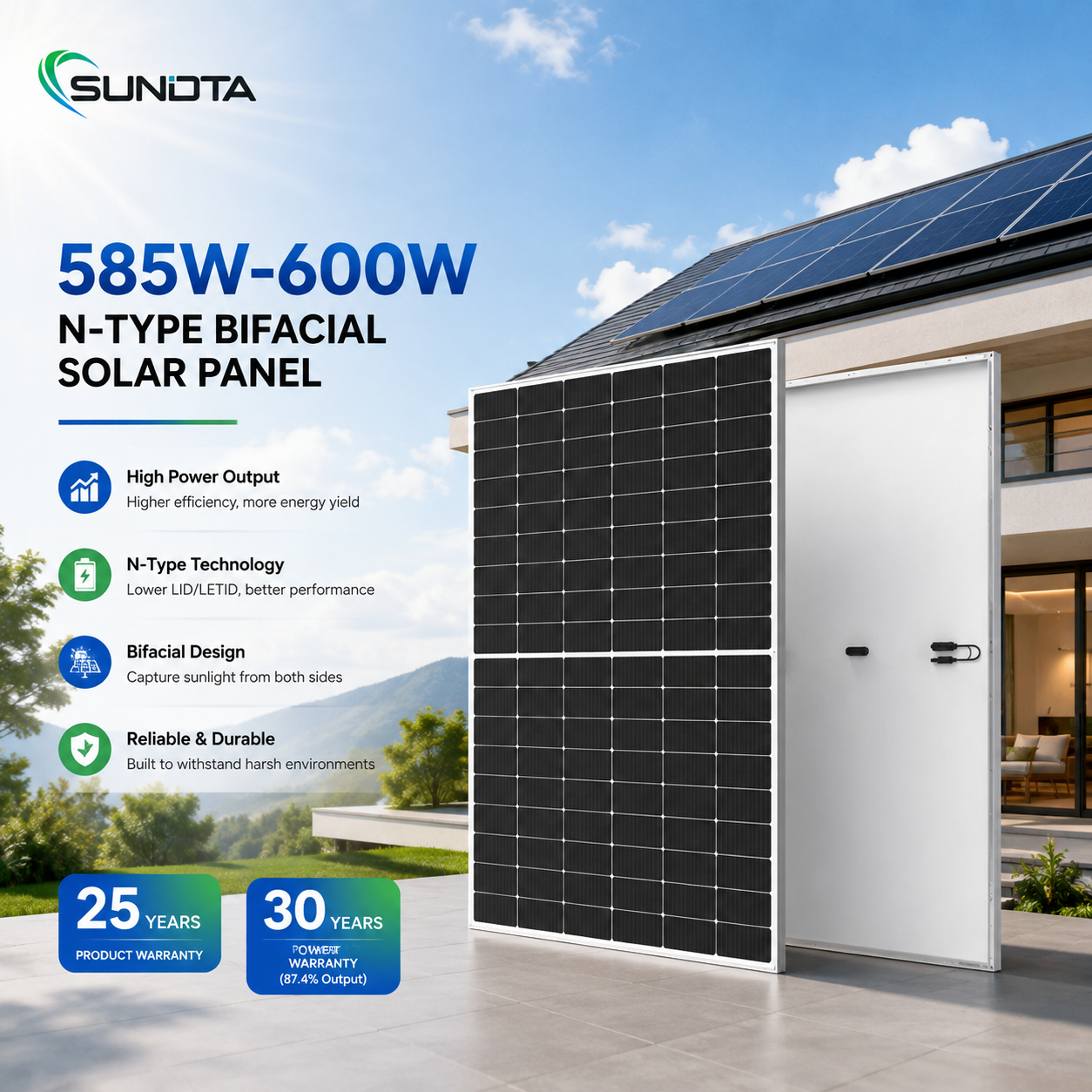
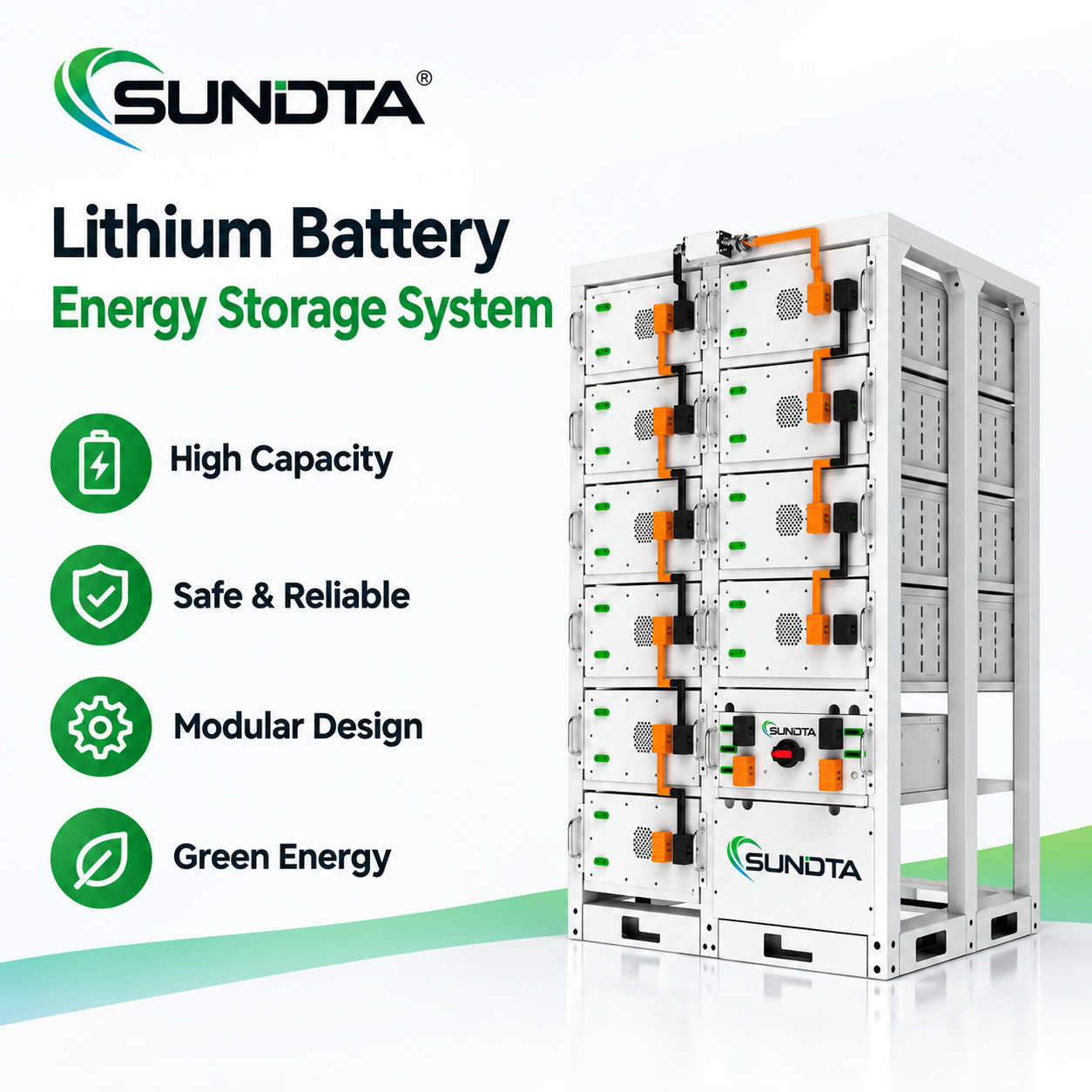
Verified OEM/ODM Power Electronics & PV Manufacturing
Headquartered in Hefei’s Innovation Industrial Park, Anhui RJV New Energy Co., Ltd. operates state-of-the-art cleanroom manufacturing and robotic testing facilities audited on-site by TÜV Rheinland.
TÜV Rheinland Audited Facility
Every bidirectional solar inverter and ESS module is manufactured under strict ISO 9001, ISO 14001, and ISO 45001 operating procedures. Third-party testing records and flash test data accompany every export bill of lading.
Deep Ecosystem Interoperability
Direct firmware-level integration with leading inverter platforms including Deye, Solis, and Growatt. Native support for pre-configured CAN and RS485 communication protocols ensures instant battery-inverter closed-loop handshakes.
Direct Bonded EU Stock & Global Terms
Local European stocking hubs in Germany allow rapid container and pallet deliveries across EU member states within 48 to 72 hours. Supporting flexible Incoterms including FOB, CFR, CIF, DDP, and EXW with full customs clearance dossiers.
Architectural Deep-Dive: Bidirectional Inverters in Resilient Microgrids
Modern renewable distributed generation has evolved past simplistic unidirectional grid-tied string inverters. Today's commercial, residential, and industrial deployments mandate bidirectional solar inverters capable of executing four-quadrant active (P) and reactive (Q) power flow control. As an established China wholesale manufacturer and supplier, Anhui RJV New Energy Co., Ltd. architects bidirectional topologies engineered specifically to stabilize weak grids, execute microsecond-level islanding transfers, and arbitrate complex electricity tariff structures.
1. High-Frequency Dual Active Bridge (DAB) & Three-Level NPC Topology
The core efficiency barrier in classical bidirectional power conversion lies in switching losses during high-current DC-DC stage transfers (battery charge/discharge) and subsequent DC-AC inversion. Our advanced bidirectional systems employ a galvanically isolated Dual Active Bridge (DAB) converter stage coupled with a Three-Level Neutral Point Clamped (NPC/T-Type) inverter bridge.
This architectural matrix unlocks distinct operational advantages for EPC developers and grid compliance officers:
• Zero Voltage Switching (ZVS): Phase-shift modulation across the high-frequency planar transformer allows seamless soft-switching transitions, pushing maximum conversion efficiency up to 98.4% while minimizing volumetric footprint.
• Reduced dv/dt Stress on Battery Pack: The three-level NPC bridge cuts harmonic distortion (THD < 2%) and drastically diminishes the common-mode electromagnetic interference (EMI) transmitted down the DC bus to the lithium battery BMS.
• True Four-Quadrant Operation: The inverter dynamically injects or absorbs reactive power according to local utility commands (cos φ(P) and Q(U) characteristic curves), directly satisfying IEEE 1547-2018 and European EN 50549-1 connection standards.
2. Microsecond Black-Start & Grid-Forming (GFM) Control Modes
Conventional hybrid inverters rely strictly on grid-following (GFL) phase-locked loops (PLL), which immediately decouple during blackout conditions or phase-angle instability. Our proprietary digital signal processor (DSP) firmware incorporates true Virtual Synchronous Generator (VSG) and grid-forming (GFM) algorithms. When utility voltage collapses, the bidirectional inverter automatically transitions from current-source mode to voltage-source mode in under 4 milliseconds.
This allows whole-house backup configurations and commercial facilities to run continuously without tripping sensitive compute hardware, medical refrigeration, or industrial servo controls. In black-start scenarios, the inverter cold-starts the local microgrid utilizing connected LiFePO4 batteries, progressively synchronizing rooftop PV arrays back into the self-sustaining islanded AC bus.
3. Time-of-Use (TOU) Dynamic Dispatch & AI Tariff Arbitration
With global utilities retiring flat-rate net metering in favor of dynamic spot pricing and peak demand ratchets, energy arbitrage capabilities dictate overall system Return on Investment (ROI). RJV bidirectional inverters incorporate onboard intelligence capable of mapping real-time pricing feeds. During off-peak or negative-pricing intervals, the inverter pulls AC power from the grid to charge battery storage; during expensive peak tariff windows, it discharges stored solar energy to offset heavy industrial loads or injects power into the distribution network for feed-in premiums.
Bidirectional Inverter Trends Shaping 2025–2030 Procurement
A technical guide for B2B procurement officers, EPC engineers, and energy wholesalers navigating semiconductor shifts, high-voltage battery migration, and vehicle-to-home (V2H) integration.
| Evaluation Parameter | Legacy Generation Inverters (2018–2022) | Current Mainstream Bidirectional (2023–2025) | Next-Generation Architecture (2025–2030 Horizon) |
|---|---|---|---|
| Semiconductor Substrate | Silicon IGBT modules (switching frequencies <20 kHz) | Hybrid Si IGBT with SiC Schottky barrier diodes | Full Silicon Carbide (SiC) & Gallium Nitride (GaN) MOSFETs (>65 kHz) |
| Battery DC Voltage Bus | Low-Voltage 48V / 51.2V systems (high cable losses >100A) | Dual-compatibility: 48V low-voltage & 150V–450V mid-voltage | Native High-Voltage (HV) DC stacks (600V–950V DC direct bus tie) |
| Grid Interaction Paradigm | Grid-Following (GFL) only; passive anti-islanding trip | GFL with basic frequency droop & voltage support modes | True Grid-Forming (GFM) virtual synchronous machine (VSM) inertia |
| EV Bidirectional Charging | Separate standalone AC Level 2 home chargers | Dry-contact relay triggering for third-party EV stations | Integrated DC V2G/V2H bidirectional power port (ISO 15118-20) |
| Thermal Management | Forced noisy air cooling with frequent fan replacements | Smart speed-controlled IP65 blowers with fin heat sinks | Die-cast enclosed fanless natural convection & liquid-cooled C&I blocks |
| Fleet Orchestration | Manual Modbus register programming via serial cable | Cloud web portal with basic JSON telemetry exports | Native OpenADR 2.0b, IEEE 2030.5, and Virtual Power Plant (VPP) API clustering |
The Critical Transition to High-Voltage (HV) DC Battery Coupling
For commercial installations and residential systems exceeding 10kW capacity, the industry is accelerating rapidly away from traditional 48V architectures. Pushing 15kW of continuous bidirectional current across a 48V rail requires exceeding 310 Amperes of DC current. This necessitates massive copper cross-sections (70mm² to 95mm²), elevates ohmic I²R thermal dissipation inside battery breaker boxes, and imposes severe thermal bottlenecks.
By transitioning to high-voltage bidirectional architectures (operating between 300V and 800V DC), operating current drops below 25 Amperes for an identical power envelope. This elevates system round-trip efficiency (RTE) by 2.5% to 4.2%, slashes copper wiring costs by over 60%, and enables seamless integration with commercial energy storage containers such as our 1MWh–2MWh utility BESS units.
Vehicle-to-Home (V2H) and Vehicle-to-Grid (V2G) Convergence
The boundary between stationary home battery storage and mobile EV battery packs is disappearing. Next-generation wholesale procurement tenders increasingly specify bidirectional inverters capable of tapping EV batteries via direct DC coupling. By consolidating the solar MPPT controller, stationary battery interface, and bidirectional EV fast charger into a single multi-port power conversion unit, distributors can deliver a unified, cost-optimized energy ecosystem to homeowners and fleet managers alike.
Frequently Asked Questions by Global PV Importers & EPCs
Clear, unvarnished technical answers regarding minimum order quantities, BMS handshakes, grid certifications, and OEM warranty coverage.
What is the minimum order quantity (MOQ) for wholesale bidirectional inverters and kits?
For standard branded bidirectional inverters (such as our 5kW to 15kW residential models or Deye/Solis platform units) and wall-mounted LiFePO4 storage batteries, our minimum order quantity starts at just 1 piece or 1 complete system kit for sample verification and grid testing. For bespoke OEM/ODM manufacturing (including custom Silk-screen branding, modified casing colors, localized user manual packaging, and private-label monitoring software), the typical production run MOQ is 20 to 50 units. For monocrystalline solar panels, standard orders are fulfilled in full pallet multiples (e.g., 31 to 36 pieces per pallet) to prevent micro-cracks during long-distance maritime transport.
How do RJV bidirectional inverters handle closed-loop communication with different BMS brands?
Our bidirectional inverters feature isolated dual RJ45 ports supporting independent CANbus and RS485 physical layer communication. The internal microcontroller comes pre-loaded with an extensive protocol library encompassing Pylontech (CAN 2.0B 500kbps), RJV Sundta Smart BMS, BYD, Voltronic, and standard Modbus-RTU profiles. When our battery is connected, the inverter automatically detects the BMS handshake, auto-configuring maximum charge voltage, float voltage, discharge cut-off voltage, and dynamic cell-temperature current limits without manual dip-switch guesswork.
What is the typical UPS transfer time during utility outages, and can it power sensitive IT loads?
Our bidirectional hybrid systems feature an integrated ultra-fast mechanical transfer contactor controlled by high-speed DSP logic, delivering a guaranteed grid-to-island transfer time of less than 4 milliseconds (<4ms). Because standard server power supplies, desktop computers, and telecommunications equipment maintain operating hold-up times of 16ms to 20ms under IEC 62040-3 standards, our <4ms switchover prevents computer reboots, dropped network packets, or memory corruption in precision medical and data environments.
What international grid connection and safety certifications accompany your shipments?
All products exported by Anhui RJV New Energy Co., Ltd. comply with relevant statutory safety and grid-tie norms. Photovoltaic modules carry IEC 61215, IEC 61730, and CE certifications. Our hybrid and bidirectional inverters are tested and approved under EN 50549-1, VDE-AR-N 4105 (Germany), CEI 0-21 (Italy), G98/G99 (United Kingdom), AS/NZS 4777.2 (Australia), and UL 1741 SB / IEEE 1547-2018 (North America). LiFePO4 batteries carry complete UN38.3 transport safety documentation, MSDS, and CE-LVD certification. Model-specific test certs from TÜV Rheinland, Intertek, or SGS are provided alongside commercial invoices.
What warranty provisions, RMA procedures, and spare parts support are provided?
We provide a standard 5-year factory warranty on bidirectional power electronics, extendable to 10 years upon distributor request. Our N-type TOPCon solar modules carry a 12-year product materials warranty and a 30-year linear performance warranty guaranteeing ≥87.4% output at year 30. LiFePO4 battery systems carry a 10-year or 6,000-cycle warranty (at 80% DOD). For containerized distributor orders, we provide a 1.5% to 2% complimentary spare parts buffer (including replacement power boards, control DSP cards, LCD displays, and cooling fan modules), backed by 24/7 direct remote video diagnosis with our Hefei engineering team.
Which payment terms, currency channels, and Incoterms are accepted?
We support a broad spectrum of commercial settlement options for verified B2B accounts: Telegraphic Transfer (T/T with 30% deposit upon proforma invoice confirmation and 70% balance prior to loading or against Bill of Lading copy), Irrevocable Documentary Letters of Credit at sight (L/C), D/P, Western Union, and PayPal for sample orders. We trade under standard Incoterms 2020 including FOB (Shanghai, Ningbo, Shenzhen), CFR, CIF to your named discharge port, EXW from our Hefei factory, or DDP direct to your inland distribution center.
End-to-End Factory Verification & Burn-In Testing
Field failures in power electronics can wipe out project margins. Discover how our Hefei manufacturing center eliminates early-life component mortality before shipping.
Automated Optical Inspection (AOI)
Every printed circuit board (PCB) undergoes 3D automated optical inspection and automated X-ray testing (AXI) to verify solder joint integrity, component polarity, and surface-mount coplanarity on high-density power traces.
100% 4-Hour Thermal Burn-In
No inverter leaves our facility without completing a mandatory 4-hour full-load thermal burn-in cycle in 50°C elevated-temperature environmental chambers, cycling active and reactive power at maximum rated voltage extremes.
AC Grid Simulator & Hi-Pot Testing
Each unit is coupled to programmable AC grid emulators to validate anti-islanding disconnect thresholds, fault ride-through (FRT) curves, dielectric isolation resistance (>100MΩ at 2.5kV DC), and harmonic injection limits.