High-Efficiency Modules, Inverters & ESS Storage Solutions
Engineered to operate seamlessly across high-load commercial, agricultural, and residential microgrids with full CAN/RS485 closed-loop compatibility.
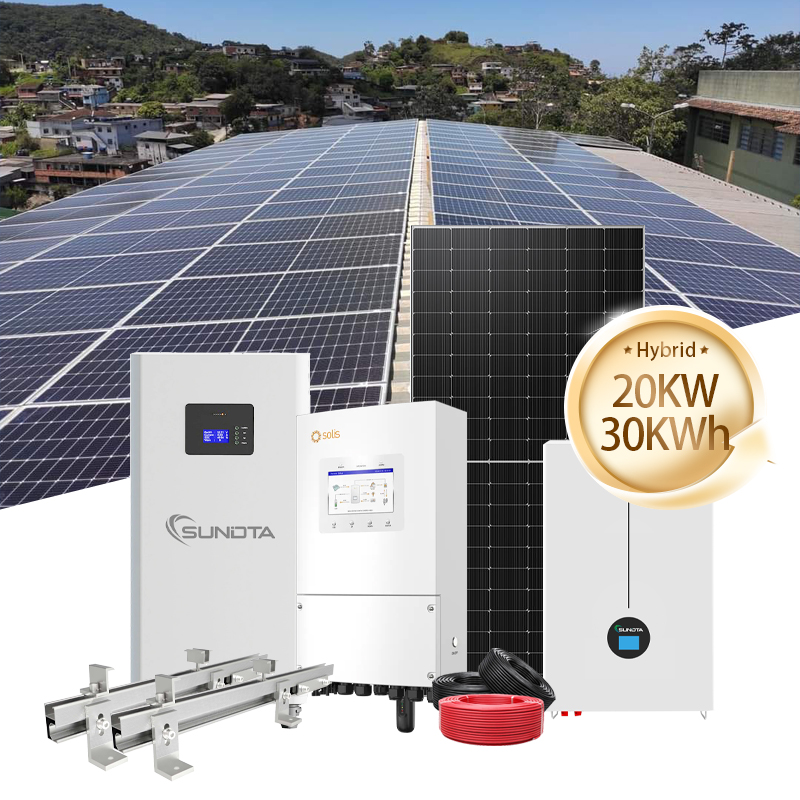
Complete Hybrid Solar Energy Storage System 20KW 30KW 50KW All in One
- 20kW–50kW Three-Phase Hybrid
- Prismatic LiFePO4 Integrated Rack
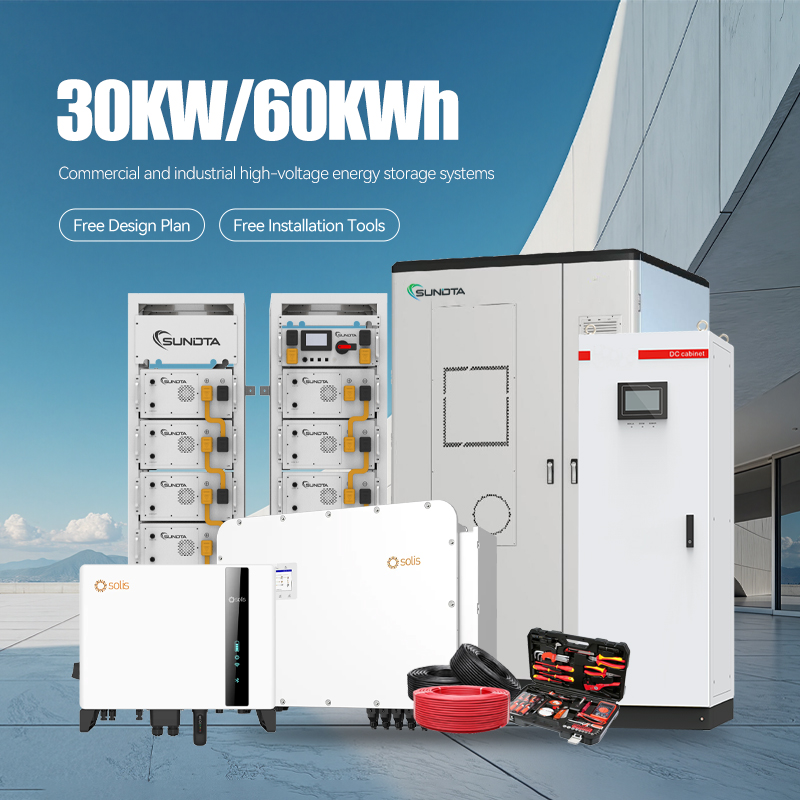
30KWH 51.2V 314AH LiFePO4 Battery Solar Home Energy Storage System
- High-density 314Ah Grade-A cells
- 6,000+ deep discharge cycles
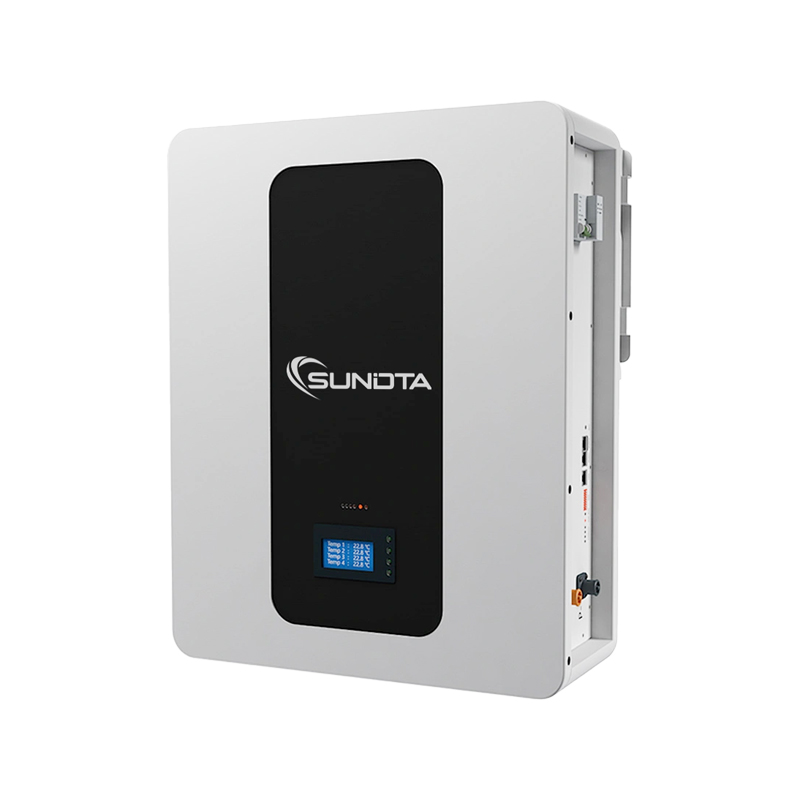
Sundta EU Warehouse 48V/51.2V 10kWh Wall-Mounted 200Ah Storage
- Ready for dispatch in Rotterdam/Germany
- Multi-inverter protocol auto-matching
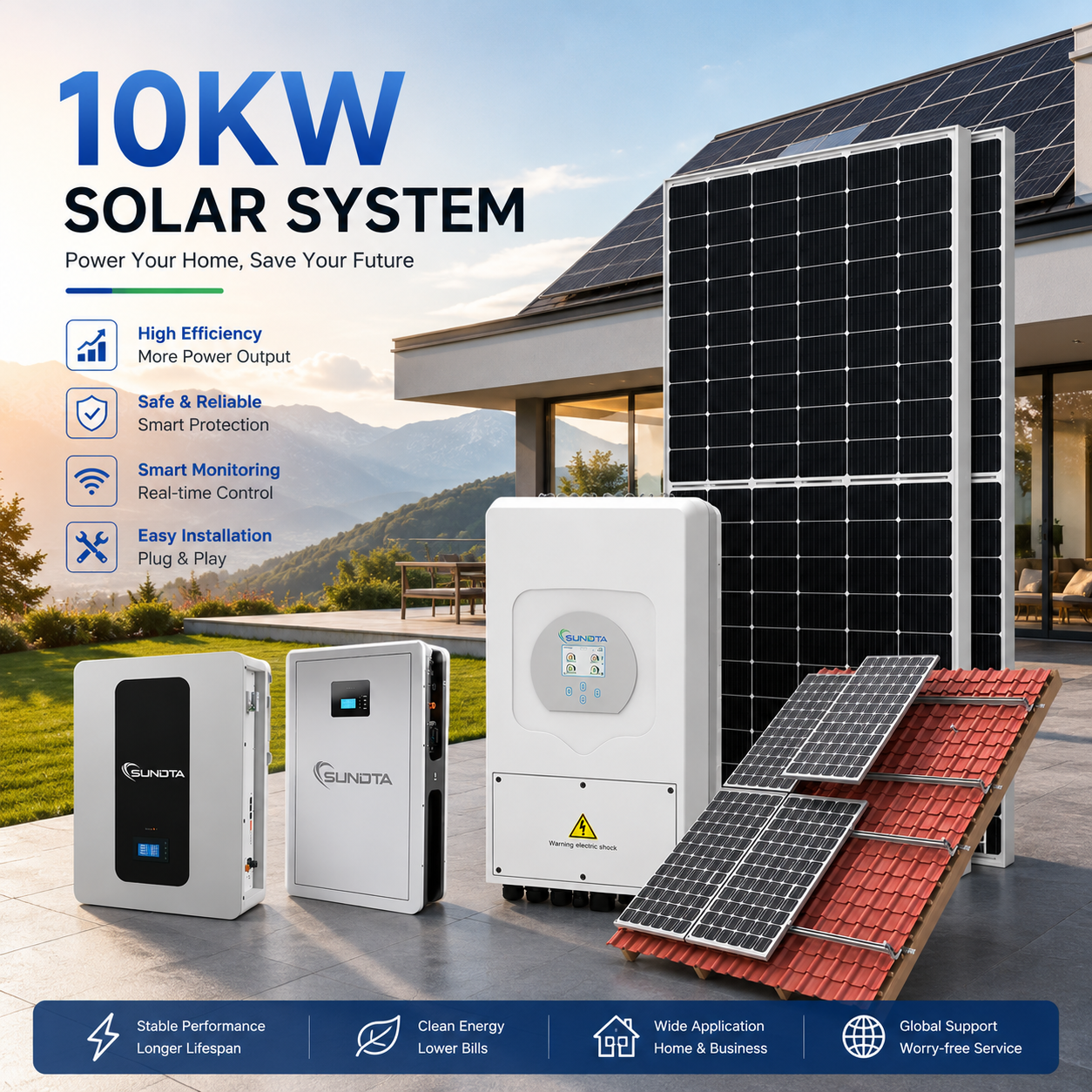
Emergency Backup Whole House Hybrid Solar Power System 15kW-50kW
- <10ms Seamless UPS transfer speed
- Intelligent MPPT power generation
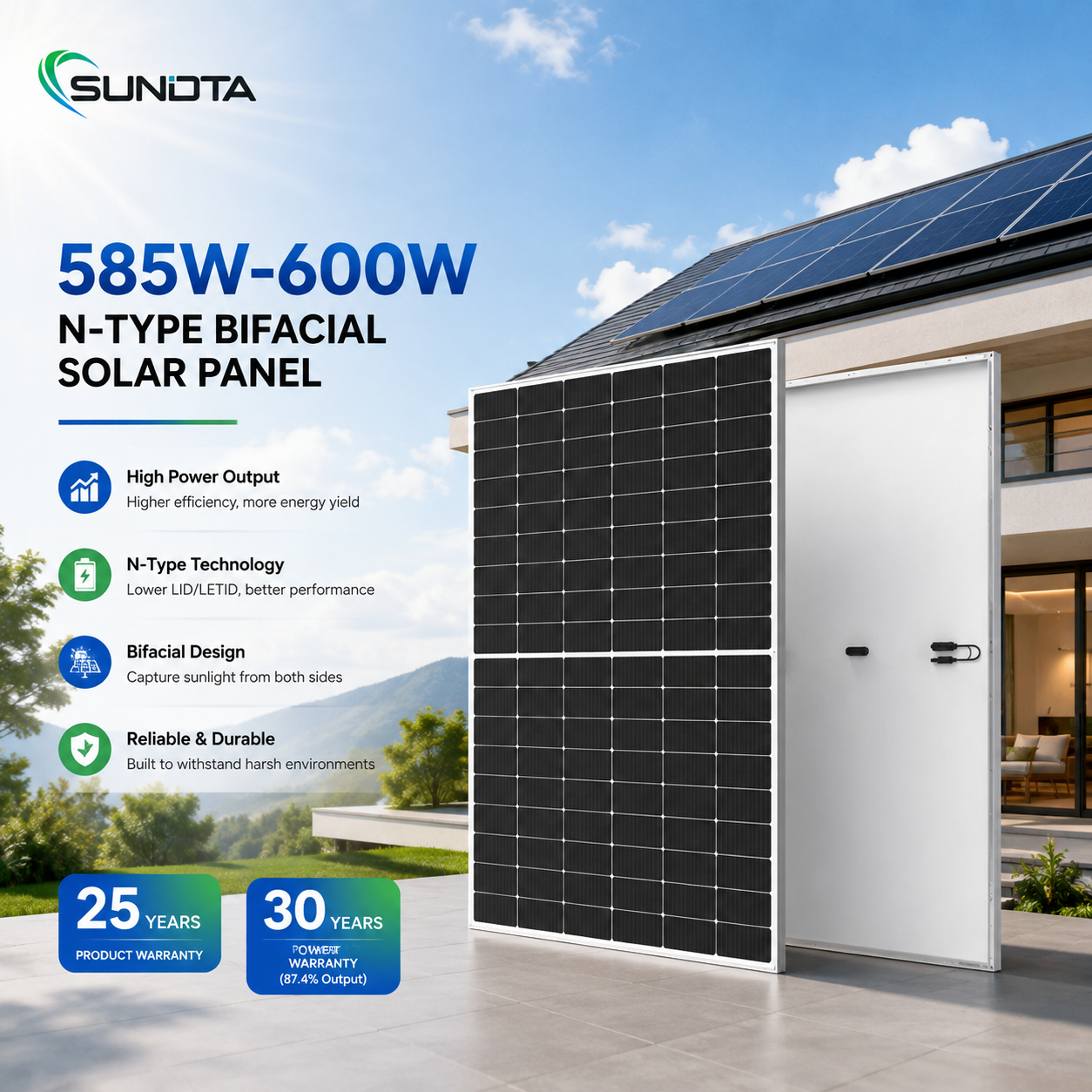
585W-595W Premium N-Type Bifacial PV Module Monocrystalline Panel
- 22.8%+ Ultra-high module efficiency
- Up to 30% bifacial albedo gain
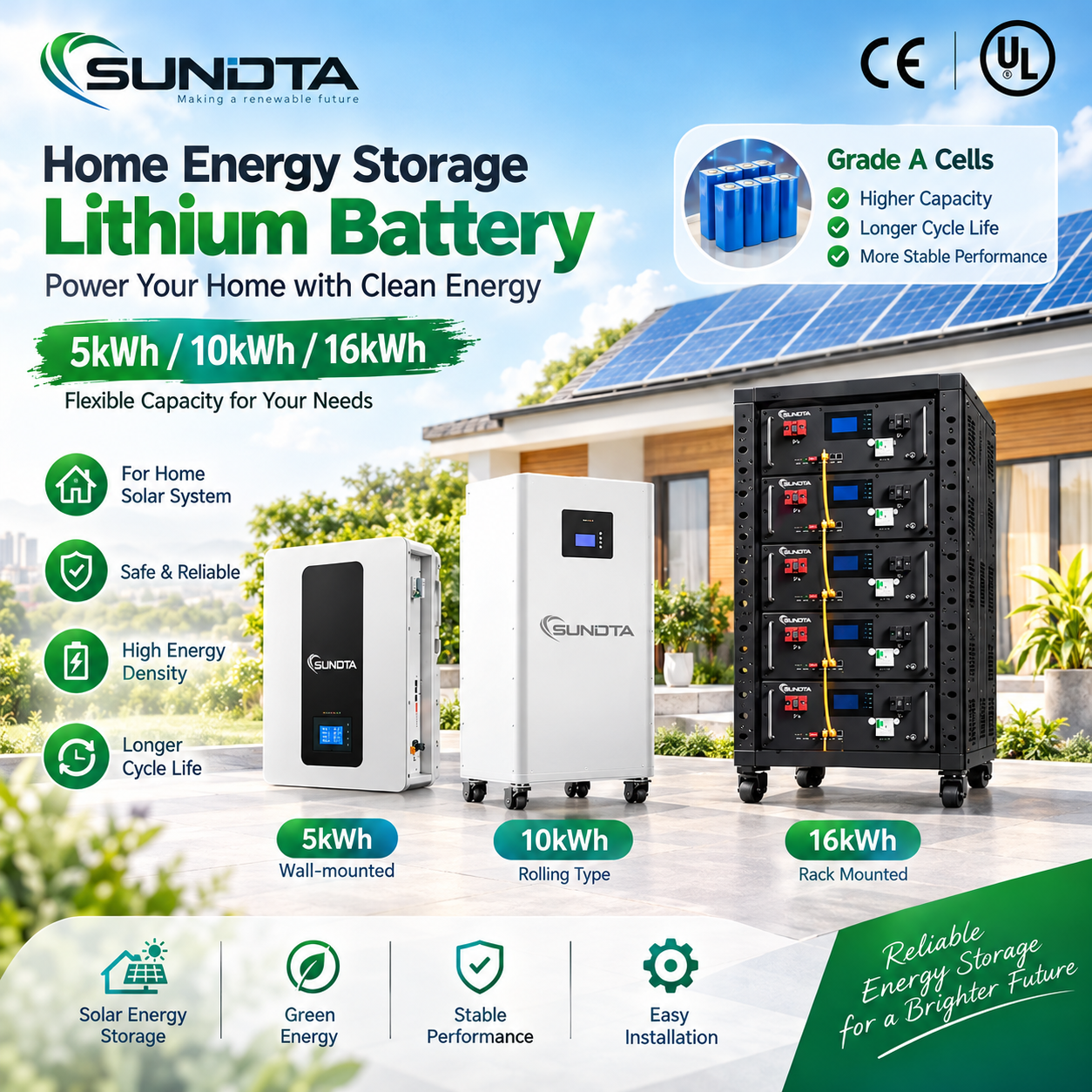
Sundta 51.2V 200Ah 10kWh LiFePO4 Battery Wall Mounted with Smart BMS
- Slim-line indoor wall installation
- Active cell balancing & dual breaker
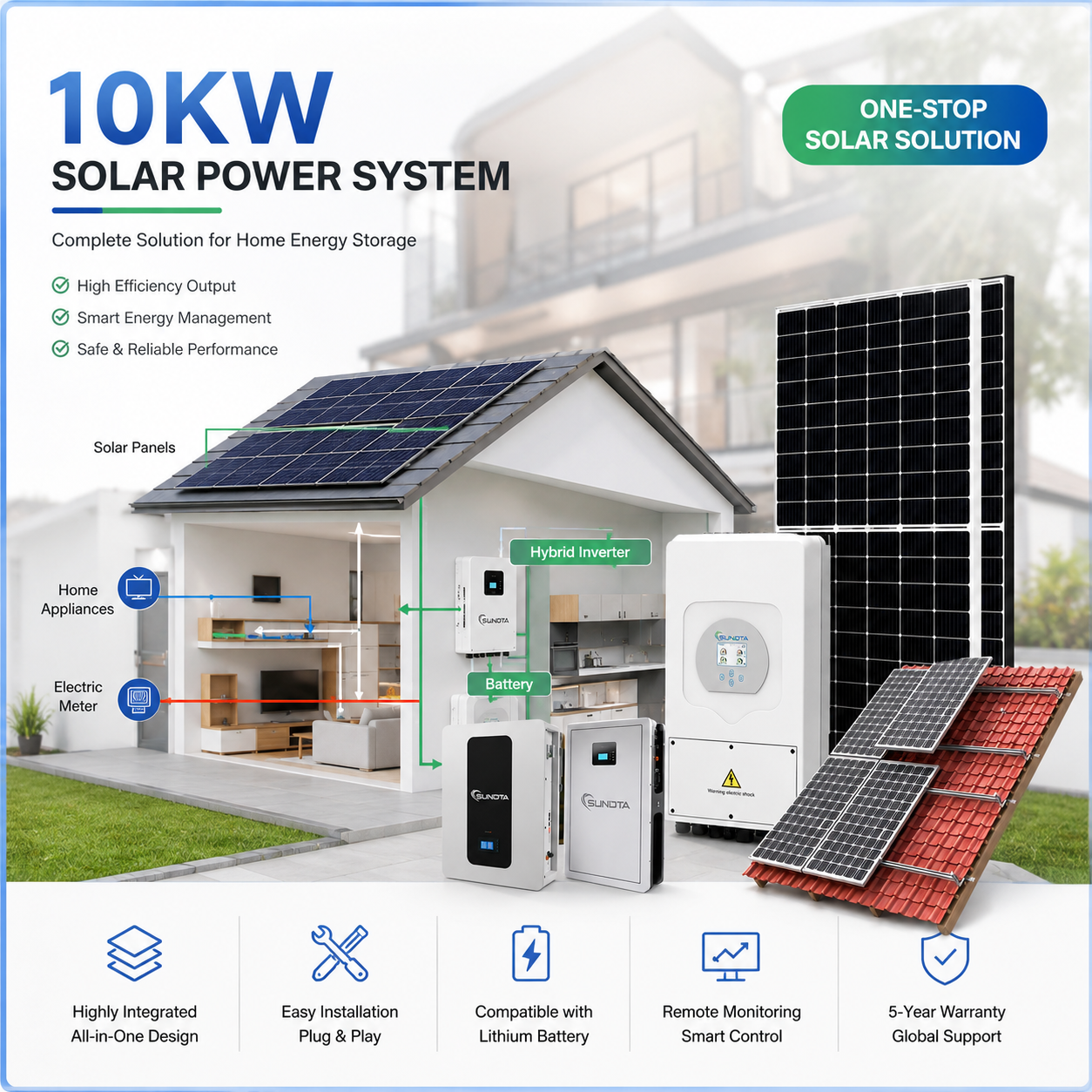
15kW-50kW High-Efficiency Hybrid Solar System with Smart MPPT
- Industrial and farm backup rated
- Wide MPPT tracking voltage spectrum
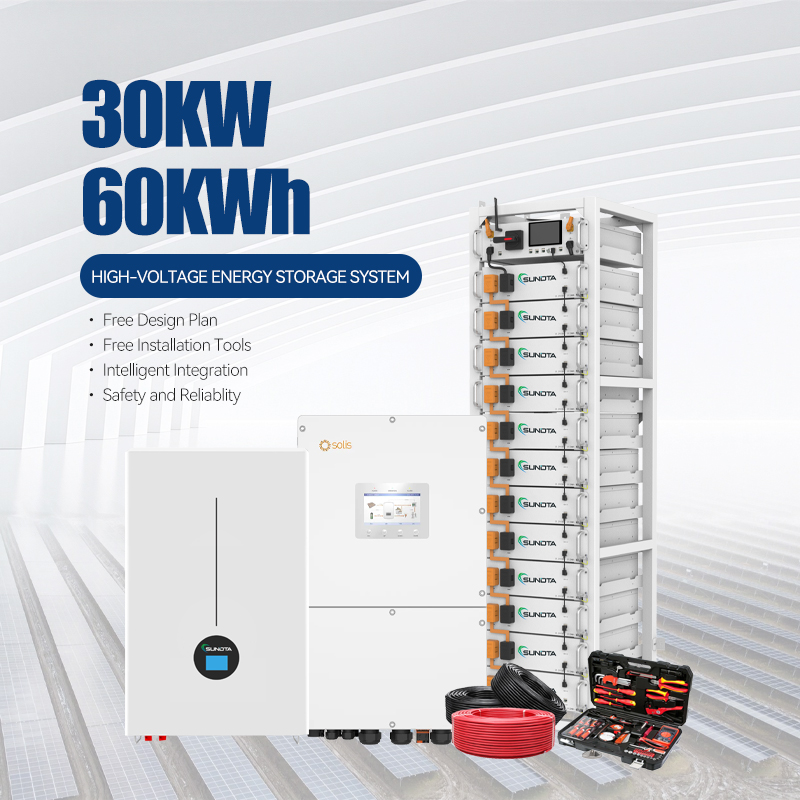
Energy Bank Powerwall 51.2V 314AH 200AH 8KW 10KW 15kWh Battery Pack
- Modular parallel stacking up to 15 units
- Liquid or dual-fan thermal dissipation
Engineering Superiority of Frameless Solar Modules in Modern PV Infrastructure
A rigorous examination of potential-induced degradation (PID) elimination, dust-shedding kinematics, and levelized cost of energy (LCOE) performance.
As the utility, commercial, and architectural photovoltaic sectors mature, global procurement strategies are rapidly pivoting away from traditional anodized aluminum-framed panels toward high-yield frameless solar modules (dual-glass and glass-glass architectures). Originally developed to solve severe Potential-Induced Degradation (PID) in high-voltage strings, modern frameless PV engineering has evolved into the cornerstone of low-maintenance, high-albedo bifacial solar plants across desert, tropical, agrivoltaic, and coastal installations.
China continues to dominate global PV manufacturing, housing more than 85% of advanced automated laminating lines capable of producing frameless N-type TOPCon, HJT, and PERC modules. For international distributors and utility EPCs, understanding the mechanical, electrical, and longevity benefits of frameless solar modules is imperative for mitigating project risk, maximizing annual megawatt-hour yields, and securing dependable 30-year operational life cycles.
1. Elimination of Border Soiling, Mud Ribbons, and Hotspot Formation
In standard solar modules, the 30mm to 40mm extruded aluminum frame creates a raised lip along the perimeter of the front glass. In low-tilt arrays (between 5° and 18°), rainwater pools against this bottom frame lip instead of draining off. As the water evaporates, it deposits concentrated sediment, airborne dust, pollen, and industrial particulates, creating what photovoltaic engineers term a "mud ribbon" (bottom edge soiling).
This localized barrier partially shadows the bottom row of solar cells. Under continuous partial shading, shaded cells switch from power generators to resistive loads, dissipating electrical current as intense localized heat. Over prolonged operational periods, this causes severe encapsulant browning, backsheet delamination, and fatal hotspot burn-throughs. Frameless solar modules possess a flush, continuous front surface. Gravity and precipitation effortlessly carry away dirt, sand, and melting snow with zero border ledge retention, preserving absolute cell exposure, drastically reducing thermal stress, and eliminating the primary root cause of string mismatch and diode failures.
2. Complete Eradication of Potential-Induced Degradation (PID)
System voltages in contemporary utility and industrial arrays are standardly designed at 1500V DC to reduce resistive I²R line losses across longer strings. However, 1500V architecture significantly amplifies the electric potential gradient between active photovoltaic cells and the grounded metal frame. In standard framed panels subjected to tropical moisture or condensation, sodium ions (Na+) from the glass migrate along leakage current paths into the p-n junctions of the silicon wafers, causing catastrophic PID and irreversible yield drops up to 35% within the first 24 months.
Because frameless modules do not have an aluminum frame to ground, the external conductive loop is interrupted. Combined with advanced polyolefin elastomer (POE) encapsulant layers that provide a moisture transmission rate (WVTR) 100 times lower than conventional EVA (Ethylene Vinyl Acetate), frameless glass-glass panels guarantee zero sodium migration and provide absolute, verifiable PID immunity in compliance with rigorous IEC 62804 testing protocols.
| Performance Dimension | Conventional Framed Module (Al-Frame + Backsheet) | Engineered Frameless Dual-Glass Module (2.0mm + 2.0mm) | Operational & Financial Implication |
|---|---|---|---|
| PID Vulnerability (1500V String) | Moderate to High; metal frame acts as earth ground leakage path. | Zero PID; completely eliminated electrical grounding loop. | Guarantees 30-year degradation rates under <0.4% per annum. |
| Border Soiling / Mud Ribbon | Prevalent at tilts <15°; requires periodic human cleaning cycles. | Self-Cleansing; continuous planar run-off with rainwater. | Saves $0.015/W per year on operational cleaning and O&M overhead. |
| Bifaciality Factor | 70%–75% (Rear glass often shaded by thick lower frame lip). | 80%–88% (N-Type TOPCon / HJT symmetric glass); zero shadow. | Generates 4% to 9% higher rear-side albedo energy yield. |
| Fire Classification & Safety | Class C (combustible polymer backsheet material). | Class A Fire Resistance; dual impermeable tempered glass. | Essential for commercial rooftop insurance and BIPV building codes. |
| Micro-Crack Moisture Intrusion | EVA absorbs moisture through breathable Tedlar backsheet over time. | Zero Moisture Ingress; hermetically sealed glass-POE-glass. | Prevents snail trails, busbar corrosion, and internal delamination. |
| Mechanical Snow / Wind Load | 5400 Pa front / 2400 Pa rear with rigid perimeter aluminum rails. | 5400 Pa front / 2400 Pa rear via specialized EPDM clamp systems. | Maintains equal structural wind/snow load rating when properly clamped. |
3. Superior Bifacial Energy Yields in Utility and Agrivoltaic Deployment
In bifacial solar farms, the rear side of the panel absorbs reflected light from gravel, sand, snow, or white TPO membrane roofs. A conventional aluminum frame casts a structural shadow along the perimeter of the rear glass, disrupting the uniform distribution of rear irradiance and generating localized current variations inside the bypass circuit. Frameless dual-glass solar panels exhibit a clean, unobstructed back glass surface. When paired with high-efficiency N-type TOPCon monocrystalline cells (such as our 585W–595W series), the bifaciality factor reaches an industry-leading 80% to 85%, translating to an immediate 10% to 28% total energy harvest boost without expanding land or mounting acreage.
Future Procurement Trends in Frameless & High-Yield PV Modules
Market vectors, technical innovations, and structural shifts dictating global photovoltaic buying decisions over the coming decade.
1. Dominance of N-Type TOPCon & HJT Chemistry
P-type PERC has hit its practical theoretical efficiency ceiling (~24.5%). Procurement contracts are now 90% weighted toward N-type TOPCon and Heterojunction (HJT) wafers. These substrates exhibit near-zero Light-Induced Degradation (LID), lower temperature coefficients (-0.30%/°C vs -0.38%/°C), and significantly higher minority carrier lifetimes, driving frameless modules to power ratings beyond 600W and 700W.
2. Shift to Ultrathin 1.6mm + 1.6mm Dual Tempered Glass
Early dual-glass frameless modules suffered from weight penalties (2.5mm + 2.5mm glass weighing >32kg per module), which increased shipping freight and worker fatigue. The deployment of chemically strengthened, ultra-clear 1.6mm and 2.0mm thermally toughened glass has reduced module weight by over 22%, making frameless modules directly competitive with standard framed weights while retaining superior 5400 Pa mechanical load resistance.
3. Rise of Building Integrated Photovoltaics (BIPV)
Architects and civil engineering consortiums increasingly mandate frameless glass-glass modules for solar carports, glass facades, skylights, sound barriers, and greenhouse roofs. Frameless modules deliver an unobstructed, sleek aesthetic, high optical transparency options (through custom cell-spacing), and Class-A fire ratings that satisfy stringent international municipal building codes.
4. Hydrophilic & Self-Cleaning Nanocoatings
Next-generation frameless exports from China feature permanent sol-gel silica hydrophobic and hydrophilic anti-reflective coatings. In dusty environments—such as the Middle East, North Africa (MENA), and central Australia—these coatings prevent electrostatic dust adhesion. Combined with the frameless flush surface, morning dew wash-down cleans the active surface autonomously, yielding 3% to 6% higher net annual energy.
5. Complete PV + Inverter + Storage Ecosystem Integration
Importers are abandoning fragmented purchasing where modules, inverters, and battery banks originate from mismatched third-party factories. Sourcing complete turnkey photovoltaic bundles from a single tier-level supplier eliminates communication errors between the battery BMS and hybrid inverters, avoids split-warranty liabilities, and cuts container shipping freight costs by up to 18% through optimized pallet consolidation.
Why International EPCs & Distributors Partner with Anhui RJV New Energy
Combining world-class Hefei manufacturing depth, verified quality benchmarks, and one-stop engineering solutions for global markets.
2 GW Annual Module Capacity
Fully automated manufacturing facilities in Hefei, Anhui with high-precision stringer soldering, multi-stage EL crack inspection, and robotic lamination systems.
TÜV Rheinland Assessed
On-site audited production facilities, CE marked compliance, and comprehensive flash-test reports with individual module serialization provided with every bill of lading.
Complete System Compatibility
In-house matching of N-Type TOPCon panels with Deye, Solis, and Growatt inverters, ensuring CAN/RS485 closed-loop communication with our 51.2V LiFePO4 battery banks.
24/7 Engineering Support
End-to-end B2B trade backing: string sizing calculations, structural wind-load clamp design, customs clearance dossiers, and responsive multi-lingual technical after-sales.
Frequently Asked Questions on Frameless Solar Module Procurement
Essential technical, logistical, and warranty considerations addressed by RJV senior photovoltaic engineers.
How are frameless solar modules installed without cracking the glass edges?
Frameless modules are secured using certified, custom-engineered solar mounting clamps equipped with UV-stabilized, weather-resistant EPDM rubber gaskets. The EPDM rubber cushions the glass surface, distributes mechanical stress evenly along the clamping zone (typically recommended at 80mm to 120mm length per clamp), and prevents direct metal-to-glass contact.
Installers must strictly adhere to the manufacturer-specified torque limits (typically between 8 N·m and 12 N·m using calibrated torque wrenches). When clamped correctly according to structural rail diagrams, frameless dual-glass modules readily withstand 5,400 Pa front snow loads and 2,400 Pa rear aerodynamic wind loads in accordance with IEC 61215 standards.
What is the typical Minimum Order Quantity (MOQ) and container loading capacity?
For standalone solar modules, the standard wholesale MOQ is typically one full pallet (approximately 31 to 36 pieces, or 18kW–21kW depending on the wattage). For maximum ocean shipping efficiency, we recommend full container loads (40ft HQ), which house between 620 and 720 dual-glass panels (approx. 370kW to 420kW total rated power).
For complete solar kits or mixed container orders (combining frameless panels, Deye/Solis hybrid inverters, and Sundta LiFePO4 batteries), we accept mixed consignment starting from a single complete 10kW–50kW commercial or residential system set. European buyers can also utilize our Rotterdam/Germany warehouse stock for rapid pallet-level dispatch without long sea freight lead times.
How does the degradation rate of dual-glass frameless modules compare with traditional panels?
Conventional single-glass panels with plastic backsheets degrade at an average rate of 0.55% to 0.70% per year, primarily due to gradual polymer UV embrittlement, moisture absorption, and thermal cycling. This results in an 80% to 83% power output guarantee at year 25.
Dual-glass frameless modules utilize chemically tempered glass on both the front and rear faces, bonded with POE encapsulant. This creates an impermeable hermetic seal that completely blocks moisture ingress, ammonia gas, salt mist, and acidic environmental degradation. Consequently, frameless N-type TOPCon modules come backed by a 30-Year Linear Performance Warranty, guaranteeing <1.0% degradation in Year 1 and <0.40% annual degradation from Year 2 through Year 30, finishing with over 87.4% nominal power output at year 30.
Are your hybrid inverters and batteries pre-configured to communicate out of the box?
Yes. When sourcing turnkey systems through Anhui RJV New Energy, our engineers flash match firmware protocols before factory packaging. Our 51.2V 100Ah, 200Ah, and 314Ah LiFePO4 battery BMS units are natively equipped with CAN bus and RS485 communication protocols pre-mapped to Solis, Deye, and Growatt hybrid inverters.
This ensures plug-and-play closed-loop integration: the inverter directly reads real-time State of Charge (SOC), cell temperatures, charging current limits, and fault states without manual register configuration, eliminating the most common installer commissioning errors on site.
What certifications and customs documentation do you supply for European and American import clearance?
All exported modules and storage hardware comply strictly with international safety and grid interconnection standards. Products carry full CE marking, IEC 61215 (Design qualification and type approval), and IEC 61730 (Photovoltaic module safety qualification). Battery units are certified under UN38.3, MSDS, and CE-LVD/EMC.
For smooth customs clearance, every shipment is accompanied by verified Commercial Invoices, Packing Lists with detailed net/gross weights, original Certificates of Origin (CO / Form E / Form F where duty reduction applies), Sea Waybill/Bill of Lading, and serialized flash test reports verifying factory flash power, Voc, Isc, and fill factor for every single pallet.
Request Factory-Direct Wholesale Pricing & Engineering Datasheets
Connect directly with our Hefei photovoltaic technical sales team for string configuration reviews, FOB/CIF container quotations, and sample module requests.