Integrated Solar Generation & High-Voltage Storage Products
Combining rugged PV combiner box architectures with tier-quality N-type TOPCon bifacial modules, hybrid inverters, and modular LiFePO4 battery cabinets to ensure absolute electrical stability across diverse climates.
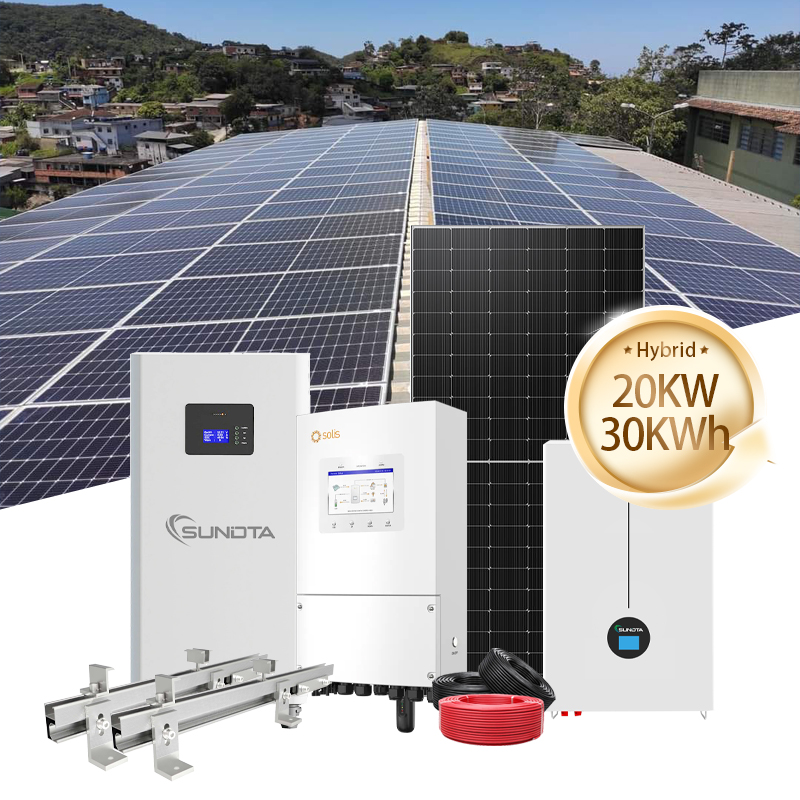
Complete Hybrid Solar Energy Storage System 20KW 30KW 50KW
All-in-one residential & C&I energy storage system with integrated lithium battery banks, multi-channel MPPT inputs, and smart busbar isolation.
View Specifications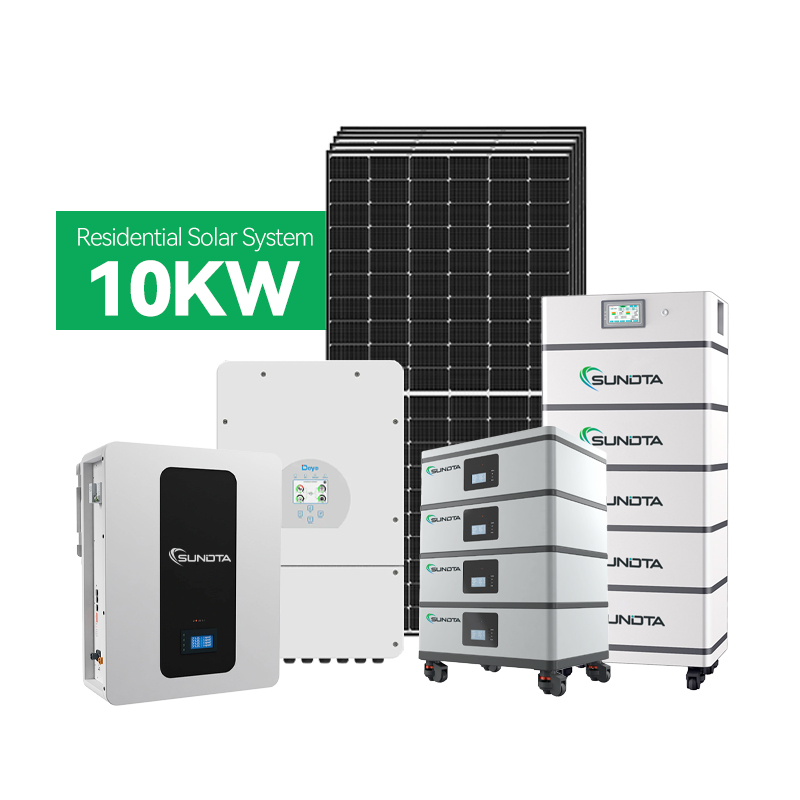
Sundta 5KW 8KW 10KW 12KW 15KW 20KW Solar Hybrid Kit
Rapid-deployment hybrid solar system kits engineered with integrated DC switchgear, pre-wired array inputs, and high-efficiency LiFePO4 chemistry.
View Specifications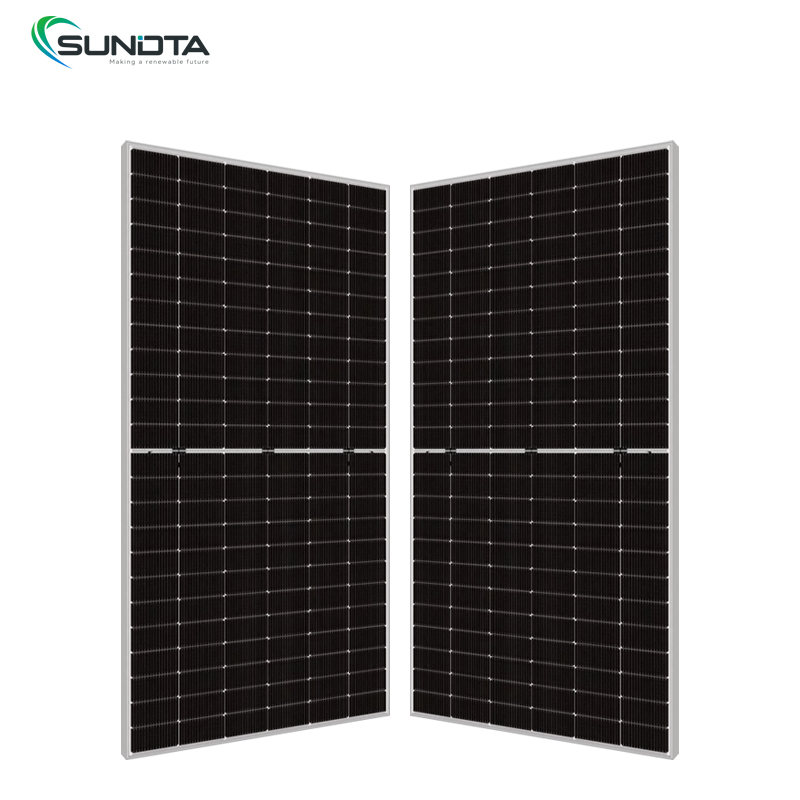
Tier 1 Solar Panel Sodenergy 700W–730W N-Type
Ultra-high wattage monocrystalline modules specifically suited for large combiner box consolidation and high-voltage 1500V DC string installations.
View Specifications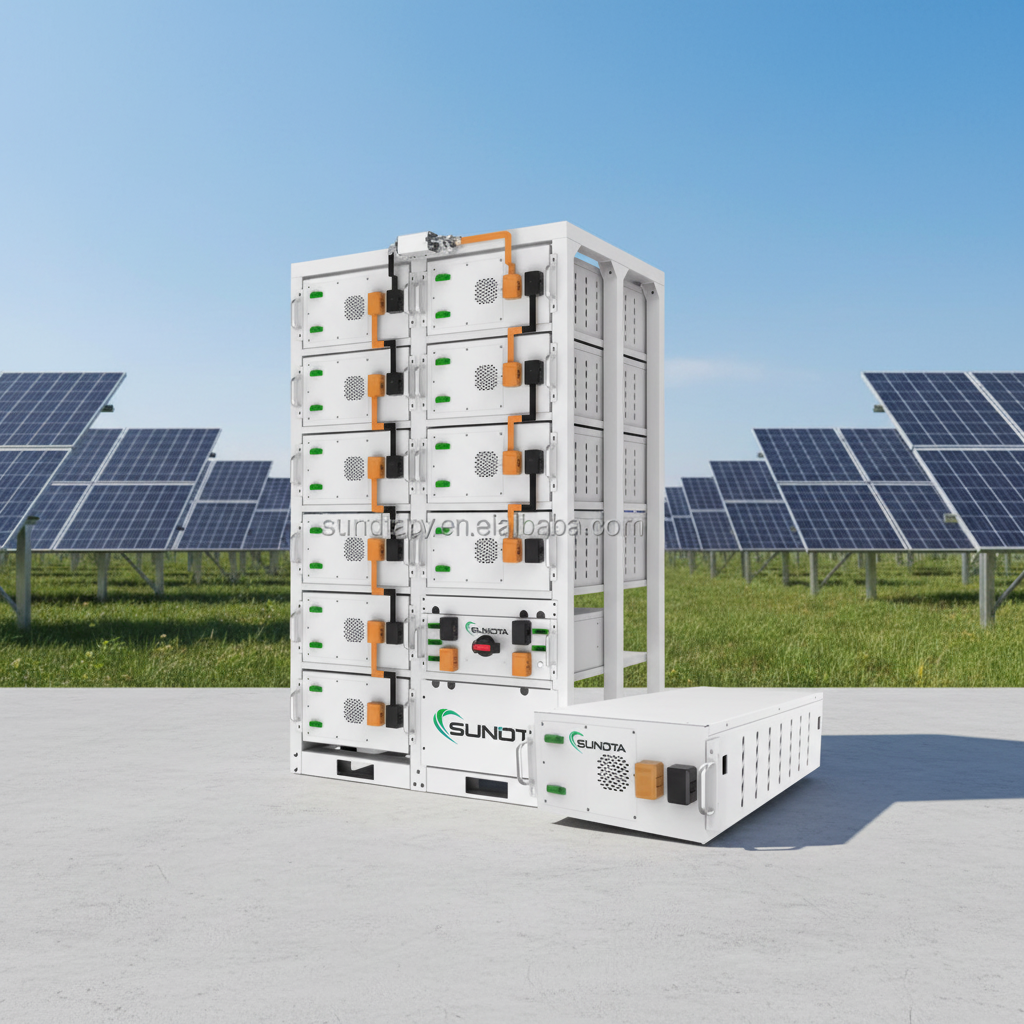
Commercial High-Voltage LiFePO4 Energy Storage System
Air-cooled modular battery cabinet equipped with industrial-grade BMS, automated thermal regulation, and dual-pole DC circuit breaker protection.
View Specifications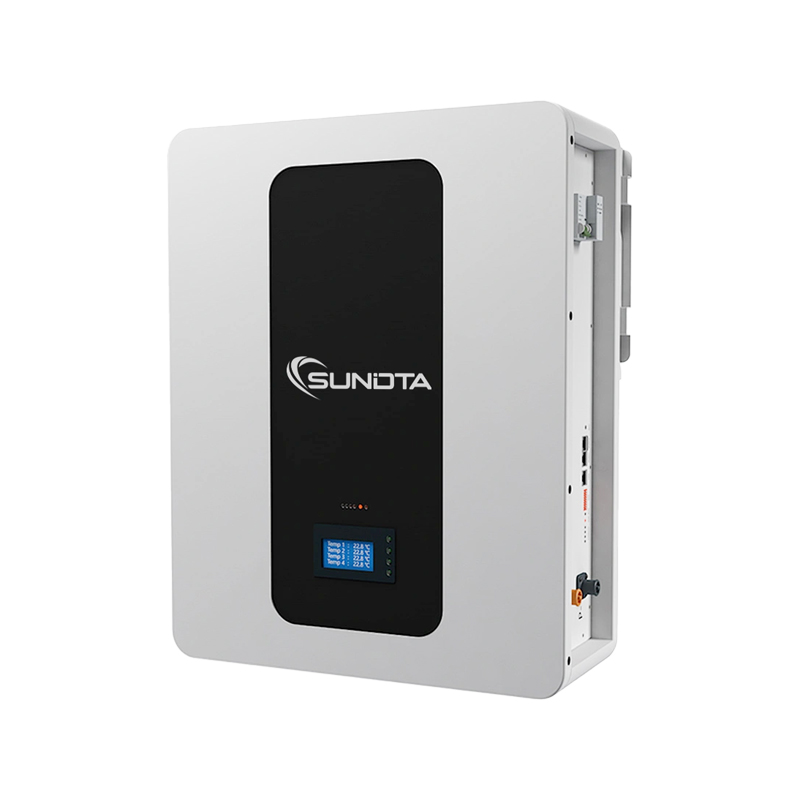
Sundta EU Warehouse 48V/51.2V 10kWh LiFePO4 Battery
Residential wall-mounted energy storage module ready for immediate European distribution, featuring CAN/RS485 closed-loop communication.
View Specifications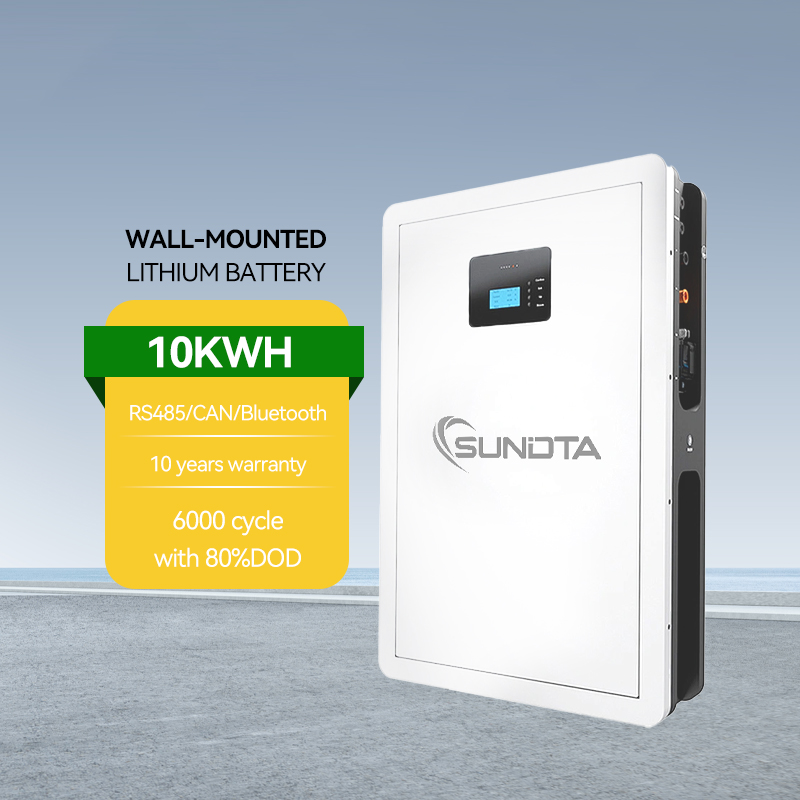
Fast Shipping 48V 51.2V 100Ah 5kWh Wall Battery
Compact, durable residential energy storage system certified under UN38.3 and CE standards, offering high cycle endurance over 6,000 duty runs.
View Specifications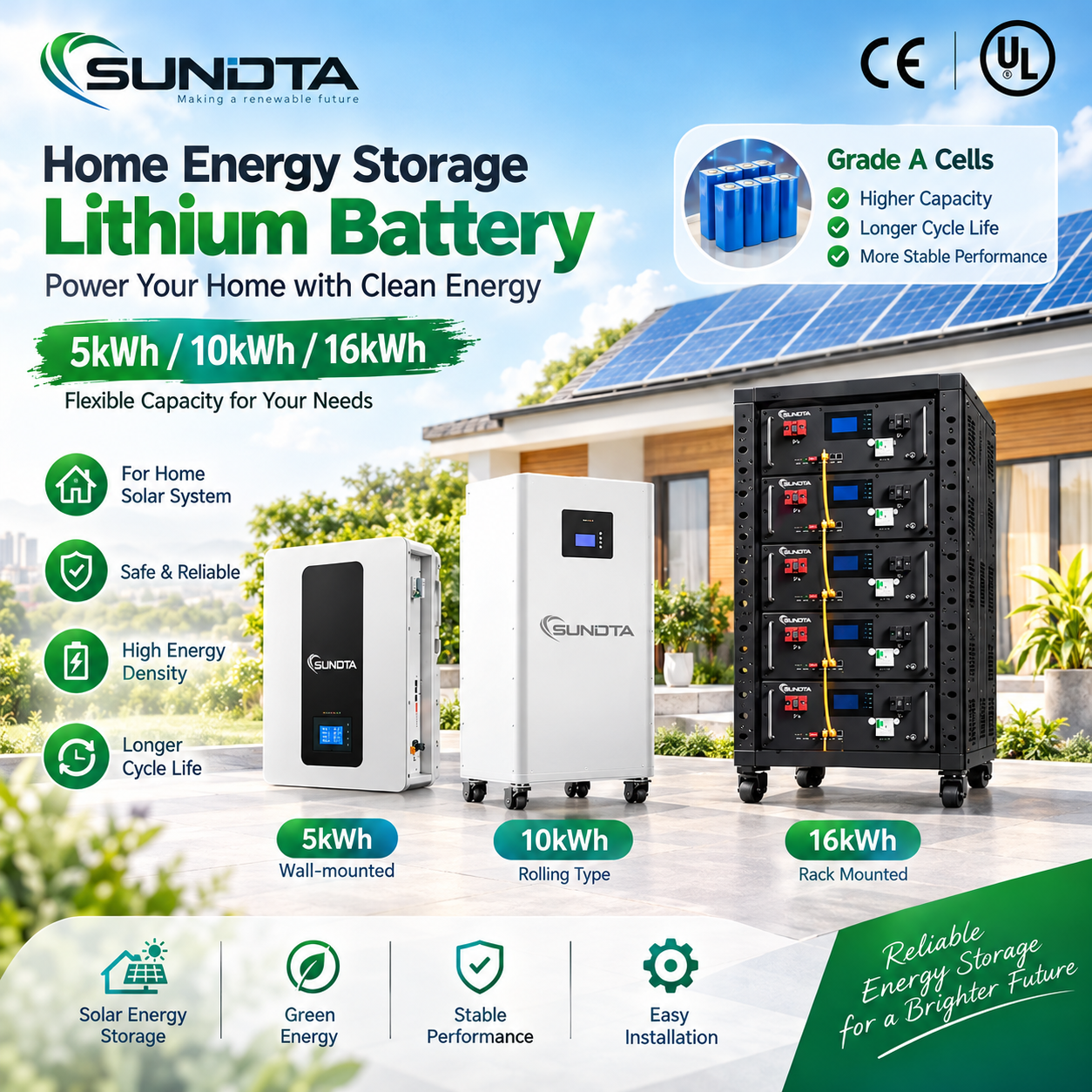
Sundta 51.2V 200Ah 10kWh Battery with Smart BMS
High-capacity residential lithium iron phosphate battery equipped with multi-level fault prevention, current shunt sensors, and LCD telemetry.
View Specifications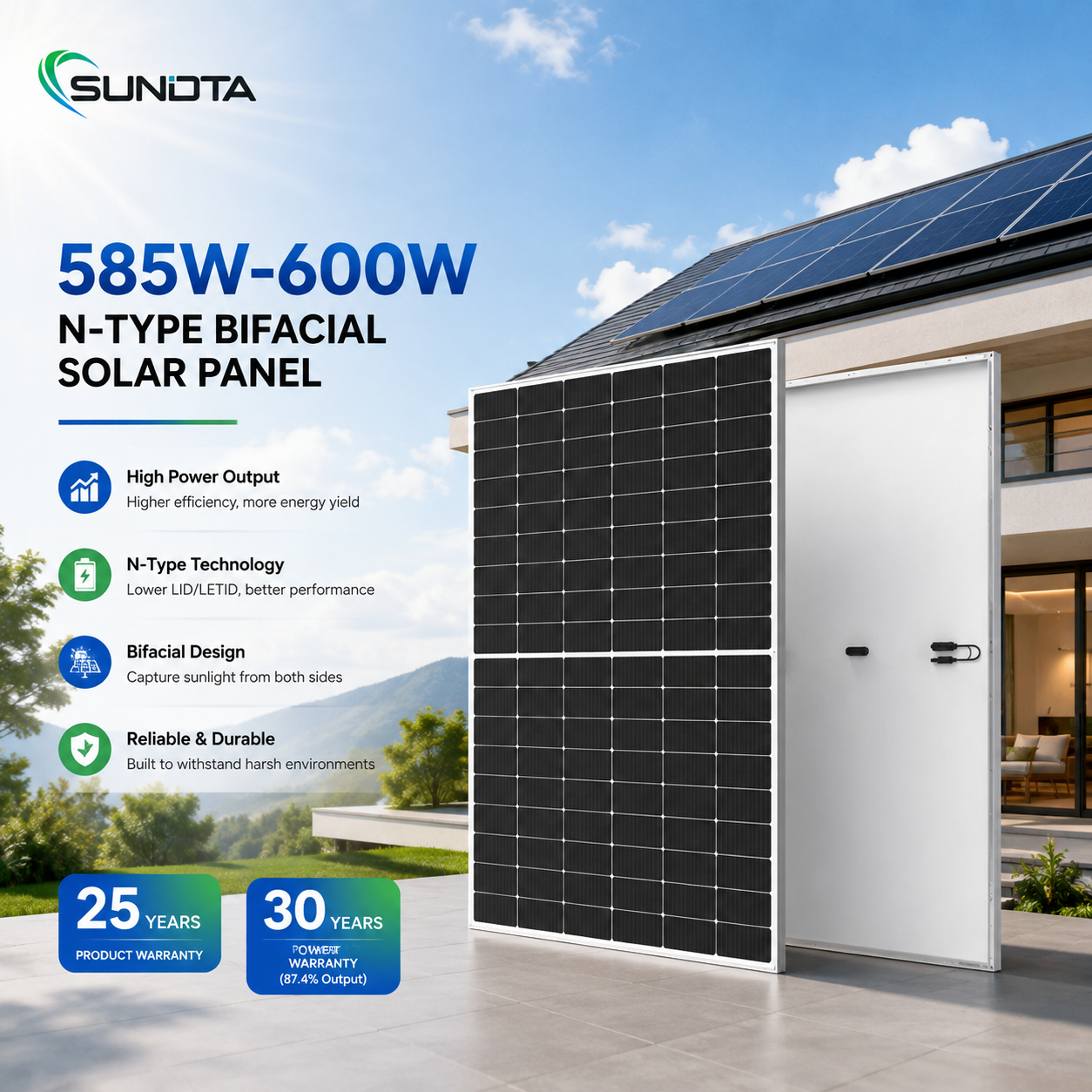
585W–595W Premium N-Type Bifacial PV Module
Half-cut dual-glass monocrystalline panel designed for commercial solar fields and optimized combiner array string layouts with up to 23% efficiency.
View SpecificationsWorld-Class OEM/ODM Solar Combiner Box Production
Operating from Hefei, China, Anhui RJV New Energy Co., Ltd. delivers vertically integrated manufacturing excellence, high-precision electronic assembly, and fully verified balance-of-system hardware compliant with global standards.
Automated Module & Enclosure Assembly
Our manufacturing footprint features clean-room component stuffing, robotized seal dispensing, laser-guided busbar cutting, and automated screw-torque validation ensuring IP65 to IP67 environmental isolation on every junction cabinet.
TÜV Rheinland Inspected Facilities
Factory operations, material traceability, dielectric test benches, and supplier chains have passed rigorous on-site audit verification by TÜV Rheinland, backed by complete CE, IEC 61439-2, and UL 1741 design alignments.
Comprehensive Pre-Shipment Burn-In
Every custom OEM/ODM combiner box undergoes 100% full-load thermal imaging, continuous voltage withstand breakdown testing up to 3500V AC, and communication handshake emulation before container loading.
The Crucial Balance-of-System Engine: Solar Combiner Box Architectures
An exhaustive analysis of high-voltage DC protection, string current consolidation, surge suppression, and intelligent SCADA telemetry in modern utility and commercial PV installations.
In large-scale photovoltaic power plants and commercial rooftop generation stations, the solar combiner box represents the primary electrical hub linking individual solar panel strings to central or high-power string inverters. Far beyond a passive junction enclosure, a modern combiner box carries the critical responsibility of aggregating high-voltage DC current, providing granular overcurrent protection via dedicated gPV fuses, clamping catastrophic atmospheric lightning surges through Class I/II Surge Protective Devices (SPDs), and safeguarding long-term capital assets from catastrophic fire risks.
1. Circuit Architecture: 1000V DC vs. 1500V DC Utility Topologies
The global transition from legacy 1000V DC to utility-standard 1500V DC topologies has reshaped the engineering requirements of solar combiner enclosures. Operating at 1500V DC allows EPC contractors to increase individual string lengths by up to 50%, consolidating significantly more wattage per string while slashing system-level cabling requirements, reducing ohmic transmission losses, and trimming labor expenditure during field installation. However, higher operational voltages impose extreme physical stress on internal switchgear:
- Extended Creepage & Clearance Distances: Combiner boxes engineered for 1500V DC require enlarged spatial clearance across positive and negative polarities to prevent electrical flashover and ionization breakdown under damp heat environments.
- Arc Extinction Capabilities: Direct current exhibits no natural zero-crossing point unlike alternating current. Therefore, 1500V DC disconnect switches and molded-case isolation switches must utilize specialized magnetic blowout coils and multi-stack de-ionizing arc chutes to extinguish lethal DC electric arcs instantaneously during emergency disconnect operations.
- Heavy-Duty gPV Cartridge Fusing: Integrated string fuses must feature high breaking capacities (typically 30kA to 50kA at 1500V DC) compliant with IEC 60269-6, guaranteeing isolated containment without thermal casing rupture during reverse-current backfeed faults.
| Design Parameter | 1000V DC Standard Combiner | 1500V DC Utility-Scale Combiner | Engineering Recommendation |
|---|---|---|---|
| String Capacity | Up to 24 Inputs (10A–20A per input) | Up to 32 Inputs (15A–35A per input) | Higher string currents necessary for TOPCon & 210mm bifacial wafers. |
| gPV Fuse Architecture | 10x38 mm cylindrical cartridges | 14x51 mm or 14x65 mm heavy-duty gPV | Always configure fuse ratings at 1.56 x Isc to prevent nuisance tripping. |
| Surge Suppression (SPD) | Type 2 / Class II (In: 20kA, Imax: 40kA) | Type 1+2 Combined (Iimp: 12.5kA, Imax: 40kA) | Critical for high lightning-density open terrain and floating ground systems. |
| Enclosure Metallurgy | Cold-rolled steel or Polycarbonate (IP65) | Sheet Molding Compound (SMC/GRP) / SUS304 | SMC/GRP composite offers superior UV stability, corrosion resistance, and thermal insulation. |
| DC Disconnect Switch | Rotary load break switch (1000V) | High-capacity motorized or manual DC breaker (1500V) | Must carry PV-2 operational categorization under IEC 60947-3 standards. |
2. Advanced Thermal Dissipation and Enclosure Thermodynamics
Because solar combiner boxes are installed directly under intense solar irradiation in deserts, coastal environments, or unshaded commercial roofs, internal ambient temperatures can easily exceed 65°C to 70°C. High current flowing through multiple fuse holders and busbars generates significant Joule heating (P = I²R). Without advanced computational fluid dynamics (CFD) modeling during the enclosure design stage, excessive internal thermal buildup causes irreversible component derating, premature aging of surge arresters, and accidental fuse fatigue.
Our OEM/ODM engineering utilizes flame-retardant SMC (Glass Reinforced Polyester) or precision-machined 304/316 stainless steel enclosures equipped with integrated breathable vent plugs (IP68 Gore-Tex membranes) and internal aluminum heat-sink baffles. This ensures stable internal barometric pressure, eliminates vapor condensation during diurnal temperature swings, and conducts concentrated thermal hotspots outward without compromising hermetic ingress protection.
3. Real-Time String Monitoring & SCADA Telemetry
In modern intelligent power generation assets, manual string troubleshooting is cost-prohibitive. Smart solar combiner boxes integrate precision Hall-effect current sensors or low-resistance shunt circuits on every single string channel. These sensors sample incoming DC parameters continuously, digitizing voltage, individual string amperage, internal cabinet temperature, and SPD health status.
Using standard Modbus-RTU over RS485 interfaces or SunSpec-compliant PLC (Power Line Communication) protocols, this telemetry feeds directly into plant-level SCADA platforms. Cloud-based algorithms immediately flag underperforming strings caused by micro-cracking, module soiling, localized shading, or blown fuses, transforming reactive maintenance into highly predictive, low-cost operations.
Next-Generation Procurement Trends: 2025–2030
Strategic purchasing guidelines for solar EPCs, system integrators, and distributors preparing for high-current PV modules, fire safety mandates, and autonomous grid orchestration.
Adaptation to 210mm High-Current Modules
With large-format N-type TOPCon and HJT panels outputting short-circuit currents (Isc) surpassing 18A–20A, future combiner sourcing mandates 30A to 35A rated fuse holders, wider busbar cross-sections, and heavy-gauge terminal lugs to counter extreme thermal loads.
Mandatory Arc Fault (AFCI) & Rapid Shutdown
Global regulatory frameworks such as NEC 690.11/690.12 and emerging IEC safety mandates are driving demand for combiner boxes featuring embedded digital signal processors capable of microsecond DC arc-fault detection and module-level rapid shutdown (RSD).
Turnkey Pre-Wired Skid Sourcing
International buyers are moving away from discrete component assembly toward pre-wired, factory-tested plug-and-play combiner units fitted with genuine Stäubli MC4 connectors, reducing field connection mistakes and cutting site installation labor by over 40%.
Frequently Asked Questions: Technical Sourcing & Compliance
Comprehensive engineering clarity addressing compliance, enclosure ratings, electrical sizing, and global logistics for overseas project developers.
What is the standard engineering formula for sizing gPV string fuses in a solar combiner box? +
How do you choose between SMC/GRP, Polycarbonate, and Stainless Steel enclosures? +
- SMC / GRP (Glass Reinforced Polyester): The optimal choice for high-corrosion, desert, or high-UV environments. It is non-conductive, chemically inert, provides exceptional thermal insulation, and resists thermal warping.
- SUS304 / SUS316 Stainless Steel: Mandated for offshore marine installations, chemical refining plants, and extreme cold regions where physical impact resistance (IK10) and saltwater corrosion resistance are absolute priorities.
- Engineering Polycarbonate: Highly cost-effective for residential and small commercial indoor/outdoor rooftops where lightweight handling and electrical double-insulation are preferred.
What is the difference between Type 1 and Type 2 Surge Protective Devices (SPDs) in combiner boxes? +
Can you provide custom OEM labeling, wiring schematics, and connector pre-installation? +
How does the intelligent monitoring card communicate with plant SCADA systems? +
What quality control and safety certifications validate your solar combiner boxes? +
Are anti-reverse blocking diodes recommended inside modern combiner boxes? +
What is the standard Minimum Order Quantity (MOQ) and production lead time? +
How do you resolve thermal derating when combiner boxes are exposed to extreme ambient desert conditions? +
What trade delivery terms (Incoterms) and payment methods are supported? +
Looking for a Reliable OEM/ODM Solar Combiner Box Supplier?
Send your project specifications, single-line schematics, string counts, and target regional standards. Our Hefei-based technical team will return a customized design schematic, bill of materials (BOM), and factory-direct quotation within 24 hours.