Verified Tier-1 PV Ecosystem • TÜV Rheinland Assessed

Top China Flexible Solar Panels Manufacturers & Exporter

Engineered Lightweight Photovoltaic Modules, N-Type High-Yield Cells, Deye/Solis Hybrid Inverters & Closed-Loop LiFePO4 Energy Storage Systems for Global B2B Infrastructure

Integrated Turnkey Photovoltaics

Featured Commercial, Hybrid & Lightweight Solar Solutions

Explore our export-grade PV modules, high-power hybrid energy systems, and intelligent lithium battery energy storage systems (BESS). Pre-configured for seamless inverter-battery communication, optimal MPPT yield, and verified grid compliance.
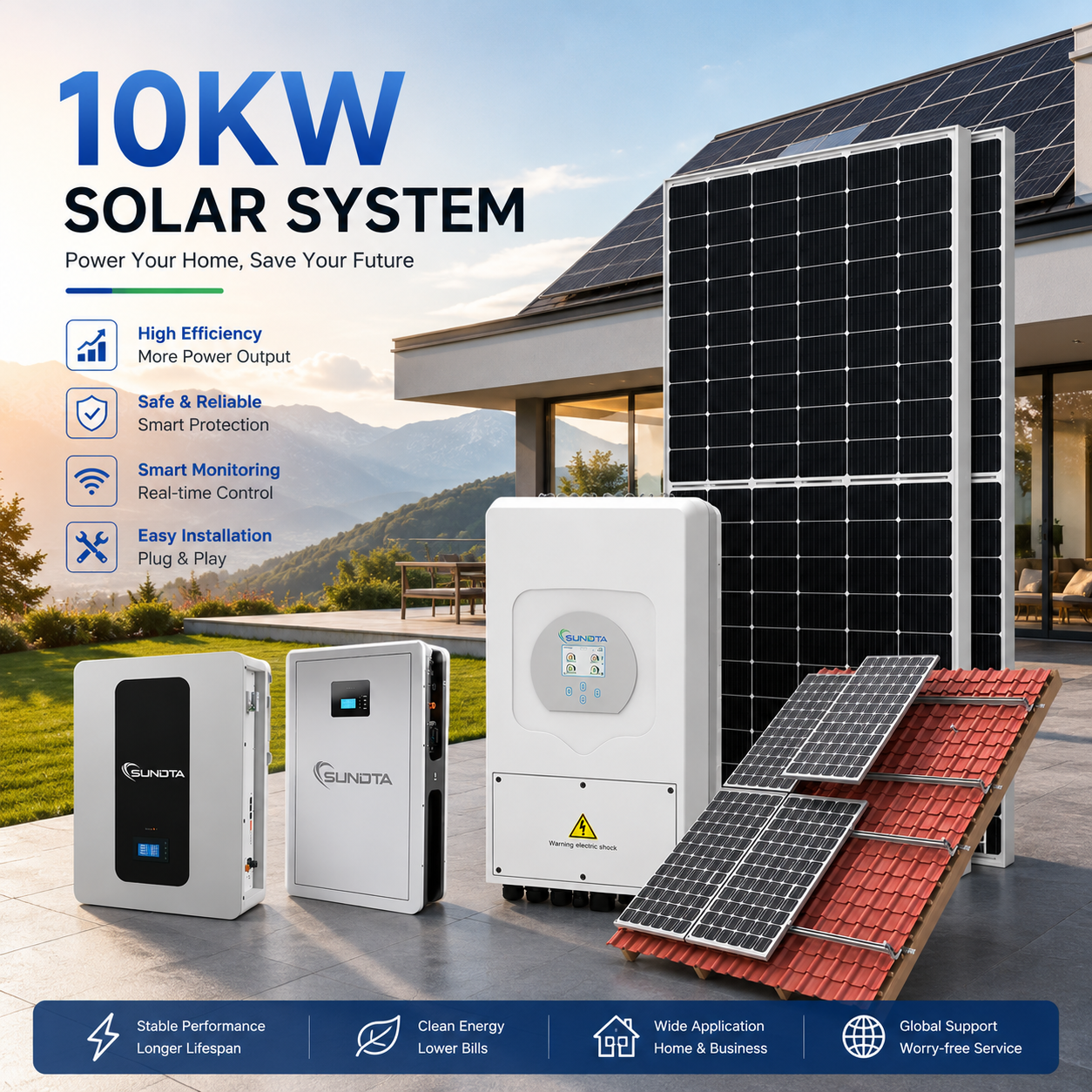
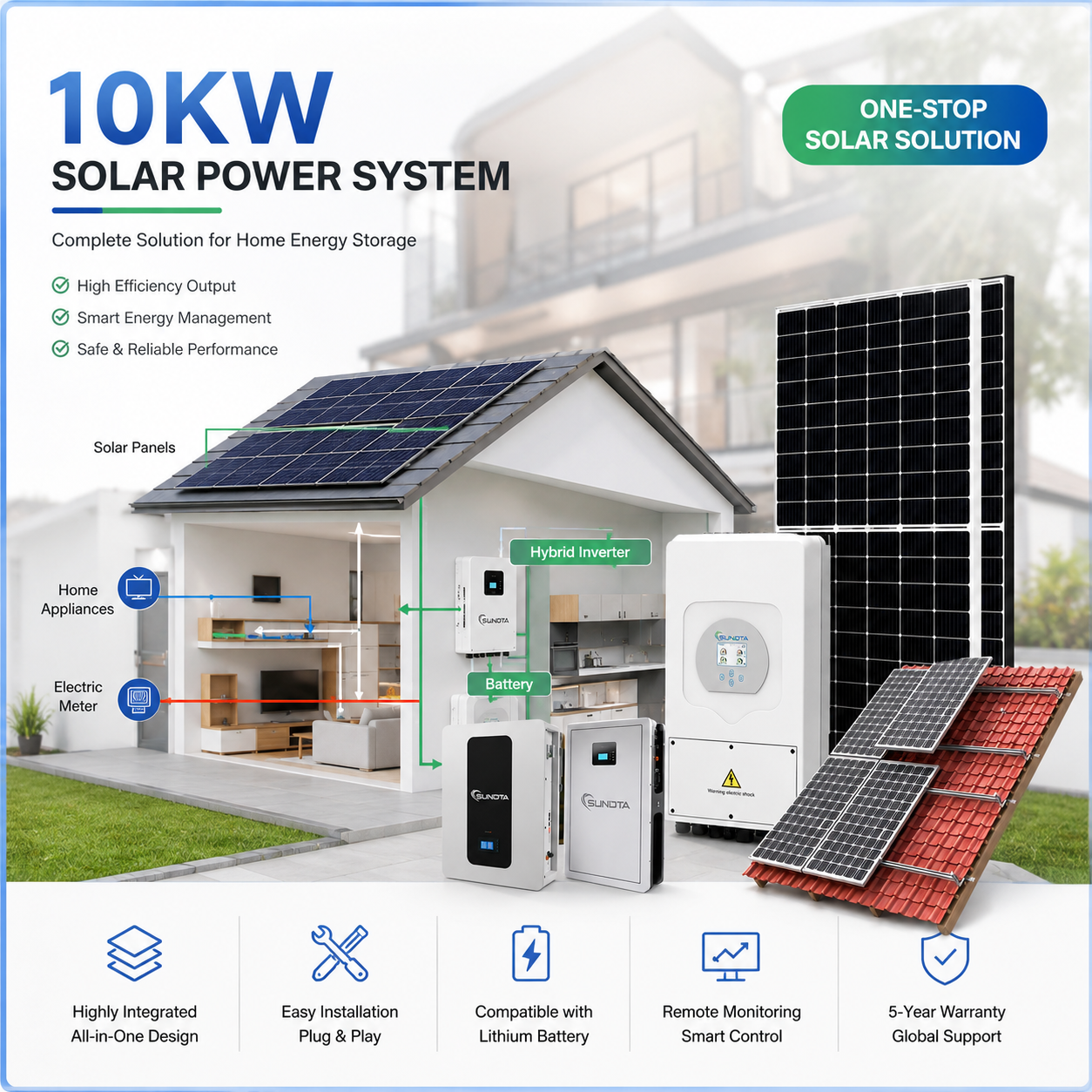
Hybrid Backup Emergency Backup Whole House Hybrid Solar Power System
Solar Systems • 15kW–50kW
  • Smart MPPT Dual Tracking Inverter
  • Integrated High-Cycle Battery Rack
  • Seamless Grid-to-Island Microsecond Transfer
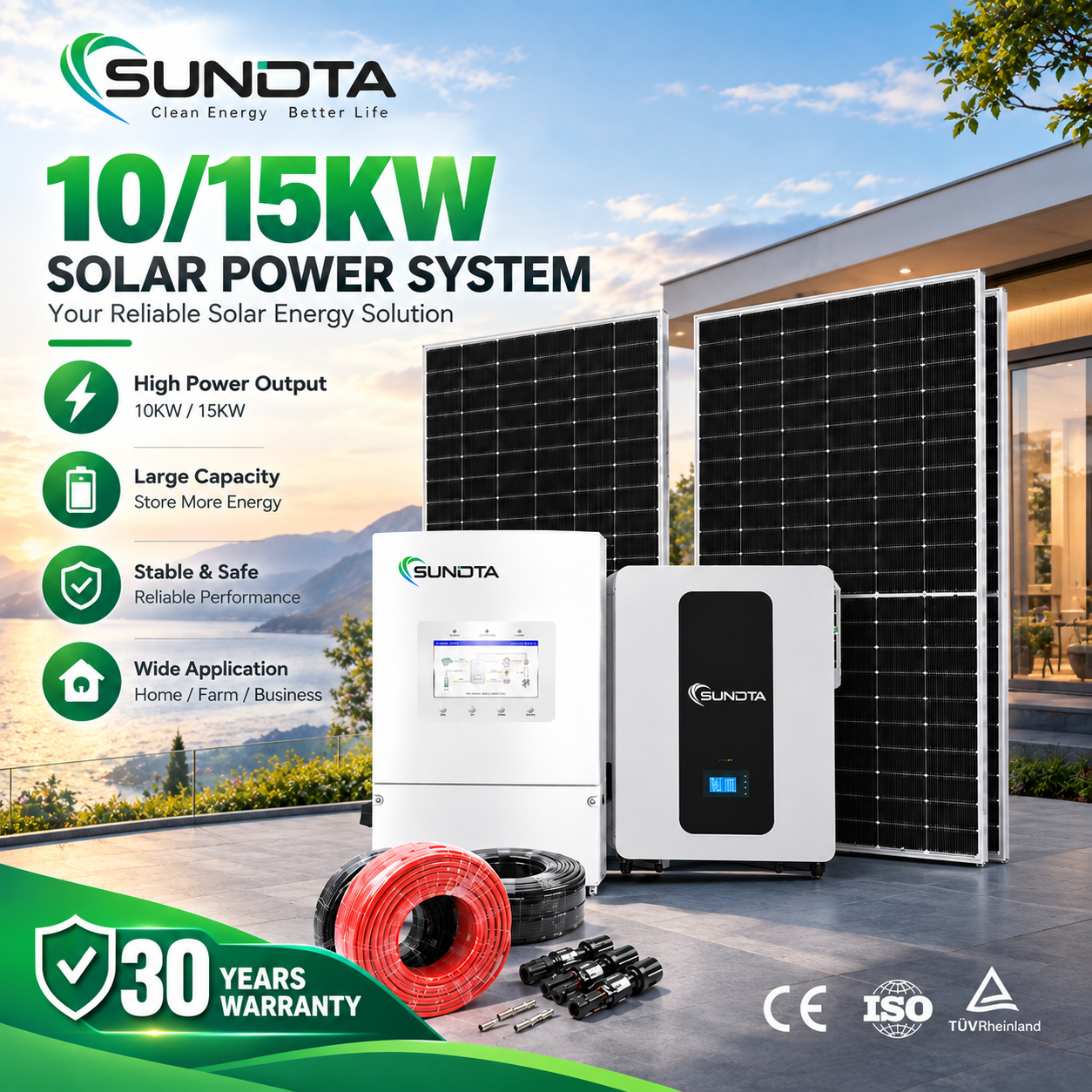
High Yield 15kW-50kW High-Efficiency Hybrid Solar Power System
Residential & Commercial
  • Engineered for whole-house & light C&I
  • Automated peak-shaving & load balancing
  • Comprehensive surge & reverse polarity protection
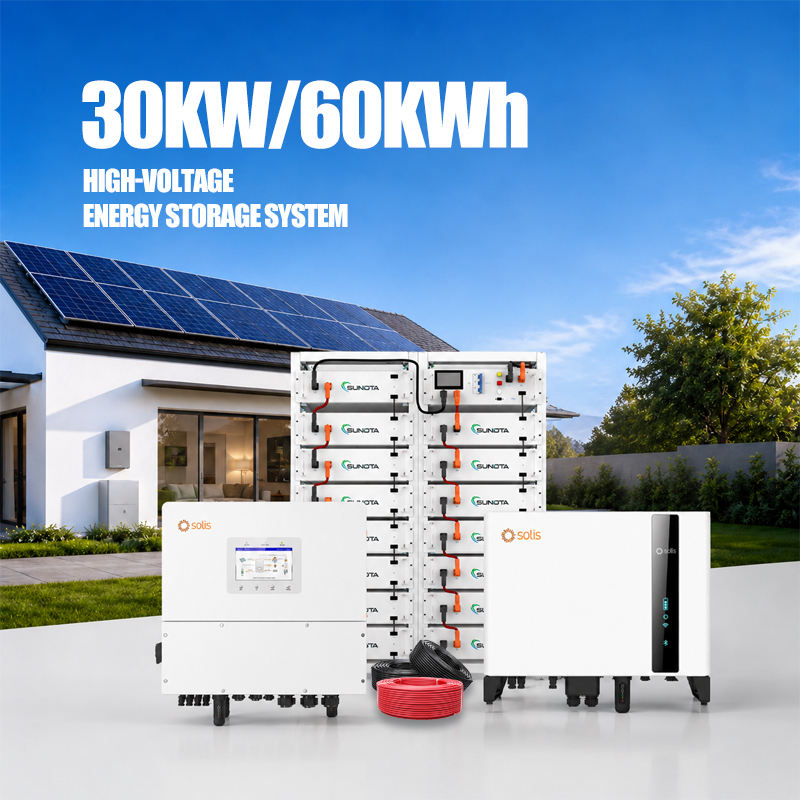
30kWh LiFePO4 51.2V Split All-in-One Solar Battery Inverter System
Lithium ESS • CE Certified
  • Prismatic A-grade LiFePO4 chemistry
  • CAN / RS485 automated BMS protocol
  • 6,000+ deep cycles @ 80% DoD
N-Type TOPCon Premium 585W-595W N Type Bifacial PV Module
PV Modules • Up to 595W
  • Up to 23.03% module efficiency
  • Bifacial dual-glass rear energy harvest (up to +25%)
  • Ultra-low PID/LID mechanical degradation
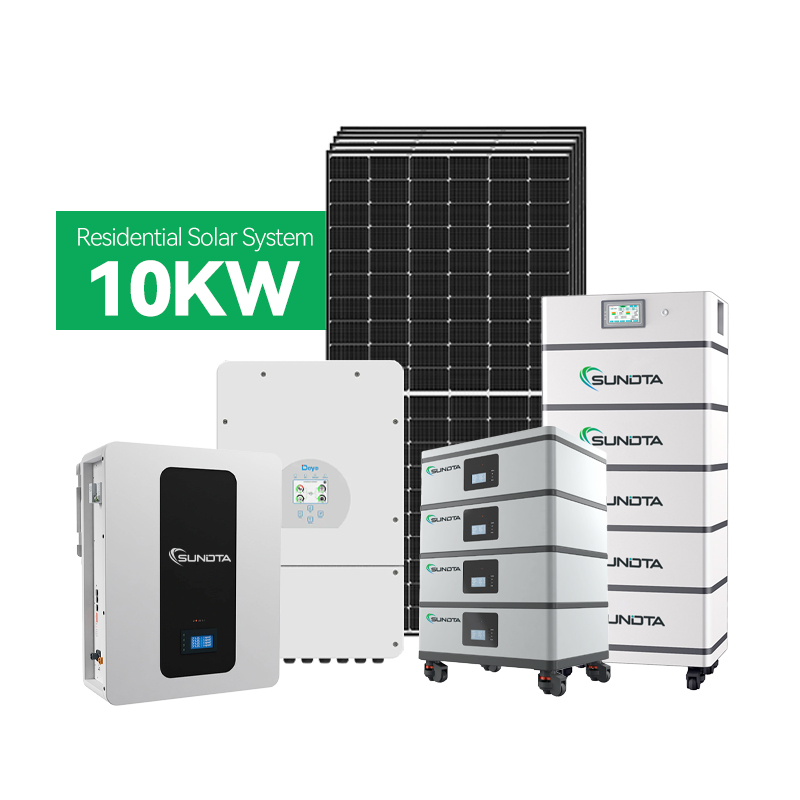
Fast Dispatch Sundta 5KW-20KW Complete Solar Hybrid System Kit
Hybrid System Kits
  • Stock available for direct container export
  • Pre-engineered balance of system (BOS) cabling
  • Integrated Wi-Fi / Cloud monitoring unit
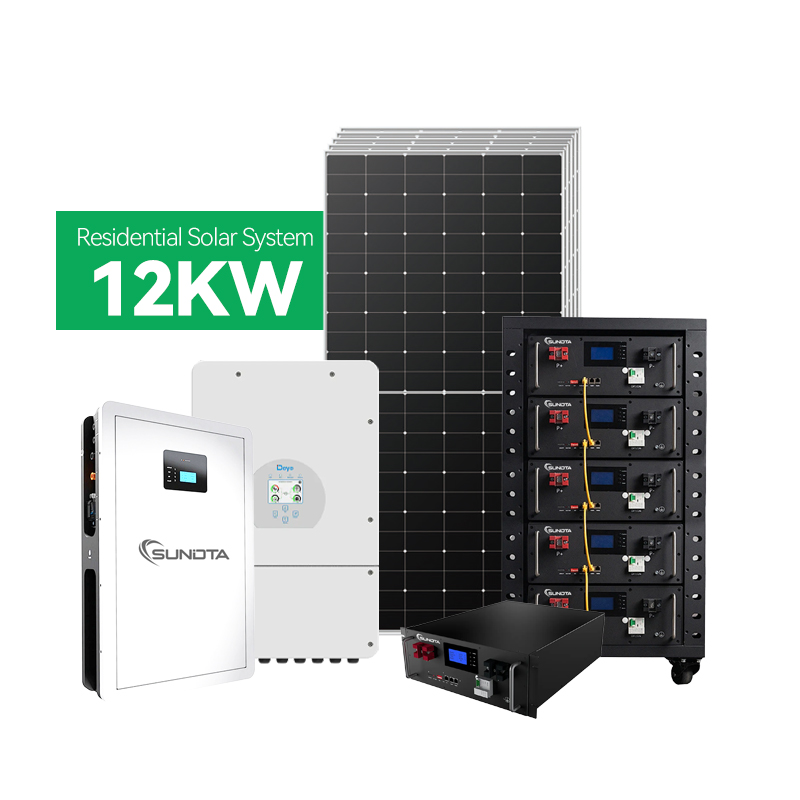
Bulk Tier Sundta 12Kw Hybrid Solar Energy Storage System
Home Energy Storage
  • High-durability Monocrystalline Silicon array
  • Multi-MPPT support with unbalanced phase output
  • Optimized for rapid residential mounting
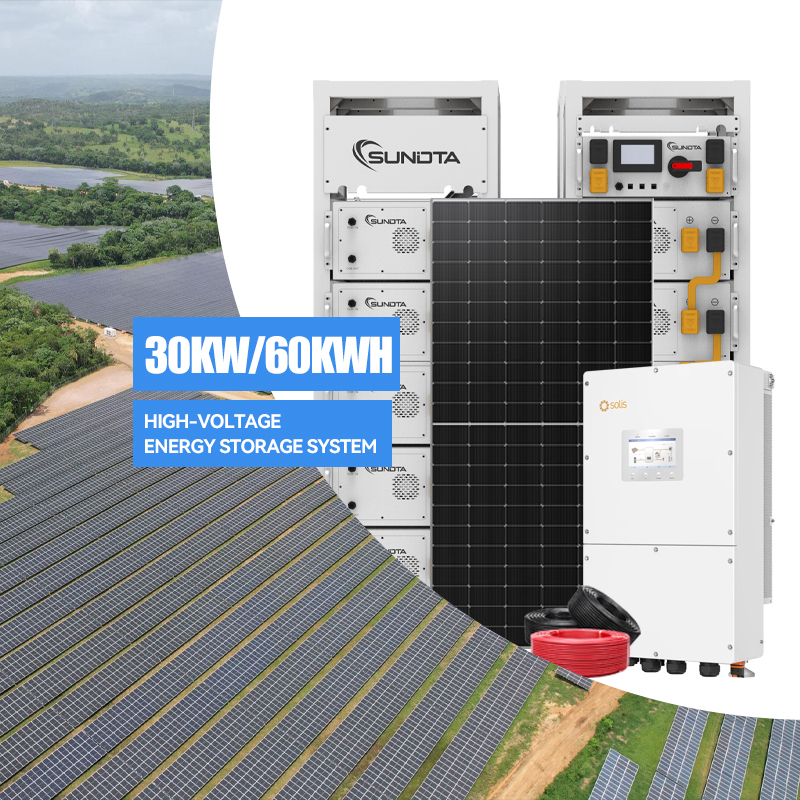
Off-Grid Master Off Grid Hybrid Solar Energy Storage System 20KW-40KW
Autonomous Microgrids
  • Heavy-duty pure sine wave inverter stage
  • EU certified electrical protection architecture
  • Diesel generator automatic start-stop dry contacts
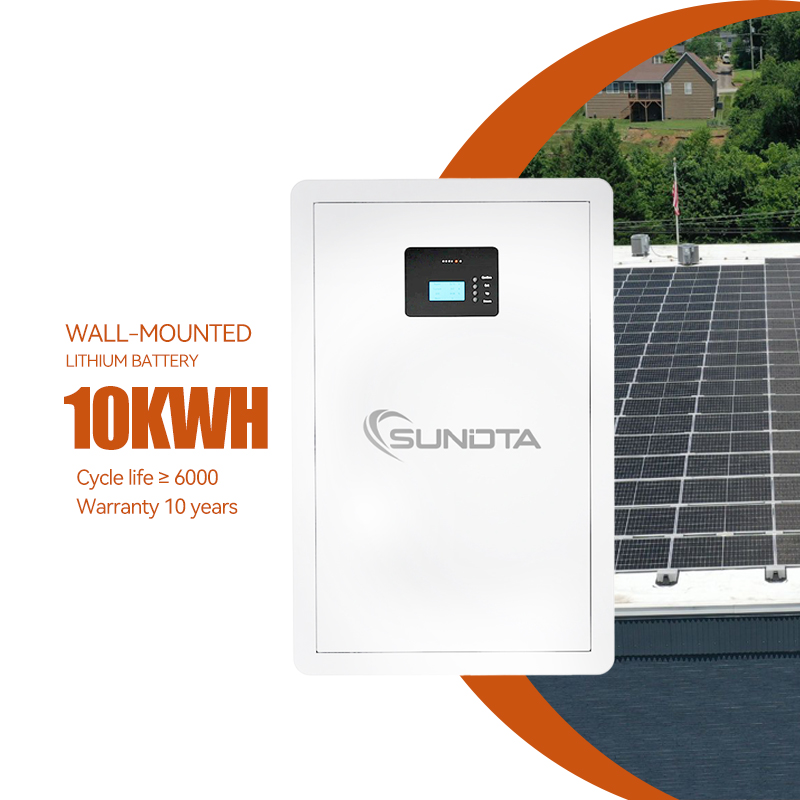
IP65 Wall Mount Sundta IP65 10kWh 51.2V 200Ah Wall Mounted LiFePO4 Battery
Battery Storage Modules
  • Automotive-grade prismatic lithium cells
  • Built-in Smart BMS with active cell equalization
  • Plug-and-play matching with Deye, Solis & Growatt
Manufacturing Leadership • Anhui RJV New Energy

Engineering Integrity, Automated Precision & Certified Tier-1 Quality

Headquartered in the Innovation Industrial Park of Hefei, Anhui, RJV New Energy combines over a decade of photovoltaic research, advanced automated module manufacturing, and system integration. We eliminate the systemic risk of component incompatibility for international EPCs, wholesalers, and solar contractors.

2 GW Manufacturing Prowess
State-of-the-art robotic production lines operating in dust-free cleanrooms. Advanced laser scribing, multi-busbar (MBB) automated soldering, and dual-pass electroluminescence (EL) testing prevent hidden microcracks before lamination.
TÜV Rheinland Assessed
On-site assessed manufacturing facilities verified under rigorous international auditing. Certified to IEC 61215, IEC 61730, CE, UN38.3, and ISO9001/14001, providing frictionless customs clearance and grid interconnection compliance worldwide.
Pre-Engineered BOM Matching
We solve the primary cause of system commissioning failure: communication protocol mismatch. Our flexible arrays, N-type TOPCon panels, Deye/Solis inverters, and LiFePO4 batteries undergo factory CAN/RS485 closed-loop validation prior to container loading.
Global Engineering Concierge
Dedicated bilingual engineering teams provide string sizing calculations, mechanical wind/snow load simulation, electrical schematics, and 24/7 post-commissioning diagnostics to ensure rapid asset monetization.
2.0GW
Annual Module Output
500+MW
Global Projects Delivered
38+
Patented PV Innovations
AAA
Credit Rating & Veracity
Technical Whitepaper • Material Science

Engineering Flexible Solar Panels: Overcoming Dead-Load Limits Without Degradation

Modern commercial infrastructure faces a critical structural ceiling: millions of square meters of light-gauge steel sheet roofs, curved architectural facades, and marine/RV substrates cannot support standard glass-backsheet PV modules (weighing 18–24 kg/m²). China’s high-tier flexible PV manufacturing breakthroughs have rewritten the rules of commercial solar adoption.

Architecture I
ETFE Fluoropolymer & Composite Encapsulation
Conventional flexible panels suffered from premature EVA browning and moisture ingress. Our next-generation flexible series utilizes front-layer high-transmittance ethylene tetrafluoroethylene (ETFE) combined with aerospace-grade glass-fiber reinforced polymer (GFRP) substrates. ETFE provides superior UV resistance, self-cleaning hydrophobic properties, and optical refraction that captures oblique sunlight, sustaining 25-year structural integrity under harsh maritime and desert environments.
Architecture II
Microcrack Mitigation via Shingled Multi-Busbars
Dynamic flexure and cyclic wind loading create fatal microcracks in conventional silicon wafer ribbon bonds. RJV employs high-density conductive adhesive (ECA) shingled interconnects and high-mesh wire matrices. By distributing current through dozens of microscopic parallel pathways and eliminating brittle high-temperature copper solder joints, the module endures a minimum bending radius down to 0.3 meters without localized current bottlenecks or hot-spot burnouts.
Architecture III
Direct-Bond Structural Integration (Zero Roof Penetration)
Reducing Balance of System (BOS) capital expenditure is paramount. Standard solar arrays require aluminum rails, ballast blocks, roof penetrations, and waterproofing retrofits that account for up to 40% of total installation labor. Our lightweight flexible modules weigh merely 2.8 to 3.5 kg/m² and bond directly using structural silicone or certified peel-and-stick primer-adhesives, preserving building envelope warranties and eliminating structural roof collapse risks.
Strategic Sourcing Analysis

Future Procurement Trends for Flexible PV & Storage Integrators

Global photovoltaic procurement is transitioning from fragmented component trading to system-level accountability, strict carbon accounting, and hybrid DC-coupled energy independence.

Pre-Packaged Containerized Microgrids
EPCs increasingly reject on-site component assembly due to surging labor costs. Turnkey containerized ESS (1MWh to 2MWh) integrating PCS, battery stacks, liquid thermal management, and pre-matched flexible or rigid arrays represent the fastest-growing export segment across European and Southeast Asian markets.
N-Type TOPCon & HJT Substrate Dominance
P-type PERC cell lines have reached their theoretical efficiency ceiling. Global procurement is standardizing on N-type TOPCon and Heterojunction (HJT) thin-film silicon architectures, delivering temperature coefficients of -0.30%/°C, zero light-induced degradation (LID), and superior low-irradiance generation during overcast dawn/dusk hours.
Traceable Supply Chains & ESG Passports
With stringent international import regulations such as the EU Corporate Sustainability Due Diligence Directive (CSDDD) and US UFLPA, procurement managers require absolute silicon ingot traceability, factory carbon footprint audits, and verifiable factory flash test data certificates embedded with serial numbers.
BIPV & Custom Form Factor OEM
Standard rectangular sizes no longer satisfy bespoke architectural envelopes, curved transportation shells, or portable disaster-relief enclosures. Tier-1 manufacturers like RJV now support complete custom junction-box positioning, colored polymer topsheets, and specialized aspect ratios on an OEM basis.
Technical Selection Guide

Comparative Matrix: Flexible vs Standard Glass PV Technologies

A comprehensive evaluation framework designed for solar system designers, structural engineers, and procurement committees evaluating weight constraints, durability, and life-cycle financial yields.

Evaluation Parameter Advanced Flexible ETFE Panel Standard Rigid Glass Panel Thin-Film Flexible (CIGS) Procurement & Engineering Recommendation
Dead-Load Weight 2.8 – 3.5 kg/m² 18.0 – 24.0 kg/m² 3.0 – 4.2 kg/m² Flexible ETFE is essential for weak metal roofs (<5kg/m² limit) and curved structures.
Cell Efficiency 21.5% – 23.0% (N-Type) 21.0% – 23.2% 14.0% – 16.5% N-Type crystalline flexible modules deliver equal conversion yield to heavy glass modules.
Minimum Bending Radius 0.30 meters Rigid (0° Flexure) 0.15 meters ETFE crystalline handles all curved roofs, canopies, RVs, and marine decks without microcracking.
Mounting Methodology Structural Adhesive / Peel-and-Stick Heavy Racking / Clamps / Ballast Adhesive backing Flexible eliminates roof perforation, waterproofing damage, and reduces labor by over 50%.
Balance of System (BOS) Cost Lowest (No racking steel) High (Heavy aluminum frames) Moderate to High Up to 45% savings on transport, crane hire, racking metal, and specialized installation crew costs.
Thermal Dissipation Direct heat conduction to metal roof Rear air-gap convection Moderate Select N-Type cells with low temperature coefficient (-0.30%/°C) when bonding to metal roofs.
Buyer Due Diligence

Frequently Asked Technical & Sourcing Questions (FAQ)

Direct answers to the most critical commercial, mechanical, electrical, and customs inquiries asked by international importers, distributors, and EPC contractors.

1 How do flexible solar panels withstand thermal accumulation when adhesively bonded to metal roofs?
Thermal dissipation is managed through two engineering fronts. First, our modules employ ultra-efficient N-type TOPCon monocrystalline cells with an exceptionally low temperature coefficient of -0.30%/°C, drastically outperforming older P-type silicon in high-temperature environments. Second, the structural adhesive creates direct conductive thermal transfer into the underlying metallic roof sheets, which act as a giant thermal heatsink dissipated by internal building airflow.
2 What are the minimum order quantities (MOQ), packaging protocols, and pallet sea freight configurations?
MOQs vary by SKU category: complete hybrid storage systems start at 1 unit/kit; standalone Deye/Solis hybrid inverters and wall-mounted LiFePO4 batteries start at 1 piece. Flexible and rigid PV panels are supplied in pallet quantities (typically 13,650 W to 17,280 W, equivalent to ~30-36 panels per crate). Because flexible panels are glass-free, up to 300% more wattage fits inside a standard 40ft High Cube container, slashing ocean freight costs per watt.
3 How do you guarantee closed-loop BMS communication between your LiFePO4 batteries and hybrid inverters?
Our 51.2V and high-voltage stackable lithium battery systems integrate smart BMS motherboards carrying factory-flashed firmware protocols for Deye, Solis, Growatt, Victron, and Schneider inverters. We provide dual RJ45 CAN/RS485 ports and DIP switch pin assignments with every shipment, ensuring automatic plug-and-play synchronization of SoC, charge current limits, and fault alarms without manual register programming.
4 What Incoterms and international payment settlement options are supported for export orders?
Anhui RJV New Energy supports FOB (Shanghai, Ningbo, Shenzhen), CFR, CIF, and EXW terms. For long-term distribution partners and large utility orders, we accommodate flexible payment structures including T/T (Telegraphic Transfer), Irrevocable Letters of Credit (L/C at sight), D/P, D/A, Western Union, and secure commercial escrow transactions, accompanied by full third-party inspection releases.
5 Are your manufacturing plants and products certified for European, US, and Australian grid codes?
Yes. Our facilities hold on-site supplier verification by TÜV Rheinland, ISO9001 quality management, and ISO14001 environmental management certifications. Module lines are certified to IEC 61215 and IEC 61730 safety standards. Inverters carry CE, VDE-AR-N 4105, G99, and UL1741 approvals, while our lithium battery packs hold UN38.3 transport safety documentation and CE compliance certificates.
6 Can RJV provide custom OEM/ODM branding, connector layouts, and specialized panel dimensions?
Absolutely. Over 40% of our production capacity is dedicated to customized OEM solutions for international brands. We can customize module length-to-width ratios, apply custom front-sheet matte/glossy ETFE textures, configure junction boxes with front-facing or rear-facing IP68 cables, and engrave client trademarks onto product frames, carton packaging, and inverter user interfaces.

Accelerate Your Clean Energy Infrastructure Pipeline

Whether you are sourcing flexible PV arrays for low-bearing commercial roofs, outfitting high-performance residential hybrid microgrids, or procuring containerized battery storage, our engineering team is ready to assist. Contact us today for wholesale volume pricing, customized string engineering, and comprehensive factory compliance dossiers.