C&I ESS
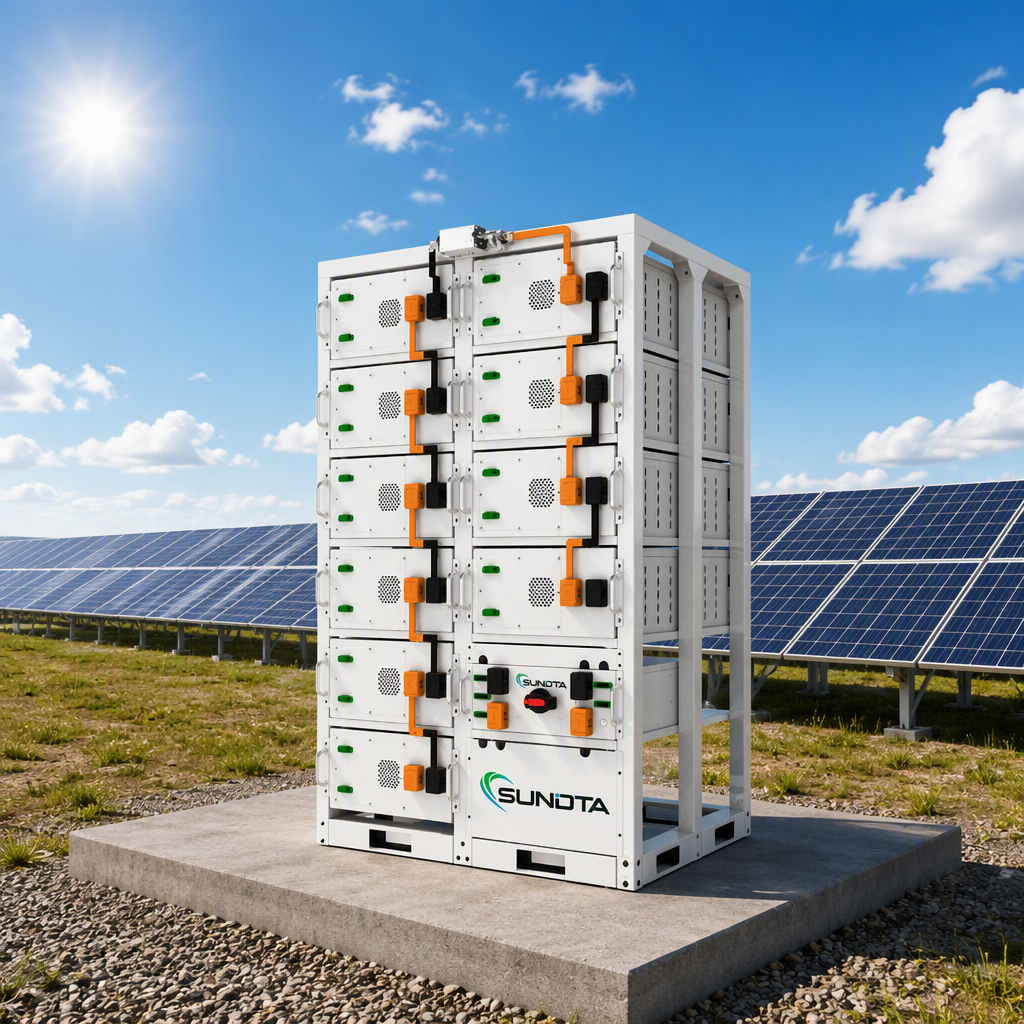
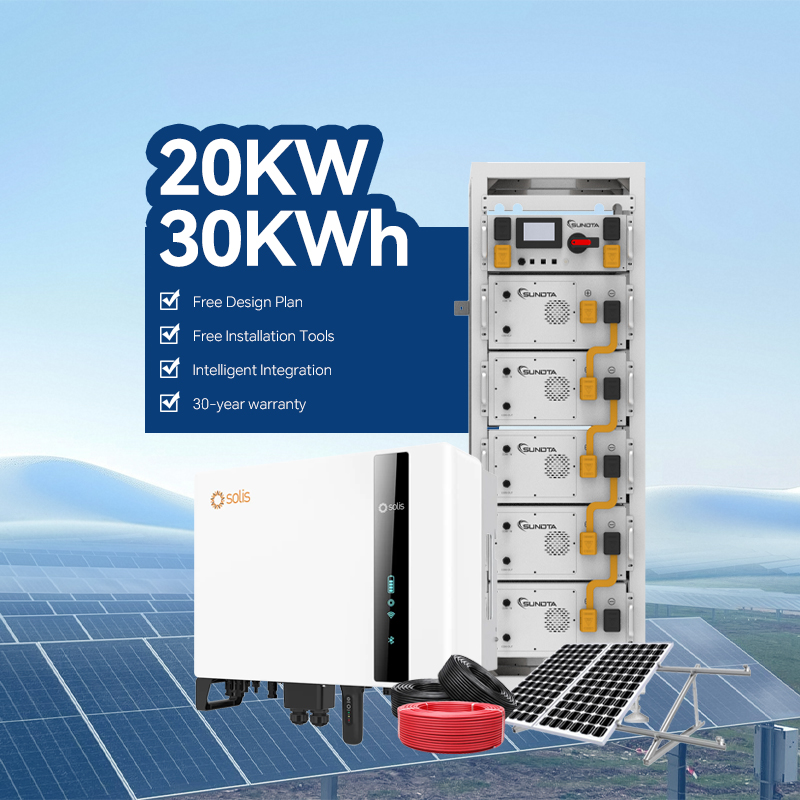
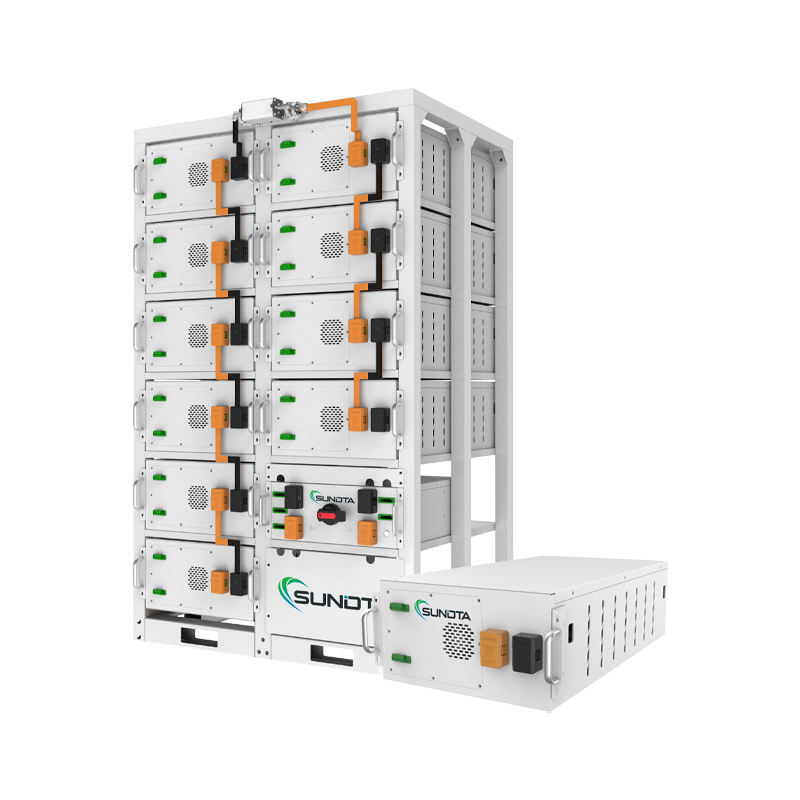
SUNDTA SDT-280 Commercial HV LiFePO4 ESS (40-100kWh)
- Air-cooled battery cabinet configuration
- Supports Hybrid, Off-Grid & On-Grid
- Heavy industrial grade peak shaving
Specifically engineered to handle frequent AC grid sags, long-duration rotational load shedding (apagones), and tropical maritime climates across Camagüey province and surrounding territories.
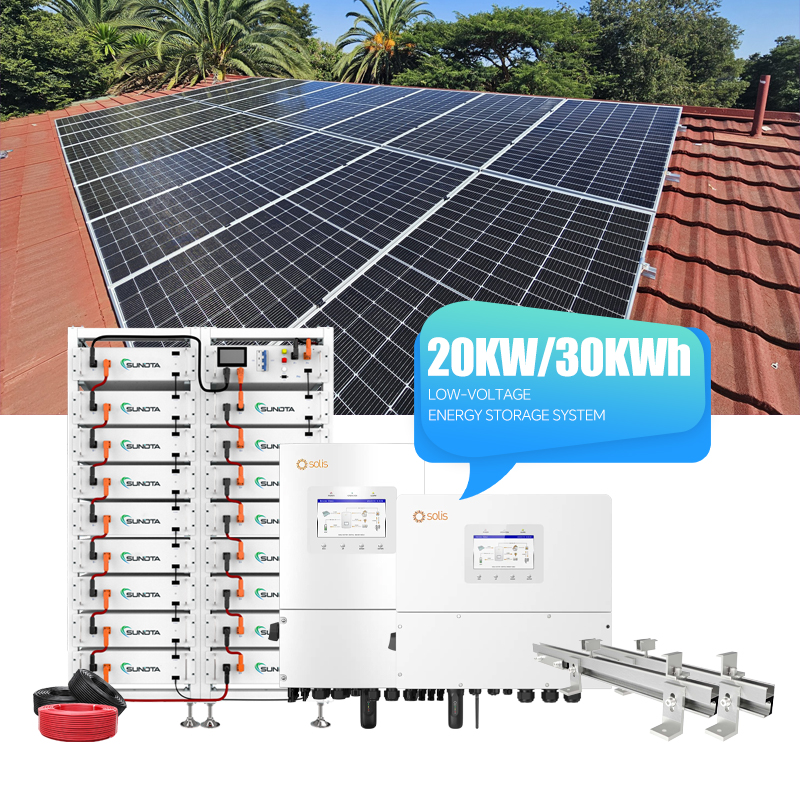
The municipal electrical grid in Camagüey and rural sectors throughout the central plains of Cuba operates under structural stress. Prolonged fuel shortages, thermal generation overhauls at plants such as the Central Termoeléctrica 10 de Octubre in Nuevitas, and recurring transmission anomalies subject commercial, residential, and agricultural consumers to severe voltage fluctuations (85V–145V L-N) and rolling disconnection schedules. Standard grid-tied string inverters simply trip off and lock out during grid blackouts, stranding valuable solar generation right when it is needed most.
Our factory specializes in bidirectional solar inverters designed with four-quadrant active power control, bi-directional AC-to-DC rectification, and pure sine wave DC-to-AC conversion. During unstable grid availability, our equipment dynamically regulates voltage spikes and sags, rectifies AC current to charge battery banks, and immediately decouples via an integrated high-speed isolation transfer switch (<10 milliseconds) when the grid collapses. In off-grid islanding mode, the bidirectional inverter acts as a master grid-forming source, generating stable 60Hz split-phase (120V/240V) or three-phase (220V/380V) reference sine waves to sustain heavy inductive agro-industrial loads.
| Operating Metric | Standard Grid-Tied Inverter | Basic Off-Grid Inverter | Anhui RJV Bidirectional Inverter |
|---|---|---|---|
| Grid Connection Flexibility | Grid-follower only; trips on fault | Cannot feedback or synchronize with grid | Bi-directional: grid-forming, grid-support & off-grid |
| Transfer Time during Blackout | Shutdown (No backup) | 15ms – 30ms (computer reboot risk) | <10ms (True uninterruptible UPS grade) |
| Generator Synchronization | Unsupported | Rough AC pass-through, frequency sensitive | Smart generator dry contact + automated peak-shaving |
| Battery Chemistry Integration | Usually none | Open-loop lead-acid or basic lithium | Direct CAN/RS485 closed-loop with smart BMS |
| Camagüey Voltage Fluctuation Tolerance | Narrow (Trips below 105V / above 130V) | Variable, often destabilizes internal charger | Ultra-wide AC input window (85V – 150V L-N) |
Camagüey's unique economic profile—dominated by cattle ranching, dairy processing, sugarcane agro-complexes, and coastal hospitality—dictates targeted engineering configurations.
Camagüey produces over a quarter of Cuba's milk and bovine products. Unscheduled blackouts in areas like Jimaguayú and Florida shut down milk cooling tanks, allowing raw milk to spoil rapidly in tropical 34°C ambient heat. Our 20kW–50kW bidirectional inverter systems sustain refrigeration chillers and mechanical milking stations, operating in closed-loop synergy with high-capacity LiFePO4 batteries to ensure continuous cold-chain integrity.
In central sugarcane crushing operations (such as Carlos Manuel de Céspedes and Vertientes), maintenance machine shops and auxiliary processing centers require dependable power for welders, water extraction pumps, and pneumatic equipment. Our high-voltage SDT-280 systems supply sustained peak power, absorbing regenerative braking surges from heavy industrial motors without overloading the battery bus.
Positioned on Camagüey's northern coastline, resorts in Playa Santa Lucía require round-the-clock electrification for air conditioning, desalination pumps, and kitchen cold storage. Salt-mist corrosion is a critical failure factor. Our inverters feature conformal-coated internal electronics within IP65/IP66 enclosures, preventing marine corrosion while managing bidirectional energy flows seamlessly between PV panels, batteries, and resort microgrids.
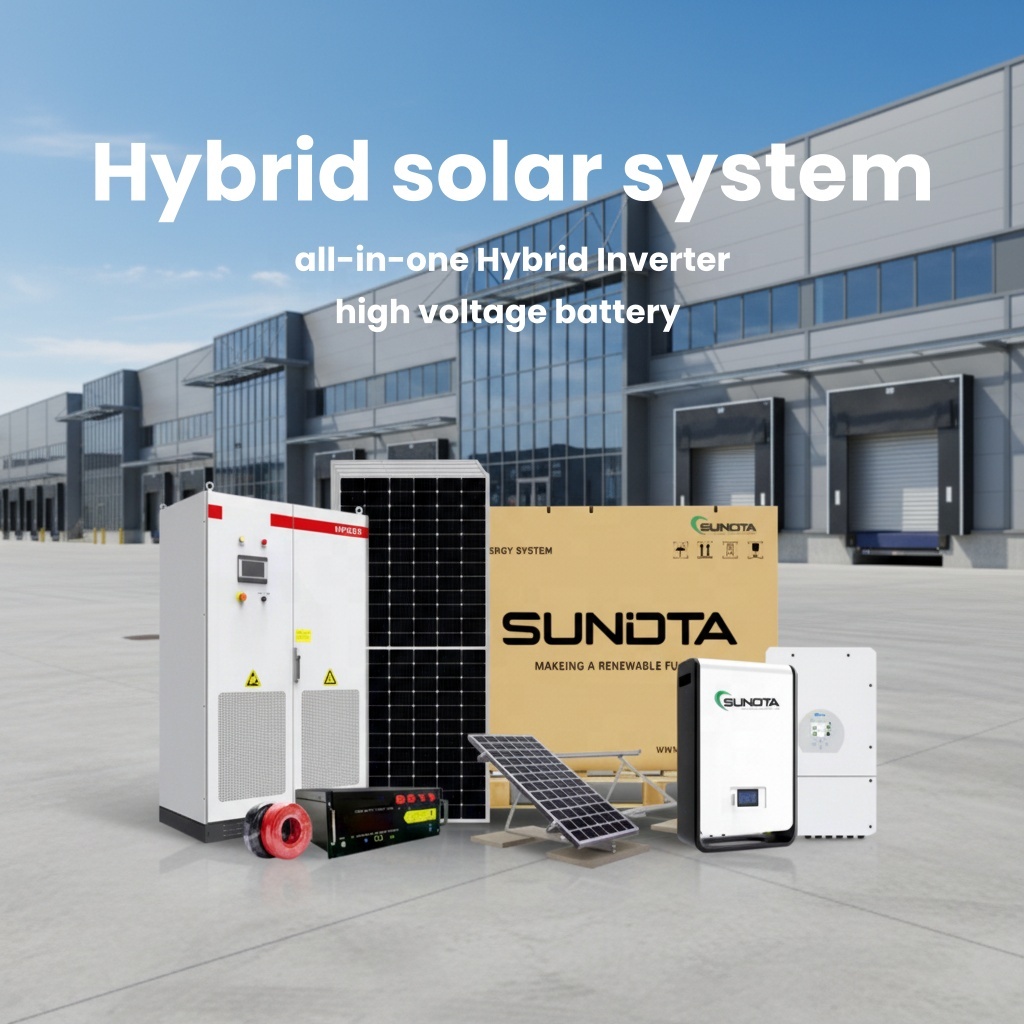
With the expansion of authorized private micro, small, and medium-sized enterprises (MIPYMES) across Camagüey city, urban bakeries, plastics manufacturers, and cold-storage food wholesalers are investing directly in resilient self-generation. Our 10kW to 20kW hybrid kits allow businesses to maintain operational continuity during daily 8-to-12 hour power disconnections, paying back hardware investment within 18 to 24 months.
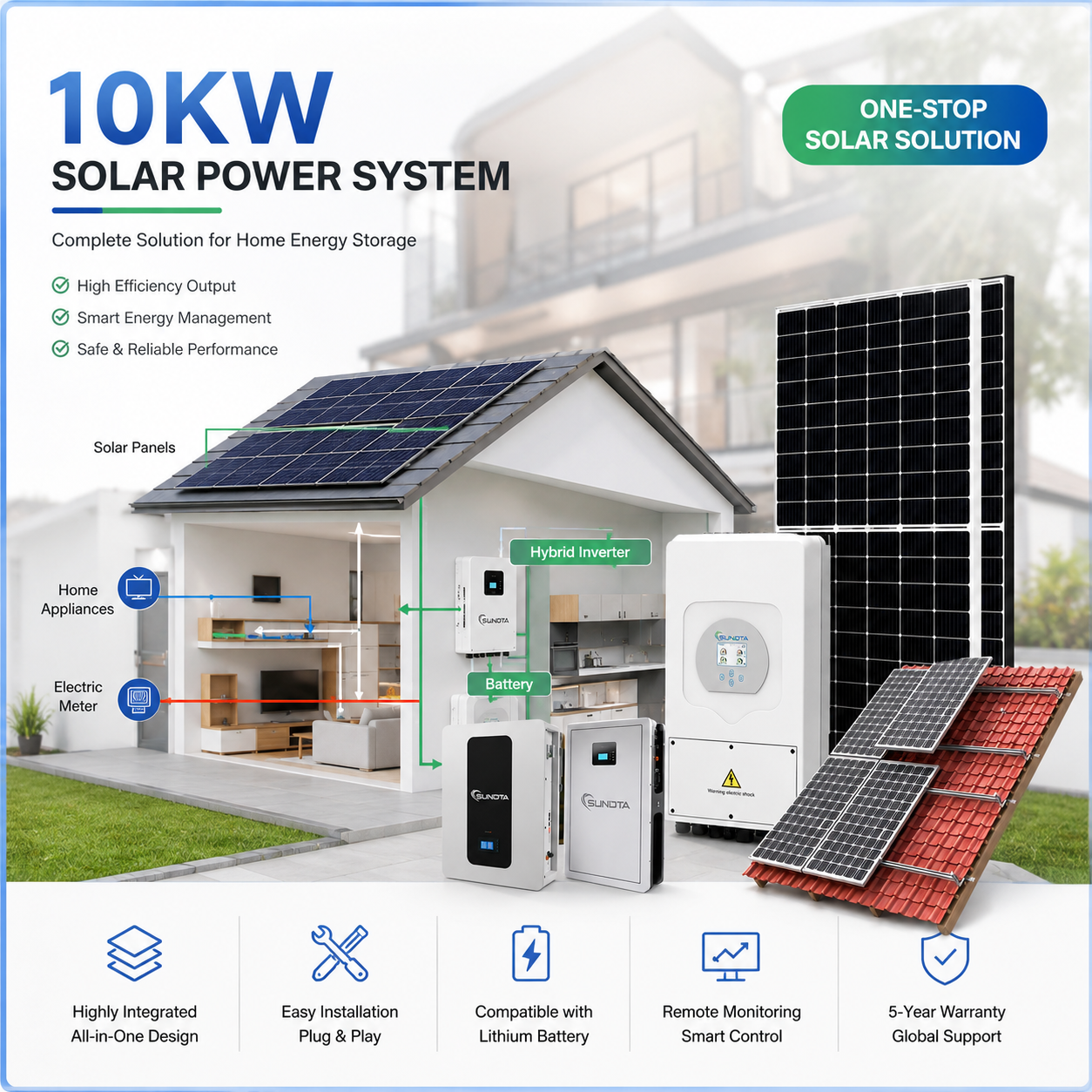
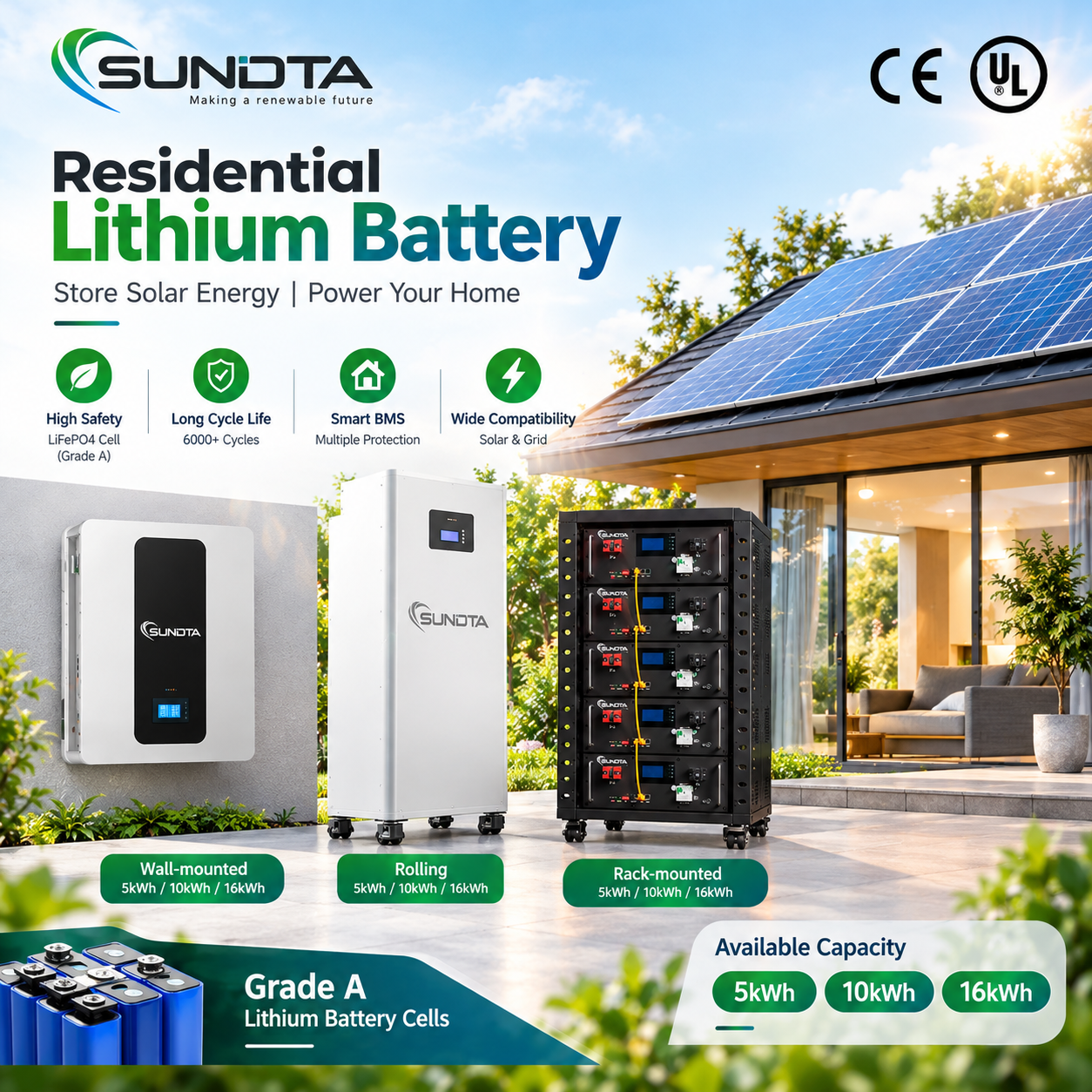
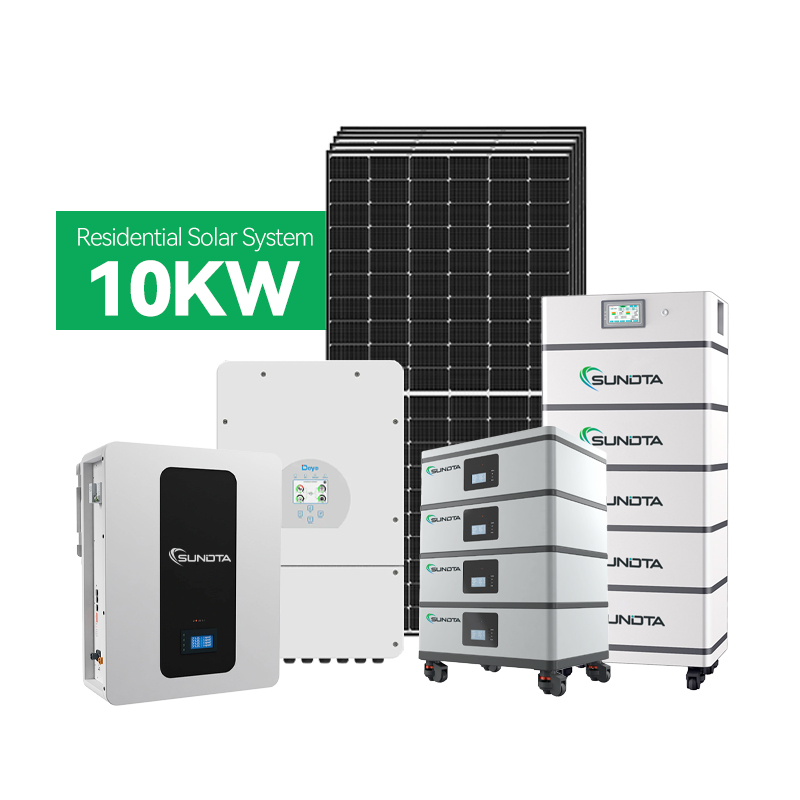
The colonial architectural core of Camagüey presents specific rooftop footprint constraints and split-phase 120V/240V 60Hz domestic wiring. Our wall-mounted 51.2V 14.336kWh LiFePO4 batteries paired with compact 5kW–8kW bidirectional hybrid inverters offer compact, silent power walls that fit courtyards and utility rooms, backing up refrigeration, fans, lighting, and computing without fuel storage risks.
Water wells and transmission repeaters distributed across the savanna rely on independent off-grid solar kits. Our bidirectional solar units automatically arbitrate between solar generation, deep-well borehole pumps, and battery reserves. Built-in dry contacts automate auxiliary generator start-up during prolonged overcast rainy spells without requiring manual operational labor.
Analyzing regulatory exemptions, commercial import channels, and technological shifts defining solar equipment adoption in 2024–2026.
In response to ongoing challenges within the National Electric System (SEN), Cuban regulatory decrees (including updates stemming from Resolution 206/2021 and customs duty exemptions) have significantly reduced or eliminated tariffs on solar panels, bidirectional inverters, and lithium energy storage imports by private individuals and licensed commercial businesses. This legal framework makes direct container importing via the Port of Mariel (ZEDM) economically viable for regional resellers and commercial groups.
Historically, secondary market purchasers in Camagüey relied on deep-cycle AGM or automotive lead-acid batteries. These chemistry types break down rapidly under extreme tropical temperatures and daily deep discharges (exceeding 80%), often failing within 8 to 14 months. Today, project developers demand prismatic LiFePO4 chemistry with integrated Battery Management Systems (BMS) supporting 6,000 cycles, cutting the annualized Levelized Cost of Storage (LCOS) by over 65%.
Pure off-grid inverters that ignore intermittent grid availability are being superseded by bidirectional hybrid systems. Buyers require units capable of synchronizing with weak utility power when it operates for 4 to 6 hours, utilizing bidirectional rectification to top off batteries at maximum charging rates, and reverting instantly to off-grid mode when rotational load shedding resumes.
Headquartered in Hefei, China, Anhui RJV New Energy combines high-throughput automated manufacturing, rigorous quality certifications, and complete solar system coordination under one roof.
State-of-the-art robotic production lines in Hefei with 12+ years of manufacturing experience, ensuring high-yield cell assembly and stringent quality controls.
Our operational capabilities, corporate governance, and testing laboratories have undergone complete on-site supplier verification by TÜV Rheinland with full CE compliance.
Factory-tested communication firmware seamlessly aligns Deye, Solis, and RJV inverters with our LiFePO4 batteries via CAN 2.0B and RS485 protocols.
Reinforced maritime wooden crates, vapor-barrier desiccants, and shock-resistant cushioning eliminate damage during maritime transport to Havana, Mariel, or Santiago.
Clear engineering and commercial answers to the common questions asked by Cuban EPCs, farm owners, private enterprises, and international buyers.
Yes. Unlike European equipment that operates strictly at 50Hz (230V single-phase / 400V three-phase), our export product line includes dedicated North American/Caribbean grid models operating at 60Hz with true 120V/240V split-phase architecture (two live legs, one neutral, and ground). We also supply 220V/380V and 277V/480V 60Hz systems for three-phase commercial and agricultural processing facilities across Camagüey.
Our inverters are built with an extra-wide AC input voltage threshold (tolerating 85V to 150V L-N) and programmable grid disconnect delays. When the voltage plummets below functional levels or phase-angle stability collapses, the inverter automatically decouples via physical mechanical contactors within 10 milliseconds, preventing low-voltage brownout damage to compressor motors, refrigerators, and electronics inside the premises.
Yes. Our bidirectional inverters feature an auxiliary AC input port and programmable dry contact relay specifically designed for diesel or gasoline generator synchronization. If the solar PV array is generating insufficient energy during cloudy hurricane weather and the battery bank approaches its lower depth-of-discharge threshold, the inverter sends a dry contact start command to the generator, synchronizes with its frequency, and uses high-amperage bidirectional rectification to rapidly replenish the battery bank while powering active loads.
For standalone bidirectional inverters and modular 51.2V LiFePO4 batteries, our MOQ is just 1 piece or 1 set to accommodate sample testing and initial trial deployments. Complete turnkey solar systems have an MOQ of 1 complete kit. Standard factory dispatch lead times are 7 to 15 working days. Ocean freight from Shanghai or Ningbo to the Port of Mariel (ZEDM) or Santiago de Cuba typically ranges between 35 and 45 transit days.
Our LiFePO4 battery modules integrate a proprietary multi-protocol smart BMS that supports closed-loop CAN 2.0B and RS485 communication. Protocol matching is pre-configured at the factory prior to crating. By selecting the corresponding protocol profile via the battery LCD touchscreen or DIP switches, the inverter immediately recognizes state of charge (SoC), maximum charge/discharge current limits, individual cell voltages, and thermal safeguards without manual register configuration.
Every export consignment leaves our Hefei factory accompanied by formal Commercial Invoices, certified Packing Lists, Original Bills of Lading (B/L), CE Conformity Certificates, IEC 62109 / IEC 62040 test certifications, UN38.3 Lithium Battery Transport Safety Reports, and MSDS documentation. This satisfies the regulatory requirements established by Cuban customs inspectors and local technical verification bodies.
Consult directly with our bilingual renewable engineering team. Receive customized system sizing calculations, single-line electrical diagrams, and current factory-gate pricing tailored to your Caribbean delivery requirements.