China Wholesale Foldable Solar Panels Suppliers & Exporter serving the Mexico market
Engineering-grade portable PV arrays, TOPCon bifacial modules, and integrated hybrid energy storage systems tailored for Mexican EPC contractors, solar distributors, and off-grid industrial deployments.
Featured Export Catalog
Turnkey Photovoltaic & Energy Storage Solutions for Mexico
Pre-engineered for NOM-001-SEDE compliance, CFE interconnectivity, and harsh desert-to-coast Mexican climatic zones. Ready for immediate B2B container shipment.
Whitepaper: Strategic Procurement of Solar Solutions & Foldable PV Systems for Mexico
As Mexico accelerates its energy transition across commercial, agricultural, and residential sectors, B2B procurement specialists, Engineering, Procurement, and Construction (EPC) contractors, and clean-tech distributors face complex engineering demands. Mexico boasts exceptional solar radiation, ranging between 5.5 kWh/m² and 6.8 kWh/m² daily across northern and central states like Sonora, Chihuahua, Baja California, and Jalisco. However, high ambient temperatures, complex tariff schemes governed by the Comisión Federal de Electricidad (CFE), grid congestion, and rigorous NOM-001-SEDE regulatory requirements make component selection a technical decision with significant financial impact.
Anhui RJV New Energy Co., Ltd. serves as a direct Chinese manufacturing partner and tier-tier system integrator, providing both high-output utility-scale PV modules and deployable, ruggedized foldable and lightweight solar solutions designed specifically for Mexico's distinct topographical and operational challenges.
Information Gain Insight: While traditional fixed arrays dominate urban commercial rooftops, the surging demand for mobile industrial exploration, agro-irrigation pumping stations, and off-grid emergency backup has turned portable, high-efficiency foldable PV arrays into a vital revenue stream for Mexican solar importers. Selecting systems with standardized MC4 IP68 quick-connectors, ETFE coatings, and multi-protocol lithium integration eliminates compatibility failures in remote territories.
Photovoltaic Technology Comparison for Mexican Operating Environments
Operating solar assets in Mexico requires navigating extreme environmental conditions. Modules in the Sonoran desert encounter rooftop temperatures exceeding 65°C, where severe thermal coefficient losses can cripple generation. Meanwhile, installations along the Gulf Coast and the Pacific shoreline confront intense humidity, salt-spray corrosion, and tropical storm cycles. The matrix below provides procurement directors with concrete benchmarks across available panel architectures:
Engineered Local Application Scenarios Across the Mexican Republic
Configuring a solar PV installation or hybrid energy storage system requires mapping the bill of materials directly to regional grid conditions, climate stresses, and local utility dynamics:
Nearshoring Industrial Corridors
Manufacturing clusters in Monterrey, Saltillo, and Ciudad Juárez face severe grid capacity bottlenecks. Integrating 50kW–100kW hybrid storage reduces expensive GDMTH peak demand charges and protects CNC lines from voltage sags.
Off-Grid Agribusiness & Irrigation
Remote avocado, agave, and cattle operations across Jalisco, Michoacán, and Sonora rely heavily on diesel generators. Deployable and fixed PV arrays coupled with MPPT pump controllers slash diesel costs by up to 85%.
Baja & Caribbean Eco-Hospitality
Isolated luxury resorts in Baja California Sur and Quintana Roo face weak, isolated microgrids. Foldable arrays and modular 10–30kWh LiFePO4 batteries deliver quiet, emissions-free luxury power with zero noise pollution.
Tarifa DAC Residential Mitigation
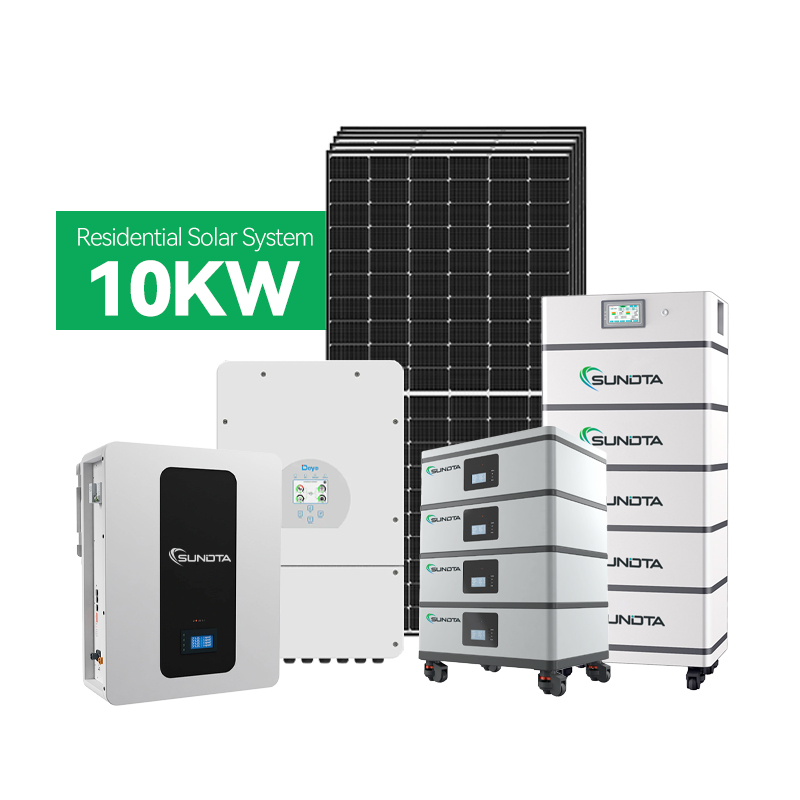
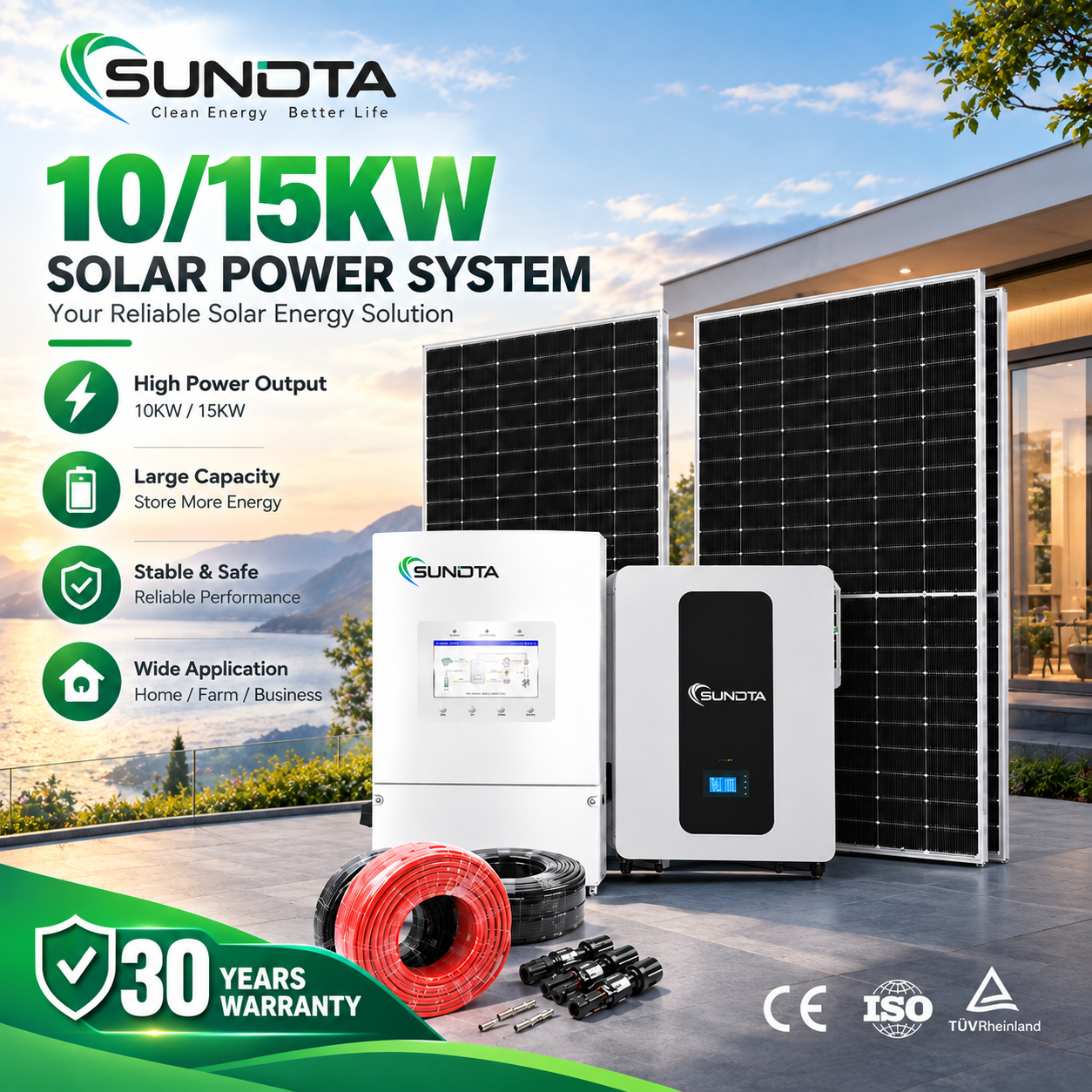
Residential consumers pushed into CFE’s punitive Tarifa Doméstica de Alto Consumo (DAC) eliminate variable tiered pricing by pairing 5kW–12kW hybrid kits with high-efficiency all-black or TOPCon solar modules.
The Mexican energy landscape is undergoing rapid transformation, opening up unprecedented opportunities for commercial importers and EPC system integrators:
1. Expansion of Generación Distribuida (GD)
Under current Mexican regulatory frameworks managed by the Comisión Reguladora de Energía (CRE), solar power installations below 500 kWp enjoy an expedited, permit-exempt interconnection process with the CFE. Legislative movements continue to push for expanding this threshold to 1 MWp to support nearshoring demands. EPCs are using modular high-capacity components—such as our 595W–730W N-Type panels paired with multiple three-phase hybrid inverters—to build projects that sit directly under the 500 kWp interconnection ceiling while maximizing energy yield per square meter.
2. The Nearshoring Manufacturing Boom in Bajío & the North
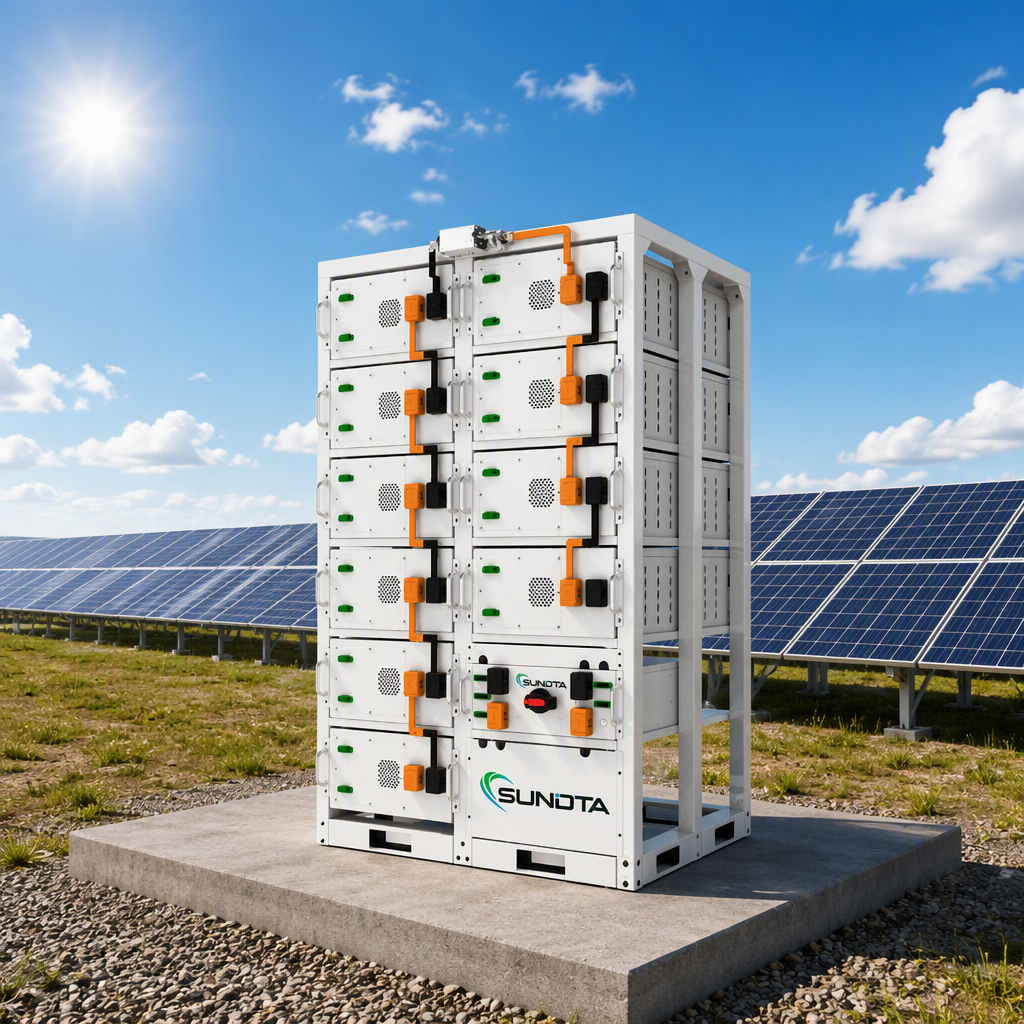
With international automotive, aerospace, and electronics corporations establishing manufacturing hubs across Nuevo León, Coahuila, Querétaro, and Guanajuato, regional transmission lines are reaching saturation. Industrial tenants cannot wait 18 to 24 months for local utility substation upgrades. Consequently, private microgrids, containerized BESS installations (1MWh–2MWh), and rooftop arrays have shifted from voluntary CSR initiatives to fundamental operational imperatives.
3. Severe Demand for Resilient Grid-Forming Battery Storage
Mexico's national grid (Sistema Interconectado Nacional, SIN) faces persistent transmission congestion, triggering rolling blackouts and voltage volatility during peak summer heatwaves. Hybrid solar systems capable of true zero-millisecond UPS switching and black-start functionality are in high demand across commercial warehouses, cold-chain logistics facilities, and high-value residential communities.
2 GWAnnual Module Production
500+ MWGlobal Projects Commissioned
38Patents & IP Authorizations
AAACommercial Credit Rating
Enterprise Sourcing Advantages: Why Mexican EPCs Partner with RJV
Procuring solar and battery systems directly from China can present operational risks if the manufacturer lacks deep engineering standards, clear certification pathways, and responsive international trade capabilities. Anhui RJV New Energy Co., Ltd. eliminates these friction points:
TÜV Rheinland Assessed
Our manufacturing and assembly facilities undergo rigorous on-site verification by TÜV Rheinland. Full flash-test reports and electroluminescence (EL) crack inspections accompany every dispatched container.
Full BOM Interoperability
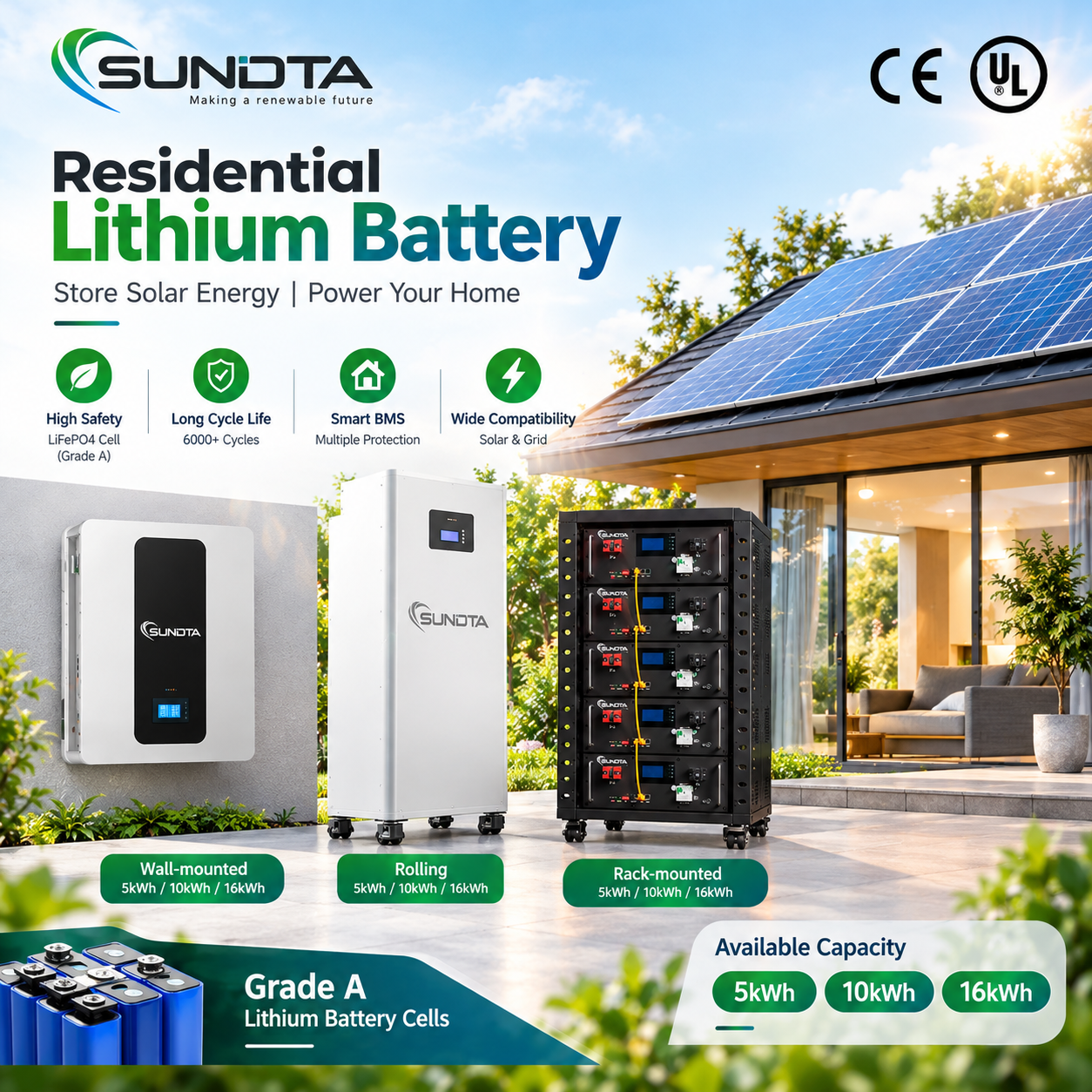
We eliminate communication mismatches between BMS lithium batteries and Deye/Solis hybrid inverters. Every component's firmware, CAN/RS485 protocol, and MPPT ranges are synchronized before shipping.
Mexican Port Logistics Expertise
Direct liner bookings from Ningbo and Shanghai to Puerto de Manzanillo and Lázaro Cárdenas, delivering reliable 18-to-24-day maritime transits, compliant wooden pallet fumigation, and proper maritime packing.
Dedicated Engineering Support
Bilingual electrical engineering specialists are on call for array sizing, string voltage verification, and after-sales troubleshooting across Mexican central and Pacific time zones.
Frequently Asked Questions: Sourcing Solar Equipment for Mexico
Clear, practical guidance on the most common compliance, commercial, and technical inquiries raised by Mexican customs agents, solar distributors, and EPC directors:
Are your solar modules and inverters compliant with Mexican NOM and CFE requirements?
Yes. Our solar panels are certified under international IEC 61215 and IEC 61730 standards, fulfilling the technical benchmarks mandated by NOM-001-SEDE-2012 (Instalaciones Eléctricas) and CRE interconnection directives. Our hybrid inverters carry UL 1741, IEEE 1547, and CE certifications, allowing seamless integration and interconnection approval with the Comisión Federal de Electricidad (CFE) for Net Metering (Medición Neta) and Net Billing schemes.
What are the HS codes and tariff considerations for importing solar panels into Mexico?
Photovoltaic modules imported into Mexico generally clear customs under HS code (Fracción Arancelaria) 8541.43.01 (Photovoltaic cells assembled in modules or made up in panels). Mexico supports clean energy adoption, so solar panels benefit from a 0% General Import Duty (IGI - Impuesto General de Importación), although the standard 16% Impuesto al Valor Agregado (IVA) applies at customs clearance alongside DTA (Derecho de Trámite Aduanero). We supply complete certified commercial invoices, packing lists, and Certificates of Origin to streamline the creation of your Pedimento Aduanal.
What is the typical shipping transit time and port of entry for Mexico?
Ocean freight dispatched from our production facilities in Anhui departs via the primary deep-water ports of Ningbo or Shanghai. Direct maritime routing to Mexico’s primary Pacific trade terminals—Puerto de Manzanillo (Colima) and Puerto de Lázaro Cárdenas (Michoacán)—typically takes 18 to 24 days on the water. For operations along the Gulf Coast or industrial projects near Monterrey, transit via Altamira or Veracruz can also be arranged.
How do you protect solar modules and electronics against transport damage during maritime freight?
Photovoltaic modules are packaged vertically in heavy-duty, reinforced corrugated cardboard master cartons secured to fumigated ISPM-15-compliant wooden pallets. Corner protectors and moisture-proof stretch wrapping prevent salt air penetration and micro-cracking during ocean voyages. Inverters and LiFePO4 batteries are packed inside individual shock-damped wooden crates with desiccants and UN38.3 lithium battery safety labeling.
Can we execute mixed-container orders comprising panels, inverters, and battery storage?
Yes. A key operational advantage of partnering with RJV is our integrated Balance of System (BOS) consolidation service. Mexican distributors can order mixed 40ft High Cube (HQ) containers combining N-type solar modules, foldable arrays, hybrid single-phase/three-phase inverters, and modular LiFePO4 battery stacks in a single shipment. This optimizes logistics costs and simplifies customs clearance.
How are warranty claims and technical component replacements handled for installations in Mexico?
We provide a 12-to-15-year product materials warranty and a 30-year linear performance warranty on solar panels, backed by an initial spare parts allocation included in commercial container contracts. For inverters and batteries, our engineering team conducts fast remote diagnostics via cloud-linked dataloggers. If a verified failure occurs, replacement boards or complete units are dispatched via express air freight to minimize system downtime.
Accelerate Your Mexican Solar Projects with Direct Factory Pricing
Connect with our senior technical sales team to request project-specific engineering datasheets, FOB/CIF Manzanillo quotations, or complete custom Bill of Materials (BOM) design reviews within 24 business hours.