Industrial & Commercial Energy Storage Hardware
Direct factory delivery to Spain and Southern Europe. Every battery rack, modular pack, and hybrid conversion system undergoes closed-loop testing for complete compatibility with regional grid norms and local climatic demands.
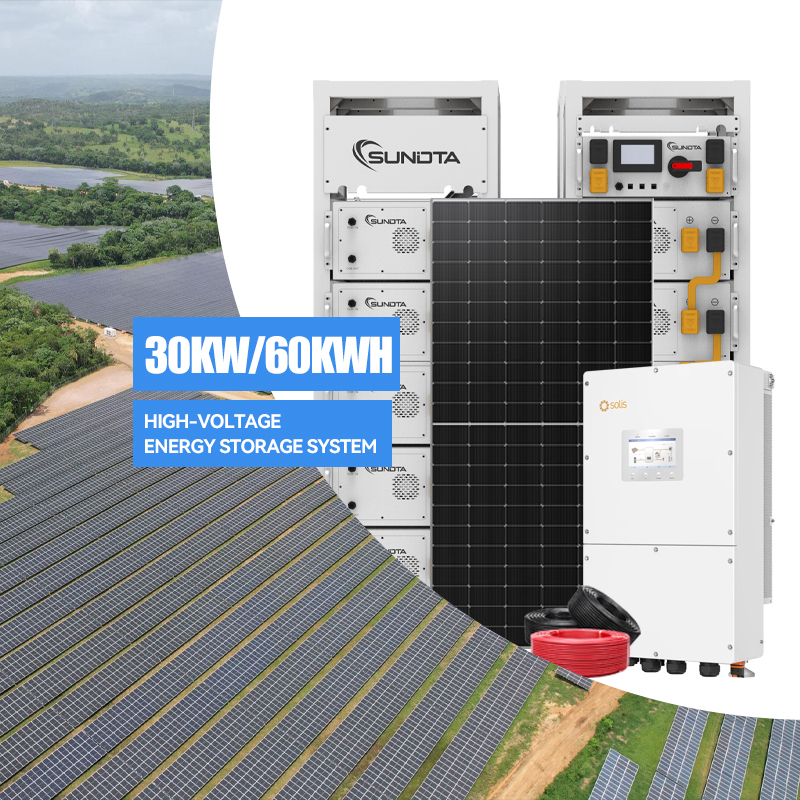
Off Grid Hybrid Solar Energy Storage System 20KW 30KW 40KW Hot-selling 30 kw Hybrid for Home Use With EU Certification
- 20kW to 40kW Modular Inversion
- Certified CE / UNE Standards
- Seamless Grid Backup Relay
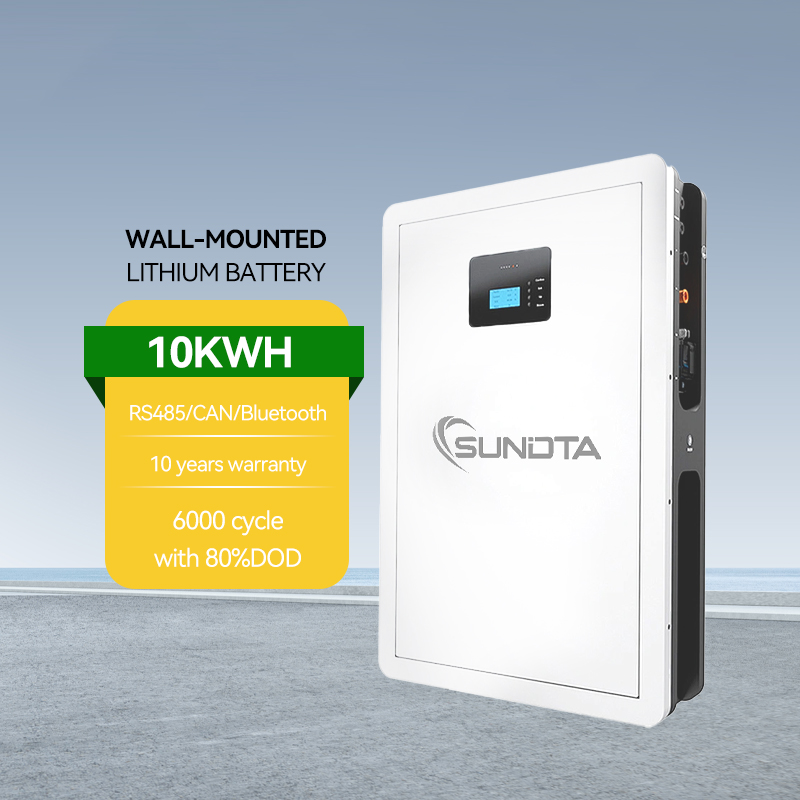
Fast Shipping Stock Solar Battery 48V 51.2V 100Ah 200Ah 5kWh Wall Mounted LiFePO4 Local Warehouse
- 51.2V Prismatic LFP Architecture
- Direct CAN/RS485 Protocol
- >6,000 Life Cycles @ 80% DoD
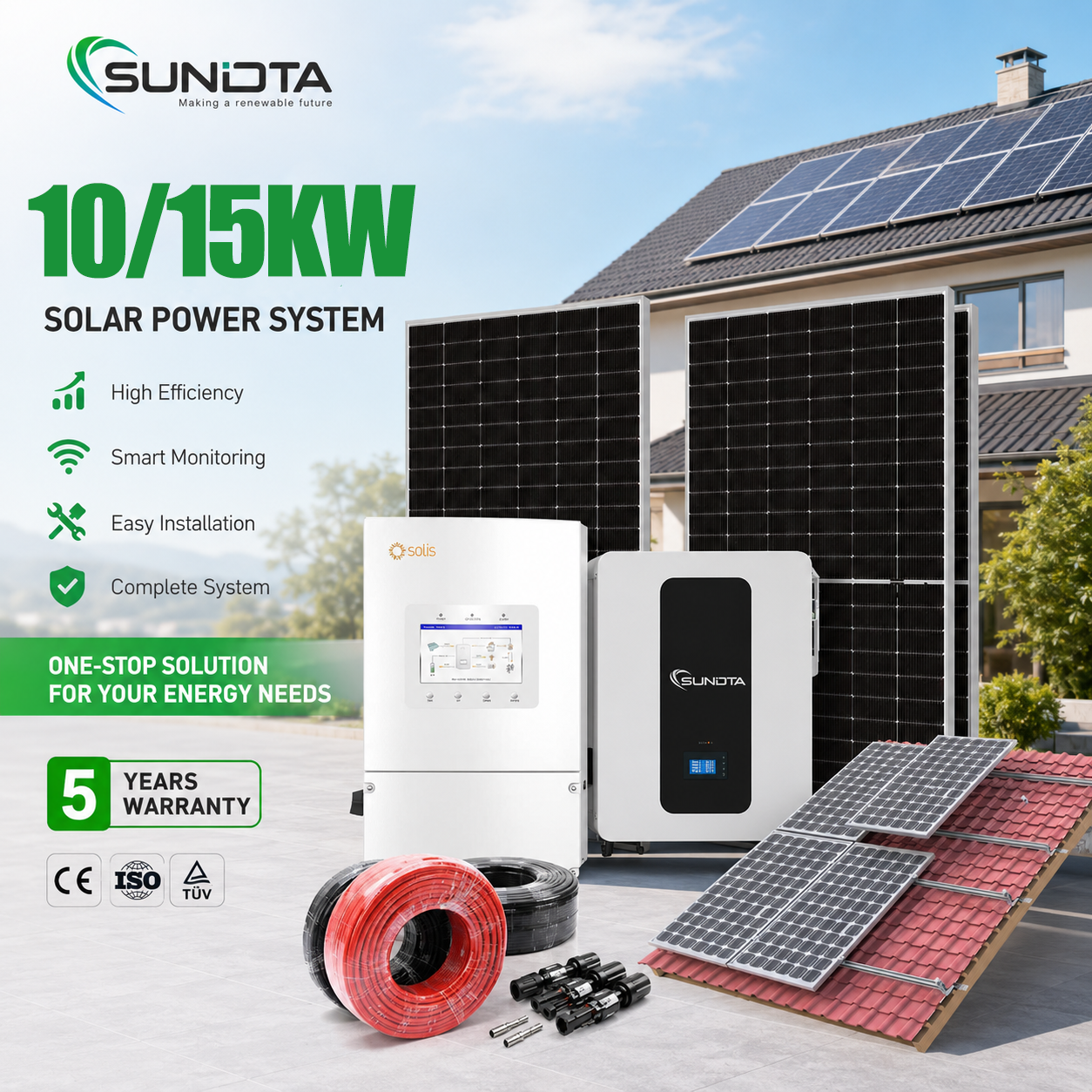
Customized Factory Price 8kW 10kW 15kW On-Off Grid Solar System Full Set with Mono Solar Panel & Lithium LiFePO4 Battery
- 8kW to 15kW Dual-Mode Switch
- Monocrystalline Array Matched
- Complete Cabling & Protections
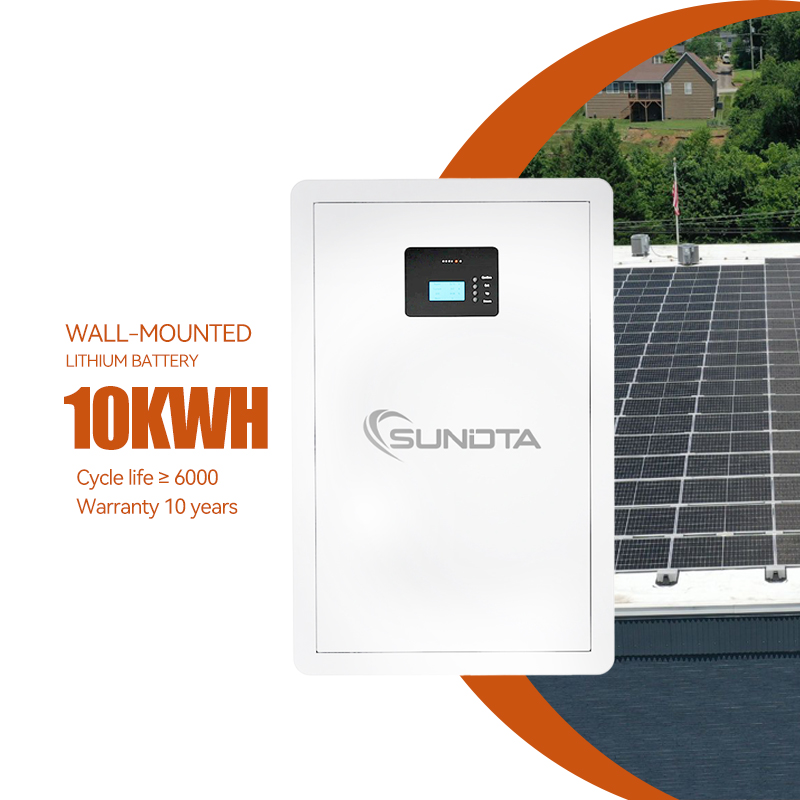
Sundta IP65 10kWh 51.2V 200Ah Wall Mounted LiFePO4 Battery for Home Solar Storage with Smart BMS
- IP65 Outdoor Enclosure Grade
- Integrated Active Balancing BMS
- Compact Wall Mount Footprint
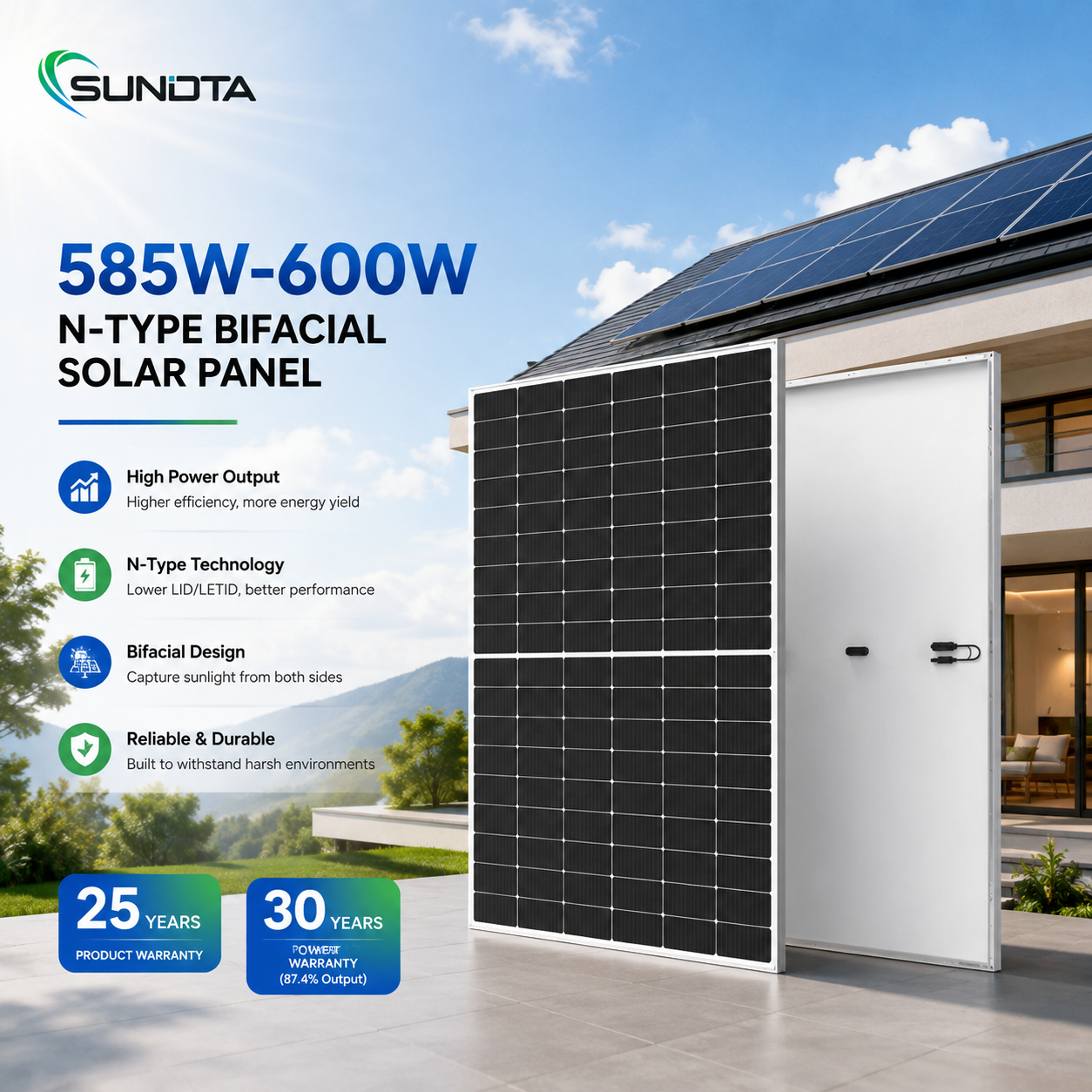
585W-595W Premium N-Type Bifacial PV Module | Monocrystalline Solar Panel for High-Yield Energy Generation
- 22.8%+ Maximum Module Yield
- Bifacial Gain: Up to +25%
- Superior High-Temp Coefficient
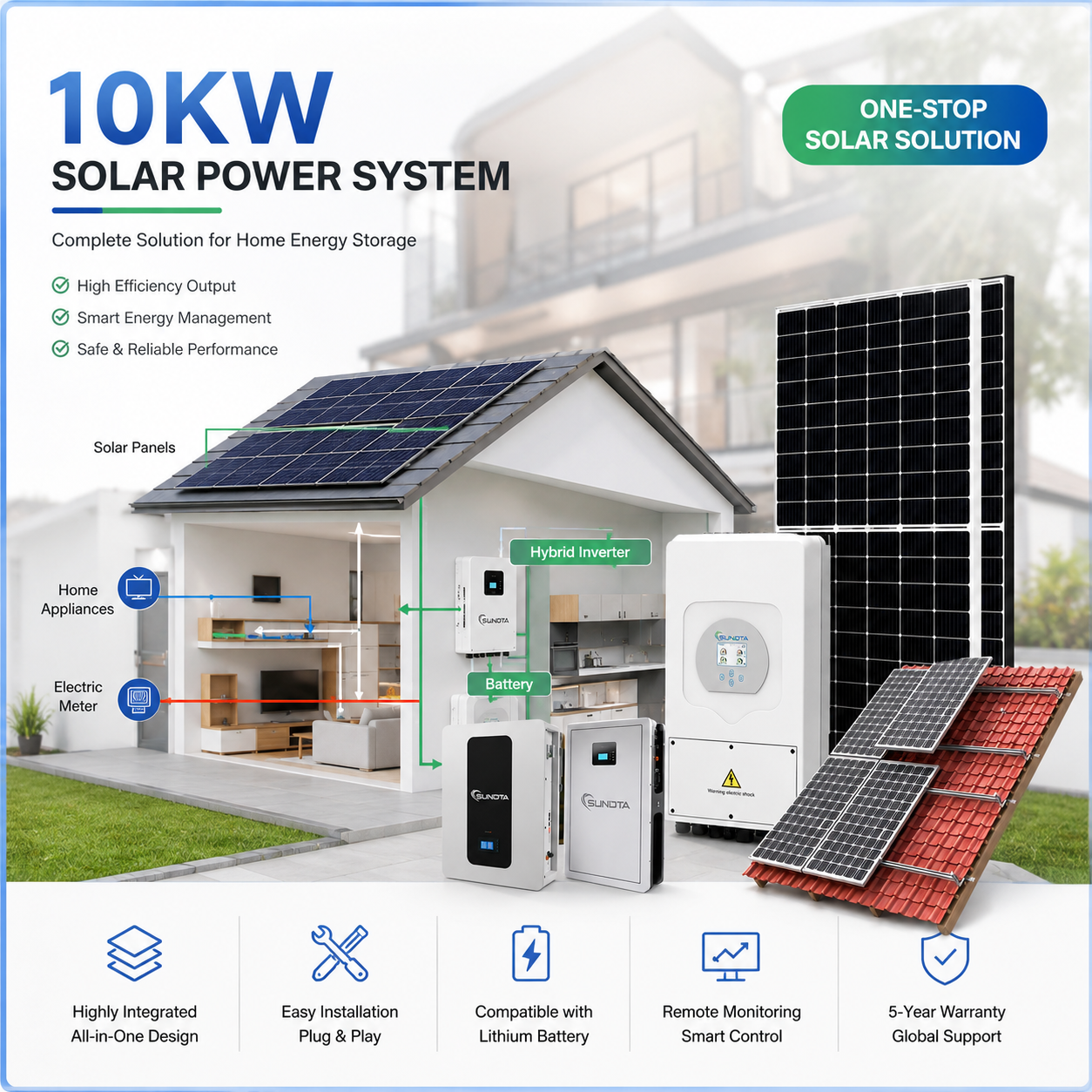
15kW-50kW High-Efficiency Hybrid Solar Power System with Smart MPPT for Whole-House Backup
- Smart MPPT Tracking Logic
- High-Voltage Battery Connection
- Peak-Shaving Schedule Programmable
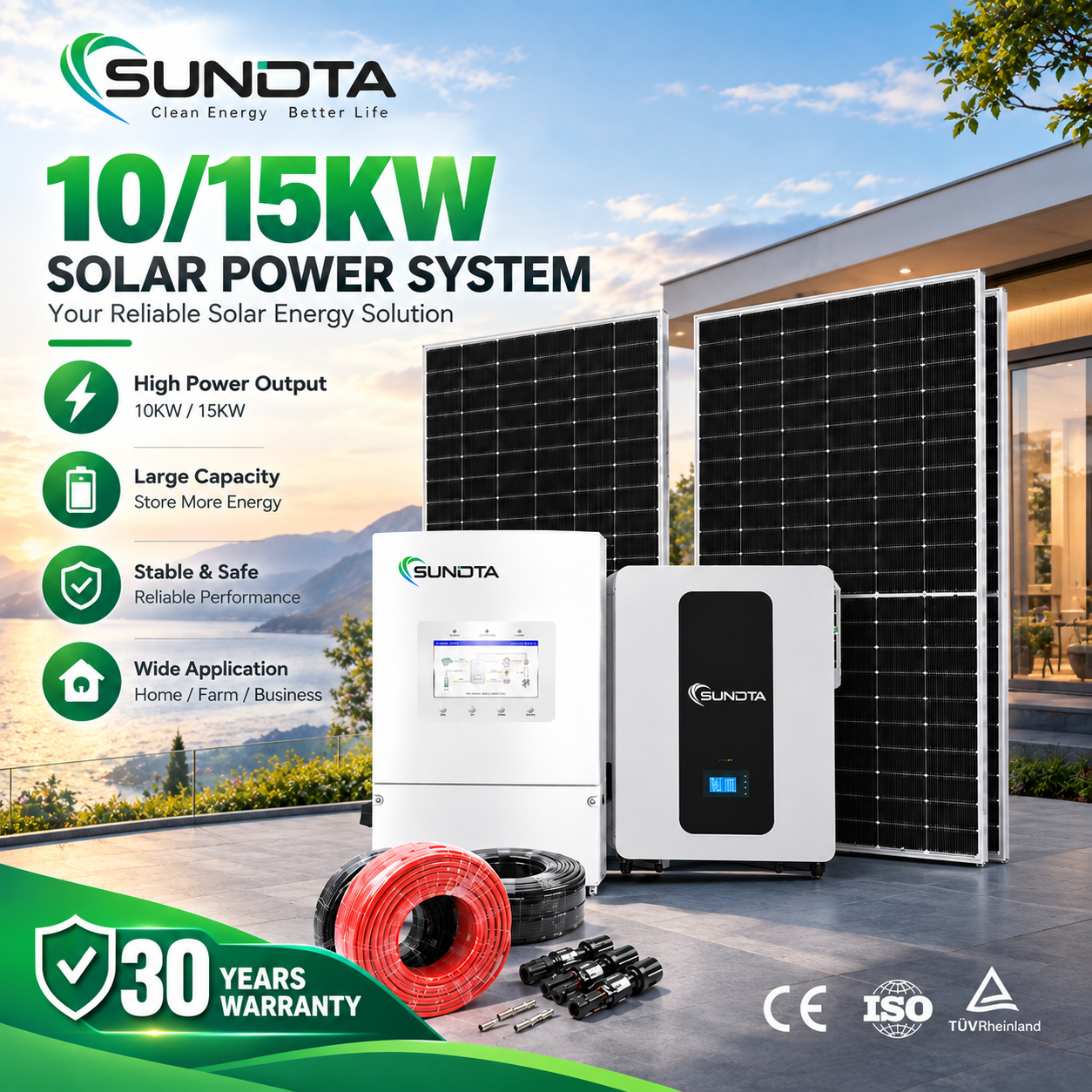
Premium 585W-595W N Type Bifacial PV Module High Yield Monocrystalline Solar Panels 590W Tier 1 Solar Power System
- Dual Glass Anti-PID Architecture
- Wind / Snow Load Certified
- 30-Year Linear Power Warranty
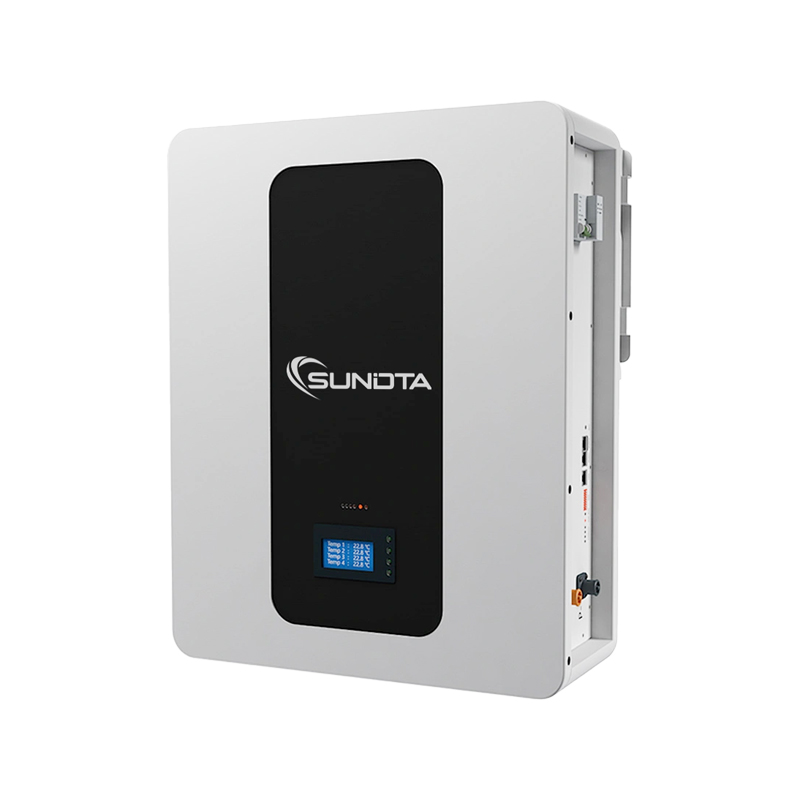
Sundta EU Warehouse 48V/51.2V LiFePO4 Lithium Ion Battery 10kWh Solar Home Energy Storage System Wall-Mounted 200Ah Capacity
- Rapid Dispatch from EU Hub
- Zero Customs Handling for Buyers
- Seamless Deye & Solis Handshake
The Commercial Energy Storage Paradigm in Granada and Andalusia
The province of Granada, situated in the autonomous community of Andalusia, represents one of Southern Europe’s most demanding yet economically promising deployment grounds for Commercial and Industrial (C&I) Battery Energy Storage Systems (BESS). Benefiting from more than 3,000 hours of peak annual solar irradiance and Global Horizontal Irradiance (GHI) exceeding 1,850 kWh/m²/year, Granada has witnessed accelerated penetration of rooftop and ground-mounted photovoltaic systems. However, this solar abundance has generated acute economic and operational friction within the regional distribution networks operated by Endesa (e-distribución).
Under Spain's regulatory structure—specifically shaped by Royal Decree 244/2019 (governing administrative, technical, and economic conditions for electrical self-consumption) and the six-period tariff schedules (Tarifa 6.1TD and 6.2TD)—commercial entities face steep penalties during high-demand peak windows (P1 and P2). These peak hours typically strike between 10:00 to 14:00 and 18:00 to 22:00 in central and southern Spain. For manufacturing facilities, cold storage warehouses, agricultural processing centers, and hospitality resorts in Granada, drawing unscheduled peak load directly from the medium-voltage infrastructure results in disproportionately inflated capacity charges (término de potencia) and excess penalty surcharges.
Strategic Economic Reality: In Andalusia, solar production peaks between 13:00 and 16:00, saturating sub-station feeders and severely devaluing mid-day grid-injected energy. Integrating commercial LiFePO4 BESS enables Granada commercial operators to arbitrate these dynamic price spreads, moving excess mid-day production into evening P1/P2 operational windows while securing mission-critical uninterrupted power supplies.
Furthermore, Andalusia's regional energy agency (Agencia Andaluza de la Energía) and the national decarbonization commitments outlined in Spain’s updated PNIEC (Plan Nacional Integrado de Energía y Clima 2023–2030) target 22 GW of national energy storage deployment by 2030. Commercial enterprises in Granada are actively turning toward factory-direct manufacturers capable of supplying CE-certified, grid-compliant, lithium iron phosphate architectures that qualify for regional NextGenerationEU modernization incentives and capital deduction subsidies.
Localized Commercial Applications across Granada Province
Our modular energy storage hardware is architected to address the unique logistical, agricultural, and thermal realities across the Vega de Granada, the Sierra Nevada foothills, and coastal Andalusia.
Olive Mills (Almazaras) & Agro-Processing
The agricultural backbone of Granada—stretching across Montes de Granada, Guadix, and Iznalloz—features intensive harvesting and pressing cycles between November and February. Olive mills experience massive inductive motor surges from centrifugal decanters and washing lines. Containerized BESS units (50 kW to 250 kW) alleviate high maximum-demand billing tariffs and maintain operations during regional rural grid dropouts.
Peak-Shaving & Surge AbsorptionCold Storage & Food Logistics Corridors
Logistics nodes concentrated along the A-92 / A-44 highway junctions, as well as food distribution enterprises around Mercagranada, maintain relentless 24/7 refrigeration loads. During hot Andalusian summers when ambient temperatures exceed 40°C, chillers operate at peak thermodynamic load. High-voltage stackable LiFePO4 batteries coupled with Solis/Deye hybrid electronics offset peak summer rates and guarantee thermal preservation.
Continuous Thermal PreservationSierra Nevada Eco-Resorts & Rural Hospitality
Granada’s mountainous hospitality destinations across the Alpujarras and Monachil confront severe climatic swings, ranging from sub-zero winters to hot summers. Remote boutique hotels often operate at the weak edge of distribution lines. RJV’s IP65 wall-mounted and modular hybrid configurations provide whisper-quiet, zero-emission black start resilience, optimizing self-consumption from rooftop arrays.
Off-Grid & Edge-of-Grid AutonomyCommercial EV Fleets & Industrial Parks
Industrial hubs such as Polígono Industrial Juncaril (Albolote/Peligros) and Polígono Asegra are modernizing commercial delivery fleets. Deploying high-speed DC charging stations instantly triggers contractual capacity overruns on localized transformers. RJV’s high-capacity rack-mounted battery systems serve as power buffers, delivering rapid EV charging discharge without incurring costly transformer upgrades.
Grid Buffer & Fast Fleet ChargingSystem Engineering Architecture & Levelized Cost Comparison
A comparative evaluation of commercial storage architectures operating under southern Spanish environmental parameters and regional tariff stress.
| Evaluation Parameter | Legacy Lead-Acid / Gel Solutions | Standard Low-Voltage LFP (48V) | RJV High-Voltage Stackable LFP | RJV Containerized BESS (1-2 MWh) |
|---|---|---|---|---|
| Usable Depth of Discharge (DoD) | 50% maximum (rapid capacity loss) | 80% - 90% recommended | 90% - 95% continuous | 90% - 95% with liquid thermal control |
| Cycle Longevity (@ 25°C, 0.5C) | 800 – 1,200 cycles | 4,000 – 6,000 cycles | >6,000 cycles | 6,000 – 8,000 cycles |
| Conversion Efficiency (Round-Trip) | 72% - 78% | 88% - 91% (cable I²R losses) | 94% - 96% (minimized cable loss) | 93% - 95% (including auxiliary HVAC) |
| Thermal Resilience in Andalusian Heat | High failure rate >35°C | Derating above 40°C ambient | Active thermal dissipation logic | Industrial dual-inverter HVAC integration |
| Target Regional Application | Obsolete farm installations | Light commercial, small workshops | Hotels, olive mills, supermarkets | Utility-scale PV plants, large factories |
| Regulatory Spanish Compliance | Requires intense ventilation permits | CE, UNE-EN 62619, RD 244 compliant | Full UNE-EN / IEC certification suite | Turnkey grid-tie homologation with Endesa |
Direct Manufacturing Competence: Anhui RJV New Energy
Eliminate intermediary markup and integration failures. Headquartered in Hefei, China, RJV delivers a unified PV and BESS Bill of Materials designed to eliminate on-site commissioning delays for Spanish EPCs and energy contractors.
TÜV Rheinland On-Site Assessed
Our production facilities, quality management protocols, and product testing methodologies have passed rigorous on-site audit inspections by TÜV Rheinland. We issue genuine flash reports and traceability documents for all deliveries.
Automated 2 GW Production Scale
With an annual module manufacturing capacity exceeding 2 GW and continuous multi-shift cleanroom battery pack assembly lines, RJV satisfies containerized wholesale demands with standard component tolerances and tier-grade consistency.
Native Inverter Partnerships
Factory-level protocol handshake integration with global Tier-1 inverter manufacturers including Deye and Solis. RJV batteries natively communicate via CAN and RS485 without experimental external protocol converters.
Comprehensive Certification
Products meet European CE Low Voltage Directive, Electromagnetic Compatibility (EMC), UN38.3 transport safety, and IEC 62619 / IEC 61215 standards necessary for immediate Spanish distributor stocking and grid interconnect approvals.
Direct EU Warehouse Stocking
We maintain high-demand LiFePO4 battery models and all-black high-efficiency modules within European centralized warehouses, ensuring short delivery transit windows and zero customs friction for urgent Spanish replacements.
Round-the-Clock Engineering
Our multidisciplinary team of electrical and solar software engineers provides comprehensive project sizing, single-line wiring schematics (Esquemas Unifilares), and rapid firmware troubleshooting for EPCs across all Spanish time zones.
Granada Commercial Energy Storage Procurement FAQ
Answers to common technical, legal, and operational questions asked by project developers, EPC engineers, and energy buyers in Southern Spain.
How do RJV energy storage systems comply with Spanish Royal Decree 244/2019 and Endesa interconnect codes?
What is the typical Minimum Order Quantity (MOQ) and shipping lead time to Granada?
How do RJV batteries handle the extreme summer temperatures experienced in Granada?
Can RJV battery systems integrate seamlessly with existing Solis and Deye hybrid inverters?
What warranty coverage and local technical support are provided to Spanish EPCs?
Optimize Your Commercial Energy Infrastructure Today
Whether you are developing a commercial microgrid for an Andalusian agricultural co-op, upgrading cold storage logistics facilities, or sizing high-voltage BESS containers for an industrial park, RJV's senior engineering team delivers tailored single-line schematics, equipment pricing, and technical datasheets within 24 hours.