Commercial ESS
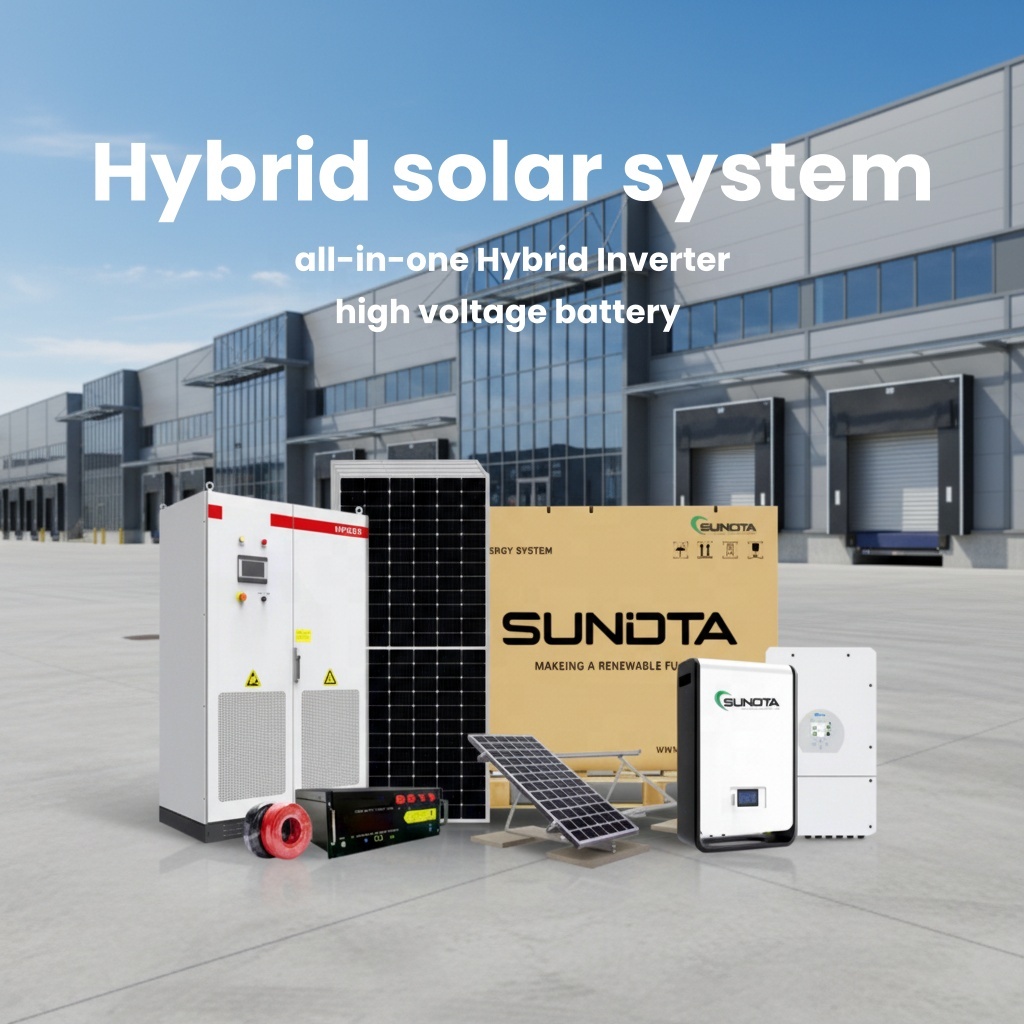
All-in-One Energy Storage Outdoor Cabinet 100kW–500kW
- Scalable C&I microgrid capacity (100–500kWh)
- Dual-loop industrial thermal management
- Built-in fire aerosol suppression system
Rigidly assessed B2B energy storage assemblies featuring automated cell sorting, active BMS telemetry, CAN/RS485 inverter handshakes, and reinforced mechanical enclosures ready for cross-border rail and road transit to Kazakhstan.
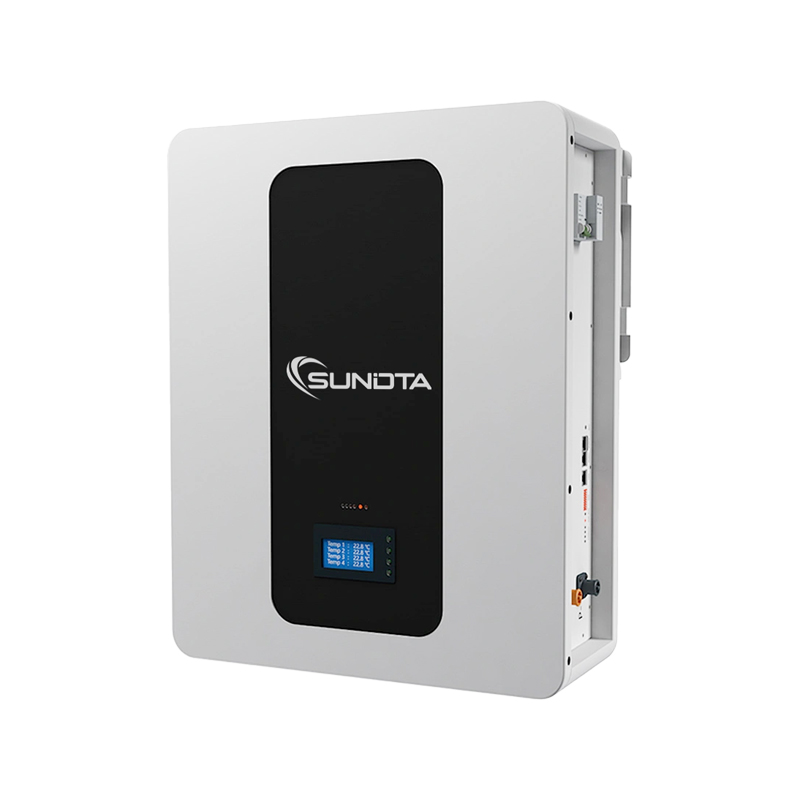
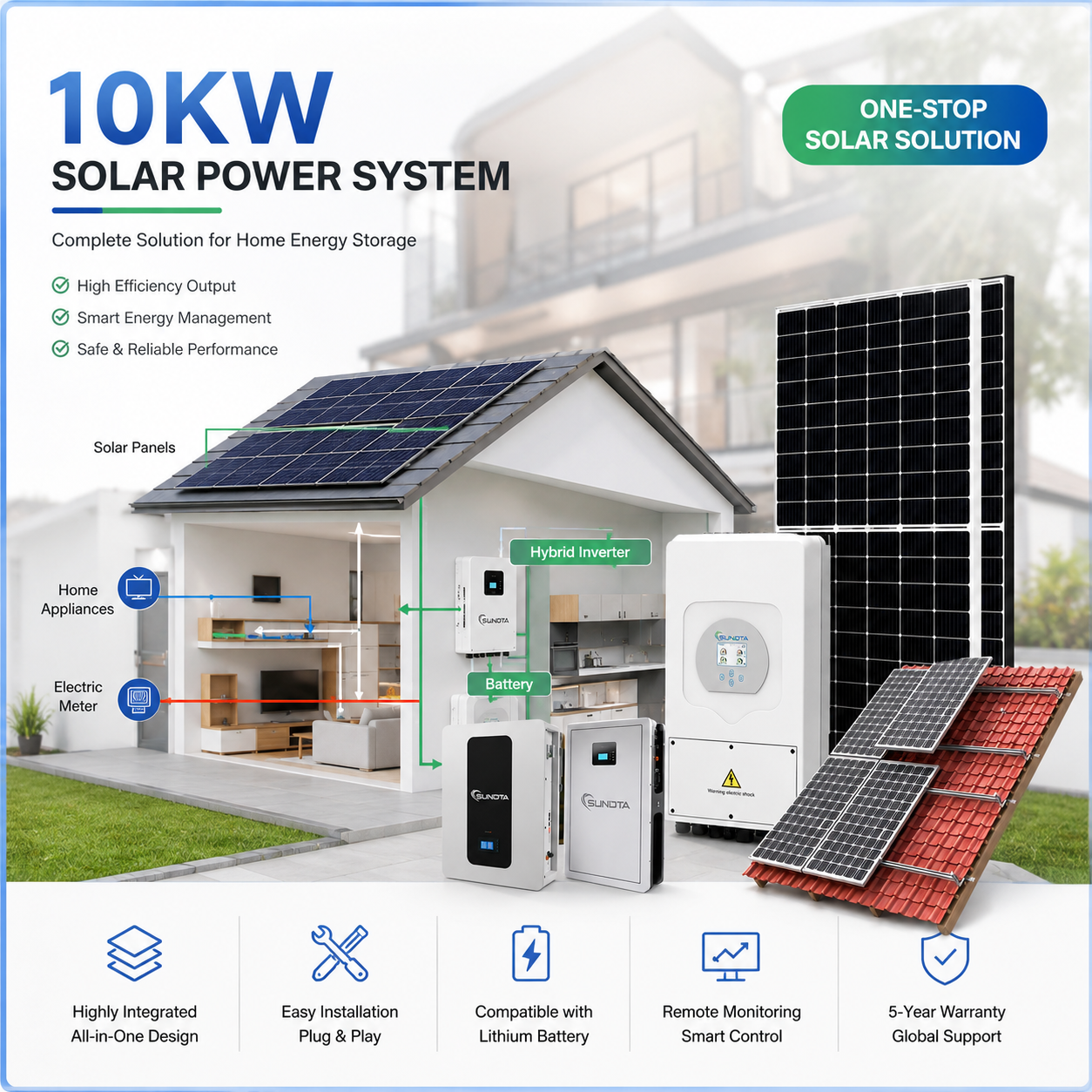
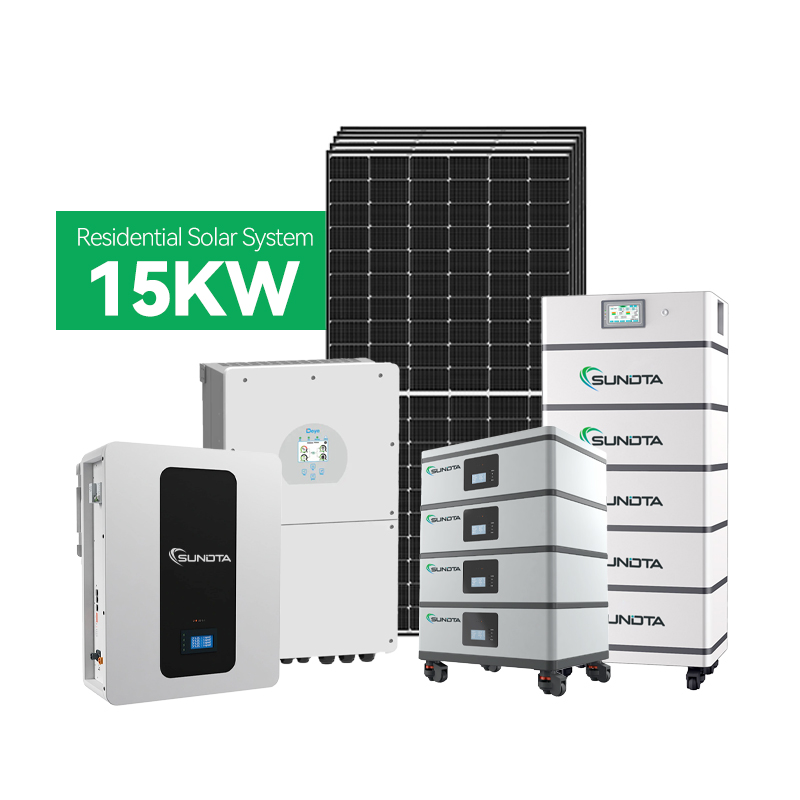
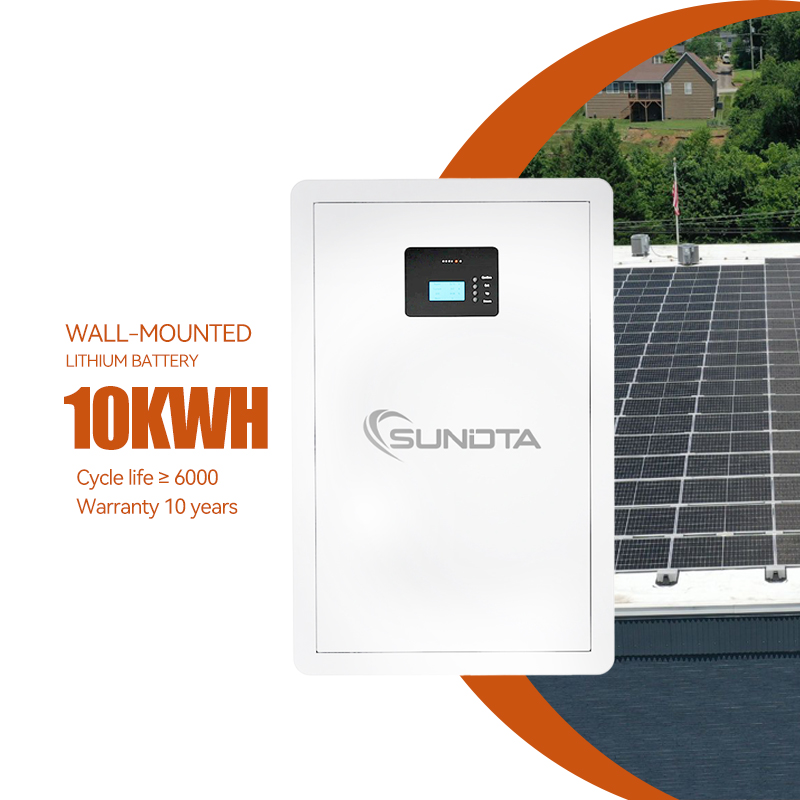
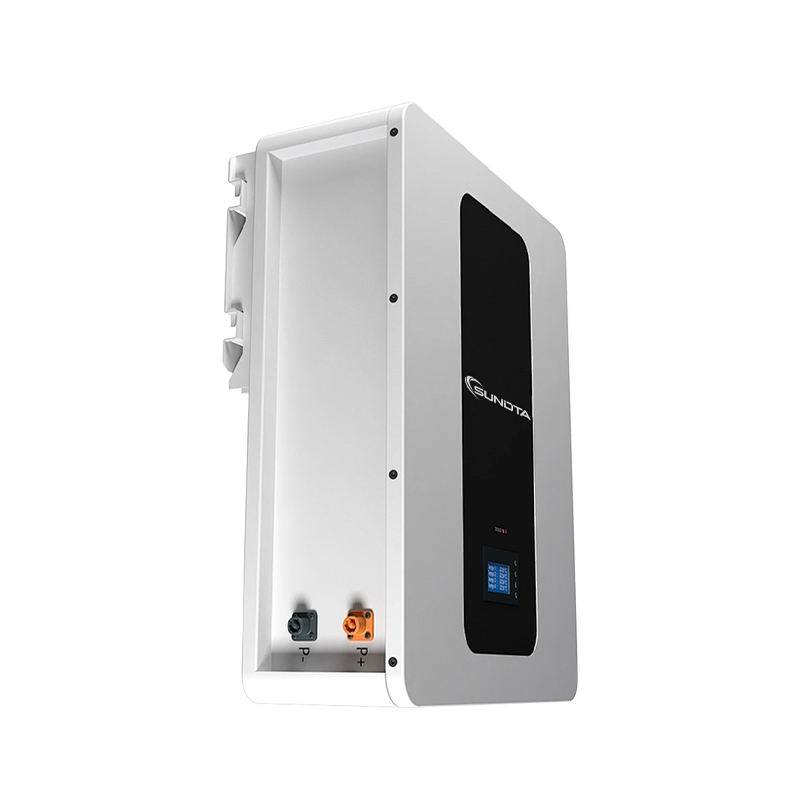
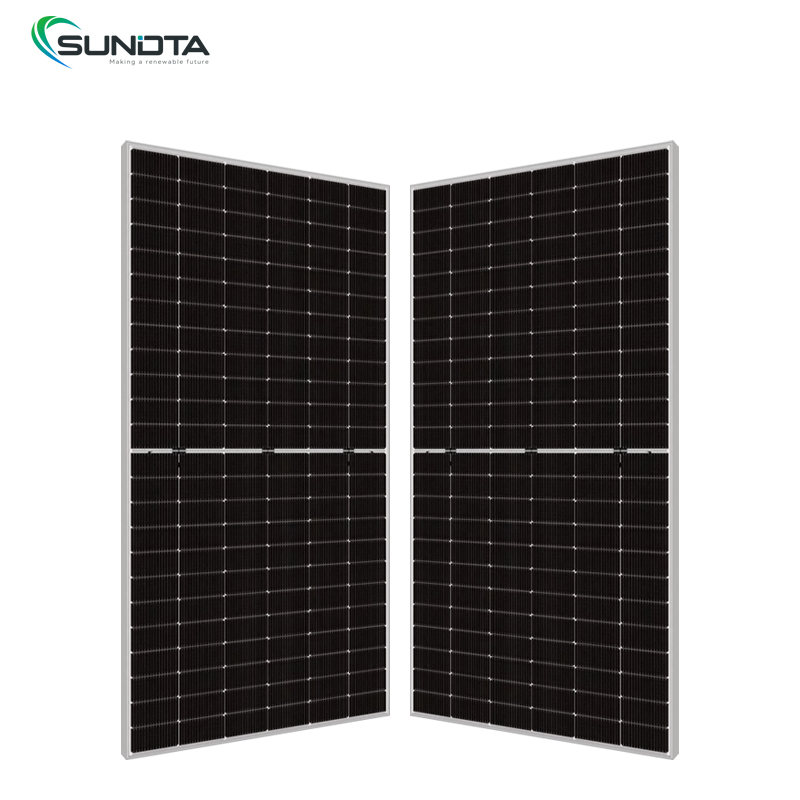
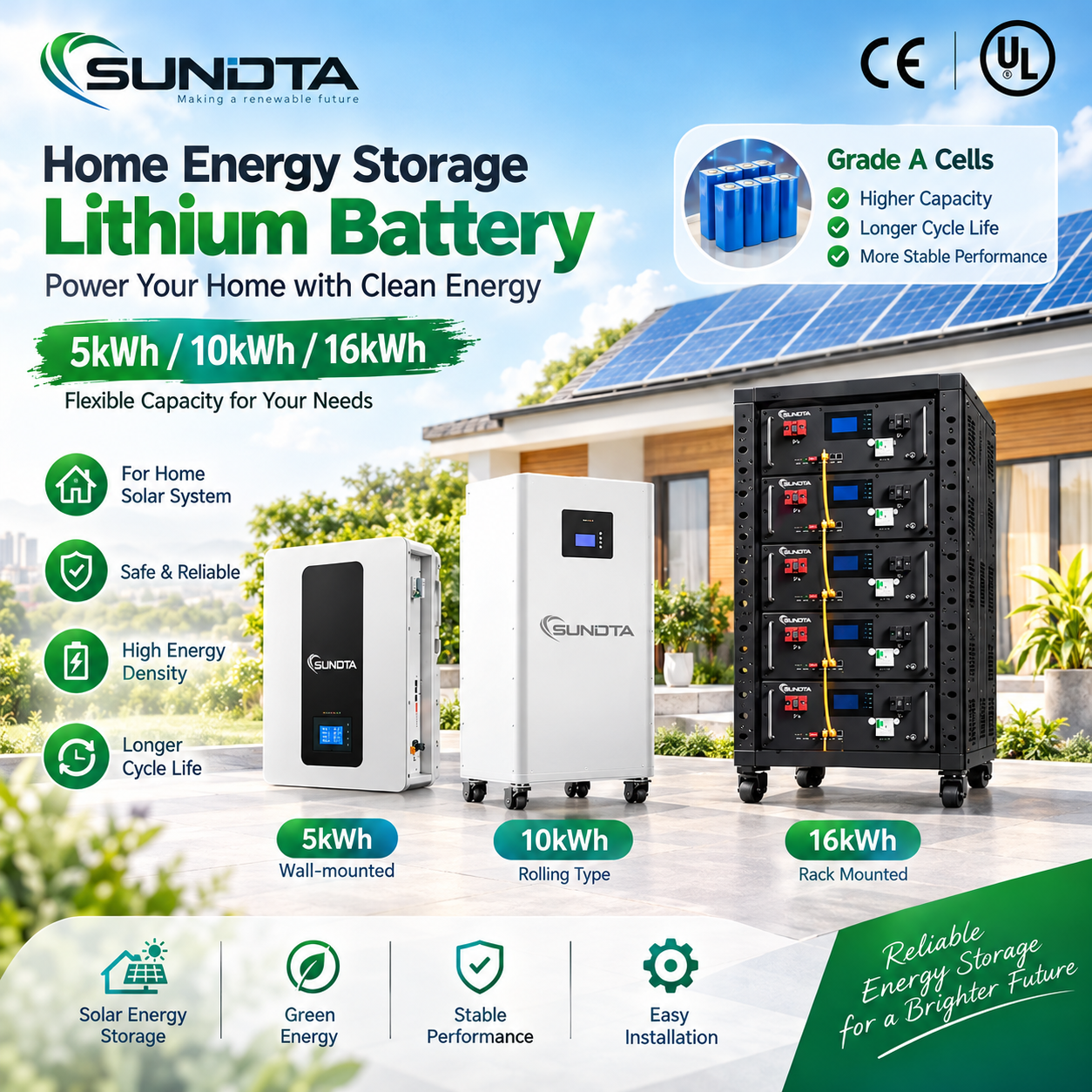
A whitepaper-level breakdown of the operational challenges, electrical architecture considerations, and systemic solutions needed when deploying lithium powerwall battery systems across Central Asia.
In regions such as Astana, Karaganda, and East Kazakhstan, winter ambient conditions routinely plunge toward -35°C to -40°C. Standard commercial Lithium Iron Phosphate (LiFePO4) chemistry cannot safely accept charging current below 0°C without risking lithium plating on the graphite anode—a structural defect that causes internal micro-short circuits and accelerates capacity fade. Deploying residential or commercial Powerwalls in these environments requires factory-level thermal architecture integration rather than off-the-shelf indoor battery packs.
Our OEM manufacturing lines integrate custom PTC thermal pads and multi-layered aerogel insulation jackets directly adjacent to prismatic cells. Controlled by a specialized Low-Temperature BMS logic gate, charging current incoming from the photovoltaic field is initially directed toward internal thermal heating circuits. The cells are elevated above +5°C before charging begins, preserving cell chemistry integrity and ensuring reliable year-round operation even during severe northern blizzards.
Prevents destructive low-temperature dendrite formation through algorithmic charge blocking and smart thermal cycling loops.
Compatible with high-voltage strings to mitigate conductor resistance losses over long residential farm wiring runs.
Sealed IP65 enclosures prevent corrosive mineral dust intrusion common in arid steppes and industrial mining zones.
Kazakhstan's energy infrastructure operates under unique regional stresses. The northern grid is heavily dependent on legacy coal-fired generation with long-distance transmission corridors, while the southern regions (Almaty, Shymkent, Turkistan) frequently experience supply deficits and structural transmission bottlenecks. Consequently, powerwall battery implementations serve vastly different economic functions depending on geography:
Suburban & Urban Self-Consumption (Almaty & Astana): Residential end-users increasingly face tiered electricity pricing. Combining wall-mounted 51.2V 200Ah battery systems with rooftop PV arrays allows homeowners to harvest clean solar power during midday and deploy it during peak evening tariff windows, slashing reliance on coal-heavy utility supply.
Agricultural Enterprises & Horse Ranches (Akmola & Pavlodar): Large pastoral tracts often feature weak single-phase line ends prone to severe voltage sag and frequent grid collapse. Hybrid systems (15kW to 50kW) paired with modular LiFePO4 banks function as prime microgrids, stabilizing irrigation pumping, cattle feeding equipment, and residential quarters without burning diesel.
Industrial Mining & Remote Border Posts: In remote extraction sites, containerized ESS units (100kW/200kWh to 1MWh) provide mission-critical buffer storage, dampening heavy inductive load spikes from motors while guaranteeing uninterruptible operation for IT systems, communications, and safety gear.
Selecting an energy storage manufacturer for Central Asia requires deep scrutiny of supply chain lineage, manufacturing automation, and verification standards. Operating from Hefei, China—a global nexus for high-end battery research—Anhui RJV New Energy Co., Ltd. provides B2B distributors and EPC contractors with complete, cross-compatible hardware packages designed to avoid mismatched components.
On-site audited production facilities ensuring all cell sorting, laser welding, and pack assembly conform to international CE and ISO criteria.
Pre-configured CAN/RS485 closed-loop communication tables for Deye, Solis, and Growatt inverters, eliminating site commissioning delays.
UN38.3 test certifications, MSDS reports, and rail-compliant packaging for seamless customs clearance at Khorgos and Alashankou ports.
Direct communication with our Hefei R&D engineering hub for string sizing, system topology modeling, and active firmware revisions.
Key commercial, operational, and regulatory clarifications address common challenges encountered when importing Chinese battery systems into the Eurasian Economic Union (EAEU).
We configure systems destination-coded for Central Asia with automated heating elements and high-density aerogel insulation. The internal BMS monitors cell temperature sensors; if ambient temperatures fall below +2°C, charging energy is redirected into PTC heating membranes to warm the cell pack up to safe charging temperatures before accepting full current.
Every shipment is backed by verified UN38.3 testing reports, Material Safety Data Sheets (MSDS), Dangerous Goods packaging certificates for railway transport, CE declarations of conformity, and factory flash test logs. This comprehensive documentation pack simplifies clearance into Kazakhstan and other EAEU member territories.
Yes. Our proprietary Smart BMS carries multi-protocol CAN and RS485 communication firmware compatible with major inverter architectures, including Deye, Solis, Growatt, Victron, and GoodWe. We provide wiring pinout diagrams and parameter checklists before shipment.
For standard branded stock, sample orders start from 1 piece for lithium batteries and hybrid inverters. For custom OEM silk-screening, bespoke metal casing colors, and customized BMS startup UI, typical MOQs start at 10 to 20 units depending on the model tier.
We routinely arrange rail freight containers via the China-Europe Railway Express (Chang'an or Hefei line) directly arriving at Almaty-1 or Almaty-2 logistics hubs within 12 to 18 days from dispatch. Road trucking via Khorgos is also available for urgent project timelines.
Submit your electrical single-line diagram, target load profile, or import volume. Our Hefei application engineering department delivers a matched system configuration and export invoice within 24 hours.