Precision-Engineered Photovoltaic Assemblies & Power Units
Pre-tested components matching strict mobile chassis vibrations, Hill Country solar irradiances, and rapid BMS-to-inverter handshakes.
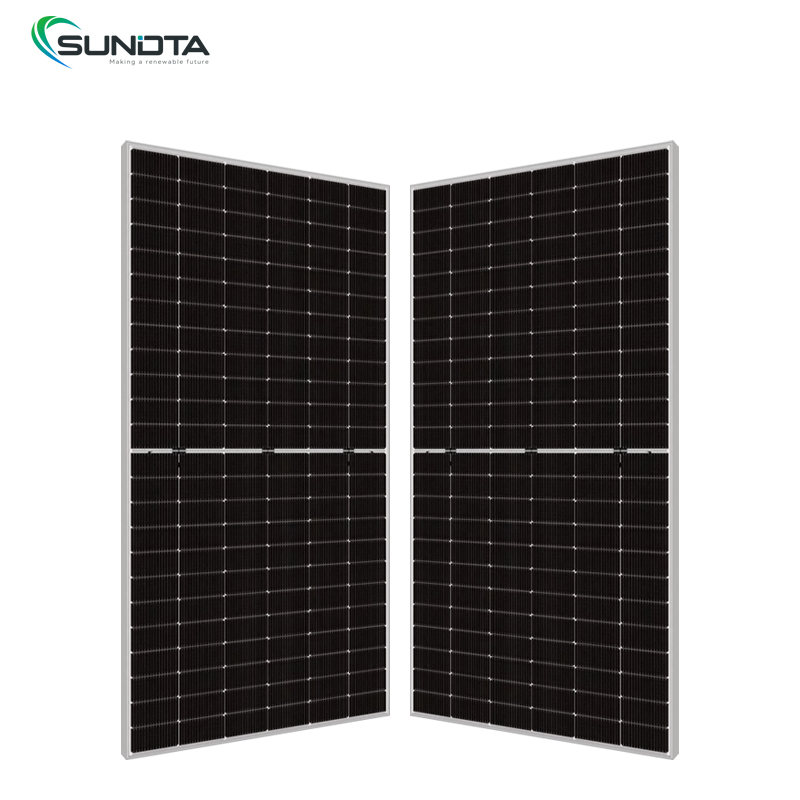
Tier 1 Sodenergy 700W-730W N-Type Solar Panel
- High-power density cell topology
- Lowest temp coefficient for TX heat
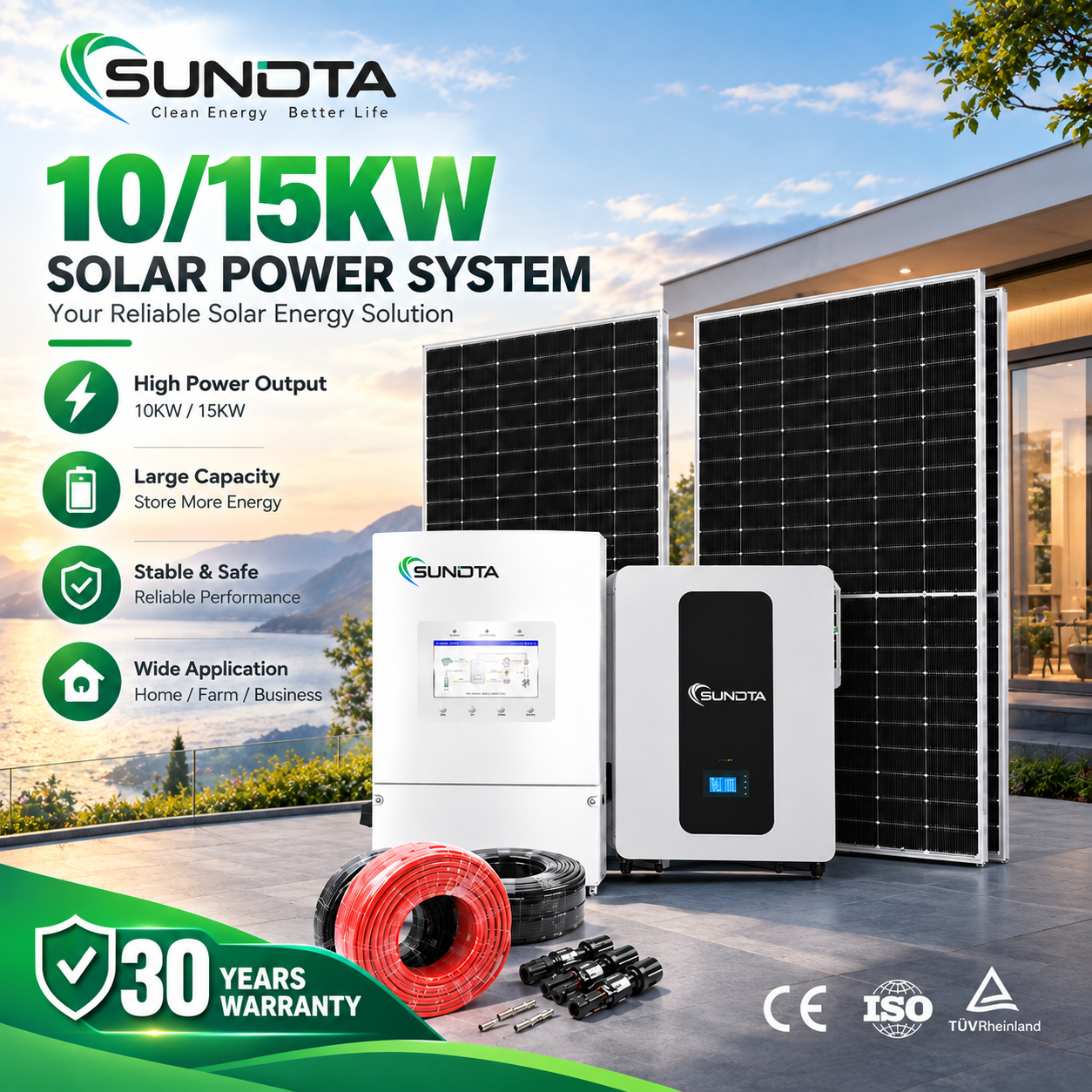
Premium 585W-595W N-Type Bifacial PV Module
- Dual-glass mechanical ruggedness
- Additional albedo backside gain
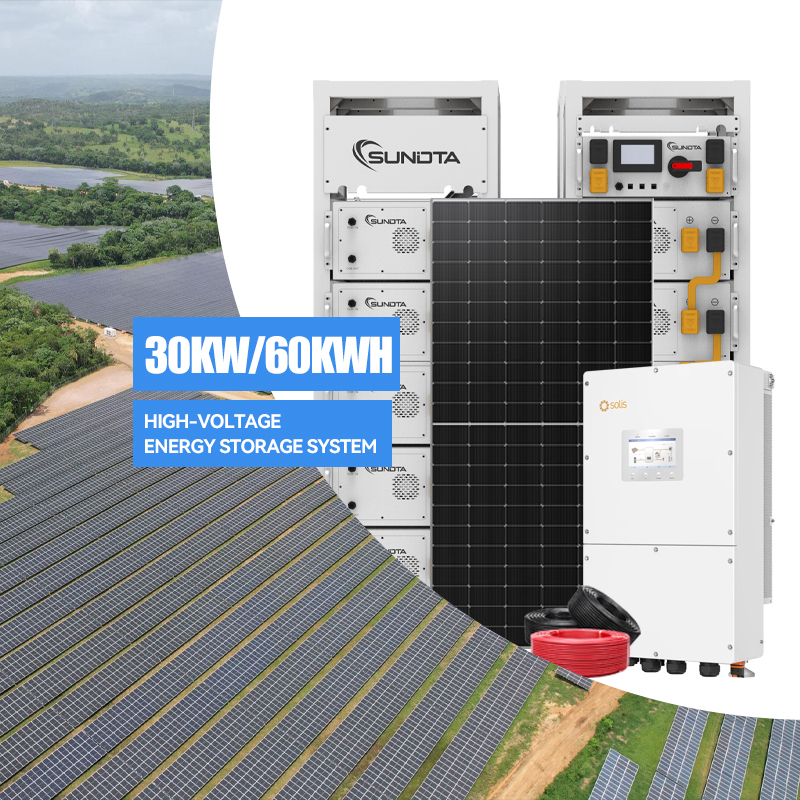
Off-Grid Hybrid Solar Energy Storage 20kW-40kW
- Full basecamp and ranch deployment
- EU & North American certifications
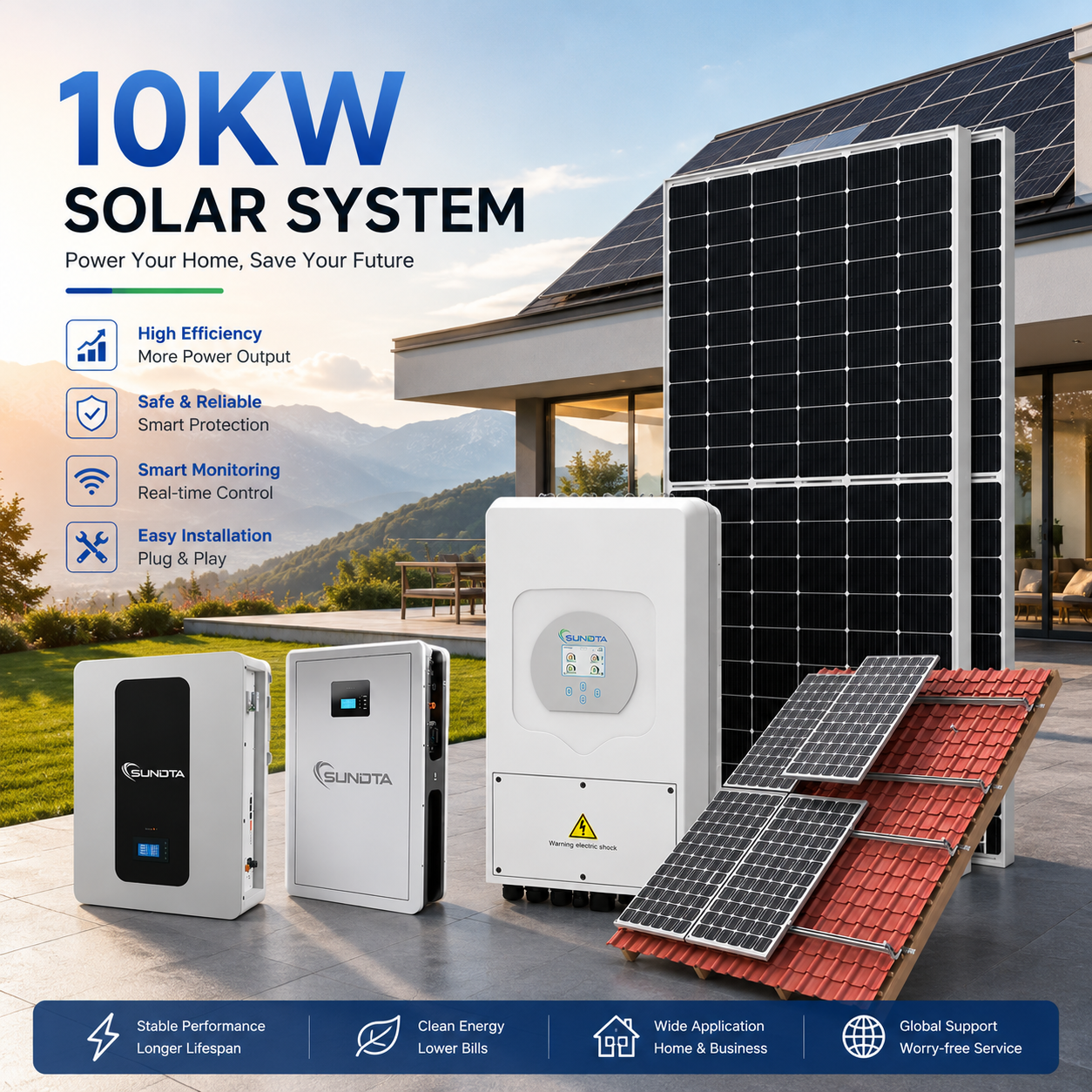
Emergency Hybrid Power System 15kW-50kW
- Smart MPPT dynamic algorithm
- Instantaneous backup switchover
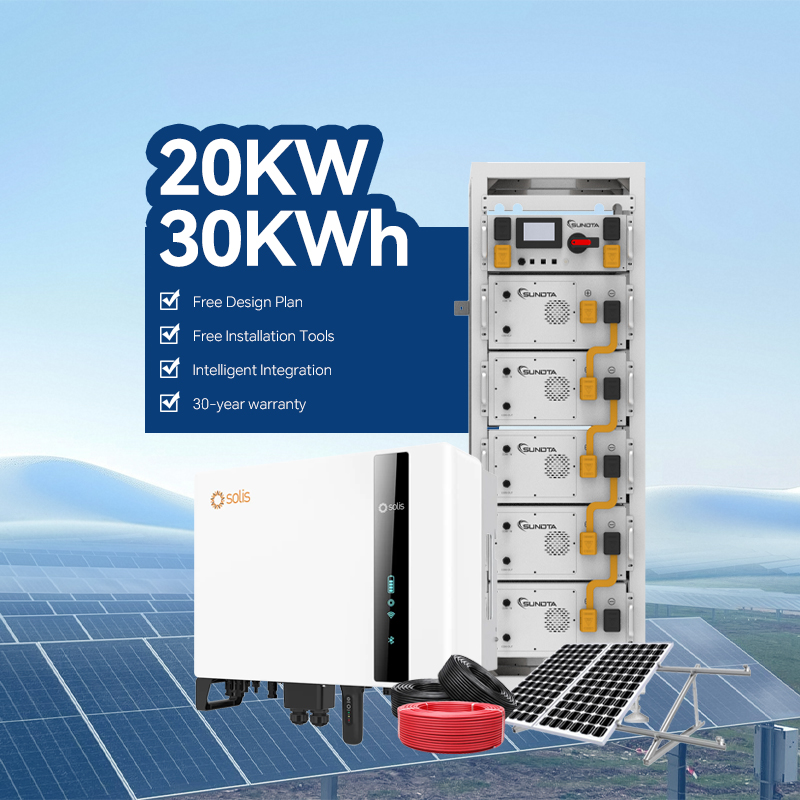
Complete Set Hybrid Solar Storage Kit 20kW-35kW
- Factory matched cables and mounts
- Zero-mismatch BOS reliability
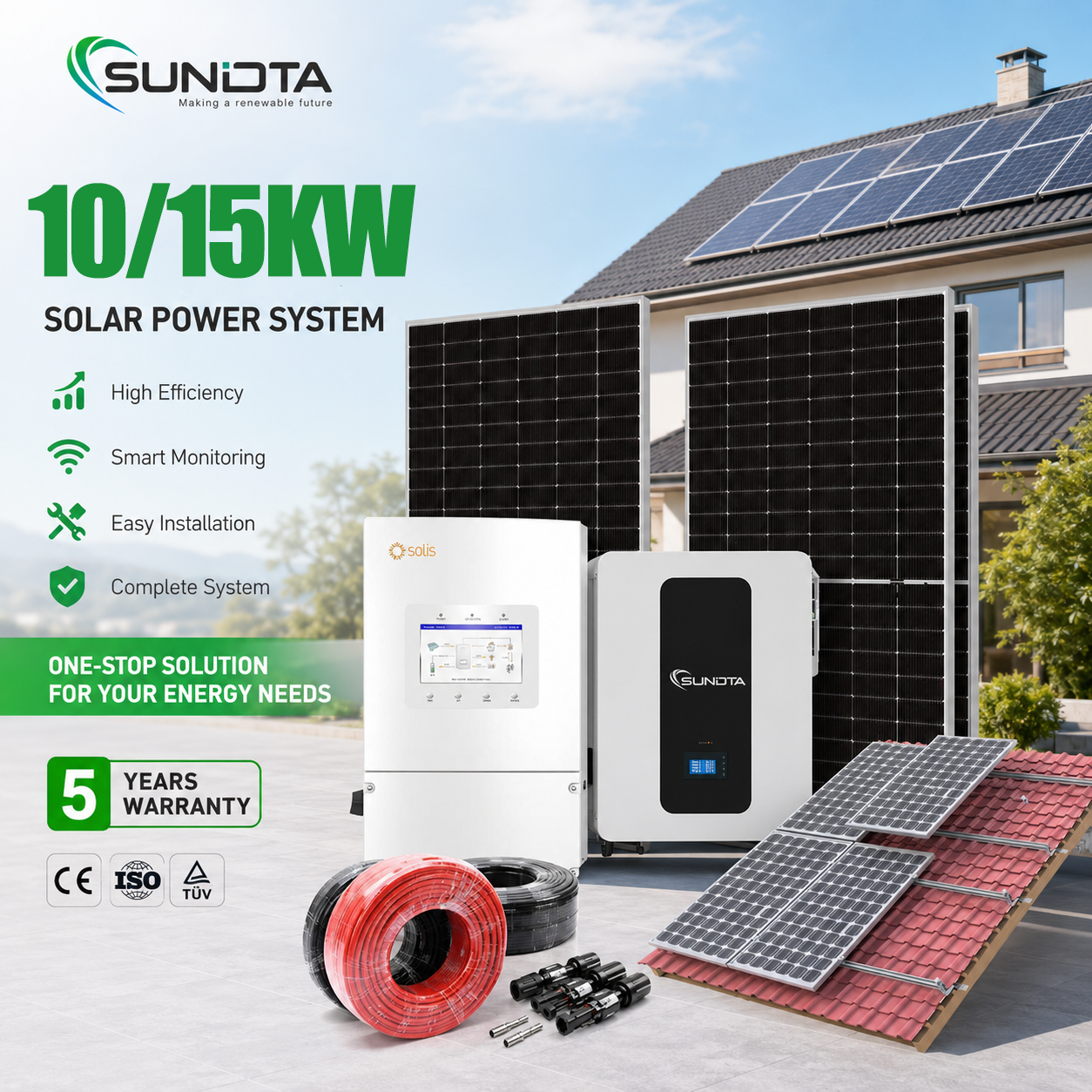
Hybrid 15kWh 300Ah Stackable LiFePO4 System
- Direct CAN closed-loop communication
- Modular stackable space saving
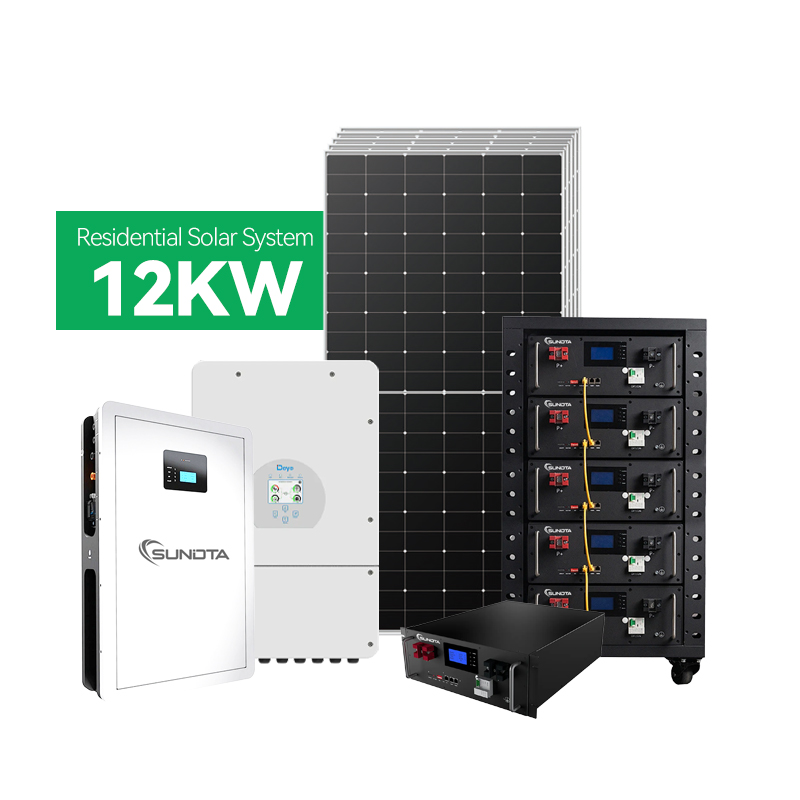
Sundta 12kW-25kW Hybrid Storage System
- Monocrystalline ultra-stable cells
- Designed for persistent loads
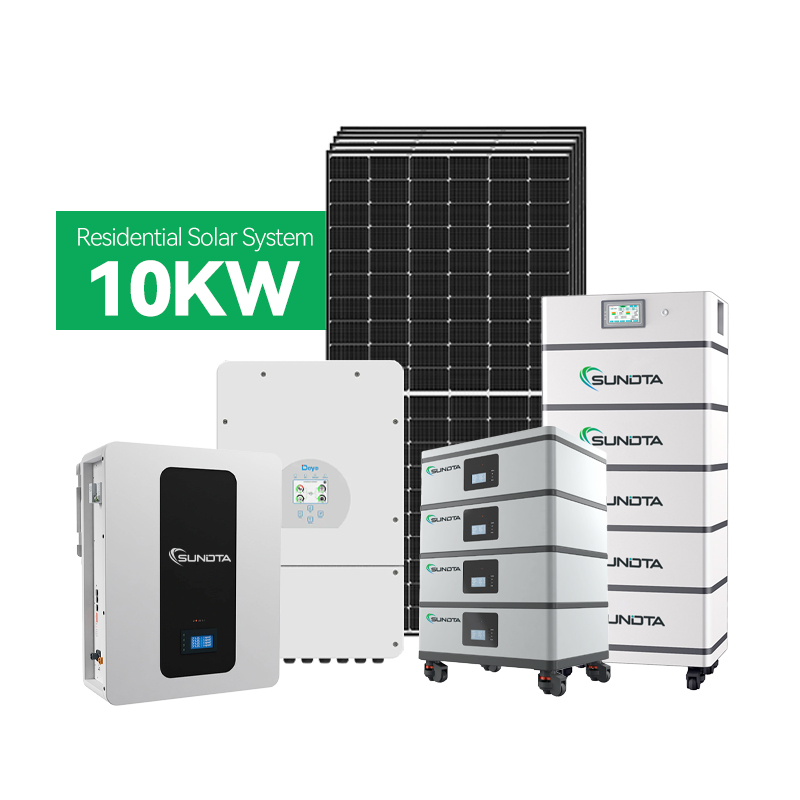
Sundta 5kW-20kW Complete Hybrid Kit with Li-ion
- Quick turnaround dispatch availability
- Comprehensive monitoring built-in
Engineering Solar Resilience for Austin's Mobile and Off-Grid Ecosystem
Austin and the surrounding Texas Hill Country present a unique set of geographic, thermal, and regulatory operating conditions for mobile solar hardware. Between high summer irradiance (>5.8 Peak Sun Hours/day) and intense thermal loads frequently topping 105°F (40.5°C), conventional silicon panels face rapid thermal degradation. Standard solar arrays with standard P-Type PERC cells suffer elevated Negative Temperature Coefficients of Power (γPmp up to -0.38%/°C). When roof-mounted on Class A motorhomes, converted sprinter vans, or remote tiny homes near Lake Travis or Driftwood, cell operating temperatures can easily climb past 65°C. This can shave up to 16% off instantaneous output precisely when rooftop air conditioning demands are peaked.
As a specialized supplier serving Austin custom upfitters, RV dealerships, and mobile fleet builders, our focus centers on N-Type TOPCon and High-Performance Bifacial architectures. These modules exhibit a dramatically lower temperature coefficient (-0.30%/°C), mitigating heat losses and retaining generation headroom. Furthermore, our systems combine high-voltage MPPT tracking strings with automotive-grade 51.2V LiFePO4 batteries to bypass the immense I²R resistive losses typical of legacy 12V RV architectures.
Boondocking Class A & Overlanders
Continuous soft-start inverter support capable of running twin 13,500 BTU rooftop AC units silently in remote Texas scrubland without generator runtime.
Hill Country Tiny Home Communities
Standardized plug-and-play kits serving semi-permanent trailers and park models outside Austin city utility interconnections where grid extensions are cost-prohibitive.
ERCOT Grid Resilience Backups
Mobile hybrid setups deployed as dual-purpose assets: recreational travel during spring/fall, and emergency home sub-panel microgrids during ERCOT winter freeze events.
Commercial Mobile Tech & Food Labs
Mobile offices, production trailers, and food trucks throughout Travis County requiring clean, pure sine-wave output with zero local exhaust emissions.
Engineering Decision Matrix: Architectural Selection for Mobile Austin Fleets
Sourcing solar kits requires matching physical constraints to electrical realities. Mobile setups face severe roof aero-vibrations, low boundary layer heat dissipation, and strict GVWR weight budgets. Importers and upfitters must weigh voltage topologies carefully:
| Evaluation Parameter | Legacy RV Kit (12V PWM / PERC) | Advanced 48V/51.2V TOPCon Hybrid Kit | Engineering Impact for Austin Applications |
|---|---|---|---|
| Conductor Sizing & I²R Loss | Extreme (4/0 AWG cables required for 3000W) | Minimal (6 AWG conductors handle equivalent wattage) | Reduces copper weight by >65%, preventing roof wiring bundle overheating under direct TX sun. |
| Thermal Derating Threshold | High drop-off (γPmp: -0.38% to -0.40%/°C) | Ultra-low degradation (γPmp: -0.30%/°C) | Preserves 10-15% more real-world power during Austin's frequent 100°F+ summer stretches. |
| BMS Communications | Analog / open-loop voltage triggers | Closed-loop RS485 / CAN Bus telemetry | Continuous reporting of cell temp, SOC, and voltage prevents thermal runaway during rapid high-amp cycling. |
| Mechanical Vibration Damping | Standard domestic extruded frames | Reinforced 35mm anodized dual-wall frames | Withstands washboard road harmonics on backroads through Blanco, Burnet, and Hays counties. |
By moving to unified 51.2V architectures with integrated MPPT and Tier 1 silicon, fleet upfitters eliminate balancing bottlenecks between alternators, shore power inputs, and solar arrays.
Emerging Trends in the Austin & Central Texas Mobile Solar Landscape
The convergence of remote tech work culture, skyrocketing urban housing costs, and growing environmental awareness in the Silicon Hills has catalyzed structural shifts across the regional PV supply chain:
1. The Transition to 48V Native Living Systems
Historically, RV appliances operated on 12V DC circuits. However, modern van lifers and high-end trailer builders in Austin are standardizing on 48V DC mini-split heat pumps and induction cooktops. This shift renders the multi-stage conversion (12V to 120V AC back to DC) obsolete, driving unprecedented B2B demand for natively integrated 48V/51.2V LiFePO4 battery modules that communicate directly with central hybrid inverters.
2. ERCOT Vulnerability & Dual-Purpose Microgrids
Central Texas residents remember Winter Storm Uri and subsequent summer grid warnings issued by ERCOT. This history has transformed how Austin buyers perceive RV solar investments. Rather than seeing a mobile PV kit solely as leisure gear, purchasers treat towable trailers and van setups as mobile disaster relief pods. Kits configured with fast-transfer automatic switches allow owners to plug their rig directly into their home transfer switch to sustain refrigeration, medical equipment, and internet routing during municipal outages.
3. High-Density, Walkable, and Flexible Modules
As roof surfaces are claimed by AC shrouds, Starlink antennas, and vents, surface area is at an absolute premium. Austin fabricators are abandoning lower-efficiency 100W/175W panels in favor of large-format 585W+ bifacial modules spanning custom roof racks, alongside commercial-grade lightweight flexible modules molded to aerodynamic front caps.
Why Austin Distributors & OEMs Source From Anhui RJV New Energy
Procurement friction in the solar sector usually stems from component mismatches, incomplete documentation, and inadequate technical support across time zones. We provide complete manufacturing transparency and factory-direct integration from our primary production hub in Hefei, China, direct to Austin freight terminals.
2 GW Automated Production
Our fully automated robotic lines ensure micro-crack-free cell interconnection, multi-busbar solder precision, and rigorous EL (electroluminescence) testing before packing.
Pre-Verified System BOMs
We eliminate commissioning delays. Our N-type modules, hybrid inverters (Deye, Solis, Growatt compatible), and LiFePO4 batteries are pre-configured for protocol handshakes before dispatch.
TÜV Rheinland On-Site Assessed
Verified operations backed by comprehensive CE marking, UN38.3 battery transport safety documentation, and IEC test standards that ease domestic customs processing.
Engineering Customization & OEM
From custom frame dimensions for camper van rooftop rails to personalized lithium battery enclosures with custom CAN communication mapping, our engineers adapt to your CAD specifications.
Frequently Asked Questions: Austin RV Solar Sourcing & Engineering
Direct answers to technical queries encountered by regional fleet managers, repair shops, and mobile solar installers.
How do RJV high-wattage modules handle intense Texas heat versus standard RV panels?
Standard RV panels utilize P-type PERC cells that derate rapidly once surface temperatures pass 25°C (77°F), often losing 15-20% of rated capacity on a 100°F Austin day. Our Sodenergy and Sundta N-Type TOPCon panels operate with an industry-leading temperature coefficient of -0.30%/°C and lower internal resistance, preserving critical watt-hours needed for continuous air conditioning operation.
Can your 51.2V LiFePO4 batteries interface seamlessly with existing multi-brand hybrid inverters?
Yes. Our lithium energy storage units come equipped with multi-protocol CAN and RS485 communication boards pre-flashed for Deye, Solis, Victron, and Growatt inverter protocols. Closed-loop integration ensures the inverter precisely matches charging current and float stages based on internal cell-level temperatures and states of charge.
What are the Incoterms, freight timelines, and MOQs for delivery into Travis County?
We support FOB, CFR, CIF, and EXW terms, working directly with customer-designated freight forwarders or handling complete door-to-door (DDP) logistics to your Austin warehouse facility. While complete container loads offer the most aggressive price-per-watt advantage, our minimum order quantities start at 1 set for complete kits and 1 unit for hybrid inverters or modular lithium banks.
How are modules engineered to resist mechanical stress from highway speeds and vibration?
Our modules feature anodized aluminum alloy frames engineered for wind loads up to 2400 Pa and snow loads up to 5400 Pa, combined with tempered high-transmittance anti-reflective glass. For overlanding and mobile applications, our junction boxes carry full IP68 potting to prevent moisture ingress, internal solder micro-cracks, or wire detachment during prolonged vehicle vibration.
Do your kits meet Austin electrical code requirements when tied to grid-tied backup sub-panels?
Our hybrid systems carry international CE and corresponding safety test reports. For stationary or dual-use backup setups tied to residential service panels in Austin, our engineers provide complete single-line wiring diagrams (SLDs), rapid shutdown compliance documentation, and UL-certified component verification files required by municipal electrical inspectors and local utilities.
Scale Your Austin Solar Sourcing With Factory-Direct Pricing
Whether you need palletized N-type modules for high-end motorhome retrofits, stackable lithium battery packs, or turn-key 5kW-50kW hybrid microgrids, our technical team is ready to assemble your bill of materials.