Engineered Solar Equipment Portfolio
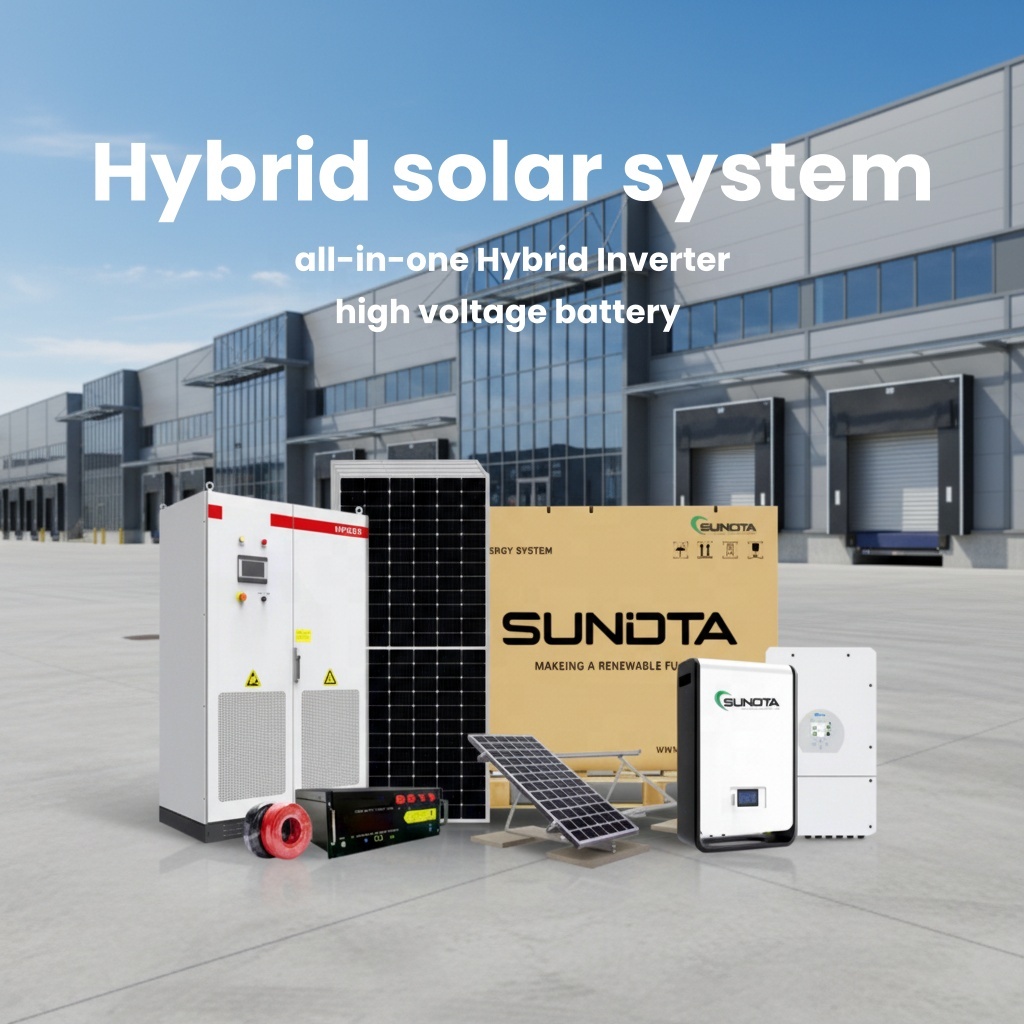
Export-ready high-efficiency PV modules, hybrid inverters, and energy storage systems validated for insular maritime environments.
The Engineering Mechanics of Shingled PV Panels in Tropical Island Microgrids
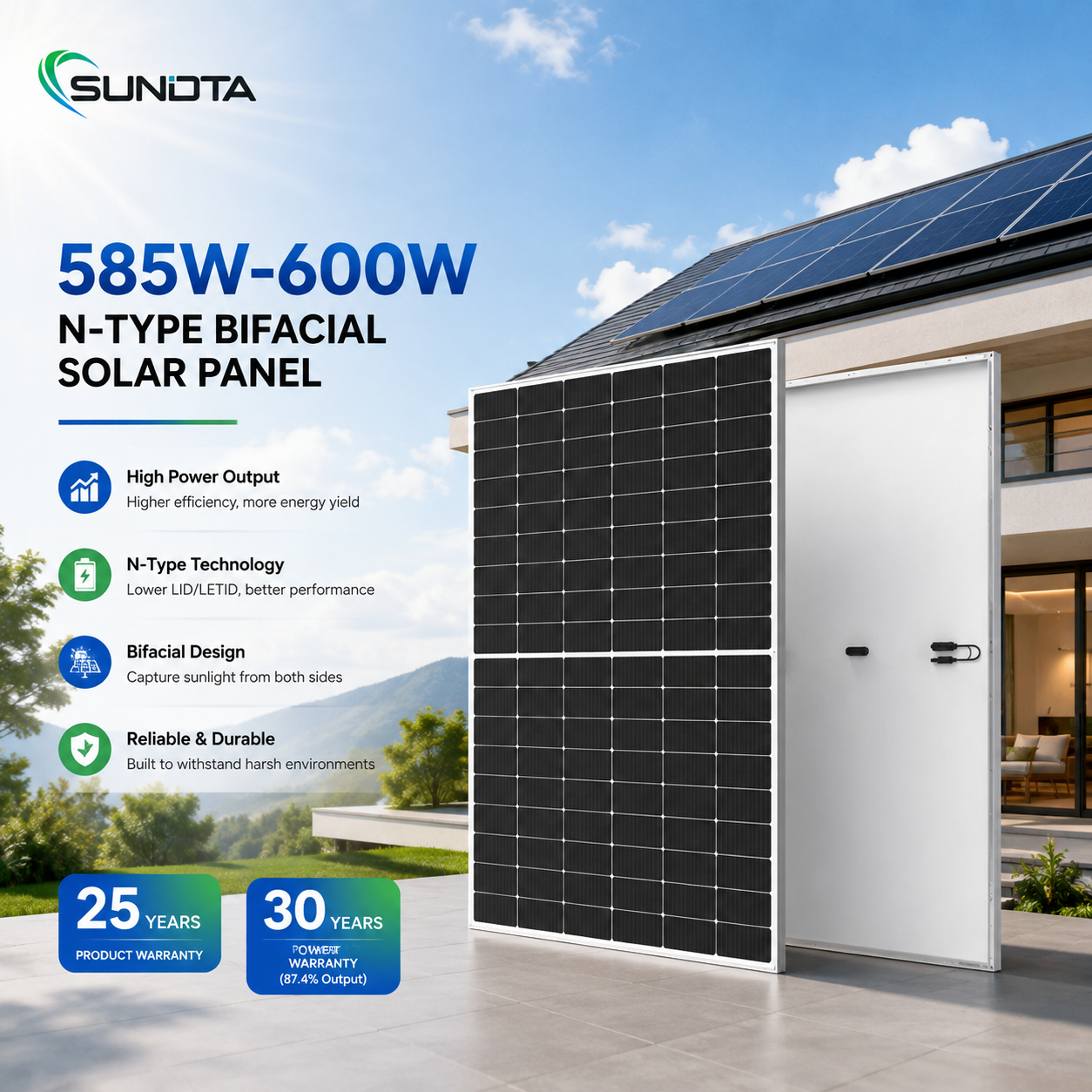
The Federation of Saint Kitts and Nevis presents a demanding microclimatic operating profile: high ambient humidity, elevated daily ultraviolet indices, constant airborne chloride concentrations (saline mist), and severe cyclical mechanical stress caused by Atlantic hurricane systems. Sourcing photovoltaic modules for Basseterre, Charlestown, and surrounding keys requires moving beyond conventional half-cut busbar modules to shingled and high-density cell matrix architecture.
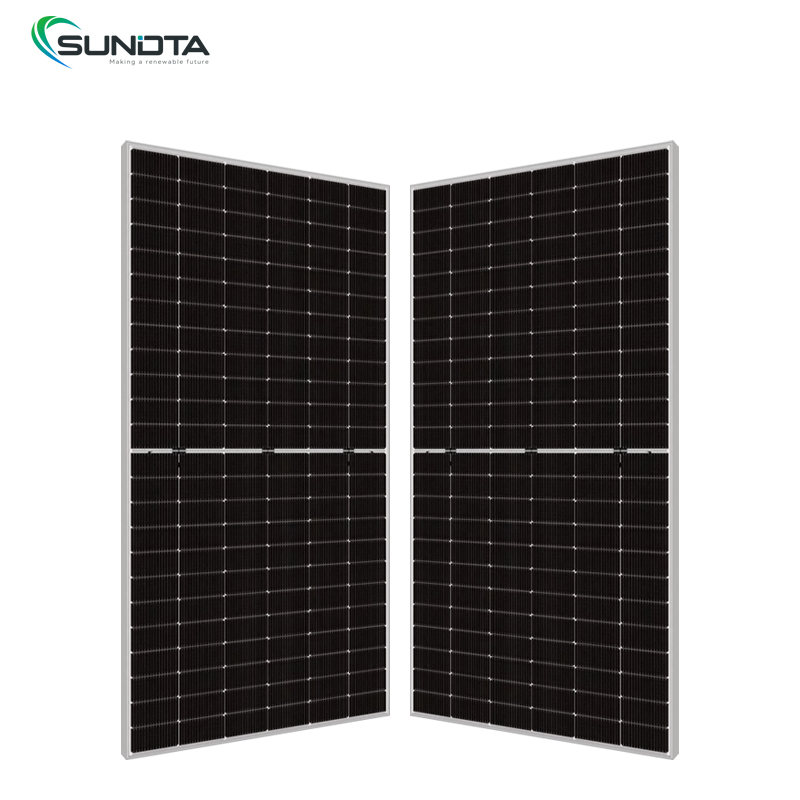
Shingled solar panel technology replaces traditional copper ribbon soldering with Electrically Conductive Adhesive (ECA). Solar cells are sliced into narrow sub-strings (typically five or six strips) and overlapped with micron-level precision. This shingled topological arrangement delivers distinct technical advantages critical for the Caribbean terrain:
Elimination of Busbar Solder Fatigue
Thermal expansion cycles under Caribbean equatorial irradiance repeatedly snap conventional soldered ribbons. Flexible ECA matrices absorb thermal dilatation, practically eliminating micro-cracking and internal line degradation over a 30-year operational life.
Active Surface Area Maximization
By eradicating the inter-cell spacing (inactive white zones) standard in conventional 72-cell formats, shingle architecture raises effective light absorption area by 12% to 15%, achieving panel aperture efficiencies well above 21.8%.
Parallel Circuit Shading Immunity
Shingled panels are wired in dense parallel circuit strips. When tropical vegetation, dust, or partial avian soiling shadows one section, current bypasses the impaired shingle slice without throttling the full module string, vastly reducing localized hotspot temperatures.
Localized Deployment Profiles Across Saint Kitts and Nevis
Renewable deployment across the Federation is guided by national decarbonization goals aimed at weaning both islands off imported diesel generation run by SKELEC (St. Kitts Electricity Company) and NEVLEC (Nevis Electricity Company). Shingled module architecture and accompanying hybrid storage address specific regional use cases:
| Application Environment | Primary Engineering Stressors | Optimal Hardware Configuration | Local Operational Benefit |
|---|---|---|---|
| Luxury Coastal Resorts & Marinas (e.g., South Peninsula, Frigate Bay, Pinney’s Beach) |
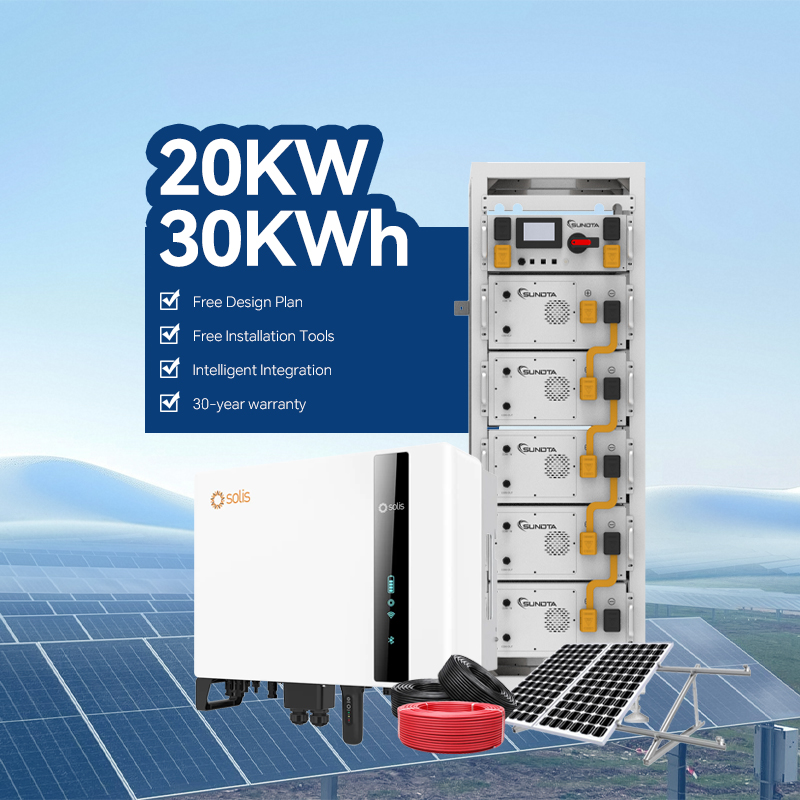
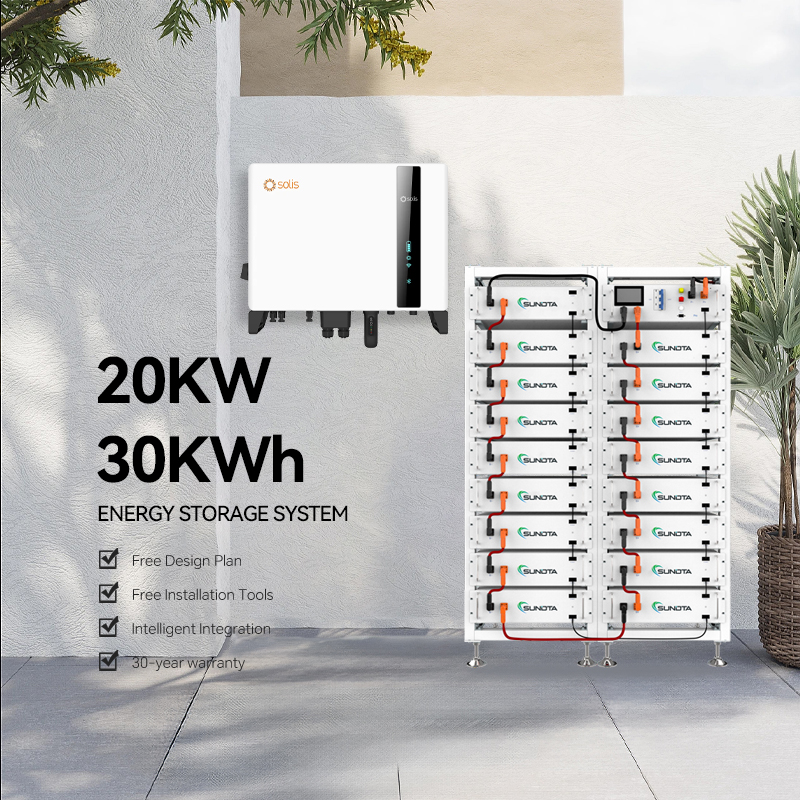
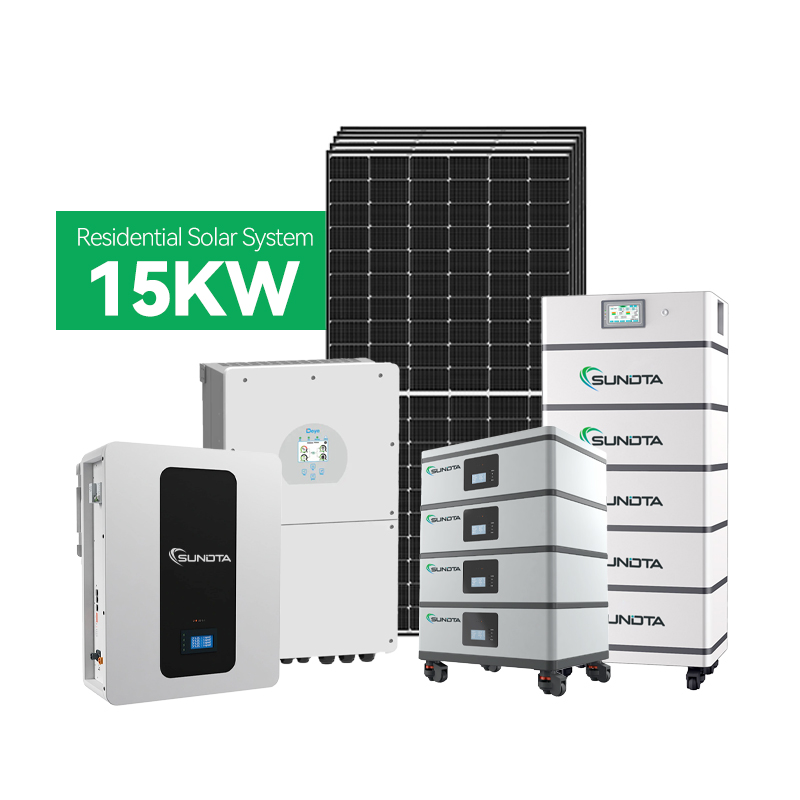
Intense maritime sea-spray, sulfur traces, architectural aesthetic restrictions. | All-Black Shingled N-Type Panels + Split-Phase 15kW–30kW Deye Hybrids + Stackable LiFePO4. | Zero visible copper ribbons preserves boutique aesthetic; Class 6 Salt Mist resistance prevents galvanic edge corrosion. |
| C&I Manufacturing & Processing (C.A. Paul Southwell Industrial Site) |
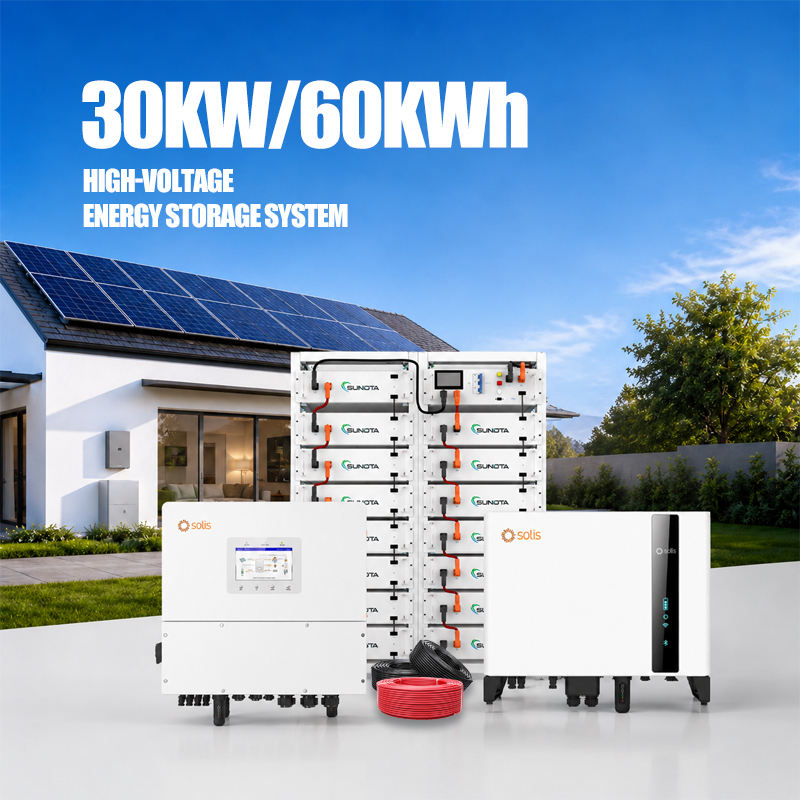
High daytime electric demand, peak-demand utility penalties, mechanical wind vibration. | Bifacial N-Type 595W/700W Modules + 50kW–125kW Solis/Deye High-Voltage Inverters. | Shaves peak tariff charges during midday chiller operations; withstands upward wind uplift up to 5400 Pa. |
| Nevis Off-Grid Agriculture & Water Systems (Gingerland, New River Estates) |
Unstable transmission feeder lines, remote water pumping requirements. | Shingled Solar Arrays + 51.2V 100Ah/280Ah LiFePO4 Battery Banks + MPPT Inverter Chargers. | Continuous daytime solar irrigation pumping coupled with uninterrupted closed-loop nocturnal refrigeration. |
| Municipal & Residential Micro-Arrays (Basseterre Suburbs, Charlestown Rooftops) |
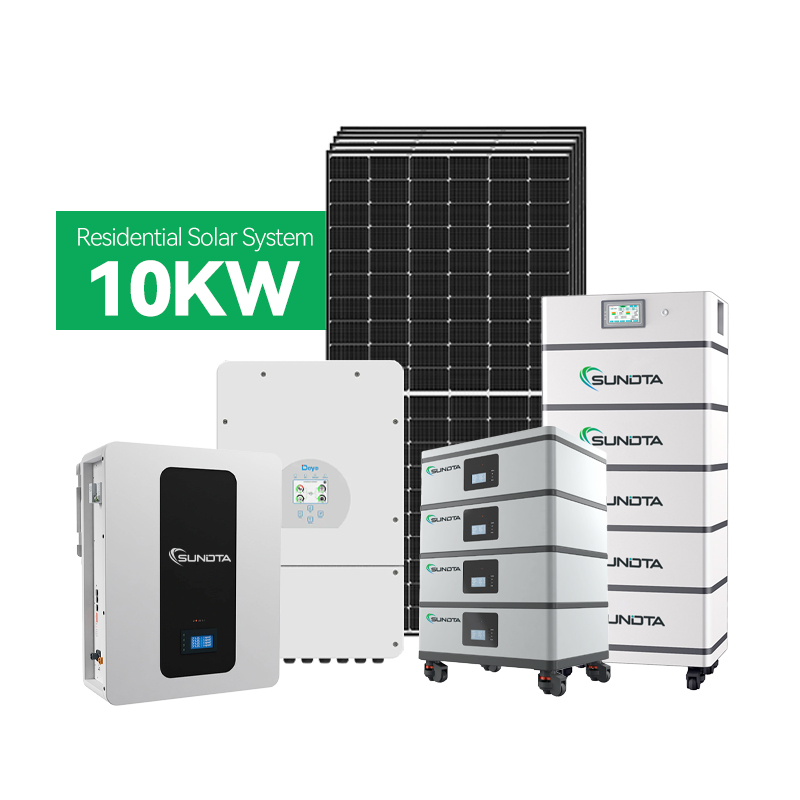
Limited usable roof surface, rooftop roof-penetration waterproofing constraints. | High-density shingled residential kits (5kW–12kW) with zero cell gaps. | Extracts 15% more kilowatt-hours per square meter on corrugated galvanized steel roofs. |
Emerging Solar & Microgrid Regulatory Trends in the Federation
The Caribbean Centre for Renewable Energy and Energy Efficiency (CCREEE) and the Ministry of Public Infrastructure, Energy, and Utilities in Saint Kitts and Nevis have accelerated programs toward 100% renewable generation. Several macroeconomic and regulatory transitions drive the need for certified, factory-direct tier PV procurement:
1. Fuel Surcharge Mitigation: Due to volatility in global bunker C and diesel prices, local electric tariffs routinely fluctuate. Distributed solar and on-site BESS (Battery Energy Storage Systems) offer commercial entities fixed-cost kilowatt-hour stability across a 25-to-30-year amortization span.
2. Hurricane Resiliency Guidelines: Following recent cyclonic events across the Leeward Islands, building codes mandate photovoltaic racking and modules capable of surviving Category 5 wind loads (exceeding 160 mph / 257 km/h). Shingled modules manufactured with 3.2mm tempered dual-glazing and high-strength 35mm-40mm anodized aluminum frames provide low drag coefficients and zero mechanical cell flexing.
3. Geothermal-PV Hybridization on Nevis: As Nevis progresses its geothermal development near Hamilton Estate, base-load geothermal energy will pair directly with localized distributed rooftop shingled arrays to create a responsive, resilient dual-island interconnection model.
Manufacturing Credentials & Supply Chain Sovereignty
Anhui RJV New Energy Co., Ltd. serves as an integrated manufacturing exporter and procurement powerhouse for EPCs, distributors, and engineering contractors working within the Caribbean Community (CARICOM). We eliminate project risk through strict quality control, verified financial standing, and synchronized system engineering.
TÜV Rheinland Audited Facility
Our automated production facilities in Hefei, Anhui operate under rigorous ISO 9001, ISO 14001, and ISO 45001 frameworks, with on-site factory inspections independently verified by TÜV Rheinland.
Direct Port Logistics to Caribbean
We provide full container load (FCL) consolidation from Shanghai and Ningbo ports to Port Zante (Basseterre) under clear CIF and FOB terms, including customs-ready packing lists, flash test reports, and CE/IEC compliance documentation.
Pre-Engineered Cross-Compatibility
We solve the common problem of mismatched inverters and battery BMS units. Our Deye and Solis hybrid power converters communicate out of the box via CAN/RS485 with our modular 51.2V and HV LiFePO4 batteries.
Procurement & Technical FAQ for Buyers in Saint Kitts and Nevis
Can shingled panels withstand coastal salt-fog corrosion in Saint Kitts and Nevis? +
Yes. Our modules undergo stringent IEC 61701 Severity Level 6 salt-mist corrosion testing and IEC 62716 ammonia exposure validation. The encapsulation uses high-grade polyolefin elastomer (POE) alongside salt-resistant EVA and anodized aluminum frames, halting galvanic oxidation even in installations situated within 200 meters of the coastline.
What is the minimum order quantity (MOQ) and shipment timeline for Basseterre? +
For standalone hybrid inverters and residential LiFePO4 battery modules, our MOQ starts at just 1 unit/set. Complete solar kits are supplied from 1 set upward, while high-efficiency shingled panels are packed by industrial pallet (typically 31 to 36 panels per pallet) or by full 20ft/40ft container loads (HQ). Sea freight transit from Ningbo/Shanghai to Port Zante generally spans 35 to 45 days, accompanied by complete bill of lading and customs clearance papers.
How do shingled modules behave during extreme ambient tropical temperatures? +
Standard P-Type modules often experience steep performance drops as ambient surface temperatures cross 45°C. Our shingled and TOPCon modules exhibit a lower temperature coefficient (Pmax of -0.30%/°C to -0.34%/°C), meaning they generate higher actual watt-hour outputs throughout intense Caribbean midday sun hours compared to standard commercial alternatives.
Are your inverters compatible with SKELEC and NEVLEC split-phase and three-phase grids? +
Yes. We configure our inverter lines specifically for Caribbean electrical systems. We supply split-phase 120V/240V configurations typical for residential properties, as well as 3-phase 230V/400V or 277V/480V units for industrial consumers. The inverters carry configurable zero-export curtailment controls to satisfy local utility interconnection requirements when grid feed-in is restricted.
How does ECA adhesive in shingled panels compare to traditional copper soldering? +
Electrically Conductive Adhesive (ECA) is a specialized polymer matrix infused with microscopic conductive elements. Unlike rigid copper ribbon soldering which acts as a stress concentrator during wind-induced panel vibrations, ECA retains elastic damping properties, ensuring no micro-cracking propagates through the crystalline silicon structure during heavy hurricane-force buffeting.
Consult with Our Solar Engineering Team
Need comprehensive project sizing, technical datasheets, or a formal container freight quotation for Saint Kitts and Nevis? Our bilingual solar systems engineers are available to review your bills of materials and microgrid designs.
Inquire Now