N-Type TOPCon
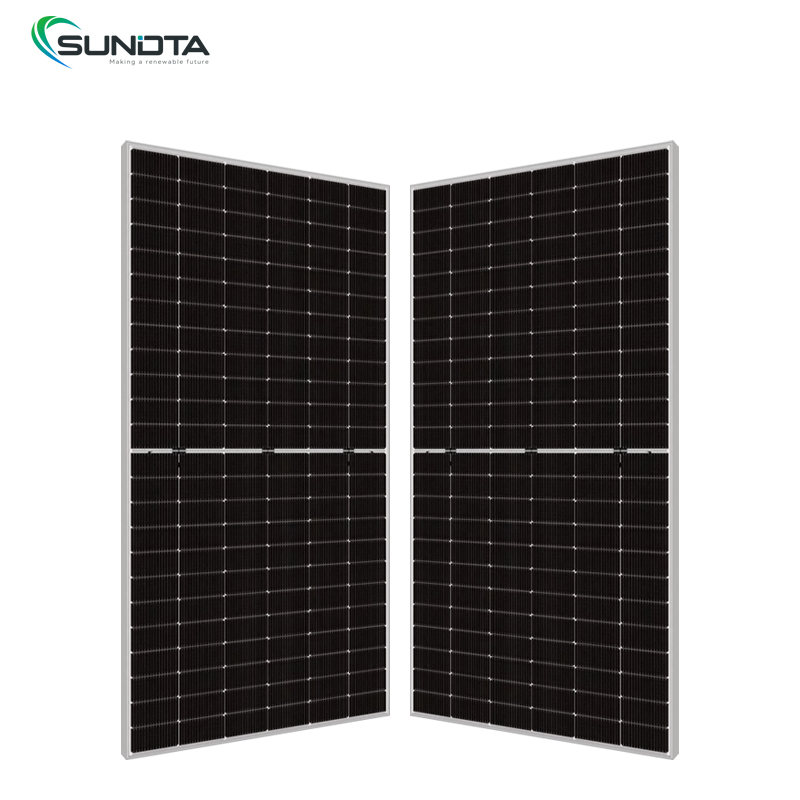
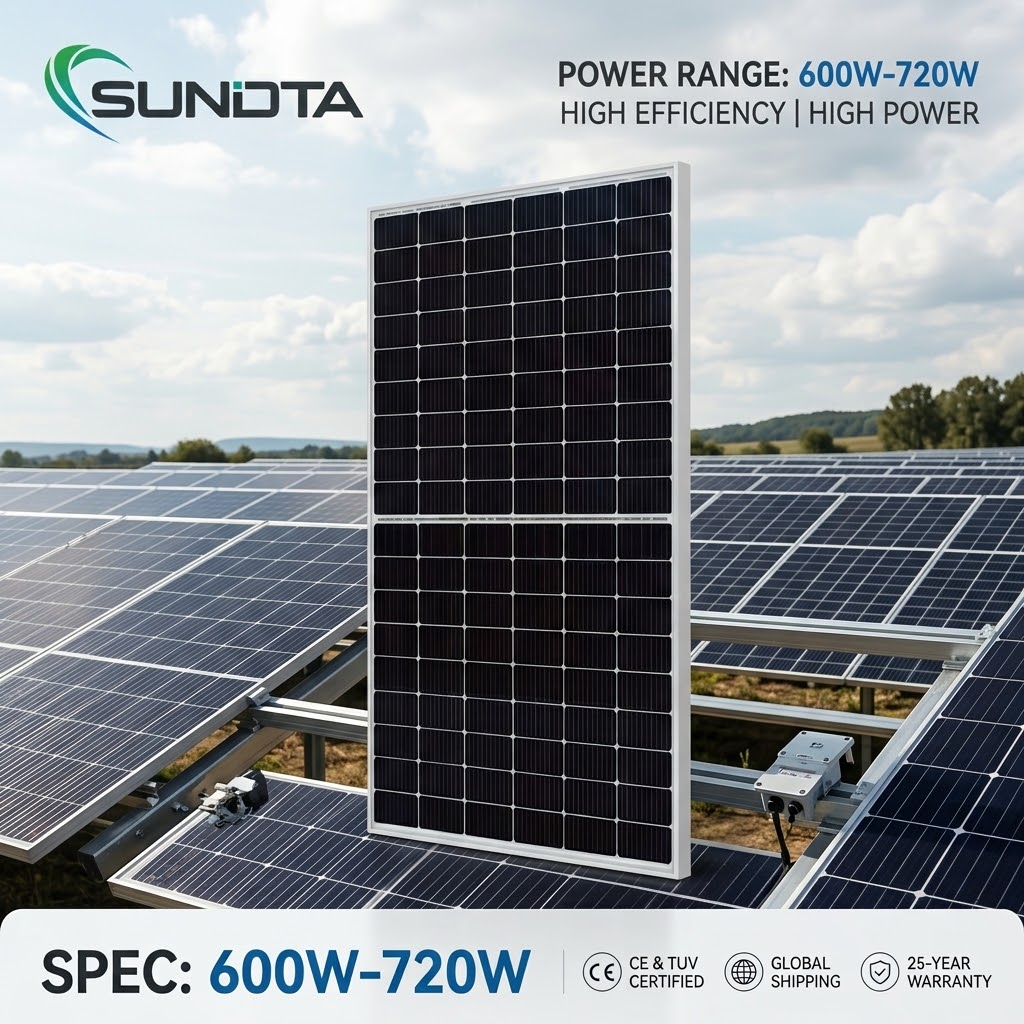
Tier 1 Solar Panel Sodenergy 700W-730W N-Type PV Panel
- 700W–730W Ultra-High Output
- High bifaciality >80% rear gain
- Low temp coefficient (-0.30%/°C)
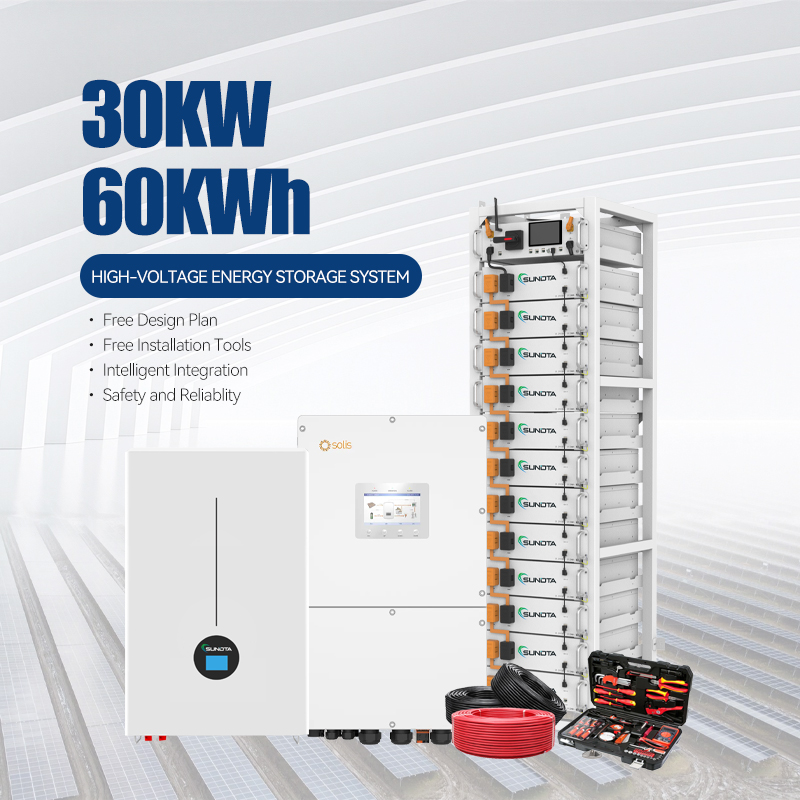
Factory-direct photovoltaic systems and storage units engineered with verified closed-loop CAN/RS485 protocol compatibility, designed for residential retrofits and commercial arrays across Santa Ana and the wider Southern California basin.
How China's precision manufacturing tier empowers Southern California electrical contractors and solar developers to maintain profitability amid escalating regulatory and tariff pressures.
The renewable energy sector across Santa Ana, Anaheim, Irvine, and the broader Orange County corridor has experienced a structural paradigm shift following the full deployment of the California Public Utilities Commission (CPUC) Net Energy Metering 3.0 (NEM 3.0 / Net Billing Tariff). Under previous net metering mandates, simple grid-tie solar PV string inverters were sufficient to deliver a 4-to-5-year capital payback for property owners. However, with avoided-cost calculators diminishing grid-export credits by approximately 75% to 80% during midday hours, standalone PV architectures have become financially unfeasible for Santa Ana commercial facility managers and homeowners alike.
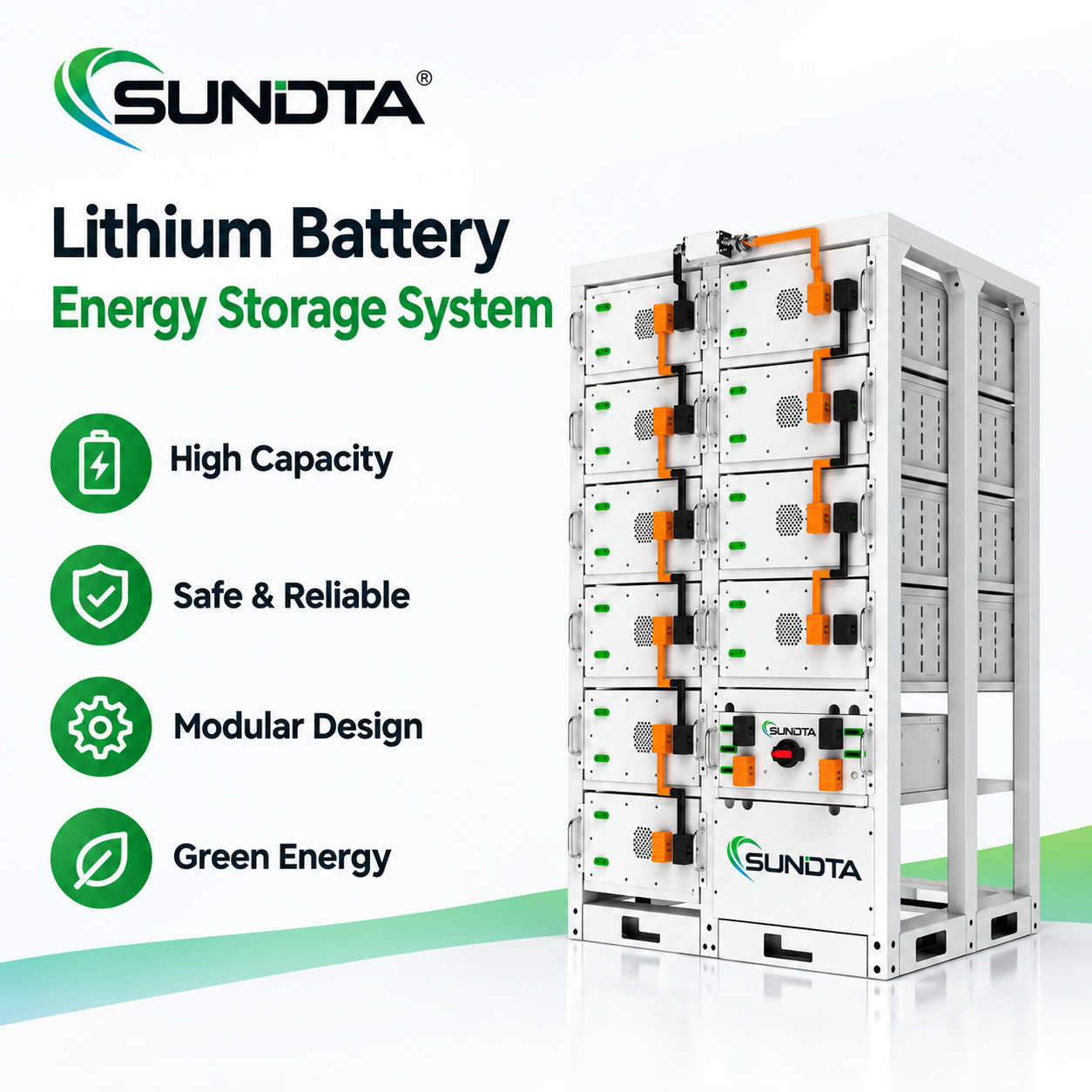
In this restructured regulatory climate, the technical focus has pivoted toward advanced hybrid energy storage inverters and DC-coupled LiFePO4 battery infrastructure. As a direct-tier China manufacturer and supply chain consolidator headquartered in Hefei, Anhui RJV New Energy Co., Ltd. (SUNDTA) provides Santa Ana solar contractors, developers, and wholesale electrical suppliers with pre-engineered, factory-matched system packages. By integrating high-frequency split-phase and three-phase hybrid inverters with high-rate discharge lithium iron phosphate battery stacks, our hardware bridges the divide between affordable Tier-1 component costs and stringent North American electrical codes.
Southern California Edison (SCE) requires grid-interconnected power conversion equipment to satisfy mandatory Autonomous Grid Support Functions. Our hybrid inverters integrate certified Volt-VAR, Frequency-Watt, and dynamic reactive current injection to stabilize local 120V/240V split-phase and 208V/480V distribution feeders without tripping.
In total compliance with NEC 2020 / NEC 2023 Article 690.12, our hybrid inverters feature native SunSpec-compliant transmitter modules. Paired with module-level rapid shutdown (MLPE) receivers, this architecture ensures module conductors drop below 30 volts within 30 seconds of AC disconnection, shielding first responders throughout the Orange County Fire Authority jurisdiction.
Under SCE TOU-D-PRIME and TOU-8 commercial rate tariffs, energy costs surge between 4:00 PM and 9:00 PM on weekdays. Our smart hybrid inverter controllers deploy automated algorithmic scheduling: midday solar overproduction is redirected into 51.2V or high-voltage LiFePO4 chemistry rather than exported to the grid at low credit rates, discharging during peak price blocks for rapid ROI.
From light manufacturing facilities along Grand Avenue to multi-family residential projects in Downtown Santa Ana, our hybrid inverters and storage banks address hyper-specific structural and thermal parameters.
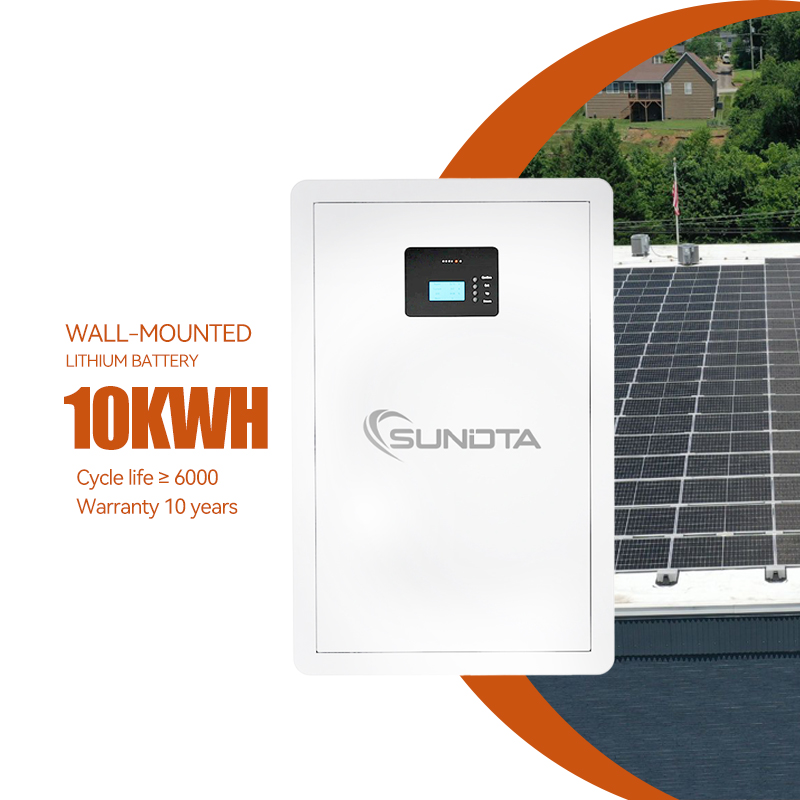
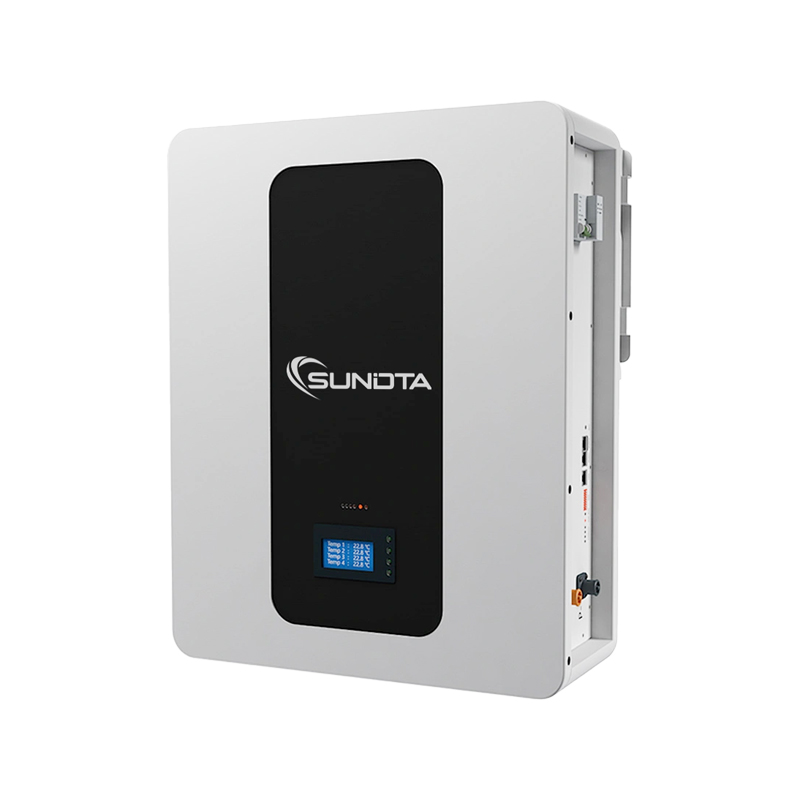
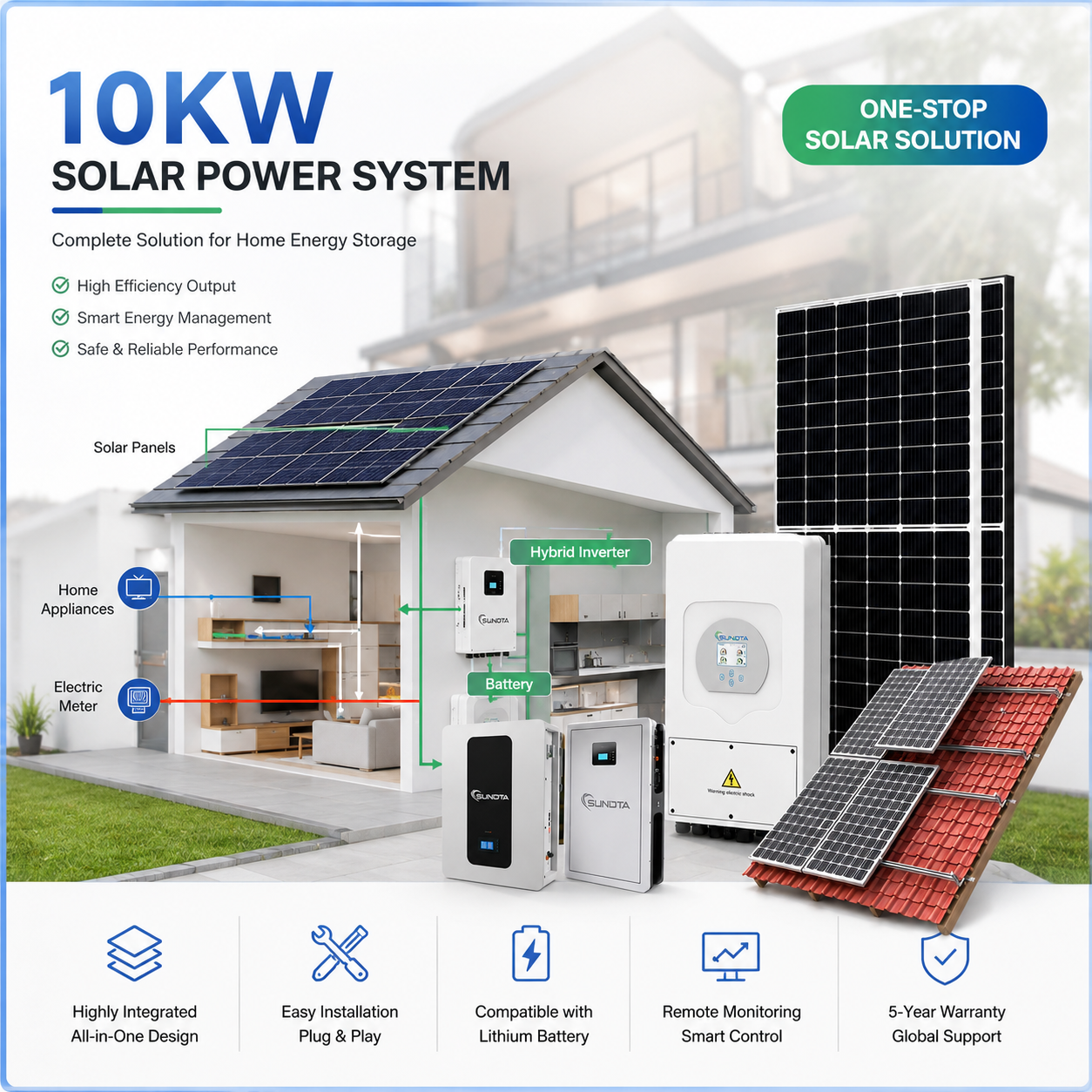
Single-family residences across Santa Ana's historic neighborhoods and suburban tract developments face strict space and aesthetic restrictions. Our wall-mounted Sundta 10kWh IP65 LiFePO4 batteries paired with 5kW–12kW hybrid low-voltage inverters install seamlessly against exterior garage walls, delivering clean backup during utility outages while satisfying California Title 24 mandates.
Santa Ana's extensive logistics hubs and food processing plants near the Dyer Road industrial sector operate with hefty 15-minute peak demand penalties. By deploying our 50kW commercial hybrid systems with high-voltage stackable battery blocks, facility managers can shave midday demand spikes and offset aggressive refrigeration motor-start loads.
With wildfire threats and Public Safety Power Shutoff (PSPS) events impacting Southern California Edison's transmission infrastructure, Santa Ana medical clinics, municipal pump stations, and IT server clusters require non-disruptive power. Our system delivers <10ms automatic transfer switching, functioning as a continuous UPS that operates independently of grid volatility.
Commercial fleet electrification mandated by California's Advanced Clean Fleets regulation threatens to overload building utility service transformers. Our three-phase hybrid inverters couple rooftop bifacial TOPCon solar arrays directly to local battery banks, buffering DC fast chargers and mitigating substation interconnect upgrade costs.
Comparing inverter hardware architectures for procurement directors, EPC estimators, and master electricians designing projects for the Orange County power grid.
| Evaluation Parameter | Residential Split-Phase (5kW–12kW) | Commercial 3-Phase Hybrid (30kW–50kW) | Modular Containerized ESS (250kW–1MW) |
|---|---|---|---|
| Primary Application | Single-family residences & ADUs under NEM 3.0 | Santa Ana industrial parks & retail centers | Utility microgrids & heavy manufacturing |
| Grid Voltage Standard | 120V / 240V AC Split-Phase (60Hz) | 208V / 480V AC Wye (60Hz) | 480V / 600V AC Step-Up Transformer |
| Battery Bus Voltage | Low-Voltage 48V / 51.2V DC (Safe-touch) | High-Voltage 200V–800V DC (High efficiency) | High-Voltage 600V–1500V DC Prismatic Rack |
| Inverter MPPT Channels | Dual MPPT (2/2 strings, up to 18A ISC) | 3 to 4 MPPTs (Multi-azimuth roof optimization) | Centralized or Multi-string PCS Blocks |
| BMS Communications | CANbus 2.0B / RS485 (Native RJV/Sundta sync) | Isolated Dual CAN / Modbus TCP / RTU | Industrial SCADA / IEC 61850 protocol |
| Compliance Readiness | UL 1741 SB / CA Rule 21 | UL 1741 SB / IEEE 1547.1 | NFPA 855 / UL 9540A Verified |
| Round-Trip Efficiency | >95.5% (DC to Battery to AC) | >97.2% Peak Efficiency | >98.0% Heavy-Duty Duty Cycle |
* Note: All units ordered for Southern California projects can be customized with pre-flashed localized SCE firmware sets, SunSpec transmitter profiles, and customized NEMA 3R / IP65 enclosure configurations.
Strategic capital allocation depends on anticipating shifts in regional utility tariffs, federal clean energy incentives, and structural building codes across California.
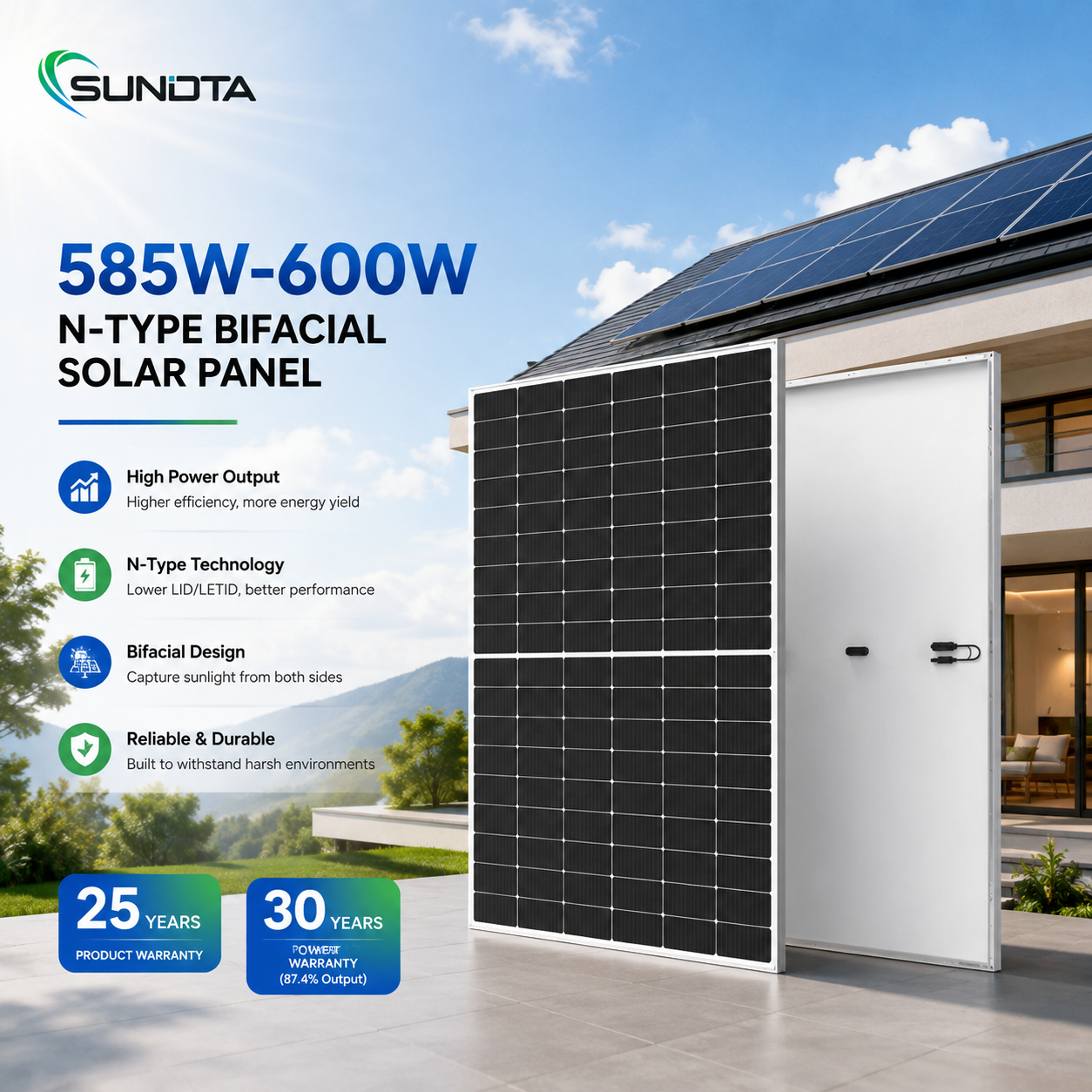
1. The Accelerated Shift to High-Efficiency N-Type TOPCon Cells: Due to dense lot coverage ratios throughout Orange County, rooftop square footage is at a substantial premium. Traditional P-type PERC panels (typically maxing out at 21% efficiency) are rapidly being superseded by our N-type TOPCon 700W+ and 585W–595W series, which deliver module efficiencies exceeding 23.03%. The lower temperature coefficient of N-type cells (-0.30%/°C vs -0.35%/°C of older legacy cells) guarantees superior kilowatt-hour generation during scorching Santa Ana wind events, when inland Southern California temperatures routinely surpass 100°F (38°C).
2. Federal Section 301/201 Tariffs and Compliant Sourcing Pipelines: US solar procurement agents face strict compliance oversight regarding the Uyghur Forced Labor Prevention Act (UFLPA) and evolving anti-dumping/countervailing duties (AD/CVD). RJV New Energy provides Santa Ana buyers with verifiable, non-sanctioned raw silicon trace documentation, clean third-party flash test reports, and fully transparent Bills of Lading directly out of our automated manufacturing lines in Anhui, China, guaranteeing smooth container releases through the Ports of Los Angeles and Long Beach.
3. Exploiting California SGIP (Self-Generation Incentive Program) Subsidies: California's SGIP provides critical equity and general resilience rebates for residential and non-residential energy storage installations in disadvantaged communities, including qualifying census tracts within Santa Ana. Pairing our Energy Bank Powerwall 51.2V 314Ah lithium storage units with smart hybrid inverters enables local developers to unlock these lucrative incentives, slashing net system cost while securing multi-day power backup.
4. Interconnection Streamlining via SolarApp+: The City of Santa Ana's Building Division has been actively adopting automated online permitting platforms like SolarAPP+. Our inverter hardware datasheets and pre-configured electrical schematics correspond directly with automated plan review parameters, expediting the plan check and reducing the administrative timeline from months to hours.
Clear, definitive answers addressing regulatory compliance, import logistics, inverter-to-battery communication, and technical field support.
Anchored in the high-tech industrial cluster of Hefei, Anhui, our manufacturing infrastructure combines Tier-1 component sourcing with rigorous European quality audits.
Our modern manufacturing lines operate under stringent ISO 9001, ISO 14001, and ISO 45001 protocols, verified through comprehensive on-site facility assessments by TÜV Rheinland. Every batch of PV cells undergoes dual Electroluminescence (EL) crack detection and flash calibration testing to ensure flawless defect-free delivery.
Backed by over a decade of deep R&D into power electronics and thermal management, our engineering team holds 38 state utility and invention patents. Our proprietary inverter heat sink dissipation designs ensure continuous full-load output up to 50°C (122°F) ambient temperature without thermal derating.
Avoid the costly logistical nightmares and finger-pointing caused by assembling modules, inverters, racking, and battery cells from disparate vendors. RJV packages complete, factory-commissioned systems with certified CAN-bus interconnects, matched breaker panels, and unified engineering documentation.
Planning a multi-family residential microgrid, commercial warehouse solar-plus-storage array, or wholesale inventory replenishment in Orange County? Connect directly with our Senior Power Systems Engineers for factory-direct container pricing, single-line diagrams (SLD), and UL testing certificates within 24 hours.