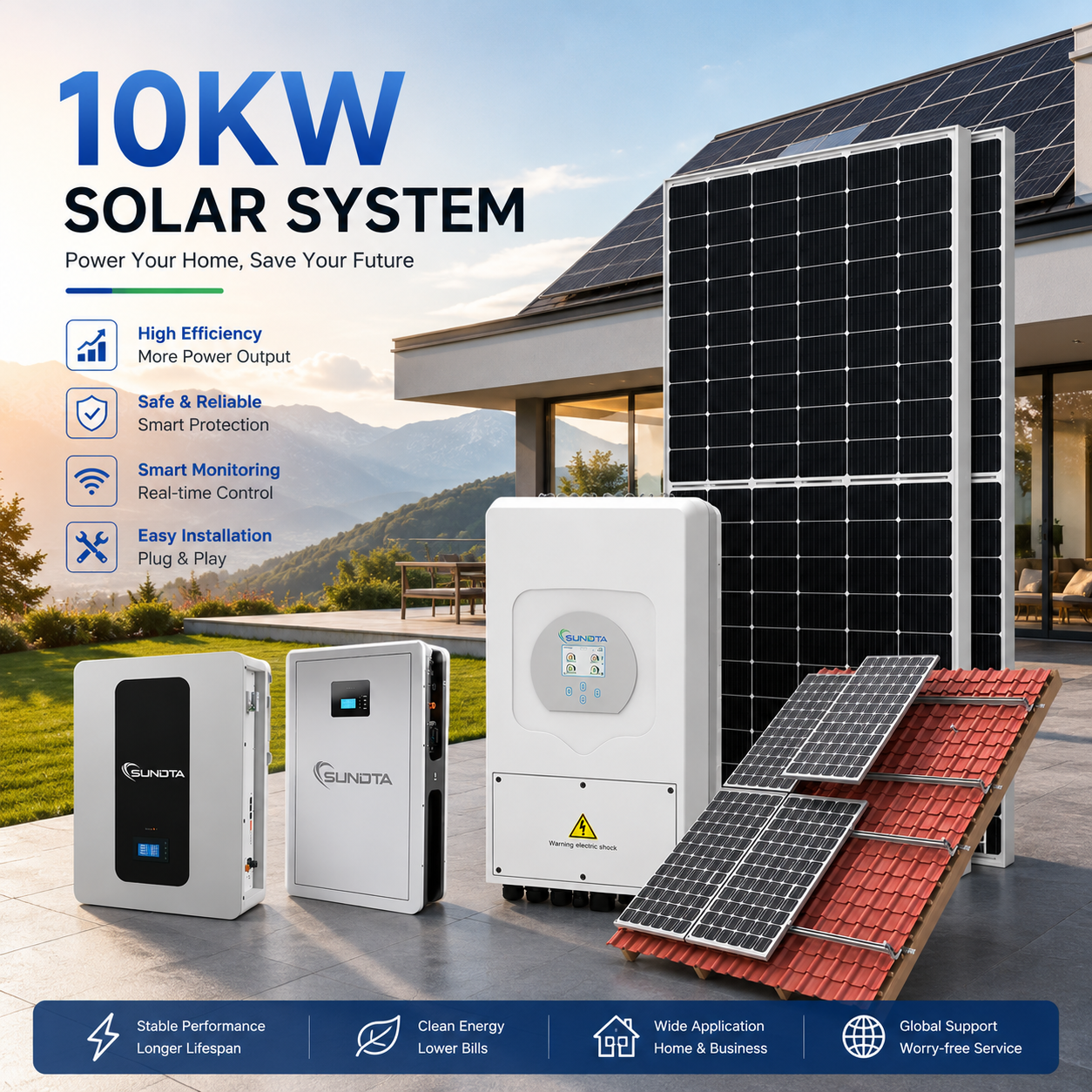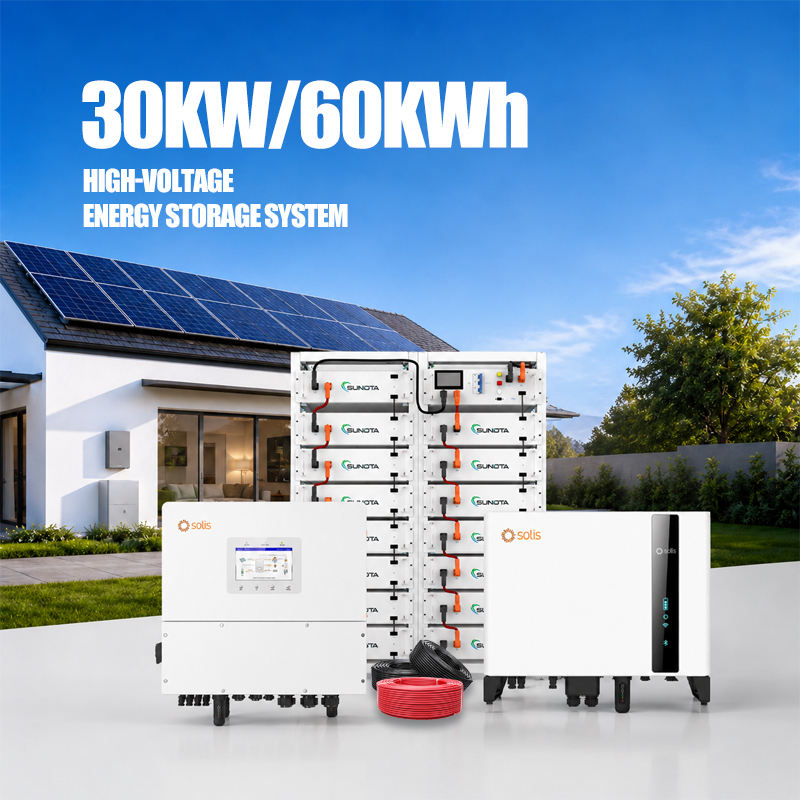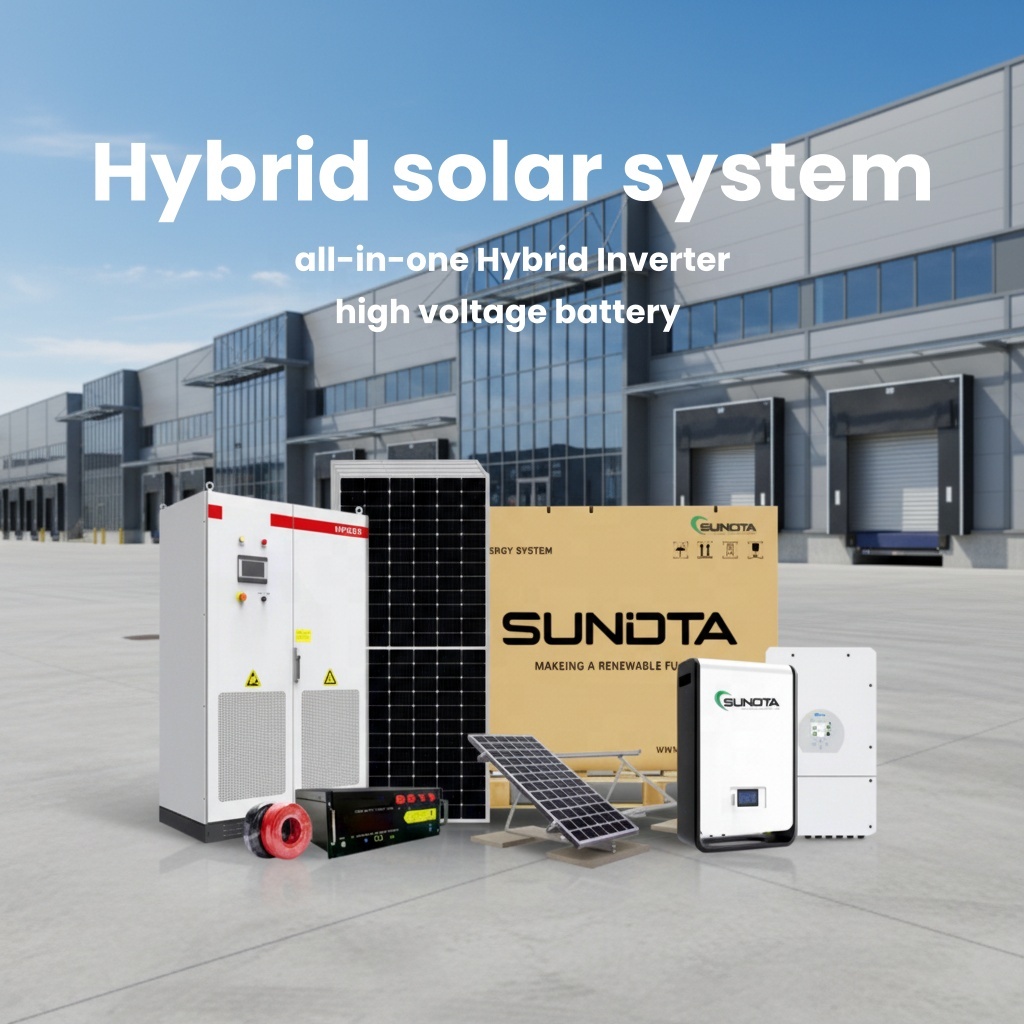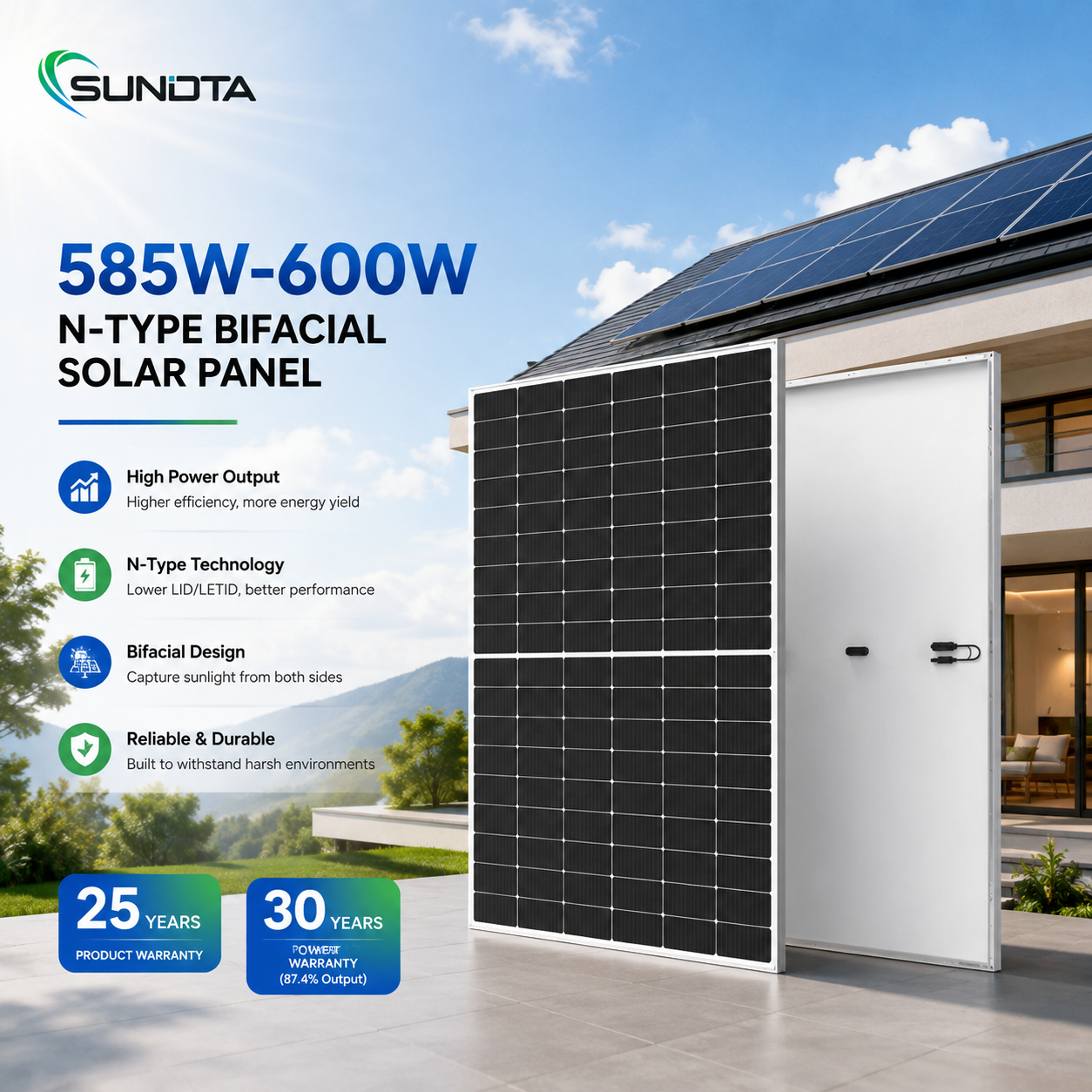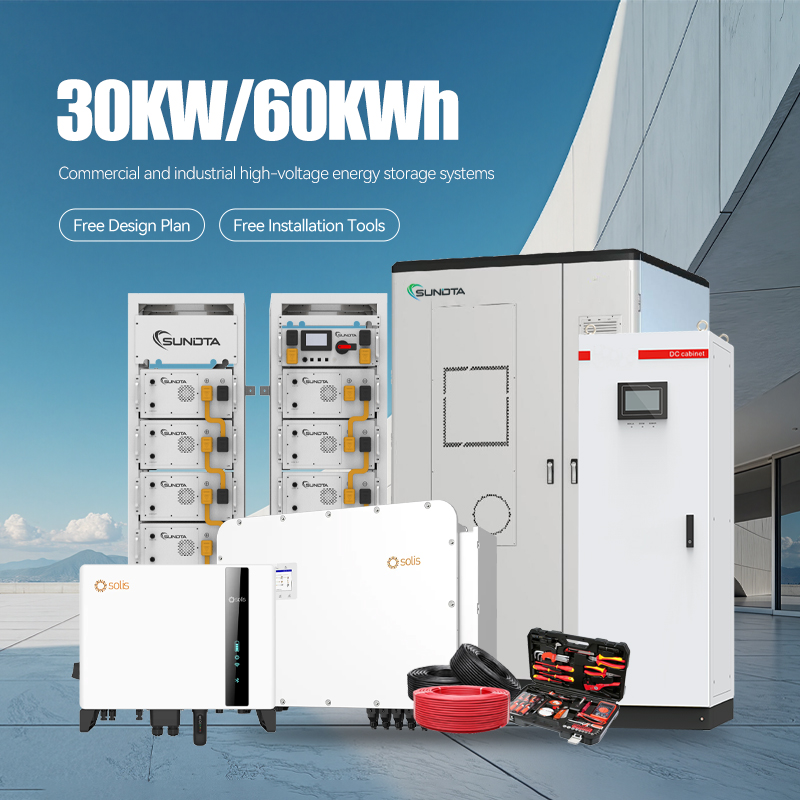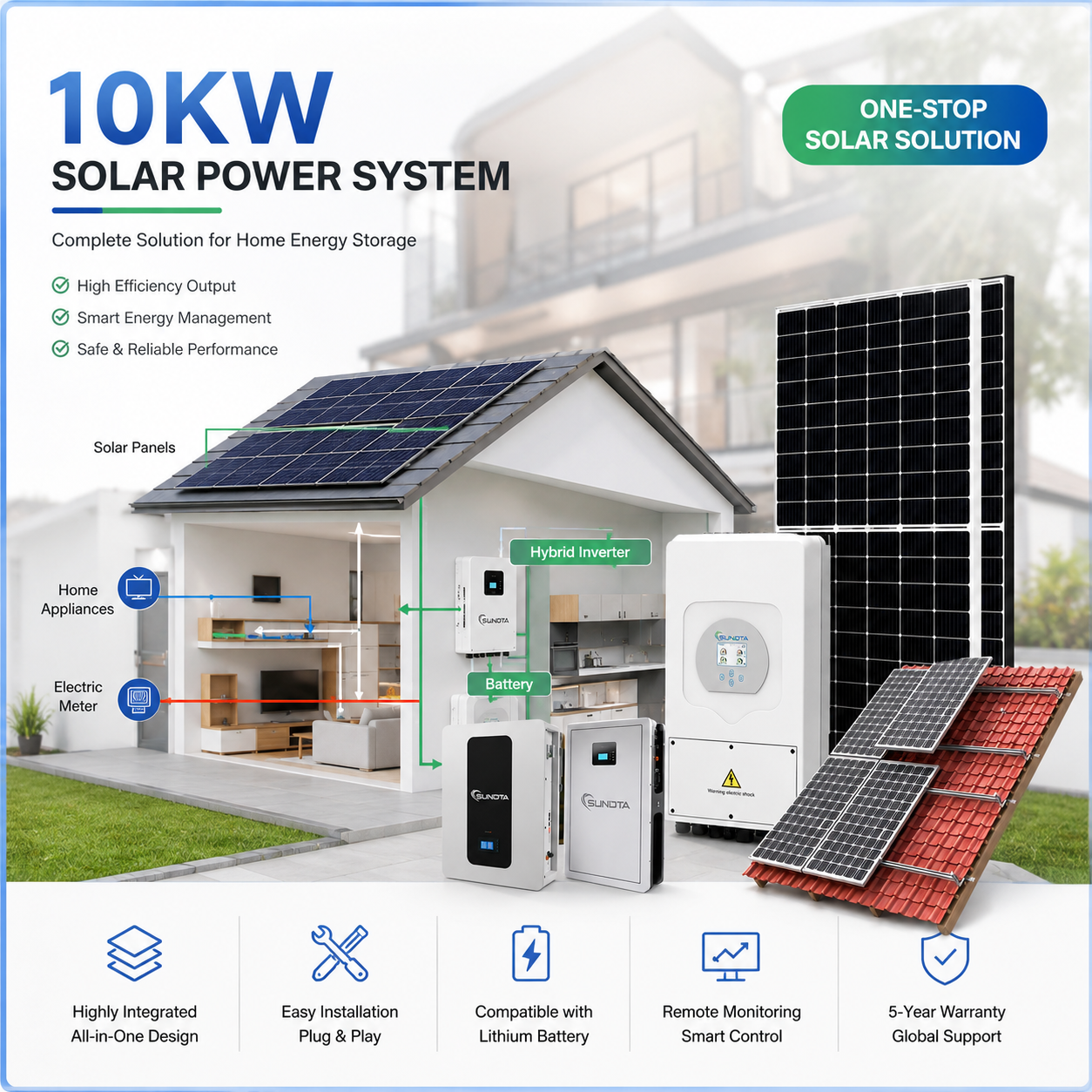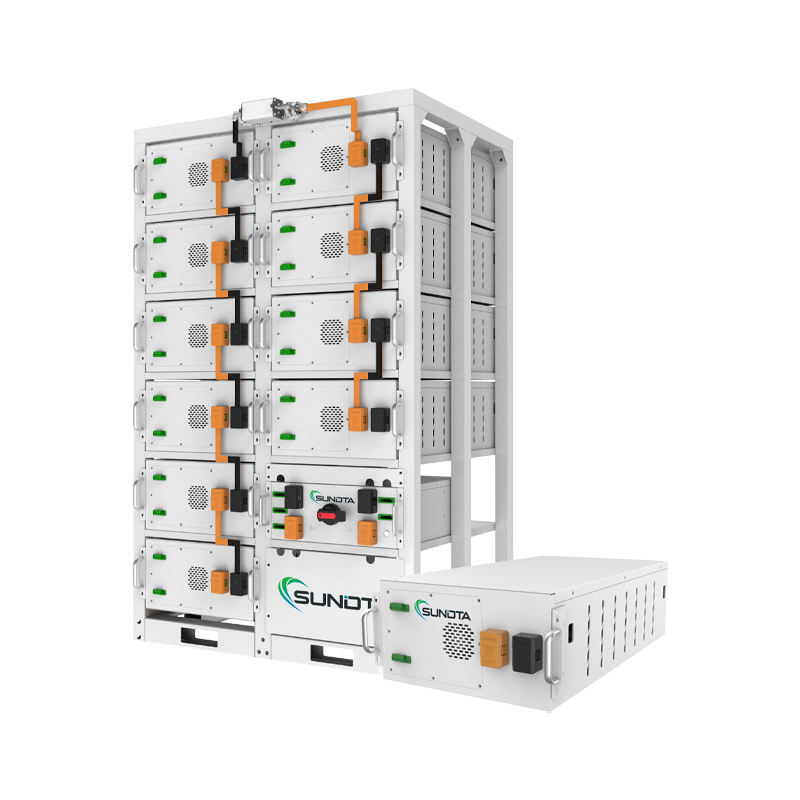
High Quality LiFePO4 Lithium Battery Stackable 51.2V 14.336kWh Wall-Mounted 10-Year Warranty
- Grade-A Prismatic LiFePO4 Chemistry
- 6,000+ Deep Cycles at 80% DoD
- CAN/RS485 Protocol Closed-Loop
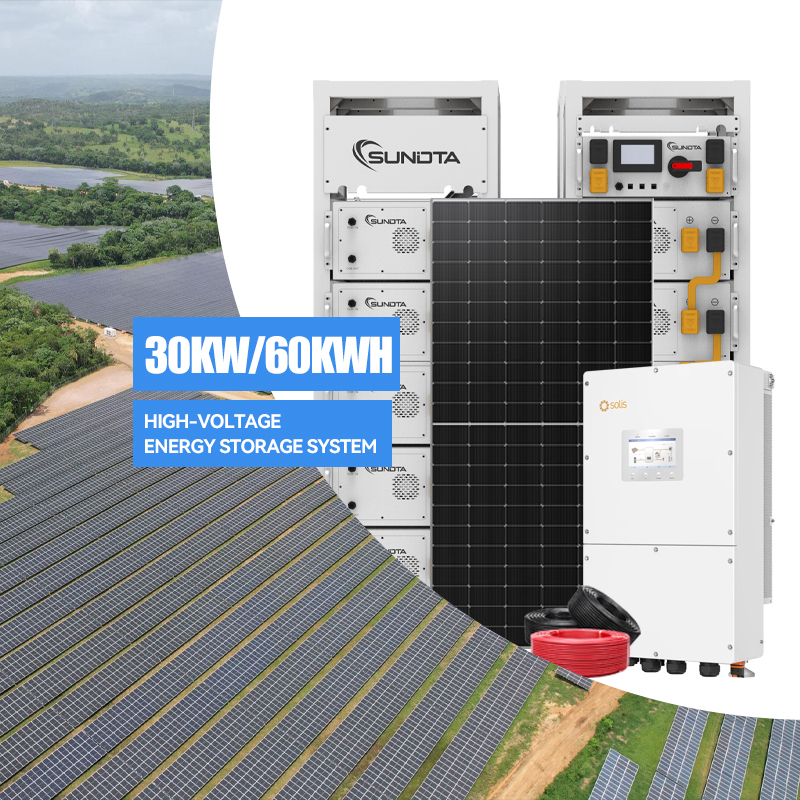
Engineered for seamless interoperability across European, Australian, and American grid architectures. Fully certified with CE, TÜV, and UN38.3 protocols.
Analyzing the paradigm shift from centralized legacy inverters to intelligent, distributed multi-MPPT string topologies.
The global photovoltaic sector has witnessed an accelerated transition toward string solar inverter architectures across residential, commercial and industrial (C&I), and utility-scale installations. As levelized cost of electricity (LCOE) targets tighten globally, Chinese power electronics manufacturers have pioneered breakthroughs in high-power string units—scaling nominal outputs from residential 5kW–12kW models to commercial 50kW–125kW units, and utility-scale string monsters reaching 250kW to 350kW+.
At the core of this technical dominance lies the integration of Silicon Carbide (SiC) and Gallium Nitride (GaN) power semiconductors. Wide-bandgap (WBG) switches allow string inverters to operate at exponentially higher switching frequencies with up to 70% lower thermal dissipation losses. This breakthrough directly yields European-weighted efficiencies beyond 98.4% and maximum conversion efficiencies of 98.8% to 99.0%, all while drastically compressing equipment footprint, heatsink volume, and overall chassis weight.
Another transformative technological milestone is the integration of High-Current MPPT Design. With mainstream module manufacturers standardizing on 182mm and 210mm wafer technologies, operating currents (Imp) regularly climb to 15A–18A, with short-circuit currents (Isc) surpassing 20A. High-grade Chinese string solar inverters now provide standard DC input ratings of 16A to 20A per string, completely eliminating current clipping in bifacial N-type TOPCon and HJT setups where rear-side irradiation boosts can push operating currents by an additional 10% to 25%.
Next-gen Chinese string inverters feature advanced Phase-Locked Loop (PLL) algorithms that operate reliably even in ultra-low short-circuit ratio (SCR < 1.2) networks. By emulating virtual synchronous generator (VSG) dynamics, they deliver synthetic inertia, reactive power injection, and rapid frequency damping to support unstable national grids.
Safety benchmarks mandate real-time protection against DC electric arc faults. Modern topologies embed deep neural network algorithms capable of detecting arc noise patterns across DC strings up to 200 meters long within 2.5 milliseconds, automatically executing circuit interruption well under the stringent 2.5-second UL 1699B mandate.
The boundary between pure grid-tied string inverters and energy storage inverters has blurred. Tier-1 manufacturers in Hefei and Ningbo now design standard string platforms with dedicated DC-coupled high-voltage battery ports (150V–800V DC), allowing customers to add LiFePO4 batteries seamlessly without incurring separate inverter balance-of-system (BOS) capital costs.
Critical shifts in supply chain alignment, vendor validation, standardized battery protocols, and carbon footprint compliance.
International procurement managers, EPC executives, and wholesale distributors are navigating an increasingly sophisticated solar sourcing landscape. As the price per watt of PV modules stabilizes, the procurement focus has decisively shifted toward system longevity, interoperability, balance-of-system optimization, and warranty enforceability. In the string solar inverter category, several decisive procurement trends have emerged that dictate contract awards:
| Procurement Metric | Traditional String Strategy | Next-Gen 2025+ Strategic Sourcing | Engineering Justification |
|---|---|---|---|
| MPPT Input Capacity | 12.5A to 13.5A per string | 16.0A to 20.0A per string | Prevents power clipping with 210mm N-type bifacial modules experiencing 20%+ albedo yield. |
| Battery Interoperability | Proprietary closed protocols | Universal CAN / RS485 Open BMS | Enables flexible coupling with tier-1 51.2V and high-voltage LiFePO4 storage (Deye, Solis, RJV). |
| Cooling Technology | Standard high-RPM cooling fans | Smart Natural Convection / IP66 Vented | Eliminates the #1 mechanical failure point; enhances MTBF (Mean Time Between Failures) to >15 years. |
| Grid Code Compliance | Regional fixed firmware settings | Software-Defined Grid Codes (Multi-Region) | Allows single SKU importation across multiple territories (VDE-AR-N 4105, EN 50549, UL 1741 SB). |
| Anti-PID & Night Recovery | Optional external hardware modules | Integrated Virtual Neutral Potential Bias | Prevents module potential induced degradation (PID) automatically during nocturnal idling phases. |
Consolidation into Turnkey BOS Shipments: A major procurement pain point for international contractors has been vendor fragmentation. Sourcing string inverters from one vendor, modules from a second, and lithium batteries from a third frequently results in finger-pointing during on-site commissioning if communication faults (e.g., CAN bus timeout, firmware incompatibility) occur. Forward-thinking buyers are increasingly prioritizing suppliers such as Anhui RJV New Energy that offer fully matched, factory-validated Bills of Materials (BOM)—including pre-tested communication protocols between Deye/Solis inverters and high-density LiFePO4 batteries.
ESG, Carbon Border Adjustment Mechanism (CBAM) & Supply Chain Traceability: For shipments destined for Europe and North America, string inverters and solar modules must demonstrate documented origin traceability. European Union CBAM mandates and French CRE carbon-footprint certifications demand that manufacturers maintain rigorous auditing across their aluminum casing extrusions, semiconductor wafers, and module bill of materials. Manufacturers operating verified automated manufacturing bases in Anhui and Zhejiang offer substantial competitive advantages through digitized carbon footprint documentation.
Deep manufacturing roots in Hefei, Anhui—delivering integrated PV modules, hybrid/string inverters, and utility-scale energy storage.
Headquartered in the Innovation Industrial Park of Hefei, Anhui—China’s global nucleus for advanced solar and semiconductor manufacturing—Anhui RJV New Energy Co., Ltd. stands as a premier integration and manufacturing partner for commercial, industrial, and residential photovoltaic projects. With continuous R&D roots extending back to 2016, our engineering teams combine large-scale module fabrication with extensive power conversion system (PCS) expertise.
Our intelligent Hefei manufacturing workshops deploy fully automated stringer, lamination, and testing lines, guaranteeing precision EL testing and zero micro-crack tolerances across every module produced.
Our operational management, quality control facilities, and trade credentials have successfully passed rigorous on-site audits by TÜV Rheinland, backed by an AAA Enterprise Credit Rating.
We solve commissioning headaches by pre-matching inverter MPPT parameters, string voltages, and LiFePO4 battery BMS closed-loop communication (CAN / RS485) before leaving our facility.
RJV provides 24/7 multilingual technical assistance for project sizing, single-line wiring diagrams (SLD), firmware updates, and streamlined customs clearance documentation (FOB, CFR, CIF, EXW).
Authoritative technical and logistical clarifications to streamline your quotation and import processes.