Tier-1 OEM / ODM Bifacial Module Authority

Custom OEM Bifacial Solar Panels Manufacturers & Manufacturer

Precision-Engineered Dual-Glass N-Type TOPCon & PERC Modules with Integrated Energy Storage Architecture for Global Commercial, Industrial & Utility-Scale PV Developers.

Technical Whitepaper & Procurement Dossier

Dual-Glass Bifaciality Meets Low LCOE Bankability

As global utility-scale and commercial distributed generation installations converge toward high-albedo bifacial systems, selecting an agile OEM bifacial solar panel manufacturer is the single most critical lever for securing project internal rates of return (IRR). Standard monofacial designs no longer meet the stringent CAPEX-to-kWh thresholds mandated by tier-1 EPCs.

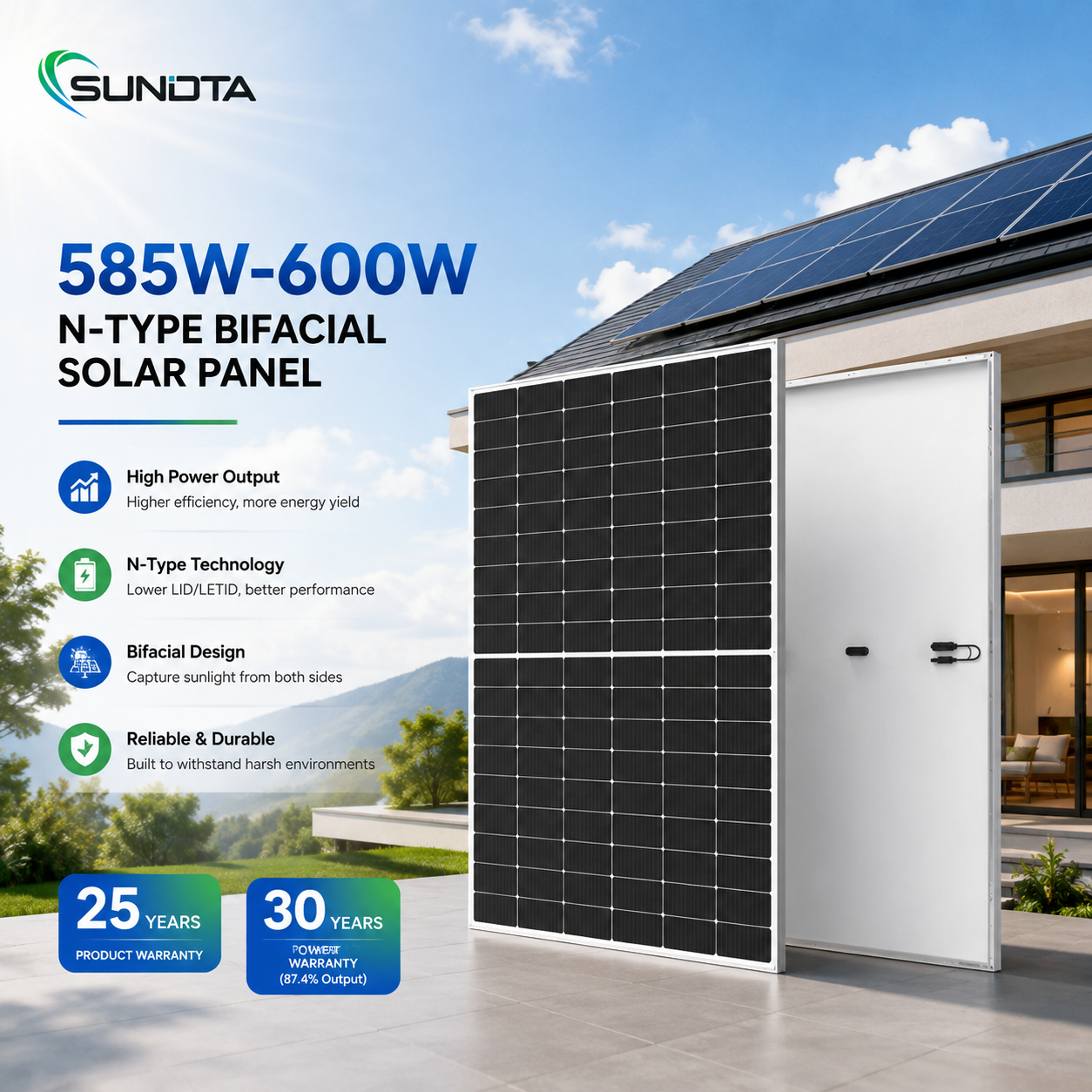
Key Engineering Metric: Our custom OEM N-Type TOPCon bifacial modules deliver an industry-leading bifaciality factor of 80%±5%, harvesting up to 25% incremental backside irradiance from high-albedo concrete, gravel, and snow environments, while maintaining a sub-0.4% annual linear degradation guarantee.

Anhui RJV New Energy Co., Ltd. serves as the premier engineering, manufacturing, and validation bridge for international solar procurement teams, integrating advanced module encapsulation, automated stringing, and turnkey balance-of-system (BOS) storage synergy.
Performance Vector Standard OEM PERC RJV N-Type TOPCon Bifacial
Cell Technology P-Type Monocrystalline Tunnel Oxide Passivated (TOPCon)
Bifaciality Factor 65% – 70% 80% ± 5%
Temp. Coefficient (Pmax) -0.34% / °C -0.30% / °C (Superior Hot Climates)
First-Year Degradation ≤ 2.0% ≤ 1.0%
Annual Degradation (Yr 2-30) 0.55% 0.40% (30-Year Performance Linear)
Mechanical Load Durability 5400Pa Front / 2400Pa Back 5400Pa Front / 2400Pa Back (Dual-Glass)
2GW
Annual Module Capacity
500MW+
Delivered Projects
12+
Years PV Manufacturing
38
Patents Certified
AAA
Bank Credit Rating
TÜV
Rheinland Audited
Commercial & Industrial Hardware Integration

Core Bifacial Modules & Engineered Storage Platforms

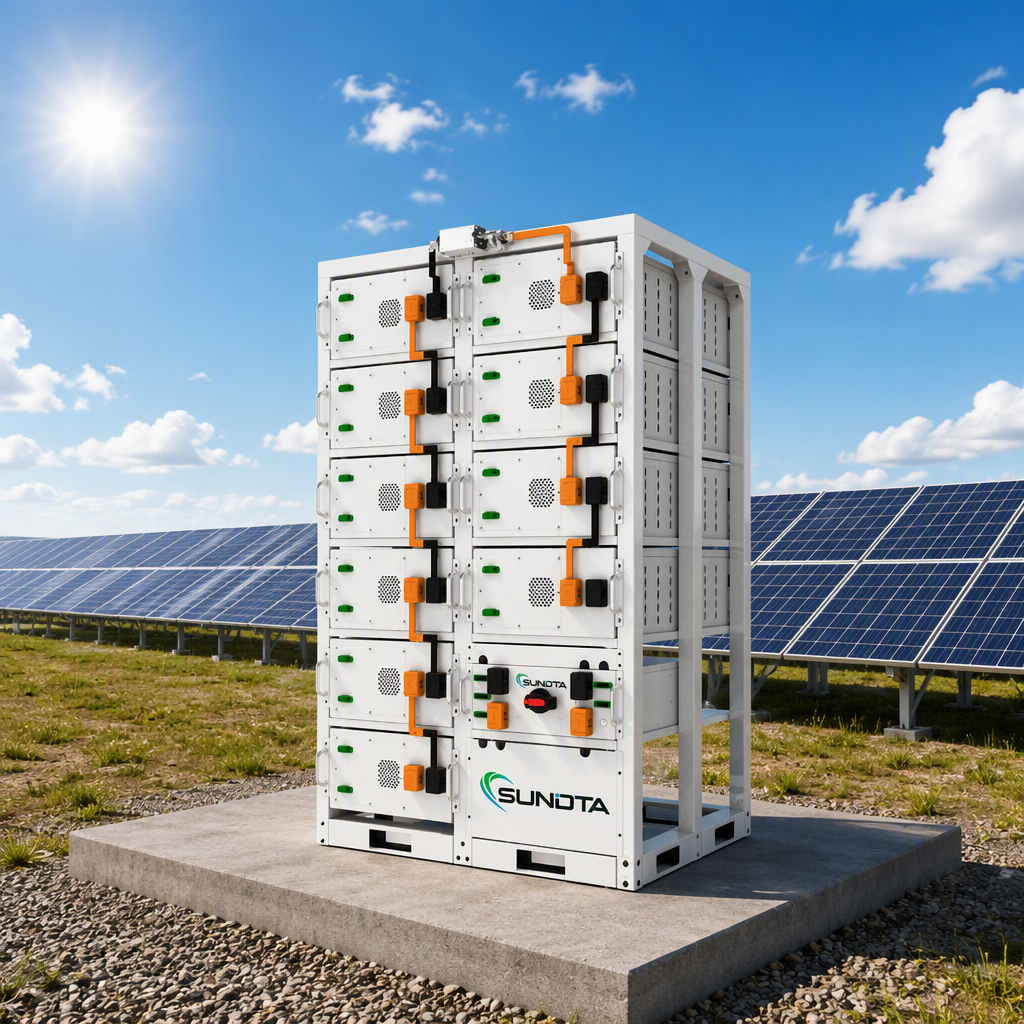
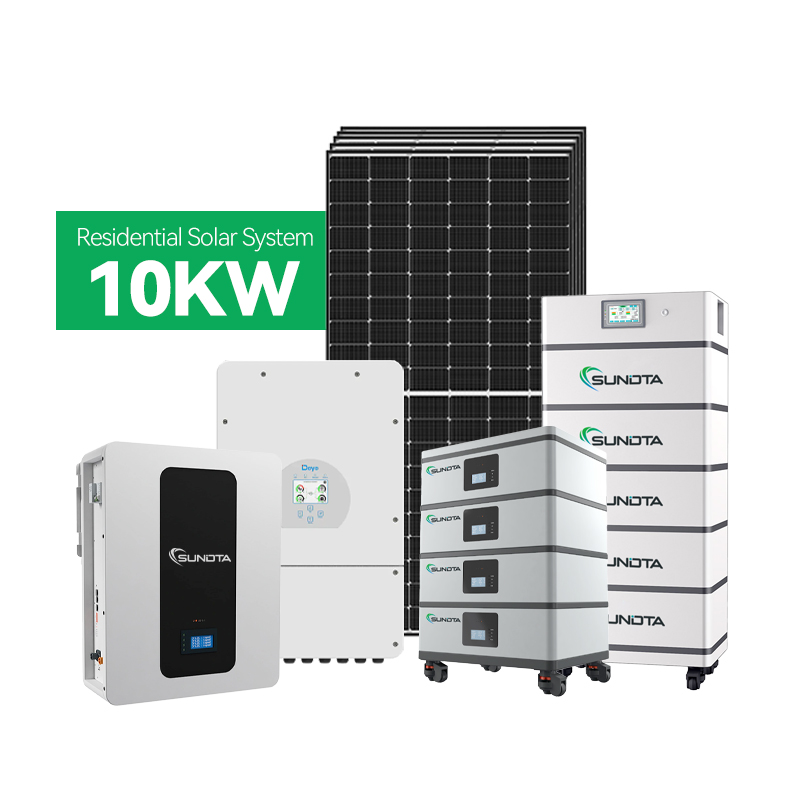
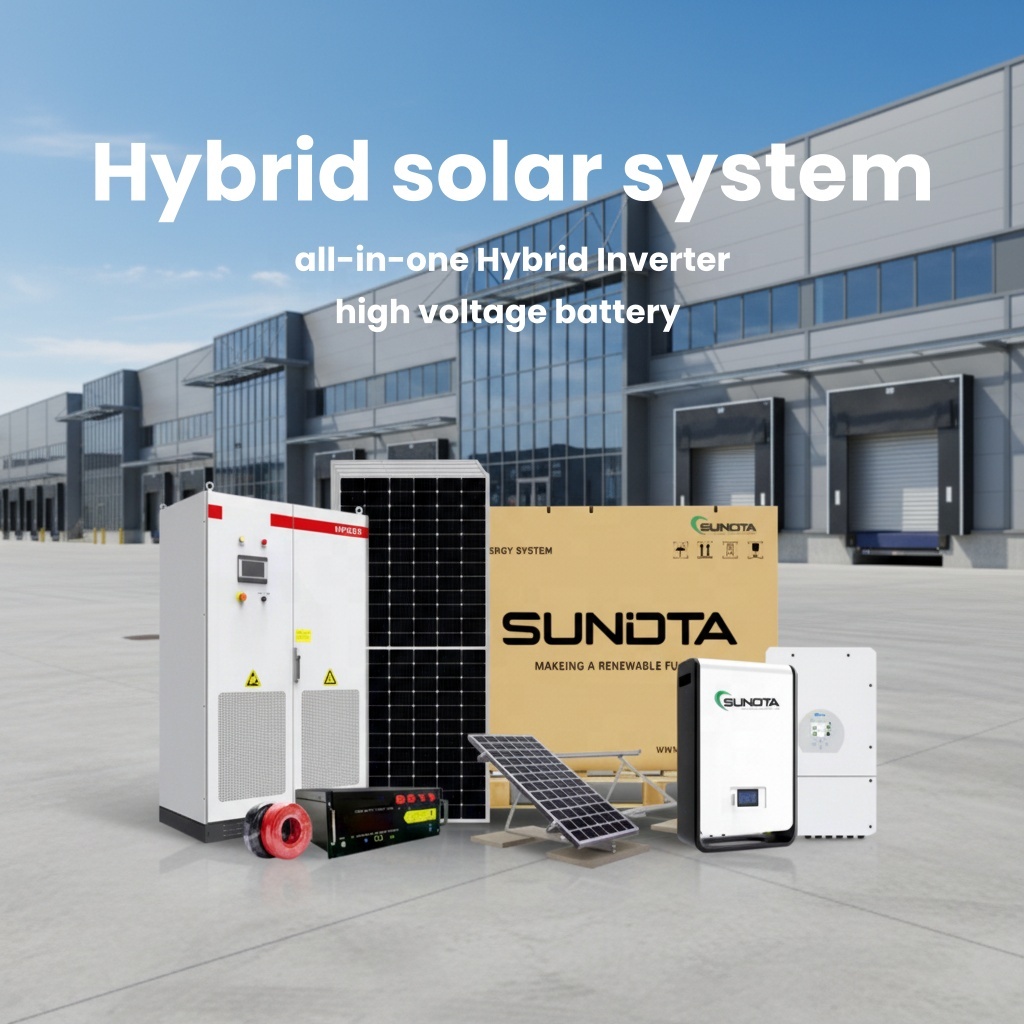
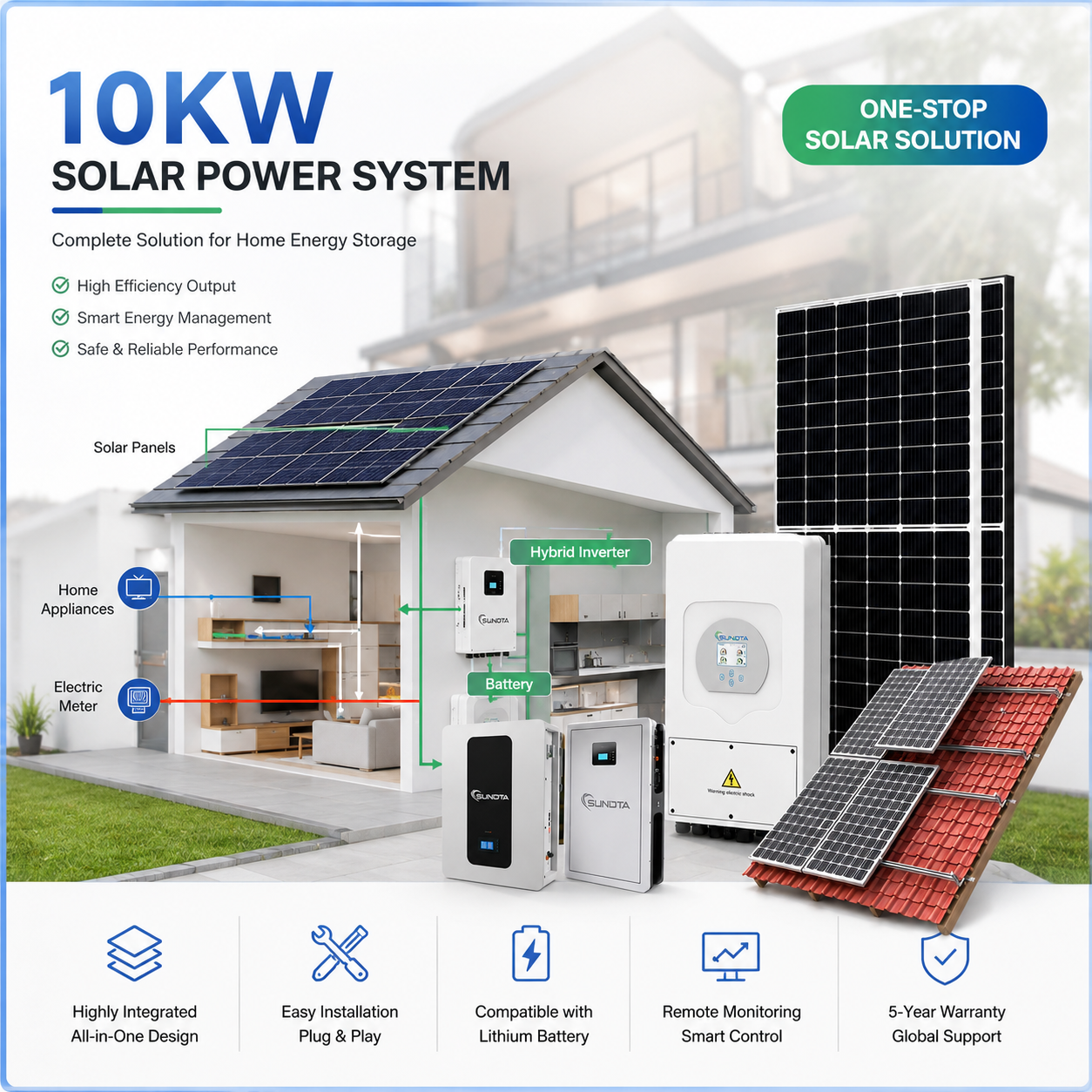
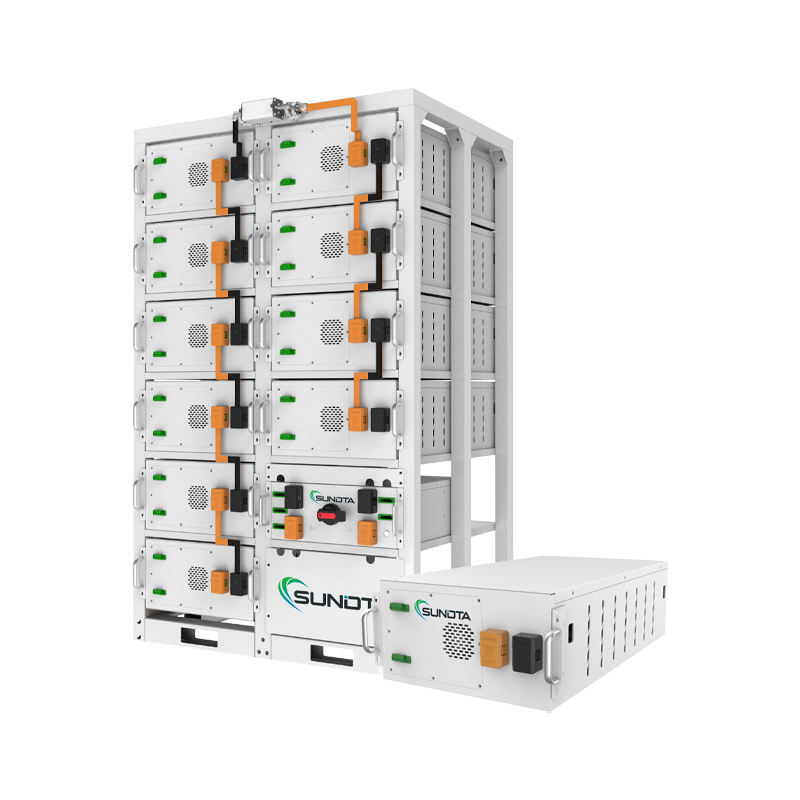
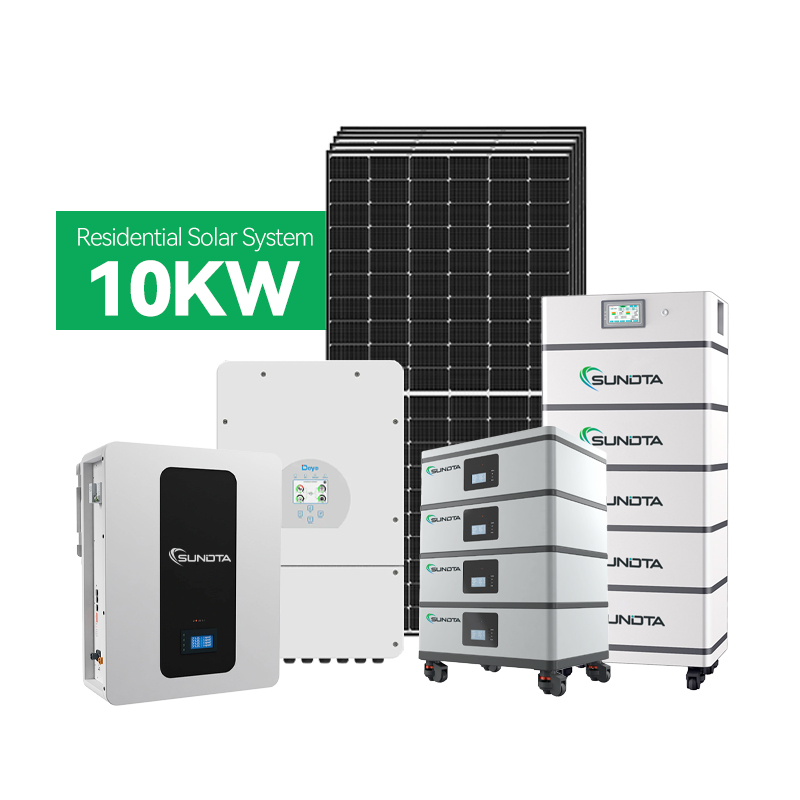
Precision-matched solar panels and high-voltage lithium storage systems ready for branded OEM distribution, containerized export, and seamless on-site commissioning.

Strategic Sourcing Intelligence

Future Sourcing & Procurement Vectors (2025–2030)

How the transition from monofacial p-type PERC to high-bifaciality TOPCon, HJT, and integrated BESS modifies the procurement matrix for Tier-1 engineering firms.

Dominance of TOPCon & HJT Substrates

Monofacial PERC production lines are rapidly reaching end-of-economic-life. Sourcing directors must transition project pipelines toward n-type architectures. TOPCon bifacial modules mitigate Light and Elevated Temperature-Induced Degradation (LeTID), ensuring yields exceed pro-forma debt coverage requirements in desert and high-temperature regions.

Standardization of 2.0mm+2.0mm Glass

Transparent backsheet modules have surrendered market share to dual-glass (2.0mm heat-strengthened or semi-tempered) laminates. Dual-glass bifacial modules virtually eliminate zero-depth water vapor ingress, mitigating Potential Induced Degradation (PID) and preventing microcrack propagation caused by extreme dynamic wind-gust fluttering.

Unified PV + BESS Interoperability Protocols

B2B importers increasingly reject standalone module shipments that require secondary multi-vendor field integration. Sourcing trends mandate that solar modules, hybrid string inverters (Deye, Solis), and LiFePO4 battery management systems (BMS via native CAN-bus) arrive pre-tested from an accountable manufacturing entity.

Institutional Manufacturing Pedigree

Why Global EPCs Choose Anhui RJV New Energy

Operating out of Hefei's world-class renewable industrial hub, our manufacturing facilities merge precision robotic automation with stringent German-standard verification.

TÜV Rheinland Audited

Our Hefei production lines and operational workflows have undergone exhaustive on-site audit verification by TÜV Rheinland, accompanied by CE, IEC 61215, and IEC 61730 certifications.

Full OEM/ODM Versatility

From frame anodization custom branding (all-black, silver, ultra-narrow bezel) to junction box lead lengths, custom cell matrix arrangements, and private pallet barcoding, we cater to elite brands.

24/7 Dedicated Engineering

Eliminate project delays. Our Hefei headquarters deploys specialized photovoltaic electrical and civil engineers who provide rapid layout sizing, string calculations, and BMS firmware matching.

Flexible International Terms

Supporting multi-port delivery under FOB, CFR, CIF, and EXW incoterms. Secure transaction structures via T/T, Irrevocable L/C, backed by our verified AAA institutional credit solvency rating.

Due Diligence FAQ

Frequently Asked Questions for Sourcing Managers

Direct technical answers addressing the real questions raised by EPC electrical engineers and procurement officers.

How does backside albedo impact the string sizing of your custom OEM bifacial solar panels?

Backside irradiance generates incremental current (Isc and Imp) without increasing maximum system open-circuit voltage (Voc). When designing strings for our 585W–595W bifacial modules, electrical engineers must account for a 10% to 25% peak current boost under high albedo conditions (e.g., white membrane rooftops, light sand, or snow). Our engineering department supplies individualized flash-test reports (I-V curve traces) alongside customized MPPT inverter clipping evaluations to ensure complete protection against overcurrent while maximizing harvest.

What is the standard Minimum Order Quantity (MOQ) and production lead time for OEM projects?

For custom OEM branding on our dual-glass bifacial solar panel lines (custom labels, packaging, frame stamping, and cable specifications), standard MOQ starts at 1 container load (approx. 17,280 W to 37,440 W depending on form factor). Standard factory production turnarounds typically run between 14 to 21 calendar days from proforma confirmation. For European regional projects, spot container inventory of standard monocrystalline and TOPCon modules can also be dispatched rapidly via our Germany warehouse hubs.

How do you resolve Potential Induced Degradation (PID) and LeTID in custom bifacial modules?

Our OEM manufacturing process utilizes POE (Polyolefin Elastomer) encapsulation instead of conventional EVA on the cell-to-glass interface, guaranteeing a water-vapor transmission rate (WVTR) orders of magnitude lower than standard polymer backs. Furthermore, our n-type TOPCon cell substrates contain near-zero boron-oxygen complexes, eradicating Light-Induced Degradation (LID) right at the atomic level and passing stringent 192-hour damp-heat PID chamber tests (IEC 62804 standards).

Are your LiFePO4 batteries natively compatible with Deye and Solis hybrid inverters?

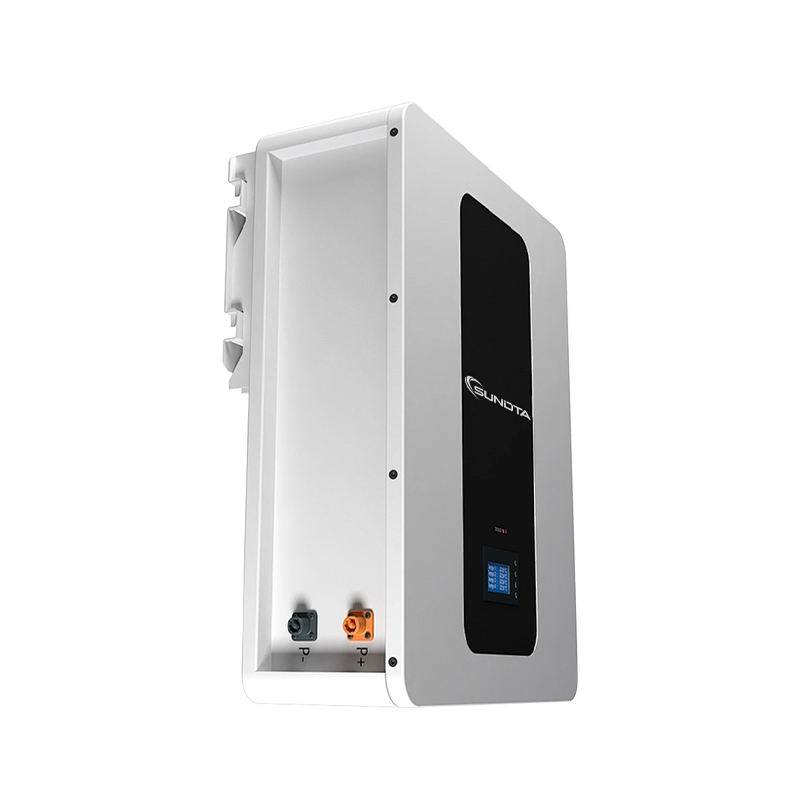
Yes. All of our Sundta POLO-W1, high-voltage battery cabinets (40–100kWh), and stackable 51.2V storage units are integrated with a multi-protocol BMS. This firmware features pre-flashed, selectable CAN-bus and RS485 protocol libraries specifically mapped to communicate in a closed-loop fashion with Deye, Solis, Growatt, and Victron power conversion systems, delivering real-time SOC, cell temperature, and automated charge/discharge cutoffs without external protocol converters.

What quality validation dossiers accompany an international containerized shipment?

Every single container dispatch includes a digital Flash-Test Data Dossier indexing individual module serial numbers with corresponding Voc, Isc, Vmp, Imp, and Fill Factor (FF). Modules pass dual-stage high-resolution Electroluminescence (EL) testing before and after lamination to identify microcracks, cold solder joints, or cell mismatches. Comprehensive shipping dossiers also encompass Certificate of Origin (CO), CE Declarations, and factory inspection records for frictionless customs clearance.

Lock In Your Custom OEM PV & Storage Production Slot

Connect directly with our chief photovoltaic engineering team in Hefei. We provide complete technical datasheets, string mismatch evaluations, and containerized FOB/CIF quotations within 24 business hours.

Send an Inquiry