Engineered High-Voltage & Hybrid Storage Configurations
Precision-matched balance-of-system solutions spanning multi-MPPT power electronics, high-efficiency bifacial cell architectures, and stackable safe LiFePO4 battery platforms.
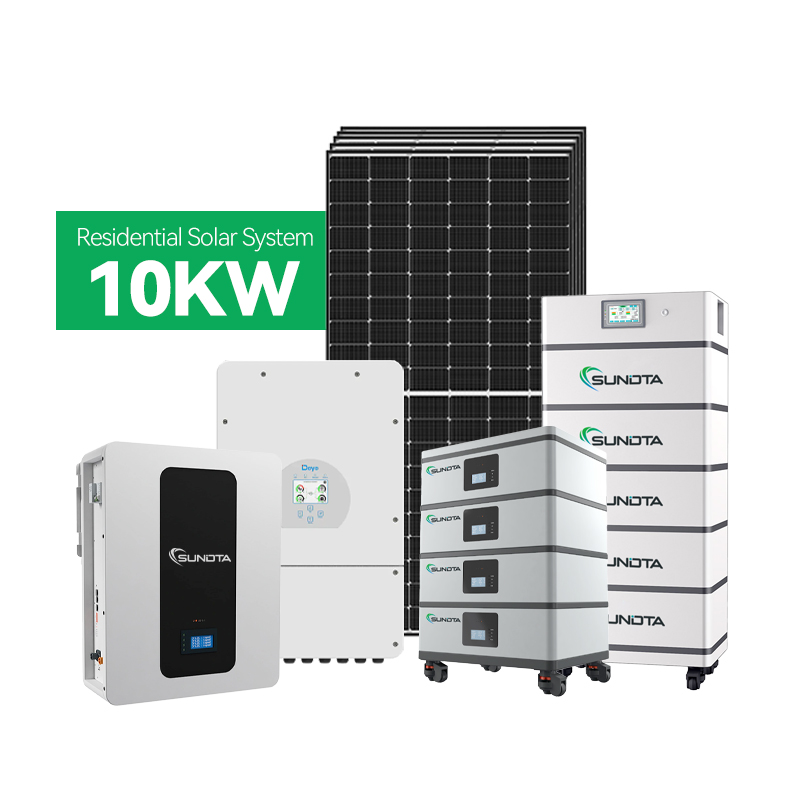
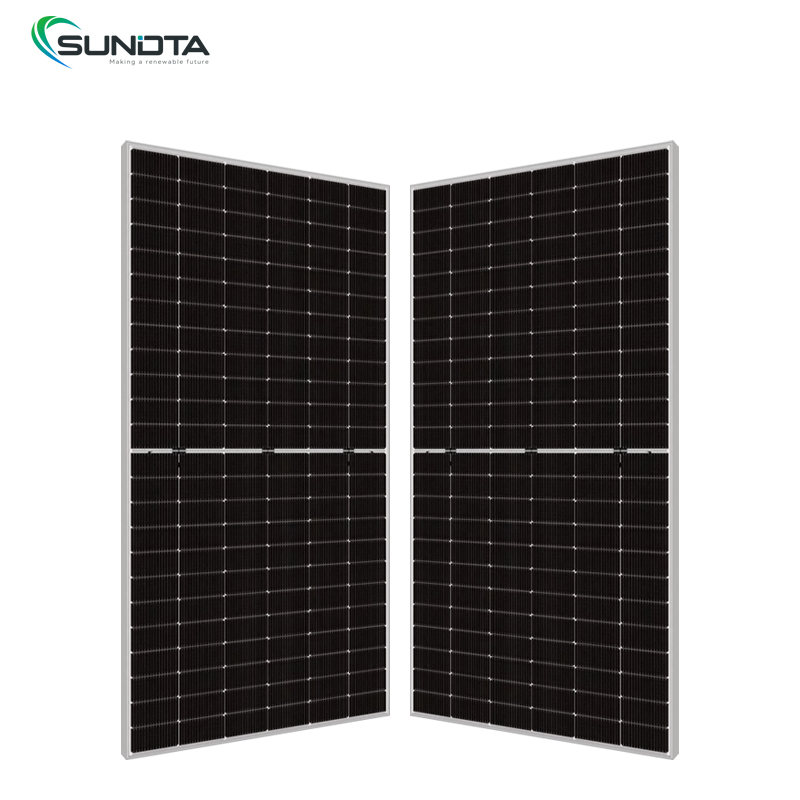
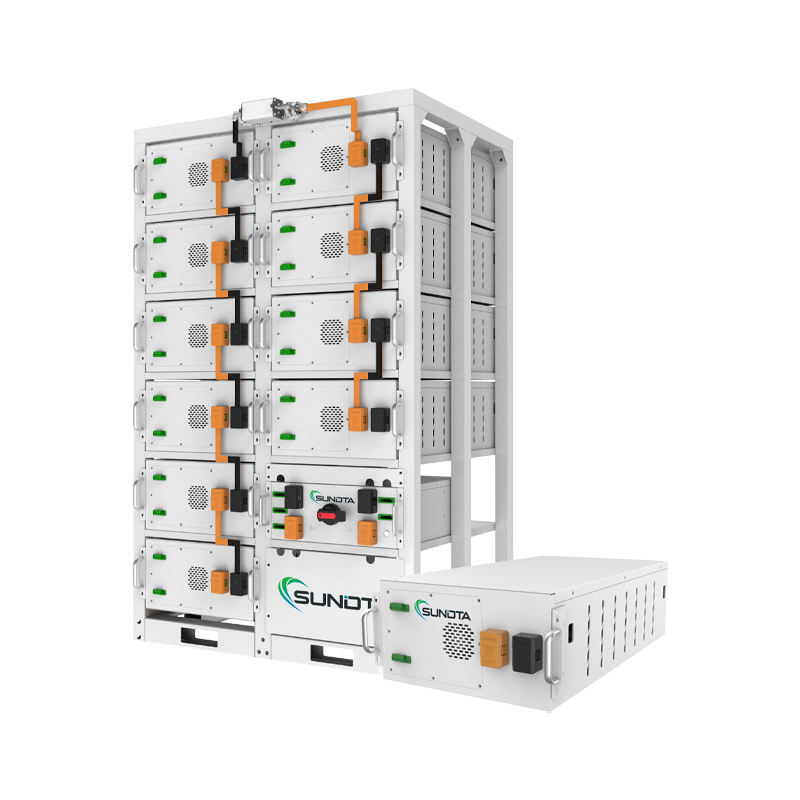
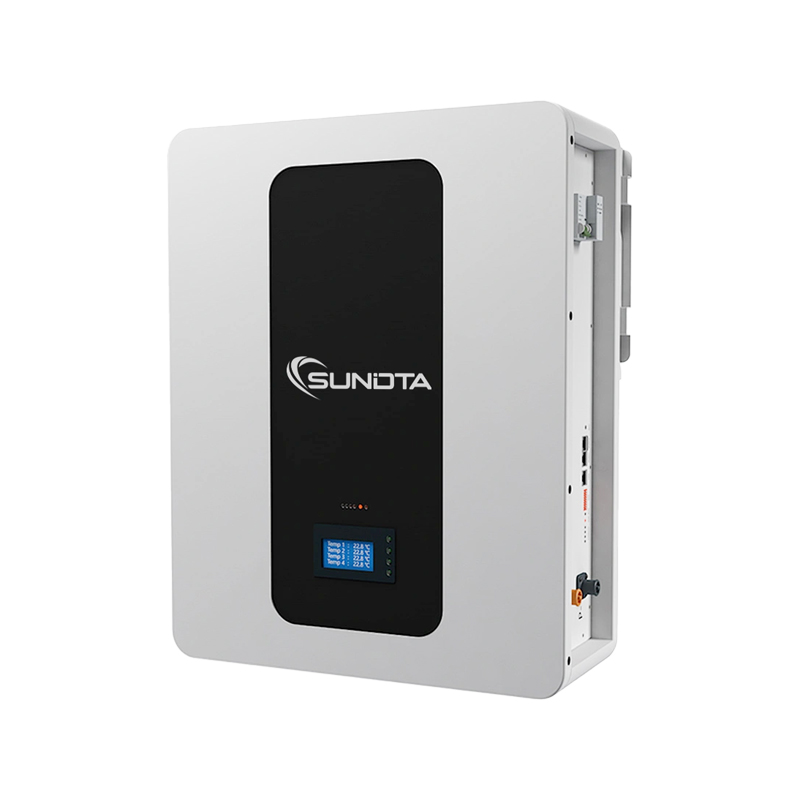
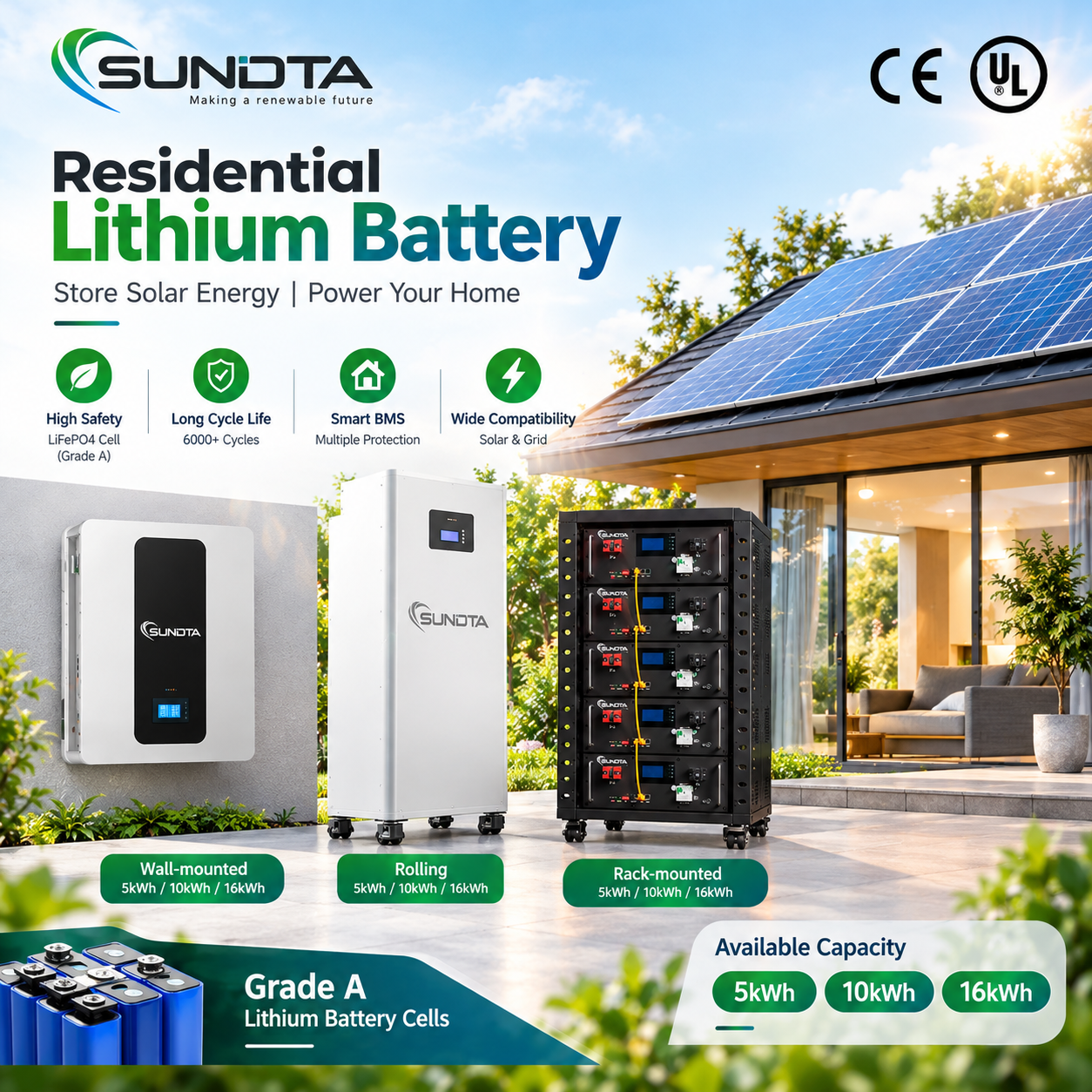
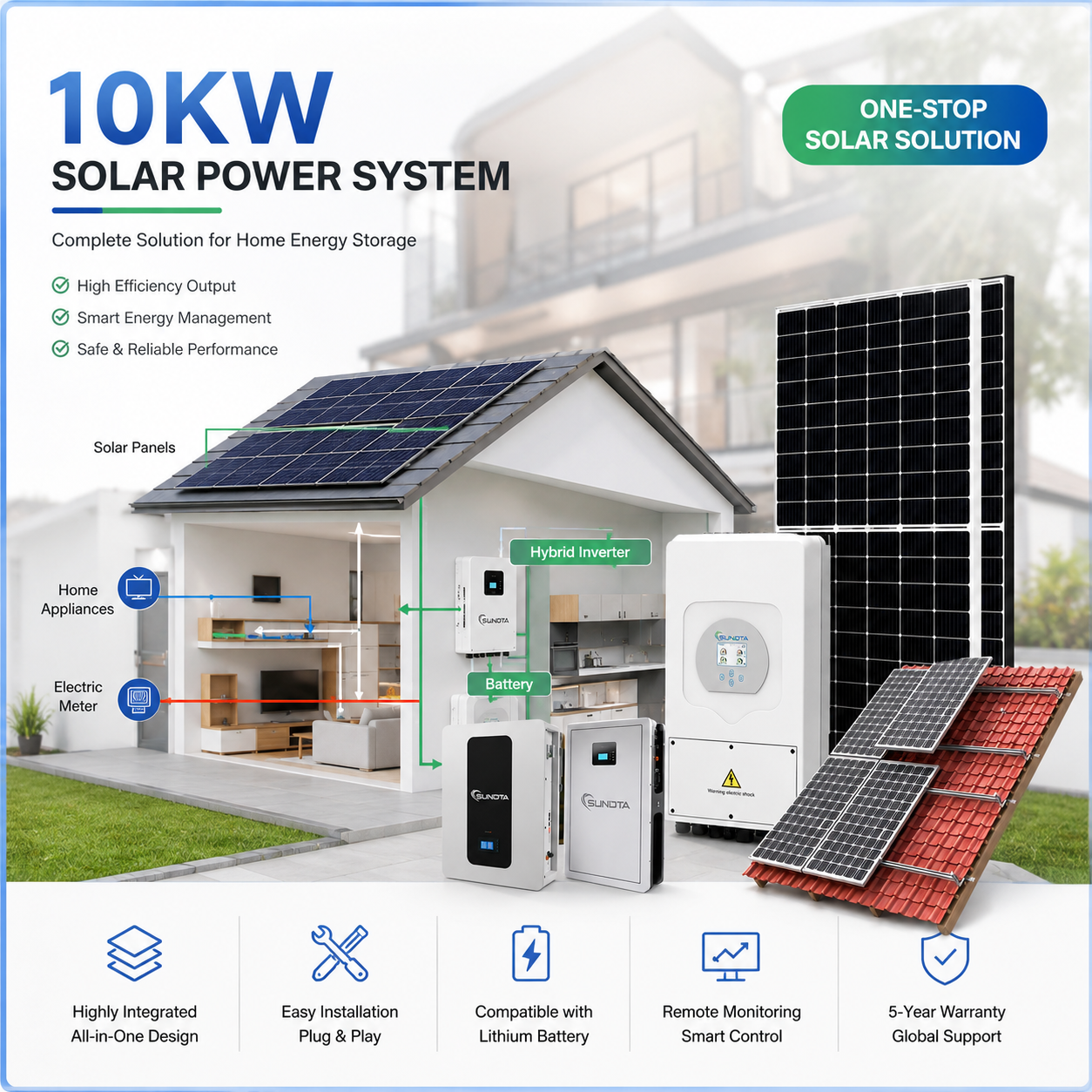
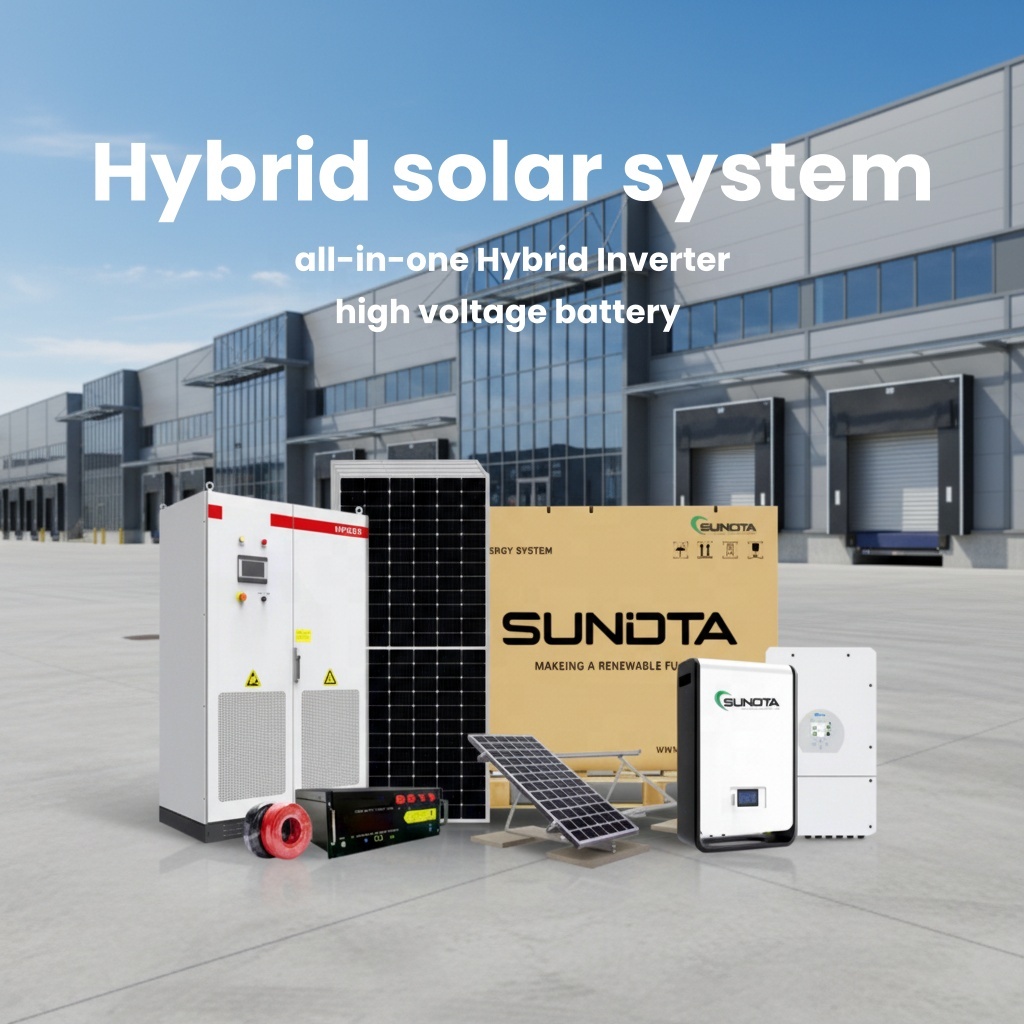
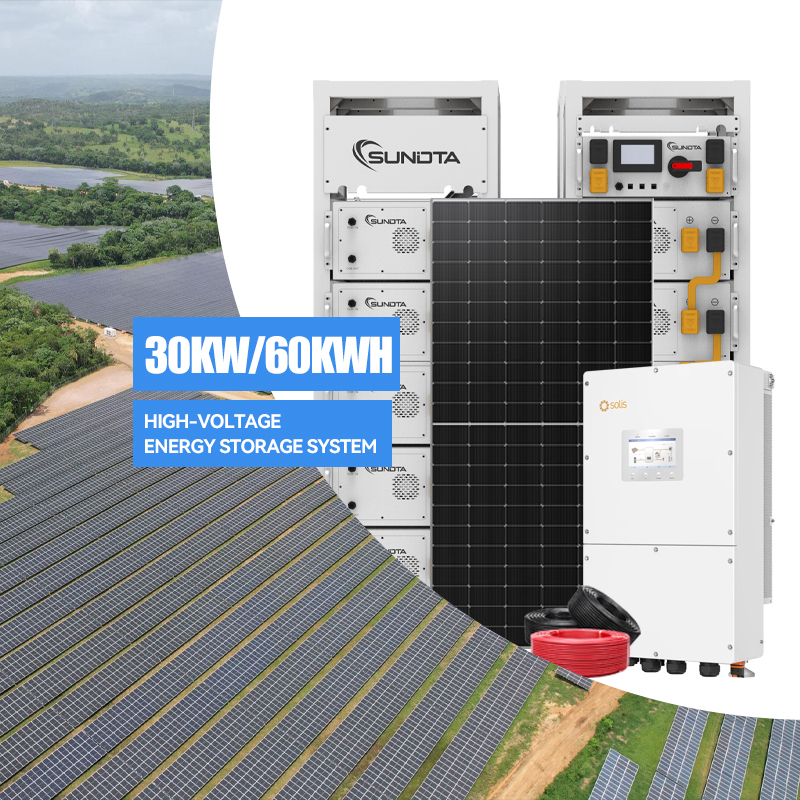
High-Voltage Energy Storage Systems (HV-ESS): Engineering & Strategic Evaluation
A rigorous examination of electrical architecture, thermal runaway containment, dynamic conversion efficiencies, and total levelized cost of storage (LCOS).
The global energy storage procurement landscape is experiencing a definitive shift from low-voltage (48V/51.2V nominal) systems toward high-voltage architectures operating across operating windows of 200V DC to well beyond 1000V DC. In high-power commercial, industrial, and whole-home microgrid scenarios, the fundamental physical constraints of Ohm's Law dictate the limitations of low-voltage systems. Conducting high wattage at low DC voltage demands extreme amperage ratings, driving severe I²R resistive thermal dissipation, thick and costly copper conductor requirements, and operational bottlenecks within multi-module balancing networks. High-voltage energy storage systems resolve these inefficiencies by elevating system DC bus voltages, slashing working currents by upwards of 75% for an identical power profile, and optimizing total system round-trip efficiency (RTE) past 90%.
As international EPC contractors, utility developers, and regional distributor networks scale up system dimensions, cross-compatibility between high-capacity prismatic lithium iron phosphate (LiFePO4) chemistry and advanced power conversion systems (PCS) has become paramount. Leading high-voltage ESS manufacturers do not merely produce battery stacks; they engineer unified ecosystems comprising high-voltage control boxes (Master BMS), distributed slave BMS units on every individual cell module, and rapid-switching bi-directional inverters. Anhui RJV New Energy Co., Ltd. (operating from high-tech manufacturing corridors in Hefei, China) operates at the vanguard of this structural transformation, delivering field-tested compatibility across Deye, Solis, and tier-one hybrid platforms, verified against rigorous IEC, CE, and UN38.3 test protocols.
Minimal Thermal Dissipation
By shifting operational DC busbars from 48V to 400V-800V, conduction currents plummet dramatically. Because I²R thermal losses scale quadratically, transmission losses in internal wiring and DC disconnect networks drop by over 85%, dramatically reducing HVAC or liquid chill load demands.
Transformerless PCS Pairing
High battery stack voltages match the DC link voltage threshold required to synthesize standard 380V/400V/480V three-phase alternating currents directly. This completely eliminates heavy, loss-inducing step-up transformers, shrinking PCS footprint and driving conversion efficiency above 98%.
Multi-Tiered Safety Protocols
Industrial HV-ESS platforms incorporate localized aerosol fire suppression, automatic pyro-fuses, and contactor separation triggered within 10 milliseconds of fault identification. Isolated high-voltage chambers safeguard maintenance crews during commissioning and field calibration.
Upcoming Procurement Trends in the High-Voltage ESS Sector
Market dynamics, supply chain shifts, and technical advancements directing strategic procurement across 2026-2030.
Procurement directors and project developers are navigating rapid iterations in cell capacities, system packaging, and international grid codes. The transition toward high-density 314Ah+ prismatic LFP cells is establishing a new industry benchmark, replacing legacy 280Ah baselines within both containerized systems and commercial outdoor cabinets. This shift drives volumetric energy densities up by 12% to 15% without expanding container envelopes. Consequently, land preparation expenditures, freight costs, and foundation civil works are reduced per installed megawatt-hour.
Simultaneously, liquid-cooled thermal management has evolved from a premium option into a non-negotiable procurement specification for systems operating beyond 100kWh. By maintaining cell-to-cell thermal differentials within a tight delta of ≤2.5°C, liquid cooling loops completely eliminate the localized thermal hot-spots typical of forced-air ventilation. This uniform thermal profile prevents premature cell degradation, protects internal capacity balancing, and extends lifecycle durability beyond 8,000 equivalent full cycles under harsh operational conditions.
| Evaluation Parameter | Legacy Baseline (2020-2023) | Current Tier-1 Standard (2024-2025) | Next-Gen Horizon (2026+) |
|---|---|---|---|
| Cell Chemistry & Capacity | 280Ah Prismatic LFP | 314Ah Prismatic LFP | Solid-State / 500Ah+ High-Safety LFP |
| Operating Bus Voltage | 48V - 400V DC | 600V - 1000V DC | 1500V DC Utility & Microgrid Standard |
| Thermal Regulation | Forced-Air Industrial HVAC | Closed-Loop Glycol Liquid Cooling | Direct Immersion Cooling Arrays |
| Cycle Life Expectancy | 4,000 - 6,000 Cycles @ 80% DoD | 6,500 - 8,000 Cycles @ 90% DoD | 10,000+ Cycles with Smart Regenerative BMS |
| Factory Integration Mode | Split Shipments (Field-Assembled) | All-In-One Outdoor Pre-Wired Cabinets | Pre-Commissioned Containerized Blocks (Plug & Play) |
Why Tier-1 Importers Partner with Anhui RJV New Energy
Combining automated Tier-1 manufacturing scale with strict European-grade supply chain verification.
TÜV Rheinland Assessed Scale
Our industrial production facilities located in Hefei, Anhui have undergone meticulous on-site supplier verification by TÜV Rheinland. Operating automated module lines with 2GW annual manufacturing output, RJV integrates precision robotics, stringent inline EL inspections, and complete flash-test data traceability for every single production lot.
Unified PV & Storage Compatibility
Commissioning failures often occur when batteries, inverters, and modules are sourced from uncoordinated vendors. RJV ensures complete balance-of-system interoperability. Our stackable LiFePO4 systems arrive pre-loaded with firmware matching Deye, Solis, and top-tier hybrid inverters, slashing field commissioning timelines down to zero-error setups.
Rapid Logistics & Strategic Warehousing
Mitigate long shipping lead times through RJV's regional warehousing footprints. With fast-turnover stock in Germany and flexible shipment handling via Ningbo and Shanghai maritime ports, we guarantee flexible Incoterms (FOB, CFR, CIF, EXW) paired with comprehensive export documentation including CE, IEC 61215/61730, and UN38.3 certifications.
High-Voltage ESS Procurement FAQ
Technical, commercial, and operational guidance addressing complex B2B procurement queries.