High-Efficiency Modules, Inverters & Storage Available for Chiclayo
Pre-tested against extreme maritime humidity, desert windblown dust, and cyclic grid intermittency. Direct factory shipping and container loading available.
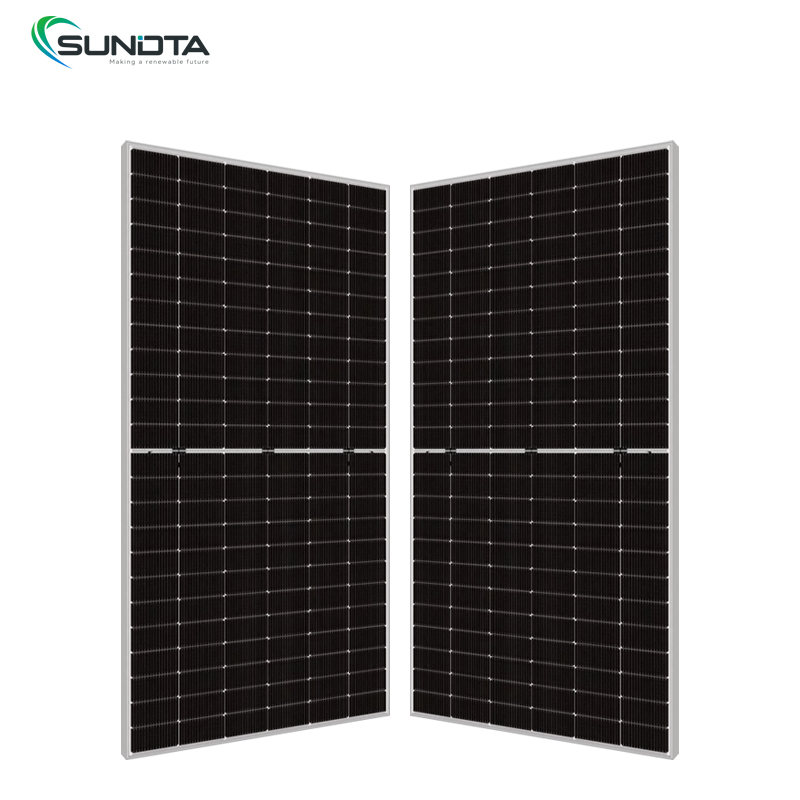
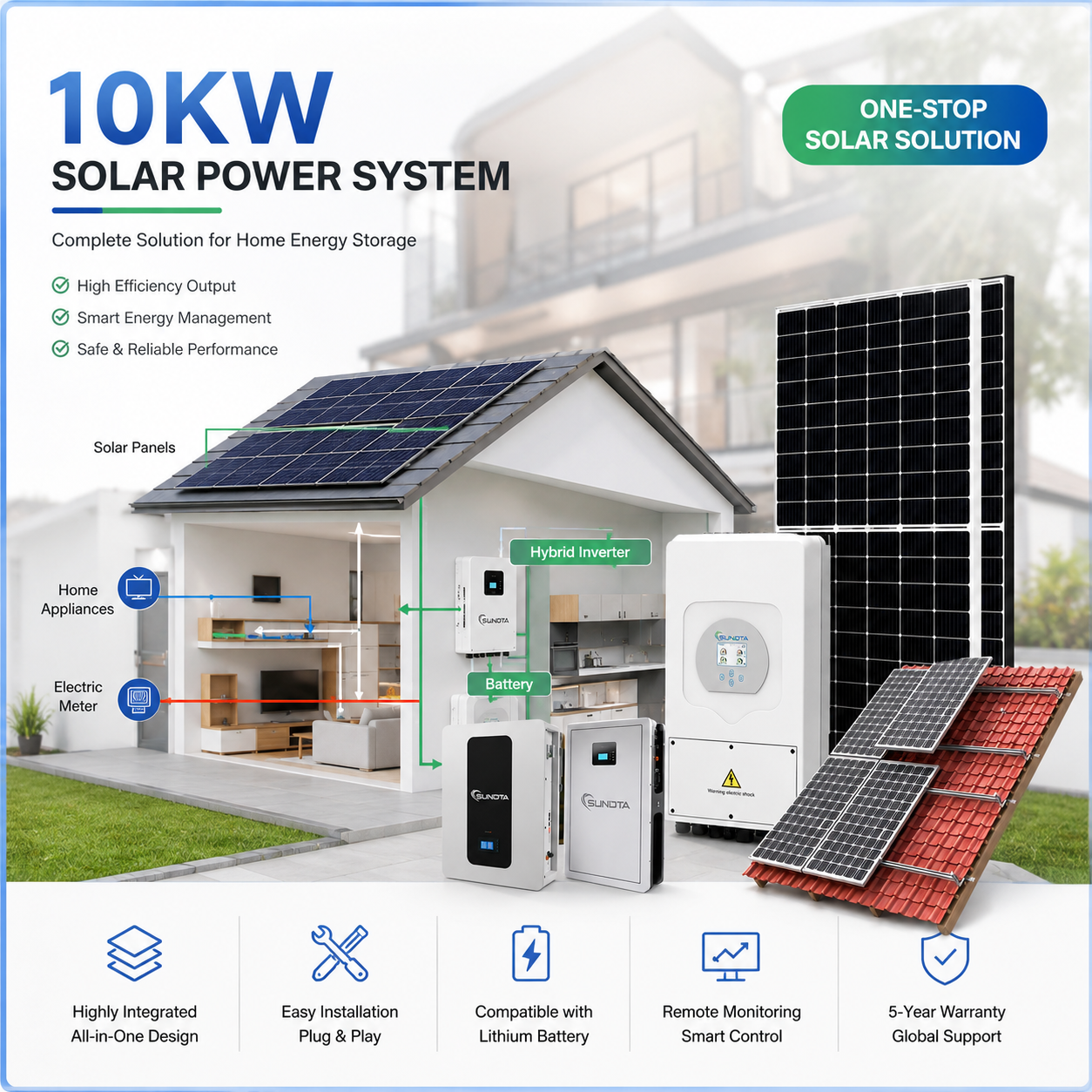
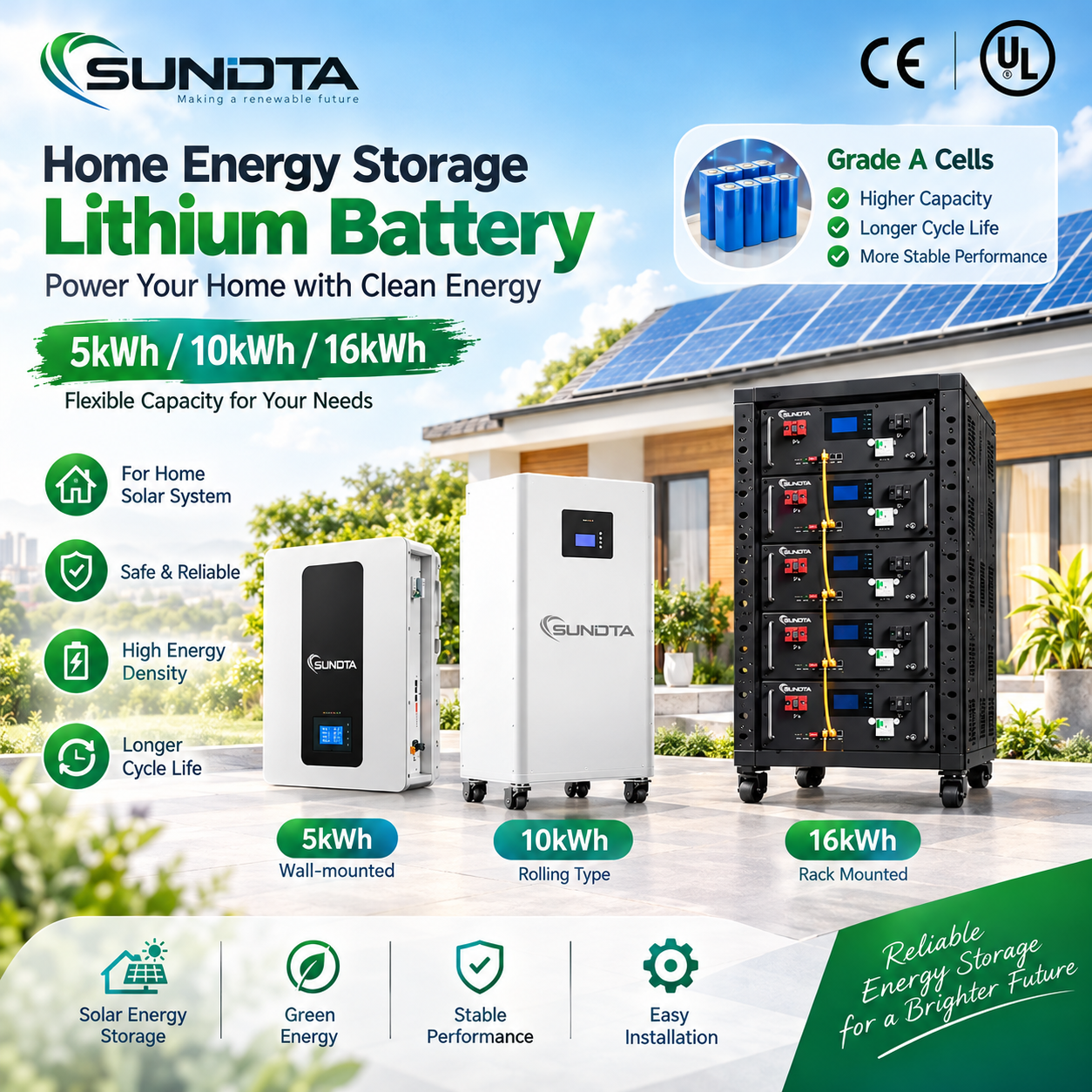
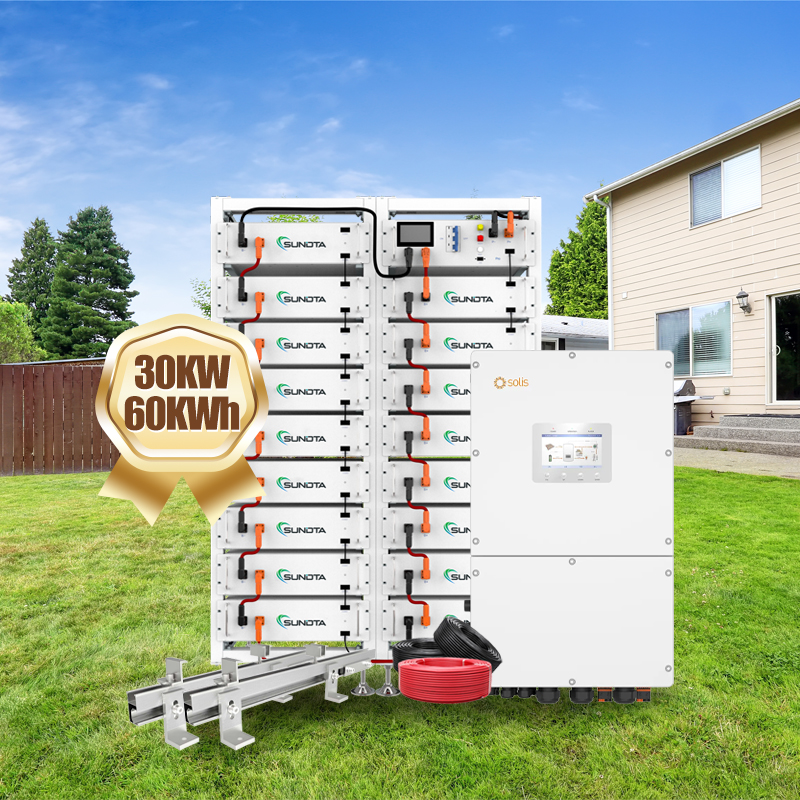
1. The Solar Resource Landscape of Chiclayo & the Lambayeque Region
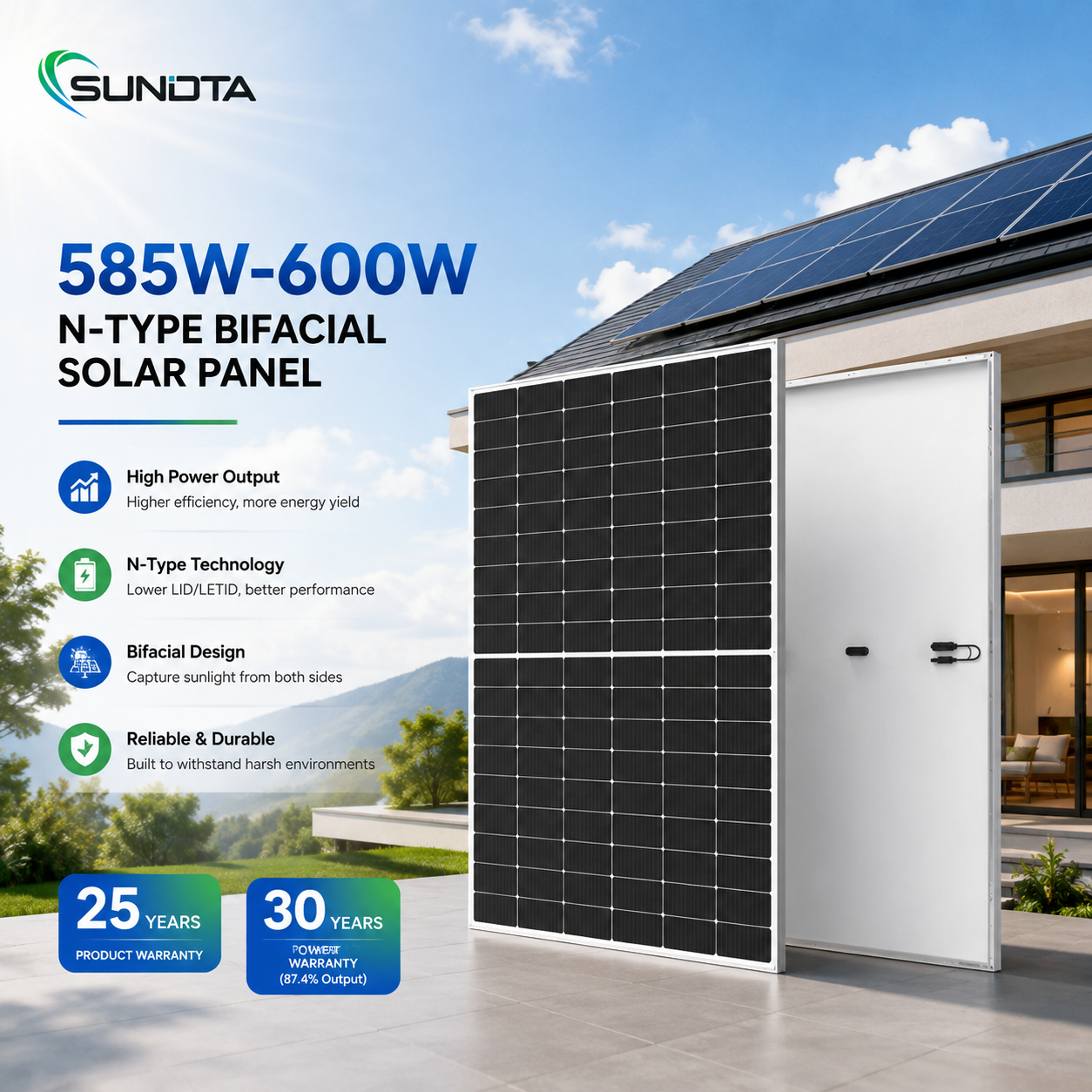
Chiclayo, known as the "Capital of Friendship," is the economic engine of the Lambayeque Region in Northern Peru. Geographically situated in a hyper-arid coastal desert strip backed by the western slopes of the Andes, Chiclayo experiences distinctive photovoltaic operational conditions. The region boasts an exceptional Global Horizontal Irradiance (GHI) averaging between 5.4 and 6.3 kWh/m²/day, accompanied by over 2,800 to 3,100 hours of peak sunshine annually. However, while the raw solar yield is among the most favorable on the Pacific coast of South America, deployment conditions are technically demanding.
Photovoltaic installations throughout Chiclayo, Ferreñafe, Lambayeque city, and the adjacent coastal zones of Pimentel, Santa Rosa, and Puerto Eten encounter a severe combination of airborne saline particulates, sustained coastal marine fog (the "Garúa" phenomena), and heavy windblown silica sand originating from the Sechura desert perimeter. For project developers, system integrators, and equipment distributors, deploying standard commercial solar hardware without specialized environmental certifications frequently precipitates accelerated Potential Induced Degradation (PID), delamination, galvanic junction box corrosion, and mechanical structural fatigue.
Technical Demands: Addressing Coastal Salinity & Fine Desert Dust
The Pacific maritime air carries high concentrations of sodium chloride and magnesium ions inland across the Lambayeque plains. When combined with localized humidity ranging from 70% to 85% during early mornings, any minor ingress or micro-porosity in solar panel encapsulants leads to galvanic corrosion of the silver-aluminum cell fingers. Consequently, CE certification for modules destined for the Chiclayo market must be corroborated by compliance with IEC 61701 (Salt Mist Corrosion Testing, Severity Level 6) and IEC 60068-2-68 (Blowing Sand & Dust Resistance). Foldable solar modules utilizing composite glass-fiber substrates and IP67/IP68 rated hermetic junction boxes ensure uninterrupted service life even when operating directly within shoreline agricultural or marine processing facilities.
2. Localized PV Application Scenarios Across the Chiclayo Market
The versatility of portable, foldable, and high-efficiency hybrid solar hardware provides distinct commercial advantages across the diverse economic sectors of the Lambayeque department. Field data demonstrates strong commercial demand across four primary regional verticals:
Agro-Industrial Mobile Solar Pumping
The Lambayeque Valley is home to vast acreages of sugarcane, rice, asparagus, avocados, and export-grade mangoes. Farmers along the Chancay-Lambayeque irrigation basin utilize portable foldable solar arrays to power sub-surface DC pumps and portable drip-irrigation injectors. Mobile skids allow farmers to transport arrays between dispersed agricultural plots, eliminating costly diesel generators and safeguarding capital assets from rural theft.
El Niño Emergency Backup & Resilient Power
Northern Peru is periodically exposed to the devastating thermal and hydrological impacts of the "El Niño Costero." Torrential rainstorms frequently compromise Chiclayo's urban transmission lines, submerging substations and stranding outlying settlements in José Leonardo Ortiz and La Victoria. High-durability, CE-certified foldable panels deployed alongside portable LiFePO4 batteries provide essential lifeline power for emergency field clinics, telecommunications, and portable water filtration units.
Coastal Marine Cold-Chain & Artisanal Fishing
In Pimentel, San José, and Santa Rosa, artisanal fishing fleets harvest significant tonnages of marine products daily. Offloading piers and nearshore refrigerated storage facilities rely on foldable, lightweight solar modules mounted on fiberglass boat canopies and mobile reefers. These systems offset peak commercial electricity tariffs and preserve sea catch quality without adding substantial ballast weight to small craft.
3. Technical Sourcing Trends & Engineering Matrix for Chiclayo Importers
As Peru's Ministry of Energy and Mines (MINEM) updates national distributed generation frameworks (Generación Distribuida), commercial buyers in Chiclayo are shifting focus from entry-level Polycrystalline modules to high-density, multi-busbar TOPCon and Heterojunction (HJT) architectures. Sourcing foldable and portable solar panels from Tier-1 certified manufacturers requires careful evaluation of cell architecture, encapsulation polymers, and system interconnection protocols.
| Evaluation Parameter | Legacy Polycrystalline / Standard Monocrystalline | Advanced Foldable N-Type TOPCon Panels | Field Impact in Chiclayo & Lambayeque |
|---|---|---|---|
| Cell Conversion Efficiency | 16.5% – 18.5% | 22.5% – 24.2% | Maximizes energy output within restricted rooftop or mobile footprint area. |
| Temperature Coefficient (Pmax) | -0.38% / °C to -0.42% / °C | -0.29% / °C to -0.30% / °C | Maintains stable peak wattage output during scorching summer midday temperatures exceeding 36°C in Chongoyape. |
| Encapsulation Material | Standard EVA (Ethylene-Vinyl Acetate) | Multi-layer UV-stabilized ETFE / POE | Prevents yellowing, bubbling, and water vapor ingress caused by coastal salt-laden fog and severe solar UV indices (UVI 11-13). |
| Mechanical Flexibility & Weight | Rigid 3.2mm tempered glass (~20-24 kg/panel) | Ultra-light composite foldables (~4-7 kg) | Enables rapid one-man field mobilization, reduced shipping cost per container, and zero structural strain on light agricultural roofs. |
| Certifications Required | Basic unverified factory claims | CE Marked (LVD 2014/35/EU, EMC 2014/30/EU), TÜV Rheinland Verified | Facilitates expedited Peruvian Customs (SUNAT) clearance and eliminates commercial rejection by industrial EPC auditors. |
Why CE Marking is Non-Negotiable for B2B Importers in Lambayeque
Peruvian electrical inspection entities, municipal supervisory bodies, and commercial insurers increasingly demand verified documentation conforming to the European Union's CE directives. Specifically, solar products imported through Callao or Paita bound for Lambayeque must demonstrate adherence to the Low Voltage Directive (LVD 2014/35/EU) and the Electromagnetic Compatibility Directive (EMC 2014/30/EU). CE marking verifies that the foldable modules, inverter switches, and junction cables will not emit electromagnetic interference capable of disrupting nearby industrial SCADA networks, radio navigation, or telecommunications gear, while guaranteeing user safety against electrical shock and dielectric breakdown under wet coastal conditions.
Manufacturing Depth & Strategic Supply Chain: Anhui RJV New Energy
Headquartered in the national high-tech manufacturing cluster of Hefei, China, Anhui RJV New Energy Co., Ltd. (Sundta) serves as a vertically integrated tier-one supply partner for commercial solar importers and EPC engineering firms throughout South America. Backed by 12+ years of specialized PV research and manufacturing excellence, our industrial base ensures guaranteed quality control, comprehensive OEM/ODM customization, and robust component compatibility.
2 GW Modern Automation
Fully automated manufacturing lines incorporating high-speed cell slicing, non-destructive laser cutting, and automatic multi-busbar stringer soldering.
TÜV Rheinland Audited
On-site supplier assessment verified by TÜV Rheinland. Stringent quality management accredited under ISO 9001, ISO 14001, and ISO 45001 frameworks.
Complete PV System BOM
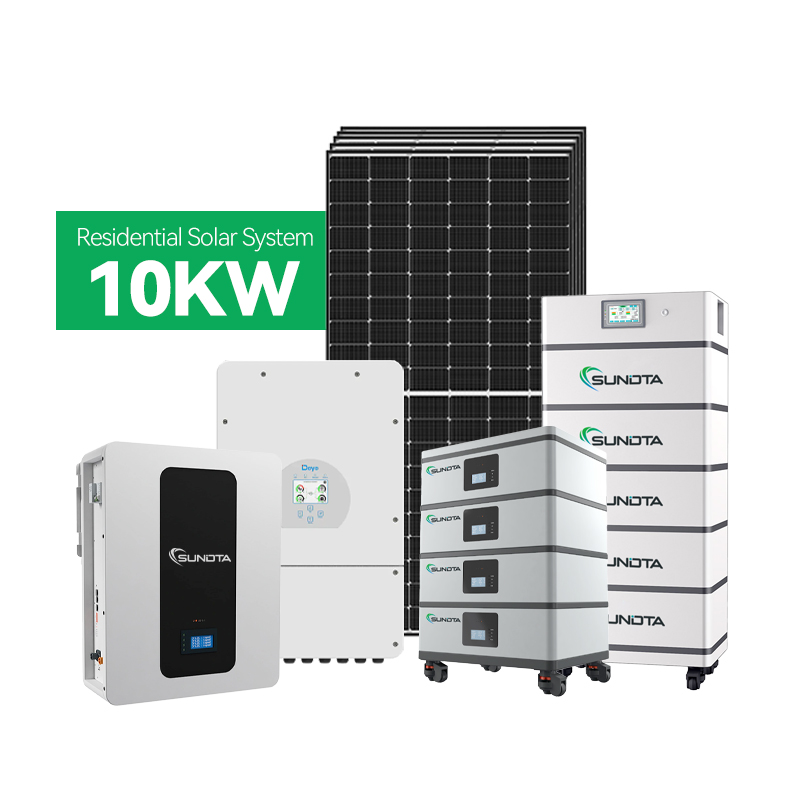
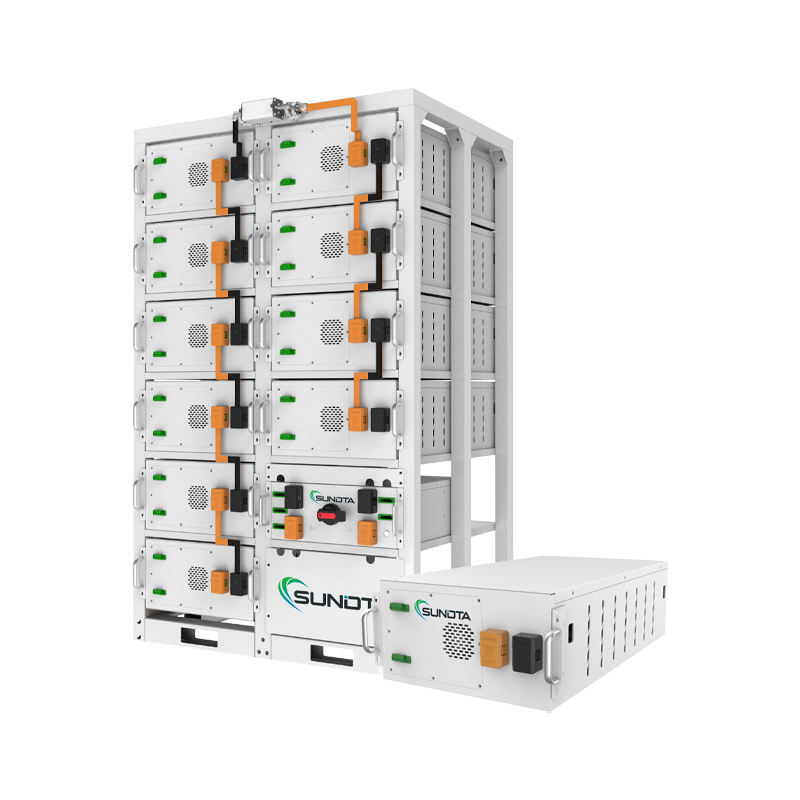
Turnkey component matching: N-type modules, Deye/Solis hybrid inverters, and CAN-bus matched LiFePO4 batteries coordinated before packing.
38 Proprietary Patents
Continuous investment in cutting-edge composite laminates, light-trapping surface microstructures, and smart thermal-dissipation bypass diode circuitry.
Frequently Asked Questions by Chiclayo Solar Importers
Essential regulatory, logistical, and technical answers addressing common procurement hurdles in Northern Peru.
What customs clearance documentation does SUNAT require for importing CE-certified solar panels into Peru?
How do foldable solar panels withstand the intense UV index and salt fog common along the Lambayeque coastline?
What is the optimal logistics route for freight arriving into Chiclayo from our factory in Hefei, China?
Can our technicians connect RJV foldable solar modules directly with local inverter brands like Deye, Solis, or Growatt?
What Minimum Order Quantity (MOQ) and customization services are offered for Peruvian engineering distributors?
Ready to Source High-Yield Solar Hardware for the Chiclayo Market?
Connect directly with our senior solar engineering and logistics team in Hefei. We provide complete bill-of-materials optimization, localized Spanish compliance documentation, and factory-direct pricing for distributors, EPCs, and contractors across Peru.