Engineered Solar Equipment Portfolio for Commercial & Residential Projects
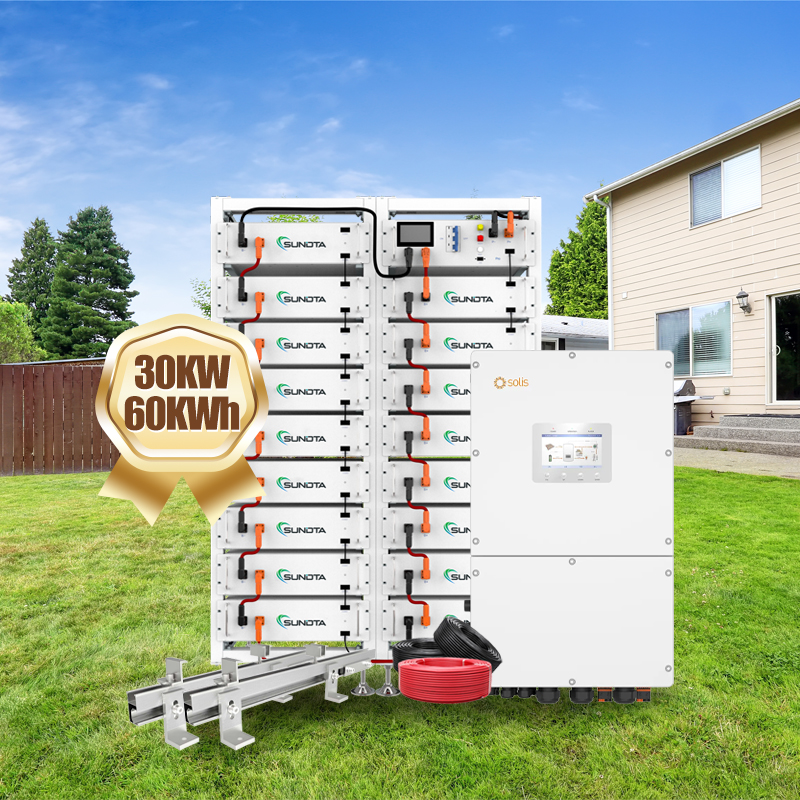
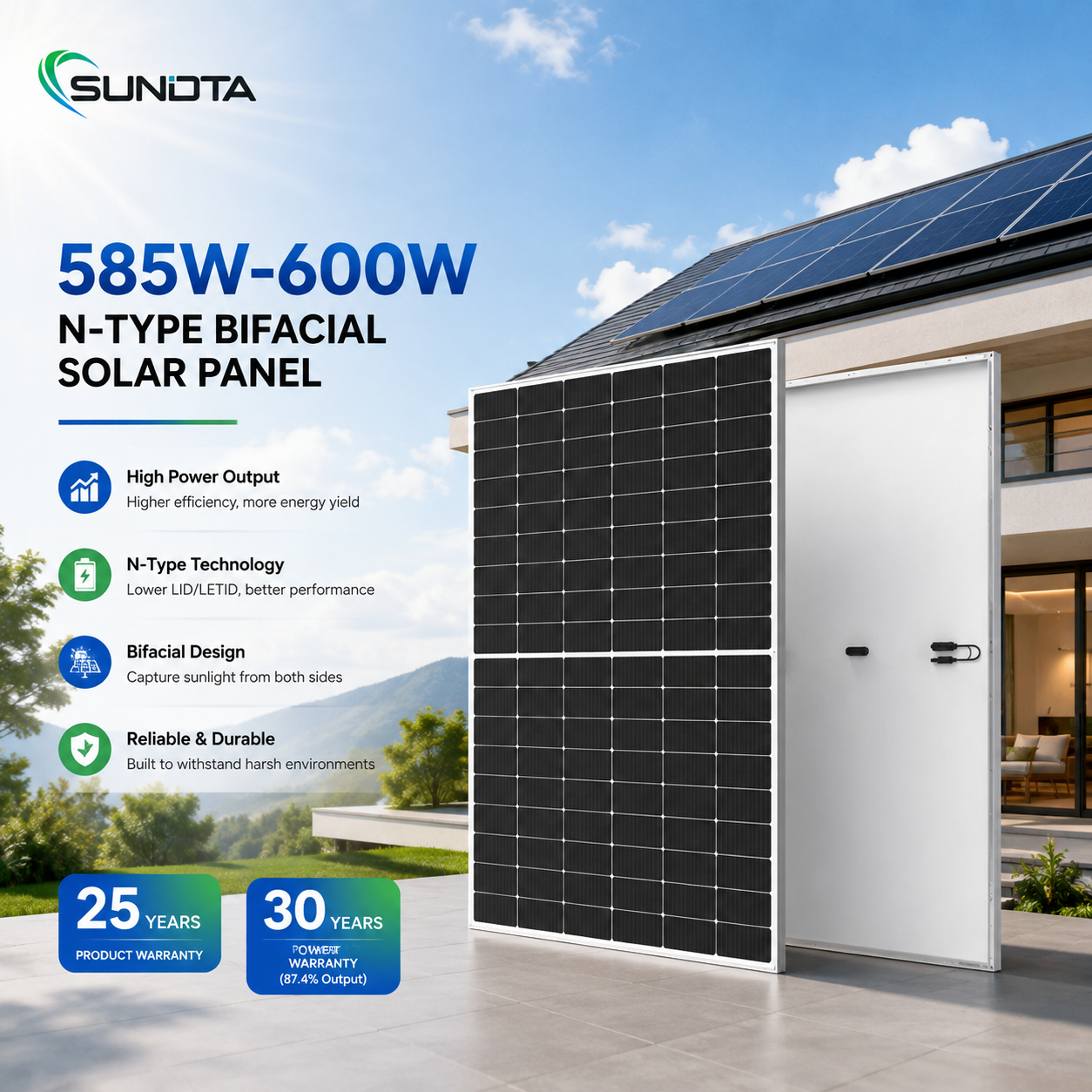
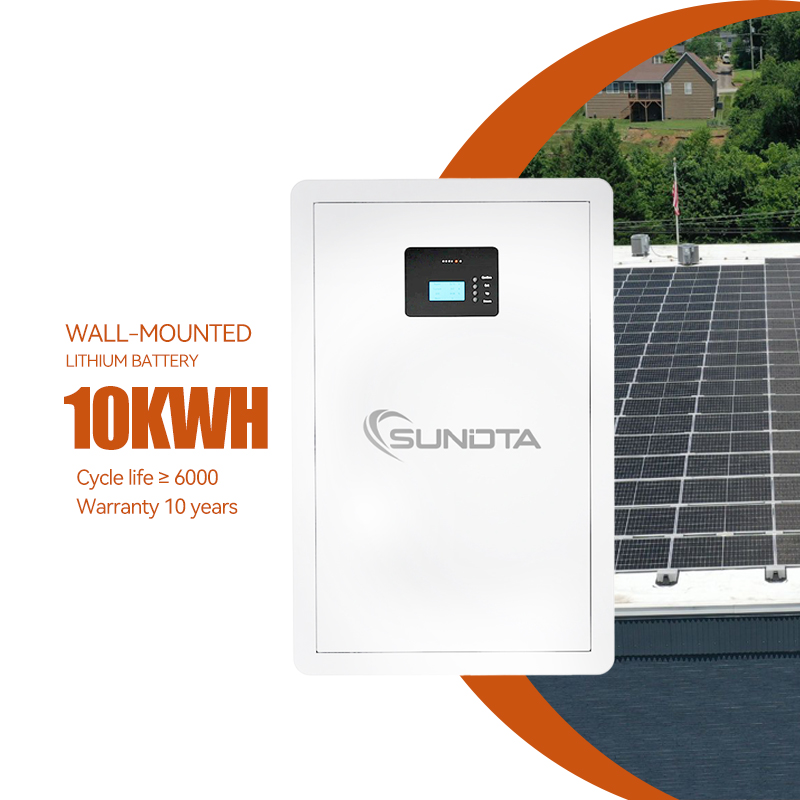
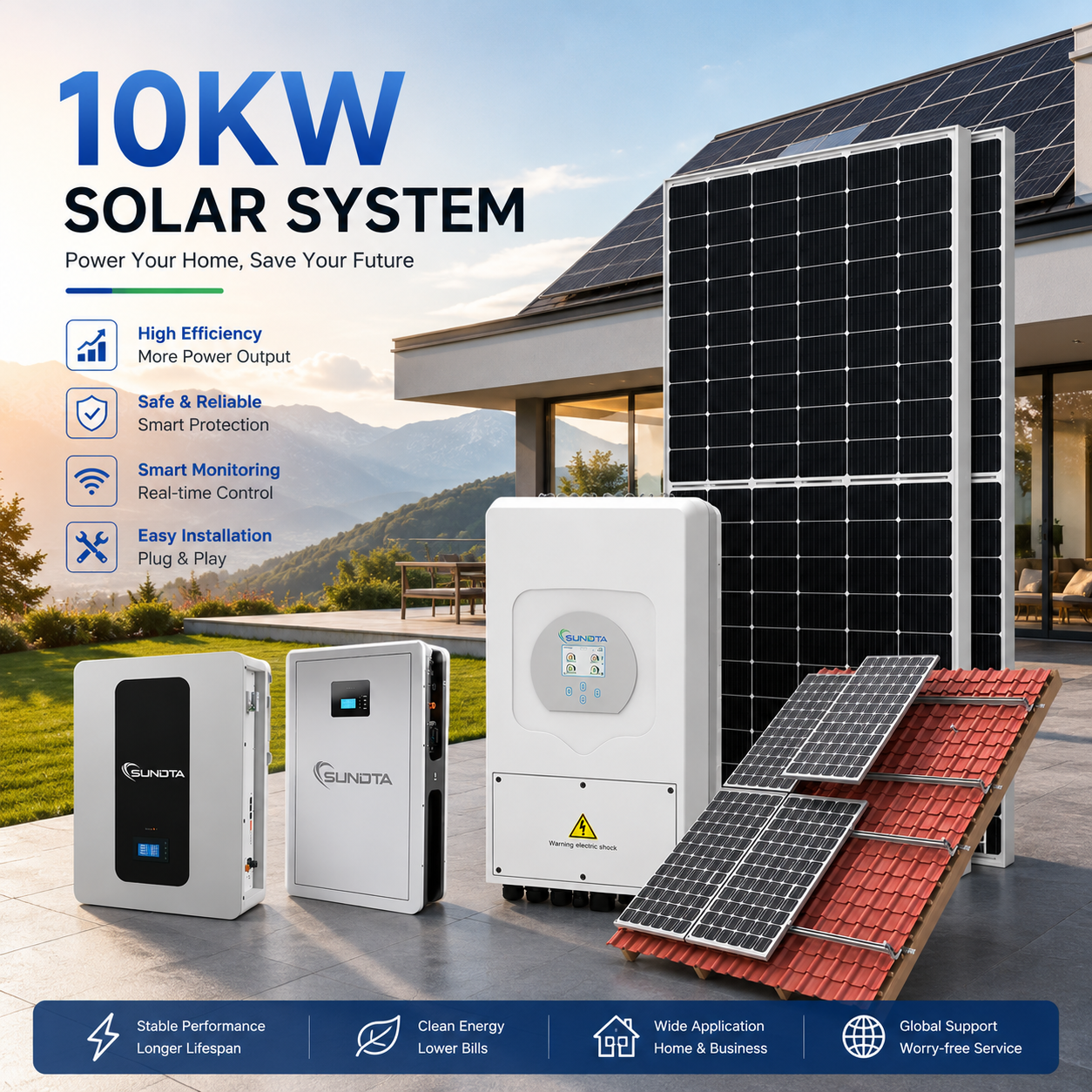
Pre-tested BOM compatibility spanning ultra-high-efficiency PV modules, smart energy storage systems, and turnkey hybrid architectures ready for dispatch to Puerto Cortés and San Lorenzo.
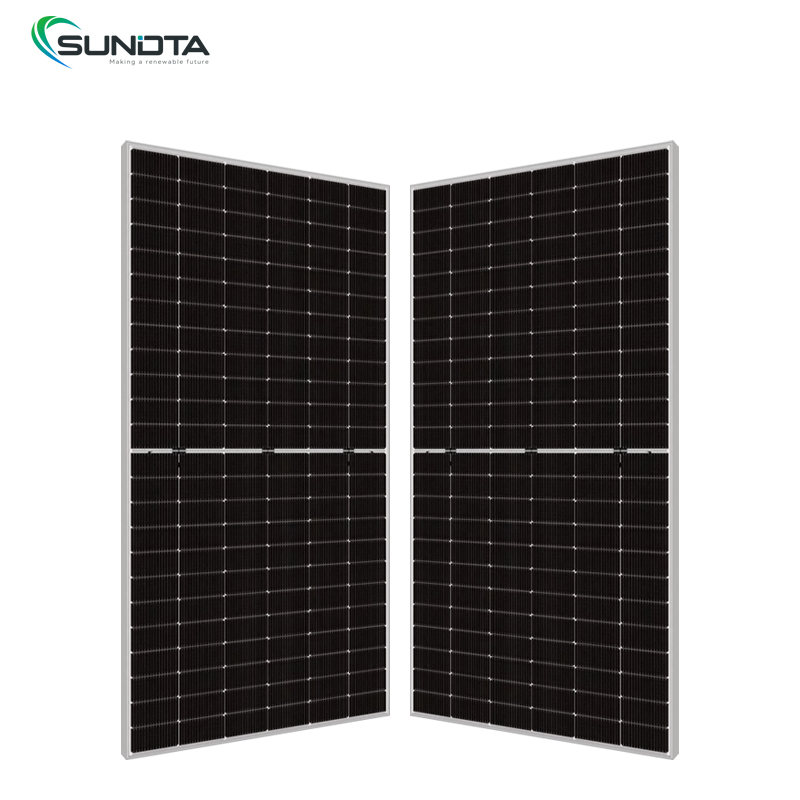
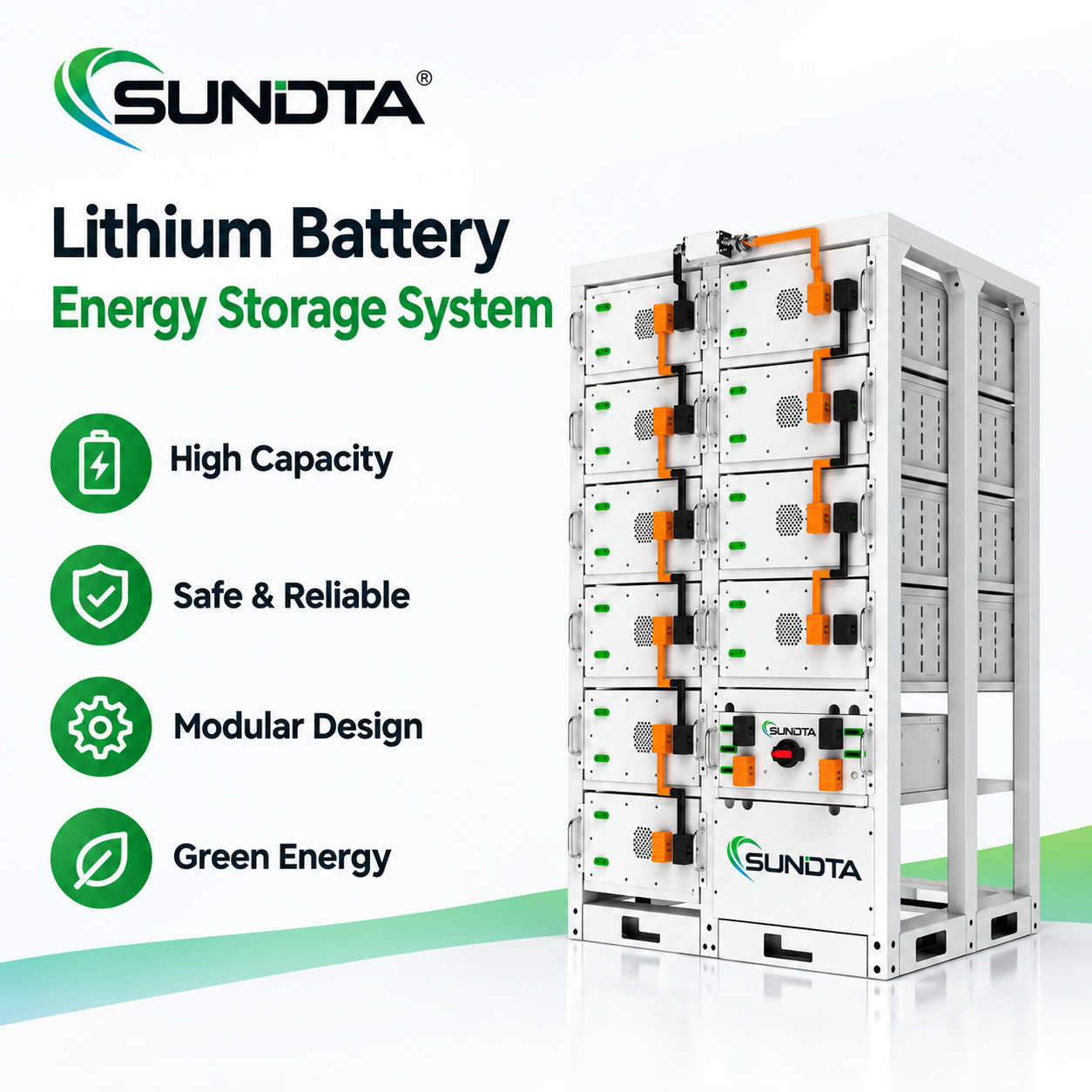
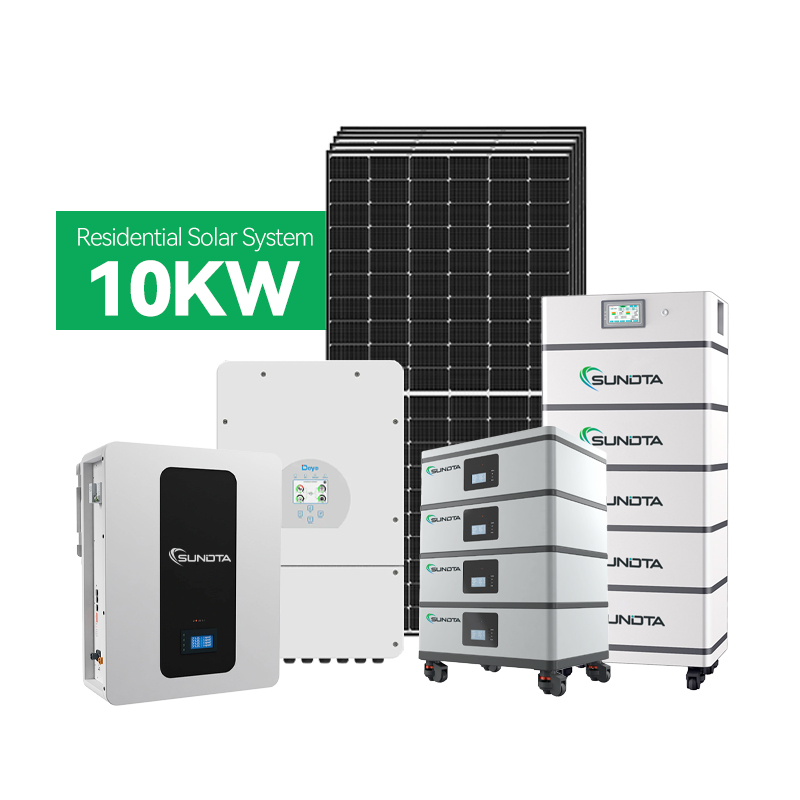
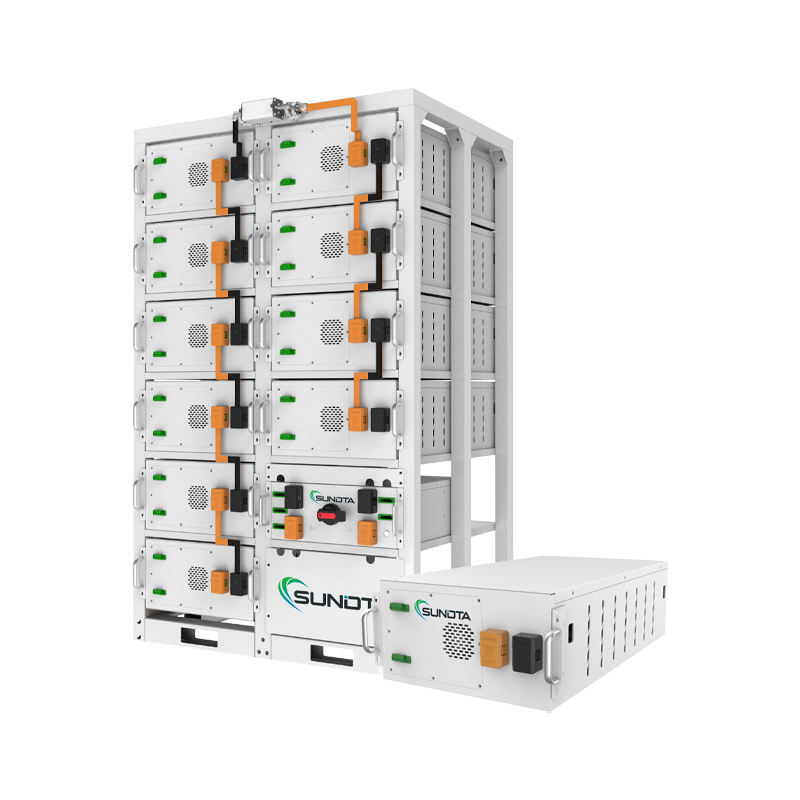
Engineering Whitepaper: Shingled Photovoltaic Technology in the Honduran Climate Matrix
As Central America navigates clean transition goals and volatile electricity tariffs overseen by the Empresa Nacional de Energía Eléctrica (ENEE), Honduras has emerged as a premier high-irradiance hub. With an average Global Horizontal Irradiance (GHI) surpassing 5.3 to 6.2 kWh/m²/day across southern departments like Choluteca and Valle, photovoltaic assets face exceptional operating opportunities paired with severe operational stressors. For EPC engineers, system developers, and local electrical distributors, deploying conventional half-cut busbar modules often exposes installations to microcracking under tropical wind cycles and premature degradation caused by high ambient temperatures and partial shading.
This whitepaper outlines the structural, electrical, and thermal rationales for adopting Custom OEM Shingled Solar Panels, engineered specifically to eliminate traditional solder ribbons, slash internal series resistance, and optimize generation density across commercial, industrial, and off-grid mini-grids in Honduras.
Overcoming Tropical Climatological Stress: The Shingled Architecture Advantage
Unlike conventional multi-busbar (MBB) PV designs where individual crystalline silicon cells are spaced apart and interconnected via metallic copper ribbons, shingled module technology cuts monocrystalline PERC or N-Type TOPCon wafers into narrow sub-strings (typically five or six strips). These strips overlap microscopically—akin to roof shingles—and are bonded using high-precision Electrically Conductive Adhesive (ECA).
| Performance Dimension | Standard Half-Cut MBB Panel | Custom OEM Shingled PV Panel | Field Impact in Honduras |
|---|---|---|---|
| Interconnection Medium | Copper soldering ribbons (High thermal expansion stress) | Flexible Electrically Conductive Adhesive (ECA) | Resists microcracking during coastal gale oscillations and tropical transport. |
| Operating Temperature | Standard Hotspot profile (T_junction ~ +45°C to +52°C) | Lower hotspot risk; operates 2–3°C cooler | Prevents thermal runaways in Choluteca, San Pedro Sula, and Comayagua. |
| Shading Tolerance | Bypass diodes trigger string shutdown under cross-shading | Dense parallel-circuit architecture minimizes yield loss | Maintains generation despite agricultural dust, cloud cover, and urban foliage. |
| Aesthetic & Active Area | Visible silver busbars, inactive cell-to-cell gap spaces | Zero white spaces, full-black uniform active front surface | Higher power output per square meter for constrained industrial rooftops. |
By removing metallic ribbon welding, the thermal stress induced by repetitive ambient expansion (ambient temperatures swinging daily from 22°C to 38°C in industrial hubs like San Pedro Sula) is avoided. The ECA acts as a mechanical shock absorber, absorbing physical vibrations during inland transit along mountainous transit corridors from Puerto Cortés to Tegucigalpa without damaging the underlying silicon matrix.
Strategic Application Scenarios Across Honduras
Precision-engineered installations addressing structural, ecological, and grid-stability demands throughout Central America.
Maquiladora & Industrial Rooftops
In the Sula Valley (San Pedro Sula, Choloma), textile and manufacturing maquilas face peak commercial demand charges. Shingled panels deliver maximum wattage on existing metal deck roofs, reducing reliance on the unstable central grid during critical shift hours.
Agro-Industrial & Coffee Beneficios
From coffee processing centers in Copán and Santa Bárbara to African palm processing in Atlántida, off-grid and microgrid PV arrays powered by shingled modules maintain steady current output even when dust and organic particulates partially blanket the array.
Island & Coastal Hybrid Microgrids
The Bay Islands (Roatán, Utila, Guanaja) depend heavily on diesel fuel generation. Our marine-grade anti-PID and anti-salt-mist shingled panels paired with LiFePO4 containerized ESS drastically lower Levelized Cost of Energy (LCOE) while resisting maritime corrosion.
Macro-Trends Shaping the Honduran Photovoltaic Procurement Landscape
The renewable energy landscape in Honduras is characterized by a drive toward energy independence, regulatory adjustments under the CREG (Comisión Reguladora de Energía Eléctrica), and private sector investments to hedge against frequent regional blackouts. Sourcing managers and EPC leaders must align procurement strategies with three pivotal developments:
1. Expansion of Self-Consumption & Net-Metering Frameworks
Commercial enterprises in Tegucigalpa and San Pedro Sula are rapidly deploying distributed solar generation under net-metering schemes. Because commercial roof surface areas are finite, the energy yield per square meter is the primary variable determining project ROI. Shingled solar modules increase power density by up to 15% compared to conventional PERC setups, delivering the maximum possible kWh harvest without requiring costly roof structural reinforcement.
2. Grid Instability and Co-located LiFePO4 Energy Storage
Intermittent generation and line transmission losses on the national grid have created demand for hybrid architectures. Modern B2B procurement combines shingled PV arrays with stackable 51.2V and high-voltage (HV) LiFePO4 battery systems. By pairing custom panels with multi-MPPT inverters (such as Deye and Solis platforms), local installations maintain instantaneous failover capability for cold-chain facilities, data networks, and hospitality hubs.
3. Stringent Environmental Durability Specifications
Honduras experiences heavy humidity, intense ultraviolet radiation, and cyclical tropical storms originating in the Caribbean. As a result, Tier-1 procurement standards have shifted toward dual-glass, bifacial shingled configurations with IP68 junction boxes and specialized framing. Anti-PID (Potential Induced Degradation) encapsulants and resistance to ammonia and salt spray are essential technical requirements for bankable tenders in southern and northern coastal regions.
Why Global Importers & Honduran EPCs Partner with Anhui RJV
Comprehensive solar manufacturing depth, full compatibility verification, and dedicated B2B supply chain support from Hefei to Central America.
2 GW Automated Production
Our Hefei smart facility operates automated module lamination, stringing, and testing lines, supported by over 12 years of specialized PV and ESS manufacturing experience.
TÜV Rheinland Assessed
Operations are verified on-site by TÜV Rheinland. We provide flash test reports, CE declarations, IEC 61215/61730 certificates, and UN38.3 battery transport compliance documents.
Pre-Matched System BOMs
We eliminate commissioning delays by testing panel operating voltage (Vmp/Voc), inverter MPPT inputs, and LiFePO4 closed-loop CAN/RS485 communications prior to container loading.
Flexible OEM & Customization
We offer full OEM branding, customized anodized aluminum frame thicknesses for wind loading, custom junction box cable lengths, and private-label packaging for local distributors.
Incoterms & Trade Security
Support for FOB, CFR, CIF Puerto Cortés, and EXW delivery terms. We facilitate payment via verified T/T, L/C at sight, and commercial guarantees under an AAA enterprise credit rating.
24/7 Engineering Support
Dedicated PV integration technicians provide string sizing calculators, CAD schematics, and remote inverter-battery firmware commissioning to assist your field technicians across Honduran time zones.
Frequently Asked Questions by Honduran Importers & EPCs
Direct technical and logistical answers addressing regulatory compliance, shipping times, and mechanical reliability.
What is the ocean transit time and standard logistics route to Honduras?
Full Container Load (FCL) shipments depart directly from major Chinese maritime gateways (Shanghai or Ningbo) bound for Puerto Cortés on the Atlantic coast or San Lorenzo on the Pacific side. Average ocean transit spans 26 to 34 days depending on the shipping line (e.g., Maersk, CMA CGM, COSCO). We coordinate customs export declarations, commercial invoices certified for Central American customs, and bills of lading to ensure smooth port release.
How do shingled panels perform under hurricane conditions along the Honduran coast?
Our shingled modules are built with 35mm to 40mm anodized aluminum alloy frames and 3.2mm high-transmission tempered front glass (or dual 2.0mm glass for bifacial models). They are mechanically rated to withstand front-side positive snow/wind loads up to 5400 Pa and rear-side negative wind loads up to 2400 Pa. The absence of rigid solder ribbons allows the cells to flex microscopically under sustained wind flutter without cracking cell silicon.
Can we import mixed containers combining shingled solar panels, inverters, and lithium batteries?
Yes. As an integrated equipment manufacturer and solutions integrator, RJV supports mixed-BOM consolidated containers. You can balance a single 40ft HQ container with palletized shingled modules, hybrid inverters (e.g., Deye, Solis), and stackable LiFePO4 batteries (with MSDS, UN38.3, and dangerous goods transport compliance). This minimizes upfront capital outlay and reduces port clearance overhead for distributors.
What OEM branding options are available for local distributors in Tegucigalpa & San Pedro Sula?
We provide full OEM services for distributors looking to establish their own recognized solar brand in Central America. This includes customized junction box backsheets, personalized frame anodization, custom label printing with your local company details, certified barcode serialisation, and tailored carton packaging designed to endure regional trucking conditions.
What are the warranty terms and how are technical claims processed in Central America?
Our shingled photovoltaic modules include a 12-to-15-year comprehensive materials and workmanship warranty, alongside a 25-to-30-year linear performance warranty guaranteeing no less than 84.8% power output at Year 25/30. In the rare event of an operational anomaly, our engineering team processes claims via high-resolution EL image audits and field flash testing records, providing rapid replacement component dispatch in subsequent sea shipments or air parcels.
Expand Your Solar Business in Honduras with a Verified Tier-1 Partner
Whether you require container-load OEM pricing on shingled PV modules or engineered hybrid power storage packages for commercial and residential installations, our engineering team provides complete datasheets and landed cost estimates within 24 hours.
Get a Quote