LiFePO4 Battery Pack Manufacturers & Suppliers for Tbilisi

Tier-1 Verified Lithium Iron Phosphate (LiFePO4) Storage Systems, Hybrid Inverters & Integrated Photovoltaic Solutions Engineered for Georgia's Emerging Distributed Energy Landscape

6,000+
Deep Discharge Cycles (80% DoD)
2 GW
Automated Manufacturing Capacity
< 10 ms
Microsecond UPS Switching
TÜV / CE
Audited Tier-1 Compliance
Engineered Clean Energy Systems

Flagship PV Modules, Inverters & LiFePO4 Battery Configurations

Precision-matched energy storage batteries, hybrid power kits, and ultra-high-yield bifacial panels engineered for direct deployment across Tbilisi and the Shida Kartli plain.

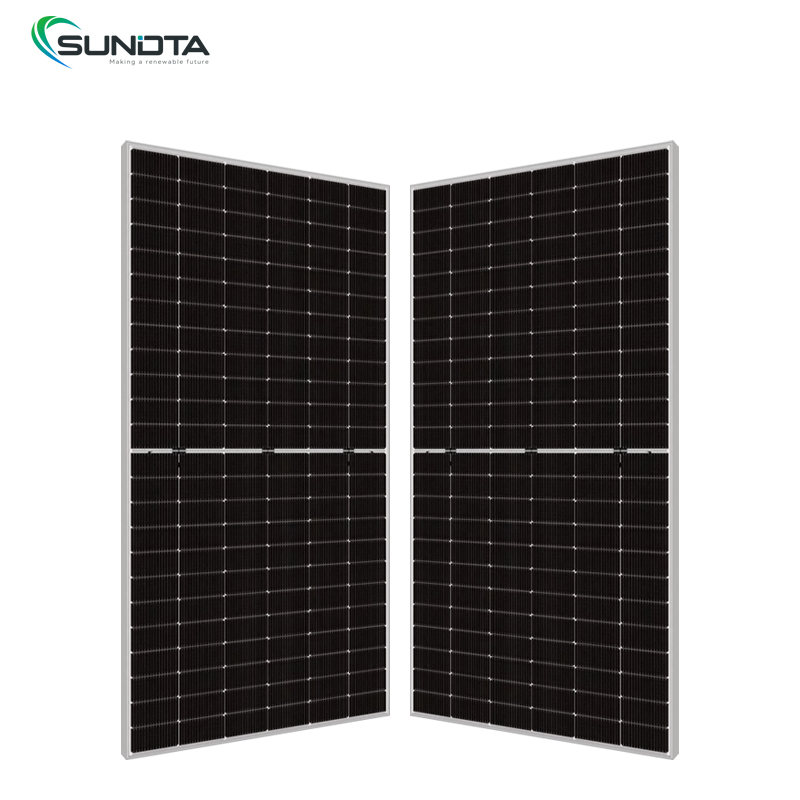
Tier 1 Solar Panel Sodenergy 700W N Type Solar Panel

Tier 1 Sodenergy 700W–730W N-Type Solar Panel

Cell Architecture: N-Type TOPCon Dual-Glass

Nominal Yield: 700W–730W Ultra Efficiency

Target Utility: C&I Ground Mount & Rooftops

Technical Specs
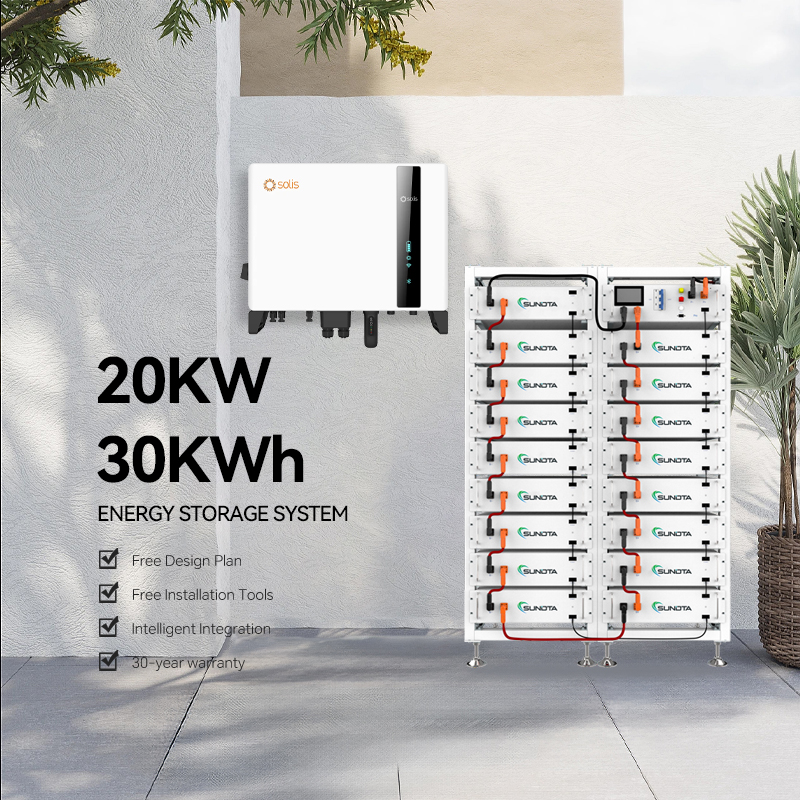
On-Off Grid Solar System with LiFePO4 Battery

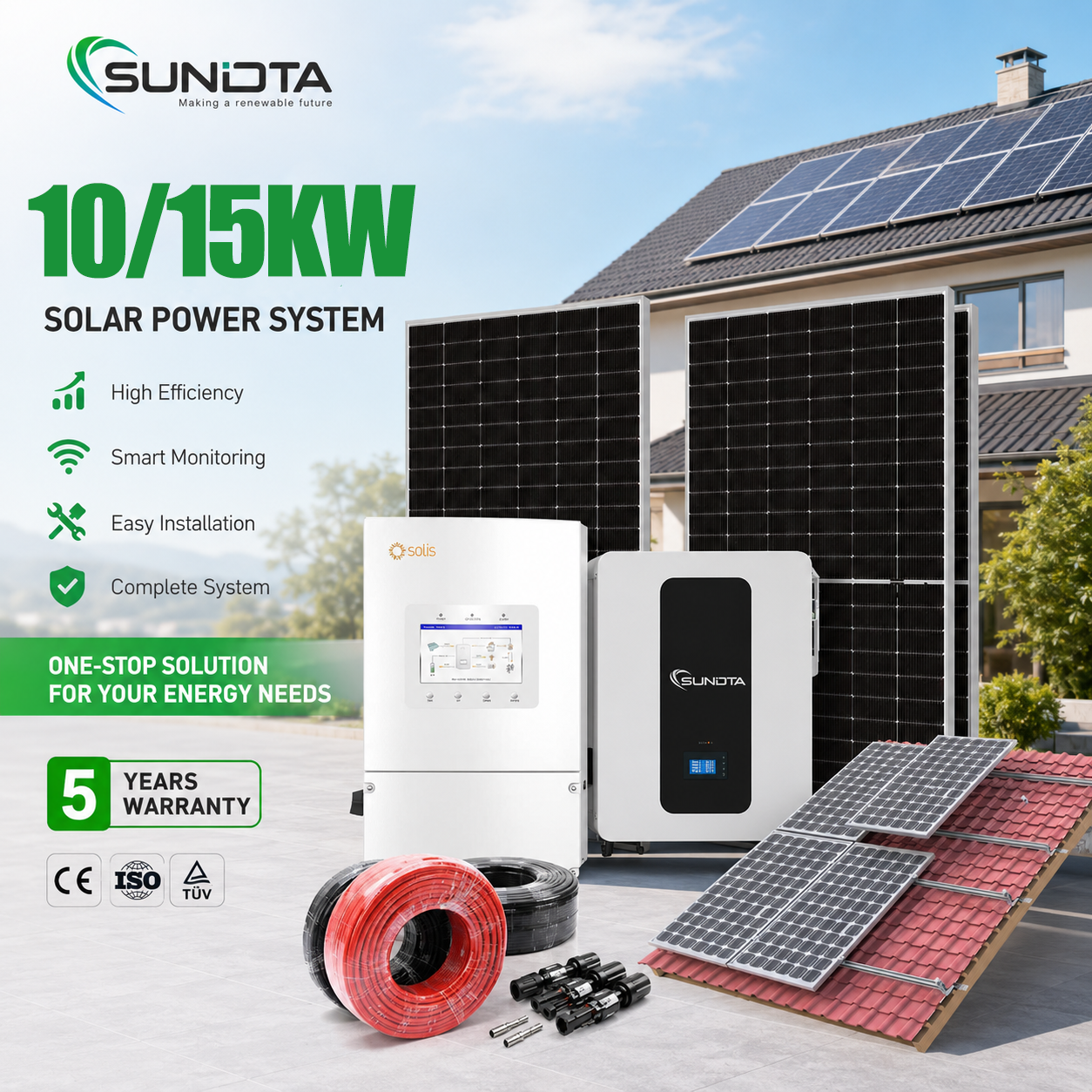
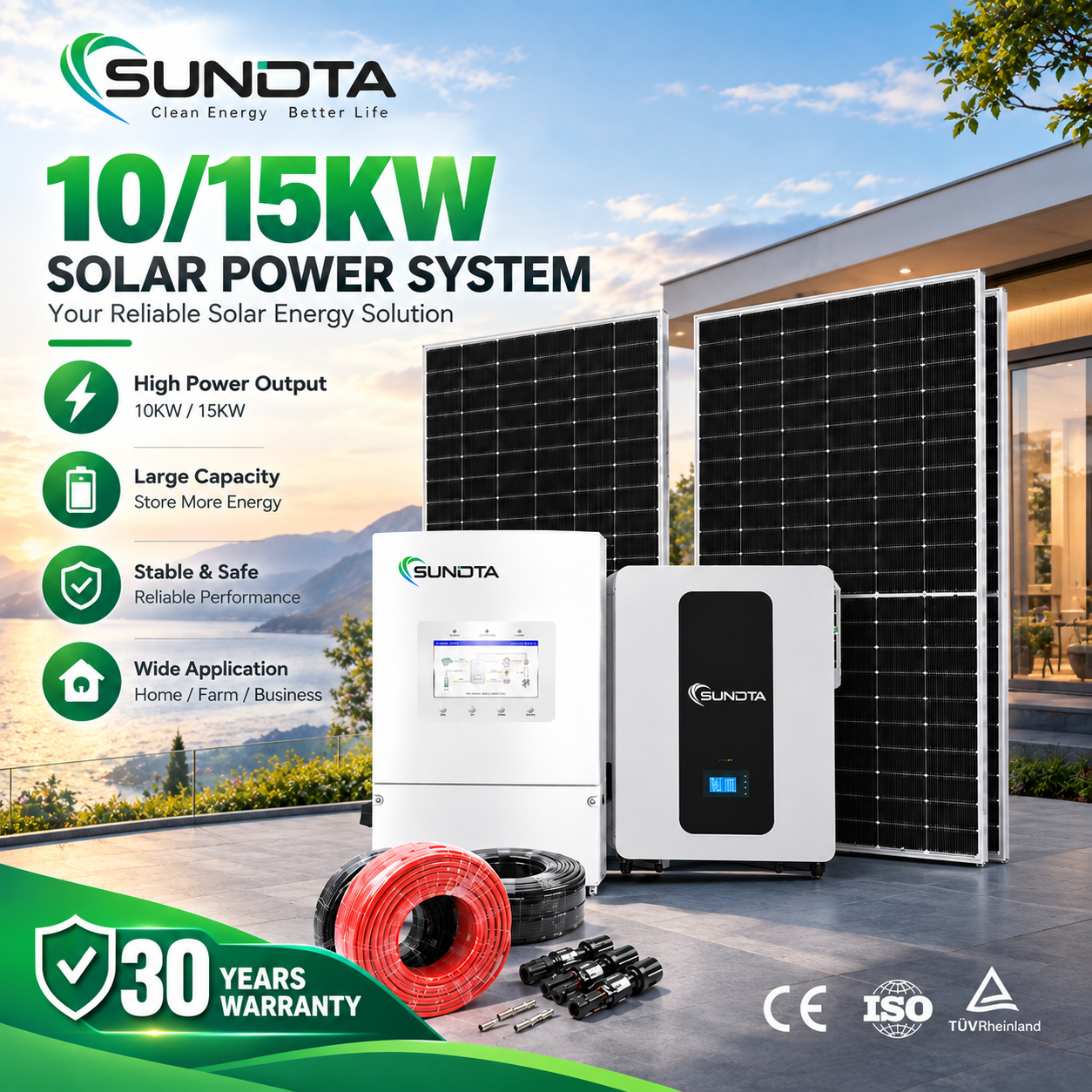
8kW–15kW On-Off Grid System with LiFePO4

Storage Core: 51.2V Modular LiFePO4 Rack

Inverter: Dual MPPT Hybrid Synchronous

Application: Residential Autonomy & Outage Backup

Technical Specs
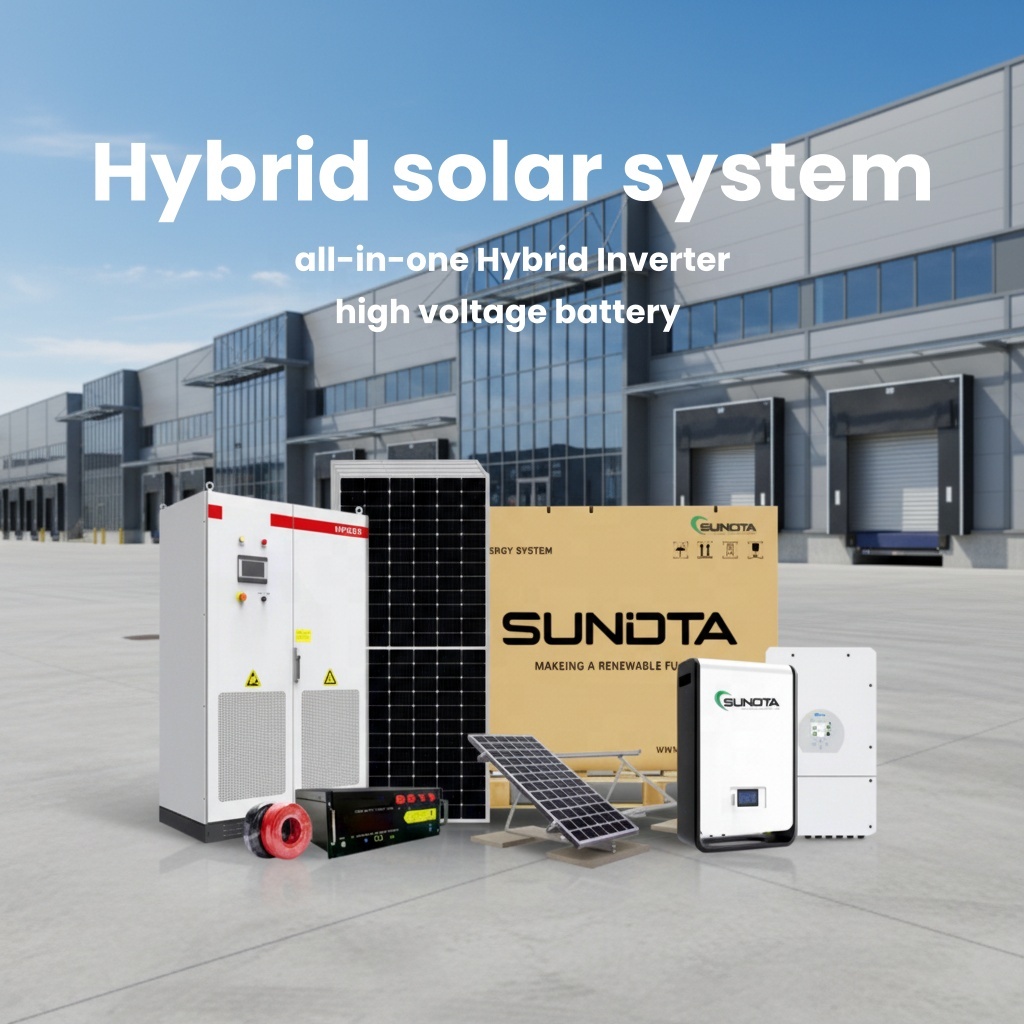
All in One Outdoor LiFePO4 Solar Energy Storage System

All-in-One ESS Cabinet 100kW–500kW LiFePO4

Enclosure: Outdoor IP54/IP65 Weatherproof

Thermal Mgmt: Industrial Liquid/HVAC Cooling

Target Utility: Commercial Peak Shaving & Microgrids

Technical Specs
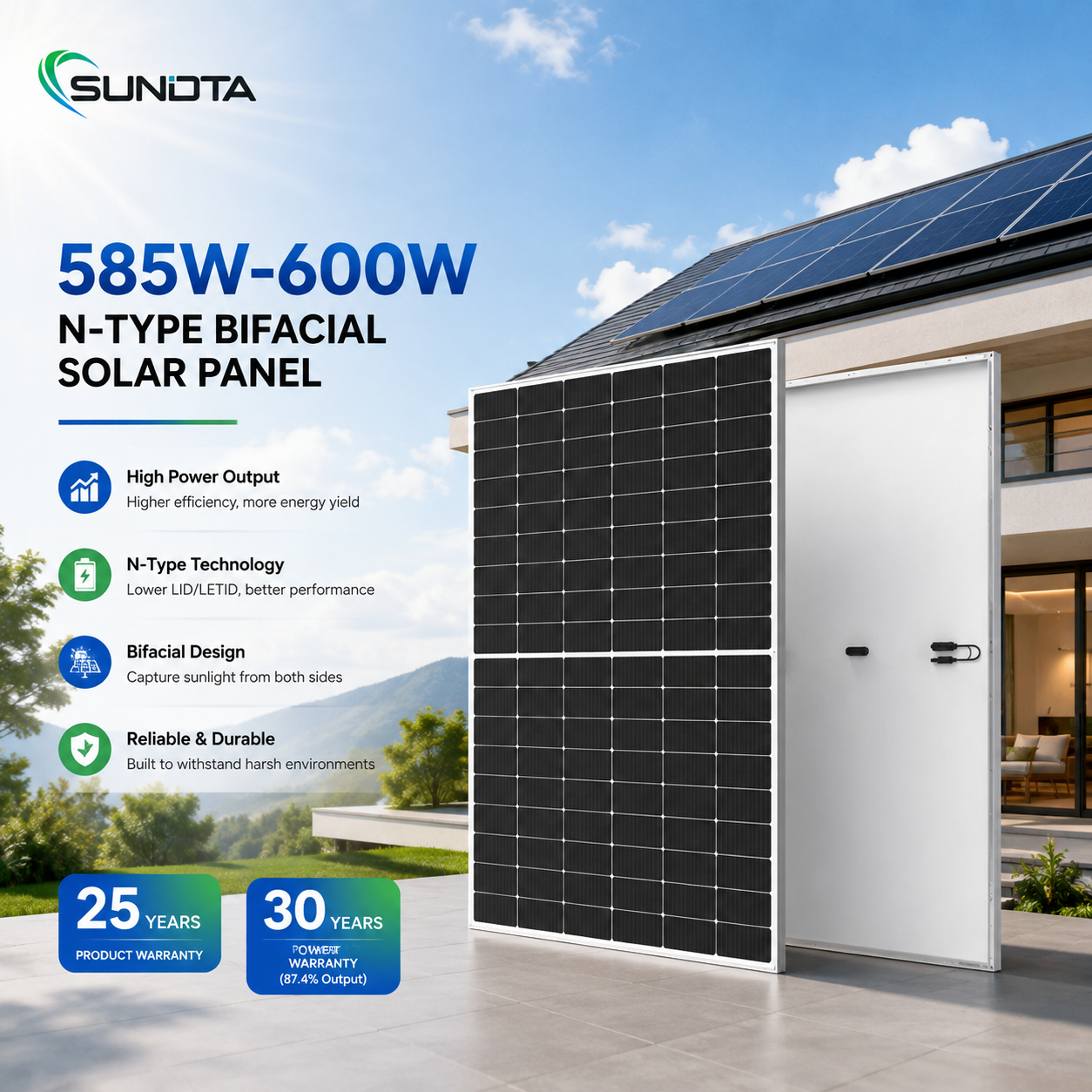
Premium 585W-595W N Type Bifacial PV Module

Premium 585W–595W N-Type Bifacial PV Module

Bifaciality: Up to 80% Rear-Side Gain

Degradation: < 0.40% Annual Linear Decay

Certification: IEC 61215, IEC 61730, CE Marked

Technical Specs
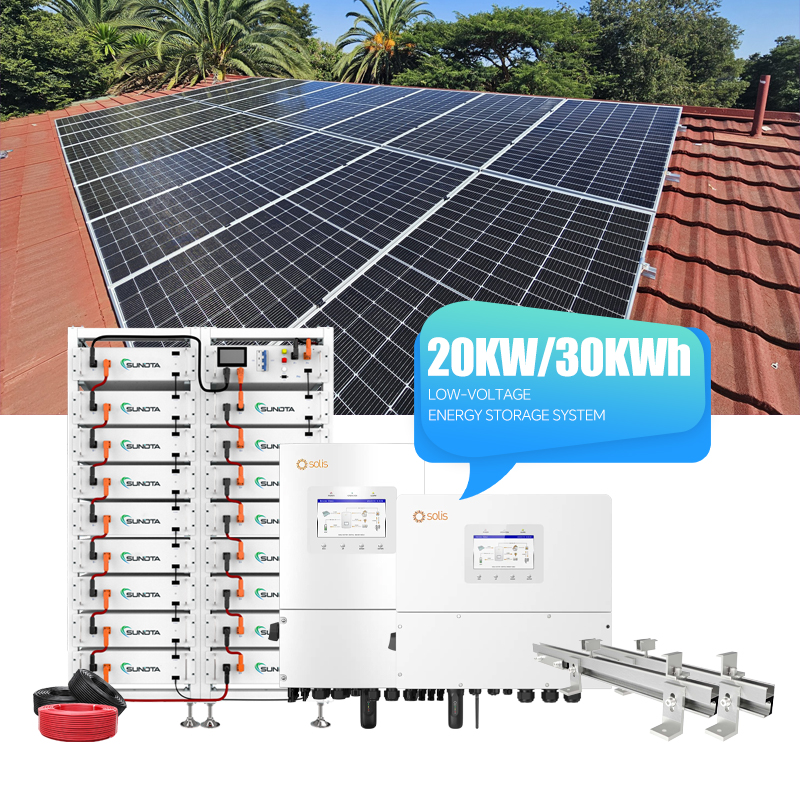
Complete Set of 20kW Solar Energy Storage System

Complete 20kW–35kW Hybrid Solar Storage Kit

Chemistry: Prismatic LiFePO4 (Grade A EV-Cells)

Compatibility: Integrated Smart CAN/RS485 BMS

Target Site: Wineries, Agro-processing & Estates

Technical Specs
585W-595W Premium N-Type Bifacial Monocrystalline Solar Panel

585W–595W N-Type Monocrystalline Module

Efficiency: 22.8% Conversion Ratio

Temperature Coeff: -0.30%/°C Superior Hot Climate

Frame: Anodized 35mm Heavy Mechanical Load

Technical Specs
Complete 50kw Hybrid Solar System deye 3 Phase

Complete 50kW 3-Phase Deye Hybrid ESS System

Voltage: 3-Phase 380V Industrial Spec

Coupling: High-Voltage LiFePO4 Stacks

Topology: Unbalanced 3-Phase Output Capable

Technical Specs
Emergency Backup Whole House Hybrid Solar Power System

Whole-House Backup Hybrid System 15kW–50kW

Switching: Seamless Grid-to-Island < 4ms

Battery Core: Smart MPPT Direct-Charge LiFePO4

Protection: Overload, Surge & Low-Temp Safeguards

Technical Specs
Technical Whitepaper & Strategic Sourcing

High-Performance LiFePO4 Battery Systems in Tbilisi: Strategic Integration & Engineering Standards

A comprehensive assessment of lithium iron phosphate electrochemistry under Caucasus operating conditions, grid harmonization dynamics, and procurement best practices for Georgian B2B stakeholders.

As the commercial, logistics, and industrial hub of Georgia, Tbilisi is experiencing a decisive transformation across its energy consumption architecture. Escalating retail electricity tariffs for commercial enterprises, combined with the gradual enforcement of net-metering regulations under the oversight of the Georgian National Energy and Water Supply Regulatory Commission (GNERC), have rapidly positioned photovoltaic plus battery energy storage systems (BESS) as essential capital investments. Within this context, Lithium Iron Phosphate (LiFePO4) chemistry has emerged as the definitive benchmark for stationary commercial and industrial (C&I) as well as mission-critical residential power systems across the Caucasus.

1. Electrochemical Performance: Why LiFePO4 Chemistry Overcomes Regional Challenges

Tbilisi experiences a humid subtropical climate bordering on continental conditions, defined by hot summers reaching ambient roof-level temperatures beyond 38°C, alongside sub-zero winter spells dipping toward -5°C to -10°C in elevated neighborhoods such as Mtatsminda, Vake-Saburtalo, and the Didi Dighomi plateau. Traditional lead-acid, AGM, and ternary lithium (NMC) chemistries present critical structural vulnerabilities when deployed under these microclimatic variances:

Thermal Stability & Fire Safeguards: LiFePO4 offers a thermal runaway breakdown threshold exceeding 270°C, compared to 150°C–210°C for NMC chemistry. Its robust olivine crystalline molecular structure (Fe-P-O bonding) completely eliminates the hazard of spontaneous oxygen release during thermal, overcharge, or short-circuit events—vital for indoor equipment rooms and dense urban spaces across Tbilisi.

LCOE Minimization Through Superior Cycle Life: While conventional deep-cycle VRLA solutions degrade significantly beyond 800 cycles, our Tier-1 grade prismatic LiFePO4 cells deliver over 6,000 continuous full discharge cycles at 80% Depth of Discharge (DoD) under 25°C calibration. When translated into real-world commercial amortizations, this unlocks a Levelized Cost of Storage (LCOS) falling below $0.05/kWh over an engineered 15-year operational lifecycle.

Commercial & Hotel Microgrids

Tbilisi's tourism and corporate infrastructure throughout Rustaveli, Sololaki, and Saburtalo utilizes 3-phase LiFePO4 racks coupled with Deye/Solis platforms to execute tariff shaving and prevent blackouts during peak central-grid strain.

Agro-Industrial & Viticulture

Direct supply lines to Kakheti and central logistics zones bordering Tbilisi require heavy 50kW–100kW LiFePO4 cabinets for cold storage operations, wine cellar temperature stabilization, and automated bottling lines.

Industrial Uninterruptible Power

Industrial production plants in Gldani and Lilo require microsecond transition times (<10ms) to ensure sensitive PLC microcontrollers, server rooms, and robotic tooling do not suffer expensive line trips during voltage surges.

2. Localized Regulatory Context & Grid Trends Across Georgia

The Georgian energy grid exhibits unique seasonal supply imbalances. In late spring and summer, domestic hydroelectric power reaches its operational surplus, allowing net-metered residential and commercial consumers to push energy back into the Telasi or Energo-Pro Georgia networks. Conversely, during autumn and winter, reservoir drawdowns force Georgia to rely heavily on thermal generation and cross-border energy imports, causing elevated spot energy prices.

Under GNERC's micro-power generation regulatory updates, distributed self-generation permits entities to connect systems up to 500kW. Incorporating a closed-loop LiFePO4 battery storage bank empowers operators to capitalize on "Solar Self-Consumption Optimization." Rather than feeding low-cost solar kWh into the grid, energy is stored locally and discharged during expensive evening peak cycles, shielding businesses from peak network transit tariffs.

3. Technical Sizing Matrix: Low Voltage vs. High Voltage Architecture

Selecting between low-voltage (48V/51.2V) and high-voltage (HV > 150V–600V DC) LiFePO4 systems determines system efficiency, installation safety, and overall BOS (Balance of System) expenditure:

Parameter / Criteria 51.2V LV LiFePO4 Rack / Wall-Mount HV Stackable LiFePO4 Battery System Target Tbilisi Scenario
System Voltage Range 44.8V – 57.6V DC nominal 160V – 600V+ DC continuous HV cuts DC copper cable losses on long C&I runs.
Inverter Compatibility Deye 5k–12k, Solis S6 Low-Volt Deye 3-Phase HV, Solis 75k–125k Matched via high-speed native CAN 2.0B / RS485 bus.
Round-Trip Efficiency (RTE) ~94.5% (conversion step losses) ~97.2% (direct high-voltage bus) HV prioritizes maximum efficiency for 30kW+ arrays.
Scalability & Safety Modular plug-and-play up to 15 units Tower rack modules with high-voltage box LV suits private estates; HV suits wineries & facilities.

4. Corporate Manufacturing Superiority: Why Anhui RJV New Energy?

Anhui RJV New Energy Co., Ltd. serves as a vertically integrated clean energy manufacturer headquartered in Hefei, China—an international nucleus of advanced photovoltaic research and electrochemical innovation. Backed by over 12 years of specialized engineering experience and a 2 GW automated module manufacturing capacity, we control every quality vector along the supply chain:

TÜV Rheinland Audited

Factory operations, production management, and test labs are fully audited and verified on-site by TÜV Rheinland with full traceability.

Integrated Ecosystem

BMS CAN communication protocols, inverter firmware versions, and MPPT tracking voltages are factory-calibrated prior to palletization.

38 Registered Patents

Rigorous R&D patents covering high-yield N-type bifacial encapsulation, smart heat dissipation, and internal cell balancing safeguards.

AAA Corporate Credit

Certified AAA credit standing, offering versatile Incoterms (FOB, CFR, CIF Poti/Batumi) alongside robust OEM system customization.

Every shipment sent to Georgian logistics hubs (via the port of Poti or multimodal rail transit corridors) includes individual cell flash reports, UN38.3 test certifications for marine transportation, CE compliance documentation, and clear schematics designed to streamline domestic GNERC grid certification.

Procurement Knowledge Base

Frequently Asked Questions: LiFePO4 Importation & Engineering in Tbilisi

Key technical, regulatory, and logistics answers for EPC contractors, installers, and project owners.

How does the extreme summer heat in Tbilisi affect the lifespan of LiFePO4 battery packs?
Unlike lead-acid systems whose electrolyte evaporates rapidly in temperatures exceeding 35°C, or ternary lithium cells susceptible to thermal runaway, RJV's LiFePO4 battery modules operate reliably up to 55°C. Our industrial-grade Battery Management Systems (BMS) continuously regulate multi-point temperature sensors across every cell group. If ambient temperatures exceed recommended parameters, the BMS safely curtails charge current to preserve cell longevity, ensuring consistent 15-year operational viability in Tbilisi's warm microclimate.
Are RJV LiFePO4 battery packs natively compatible with Deye and Solis inverters commonly installed in Georgia?
Yes. Our lithium batteries feature factory-embedded CAN and RS485 communications profiles matching the full range of Deye, Solis, Growatt, and Victron hybrid inverters. When connecting to a Deye 3-phase hybrid unit (e.g., 10kW to 50kW), closed-loop communication is automatically initiated via DIP switch configuration, delivering real-time State-of-Charge (SoC), voltage balancing, and adaptive charging protocols without requiring secondary manual programming.
What are the transit timelines and logistics routes for battery shipments bound for Tbilisi?
Because LiFePO4 batteries are classified under UN3480 (Class 9 Dangerous Goods), shipments are packed in strictly certified UN boxes and accompanied by MSDS, UN38.3, and Sea Transport Safety Reports. Ocean shipments typically dispatch from Shanghai or Ningbo directly to the Black Sea ports of Poti or Batumi (transit window around 30–40 days), followed by bonded rail or flatbed truck transport to Tbilisi customs terminals (such as Lilo or Gldani) for swift clearance.
Does Georgia impose import duties or value-added tax on solar modules and LiFePO4 storage batteries?
Georgia provides favorable regulatory terms for renewable energy equipment. Solar PV modules and corresponding high-efficiency components frequently qualify for zero percent (0%) customs import duty rates, subject to standard VAT customs procedures. Importers are encouraged to consult their licensed customs brokerage in Tbilisi with the exact HS Codes (e.g., 8507.60 for lithium accumulators and 8541.43 for photovoltaic modules) that RJV provides with all proforma paperwork.
Can RJV customize OEM systems for regional agricultural enterprises and boutique hotels?
Absolutely. We support custom branding, metal cabinet color matching, customized input/output wiring enclosures, and site-tailored storage capacities ranging from 10 kWh modular stacks to multi-megawatt-hour containerized BESS setups. Our engineering team assists Georgian EPCs by generating single-line wiring diagrams (SLDs) and load autonomy calculations before equipment leaves the factory floor.

Empower Your Next Solar & Storage Project in Tbilisi

Connect directly with our dedicated application engineering team to receive full technical datasheets, closed-loop inverter compatibility matrices, and factory-direct volume pricing.

Get Catalog