Precision Photovoltaic Systems & Storage Available for Osh
Direct factory supply manufactured by Anhui RJV New Energy Co., Ltd. Fully certified for Eurasian Economic Union (EAEU) and CE standards, tested for high-altitude irradiance and sub-zero winter reliability.
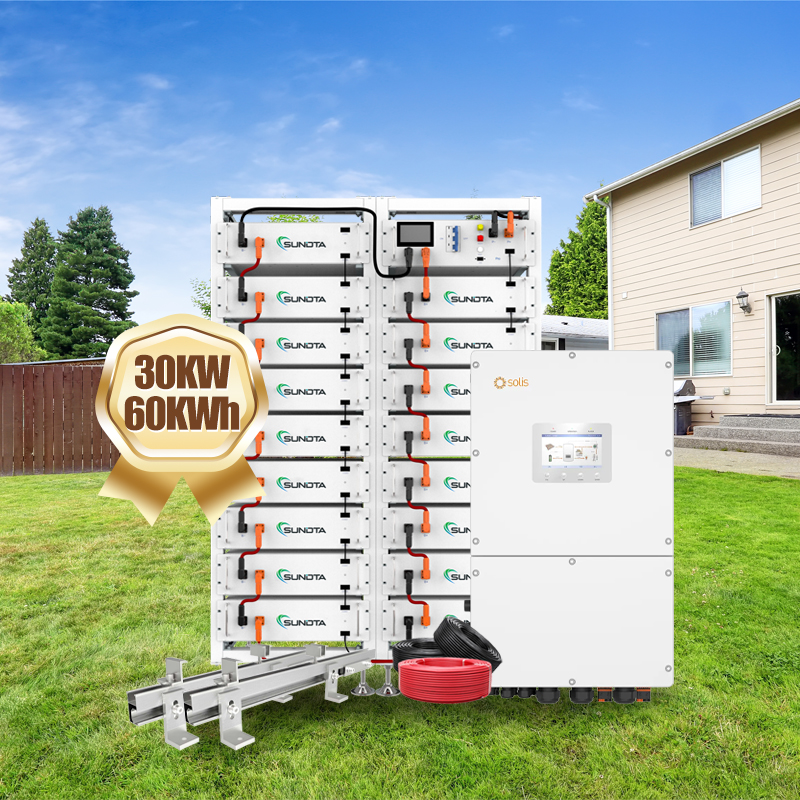
Complete 30kw Solar System 10kw 15kw 20kw 30kw Solar Energy System 30 kw Hybrid for Home Use With EU Certification
- Rated Power: 10kW / 15kW / 20kW / 30kW
- Grid Architecture: Three-Phase 380V/400V
- Efficiency: Up to 98.4% Euro Efficiency
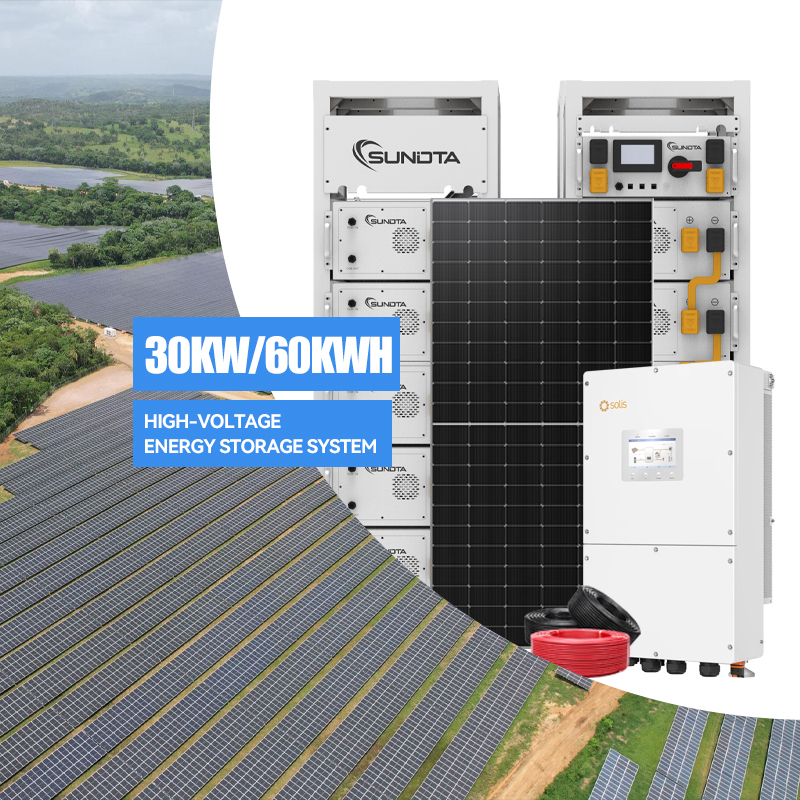
Off Grid Hybrid Solar Energy Storage System 20KW 30KW 40KW Hot-selling 30 kw Hybrid for Home Use With EU Certification
- Output Capacity: 20kW to 40kW Dual MPPT
- LiFePO4 Integration: CAN/RS485 Protocol
- Transfer Speed: <10ms Seamless UPS Switching

15kW-50kW High-Efficiency Hybrid Solar Power System with Smart MPPT for Whole-House Backup
- PV Input Voltage: 150V - 1000V DC Wide Range
- Backup Performance: 150% Peak Overload 10s
- App Control: Cloud-based GSM / WiFi Monitoring

Premium 585W-595W N Type Bifacial PV Module High Yield Monocrystalline Solar Panels 590W Tier 1 Solar Power System
- Cell Configuration: 16BB SMBB Half-Cut
- Bifaciality Factor: 80% ± 5% Albedo Boost
- Temperature Coeff (Pmax): -0.30%/°C
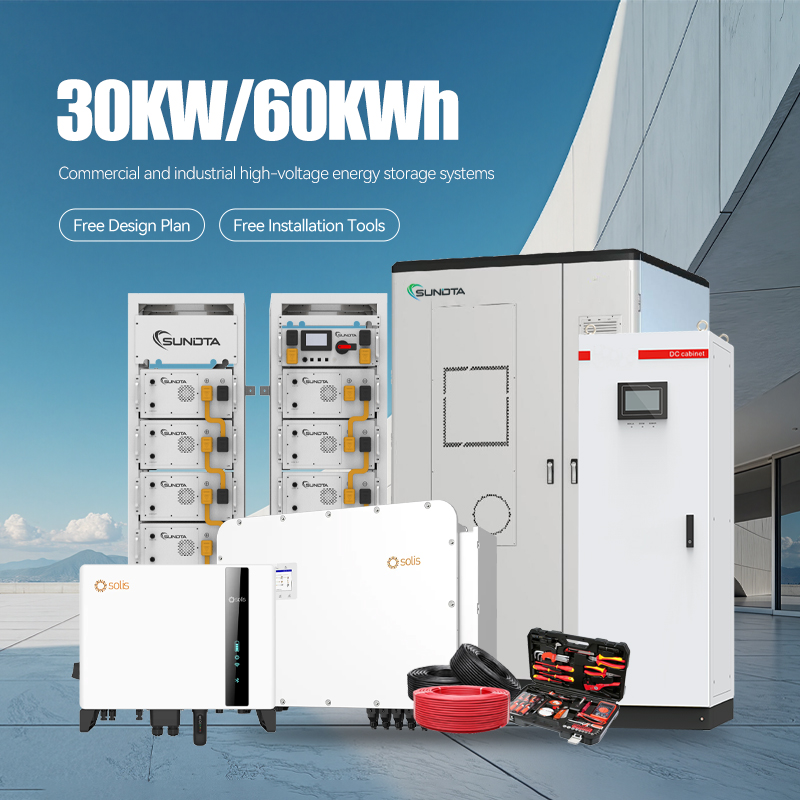
30KWH 51.2V 314AH LiFePO4 Battery Solar Energy Home Energy Storage 48v Solar Battery ALL in ONE SOLAR POWER SYSTEM
- Rated Energy: 16.07 kWh - 32.14 kWh Scalable
- Cell Chemistry: Grade-A LiFePO4 6,000 Cycles
- Thermal Range: -20°C to +55°C Internal Heating
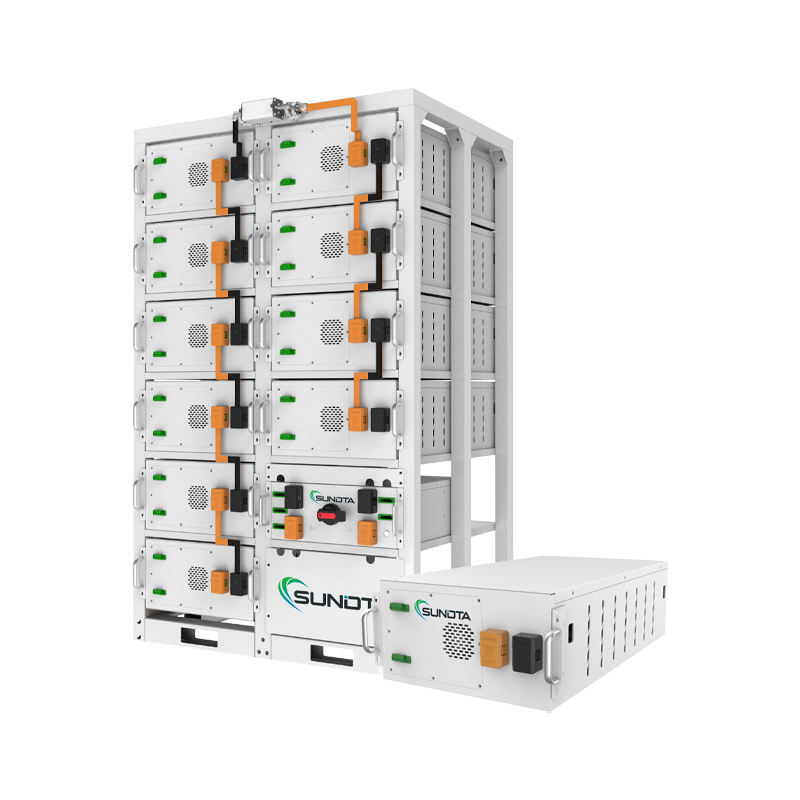
High Quality LiFePO4 Lithium Battery Stackable 51.2V 14.336kWh Wall-Mounted 10-Year Warranty Home Energy Storage Solar Battery
- Form Factor: Wall-Mounted / Floor Modular
- Nominal Voltage: 51.2V / 280Ah Standard
- BMS Compatibility: Solis, Deye, RJV Master
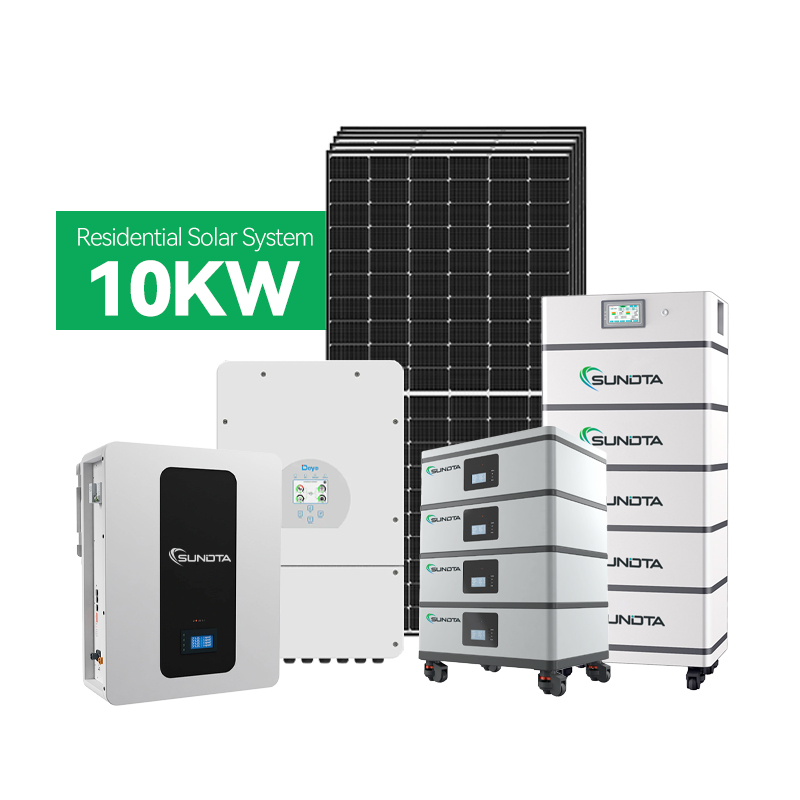
Stock Available Sundta 5KW 8KW 10KW 12KW 15KW 20KW New Innovation Complete Solar Hybrid System Kit with Lithium Battery
- Full Turnkey BoS: Panels, Inverter, Rails, DC DB
- Export Power Limitation: 0-100% CT Controlled
- Certificates: CE, TÜV Rheinland, IEC 62109

Emergency Backup Whole House Hybrid Solar Power System 15kW 20kW 25kW 30kW 50kW Solar Generator with Smart MPPT Battery
- Parallel Operation: Up to 16 Units Synchronized
- Generator Interaction: Auto Dry-Contact Start
- Grid Injection Control: Zero Reverse Power Limit
Navigating the Grid Realities of Southern Kyrgyzstan: Solar Solutions for Osh
The energy landscape of Osh, the secondary economic capital of the Kyrgyz Republic and the trade hub of the fertile Fergana Valley, is experiencing a fundamental transition. Historically dependent on Soviet-era centralized hydropower generated along the Naryn River cascade (predominantly the Toktogul Hydroelectric Power Station), the local grid infrastructure operated by the National Electrical Grid of Kyrgyzstan (NESK) and Osh PUES encounters acute winter generation deficits. Hydrological volatility, paired with severe water level depletion during prolonged freezing periods, frequently triggers widespread industrial load shedding, scheduled rolling blackouts, and unstable voltage profiles ranging between 160V and 260V across suburban and peri-urban distribution rings.
Paradoxically, the geographical positioning of Osh provides exceptional solar assets. Osh Oblast enjoys upwards of 2,600 to 2,900 hours of peak annual sunshine, with global horizontal irradiance (GHI) metrics hovering between 1,650 kWh/m² and 1,820 kWh/m² per year. This radiation density ranks among the premier solar corridors in Central Asia, exceeding typical Western European insolation averages by over 45%. However, harnessing this abundant resource through standard utility-interconnection protocols necessitates specialized engineering. Equipment deployed in Osh must withstand significant continental diurnal temperature swings (fluctuating from -25°C in January up to +42°C during midsummer heat waves), handle high atmospheric dust deposition during spring windstorms, and interface reliably with aging medium-to-low voltage grid lines prone to frequency instability and phase imbalances.
As a premier tier-integrated solar manufacturer and international project exporter based in Hefei, China, Anhui RJV New Energy Co., Ltd. (RJV) bridges the engineering divide between advanced Chinese manufacturing depth and Central Asian installation parameters. Our factory designs and ships robust On-Grid and Hybrid Photovoltaic (PV) systems configured precisely to conform with Kyrgyz State Regulation standards, technical safety codes, and local utility interconnect criteria.
Commercial & Agro Cold Storage
Continuous daytime power delivery for fruit processing facilities, cold storage warehouses, and cotton processing lines across Kara-Suu and Aravan corridors, reducing peak tariff penalties.
Industrial Peak Shaving
Mitigation of punitive maximum-demand electric charges for brick factories, textile mills, and municipal workshops in Osh City through scheduled on-grid generation and dynamic zero-export settings.
Resilient Hybrid Microgrids
Reliable backup power architectures for clinical facilities, hospitality centers, and enterprise headquarters requiring zero-second transfer times when primary 10kV feeders experience line faults.
Regulatory Evolution: Law of the Kyrgyz Republic on Renewable Energy
Procurement decisions in the Osh market are increasingly driven by progressive statutory reforms enacted by the Ministry of Energy of the Kyrgyz Republic. Recent legislative updates to the Law on Renewable Energy Sources have established statutory frameworks for Net Metering and Green Feed-in Tariffs. Commercial entities and residential autoproducers operating grid-tied solar generators up to legal microgeneration capacity thresholds can now legally feed excess daytime generation into the municipal grid distribution infrastructure managed by Osh PUES, securing balance-sheet kilowatt-hour credits or financial reconciliation mechanisms.
Nevertheless, gaining utility interconnection sign-off demands stringent BoS (Balance of System) compliance. Kyrgyz grid engineers require type-tested anti-islanding protection (in full compliance with IEC 62116 / IEEE 1547 standards), precise Total Harmonic Distortion (THD) suppression below 3%, and automated grid synchronization disconnection during frequency dropouts outside the 49.5Hz–50.5Hz band. Anhui RJV New Energy integrates these protective parameters directly into the firmware logic of our inverter families (developed in technical partnership with tier-1 platforms including Solis and Deye), ensuring fast-track approval from Kyrgyz state energy inspections without costly external relay retrofits.
Technical Dimensioning Matrix for Osh Solar Installations
Designing a durable on-grid solar plant in Southern Kyrgyzstan demands precise thermal compensation calculations. Because photovoltaic solar cells lose efficiency as ambient temperatures climb, panels operating in the +40°C summer microclimates of the Osh plain must exhibit exceptional temperature coefficients. Conversely, open-circuit voltage ($V_{oc}$) rises significantly during winter cold snaps (-25°C), creating severe risks of inverter input overvoltage if string layouts are calculated using standard testing conditions ($25^\circ\text{C}$).
| System Scale | PV Module Array | Inverter Topology | DC/AC Ratio | Primary Local Application in Osh |
|---|---|---|---|---|
| 10 kW – 15 kW Three-Phase | Sundta 585W N-Type Bifacial (18-26 Panels) | Deye / Solis 10-15K Low-Loss Dual MPPT | 1.25 : 1 | Private estates, diagnostic medical clinics, bakeries, auto-workshops |
| 20 kW – 30 kW Commercial | Sundta 590W N-Type TOPCon (34-52 Panels) | High-Yield Multi-MPPT Commercial Grid-Tie | 1.30 : 1 | Hotels, administrative centers, educational facilities, textile finishing shops |
| 50 kW – 100 kW Industrial | Sundta 595W Half-Cell Glass-Glass Modules | Quad-MPPT 50K-100K 380V Industrial Core | 1.35 : 1 | Kara-Suu wholesale commercial plazas, cotton processing mills, cold chains |
| 250 kW – 1 MW+ Ground/Roof | 590W/595W Bifacial with Tracking/Fixed Rails | Centralized String Multi-Cluster Combiners | 1.38 : 1 | Agricultural pumping stations, manufacturing plants, utility pilot installations |
Thermal Efficiency Engineering: Why N-Type TOPCon Outperforms PERC in Osh
A frequent failure point among budget solar importers in the Osh market is the deployment of dated P-type PERC monocrystalline panels. P-type silicon suffers from severe Light Induced Degradation (LID) and possesses a negative temperature coefficient of power typically around -0.38%/°C. Under an Osh summer roof where panel surface temperatures can hit +68°C, an ordinary PERC module loses up to 16.3% of its nameplate energy generation.
In contrast, Anhui RJV New Energy’s N-Type TOPCon Bifacial Modules utilize phosphorus-doped silicon wafers with zero boron-oxygen complexes, entirely eliminating LID. Featuring an advanced temperature coefficient of power rated down to -0.30%/°C, our panels deliver 4% to 7% higher actual energy yield throughout the grueling Central Asian summer. Furthermore, the dual-glass bifacial architecture captures ground albedo reflection—abundant across the reflective limestone and gravel soils common to Osh Oblast—generating up to an additional 25% electrical energy from the rear face during both snowy winter mornings and dry summer afternoons.
Why Global EPCs & Central Asian Distributors Partner with Anhui RJV New Energy
Procuring photovoltaic hardware across international trade lanes presents clear operational risks: mismatched component communication protocols, inconsistent flash-test documentation, substandard packaging that crumbles along rough transit routes, and absent technical assistance once the shipping container arrives. Headquartered in the Innovation Industrial Park of Hefei, Anhui Province—the world-recognized industrial epicenter of solar photovoltaics and power electronics—Anhui RJV New Energy Co., Ltd. operates with an established global reputation.
With over 12 years of specialized PV research and manufacturing, our facilities house 2.0 GW of fully automated module assembly capacity. We operate state-of-the-art multi-busbar (MBB) cell soldering machinery, automated EVA/POE laminators, high-resolution electroluminescence (EL) crack detection stations, and computerized IV curve calibration simulators verified by international calibration bodies.

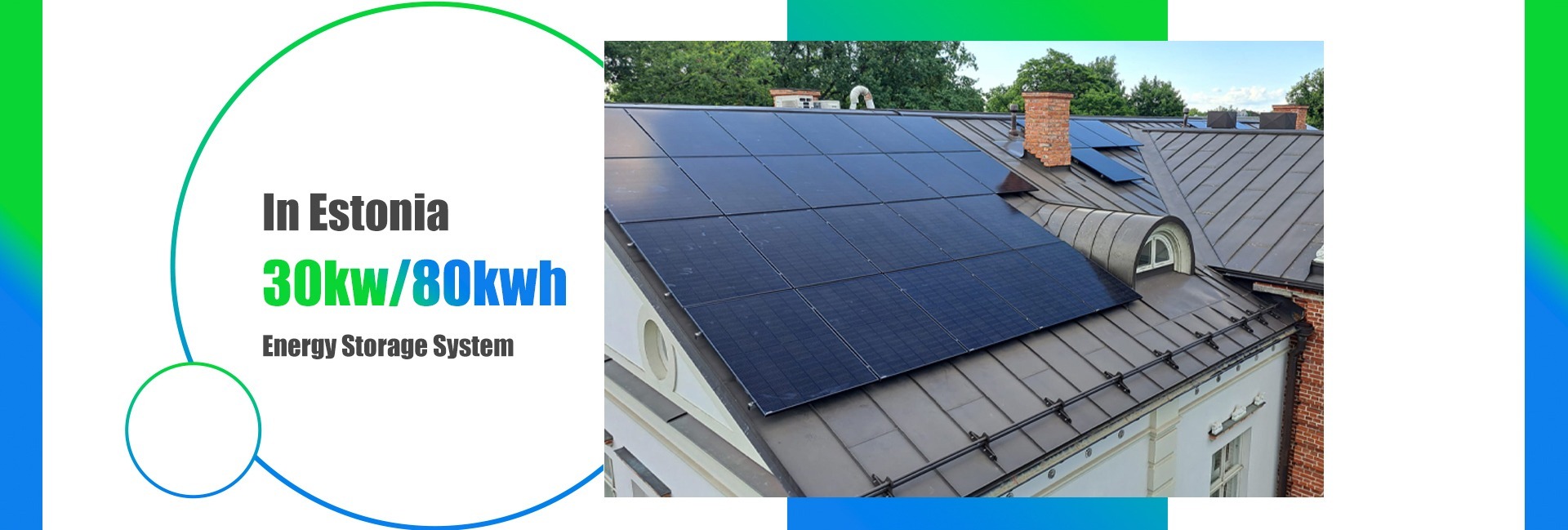
TÜV Rheinland On-Site Verified
Our complete factory layout, financial standing, production lines, and quality control systems are audited and certified on-site by TÜV Rheinland, backed by an established AAA Credit Rating.
One-Stop Matched PV BOM
We eliminate commissioning failures. Modules, string inverters, battery management systems, DC combiner boxes, and anti-PID modules are pre-tested together for firmware protocol harmony before crating.
Streamlined Logistics to Osh
Direct freight corridors originating from Hefei crossing Xinjiang via the Irkeshtam or Torugart border passes directly into Osh Customs terminals, optimizing transit schedules and minimizing freight costs.
Frequently Asked Questions: Sourcing Solar Equipment for Osh
Direct engineering and commercial answers to the most common queries raised by Kyrgyz project developers, electro-technical contractors, and commercial enterprise buyers.
What are the customs duties, VAT, and EAEU conformity requirements for importing solar equipment into Osh? +
How do RJV on-grid solar systems handle the severe winter freezes of Southern Kyrgyzstan? +
Can the system be configured for Zero-Export if the local Osh electrical utility does not support feed-in? +
What is the minimum order quantity (MOQ) and lead time for shipments to Osh, Kyrgyzstan? +
How does RJV handle after-sales engineering and warranty claims in Central Asia? +
The Next Decade: Photovoltaic Projections Across the Fergana Basin
The macroeconomic trajectory of Central Asia points toward rapid, decentralized clean electrification. With the Kyrgyz Republic expanding its transmission interconnections through regional initiatives such as CASA-1000 and modernizing municipal substations, the industrial sector in Osh is under increasing pressure to decarbonize while stabilizing production costs. Over the coming years, commercial and agricultural operators who rely strictly on fluctuating state utility tariffs will face escalating operational overhead compared to peers who invest in on-site generation assets.
Modern rooftop and ground-mounted solar investments in Osh exhibit rapid payback horizons—typically amortizing within 3.2 to 4.8 years, depending on local industrial tariff categories and displacement of expensive diesel backup generation. By pairing high-yield N-type bifacial photovoltaic technology with flexible on-grid string architectures, enterprise operators lock in predictability, business continuity, and energy sovereignty.