Hybrid Kit
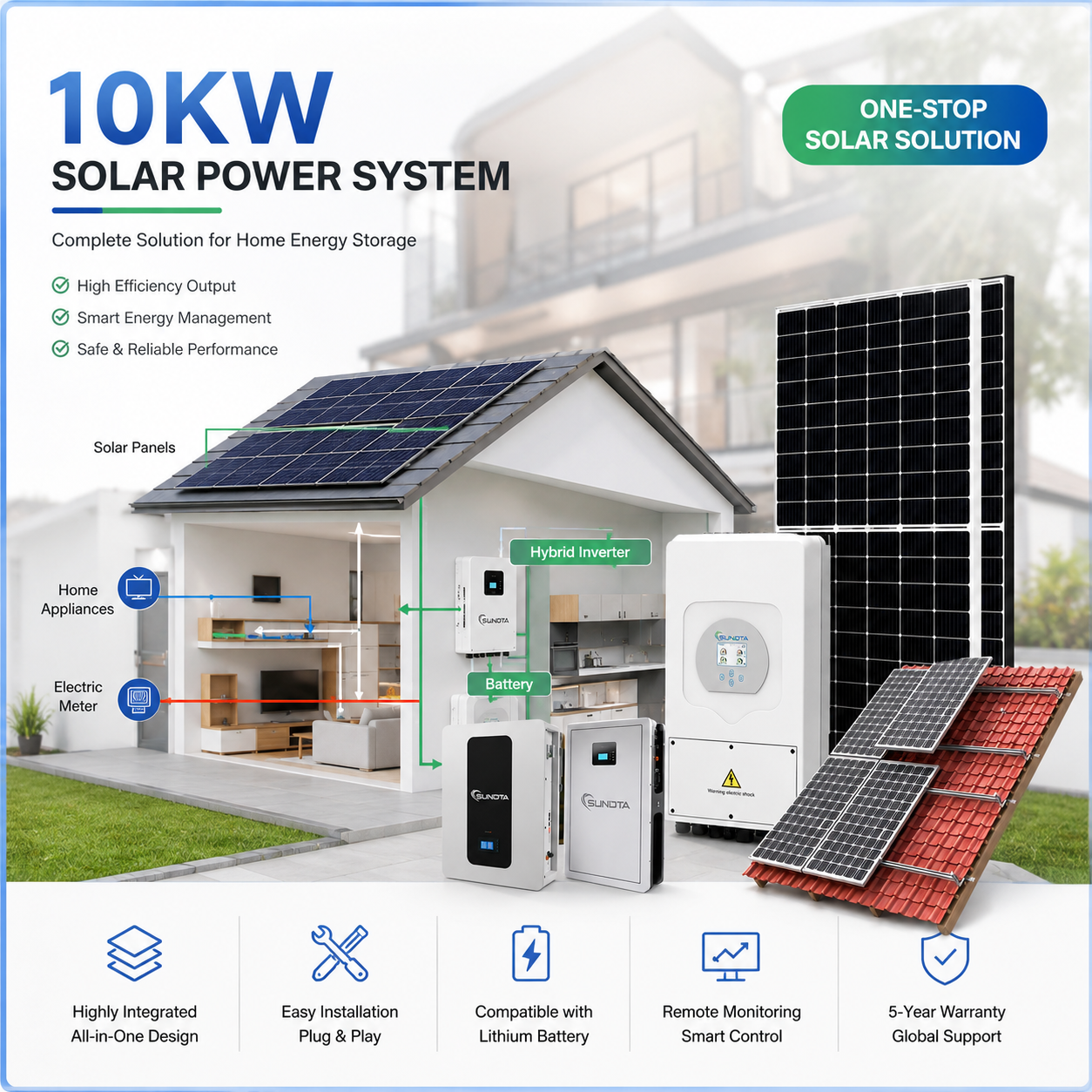
Pre-configured and certified systems eliminating communication and voltage window discrepancies across demanding grid conditions in Shymkent and the Turkistan Region.
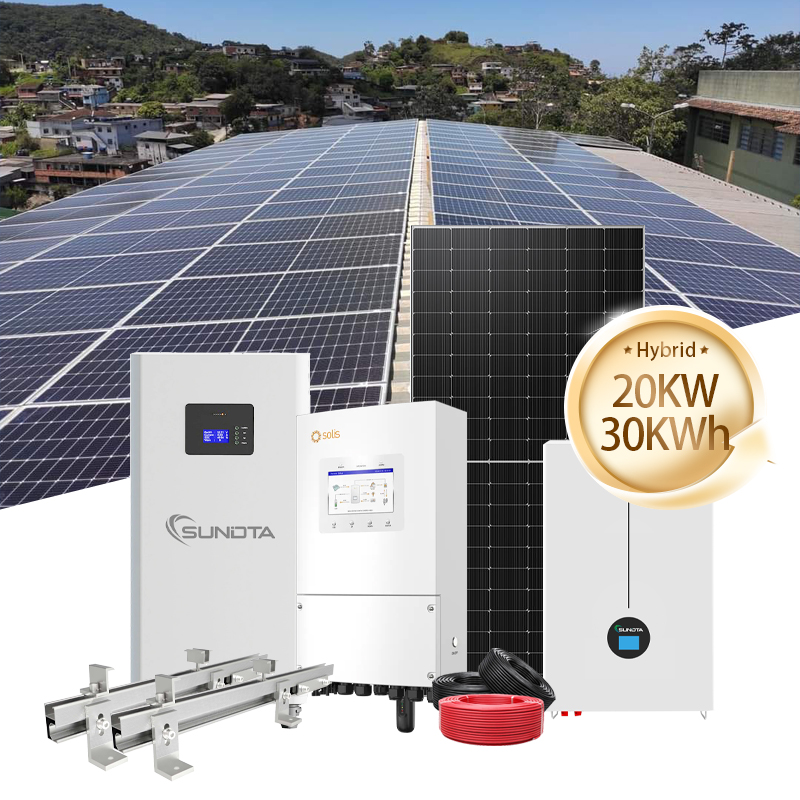
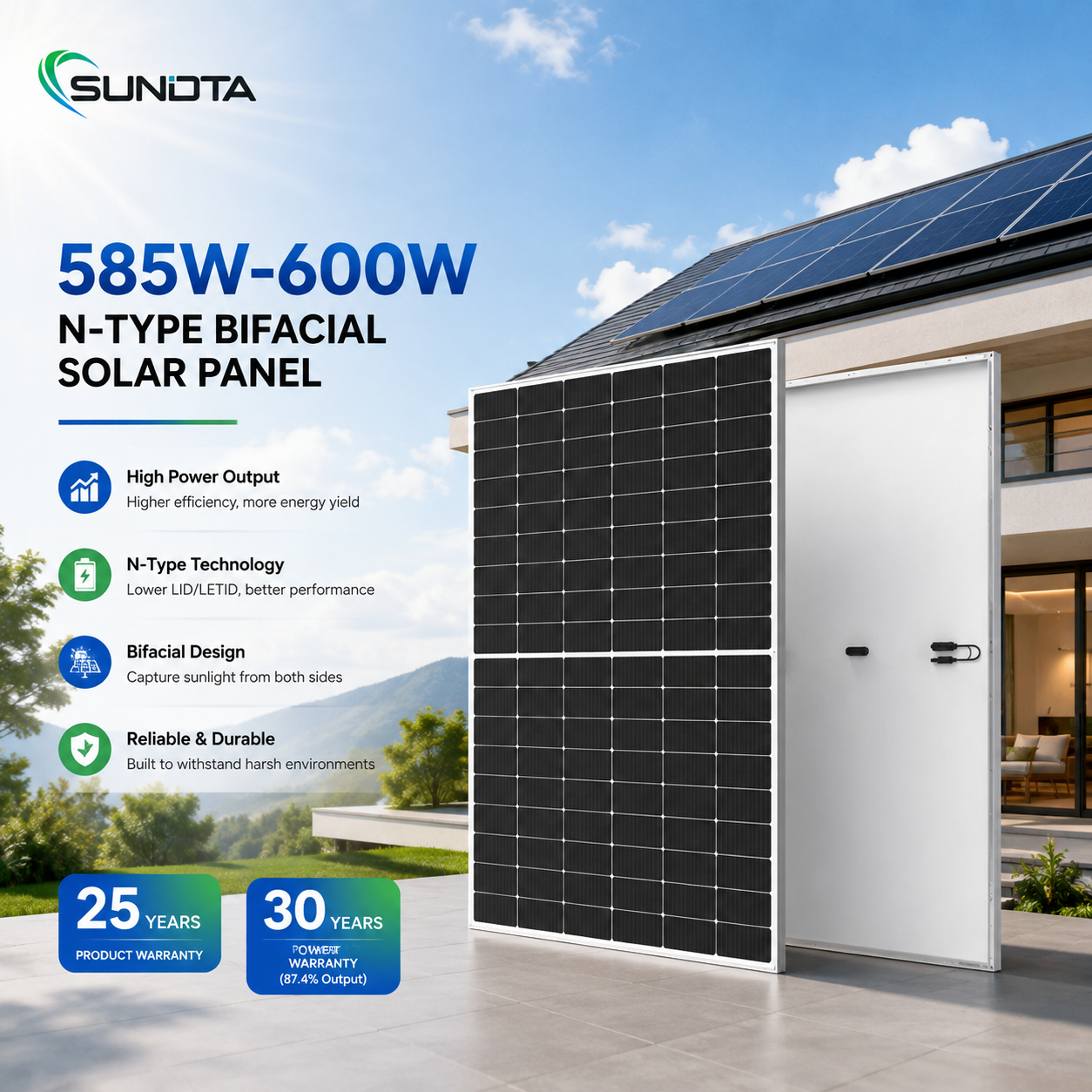
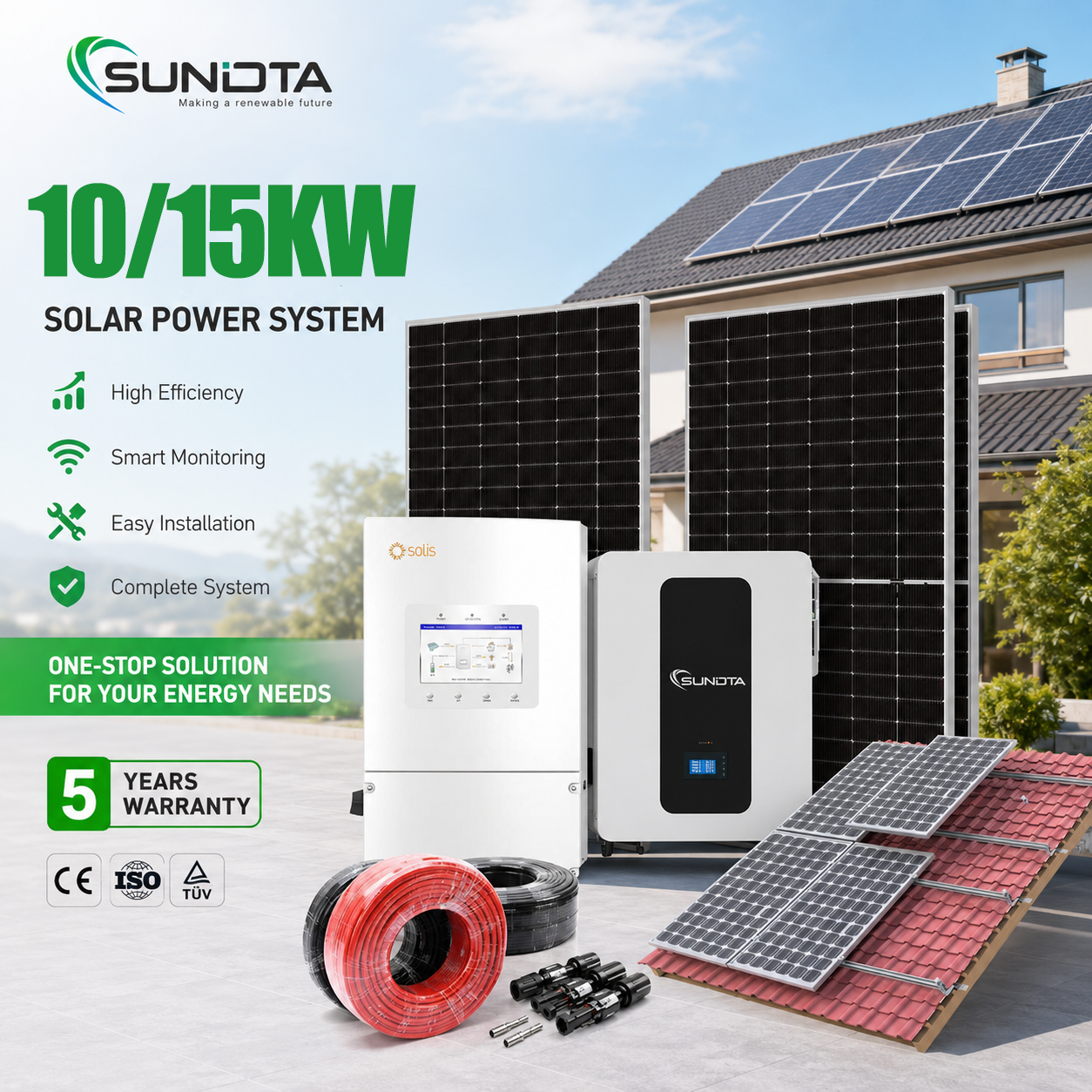
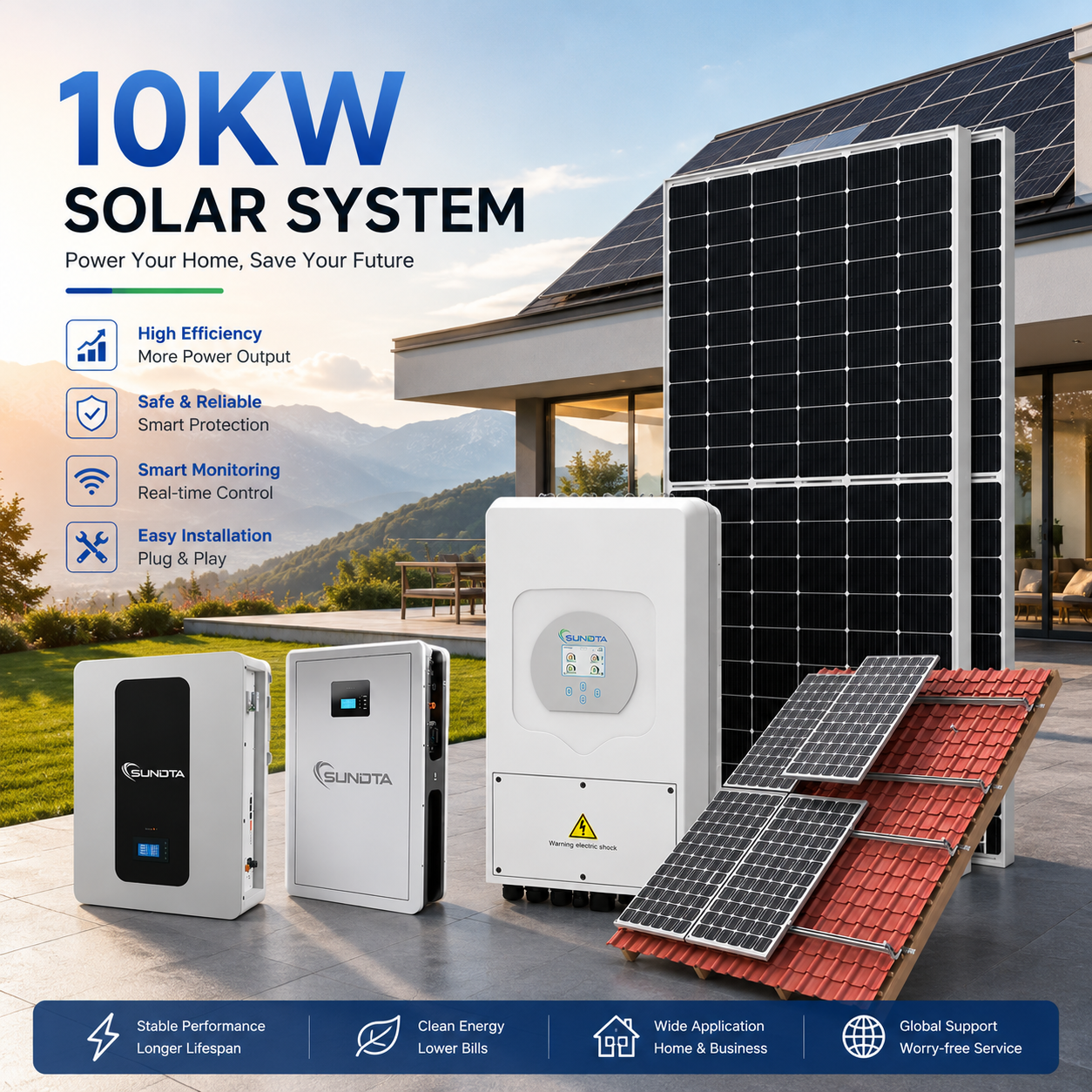
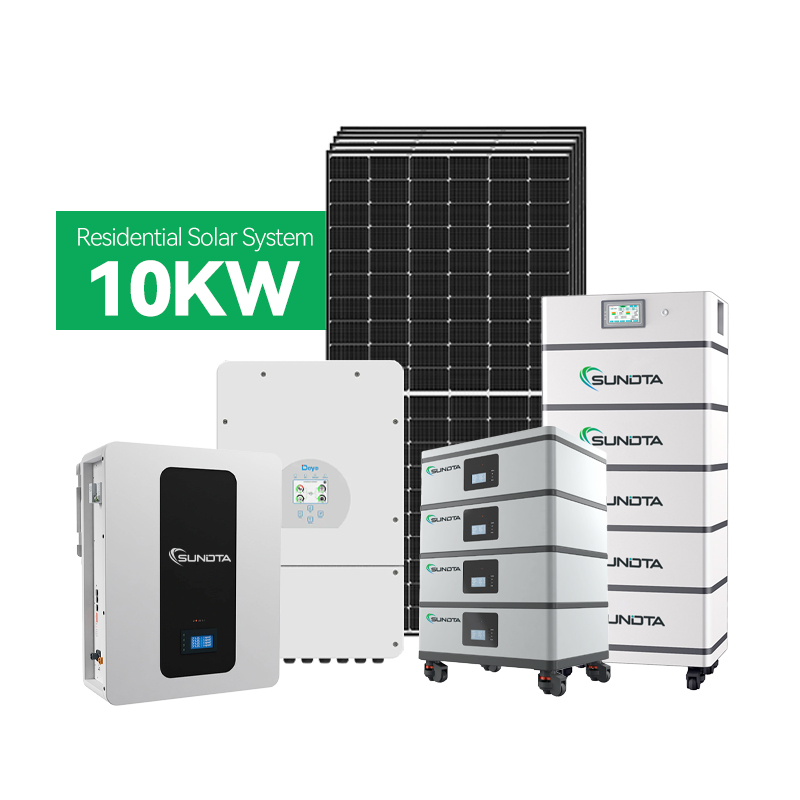
Southern Kazakhstan, anchored by the rapid economic expansion of Shymkent, occupies one of Central Asia's most advantageous solar belts. Boasting between 2,600 and 2,900 hours of peak annual sunshine and direct normal irradiation (DNI) levels reaching upwards of 1,600 to 1,750 kWh/m², the region provides exceptional baseline physics for solar adoption. However, deploying photovoltaic infrastructure in Shymkent introduces severe environmental and mechanical stresses that traditional, ribbon-soldered half-cut modules often fail to navigate reliably over a 25-to-30-year operational horizon.
Shingled solar panel technology solves the core metallurgical vulnerability of standard modules. Instead of relying on rigid high-temperature copper interconnect ribbons soldered directly onto fragile silicon wafers, shingled cell architecture laser-cuts standard M10 or G12 wafers into precise strips (typically 5 or 6 cuts). These overlapping sub-cells are then bonded mechanically and electrically using aerospace-grade Electrically Conductive Adhesive (ECA).
| Evaluation Parameter | Standard Half-Cut Monocrystalline | High-Density Shingled PV Architecture | Engineering Benefit in Southern Kazakhstan |
|---|---|---|---|
| Internal Busbar Shadowing | Multiple round/flat copper wires cause 3% to 4.5% optical loss | Zero visible busbars; seamless active area overlap | +15% active silicon aperture density on restricted rooftops in Shymkent |
| Operational Temperature Under Load | Baseline operating temp; localized thermal clustering around ribbon joints | Operates 2.5°C to 4.2°C cooler due to lower internal resistive current ($I^2R$) | Dramatically reduces summer Pmax derating during Shymkent's scorching July/August heat |
| Micro-Crack Resilience | High vulnerability; solder joint rigidity amplifies micro-fissure propagation | Flexible ECA provides mechanical stress dampening under extreme wind/snow load | Sustains heavy southern steppe wind gusts up to 28 m/s without interconnect fractures |
| Partial Shading Response | Standard string bypass diodes deactivate one-third of the panel when shaded | Dense parallel-series cell layout matrix ensures unaffected parallel branch operation | Maintains sustained generation during desert dust accumulation and industrial particulate fallout |
By eliminating inactive cell-spacing gaps and busbars, shingled solar panels achieve module efficiencies surpassing 21.8% to 22.8% on commercial form factors. For engineering procurement managers, commercial facility directors, and residential EPC developers across Shymkent, this translates to maximum kilowatt-peak output per square meter of available structural roof or land footprint, lowering Balance-of-System (BOS) racking, cabling, and logistical overhead per megawatt deployed.
How our shingled and TOPCon manufacturing methods directly protect Central Asian investments.
Standard panels suffer sharp power drop-offs as ambient heat spikes. Our advanced cell formulation features an ultra-low Pmax temperature coefficient (-0.30%/°C), ensuring sustained energy yields during Shymkent's high-temperature peaks.
By replacing rigid copper solder ribbons with conductive adhesive joints, thermal expansion mismatch between silicon and metal is mitigated. Panels easily absorb repeated ±35°C diurnal temperature fluctuations without trace delamination.
Dust storms from the adjacent Kyzylkum desert and industrial particle accumulation present unavoidable shading challenges in the Shymkent basin. The multi-parallel circuitry ensures localized dust deposits only derate the specific sub-string.
Targeted configurations customized to solve local grid instability, heavy industrial demand, and remote agricultural dependencies.
Shymkent's bustling textile, pharmaceutical, and construction material manufacturing plants within the "Ontustik" and "Badam" industrial hubs face rising commercial electrical tariffs. Rooftop shingled arrays paired with 50kW to 100kW high-voltage hybrid inverters enable factories to achieve up to 60% self-generation, peak-shaving during high daytime tariff windows while ensuring voltage stabilization for sensitive processing lines.
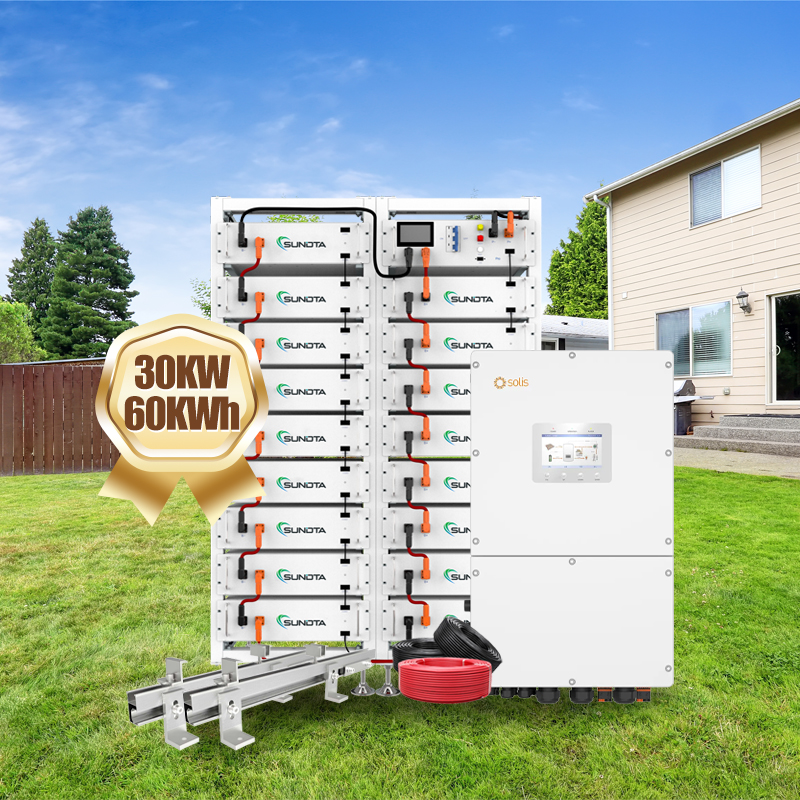
In rural territories surrounding Shymkent, Sayram, and the wider Turkistan agricultural belt, irrigation pumps operate far from dependable medium-voltage distribution lines. Deploying our 15kW to 30kW off-grid solar systems with smart MPPT and LiFePO4 battery integration allows farmers to run uninterrupted submersible water extraction and cold-storage operations without expensive diesel fuel replenishment.
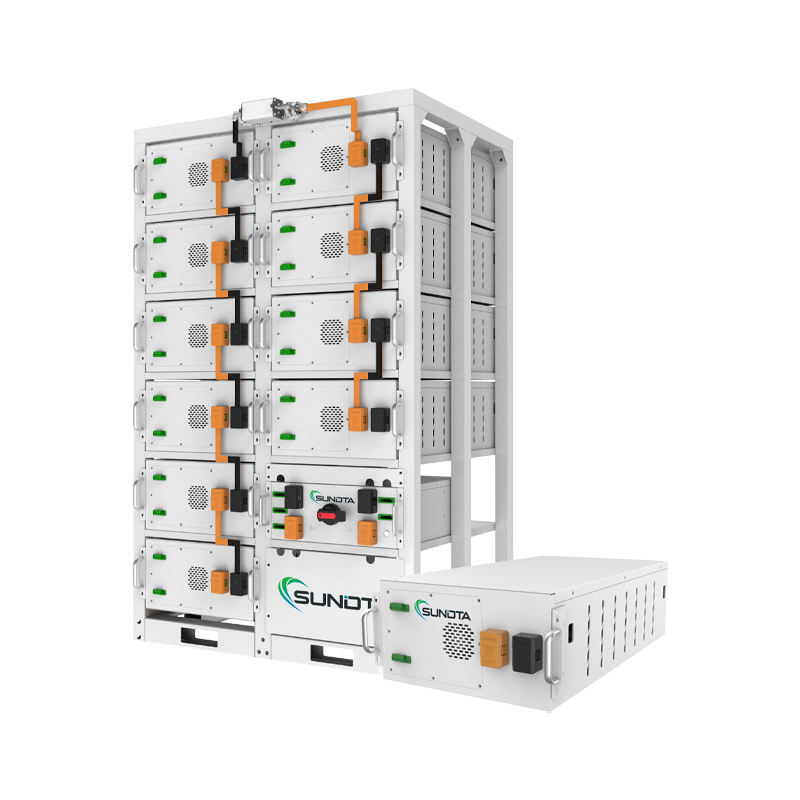
Residential suburbs in Shymkent experience periodic brownouts and winter voltage fluctuations. Our all-black high-density shingled panels paired with 10kW to 15kW split-phase or three-phase hybrid inverters and 14.3kWh stackable lithium batteries furnish complete domestic autonomy with seamless millisecond switching, guaranteeing vital heating systems remain fully energized.
The Republic of Kazakhstan has committed to a legally binding target of achieving carbon neutrality by 2060, with an interim milestone of generating 15% of national electric consumption from renewable energy sources by 2030. Shymkent, officially designated a third national metropolis, serves as the epicentre of this Southern renewable surge. While northern Kazakhstan remains reliant on coal-dominated power generation, regional energy shortages and cross-border transmission grid bottlenecks in the South have propelled the regional administration (Akimat of Shymkent) to champion distributed solar deployment.
The introduction of streamlined net-billing regulations for microgeneration assets under 100 kW allows both private homeowners and industrial operators to sell surplus solar kilowatt-hours back to local retail energy providers like "Ontustik Zharyk Tranzit." Consequently, procurement teams are rapidly abandoning low-tier, uncertified solar panels that rapidly degrade under regional UV radiation, choosing instead to import directly from internationally certified manufacturers capable of providing comprehensive Bill of Materials (BOM) compatibility across modules, inverters, and lithium energy storage systems.
Headquartered in the global clean-energy manufacturing epicenter of Hefei, China, Anhui RJV New Energy Co., Ltd. eliminates systemic project friction for Shymkent solar importers through integrated manufacturing depth, certified quality, and dedicated cross-border logistics.
Fully automated manufacturing facilities ensuring flawless ECA precision dosing, EL micro-crack scanning, and consistent flash test validation on every shipping container.
Independent third-party factory inspection verification, CE marking, and full compliance with IEC 61215 and IEC 61730 international standards for customs speed.
Single-source supply of matched PV modules, Solis/Deye hybrid inverters, and CAN/RS485-synchronized LiFePO4 batteries, completely avoiding onsite commissioning protocol conflicts.
Optimized freight transit from China to Almaty and Shymkent via Dostyk/Khorgos rail freight networks, providing secure container transport and rapid customs handovers.
Critical commercial and technical guidance addressing local import codes, climatic durability, and grid compatibility.
Consult with our solar integration engineering team today to review structural load designs, electrical string matches, or containerized B2B freight pricing for your upcoming commercial or residential project in Kazakhstan.