High-Efficiency Energy Storage & Solar Systems Ready for Lahore Dispatch
Explore our industrial and residential grade lithium iron phosphate (LiFePO4) storage batteries and coordinated hybrid PV hardware. Fully compatible via closed-loop CAN/RS485 communication with Deye, Solis, Growatt, and Inverex inverter architectures popular across Pakistan.
1. The Paradigm Shift: Why Lahore's Energy Crisis Demands LiFePO4 Storage Technology
Lahore, as the industrial heart and economic engine of Punjab, Pakistan, currently navigates one of the most volatile energy landscapes in South Asia. Commercial and residential consumers connected to the Lahore Electric Supply Company (LESCO) grid are confronted by a double-edged sword: soaring electricity unit rates exceeding PKR 65 to 80 per kilowatt-hour during peak tariff windows, alongside persistent forced load-shedding and localized distribution transformer failures caused by scorching 45°C to 48°C summer heatwaves.
Historically, the Pakistani market depended heavily on flooded lead-acid and tubular deep-cycle batteries (such as traditional 12V 200Ah tall tubular models) paired with uncoordinated low-frequency uninterrupted power supplies (UPS). In the harsh operating conditions of Lahore, flooded and gel lead-acid chemistries suffer rapid capacity fade: ambient temperatures above 35°C accelerate plate grid corrosion and electrolyte dry-out, shrinking their functional operational lifespan to a meager 12 to 18 months under daily rolling blackouts. Furthermore, their restricted depth of discharge (DoD) of barely 50% forces installers to oversize battery banks by double the actual required capacity.
2. Thermal Engineering: Overcoming Punjab's Extreme Ambient Heatwave Realities
Deploying lithium batteries in continental subtropical climates like Lahore requires meticulous electro-thermal mitigation. During the peak summer stretch between May and August, daytime rooftop temperatures frequently approach 50°C, while unconditioned electrical generator rooms easily sustain ambient levels above 42°C. Standard off-the-shelf lithium ternary (NMC) batteries present extreme fire safety hazards under such stress due to thermal runaway initiating around 150°C.
At Anhui RJV New Energy Co., Ltd., our engineering teams implement dedicated design layers engineered explicitly for tropical and sub-tropical grid extremes:
Grade-A Prismatic Cells
We strictly utilize UL1973/IEC62619 recognized automotive-grade prismatic LiFePO4 cells from Tier-1 suppliers. Prismatic packaging offers robust mechanical strength, superior dissipation channels, and zero cell-bulging risks under prolonged heavy C-rate cycling.
Active Multi-Tier BMS
Our proprietary Battery Management System executes millivolt-level active cell balancing combined with NTC temperature sensors on busbars and cell surfaces. If temperatures hit 55°C, the BMS dynamically adjusts charge current rather than tripping abruptly.
Closed-Loop Inverter Sync
Engineered with dual CAN/RS485 communication firmware protocols compatible out-of-the-box with Deye, Solis, Growatt, Voltronic, and Inverex inverters. The inverter reads real-time SoC, SoH, and cell voltage metrics to prevent over-voltage stress.
| Performance Metric | Standard Tubular Lead-Acid (200Ah) | Standard Generic Lithium (NMC) | RJV LiFePO4 Battery Systems (Lahore Spec) |
|---|---|---|---|
| Cycle Life @ 80% DoD (25°C) | 1,000 – 1,200 Cycles | 1,500 – 2,000 Cycles | 6,000 – 8,000 Cycles |
| Actual Life in Lahore Summer (40°C+) | 12 to 18 Months | 2 to 3 Years (Degradation Risk) | 8 to 12 Years Full Performance |
| Thermal Runaway Breakdown | Off-gassing Hydrogen Risk | ~150°C (High Fire Hazard) | > 270°C (Ultra Chemically Stable) |
| Round-Trip Efficiency | 72% – 78% (High Internal Resistance) | 90% – 92% | > 96.5% Net Conversion |
| Usable Energy Retention | 50% DoD Max to avoid sulfation | 80% DoD | 90% to 95% Usable Energy DoD |
| Daily Maintenance | Distilled water refilling, acid fumes | Zero maintenance | 100% Maintenance-Free Sealed |
3. Targeted Local Application Scenarios Across Lahore Urban & Industrial Clusters
Solar lithium deployment in Lahore is not a generic proposition. Energy storage projects must be customized around specific feeder conditions, operational load profiles, and space constraints characteristic of Punjab's capital. Anhui RJV New Energy provisions tailored systems mapped across four critical segments:
Residential Villas DHA & Bahria
Designed for 1-Kanal and 2-Kanal luxury residences located in DHA Phase 5, Phase 6, Phase 8, and Bahria Town where noise regulations prohibit noisy diesel gensets.
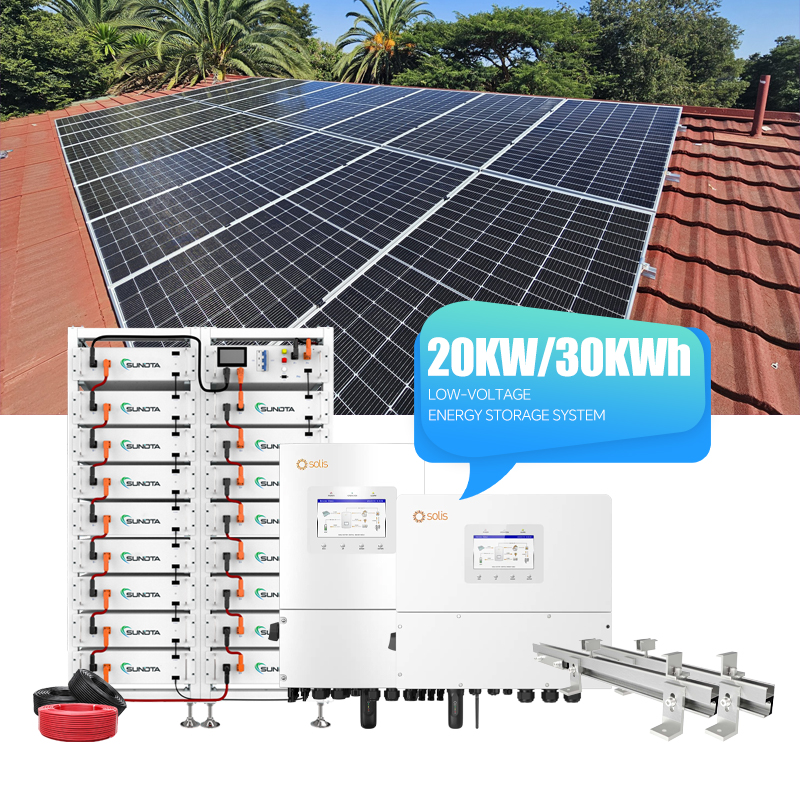
- Recommended System: 15kW to 20kW Hybrid Inverter with 20kWh to 30kWh Stacked 51.2V LiFePO4 Modules.
- Key Function: Powers 3 to 4 multi-inverter air conditioners, water pumps, refrigerators, and lighting seamlessly without flicker during sudden LESCO outages.
- Economic Benefit: Mitigates tier-4 peak residential tariffs while ensuring 24/7 continuous air conditioning during humid monsoon nights.
Industrial Factories Sundar & Kot Lakhpat
Tailored for manufacturing plants, textile processing, auto-part workshops, and plastics factories in Sundar Industrial Estate and Quaid-e-Azam Industrial Estate.
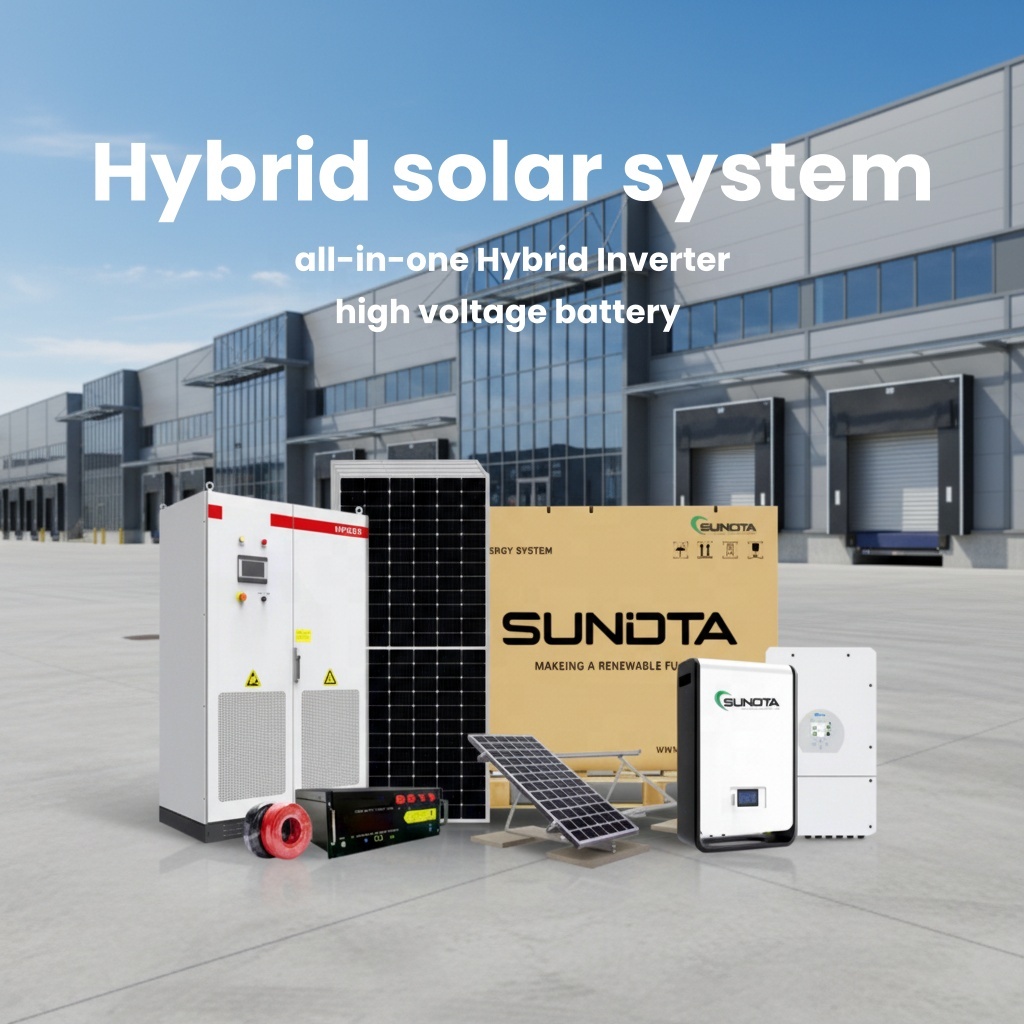
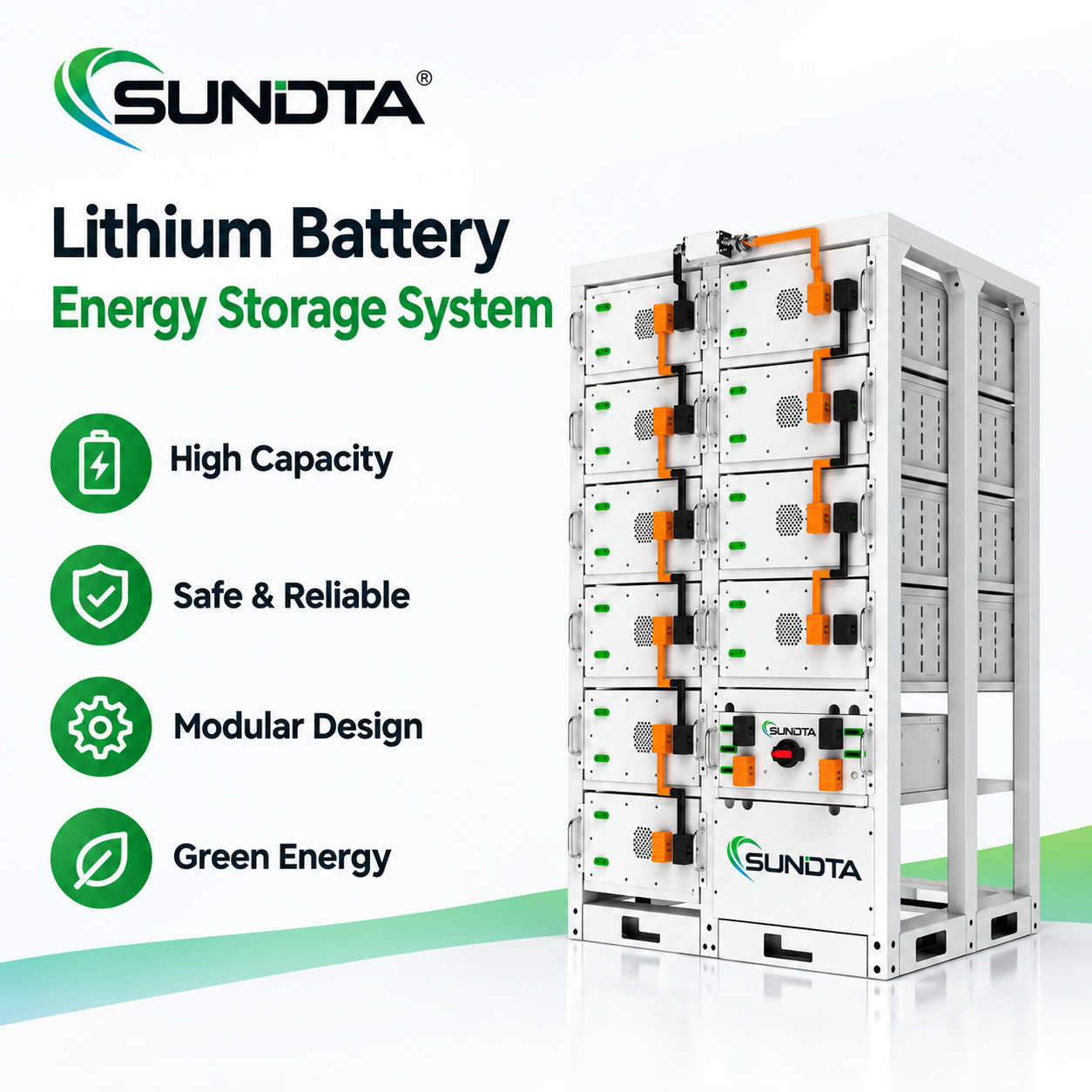
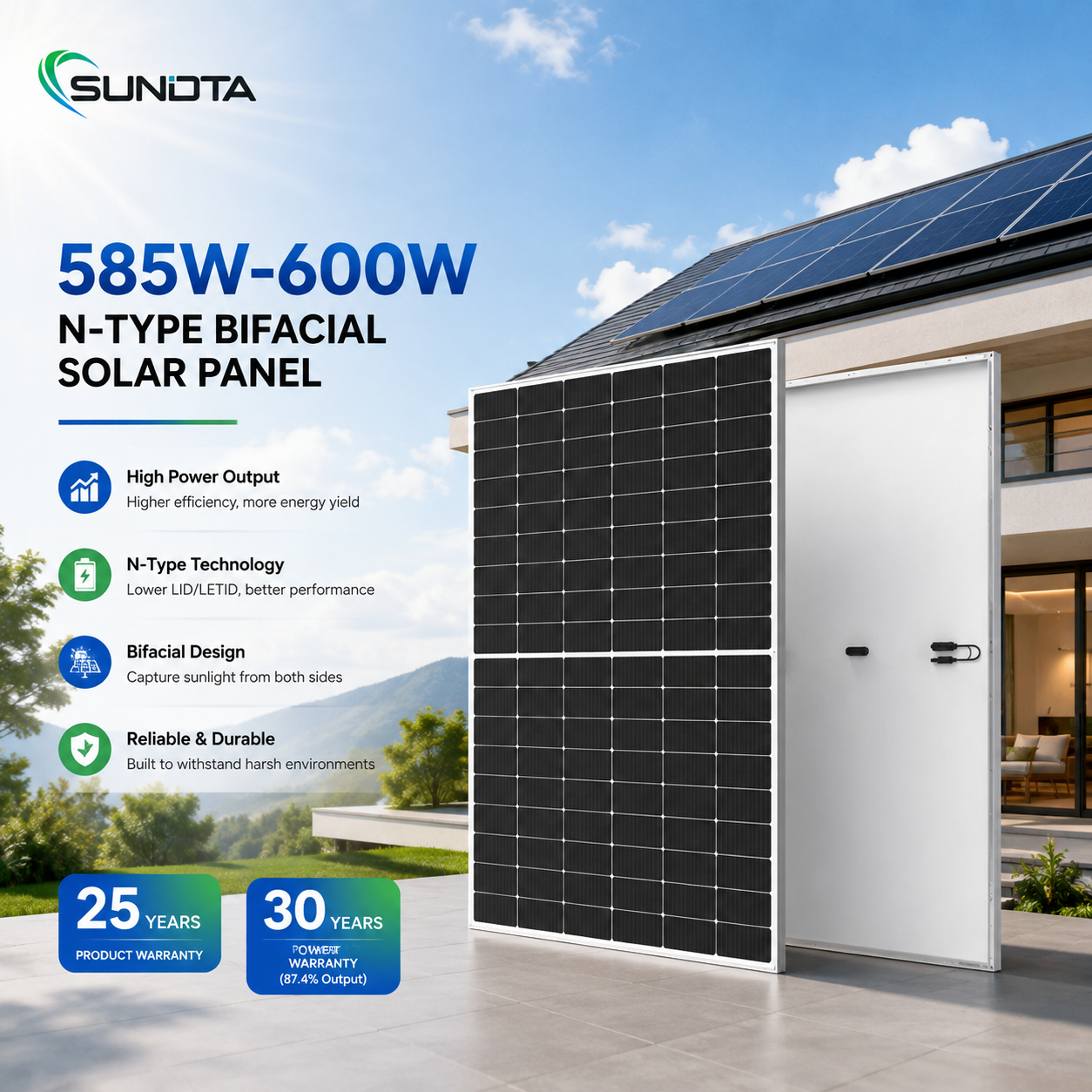
- Recommended System: 100kW to 500kW All-in-One Outdoor ESS Cabinets connected in parallel with rooftop N-type bifacial PV arrays.
- Key Function: Performs automated peak-shaving during peak billing windows (5:00 PM to 10:00 PM) and buffers CNC machinery from voltage sags.
- Economic Benefit: Cuts diesel generator fuel consumption by up to 75% while guarding against sensitive production batch losses.
Commercial Plazas Gulberg & MM Alam
Engineered for high-density retail plazas, private hospitals, diagnostics laboratories, and corporate branch offices along Gulberg's Main Boulevard and MM Alam Road.
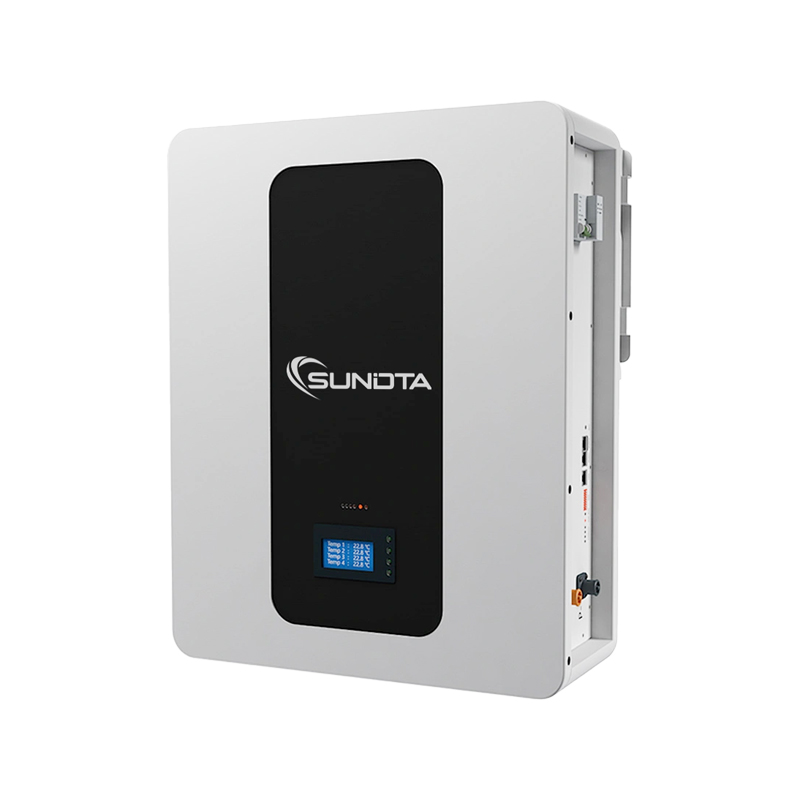
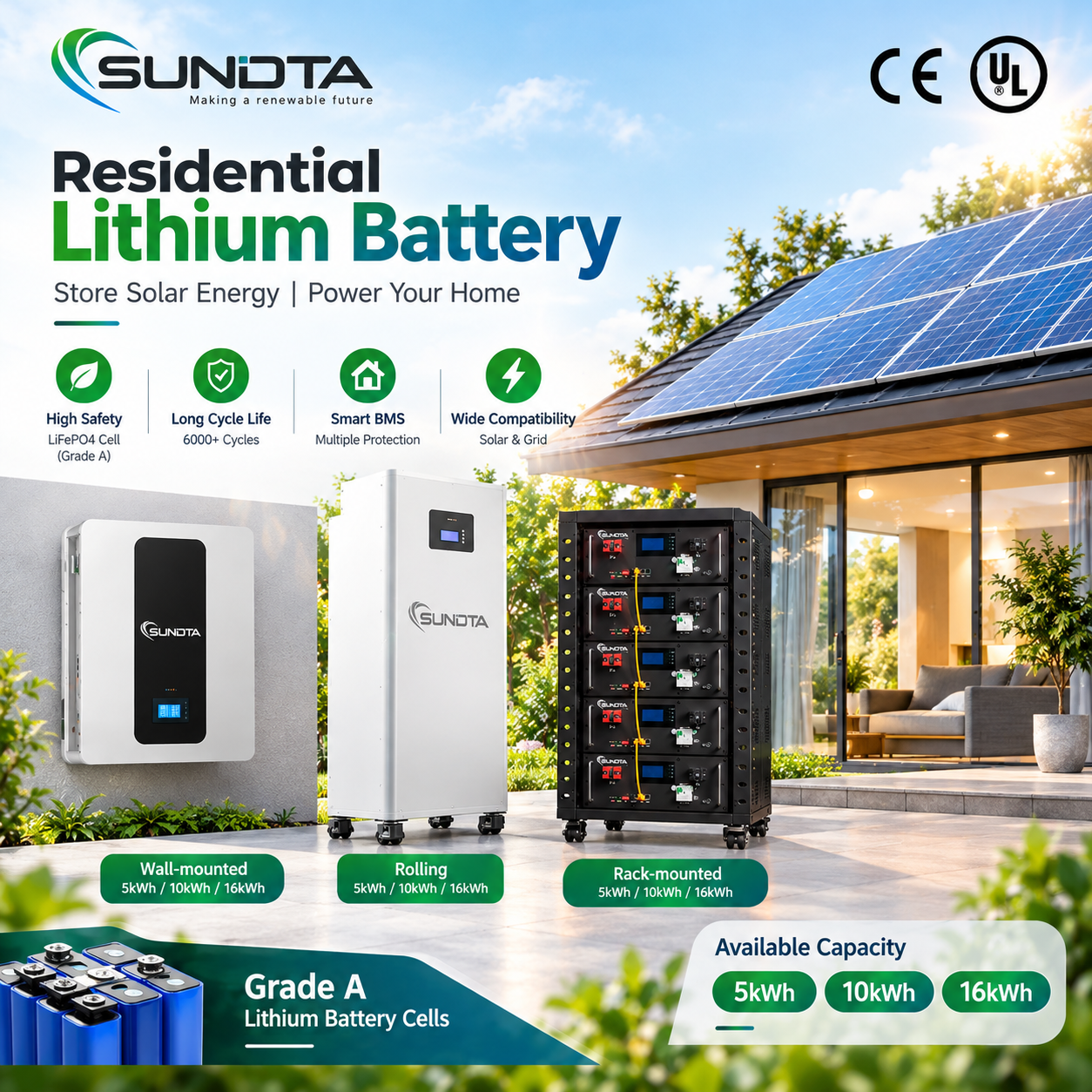
- Recommended System: 30kW to 50kW Three-Phase Hybrid Solar Storage system with compact wall-mounted or rack-cabinet batteries.
- Key Function: Guarantees uninterrupted operation of pathology refrigeration, dental suites, elevators, and server rooms.
- Economic Benefit: Delivers instantaneous ATS transfer under 5ms, avoiding equipment reboots and client disruption.
4. Regulatory Trajectory & The Transition from Net-Metering to Self-Consumption
A fundamental transformation is currently underway in Pakistan's regulatory framework governed by the National Electric Power Regulatory Authority (NEPRA). With proposed revisions to Net-Metering regulations, including the potential lowering of solar buyback rates from retail parity to National Average Power Purchase Price (NAPPP) and the implementation of fixed grid charges, purely grid-tied solar systems face diminishing returns.
Exporting excess solar energy to LESCO during midday at lower buyback rates, only to purchase grid power back at PKR 70+/kWh at night, is no longer commercially viable for Lahore enterprises. Smart investors and solar EPC contractors are swiftly transitioning to Hybrid Solar + Lithium Storage Architectures. By storing surplus daytime solar energy within local LiFePO4 batteries, self-consumption climbs from 40% to over 90%, insulating building owners against future grid policy adjustments and ensuring absolute financial resilience.
Why Pakistani EPCs & Distributors Partner with RJV New Energy
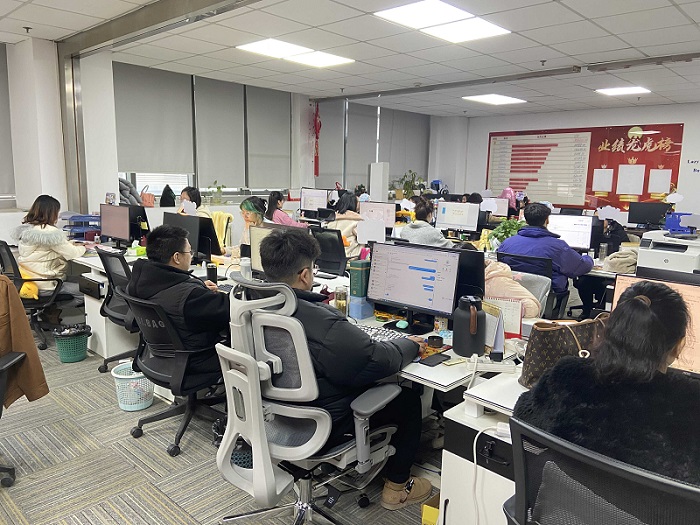
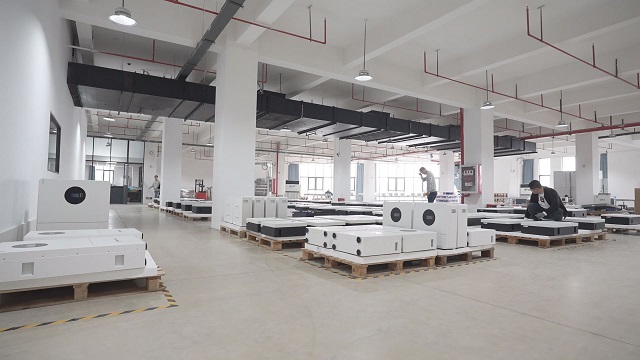
Headquartered in the global clean-energy manufacturing epicenter of Hefei, Anhui, China, RJV New Energy operates fully automated production lines delivering comprehensive PV modules, high-voltage battery storage, and complete solar kits to over 60 countries.
Anhui RJV New Energy Co., Ltd. stands as a premier manufacturing and energy-system integration partner for regional distributors, engineering procurement contractors (EPCs), and solar wholesalers across Pakistan. Backed by over 12 years of cutting-edge photovoltaic research and manufacturing automation, we bridge the gap between high-volume cell production and rigorous field reliability.
Unlike fragmented trading intermediaries who source modules from one vendor, inverters from another, and uncertified lithium packs from garage assembly shops, RJV validates the complete bill of materials before shipment. Every battery pack and solar module undergoes dual flash EL testing, high-pot isolation checks, and complete CAN/RS485 closed-loop communication matching with world-class inverters.
Frequently Asked Questions: Sourcing Lithium Batteries for Lahore
Clear, direct answers for Lahore importers, solar shop retailers on Hall Road, and commercial EPC contractors addressing customs, shipping, inverter pairing, and performance.
1. How are lithium battery shipments handled from China to Lahore, Pakistan?
2. Can your LiFePO4 batteries establish closed-loop communication with Deye and Solis inverters in Lahore?
3. How do RJV batteries prevent thermal derating during peak Lahore summers (45°C - 48°C)?
4. What payment terms and banking documents are supported for Pakistani buyers (LC / TT)?
5. What is the minimum order quantity (MOQ) and warranty commitment for Lahore projects?
Empower Your Next Lahore Solar Project with RJV Engineering
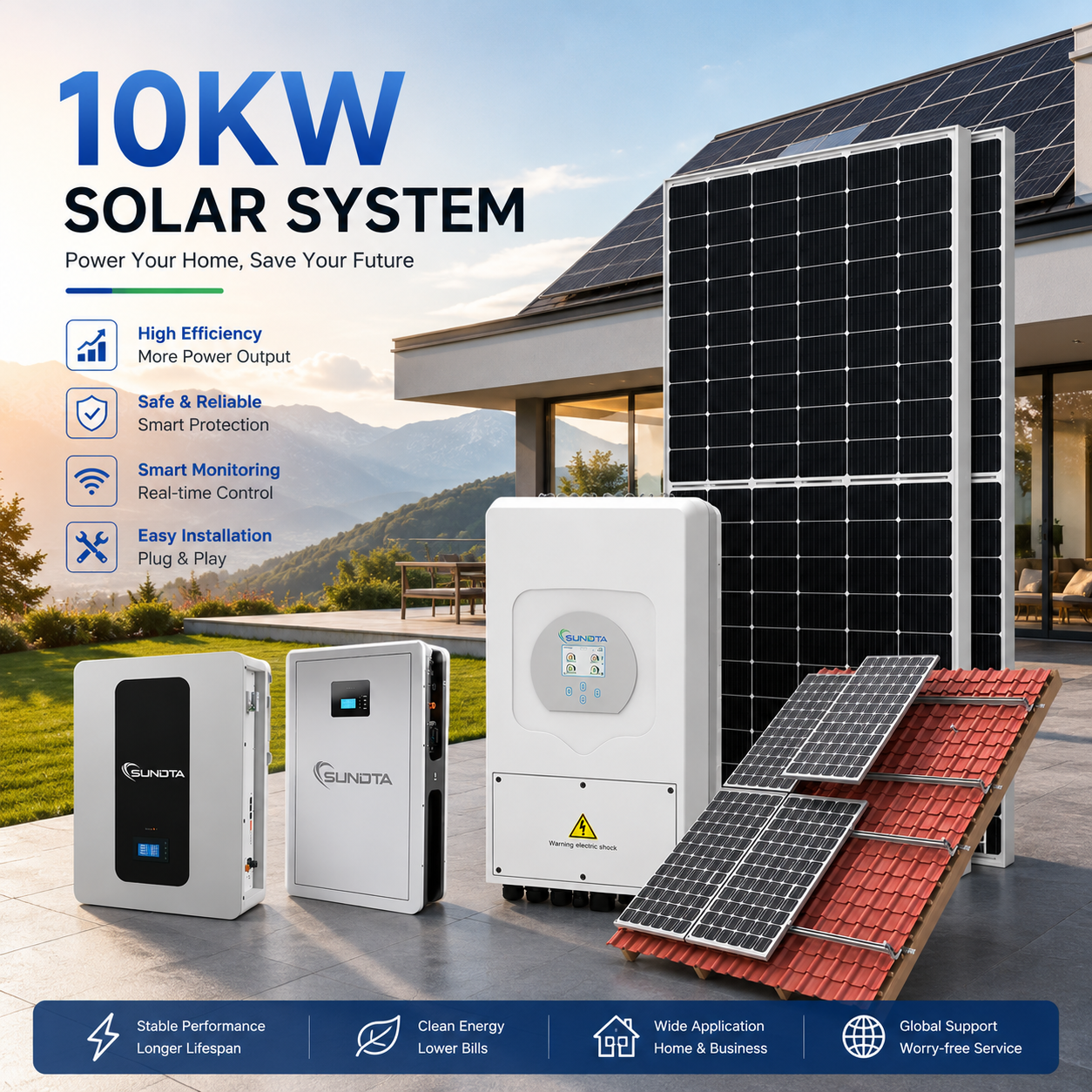
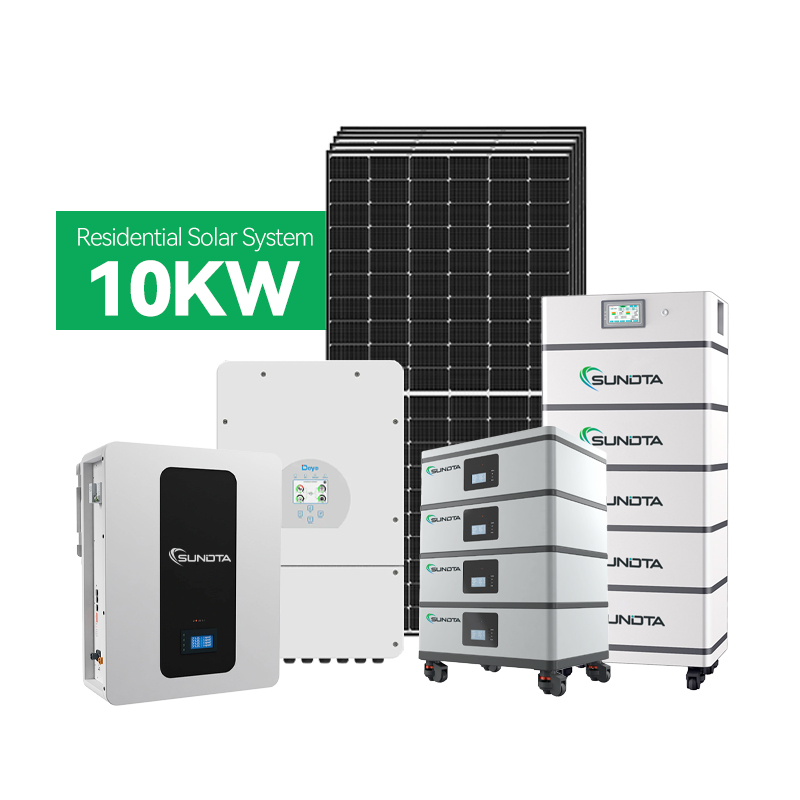
Whether you are outfitting a 10kW residential villa in DHA Lahore, distributing container loads across Hall Road retail networks, or designing a 500kW peak-shaving microgrid for a Sundar textile facility, our senior solar engineers provide complete BOM sizing, single-line diagrams (SLD), and factory-direct CIF Karachi / Lahore Dry Port quotations within 24 hours.