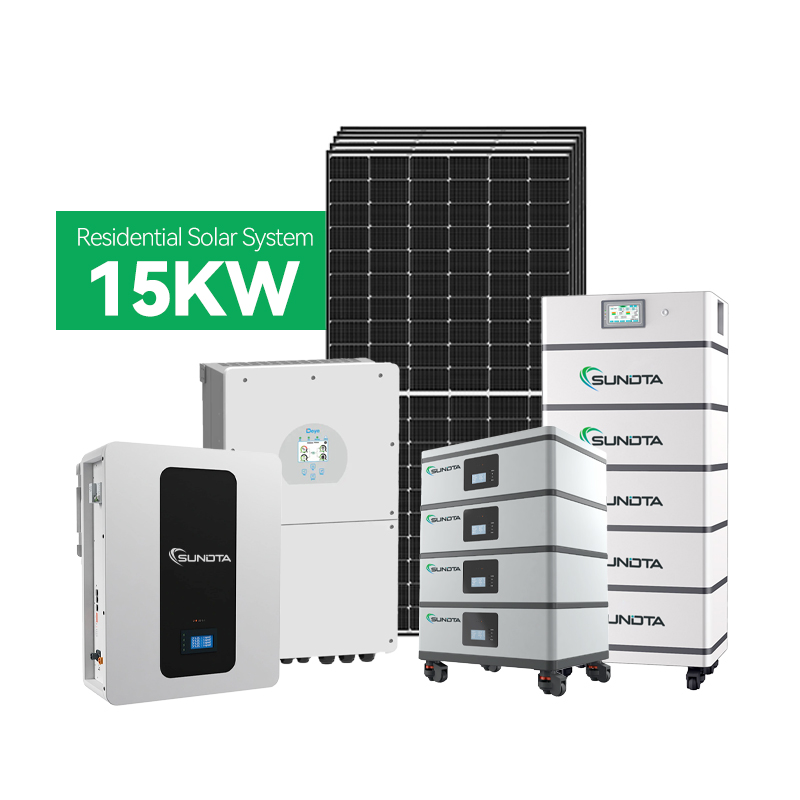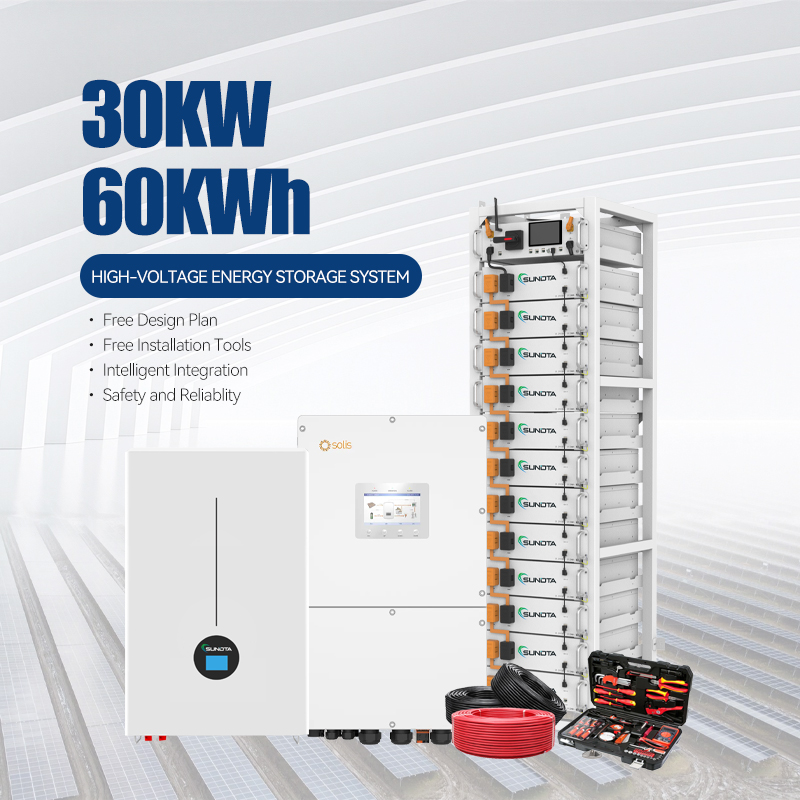
Energy Bank Powerwall 51.2V 314AH 200AH Lithium Battery
Built with premium 314Ah/200Ah prismatic LiFePO4 cells, delivering 8kW-10kW continuous discharge and 15kWh storage for home energy independence.
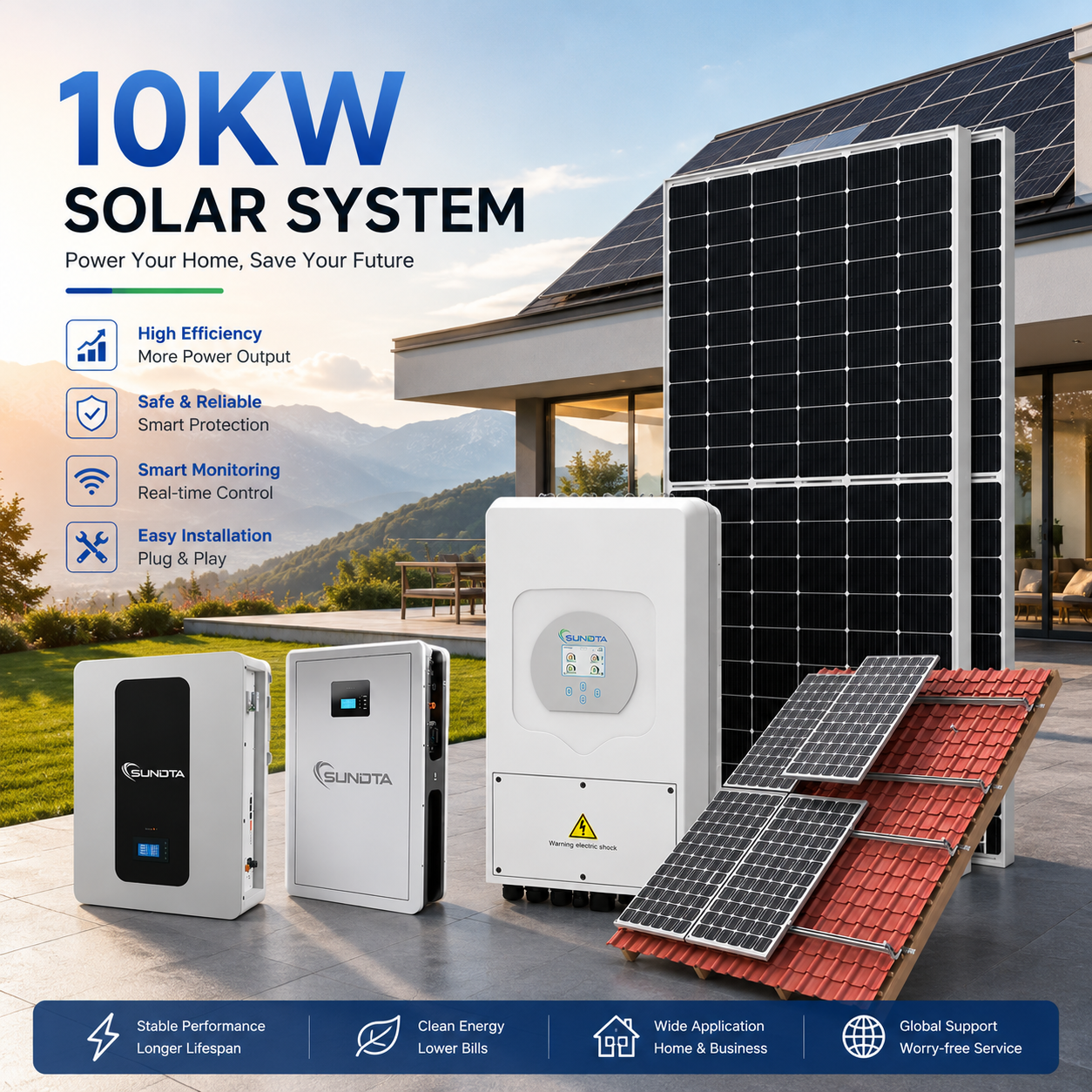
Seamless integration between high-efficiency photovoltaic generators, bi-directional hybrid inverters, and automotive-grade LiFePO4 chemistry. Engineered to withstand the rigors of Northern Bengal's grid volatility and thermal shifts.
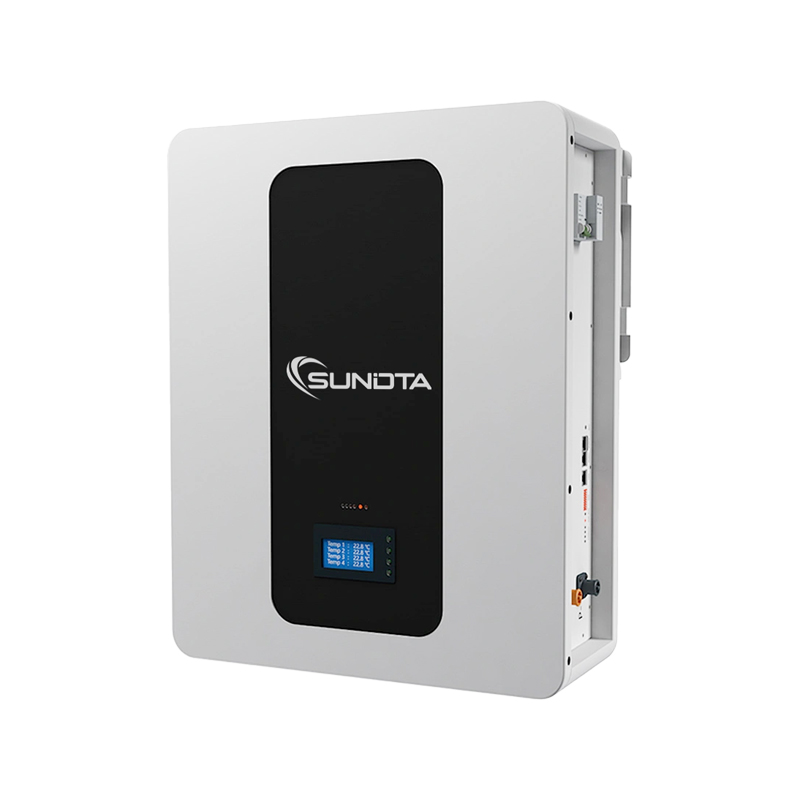
Built with premium 314Ah/200Ah prismatic LiFePO4 cells, delivering 8kW-10kW continuous discharge and 15kWh storage for home energy independence.
Industrial-grade hybrid generator integrated with intelligent dual MPPT tracking, rapid grid disconnect, and high-discharge backup capabilities.
Compact wall-mounted architecture engineered with integrated smart BMS, closed-loop CAN communication, and ultra-durable 6,000 deep cycle life.
Synchronous multi-string MPPT system custom-balanced for large villas, administrative facilities, and agribusiness processing in rural districts.
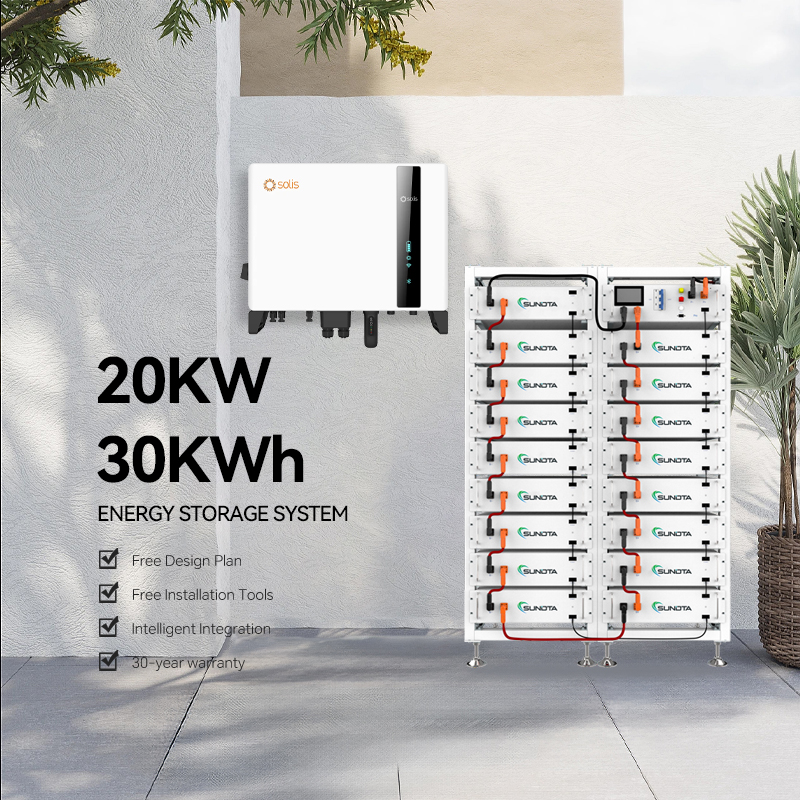
Heavy-duty IP55 liquid/air-cooled outdoor battery storage cabinet designed for industrial peak shaving, factory backup, and microgrid stabilization.
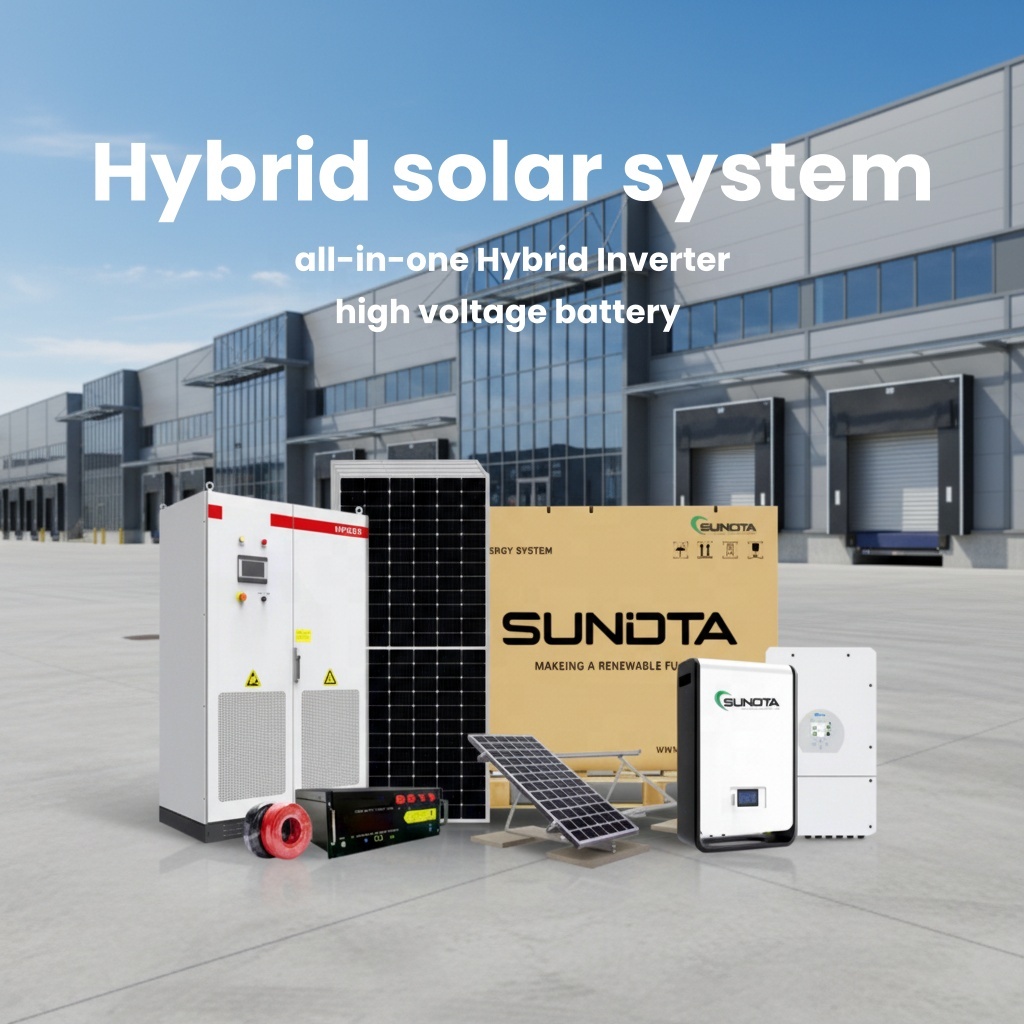
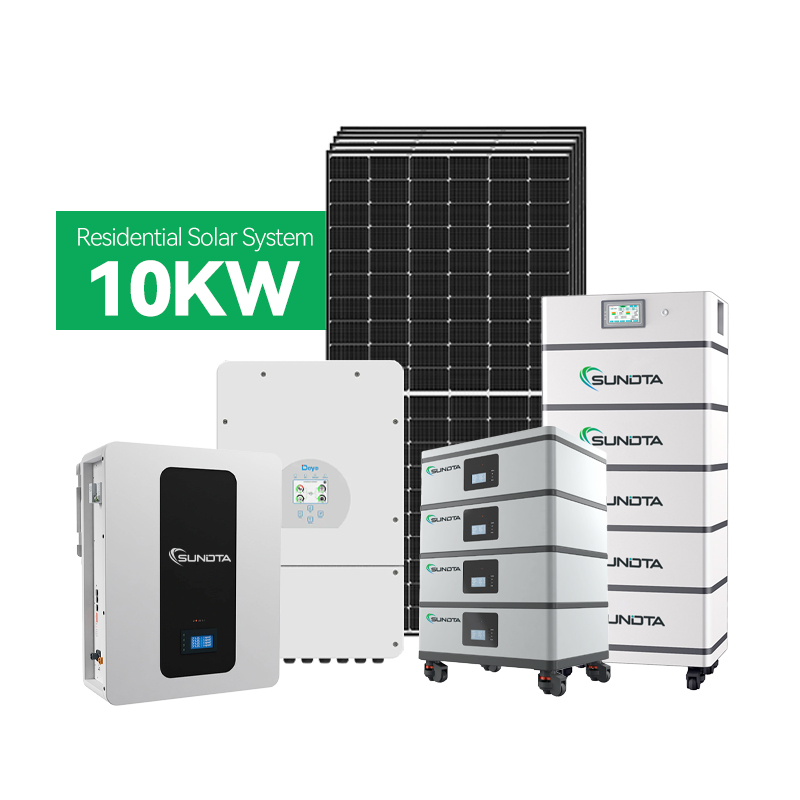
Standardized kit containing N-type TOPCon panels, hybrid pure sine wave inverter, lithium rack batteries, PV combiner box, and DC isolators.
High-power 380V three-phase architecture with unbalanced phase output capability, generator compatibility, and parallel scalability up to 16 units.
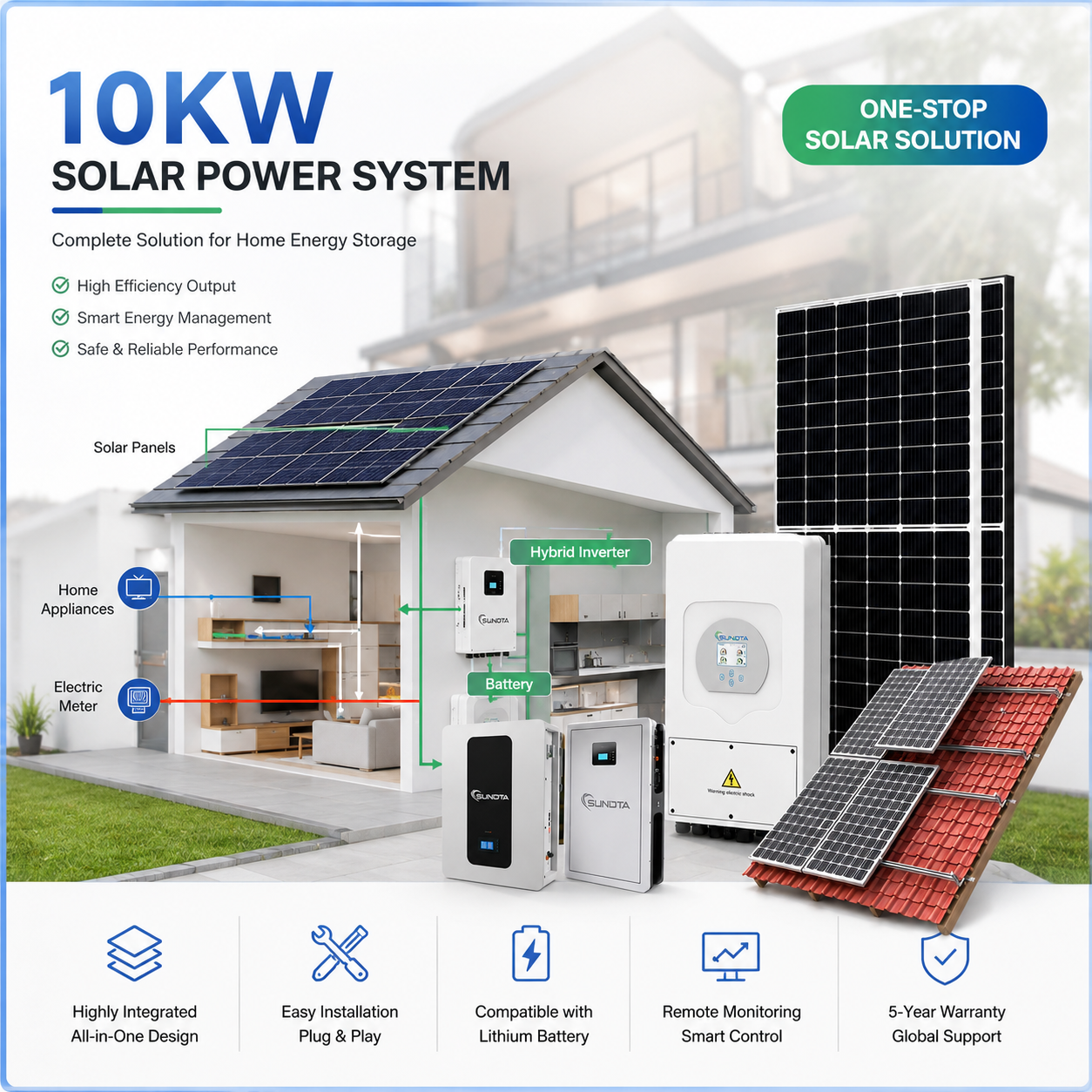
High-reliability turnkey residential solar package optimized for rapid mounting, low leveling cost of electricity (LCOE), and plug-and-play setup.
The Rajshahi Division presents one of the most punishing microclimates for crystalline silicon photovoltaics in South Asia. Analyzing why Tunnel Oxide Passivated Contact (TOPCon) architecture resolves historical field degradation issues.
Rajshahi experiences ambient summer temperatures frequently climbing above 42°C to 44°C, resulting in solar cell operating temperatures exceeding 65°C to 70°C on industrial metal rooftops and unshaded terrain. Under standard p-type PERC technology, the temperature coefficient of maximum power (Pmax) sits between -0.35%/°C and -0.38%/°C. In contrast, our N-type TOPCon cells feature an ultra-low temperature coefficient of -0.30%/°C (with premium sorting down to -0.28%/°C).
For a module operating at 65°C (40°C above Standard Test Conditions of 25°C), a conventional PERC panel loses approximately 14.8% of rated output purely to thermal dissipation. An N-type TOPCon module loses only 11.6% to 12.0%. This thermal advantage directly delivers a 3.2% to 4.5% net annual energy yield premium under northern Bangladesh conditions, markedly shortening the payback period for Rajshahi EPC contracts.
| Performance Metric | Standard P-Type PERC | Anhui RJV N-Type TOPCon | Strategic Benefit for Rajshahi EPCs |
|---|---|---|---|
| Cell Efficiency Ceiling | 22.8% – 23.2% | 25.0% – 25.8% | Higher wattage per sq. meter; saves land & rooftop ballast |
| Temp. Coeff. of Pmax (Tk) | -0.35% to -0.38% / °C | -0.29% to -0.30% / °C | Mitigates extreme output drop during Rajshahi summer peaks |
| Bifaciality Factor | 70% ± 5% | 80% to 85% ± 5% | Substantial rear-side boost over reflective sandy loam soils |
| First-Year Degradation | ≤ 2.0% (Boron-Oxygen LID) | ≤ 1.0% (Zero Boron LID) | Phosphorus-doped base eliminates Light-Induced Degradation |
| Annual Linear Degradation | 0.55% / year | 0.40% / year | Guarantees 87.4% output at Year 30 vs. 84.8% for PERC |
| Low-Irradiance Response | Standard shunt resistance | High shunt resistance | Higher generation during morning, evening & monsoon haze |
P-type silicon substrates rely on boron doping, which combines with interstitial oxygen impurities upon initial exposure to sunlight to create Boron-Oxygen defect complexes. This induces initial Light-Induced Degradation (LID) dropping capacity by up to 2.5% in early operational months. Because Anhui RJV utilizes phosphorus-doped N-type silicon wafers, the Boron-Oxygen recombination defect is completely eradicated.
Furthermore, Rajshahi experiences intense monsoon seasons from June through September with sustained relative humidity over 85%. Our TOPCon modules incorporate advanced POE (Polyolefin Elastomer) encapsulation materials alongside dual-glass semi-tempered configurations. This prevents sodium ion migration toward the cell surface under high system DC voltages (1000V/1500V), ensuring strict zero Potential-Induced Degradation (Anti-PID) compliance verified under IEC 62804 testing protocols.
From deep-well agricultural irrigation in Godagari and Tanore to large cold storages along Natore Road, solar installations in Rajshahi must withstand specific localized duty cycles.
The Barind Multipurpose Development Authority (BMDA) oversees thousands of deep irrigation pumps across Rajshahi, Chapai Nawabganj, and Naogaon. Fluctuating grid feeders and high diesel costs make our 15kW–50kW high-efficiency MPPT hybrid systems and TOPCon bifacial arrays ideal for solar water pumping, ensuring uninterruptible crop watering during the Boro paddy season.
As Bangladesh's foremost producer of mangoes and winter potatoes, Rajshahi’s cold-chain facilities face catastrophic product spoilage during recurring grid load-shedding. Our 100kW to 500kW All-In-One Outdoor LiFePO4 Energy Storage Cabinets integrate seamlessly with existing diesel generators and grid lines to shave demand peaks and supply instant sub-10ms emergency switchover.
Rajshahi's historical silk weaving, textile enterprises, and grain mills in the BSCIC Industrial Estate benefit heavily from commercial rooftop PV. Pairing 580W+ N-type TOPCon panels with Solis and Deye three-phase hybrid inverters enables factory operators to maximize on-site self-consumption while exporting surplus daylight generation via Net Energy Metering (NEM).
The Bangladesh Power Development Board (BPDB) and the Sustainable and Renewable Energy Development Authority (SREDA) have accelerated commitments to achieve 40% renewable energy penetration by 2041. Rajshahi Division represents a primary strategic theater for several structural shifts:
Under amended Net Metering Guidelines, commercial and industrial connections under Northern Electricity Supply Company PLC (NESCO) can offset retail tariffs by supplying excess daytime solar up to 70% of sanctioned load. High-yield TOPCon panels maximize yield on constrained rooftop surfaces.
Traditional OPzS and flooded lead-acid batteries used across Northern Bangladesh degrade rapidly when ambient room temperatures surpass 35°C. Industrial LiFePO4 with built-in thermal management systems is rapidly becoming the mandatory standard for bankable EPC specifications.
Rising diesel import expenditures have prompted government directives to convert over 1.3 million irrigation pumps across the country to solar drive. The high water table variation in the Barind tract requires reliable PV capacity with wide MPPT voltage bands.
Key commercial, regulatory, and technical considerations for Bangladeshi project developers, distributors, and EPC contractors.
Headquartered in Hefei, China’s primary renewable technology corridor, we combine state-of-the-art automated module lines with complete power conversion integration.
Equipped with modern high-speed stringers, non-destructive laser cutting, and automatic laminators ensuring consistent cell spacing and zero cell stress.
Factory audits, worker welfare, production precision, and ISO 9001/14001 compliance verified on-site by international certification authorities.
We eliminate commissioning failures. Our lithium battery BMS connects natively via CAN/RS485 with Deye, Solis, and Growatt inverters without communication bridging.
Over 12 years supplying commercial solar projects across South Asia, the Middle East, and Europe. Dedicated multilingual engineering and logistics desk.
Provide your anticipated system size, container volume, or tender specification. Our technical engineering division will generate a matched bill of materials and factory-direct FOB/CIF pricing within 24 hours.