High-Efficiency PV Modules & ESS Deployed for Dhaka Projects
Engineered to overcome Dhaka's high ambient heat, extreme tropical humidity, and persistent soot accumulation. Rigorously certified with TÜV Rheinland verification and closed-loop BMS integration.
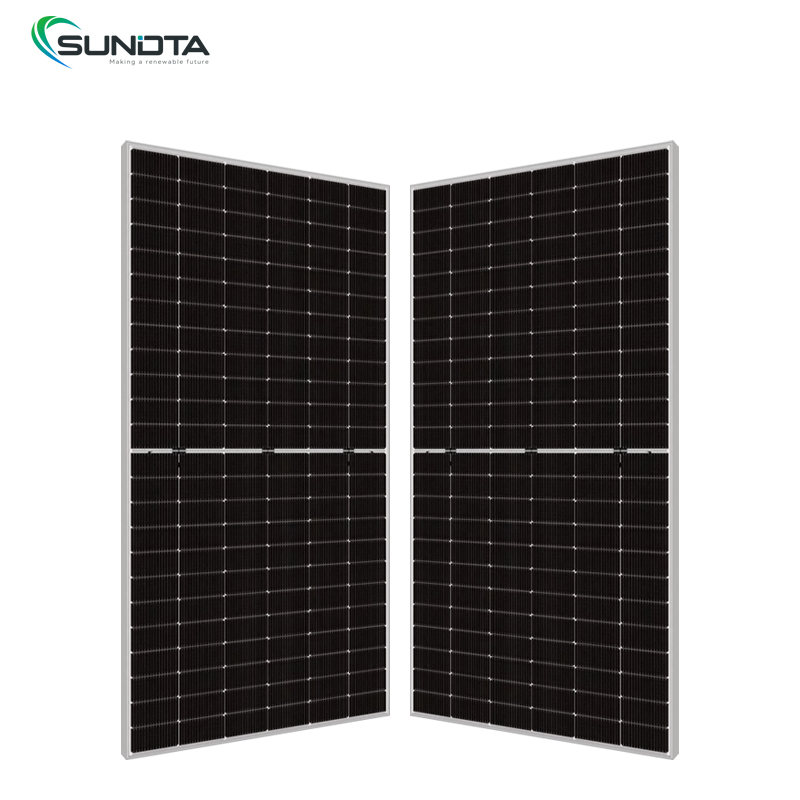
Tier 1 Sodenergy 700W–730W N-Type Solar Panel
- High Bifaciality Rate up to 85%
- Temperature Coefficient: -0.30%/°C
- Targeted for Dhaka RMG Rooftops
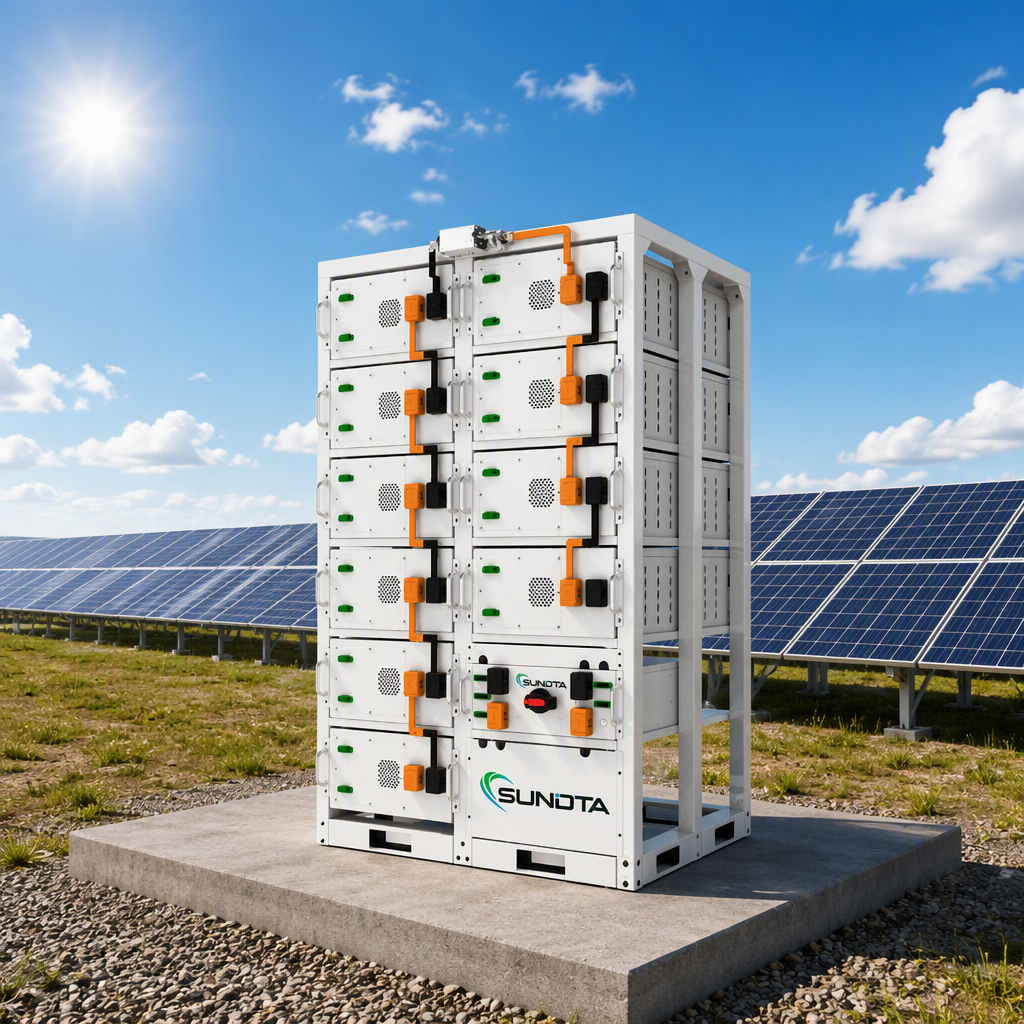
SUNDTA SDT-280 Commercial HV LiFePO4 ESS Cabinet
- Air-Cooled Heavy Duty Thermal Logic
- Compatible with Deye/Solis Inverters
- C&I Peak Shaving & Diesel Offset
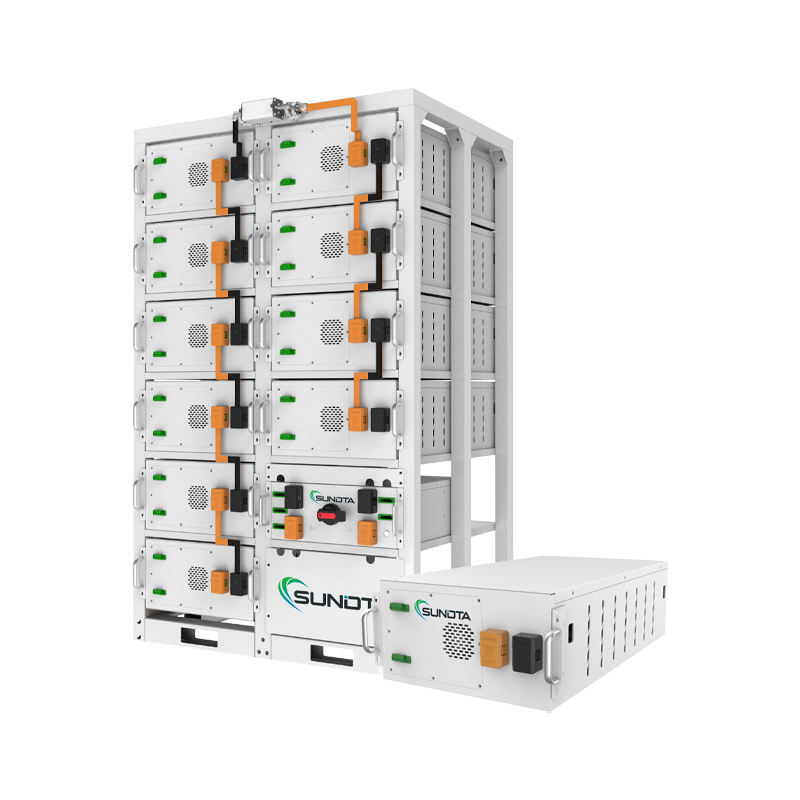
Stackable 51.2V 14.336kWh LiFePO4 Storage Unit
- 6,000+ Deep DOD Cycles @ 80%
- Wall-Mount / Modular Floor Stack
- Built-in Intelligent Active Cell BMS
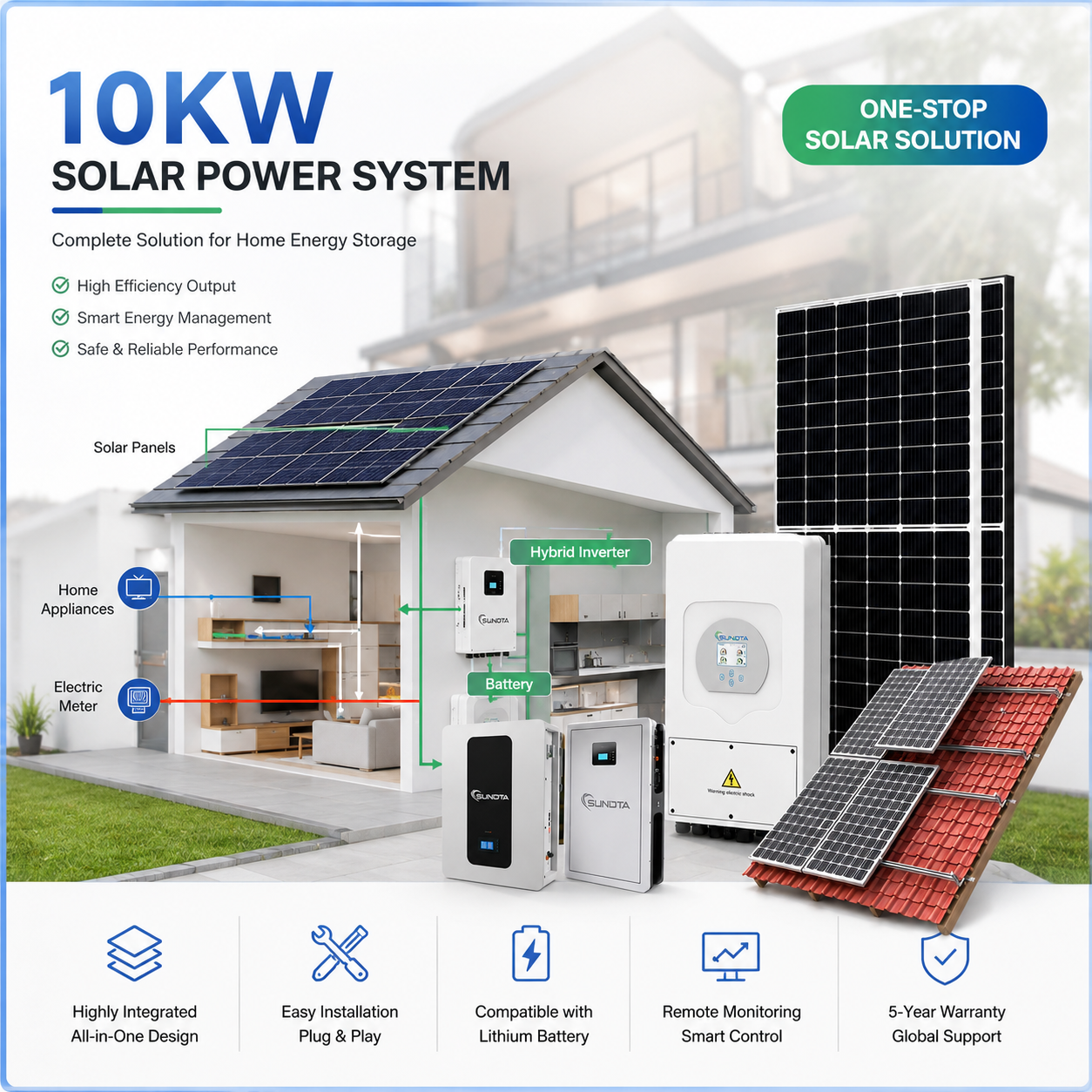
15kW–50kW Hybrid Solar Power System with MPPT
- Zero-Millisecond Seamless Grid Transfer
- Direct Replacement for Diesel Backup
- SREDA Net-Metering Standard Compliant
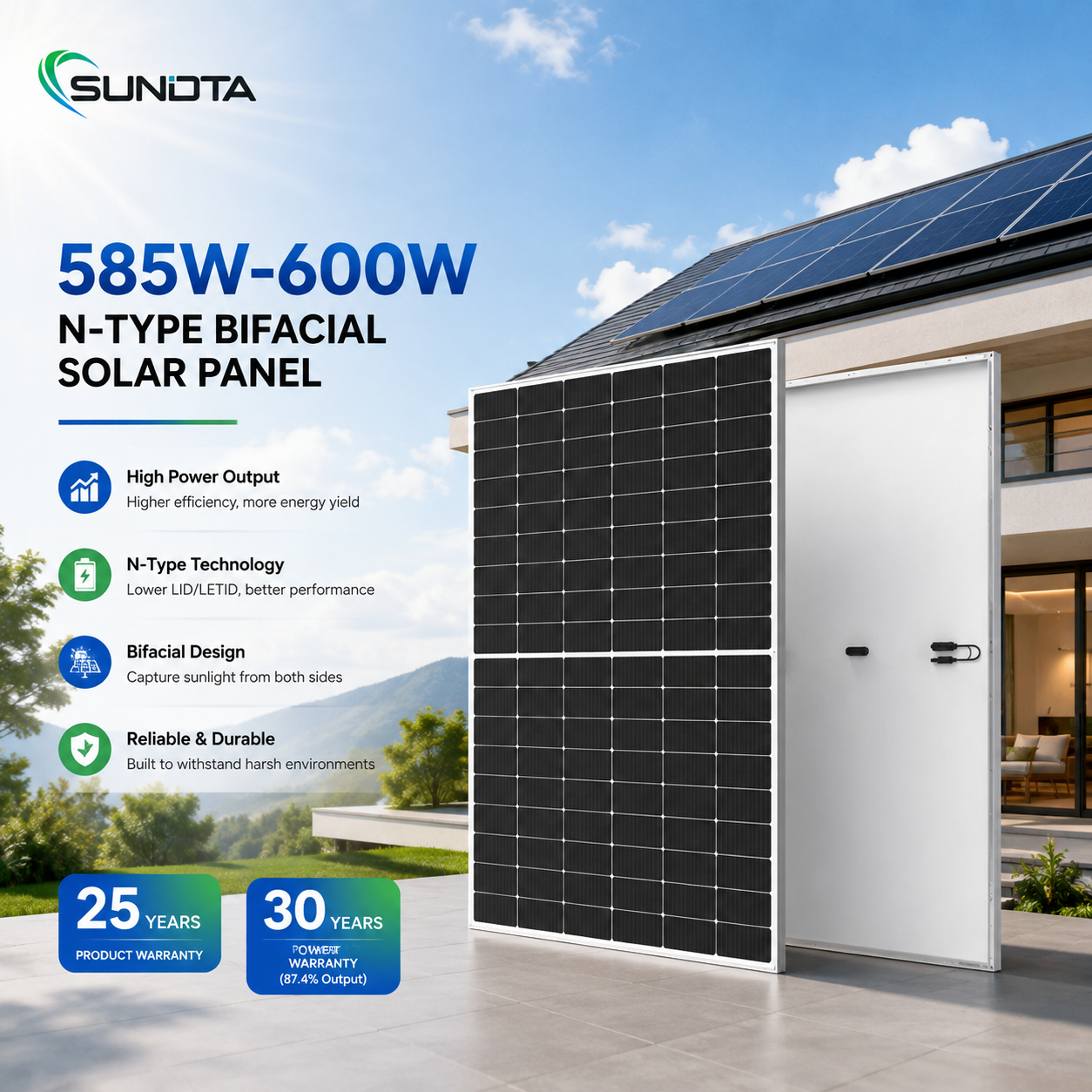
585W–595W Premium N-Type Bifacial PV Module
- Zero Light Induced Degradation (LID)
- 2.0mm + 2.0mm Semi-Tempered Glass
- Resistant to PID in Damp Heat
590W N-Type Bifacial Monocrystalline Module
- Enhanced Weak-Light Performance
- Robust 35mm Anodized Aluminum Frame
- Engineered for Cyclone & Wind Loads
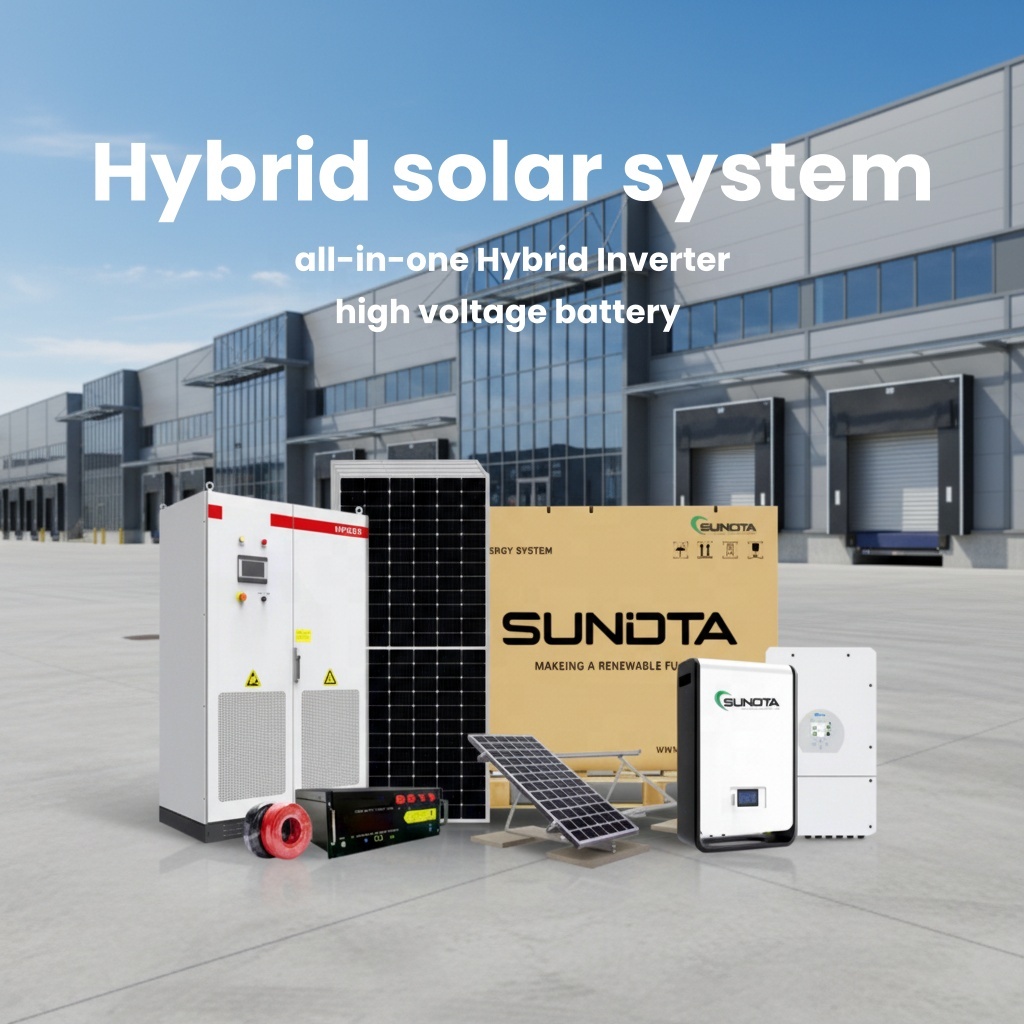
All-in-One Outdoor ESS Cabinet 100kW–500kW
- Integrated HVAC + Aerosol Fire Extinguishing
- Factory Pre-Wired for Fast Commissioning
- Peak Load Balancing for EPZ Industrial Parks
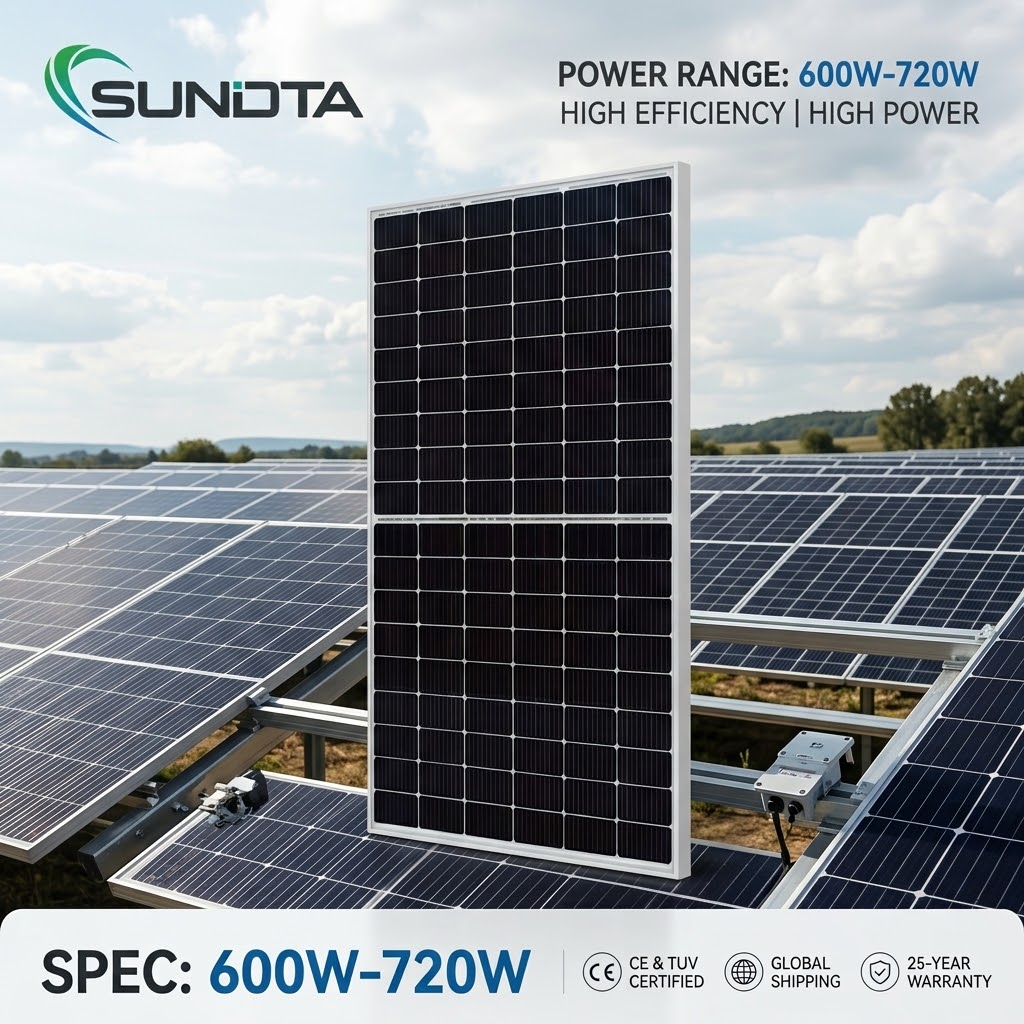
SUNDTA 500W–595W Black Glass Bifacial PV Module
- Superior Hot-Spot Resistance Logic
- Double Glass Mechanical Stability
- Optimized for High Dust/Soot Environments
Why TOPCon Cell Architecture is Transforming Industrial Power in Dhaka
Industrial facility owners, textile conglomerates, and engineering, procurement, and construction (EPC) contractors operating throughout the Greater Dhaka region—including Gazipur, Savar, Ashulia, and Narayanganj—face an operational triad of environmental challenges: extreme ambient temperatures exceeding 40°C during pre-monsoon heatwaves, prolonged seasonal relative humidity averaging over 82%, and heavy particulate matter deposition from urban manufacturing and brick kilns.
In this demanding tropical operating environment, standard P-type Passivated Emitter and Rear Cell (PERC) technology demonstrates accelerated thermodynamic decay. PERC solar panels experience higher Light-Induced Degradation (LID) and Light and elevated Temperature-Induced Degradation (LeTID), leading to an initial-year yield loss often exceeding 2.5% to 3.0% under Bangladeshi field conditions. Furthermore, traditional P-type modules carry a temperature coefficient of -0.35% to -0.39%/°C, resulting in severe output collapse when roof temperatures reach 65°C to 70°C on galvanized corrugated steel sheet roofs typical of export garment factories.
Tunnel Oxide Passivated Contact (TOPCon) technology eliminates these systemic losses through an atomically ultra-thin silicon oxide tunneling layer paired with phosphorus-doped polycrystalline silicon. The quantum mechanical tunneling mechanism reduces carrier surface recombination velocity to historic lows, elevating open-circuit voltage (Voc > 730 mV) and delivering cell conversion efficiencies surpassing 25%. For commercial and industrial buyers in Dhaka, TOPCon provides three tangible mechanical and electrical advantages:
Superior Temperature Coefficient
TOPCon limits thermal degradation to just -0.30%/°C. In Dhaka's blistering summers, this preserves 3.5%–4.2% more real-time generation during peak irradiance hours compared to standard PERC arrays.
Zero LID & Lower Annual Degradation
N-type substrates utilize phosphorus rather than boron, fully eliminating boron-oxygen complexes that cause LID. Guaranteed annual degradation is capped at 0.40% over 30 years vs 0.55% for P-type.
Up to 85% Bifaciality Factor
The rear-side generation factor reaches 80%–85%, outstripping PERC’s 70% threshold. On white-membrane or painted concrete commercial roofs across Dhaka, this adds 8% to 15% bonus energy harvest.
Anti-PID Under Monsoon Damp Heat
Engineered with dual-glass encapsulation and POE sealing agents, our TOPCon panels easily pass the rigorous IEC 61215 Damp Heat (DH 2000h) testing under 85°C and 85% relative humidity.
Application Scenarios Across Dhaka's Industrial & Infrastructure Sectors
Standard residential equipment cannot withstand the electrical fluctuations and dust concentrations of Dhaka. RJV delivers precision-matched systems tailored to specific local operating topologies.
LEED-Certified Apparel & Textile Mills
In export hubs like Savar and Tongi, garment factories pursue LEED Platinum accreditation to satisfy EU/US buyers. Installing 585W–730W N-type bifacial modules maximizes energy generation per square meter of shed roof, reducing direct Scope 2 carbon intensity while slashing steep DESCO/DPDC commercial tariffs.
Dhaka EPZ & Gazipur Industrial Parks
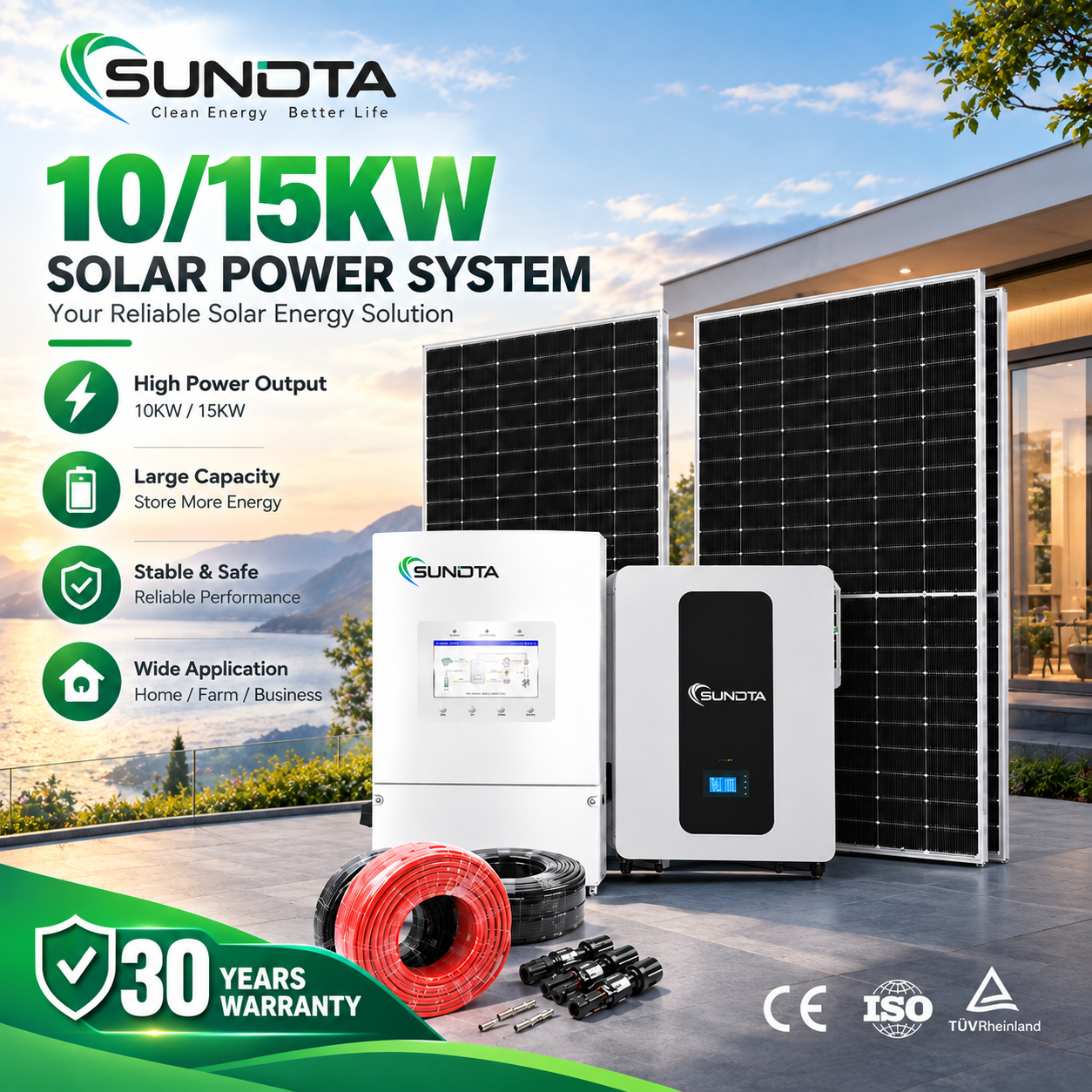
Frequent grid instability and voltage sags disrupt sensitive CNC machinery, automated weaving looms, and chemical finishing lines. Pairing our 100kW–500kW All-in-One Outdoor LiFePO4 ESS cabinets with high-efficiency TOPCon arrays allows factories to smoothly shave 17:00–23:00 peak grid penalties and buffer intermittent brownouts.
Telecom Towers & Remote Riverine Microgrids
Base transceiver stations (BTS) along the outskirts of Dhaka, Narayanganj river corridors, and adjacent char regions struggle with diesel delivery logistics. Our 15kW–50kW off-grid hybrid packages with stackable 51.2V LiFePO4 storage reduce run-hours for diesel gensets by up to 88%, significantly cutting operating expenditures.
Commercial Real Estate & Cold Storage Logistics
Rooftop real estate in Gulshan, Banani, and Uttara command unmatched value. High-density 700W+ panels optimize constricted spaces. For agricultural cold chain facilities bordering northern Dhaka, our hybrid systems provide uninterruptible cooling power during grid shutdowns, preventing high-value inventory loss.
Technical Benchmarking: Cell Technologies in Dhaka's Operating Environment
Comparative performance analysis based on 300 days of ambient operating data in tropical Class-A irradiation zones.
| Performance Metrics | P-Type Mono PERC | N-Type TOPCon (Our Solution) | Heterojunction (HJT) | Dhaka Project Impact |
|---|---|---|---|---|
| Cell Efficiency (Mass Production) | 21.2% – 21.6% | 22.5% – 23.2% | 23.0% – 23.8% | TOPCon yields 6%–8% more power per square meter of shed roof. |
| Temperature Coefficient (Pmax) | -0.35% to -0.38%/°C | -0.30%/°C | -0.26%/°C | Crucial for Dhaka where roof sheet temperatures exceed 65°C. |
| Bifaciality Factor | 65% – 70% | 80% – 85% | 85% – 90% | Provides 10%+ extra output on reflective industrial roofs. |
| First Year Power Degradation | < 2.0% | < 1.0% (Zero LID) | < 1.0% | Maintains maximum generation during early loan repayment periods. |
| Annual Linear Degradation | 0.55%/year | 0.40%/year | 0.35%/year | Guarantees 87.4% rated output at Year 30 vs 84.8% for PERC. |
| Capital Expenditure / Watt Ratio | Lowest Baseline | Optimal LCOE Balance | High Cost Premium | TOPCon achieves the fastest payback (3.2–3.8 years in Bangladesh). |
Dhaka Solar Trends: Policy Shifts, Tariffs & Grid Dynamics
Understanding Bangladesh’s evolving clean energy framework ensures long-term return on investment for project developers and capital goods importers.
SREDA Net Metering Guidelines Expansion
The Sustainable and Renewable Energy Development Authority (SREDA) continues to support rooftop net metering, allowing industrial consumers to connect up to 70% of their sanctioned load (capped at 10 MW). The policy empowers textile plants and factories to export surplus daytime power to DESCO, DPDC, and REB distribution grids, generating monthly billing offsets that directly mitigate rising utility tariffs.
Surging Industrial Gas & Electricity Tariffs
With domestic natural gas reservoirs depleting and liquefied natural gas (LNG) imports exerting immense foreign currency pressure on the national treasury, the Bangladesh Energy Regulatory Commission (BERC) has implemented phased industrial electricity tariff increases. High-efficiency on-site TOPCon solar systems provide an indispensable hedge, locking in a predictable Levelized Cost of Electricity (LCOE) below BDT 5.20/kWh.
Carbon Border Adjustment & Global Supply Chains
With Bangladesh approaching its United Nations LDC graduation and the European Union phasing in the Carbon Border Adjustment Mechanism (CBAM), Dhaka-based ready-made garment (RMG) exporters risk losing competitive advantages unless they de-link factory operations from fossil-fuel generators. High-capacity TOPCon solar systems represent the most cost-effective path to carbon accounting compliance.
Why Bangladeshi EPCs & Industrial Importers Partner with RJV
Procurement directors and solar engineers understand that successful turnkey projects depend on unified component compatibility, reliable warranty execution, and straightforward customs logistics. Sourcing panels from one supplier, inverters from another, and batteries from an unverified packager frequently results in field communication mismatches, extended commissioning shutdowns, and disputed warranty claims.
Anhui RJV New Energy Co., Ltd. (operating from Hefei, China’s global epicentre of photovoltaic innovation) solves this structural friction. We combine automated cell production with end-to-end electrical balance-of-system (BOS) integration:
- ✔ 2.0 GW Fully Automated Production: State-of-the-art non-destructive laser cutting, multi-busbar (SMBB) stringing, and inline high-resolution electroluminescence (EL) double-inspection.
- ✔ TÜV Rheinland Assessed Facility: Rigorous on-site operational verification guaranteeing full CE, IEC 61215, IEC 61730, and UN38.3 regulatory compliance for smooth Bangladesh customs clearance.
- ✔ Factory Pre-Configured BOS Architecture: Inverter MPPT input windows, closed-loop BMS CAN/RS485 communication protocols, and DC disconnect ratings matched and verified prior to shipping.
- ✔ Direct L/C & Bangladesh Banking Familiarity: Full support for documentary Letters of Credit (L/C at sight) opened via authorized commercial banks in Bangladesh, backed by comprehensive packing and shipping support.
Frequently Asked Questions for Bangladesh Sourcing
Straightforward answers addressing financial instruments, customs clearance, durability, and warranty execution for shipments arriving at Chittagong Port or ICD Kamalapur.
What payment terms and Letter of Credit (L/C) structures do you accept from Bangladesh banks?
Given the prevailing foreign exchange regulatory directives from Bangladesh Bank, we regularly process verified Irrevocable Letters of Credit (L/C at sight) through top-tier commercial banks such as Eastern Bank, BRAC Bank, Standard Chartered, and Islami Bank. We provide complete proforma documentation with proper Harmonized System (HS) codes (e.g., 8541.43.00 for solar photovoltaic modules) to expedite Letter of Credit authorization and import permits.
How do TOPCon modules perform against Dhaka’s severe air soot and industrial dust?
Industrial Dhaka, Gazipur, and Narayanganj experience elevated levels of fine particulate matter (PM2.5/PM10) alongside emissions from surrounding brick kilns. Our TOPCon modules are equipped with advanced anti-reflective, self-cleaning hydrophobic glass coatings. This structure minimizes dust adhesion and harnesses rainfall during the monsoon for natural cleaning. For dry months (November–March), their low-light and diffuse-radiation response generates measurable yields even under heavy atmospheric haze.
Are your solar panels and inverters compliant with IDCOL and SREDA technical requirements?
Yes. Our modules and systems comply with the technical standards established by the Infrastructure Development Company Limited (IDCOL) and SREDA. Our photovoltaic panels carry independent test certifications from TÜV Rheinland for IEC 61215 and IEC 61730, and our hybrid/commercial inverters feature required anti-islanding protection, low harmonic distortion (THD < 3%), and configurable grid export limits demanded by DESCO, DPDC, and BPDB engineers.
What is your minimum order quantity (MOQ) and delivery lead time for shipments to Chittagong?
For high-capacity TOPCon modules, our standard MOQ starts at 1 full pallet (approx. 13.6 kW to 17.2 kW depending on panel wattage), though mixed-container orders combining inverters, LiFePO4 batteries, and mounting hardware are welcomed. Production lead times typically range from 12 to 18 business days. Ocean transit from Ningbo/Shanghai port to Chittagong Port (CTG) takes approximately 14 to 20 days, ensuring reliable inventory delivery for fast-track projects.
How are warranty claims, technical support, and component replacements handled locally?
All RJV TOPCon modules are backed by a standard 12-year workmanship warranty and a 30-year linear power warranty. Every containerized consignment leaves the factory with serialized flash reports and electroluminescence (EL) test certificates. In the rare event of a field anomaly, our technical engineering team provides remote diagnostics within 24 hours. Validated replacement modules or internal electrical components are dispatched swiftly from factory inventory or regional service stock.
Plan Your MW-Scale Rooftop or ESS Project in Dhaka
Connect directly with Anhui RJV New Energy’s PV systems application engineers. Share your factory dimensions, daily kilowatt-hour load profile, or commercial EPC specifications to receive a customized Bill of Materials, factory pricing, and energy yield simulations within one working day.
Contact Us